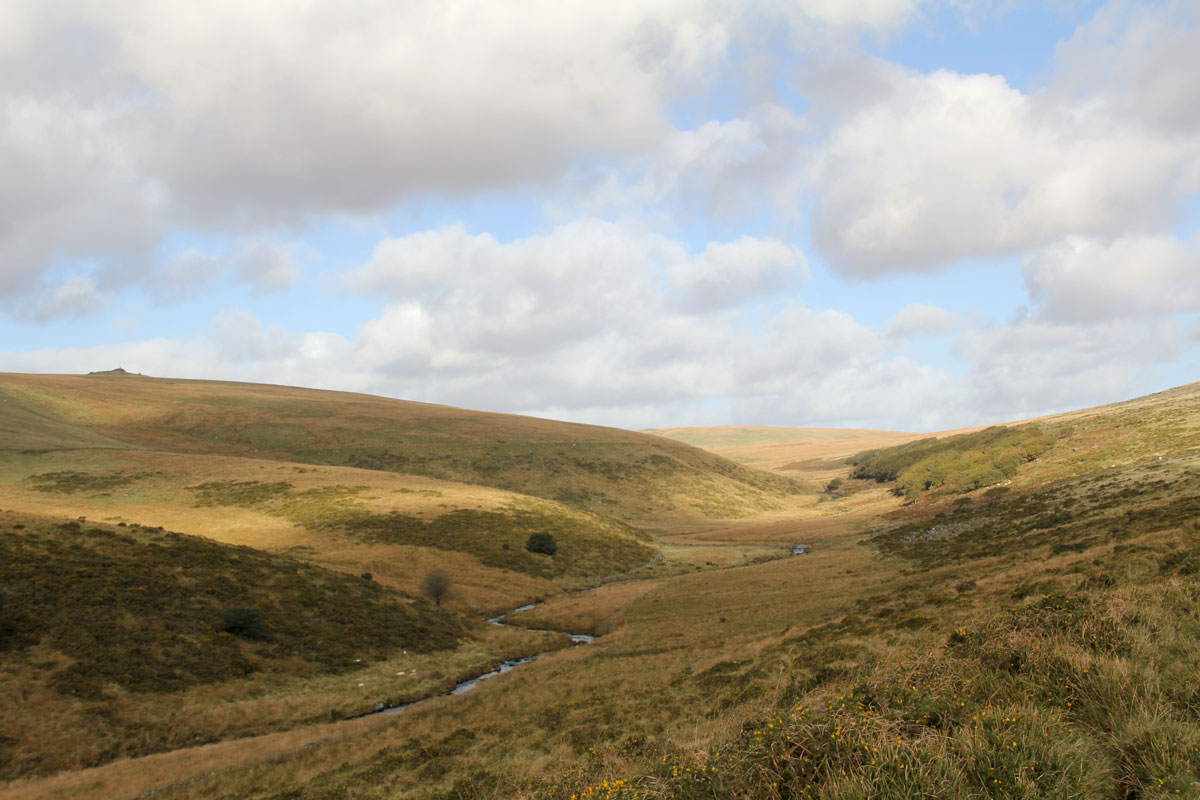
Warning: Creating default object from empty value in /home/sites/30b/a/a8be13db6d/public_html/wp-content/plugins/zanmb/reduxframework/ReduxCore/inc/class.redux_filesystem.php on line 29

Warning: Cannot modify header information - headers already sent by (output started at /home/sites/30b/a/a8be13db6d/public_html/wp-content/plugins/zanmb/reduxframework/ReduxCore/inc/class.redux_filesystem.php:29) in /usr/share/php/wp-stack-cache.php on line 1971

Warning: Cannot modify header information - headers already sent by (output started at /home/sites/30b/a/a8be13db6d/public_html/wp-content/plugins/zanmb/reduxframework/ReduxCore/inc/class.redux_filesystem.php:29) in /usr/share/php/wp-stack-cache.php on line 1972

Warning: Cannot modify header information - headers already sent by (output started at /home/sites/30b/a/a8be13db6d/public_html/wp-content/plugins/zanmb/reduxframework/ReduxCore/inc/class.redux_filesystem.php:29) in /usr/share/php/wp-stack-cache.php on line 1973

Warning: Cannot modify header information - headers already sent by (output started at /home/sites/30b/a/a8be13db6d/public_html/wp-content/plugins/zanmb/reduxframework/ReduxCore/inc/class.redux_filesystem.php:29) in /usr/share/php/wp-stack-cache.php on line 1971

Warning: Cannot modify header information - headers already sent by (output started at /home/sites/30b/a/a8be13db6d/public_html/wp-content/plugins/zanmb/reduxframework/ReduxCore/inc/class.redux_filesystem.php:29) in /usr/share/php/wp-stack-cache.php on line 1972

Warning: Cannot modify header information - headers already sent by (output started at /home/sites/30b/a/a8be13db6d/public_html/wp-content/plugins/zanmb/reduxframework/ReduxCore/inc/class.redux_filesystem.php:29) in /usr/share/php/wp-stack-cache.php on line 1973

Warning: Cannot modify header information - headers already sent by (output started at /home/sites/30b/a/a8be13db6d/public_html/wp-content/plugins/zanmb/reduxframework/ReduxCore/inc/class.redux_filesystem.php:29) in /home/sites/30b/a/a8be13db6d/public_html/wp-includes/feed-rss2.php on line 8
The Moor – Easymalc's Wanderings https://www.easymalc.co.uk I’d be unstoppable if only I could get started Sun, 24 May 2026 13:59:26 +0000 en-GB hourly 1 https://wordpress.org/?v=7.0.4 https://www.easymalc.co.uk/wp-content/uploads/2019/09/cropped-easy-malc-logo-32x32.jpg The Moor – Easymalc's Wanderings https://www.easymalc.co.uk 32 32 140253175 Dartmoor – The Final Chapter https://www.easymalc.co.uk/dartmoor-the-final-chapter/ https://www.easymalc.co.uk/dartmoor-the-final-chapter/#comments Sun, 24 May 2026 13:59:20 +0000 https://www.easymalc.co.uk/?p=19458 Originally posted 2023-09-01 11:31:30.

The post Dartmoor – The Final Chapter appeared first on Easymalc's Wanderings.

]]>

Dartmoor - The Final Chapter

I’ve never made any secret of the fact that Dartmoor has always been a special place for me: If you’ve been following my posts, you would have learnt how the iconic tors were formed, delved into some of the moor’s spooky myths and legends and even got an insight into its notorious prison: You would have also explored some of the quaint villages, fascinating pubs and the upper reaches of the River Dart, and in this final look at ‘Southern England’s last great wilderness’ I’m going to leave you with a few more reasons why I regard Dartmoor as somewhere special.

The Dart isn’t the only Devon river to begin life on Dartmoor and that’s because the high rainfall leaves behind a boggy morass on the high plateau. Depending on who’s counting them, figures vary as to how many rivers there are, but about a dozen or so begin their journey seeping out of the peat bogs, with the majority travelling south and ending up in the English Channel.

Threatening Skies over Hameldown

As excess water gradually oozes out of the saturated mires, it trickles downhill creating a myriad of  brooks and streams that eventually become these infant rivers.

The Cherry Brook

Just as a word of warning though, if you’re walking in areas like this, it’s best to know about quakers, as I learnt about them the hard way. They usually occur in blanket bogs where sphagnum moss thrives. It’s not usually a problem, but sometimes it can be found growing where deeper water has accumulated, and for the unsuspecting walker (like me) you can end up in deep water yourself.

I’ve only come a cropper once, but that’s once too often as far as I’m concerned. One minute I was hopping around trying to keep my feet dry, and then the next I was up to my knees in a quagmire, but just like quicksand, the more I struggled to get out, the deeper I went in. To begin with, my walking partner was about as useful as Joe Biden’s autocue, and before I knew it, I was in it up to my waist. Eventually, by moving my body backwards and forwards, I was able to create a vacuum which gave me enough leeway to spread my body out and grab hold of a stick that my mate had managed to find. Where he got it from I’ve no idea, but when I got out I could have given him a kiss worthy of a Spanish football president. I’m not saying that I was on my way down to meet Hades or anything, but it was an experience I could have done without. When I got home, all the wife could say to me was “look at the state of your clothes”. Just for the record, a quaker appears bright green – not that much different from the colour I was at the time.

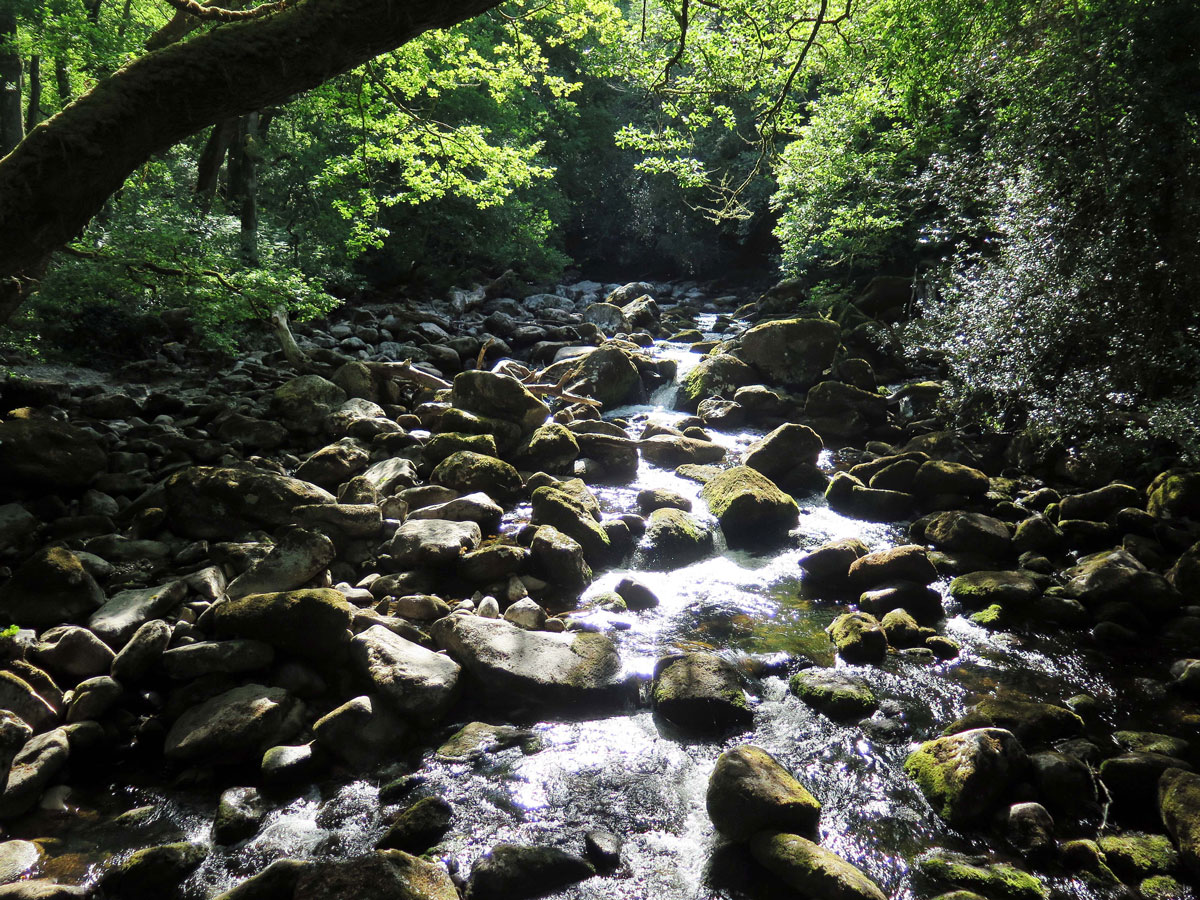
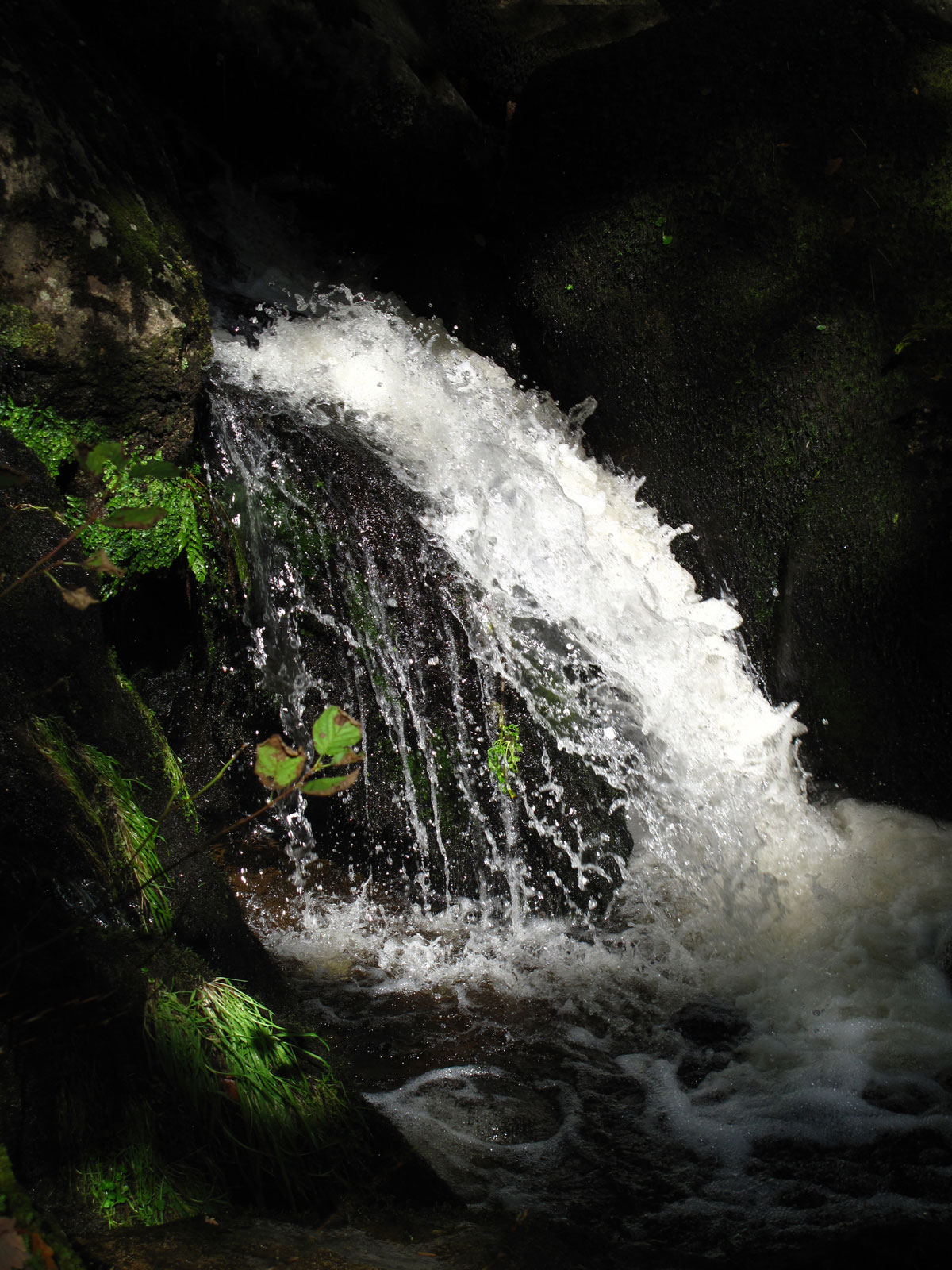
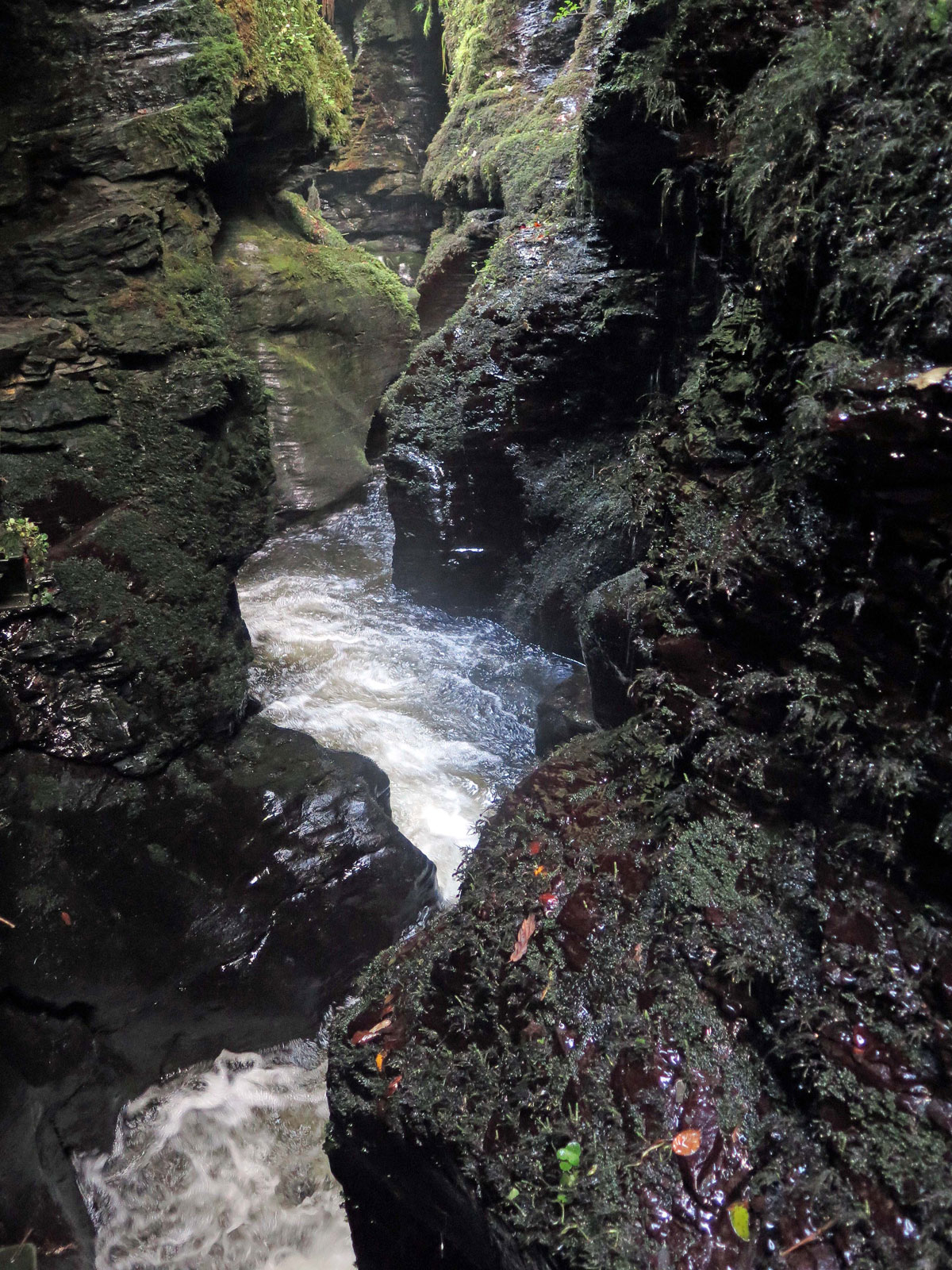
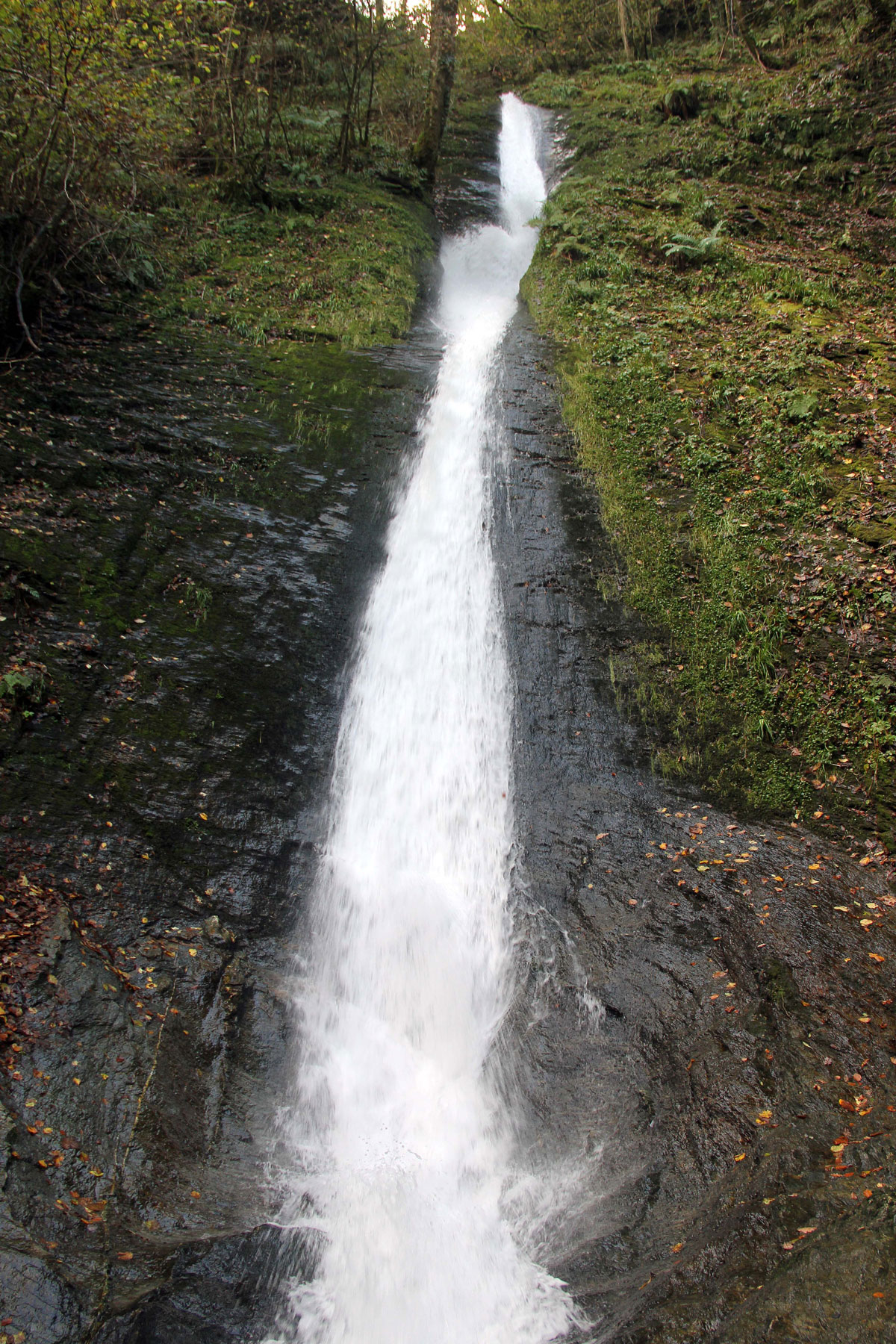
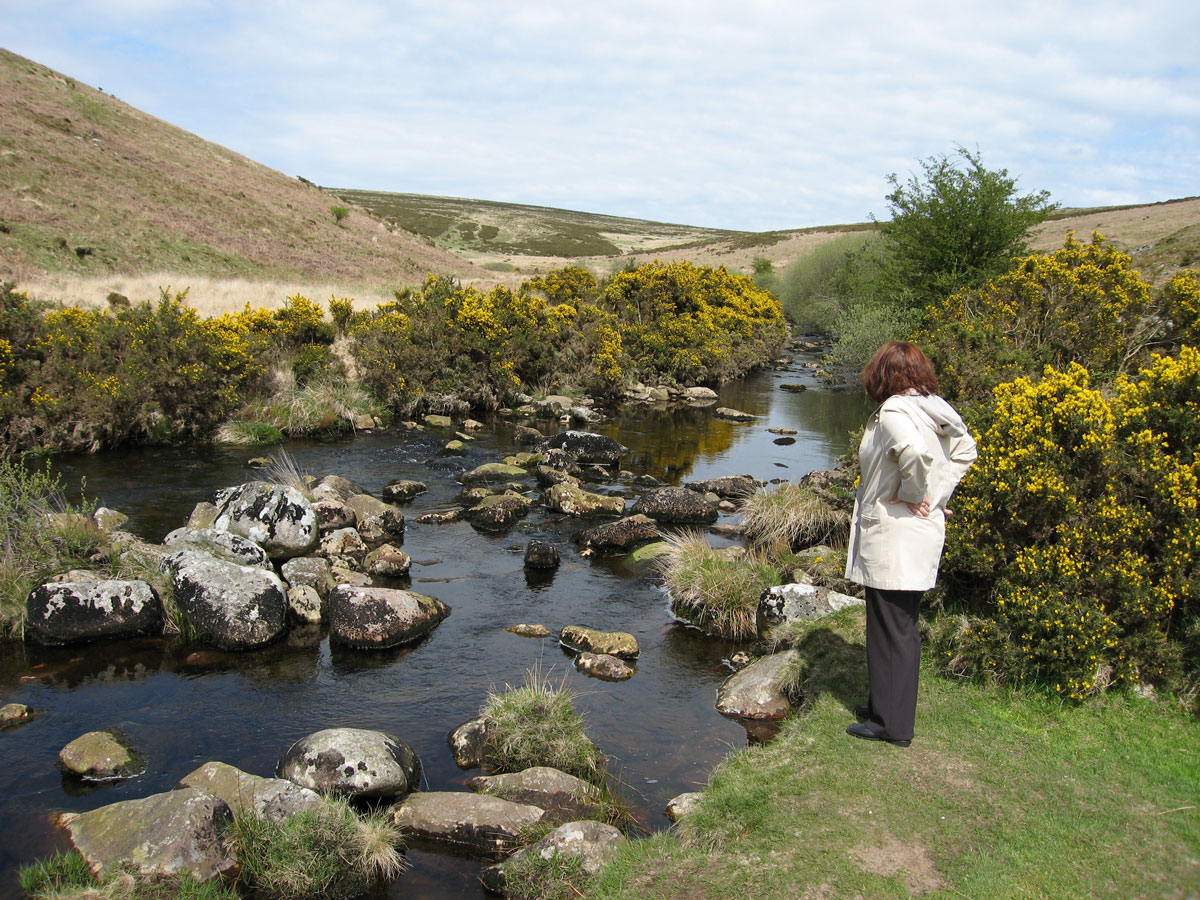
Once the rivers leave the high ground, they start to make their way towards the sea by tumbling over rocks and boulders, sometimes creating a cleave or gorge where waterfalls cascade down through the natural broadleaved trees that cling to the hillsides.

The River Plym at Shaugh Prior
The River Bovey at Becky Falls
The River Lyd at Lydford Gorge
White Lady Waterfall at Lydford Gorge

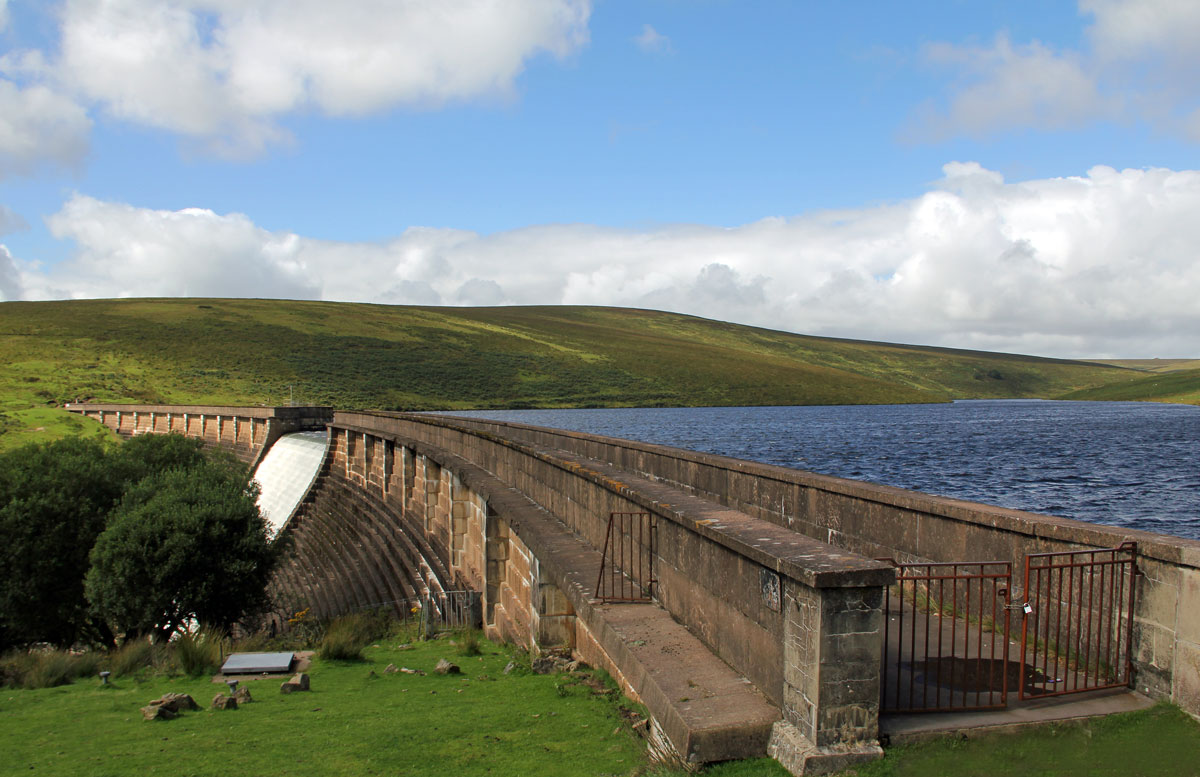
Following the course of these rivers is not always straightforward, and some people use canoes to navigate their way through. That said, there are others that are suitable for everyone, such as the path from Shipley Bridge to the Avon Dam, although I did once meet an adder who had other ideas about which way I should go to get there.

The River Avon near Shipley Bridge
The Avon Dam

Hopefully, I haven’t put anyone off of exploring the moor, because as long as you don’t stray into a live military firing range, you shouldn’t encounter too many problems. Having said that, it’s obvious that anyone venturing out onto the open moor should take sensible precautions. People often imagine Dartmoor in fog, and you really don’t want to be lost if one suddenly descends, but equally, you don’t want to be out in the wilderness on a hot summer’s day without any water either.

There’s a lot of talk these days about global warming, but the climate was much warmer before prehistoric settlers arrived: Until then, most of the moorland was covered in trees, and to make the land more productive, they began a programme of deforestation.

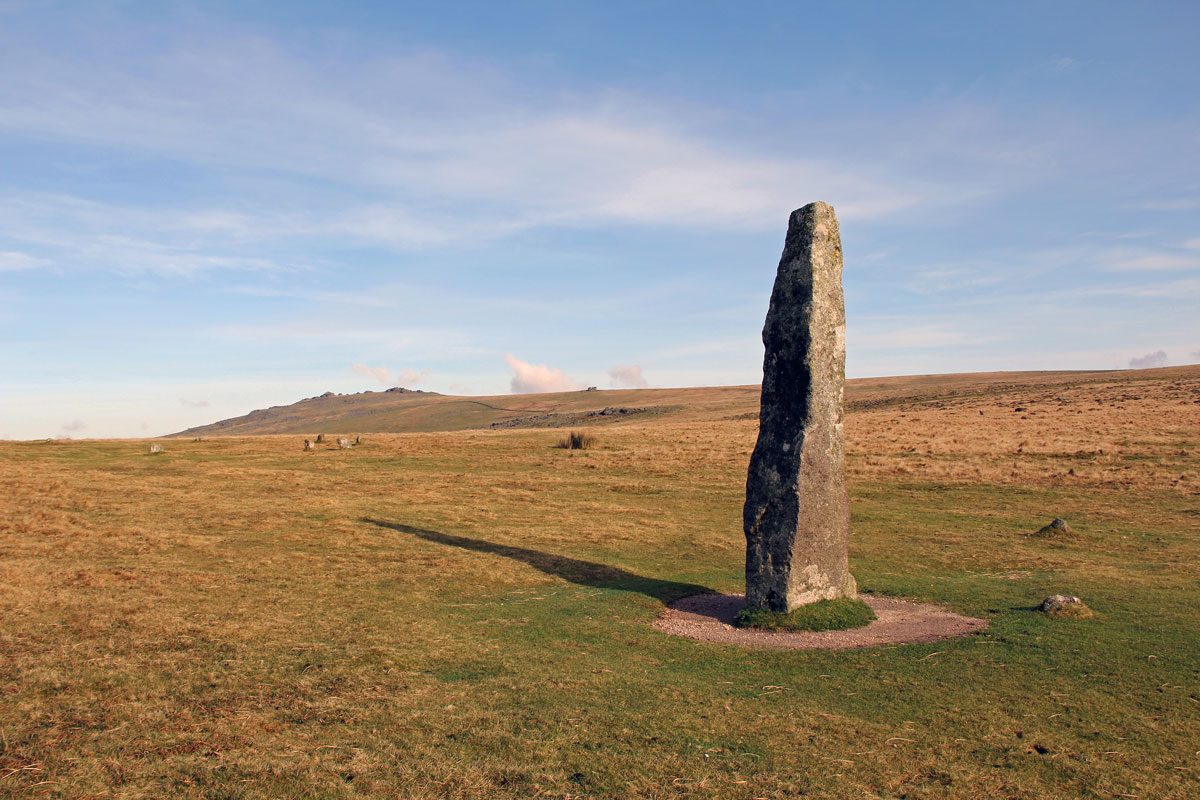
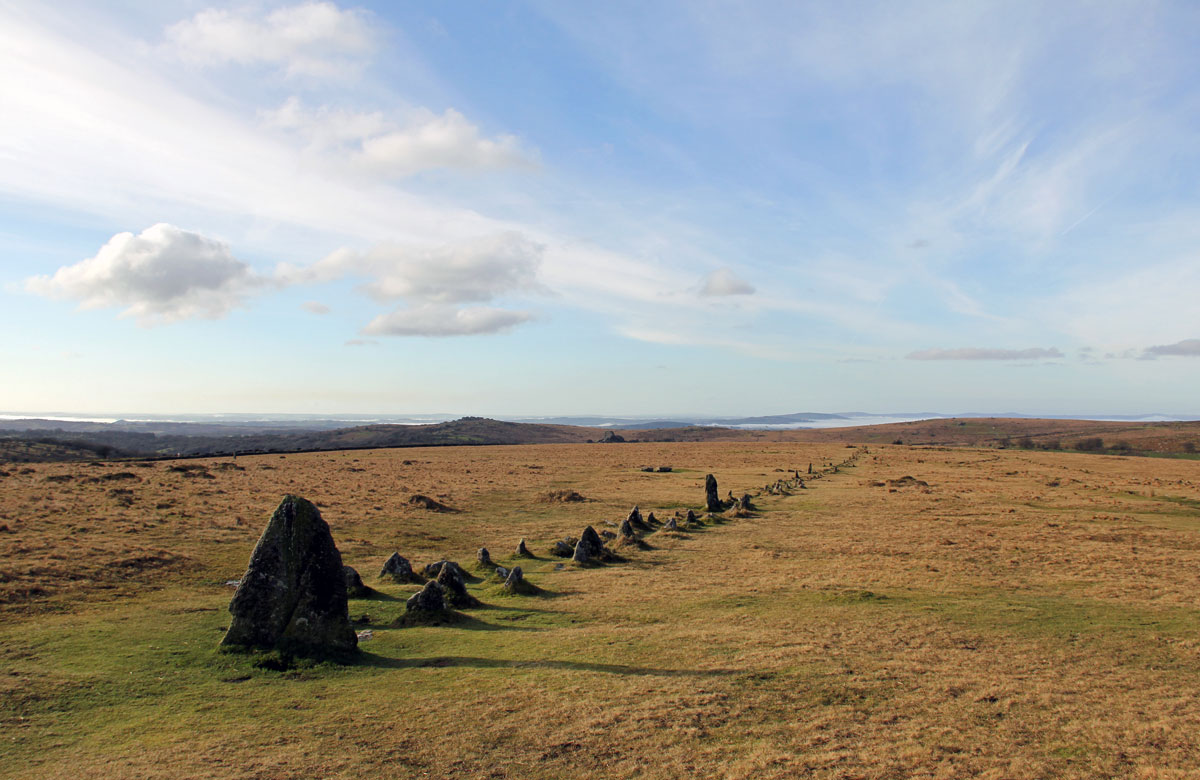
There is evidence of human activity on Dartmoor dating back at least 8,000 years, but most of the prehistoric remains come from the Late Neolithic to Middle Bronze Age Periods (c2500-1500BC), and there are numerous locations where they can be found. Some are more accessible than others, and if you fancy yourself as a bit of an Indiana Jones, then you could do worse than to head for Merrivale: Not only are there some good examples here, but it’s also easy to find, as it’s just off the Two Bridges to Tavistock Road (50.554836, -4.043158).

A Menhir and other Antiquities at Merrivale
Merrivale Southern Stone Row

There are also some great views up here towards Plymouth Sound, and perhaps even better ones from a viewpoint at Cox Tor car park, a short distance down the road towards Tavistock.

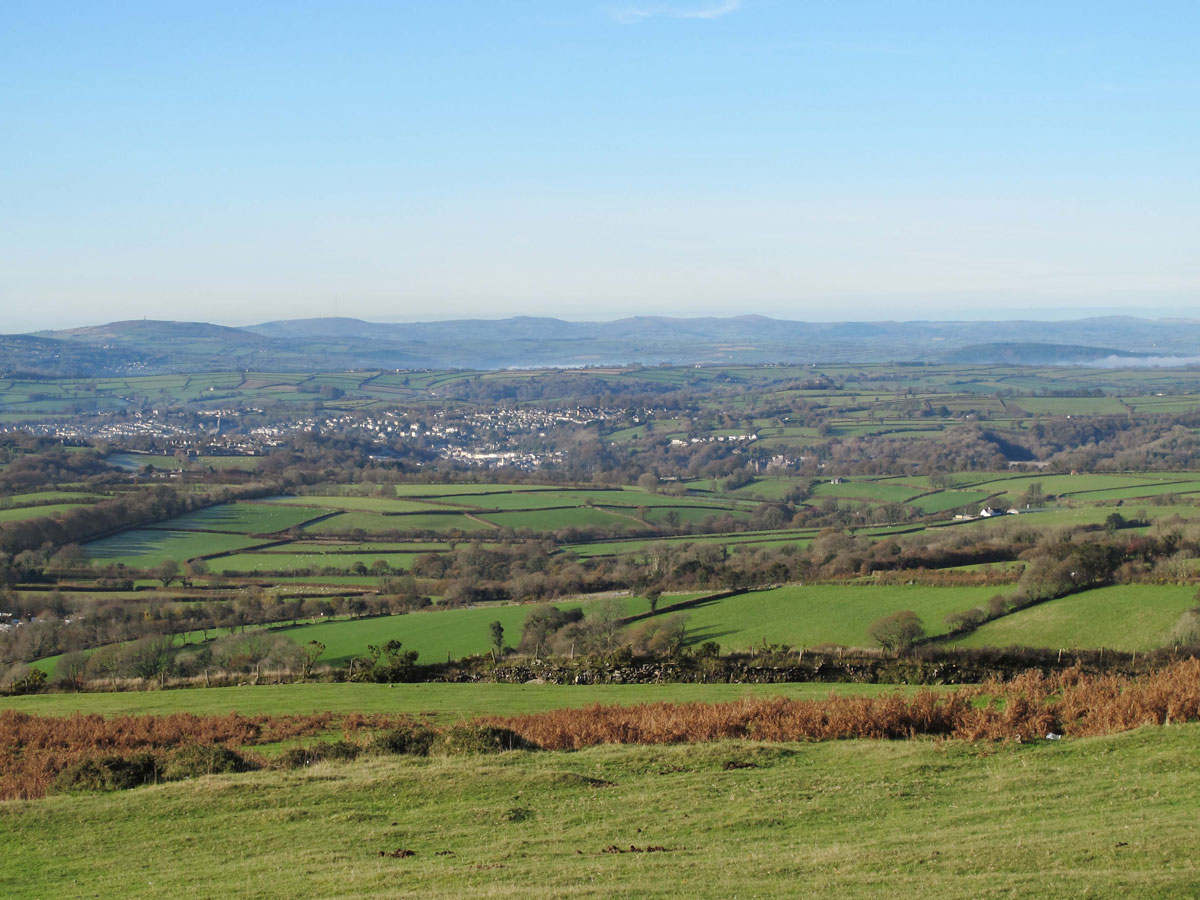
Tavistock, the Misty Tamar Valley and Bodmin Moor in the Distance from Cox Tor Car Park

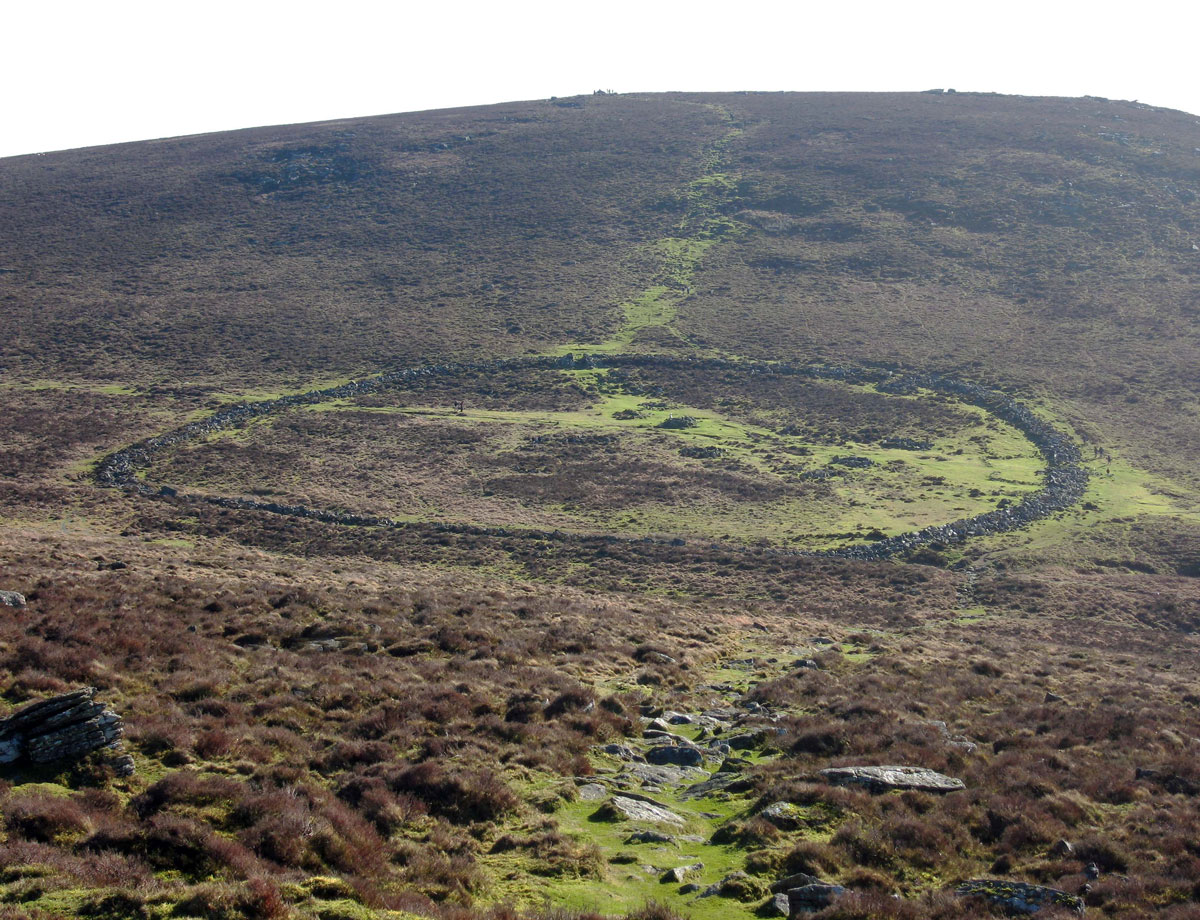
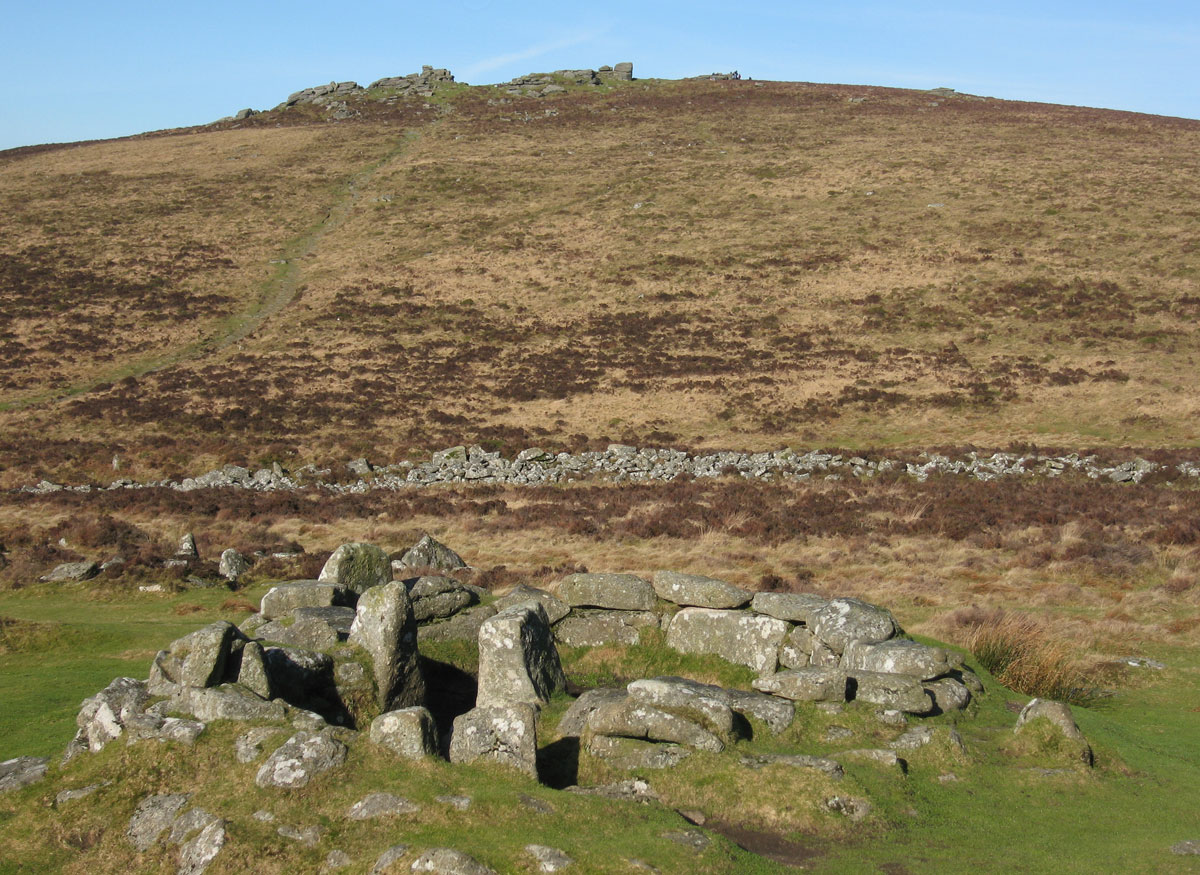
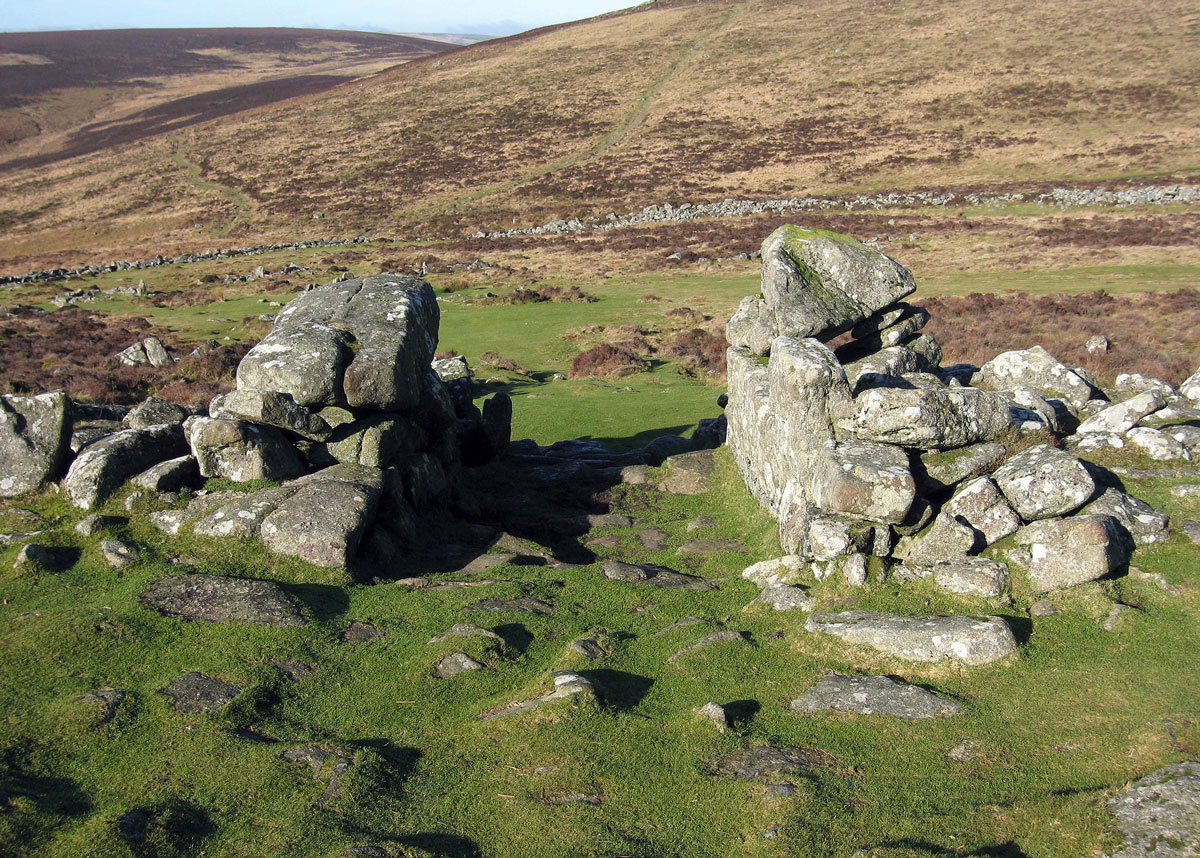
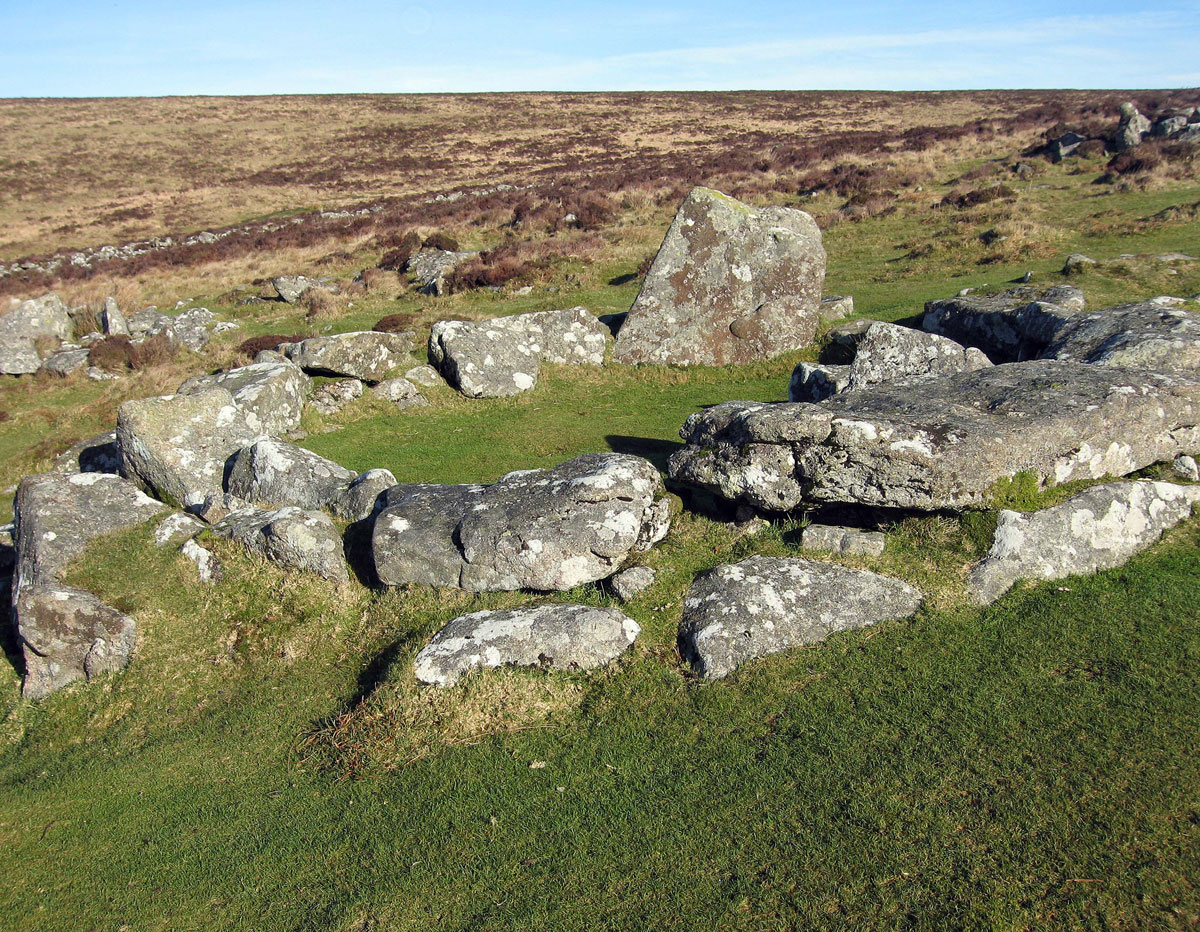
Seeking out Prehistoric remains may not be for everyone, but if it is, then you really shouldn’t miss Grimspound, a settlement that was inhabited around 4,000 years ago. It consists of the remains of 24 stone built round houses surrounded by a massive stone enclosure, and it’s worth taking a bit of time out just to contemplate what it must have been like to live here back then.

Around 3,000 years ago, the climate started to get colder and wetter, consequently making it harder to live at the higher levels, and as time progressed, the landscape started to have other uses. By Medieval times, Dartmoor had become a ‘Royal Forest’, and contrary to what people think, it wasn’t an area full of trees anymore. In this context, a royal forest was an area used by the monarch for hunting game, but there are still plenty of deer roaming around today. For many years, I worked in a factory that was close to the edge of Dartmoor and we often had deer come to pay us a visit. Today, the Ordnance Survey still refers to the area as Dartmoor Forest on its maps.

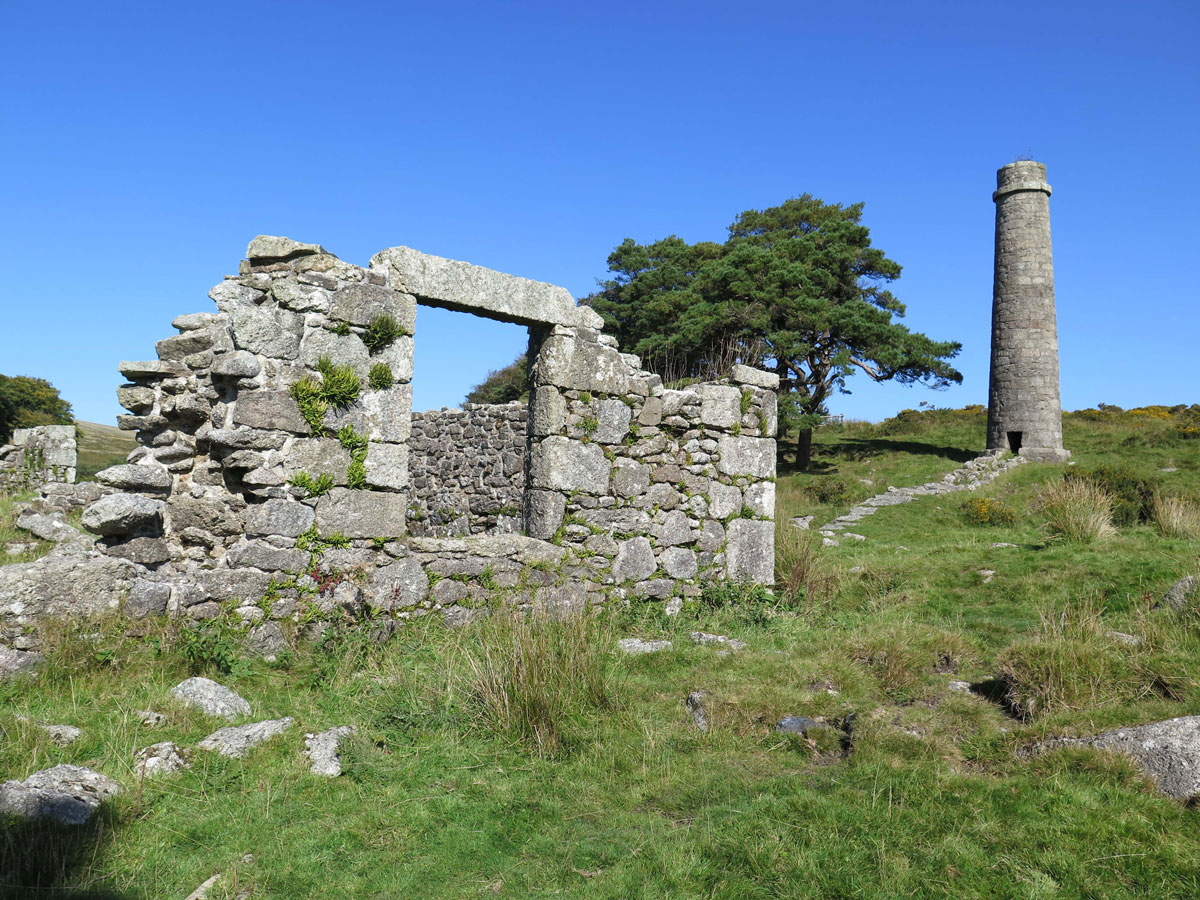
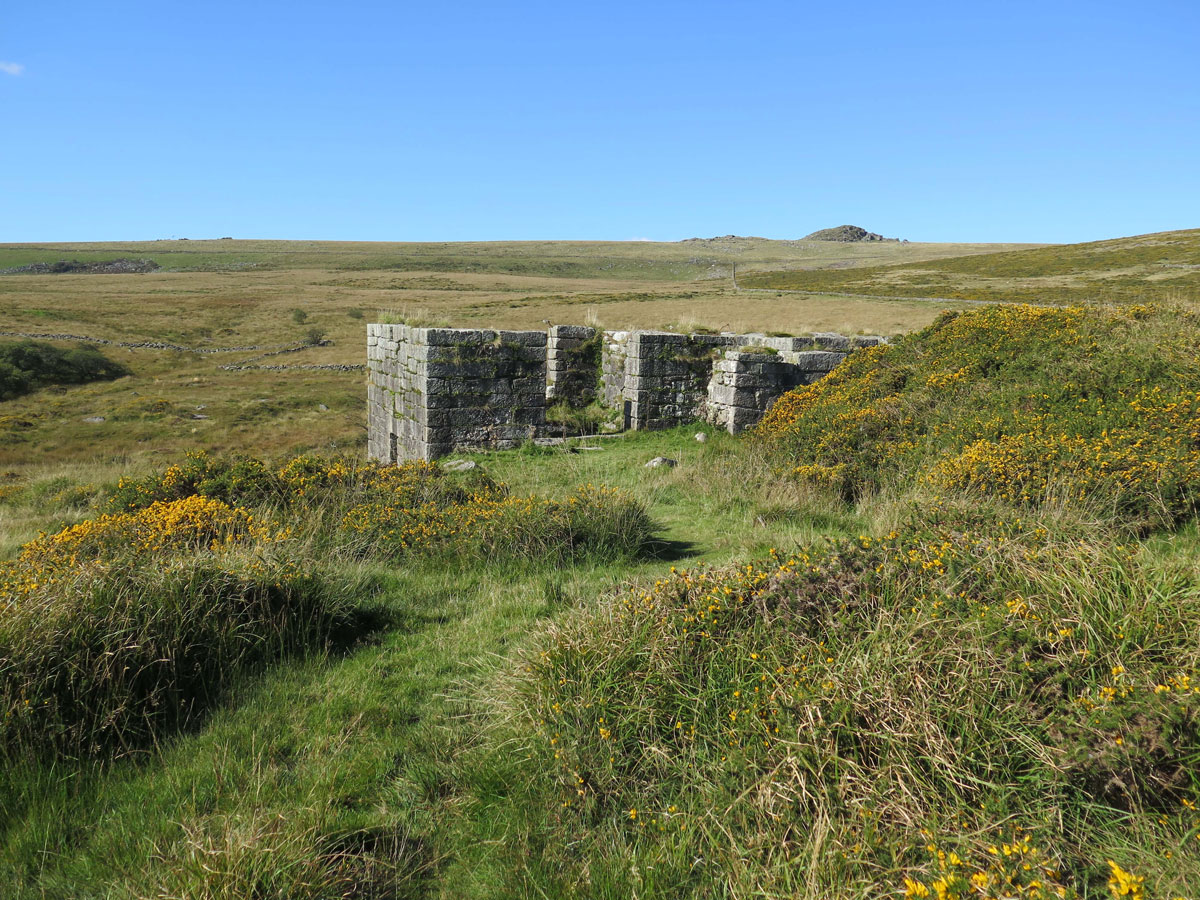
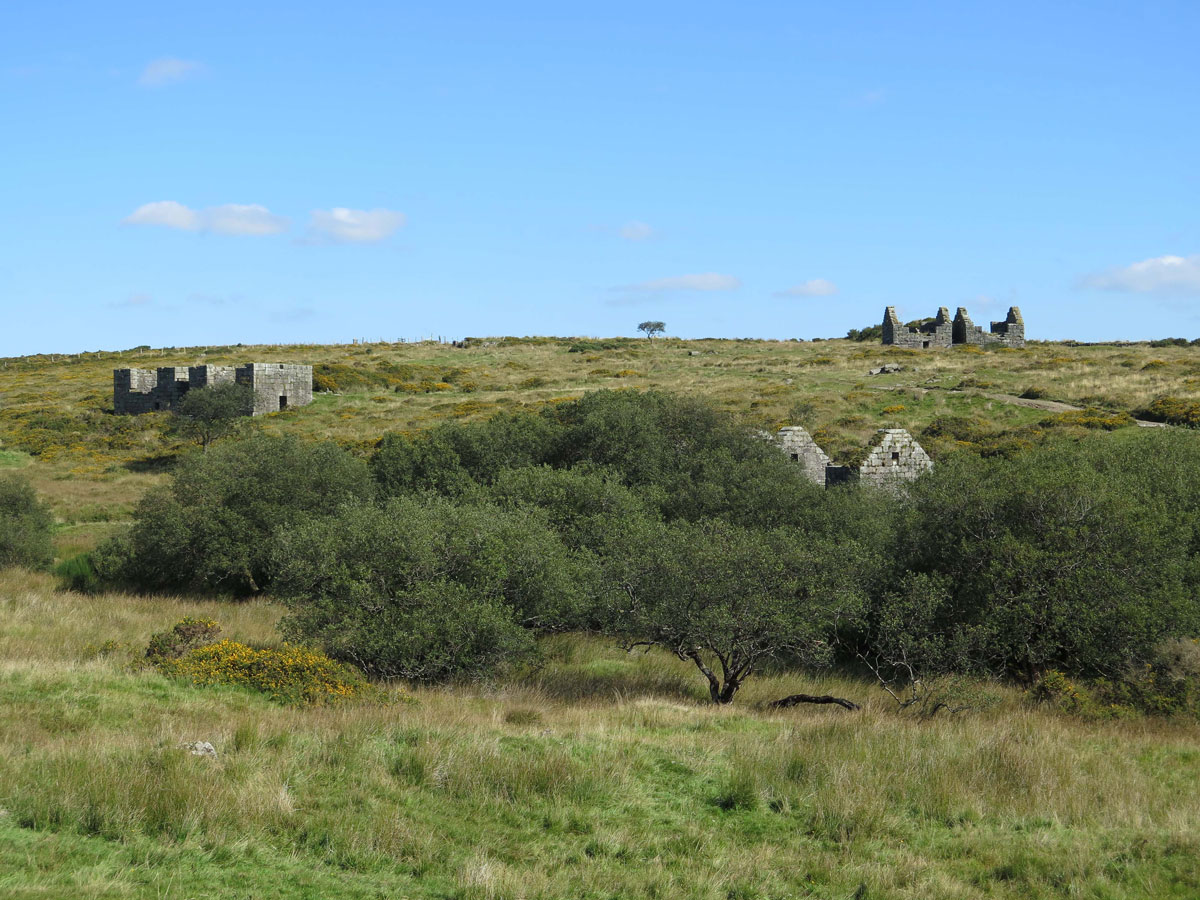
By now, other uses were found by those living on Dartmoor, including mining for minerals and quarrying for stone, both of which benefitted from a gunpowder factory that was built during the 19th century, about a mile west of Postbridge.

Gunpowder Factory Remains at Powdermills

Serious accidents at the factory were thankfully rare, even though Eric Hemery in his excellent tome High Dartmoor, tells us that Silas Sheep, a worker at the factory, took his breakfast and dinner to work and ate both at breakfast in case he got blown up before dinner time. The remains of the factory are still here, and there’s a fairly easy walk along part of the Lych Way if you want to take a look around.

The Remains of an Incorporating Mill at Powdermills
More Remains at Powdermills

The Lych Way is also known as The Way of the Dead or Corpse Way, which refers to the route parishioners had to take in order to bury their dead at Lydford Church. For some, it meant a journey of twelve miles across open moorland, and today, the Lych Way runs from Bellever to Lydford for 12 miles along the same route. Sometimes the route is discernible, and sometimes it isn’t, but there are way markers every so often if you can find them. I used to imagine that the coffin would have been transported by a carriage pulled by a hardy Dartmoor pony, but apparently not. Instead, it was carried by a team of pall bearers, but how they managed to carry a dead body over miles of rough and boggy terrain and across rivers without a compass or O.S. map is beyond me.

A Waymarker along the Lych Way

If you’ve got a minute, you might like to take a look at West Country folk group, Show of Hands singing Chris Hoban’s The Old Lych Way.

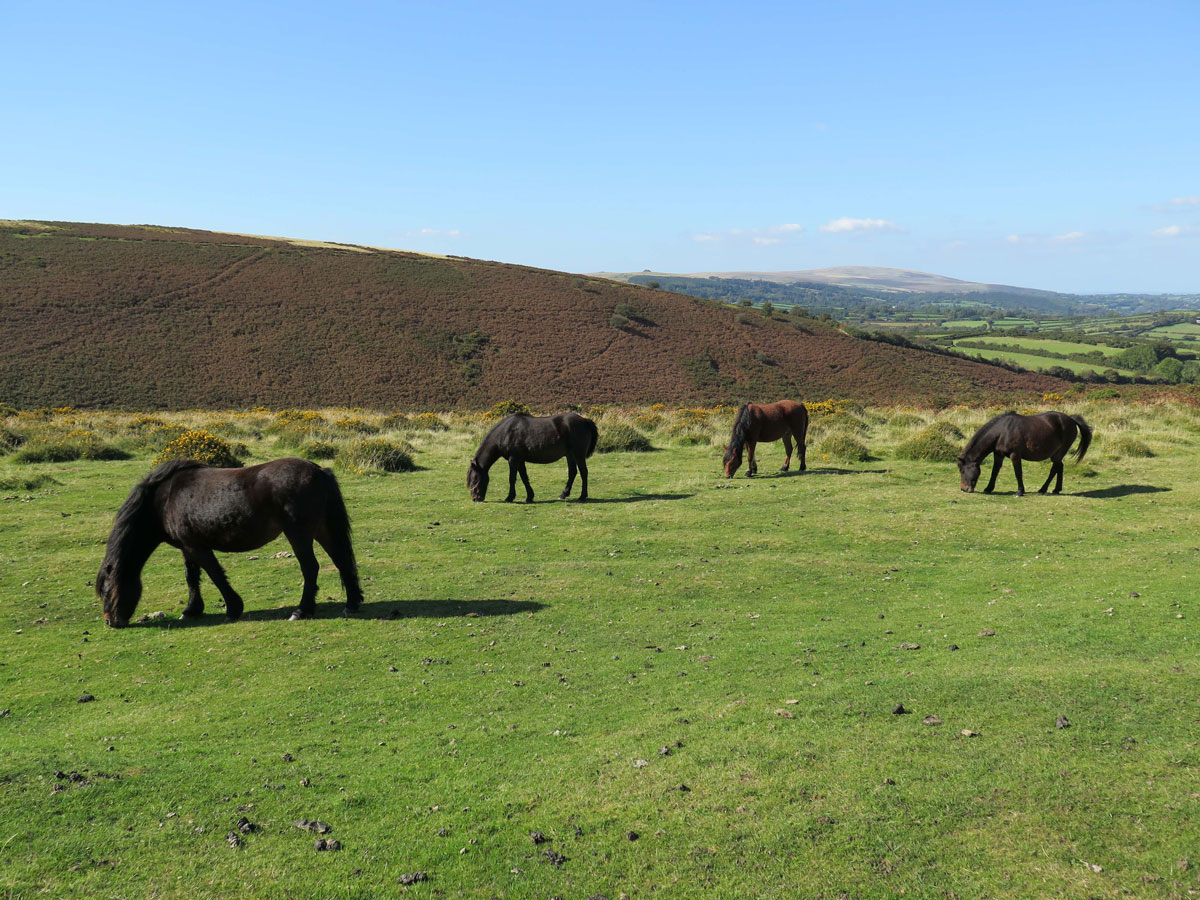
Talking of Dartmoor ponies, it would be impossible to finish talking about Dartmoor without giving them a mention. I don’t think anybody knows for sure how long they’ve been here, but archaeologists have found hoof prints that are around 3,500 years old.

Dartmoor Ponies Grazing

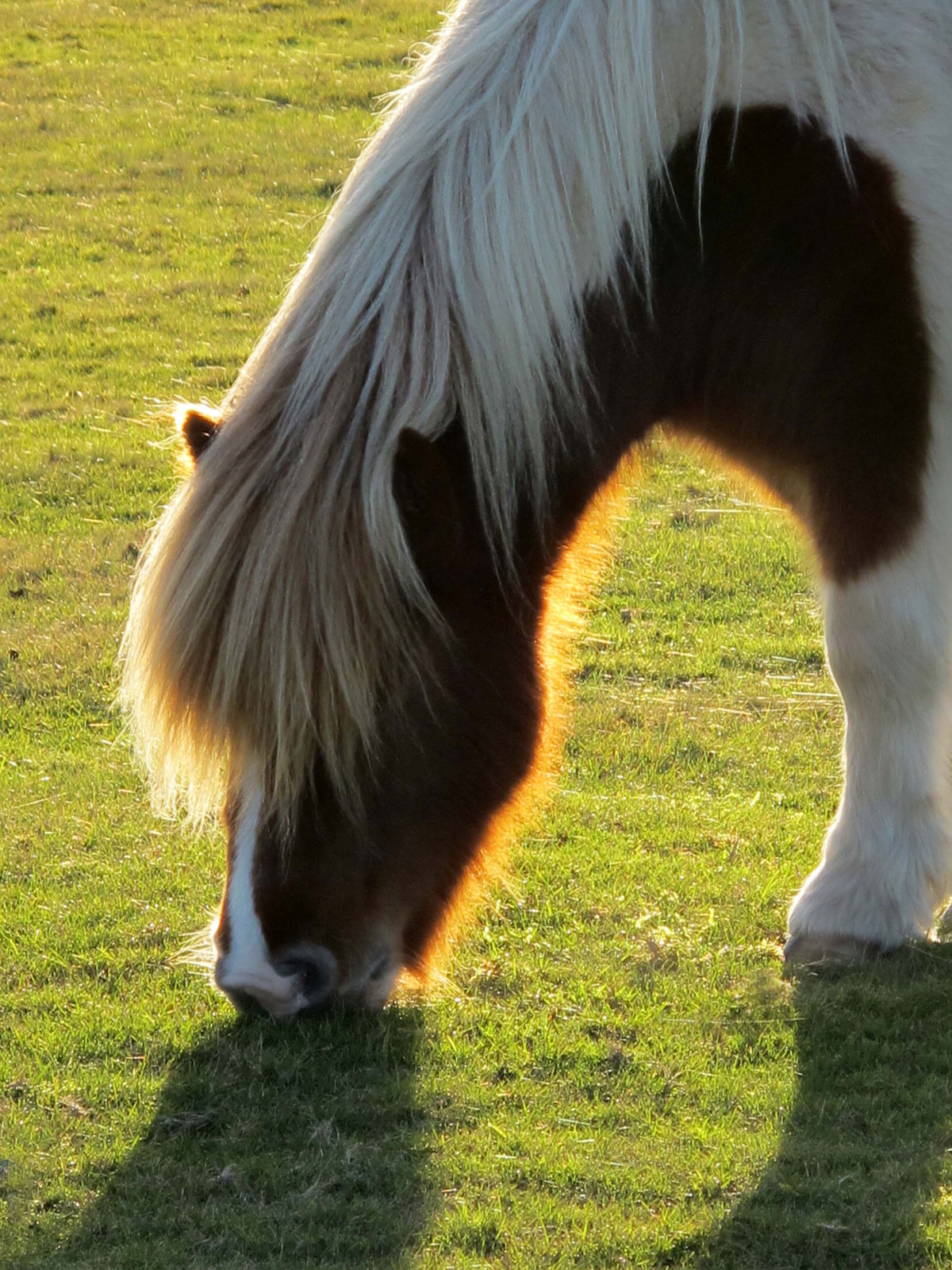
In more recent times, they were used in tin mines as pit ponies and in quarries for transporting granite, but as their use in these industries diminished they were used on farms before being released out onto the open moor. Not all the ponies that can be seen on the moor these days are true Dartmoor ponies as other breeds have joined them and cross bred for different reasons.

A Non-Native Pony

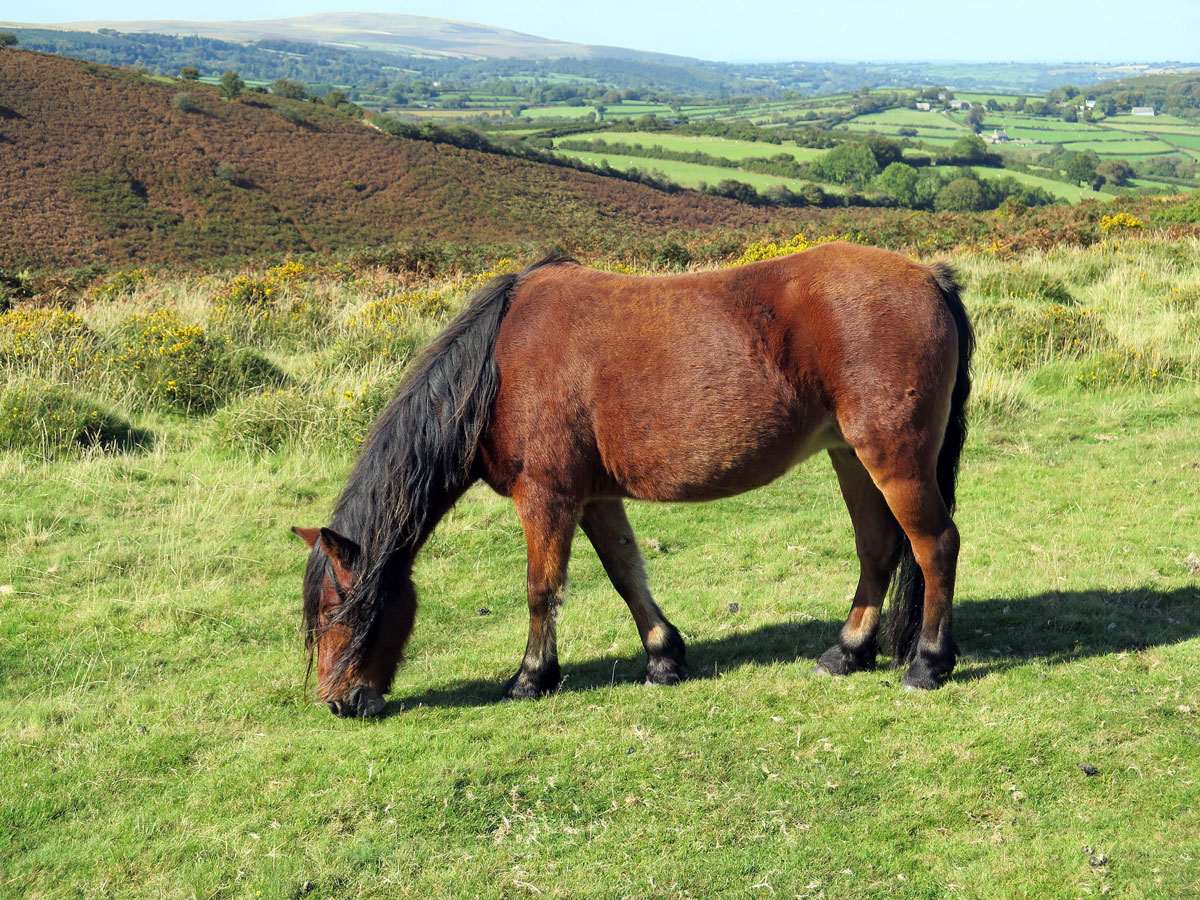
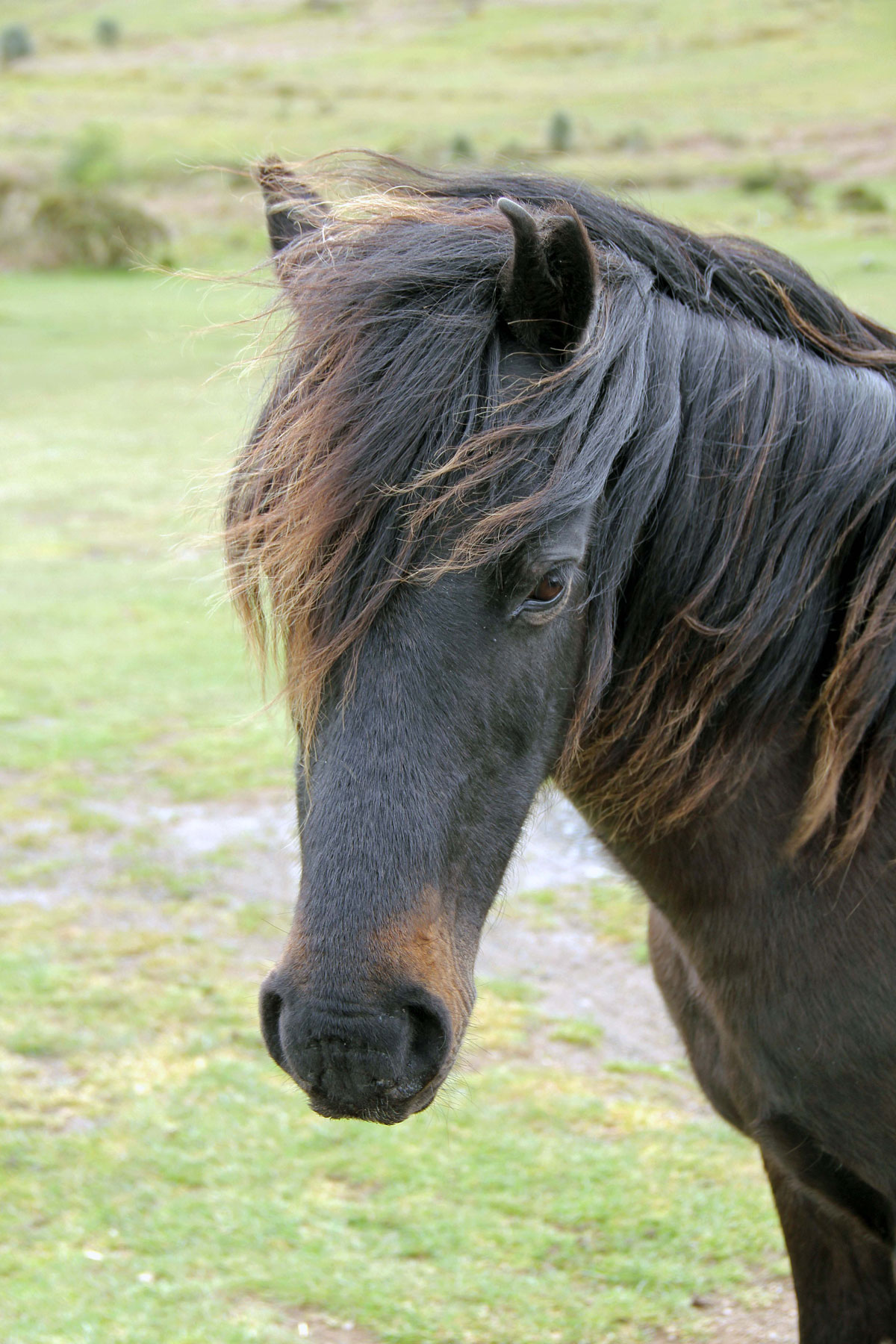
A true Dartmoor pony can be distinguished by its flowing mane and tail with a strong, compact body. Its colour, as recognised by the Dartmoor Pony Society, can be bay, brown, black, chestnut, grey or roan.

A True Dartmoor Pony

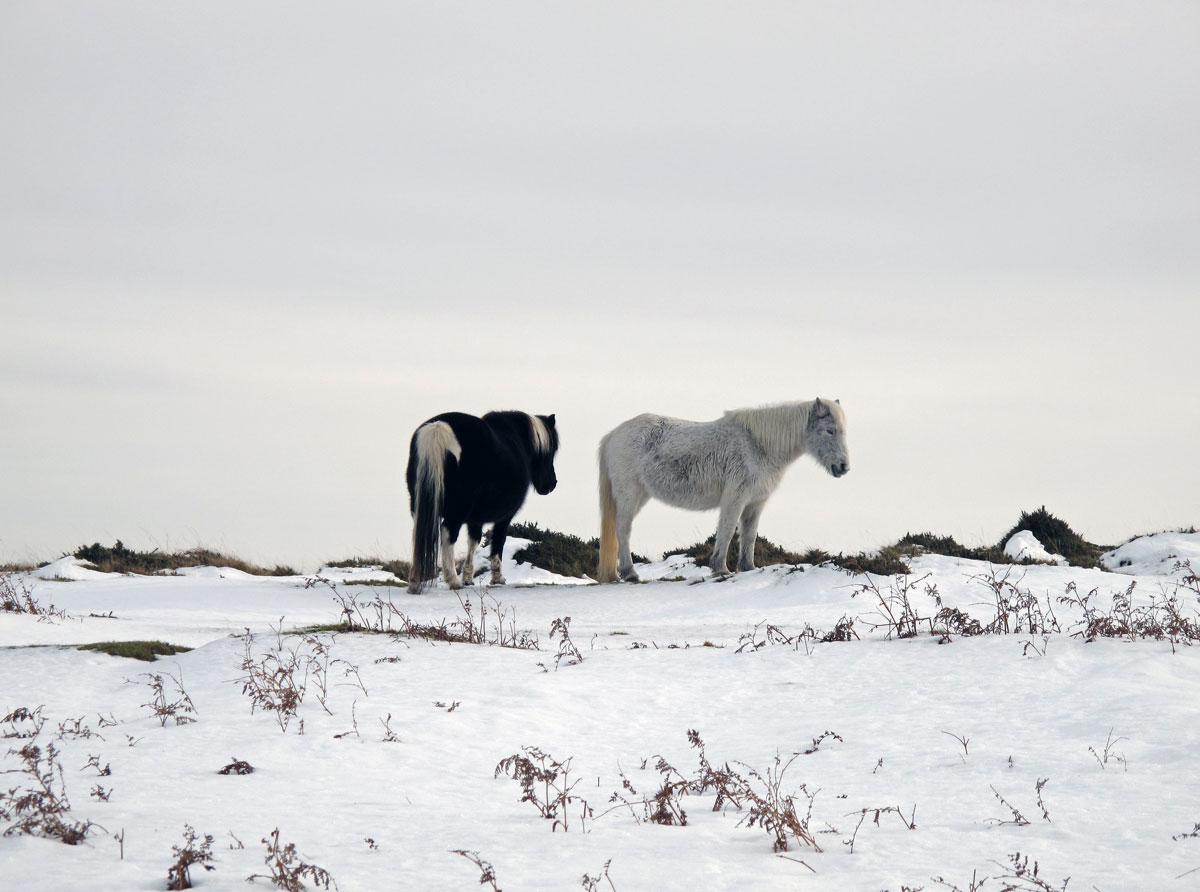
Like many young girls, our daughter was mad keen on horses, but for a long time we were in no position to let her have one, but when the time came that we were, it was a Dartmoor pony that she got. Arron was a typical example: He had a good temperament, calm and less than 13 hands high. He looked sturdy – and was, a requirement for surviving the harsh Dartmoor winter weather.

Dartmoors Braving the Winter Weather

The number of ponies on the moor has drastically reduced during my lifetime, and there are many reasons for it, but we can all do our bit by not feeding them. The reason of course is that it entices them to come down to the roadside, and every year there are a number of fatalities when they get hit by cars, mainly on the B3212 which crosses the moor between Moretonhampstead and Two Bridges.

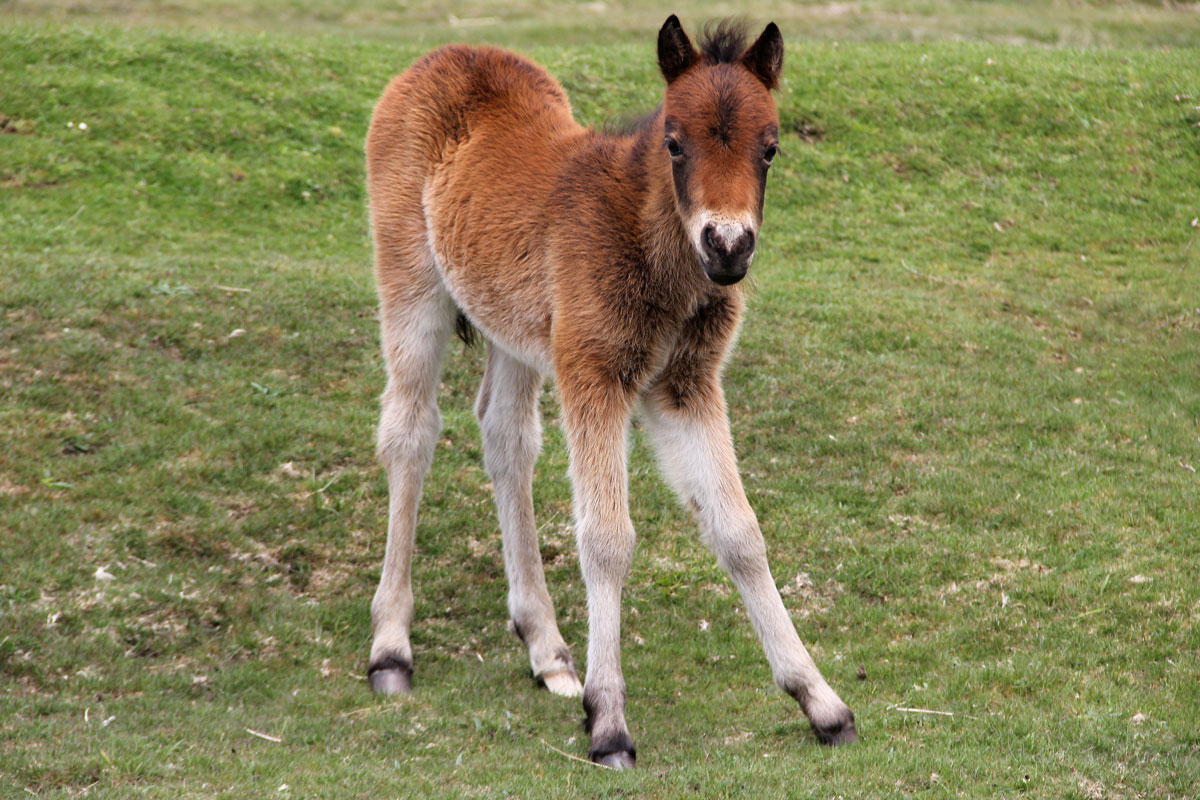
It’s only natural to want to feed and smooth them and I should know. I once had a foal follow me for ages, and no matter how I tried to make him go away he just wouldn’t. How I never picked him up and put him on the back seat of the car I’ll never know.

There are many aspects to Dartmoor that I haven’t even mentioned yet, but I think it’s time to move on, but I hope you can now see why I think it’s a special place. Even Stephen Spielberg thought so when he said “I have never before, in my long and eclectic career, been gifted with such an abundance of natural beauty as I experienced filming War Horse on Dartmoor”.

 Where My Treasure Is

Eternal Mother, when my race is run,

Will that I pass beneath the risen sun,

Suffer my sight to dim upon some spot

That changes not.

Let my last pillow be the land I love

With Fair infinity of blue above;

The roaming shadow of a silver cloud

My only shroud.

A little Lark above the morning star,

Shall shrill the tidings of my end afar;

The muffled music of a lone sheep-bell

Shall be my knell.

And where stone heroes trod the moor of old;

Where ancient wolf howled round granite fold;

Hide Thou, beneath the heather’s new-born light,

My endless night.


Eden Phillpotts – 1905

Eden Phillpotts put it much better than I could, but I share his sentiments, and when it’s my turn to say goodbye to Dartmoor for the last time, I won’t be lying down on a granite pillow. As Show of Hands sang in The Old Lych Way “I’ll never cross the Dart again” and that’s because I’ve arranged for my ashes to be scattered in the River Dart itself, where they’ll begin their journey down through South Devon and then on out to sea. The perfect ending I would say.

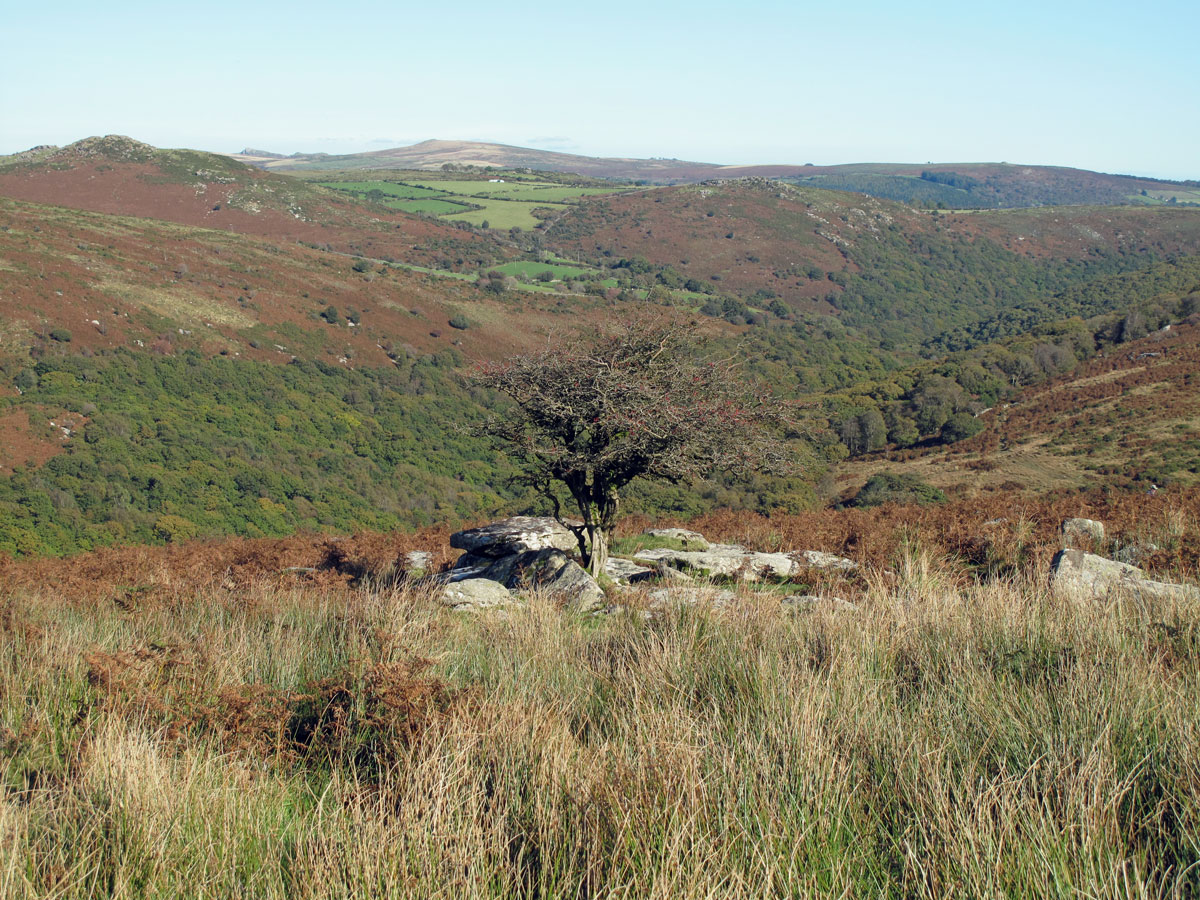
The Dart Valley

POSTED – SEPTEMBER 2023

Originally posted 2023-09-01 11:31:30.

The post Dartmoor – The Final Chapter appeared first on Easymalc's Wanderings.

]]>
https://www.easymalc.co.uk/dartmoor-the-final-chapter/feed/ 55 19458
The Upper River Dart https://www.easymalc.co.uk/the-upper-river-dart/ https://www.easymalc.co.uk/the-upper-river-dart/#comments Sat, 24 Jan 2026 16:14:41 +0000 https://www.easymalc.co.uk/?p=17755 Originally posted 2022-11-20 16:47:13.

The post The Upper River Dart appeared first on Easymalc's Wanderings.

]]>

The Upper River Dart

I know I’ve mentioned this before, but of all Devon’s rivers, the Dart is my favourite. It flows for 47 miles from High Dartmoor to the sea at Dartmouth, and some of you may have read my post Along the Lower Dart, which covered the stretch of river between Totnes and Dartmouth. In contrast, this short post is going to show how the river seeps out of the peat bogs of the Northern Moor and makes its way down towards Buckfastleigh.

The river in actual fact has two tributaries – the West and East Dart,  which merge together at Dartmeet. The source of the West Dart is just over a mile north of Rough Tor (50.612628, -3.967122), from where it travels down through the valley towards Wistman’s Wood. After it flows under the B3212 at Two Bridges, it then  meanders towards Huccaby Bridge at Hexworthy before arriving at Dartmeet.

The West Dart as it meanders past Wistman's Wood
The West Dart at Huccaby Bridge

The East Dart rises out of the mire just south of Cranmere Pool, one of the remotest places on Dartmoor (50.652497, -3.970689), and then follows a pretty bleak course down to Postbridge where there’s a well-known clapper bridge.

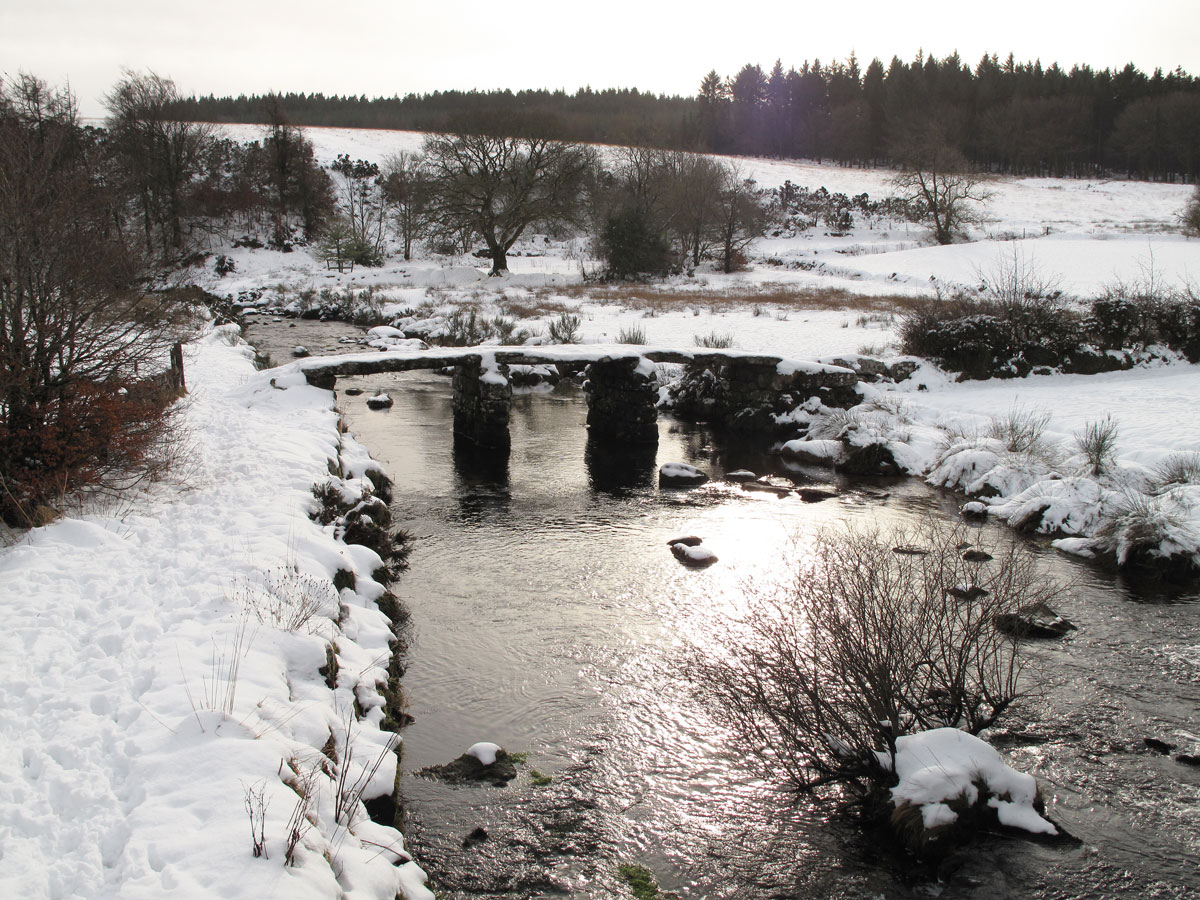
Clapper bridges are not unique to Dartmoor, but are often associated with it as there are still a number remaining, although it has to be said, in various states of repair. The one at Postbridge is probably as good an example as you’ll see anywhere, although the one at Tarr Steps on Exmoor is also a good one, but with a completely different design.

A clapper bridge was thought to originate in prehistoric times, but those that survive are probably medieval at the earliest. I can see the possibility of our ancient ancestors using this technique for a permanent crossing of rivers though, as large slabs of granite were – and still are –  widely available around Dartmoor. The one at Postbridge was first recorded in 1380 and built to enable pack horses to carry tin across the East Dart towards the stannary at Tavistock.

The Clapper Bridge at Postbridge

A short distance from Postbridge, there’s another clapper bridge at Bellever, but this one has its middle section missing. and you can find the remains of another one at Dartmeet just before the point at which the two tributaries converge.

The East Dart as it approaches Dartmeet
The Remains of the Clapper Bridge at Dartmeet

Unless you’re a kayaker, the combined river is not easy to follow as it tumbles down towards Newbridge. The narrow granite Newbridge was new in the 15th century, and a large car park naturally encourages people to congregate here. There is easy access to the river for kayakers and wild swimmers and it’s also the starting point for various walks in the area. If you just want to chill out with a picnic instead, then it’s best to take the narrow road to Spitchwick which can be easily reached by taking the road that branches off left just before crossing the Poundsgate side of the bridge.

The River Dart at Newbridge

After Spitchwick, the river winds its way around Holne Chase where there are some lovely peaceful woodland walks to be had. At Holne Bridge the river seems to gather speed (especially after heavy rain) as it heads towards a more tranquil setting around Buckfast Abbey.

This really brings us to the end of the Dartmoor section of the River Dart, but for anyone who wants to follow it from here to Totnes, the South Devon Steam Railway runs alongside it from nearby Buckfastleigh.

Staverton Bridge Station

The River Dart is not a large river by any stretch of the imagination, but, as they say, size isn’t everything, and it has a special place in my heart – and always will have.

POSTED – NOVEMBER 2022

Originally posted 2022-11-20 16:47:13.

The post The Upper River Dart appeared first on Easymalc's Wanderings.

]]>
https://www.easymalc.co.uk/the-upper-river-dart/feed/ 38 17755
Wistman’s Wood https://www.easymalc.co.uk/wistmans-wood/ https://www.easymalc.co.uk/wistmans-wood/#comments Tue, 28 Apr 2026 12:59:14 +0000 https://www.easymalc.co.uk/?p=8631 Originally posted 2019-10-17 15:54:01.

The post Wistman’s Wood appeared first on Easymalc's Wanderings.

]]>

Wistman's Wood

Nowhere conjures up the spooky mood of Dartmoor more than Wistman’s Wood.

Legends abound about how this small remote wood of dwarf, stunted oak trees hanging with beards of lichen and moss have attracted ‘Wisht Hounds’ – a “pack of huge black dogs with blood red eyes, huge yellow fangs and an insatiable hunger for human flesh and souls” according to Legendary Dartmoor.

On a more down to earth level Wistman’s Wood is one of the highest oakwoods in Britain and is pretty difficult to walk through due to the clitter (granite boulders) that is scattered amongst the trees.

Although the wood is in a remote location it can be easily reached from Two Bridges via a well designated footpath which shouldn’t take any longer than half an hour.

On a summer’s day it’s a pleasant walk alongside the West Dart River, but even at this time of the year you need to keep your eyes open for adders (Britain’s only poisonous snake).

On the other hand, if you want to experience Dartmoor at it’s spookiest, venture out here on a damp, foggy November day. I really wouldn’t suggest you did it in the dark for any number of reasons.

Apart from the treacherous granite boulders that would make the wood impenetrable, the Druids will still be keeping a watchful eye over the ’Wood of the Wisemen’. You’re in ‘Hairy Hand’ country as they say around here, and you would be well advised to leave the hounds to bay for somebody else’s blood.

You’ve been warned. Be afraid. Be very afraid.

Originally posted 2019-10-17 15:54:01.

The post Wistman’s Wood appeared first on Easymalc's Wanderings.

]]>
https://www.easymalc.co.uk/wistmans-wood/feed/ 18 8631
Kitty Jay’s Grave https://www.easymalc.co.uk/kitty-jays-grave/ https://www.easymalc.co.uk/kitty-jays-grave/#comments Sun, 24 May 2026 13:59:20 +0000 https://www.easymalc.co.uk/?p=12376 Originally posted 2021-04-25 10:05:39.

The post Kitty Jay’s Grave appeared first on Easymalc's Wanderings.

]]>

Kitty Jay's Grave

Dartmoor abounds with tales and legends, and none more so than Sir Arthur Conan Doyle’s book, The Hound of the Baskervilles. It is said that the inspiration for the book was his spooky experience of the area around Hound Tor, and anybody who has been on Dartmoor on a dark foggy night will understand exactly how he felt.

Less than a mile away from the tor is Kitty Jay’s Grave which has a tale of its own, and although it has been embellished by some over the years, this is not a fictional story, but one that still evokes the spirit of Dartmoor in a way that is every bit as mysterious as Arthur Conan Doyle’s famous book.

Hound Tor

It is said that Kitty Jay was a young baby girl when she was taken in as an orphan at the poor house in Newton Abbot. When she reached her teens, she was sent to Canna Farm near Manaton where she was employed as a housemaid and farm worker.

The farmer’s son, not unnaturally, took a bit of a shine to her. Whether she fell in love with him or not I wouldn’t know, but at least he would have been able to provide her with a family and a permanent roof over her head, which no doubt would have been an attractive proposition in itself.

When she fell pregnant, the farmer’s son showed what his real intentions were, and Kitty Jay was unceremoniously kicked out of the farm with nowhere to go. With her reputation in tatters, she realised that she was now unemployable and the only practical option left open to her was to go back to the poor house – a prospect that she didn’t relish. The only other option in her mind was to end her life once and for all, and a short while later she was found hanging in a farm outbuilding.

In those days people who committed suicide could not be buried in consecrated ground: They were often buried at crossroads (sometimes with a stake through the heart) where the spirit couldn’t easily find its way back to where the incident took place and haunt the locals – and this is what happened to Kitty Jay.

Odd things started to happen around her grave. It’s said that a figure in a black hooded cloak could often be seen kneeling at her graveside under a moonlit sky. Several explanations have been put forward as to who the person might have been, one of which was supposed to have been the soul of the farmer’s son who was sent to look after the grave of his victim and unborn child.

Whether these ghostly apparitions had anything to with it or not who knows, but later on a Mr James Bryan dug the body up and re-interred it at the present location in a more suitable resting place.

03
04

The story doesn’t quite end there because somebody, nobody knows who, regularly puts fresh flowers on the grave. It doesn’t matter what time of the day or night, day of the week, or week of the year, fresh flowers can always be seen on Kitty Jay’s grave – and it’s been going on for more years than anyone can remember. These days, the grave also attracts other votive offerings such as small crosses, toys and coins.

The grave can be located at 50.60509°N 3.79269°W, but if you’re of a nervous disposition I suggest you visit during daylight hours – after all this is hairy hand country.

Originally posted 2021-04-25 10:05:39.

The post Kitty Jay’s Grave appeared first on Easymalc's Wanderings.

]]>
https://www.easymalc.co.uk/kitty-jays-grave/feed/ 24 12376
Dartmoor Tors and Tales https://www.easymalc.co.uk/dartmoor-tors-and-tales/ https://www.easymalc.co.uk/dartmoor-tors-and-tales/#comments Sun, 24 May 2026 13:59:26 +0000 https://www.easymalc.co.uk/?p=17105 Originally posted 2022-08-03 16:11:48.

The post Dartmoor Tors and Tales appeared first on Easymalc's Wanderings.

]]>

Dartmoor Tors and Tales

If you were to ask anyone who’s been to Dartmoor “What is the thing you remember the most about it?”, there’s more than a fair chance that the answer would be “the tors” – but what exactly are tors? According to the Oxford English Dictionary, a tor is a topographical name to describe a ‘high rock or pile of rocks, generally on the top of a hill’.

The word has been in use since Anglo-Saxon times, and although they aren’t confined to Dartmoor, there are some 890 of them here according to a website called Tors of Dartmoor. The website is a ‘Bible’ for aficionados of these granite rocks, but even they would probably have to admit that it’s not easy to decide what constitutes a Tor and what doesn’t. Some are unmistakeable, but others are not, and just to confuse the issue, not every one of them is called a Tor, such as Blackingstone Rock pictured below. There are plenty of people who like to ‘bag’ as many tors as possible, but if you’re not one of them, I’m going to mention just a few that are worth seeking out should you ever find yourself in ‘Hairy Hands’ country.

Blackingstone Rock

Now that you know what tors are, I bet you can’t wait to find out how they were formed; and even if you couldn’t give a jot, I’m going to tell you anyway. Don’t worry, my knowledge of the earth’s bedrock only extends as far as Fred Flintstone’s cave, so there’s no need to start rummaging around for the latest edition of Geologist’s Monthly.

Basically, the story begins around 280 million years ago when Dartmoor granite was formed from the magma deep down inside the earth’s core. Consisting of minerals such as Feldspar, Quartz and Mica, the molten granite pushed up through the earth’s surface, and as it cooled, solidified into hardened rock.

A Sample of Pegmatite Granite

As this igneous rock continued to cool, fractures began to appear allowing water and minerals to permeate into the cracks, but granite wasn’t the only ingredient to make up the landscape. Covering it was a layer of slate and sandstone up to 10,000 feet thick, but from a geological perspective, it didn’t take long for this top layer to be eroded away, allowing the underlying granite to expand upwards.

Around 60-30 million years ago, Britain was nearer to the equator than it is now and Dartmoor was covered in lush vegetation, but with the arrival of the last ice-age (between 2 million and 10,000 years ago) the tors started to take on the distinctive appearance that they’re well-known for today.

Weathering began to expose the granite rocks, but they were also subjected to a ‘freeze-thaw’ phenomenon, whereby water within the cracks froze and then thawed, gradually splitting the granite apart. Depending on the size of these cracks (or joints as they are technically known), the tors can either become monoliths (like Haytor) or, as is more common, a series of stacks that create a combination of shapes and sizes unique to each tor. Anyway, that’s it for today’s geology lesson, and it’s now time to move on to describe some of the individual tors.

Greator Rocks - An Example of how a Tor Evolved

I’ve already mentioned Haytor ( Google coordinates 50.580553, -3.7547589) and it’s as good a place to start as any. Not only is it one of Dartmoor’s most prominent tors, Haytor is also easily accessible (to the base at least). What this means of course is that it’s also very popular, and what makes it even more so, is the fact that there’s a hard-standing car park with a Dartmoor National Park Visitor Centre right next to it. It goes without saying therefore, that getting here early morning or late afternoon is preferable to other times of the day.

Haytor is known as an Avenue Tor, which means that the granite between the two main outcrops has been eroded away, and some people (such as rock climbers) refer to the smaller, western outcrop as the Lowman. Fortunately, you don’t need to be a rock climber to get to the top, and if you can make it up here, you’ll be rewarded with far reaching views extending towards the South Devon coast and the Teign Estuary, where ships at Teignmouth were once used to export Haytor granite.

The quarries on Haytor Down are still visible, but they ceased working in 1919. During their time of operation, a 10 mile long tramway was constructed using granite blocks to guide the horse-drawn wagons down to the Stover Canal at Teigngrace, and from there, canal boats took the granite down to Teignmouth. The Stover Canal was built by a man called James Templar for transporting local ball clay to the River Teign at Newton Abbot, and his son was responsible for building the granite tramway. An 18 mile footpath called the Templar Way has been created between Haytor and Teignmouth for anyone who would like an alternative walk to the open moorland around Haytor.

https://www.walkingenglishman.com/ldp/LDP/T/templerway.pdf

This post isn’t meant to be a ‘tour of tors’ as such, but the order in which I’m describing them will make sense if that’s what you want to do – and the next one we’re coming to is Hound Tor (50.5971646, -3.7786703) which really shouldn’t be missed.

This is another Avenue Tor and popular with rock climbers, but for many people it’s all about the legends associated with it, and if you’re of a nervous disposition, you probably won’t want to come here on one of Dartmoor’s frequent misty days.

The name Hound Tor is said to derive from the time a hunter called Bowerman interrupted a coven of witches with his pack of hounds. For his impudence, the witches filled their cauldron with a potion of unmentionable ingredients, stirred it around for a while, and chanted ‘Double double toil and trouble’ and proceeded to turn Mr Bowerman and his hounds into stone.

It’s all a load of nonsense of course, but Sir Arthur Conan Doyle used the story as the inspiration for his famous book, the Hound of the Baskervilles. Those of you who have read it will remember that Sherlock Holmes and his assistant Dr. Watson were involved in trying to solve the mystery surrounding the death of Sir Hugh Baskerville at his manor, Baskerville Hall on Dartmoor. Footprints of a large hound were found nearby, and as the plot unravels it comes to light that an ancestor of Sir Hugh was implicated in the death of a young woman on the moor. The plot thickens when it is claimed that he himself was killed by a ‘large demonic hound’, and it goes without saying, that this hound is still out there prowling around scaring people half to death.

Conan Doyle wrote several chapters of the book while staying at the Duchy Hotel in Princetown. The hotel is now the flagship Visitor Centre for the Dartmoor National Park, and includes information and a display about Conan Doyle, Sherlock Holmes – and the Hound of the Baskervilles.
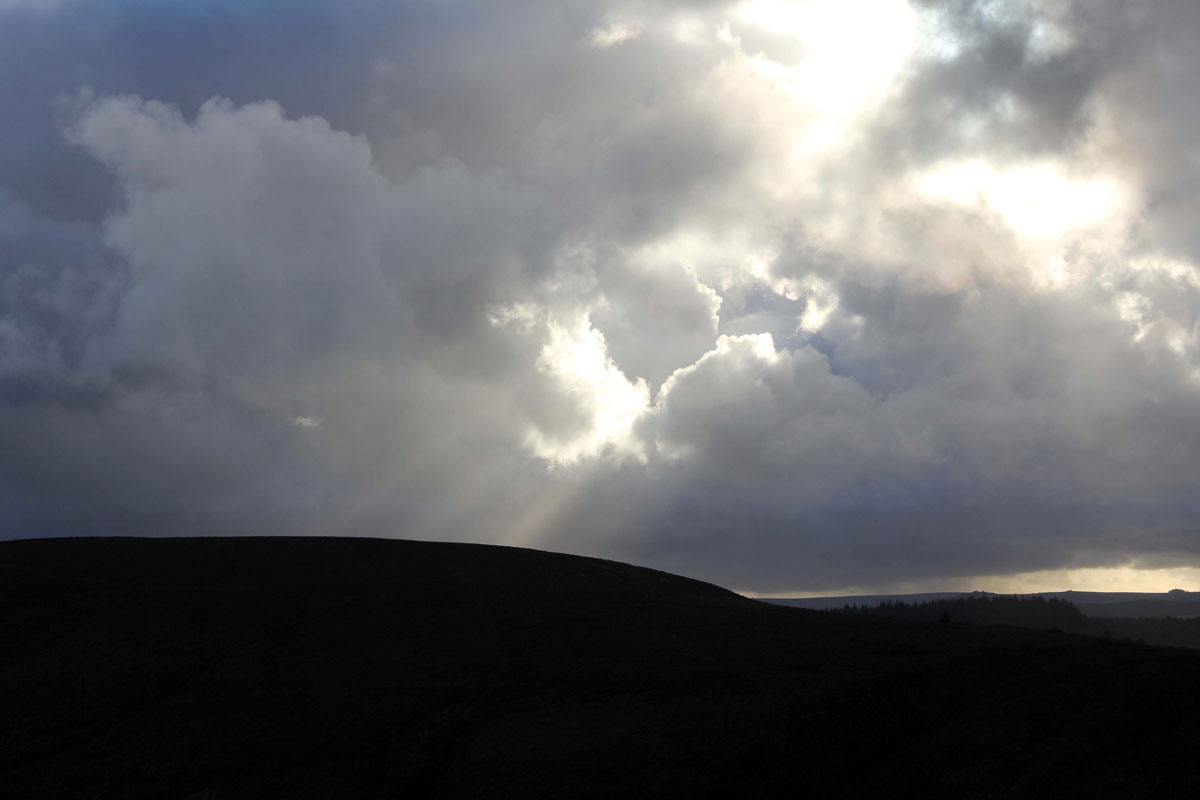
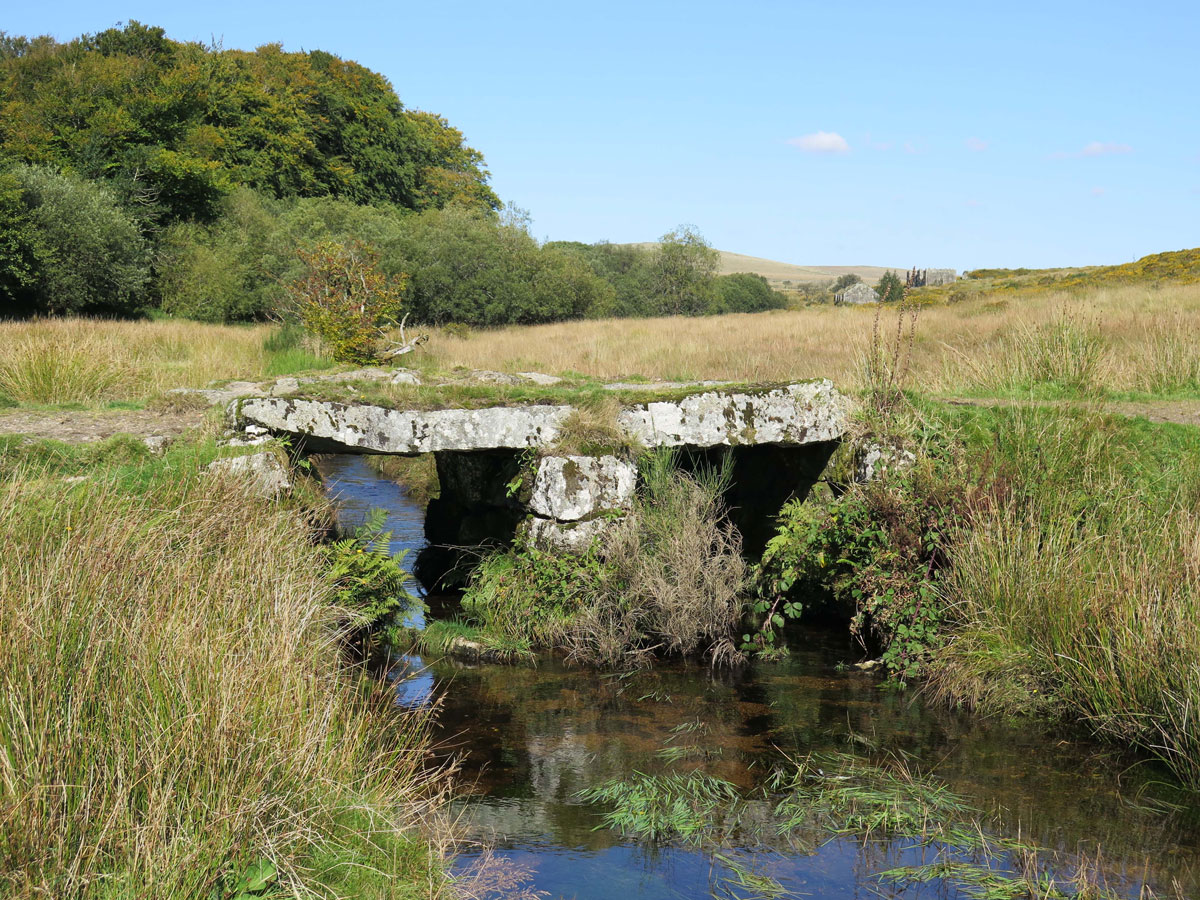
Hound Tor
Sir Arthur Conan Doyle, Sherlock Holmes and the Hound of the Baskervilles at Princetown

Stories like this are bound to spawn a few other tales of questionable authenticity. People reckon that one of the rocks is shaped like a hound when silhouetted against the sky but I’ve never been able to make it out. On the other hand, there’s no doubting the fact that in 1995 a 500 ton stack called ‘The Hound’ came crashing to the ground, but as for all the other tales I just take ‘em with a pinch of salt. That said, when I was up here one late afternoon I heard a dog barking, and then another and another. It was obvious that it was only somebody out exercising their dogs, but as the noise got closer and louder, I packed my things up just in case. I headed back downhill to where I parked the car next to a chuck wagon called The Hound of the Basket Meals, but he’d gone home –  and I thought it was about time I was gone too.

Hound Tor Looking North

Before leaving Hound Tor, you might want to check out the remains of a medieval village that lies between the tor and Greator Rocks, but a mile down the road towards Manaton is what remains of Bowerman the Hunter.

If you believe that Hound Tor is where Bowerman’s hounds were turned to stone then you’re bound to believe that this pile of rocks known as Bowerman’s Nose is where Mr Bowerman himself came to grief (50.610429, -3.780705).

Bowerman's Nose

The next tor I’m going to take you to might not look overly impressive from the road, but it’s one of Dartmoor’s most significant. Crockern Tor is located near Two Bridges, but if you search for it on Google maps, then you need to be careful because they’ve located it in the wrong position. Here are the correct coordinates 50.565459, -3.955940.

Crockern Tor

As we know, Dartmoor’s granite includes minerals, one of them being cassiterite, or tin oxide, as it’s more widely known. Along with Cornwall, Dartmoor had a plentiful supply of this ore that was smelted in order to extract the tin, and for hundreds of years, right up until the end of the 20th century, tin mining was an important activity in the area. In fact, at one time, tin was deemed so important to the nation’s wealth that workers involved in the industry were granted special privileges.

Needless to say, there was no shortage of people wanting to become part of the business, and not just underground either. Four stannary (tin) towns were set up in Devon for the purpose of assessing, weighing, stamping and applying duty to the metal. The four towns were Tavistock, Chagford, Ashburton and Plympton, each of which covered a district of Dartmoor – and Crockern Tor is where these districts met.

View from the top of Crockern Tor

In this unlikely location, a Stannary Parliament was convened to preside over various laws, petitions and other matters relating to stannary affairs. It also acted as a court, where those accused of breaking stannary laws were subjected to various penalties including being carted off to Lydford Prison.

Meetings were held over a 250 year period from 1495 until 1749, when the Lord Warden would summon 24 ‘jurates’ from each of the four stannaries’. The meetings probably lasted several days and evidence suggests that the representatives used tables and chairs made out of the tor’s ample supply of rock, but this got me thinking as to what would have happened to the minutes of the last meeting if a storm suddenly blew up. It isn’t uncommon on Dartmoor, and I can just picture hundreds of bits of paper disappearing over the horizon towards Princetown.

The Judge's Chair, Parliament Rock

Haytor, Hound Tor (including Bowerman’s Nose) and Crockern Tor are all easily accessible from the road and are well known. I could have mentioned more, but there’s a lot of satisfaction to be had from discovering your own favourite tor. There are still another 886 to go, but obviously not all of them will be worth the effort, but at least you now know what those pile of rocks on the horizon are all about now.

I want to issue a word of caution before I go. If you decide to go wandering across the moor, do bear in mind that you need to take precautions. There are plenty of obvious things to do like wearing the appropriate gear and taking enough water, but there are also hidden dangers too. I once disappeared up to my waist in one of Dartmoor’s notorious bogs, and although the Hound of the Baskervilles may just be a figment of somebody’s imagination, I’m convinced that the ‘Beast of Dartmoor’ isn’t. You’ve been warned!

Combestone Tor

Originally posted 2022-08-03 16:11:48.

The post Dartmoor Tors and Tales appeared first on Easymalc's Wanderings.

]]>
https://www.easymalc.co.uk/dartmoor-tors-and-tales/feed/ 28 17105