Warning: Creating default object from empty value in /home/sites/30b/a/a8be13db6d/public_html/wp-content/plugins/zanmb/reduxframework/ReduxCore/inc/class.redux_filesystem.php on line 29

Warning: Cannot modify header information - headers already sent by (output started at /home/sites/30b/a/a8be13db6d/public_html/wp-content/plugins/zanmb/reduxframework/ReduxCore/inc/class.redux_filesystem.php:29) in /usr/share/php/wp-stack-cache.php on line 1971

Warning: Cannot modify header information - headers already sent by (output started at /home/sites/30b/a/a8be13db6d/public_html/wp-content/plugins/zanmb/reduxframework/ReduxCore/inc/class.redux_filesystem.php:29) in /usr/share/php/wp-stack-cache.php on line 1972

Warning: Cannot modify header information - headers already sent by (output started at /home/sites/30b/a/a8be13db6d/public_html/wp-content/plugins/zanmb/reduxframework/ReduxCore/inc/class.redux_filesystem.php:29) in /usr/share/php/wp-stack-cache.php on line 1973

Warning: Cannot modify header information - headers already sent by (output started at /home/sites/30b/a/a8be13db6d/public_html/wp-content/plugins/zanmb/reduxframework/ReduxCore/inc/class.redux_filesystem.php:29) in /usr/share/php/wp-stack-cache.php on line 1971

Warning: Cannot modify header information - headers already sent by (output started at /home/sites/30b/a/a8be13db6d/public_html/wp-content/plugins/zanmb/reduxframework/ReduxCore/inc/class.redux_filesystem.php:29) in /usr/share/php/wp-stack-cache.php on line 1972

Warning: Cannot modify header information - headers already sent by (output started at /home/sites/30b/a/a8be13db6d/public_html/wp-content/plugins/zanmb/reduxframework/ReduxCore/inc/class.redux_filesystem.php:29) in /usr/share/php/wp-stack-cache.php on line 1973

Warning: Cannot modify header information - headers already sent by (output started at /home/sites/30b/a/a8be13db6d/public_html/wp-content/plugins/zanmb/reduxframework/ReduxCore/inc/class.redux_filesystem.php:29) in /home/sites/30b/a/a8be13db6d/public_html/wp-includes/feed-rss2.php on line 8
Westminster – Easymalc's Wanderings https://www.easymalc.co.uk I’d be unstoppable if only I could get started Sun, 24 May 2026 13:59:20 +0000 en-GB hourly 1 https://wordpress.org/?v=7.0.5 https://www.easymalc.co.uk/wp-content/uploads/2019/09/cropped-easy-malc-logo-32x32.jpg Westminster – Easymalc's Wanderings https://www.easymalc.co.uk 32 32 140253175 The Lights of London https://www.easymalc.co.uk/the-lights-of-london/ https://www.easymalc.co.uk/the-lights-of-london/#comments Sun, 24 May 2026 13:59:20 +0000 https://www.easymalc.co.uk/?p=14539 Originally posted 2021-12-29 17:06:24.

The post The Lights of London appeared first on Easymalc's Wanderings.

]]>

The Lights of London

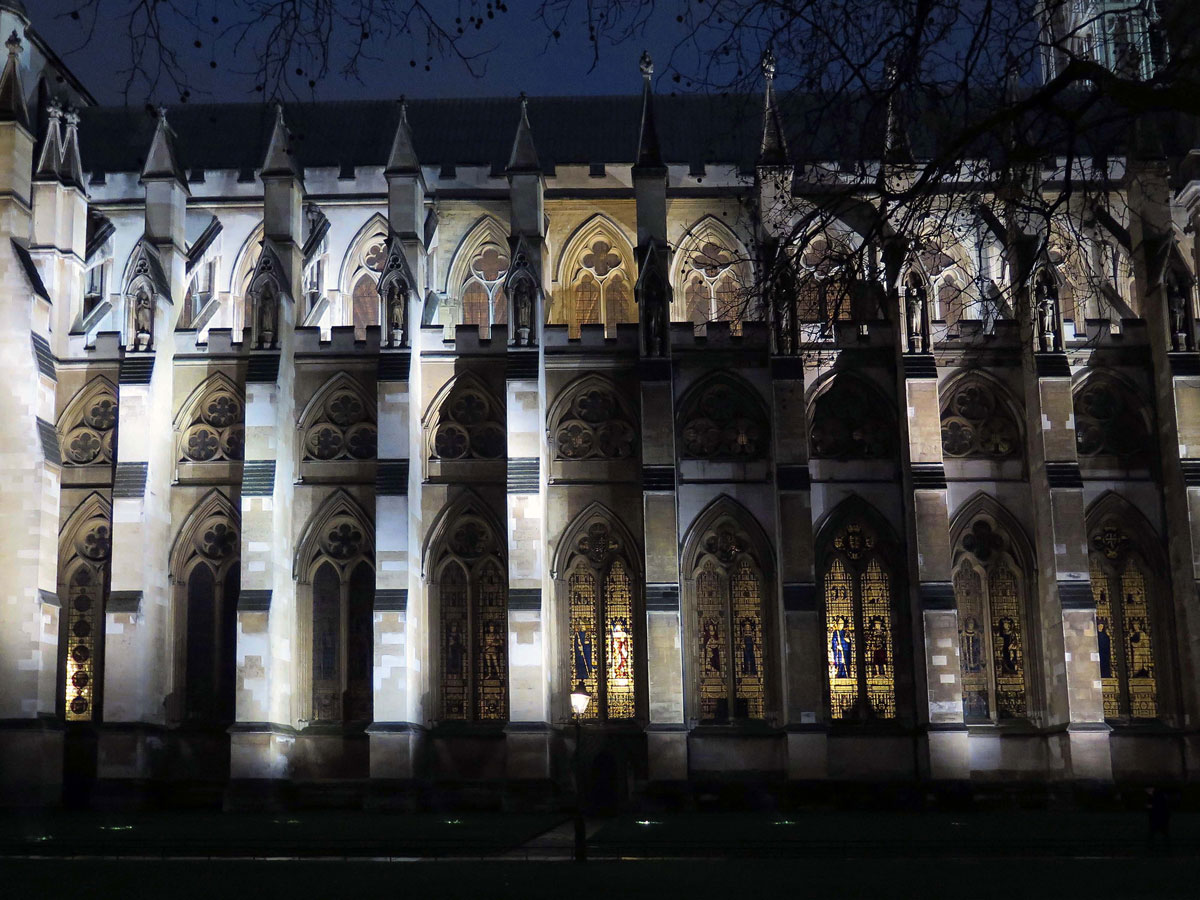
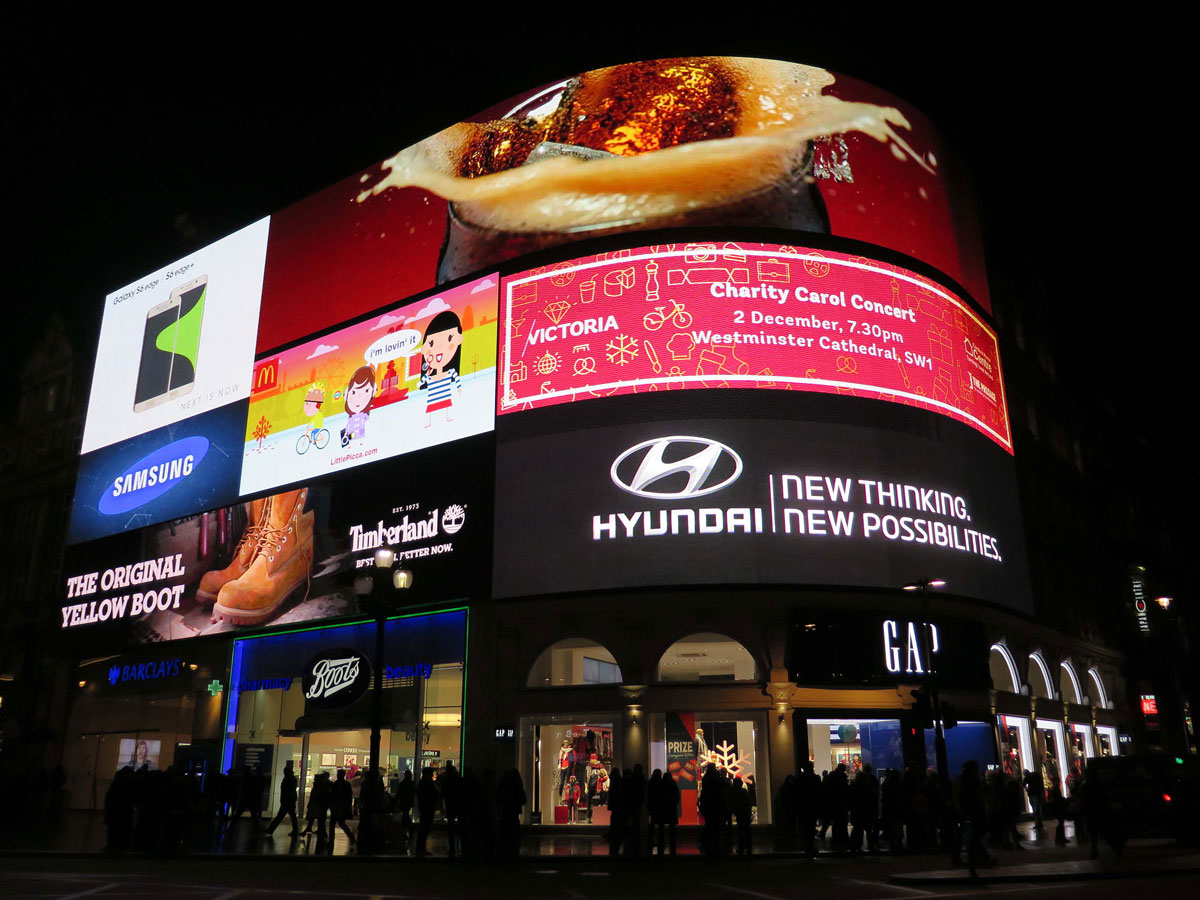
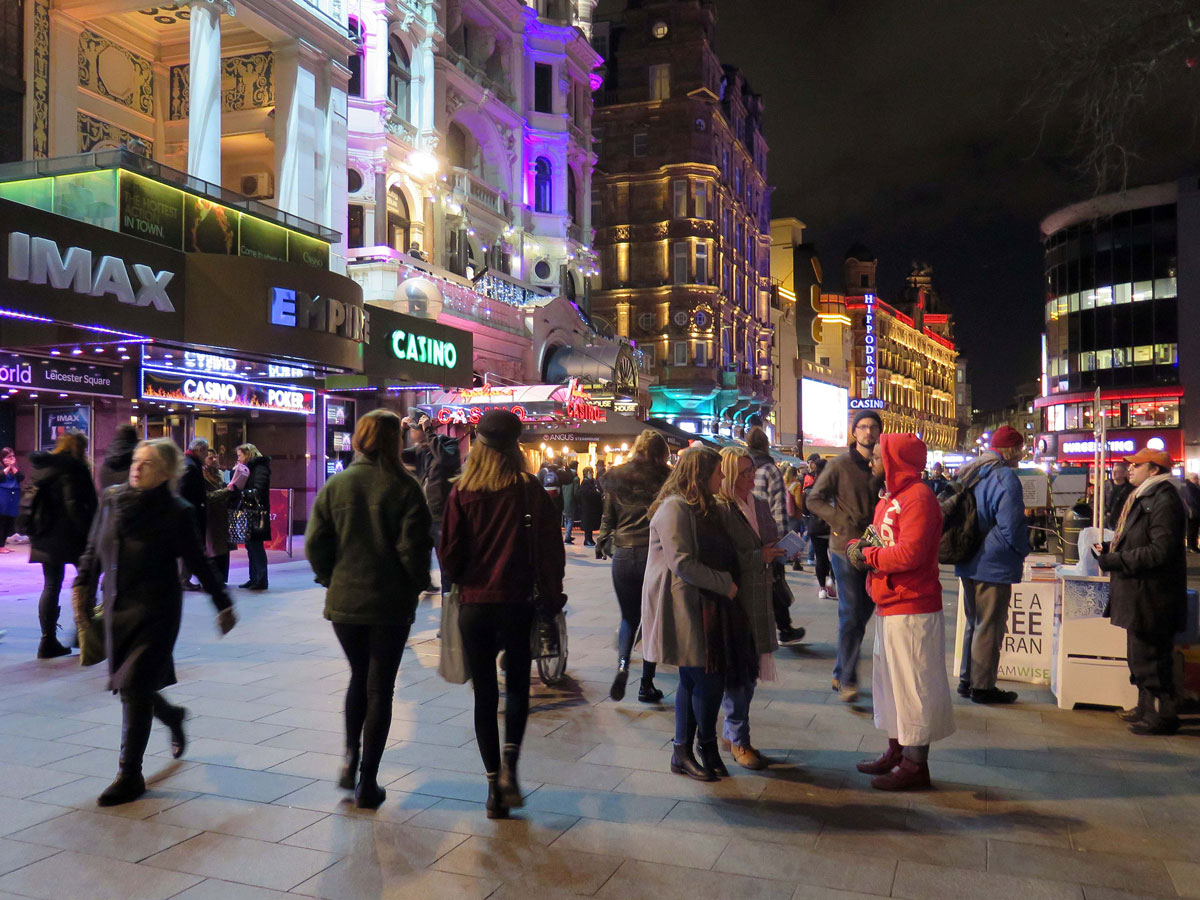
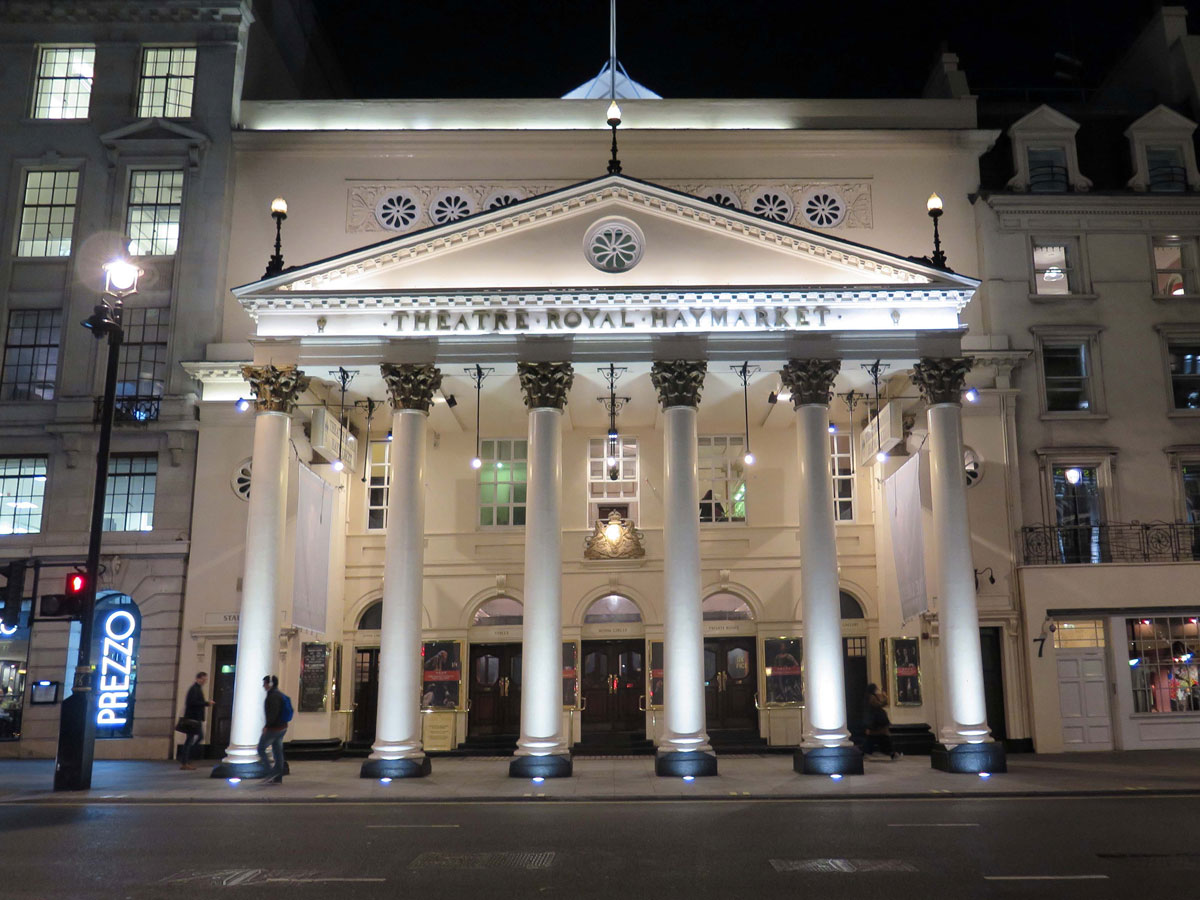
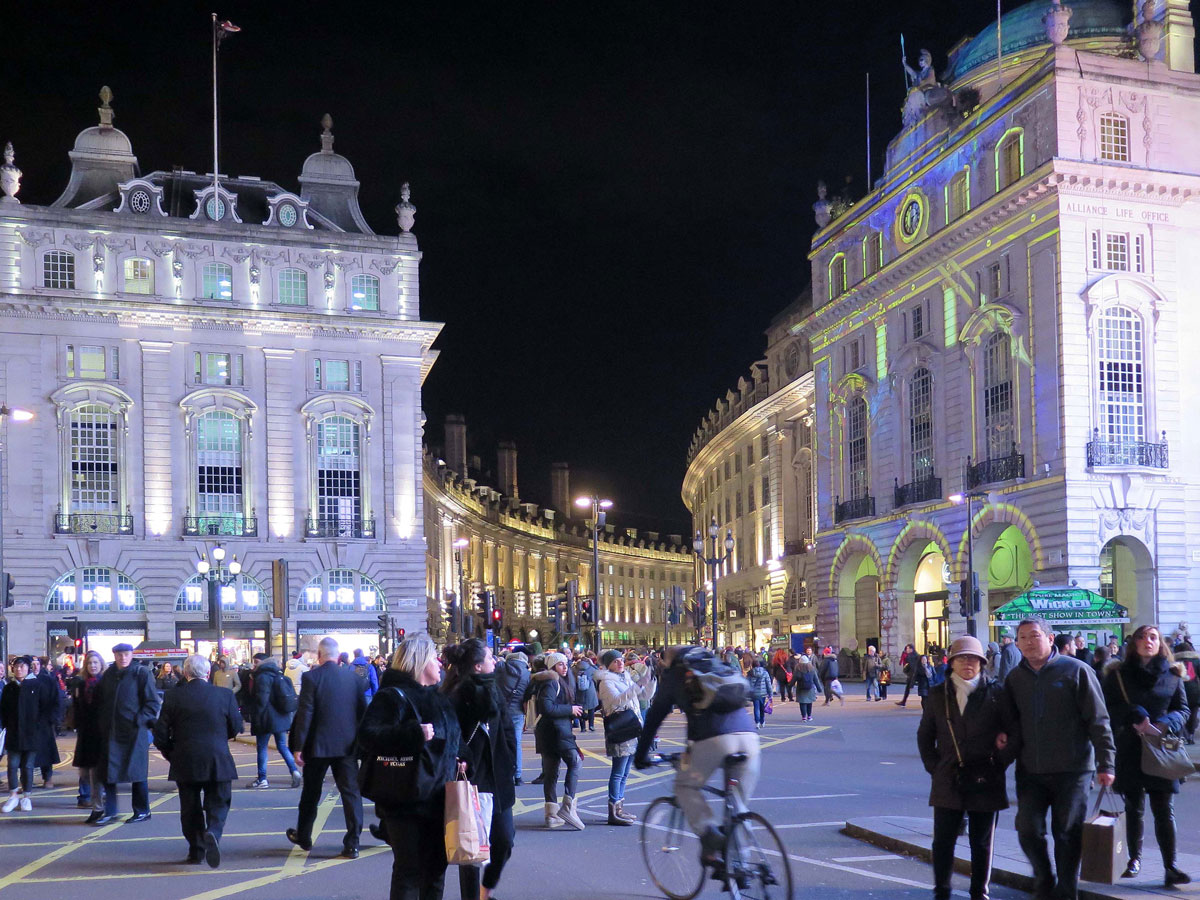
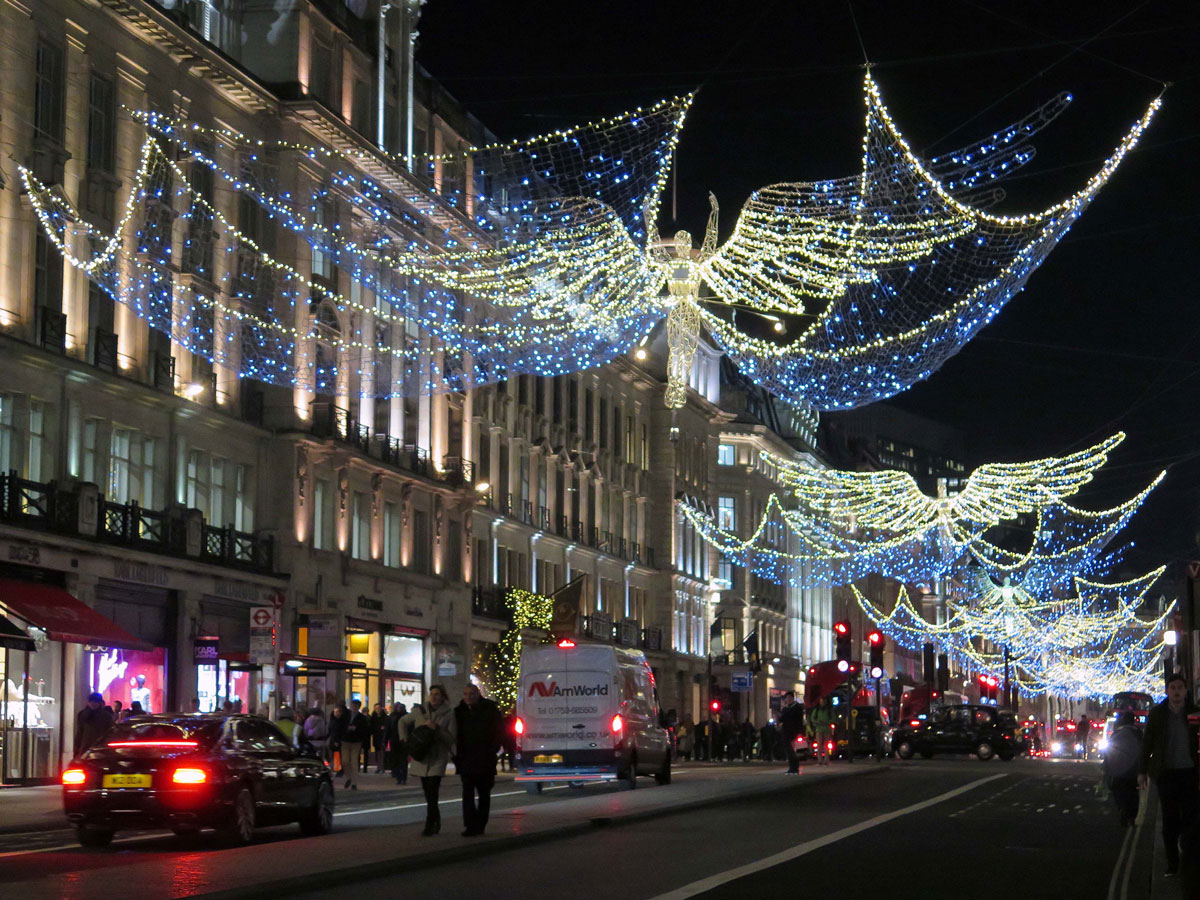
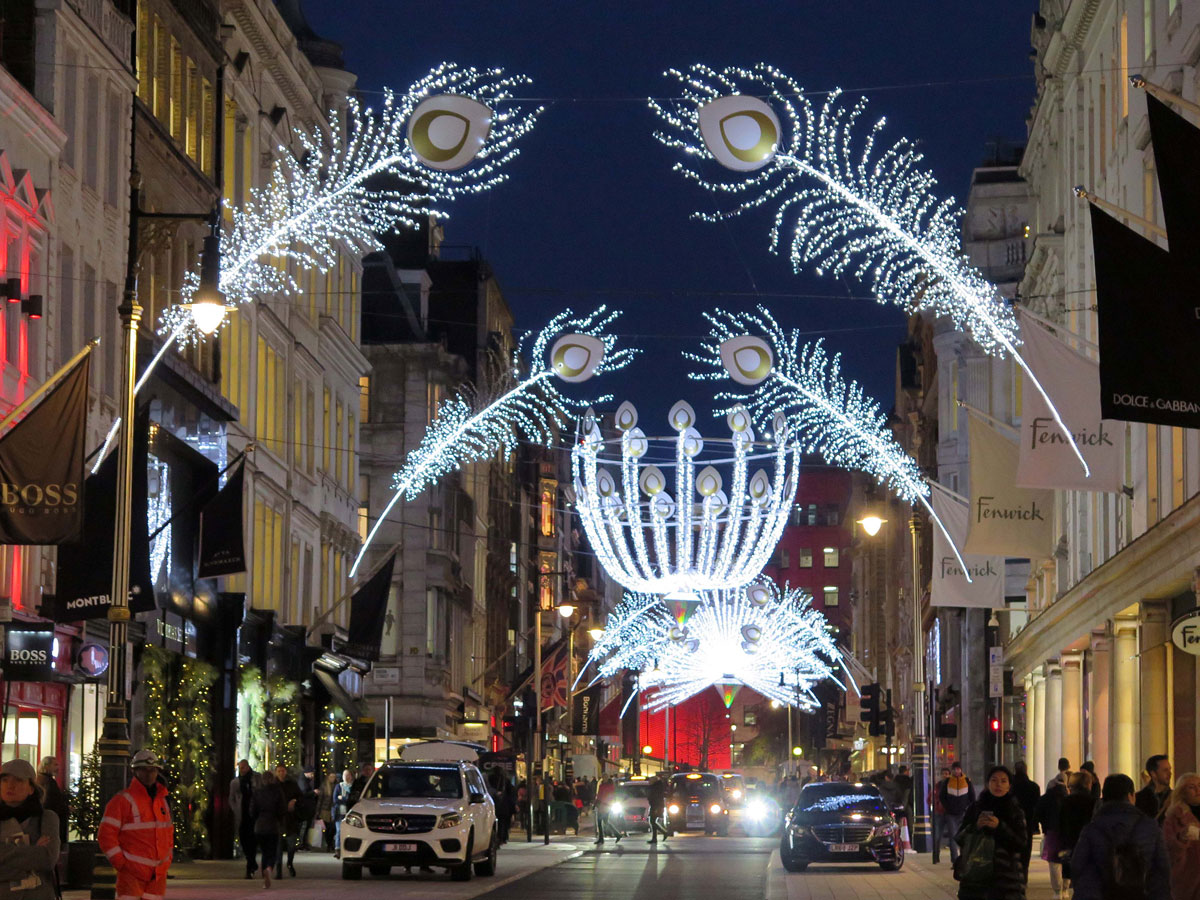
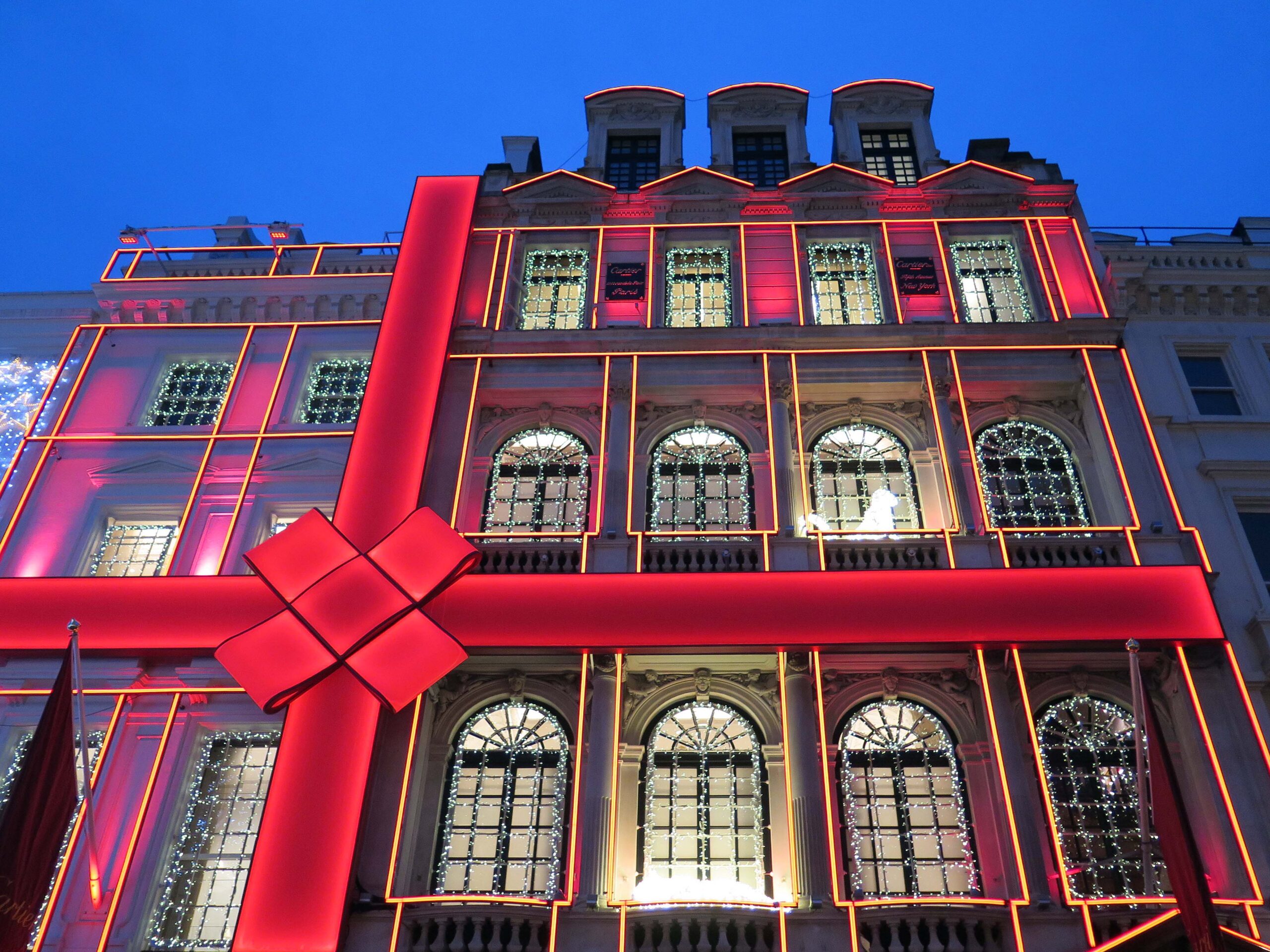
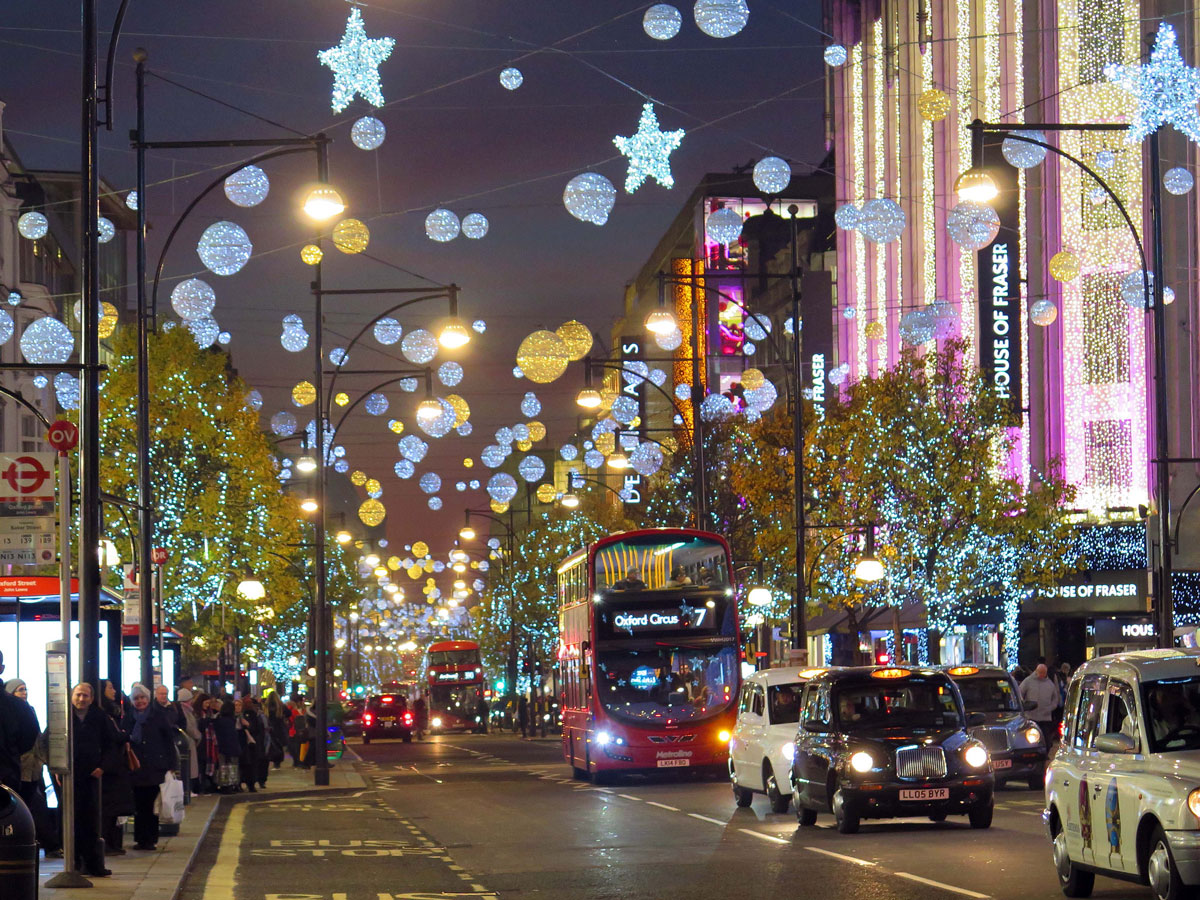
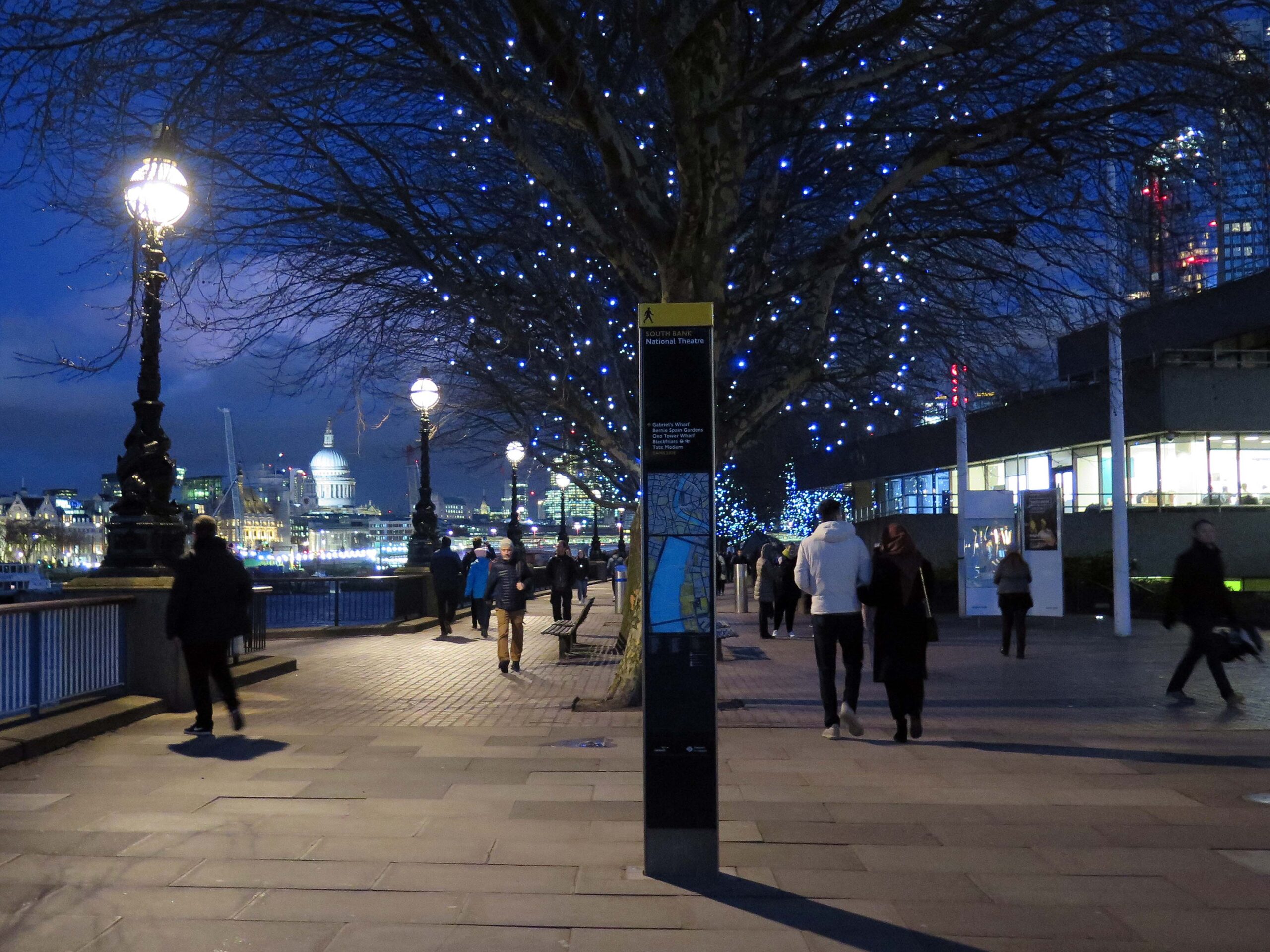
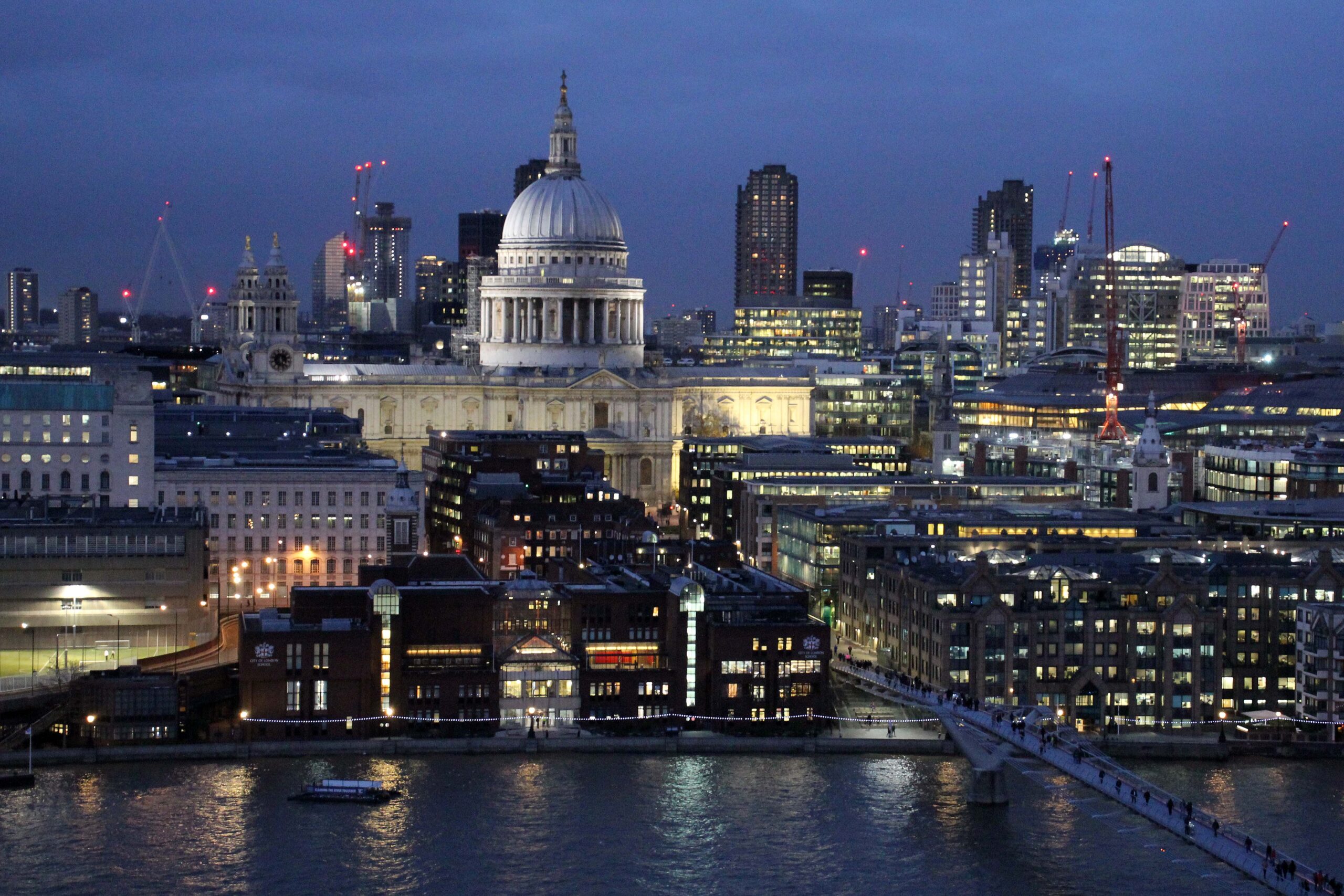
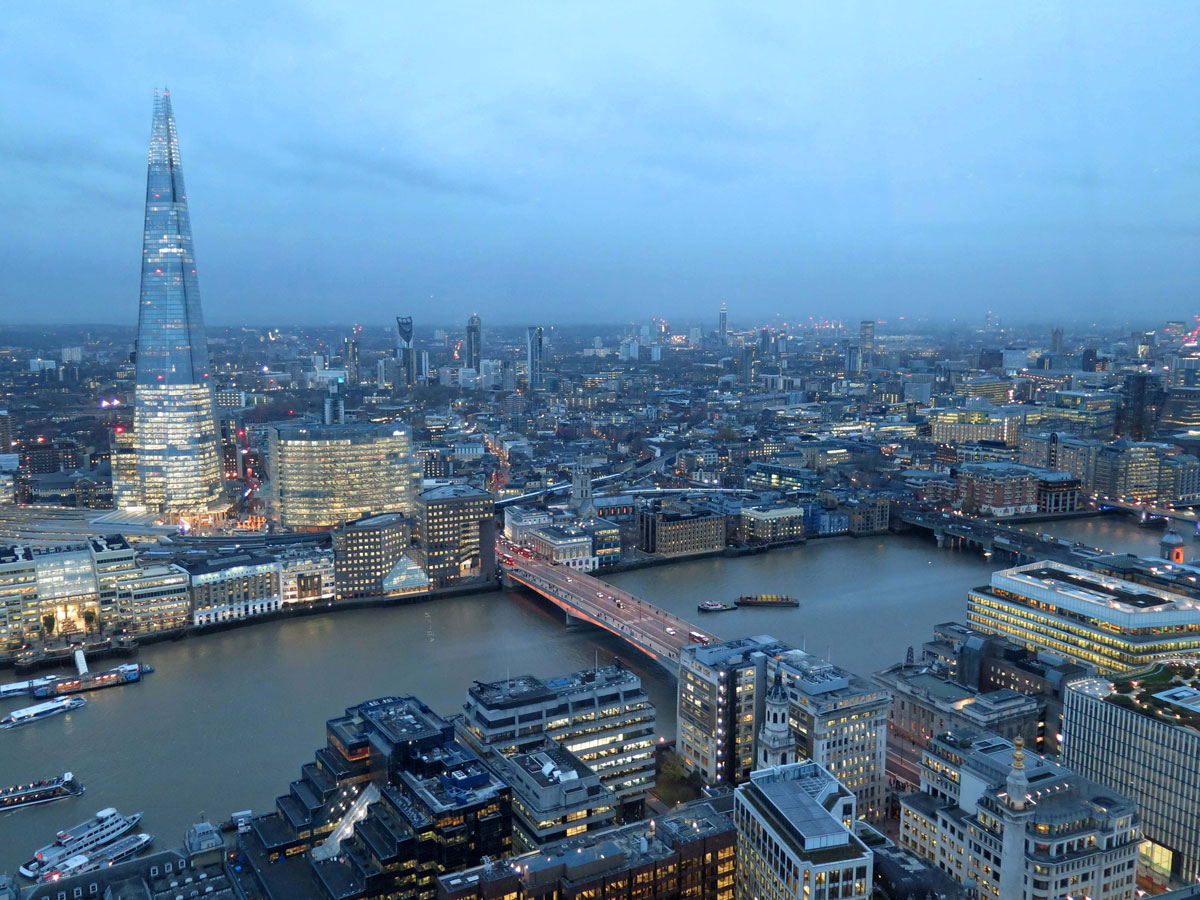
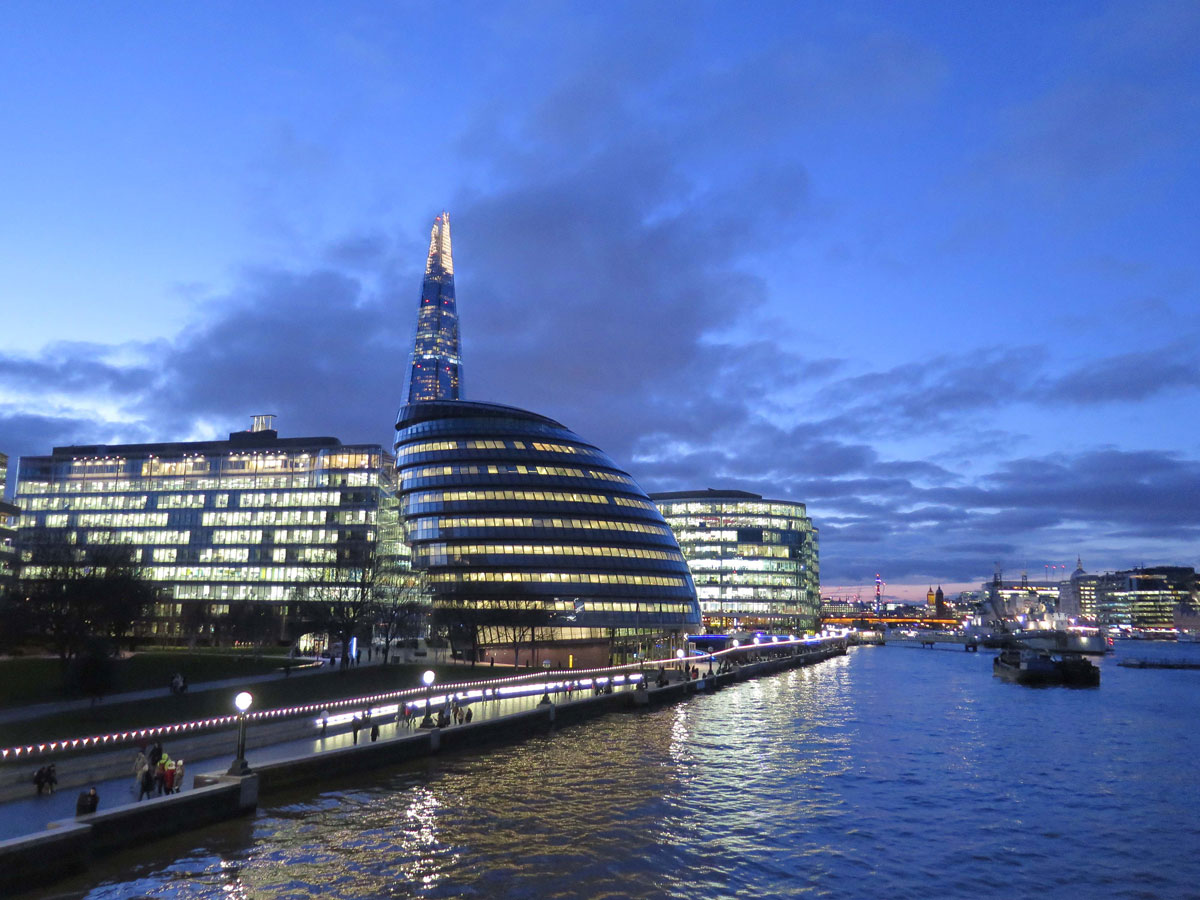
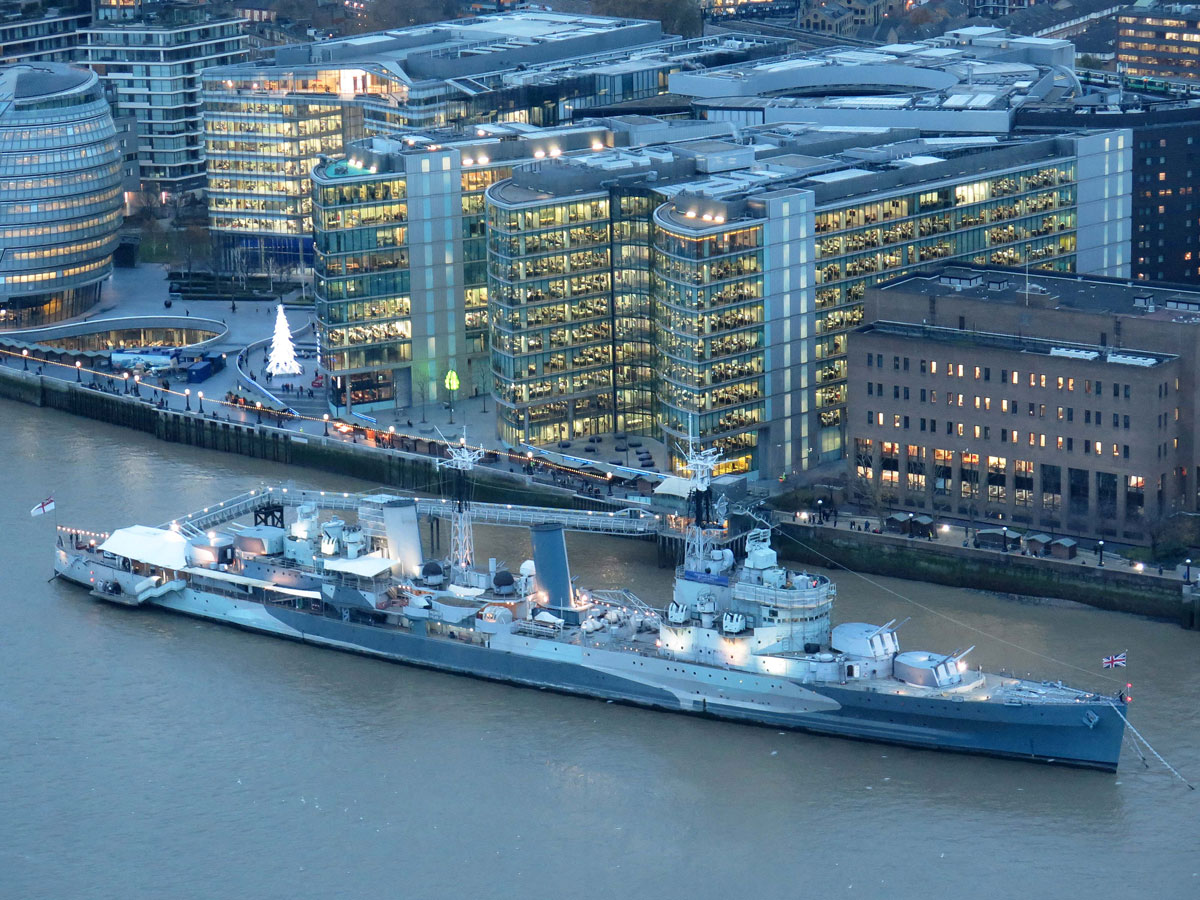
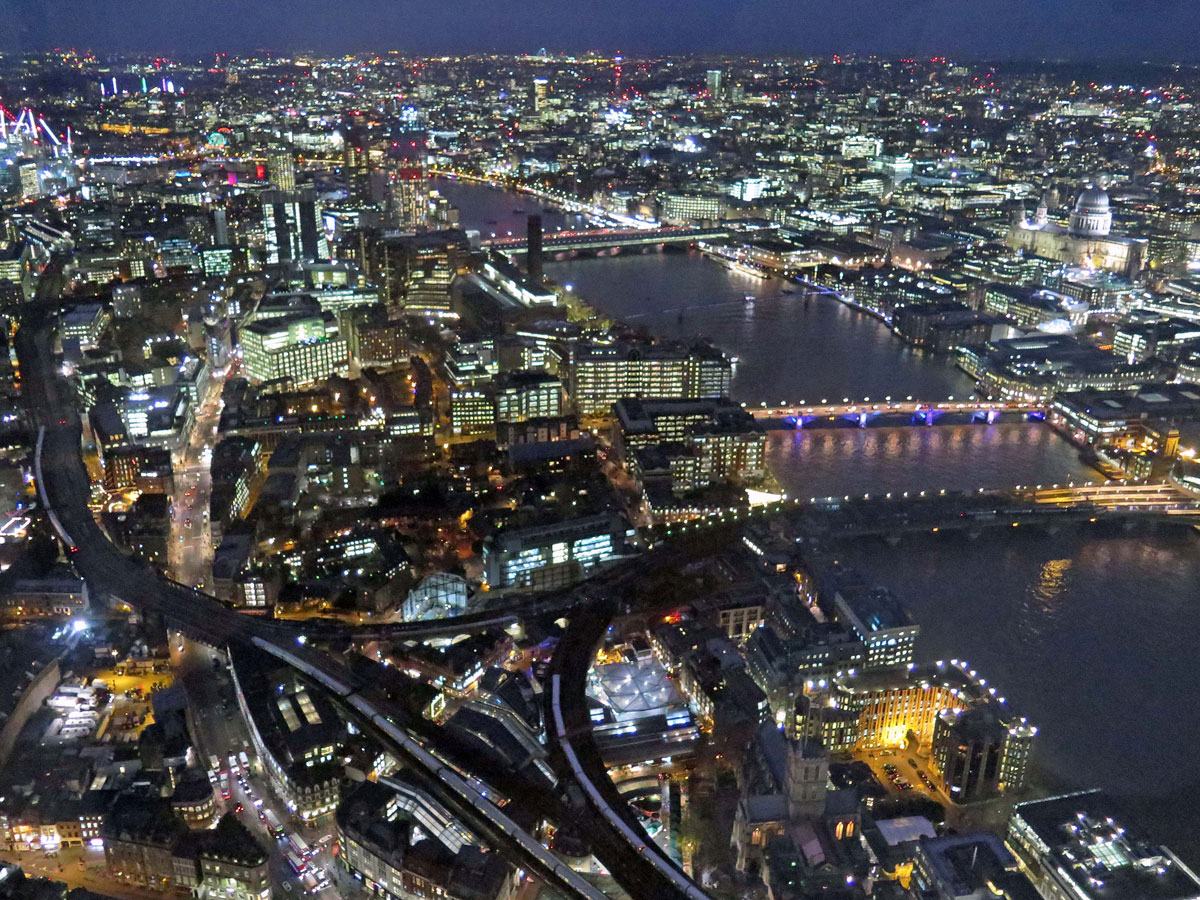
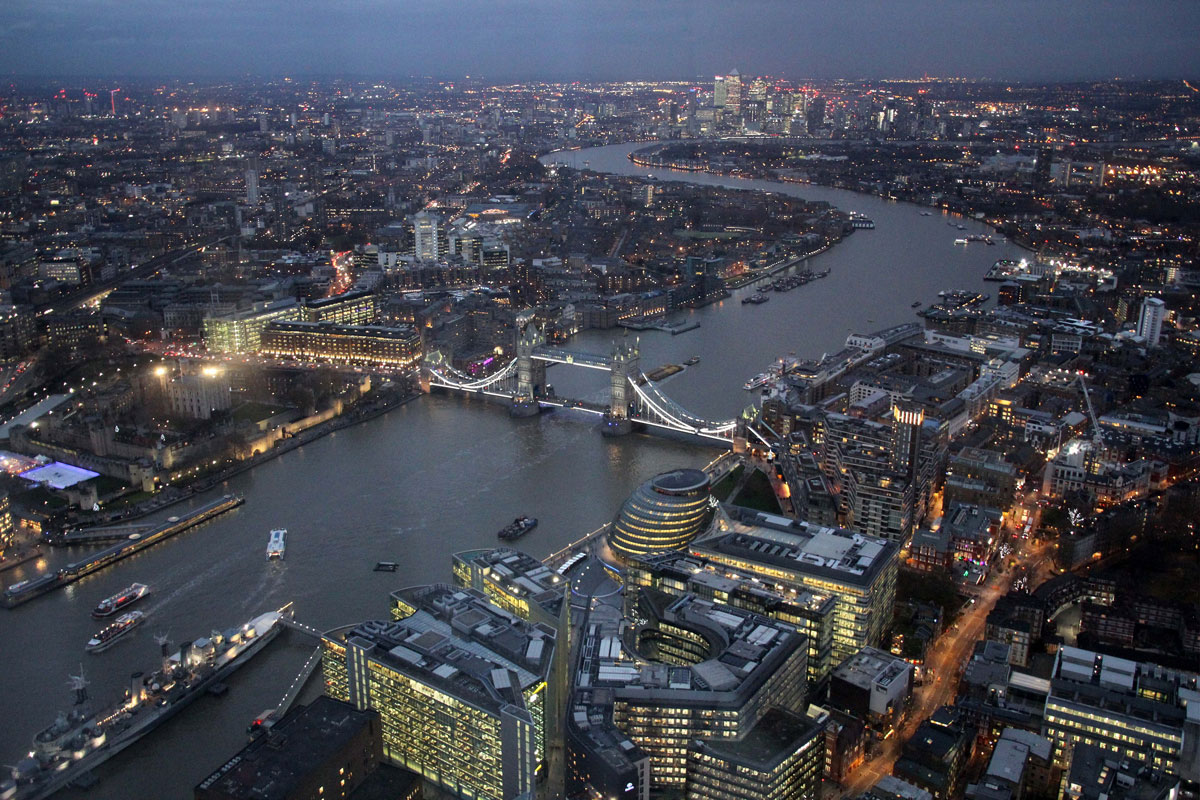
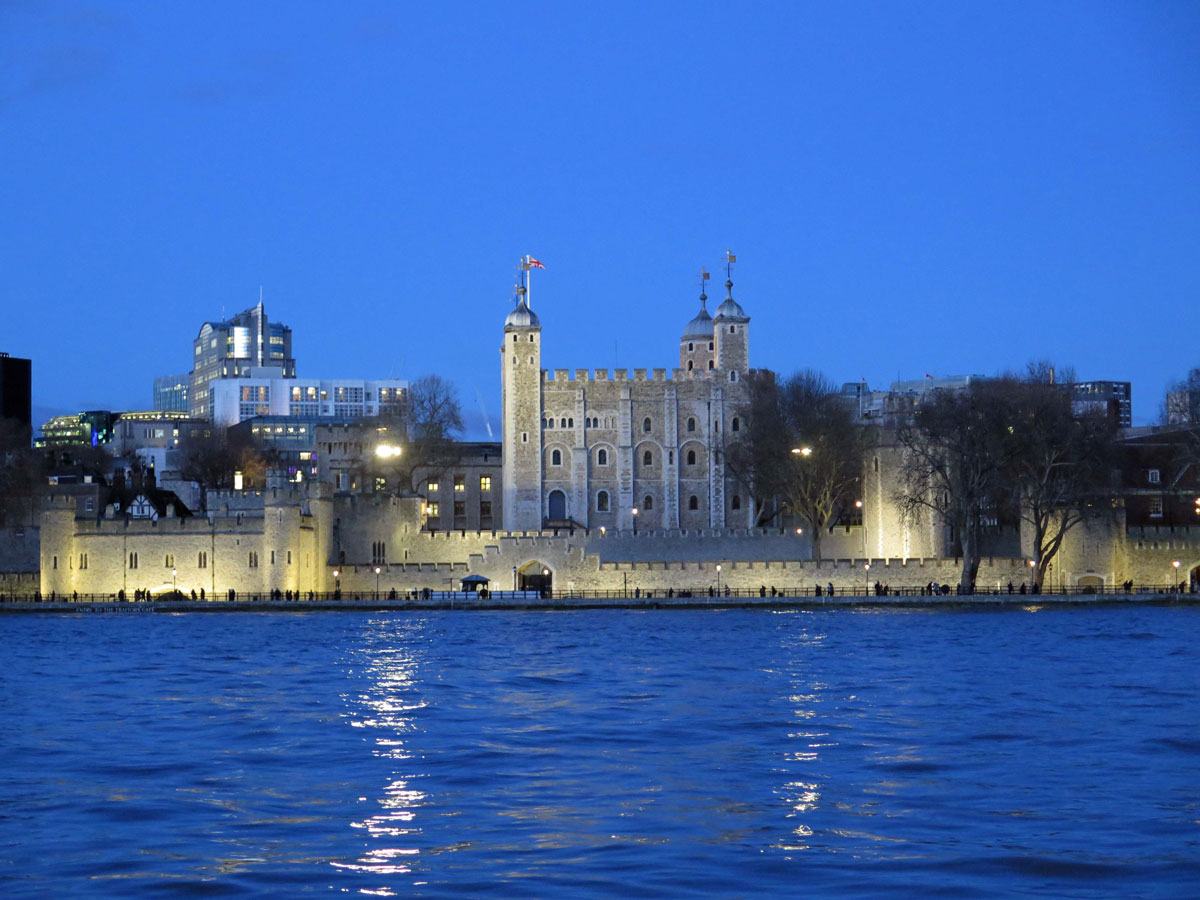
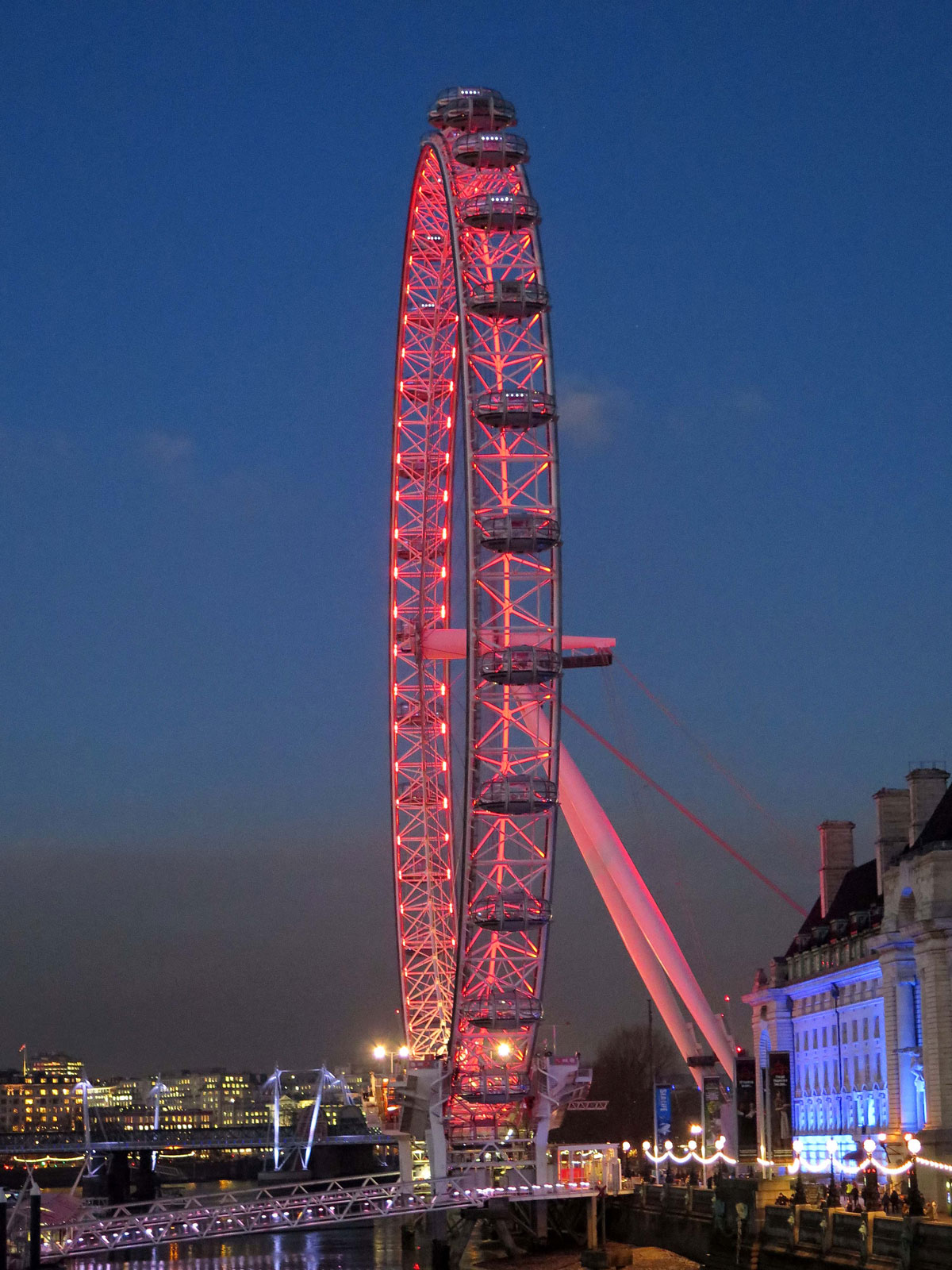
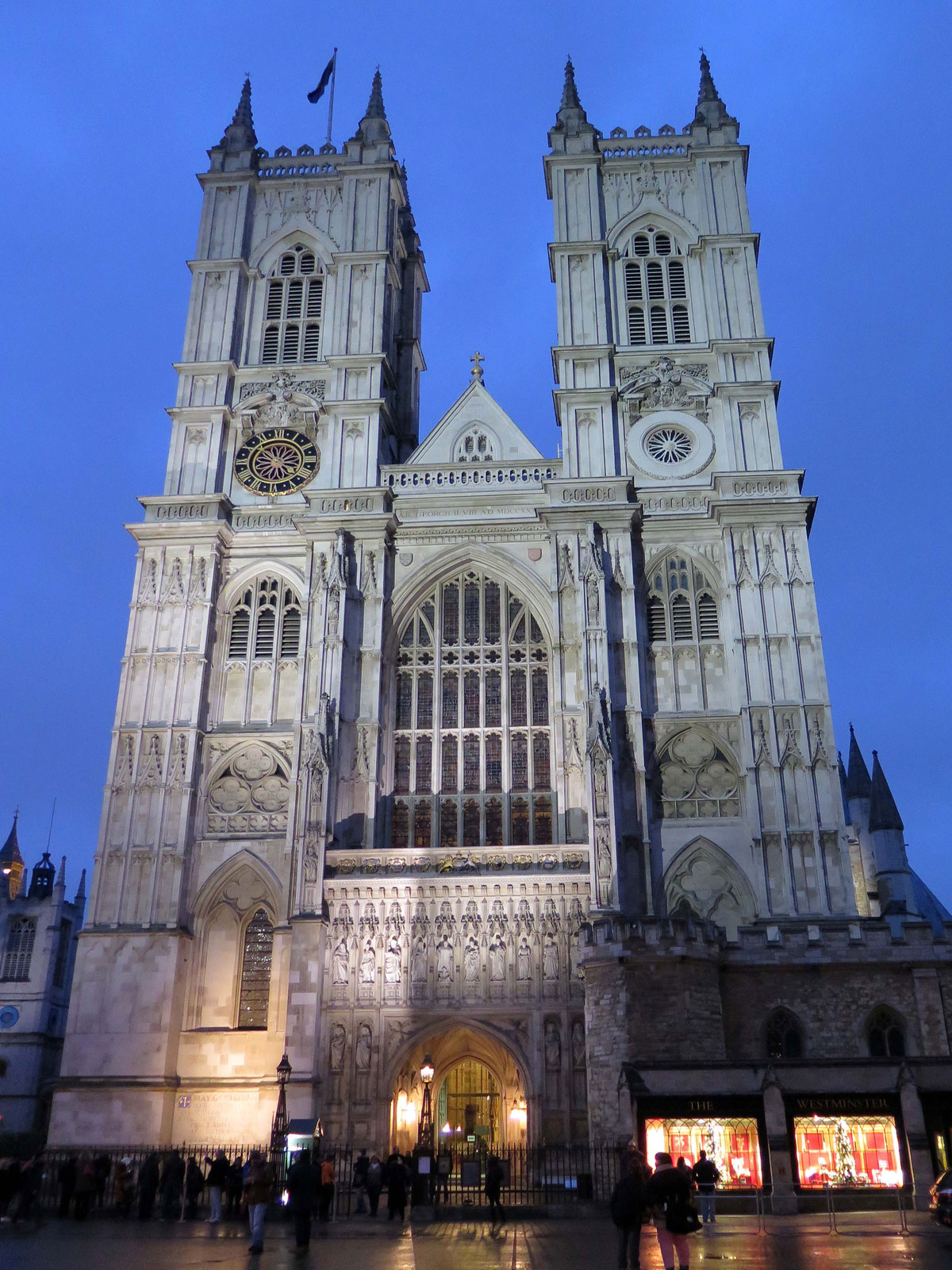
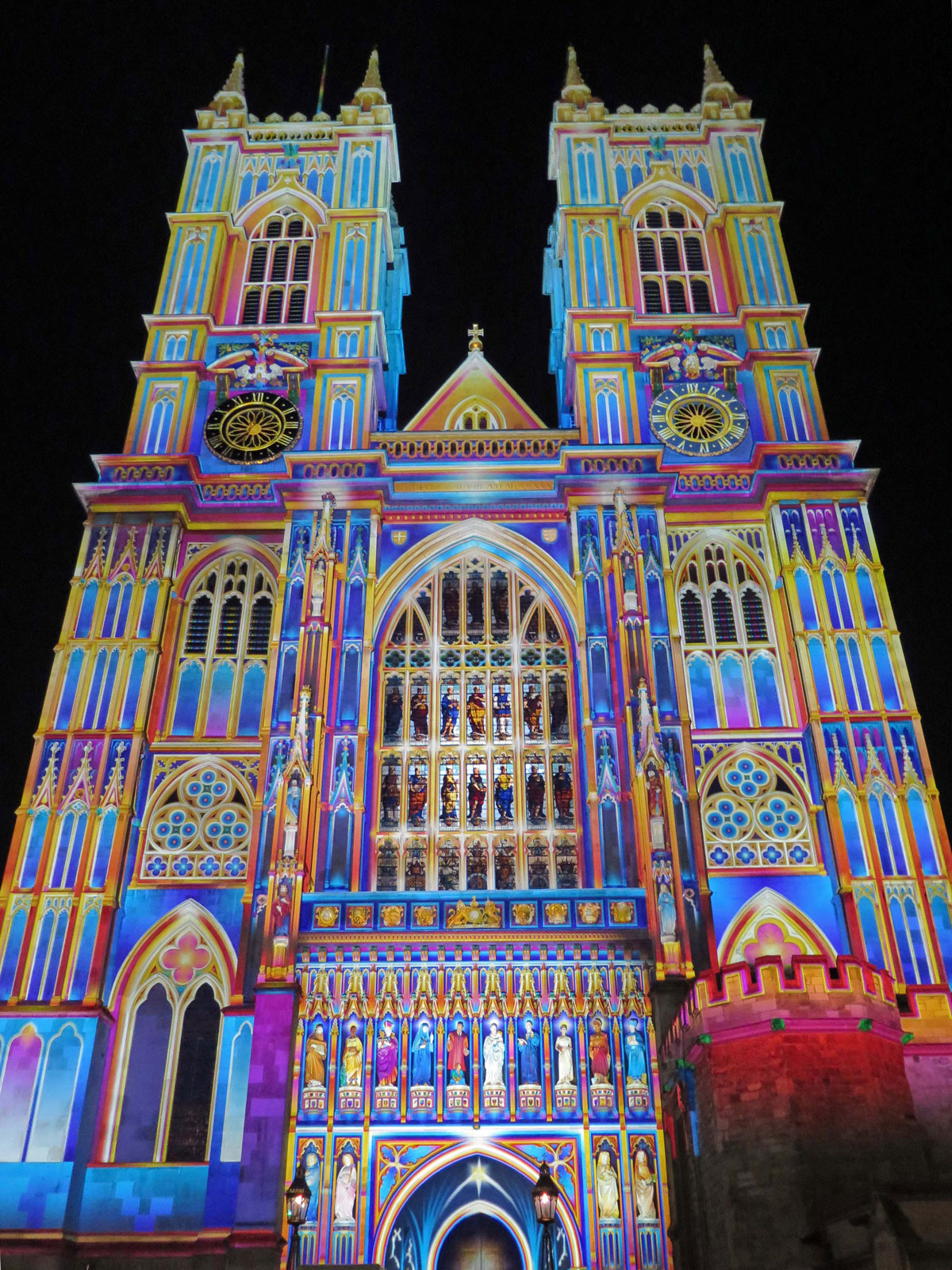
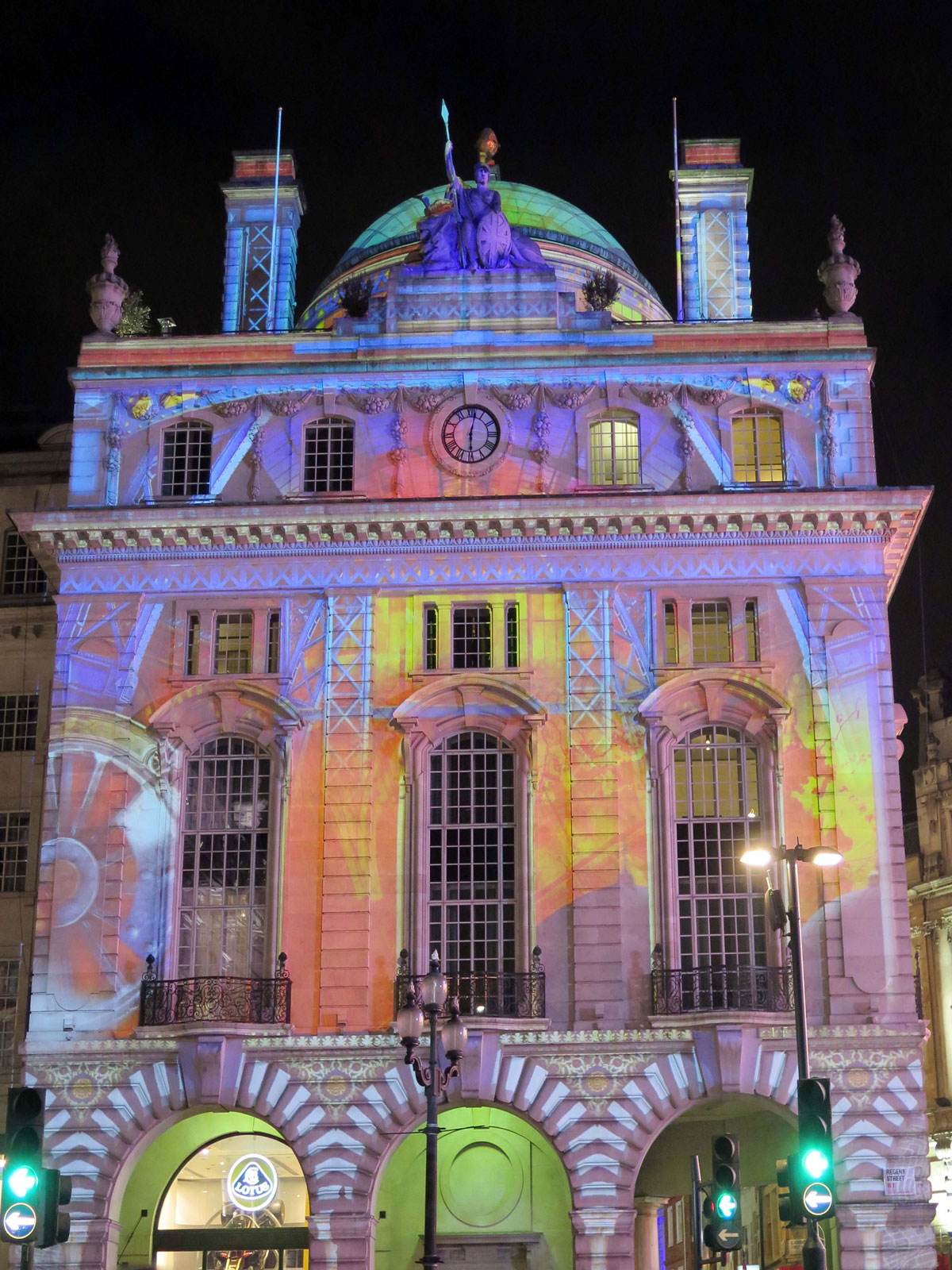
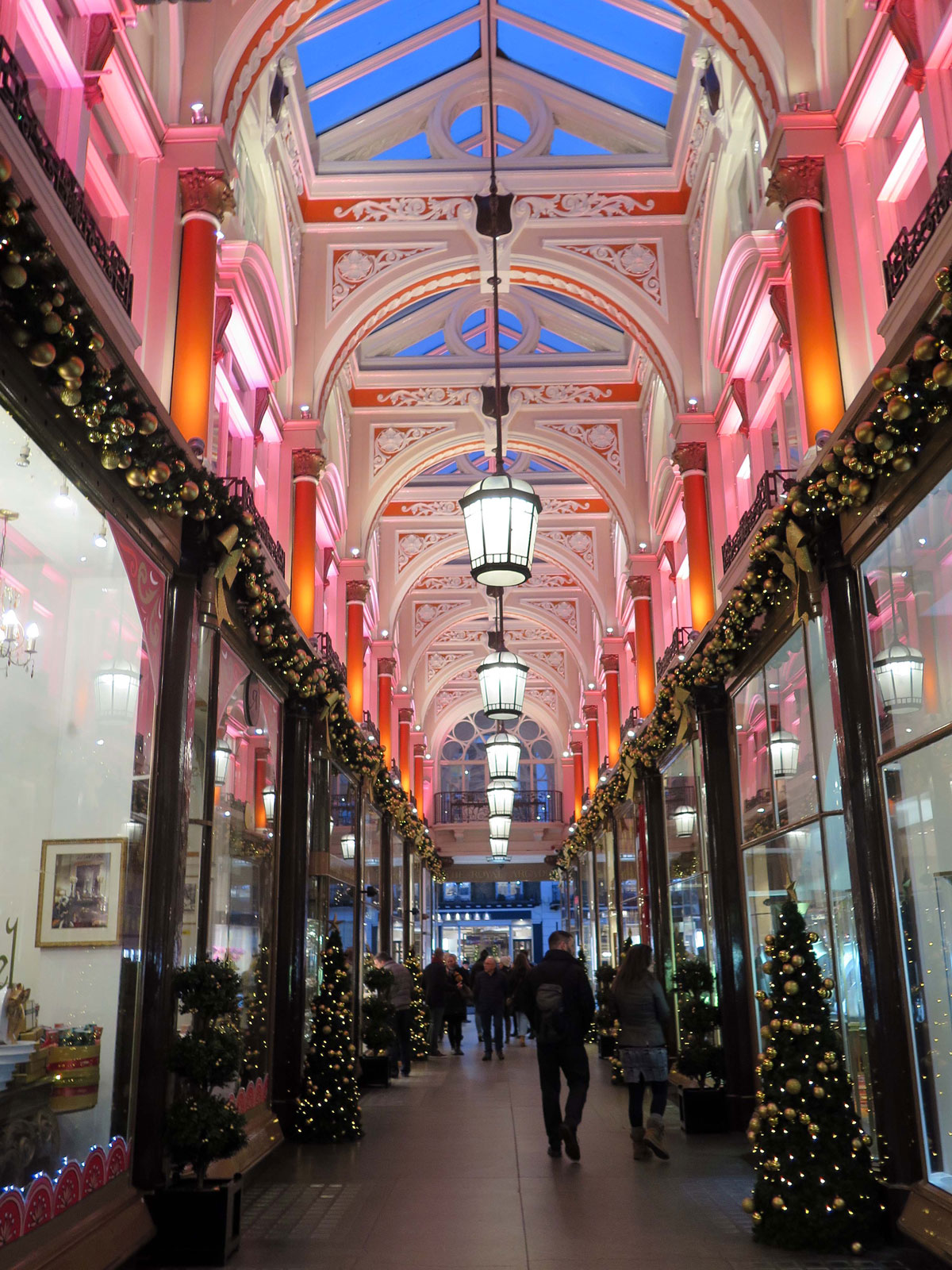
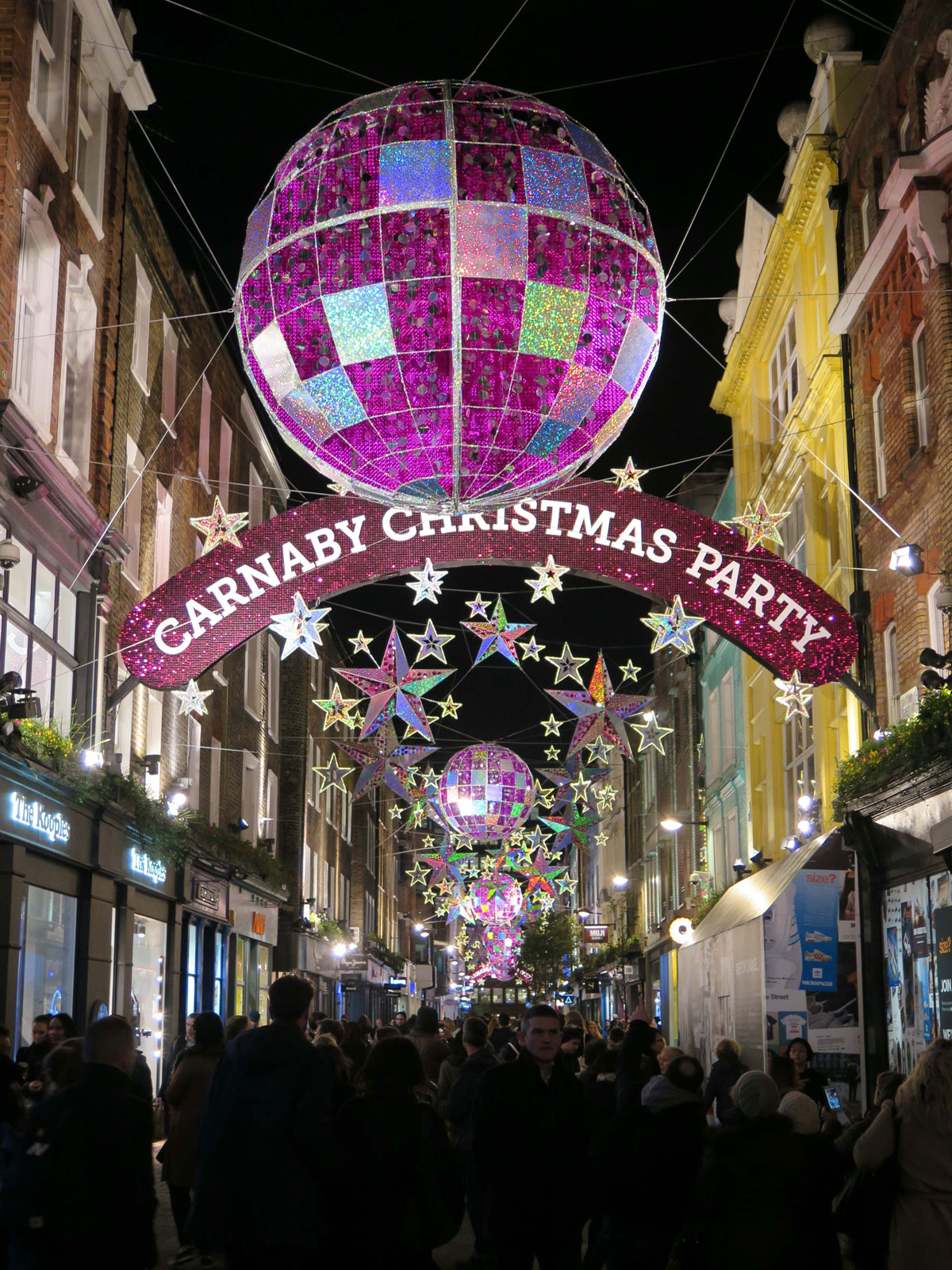
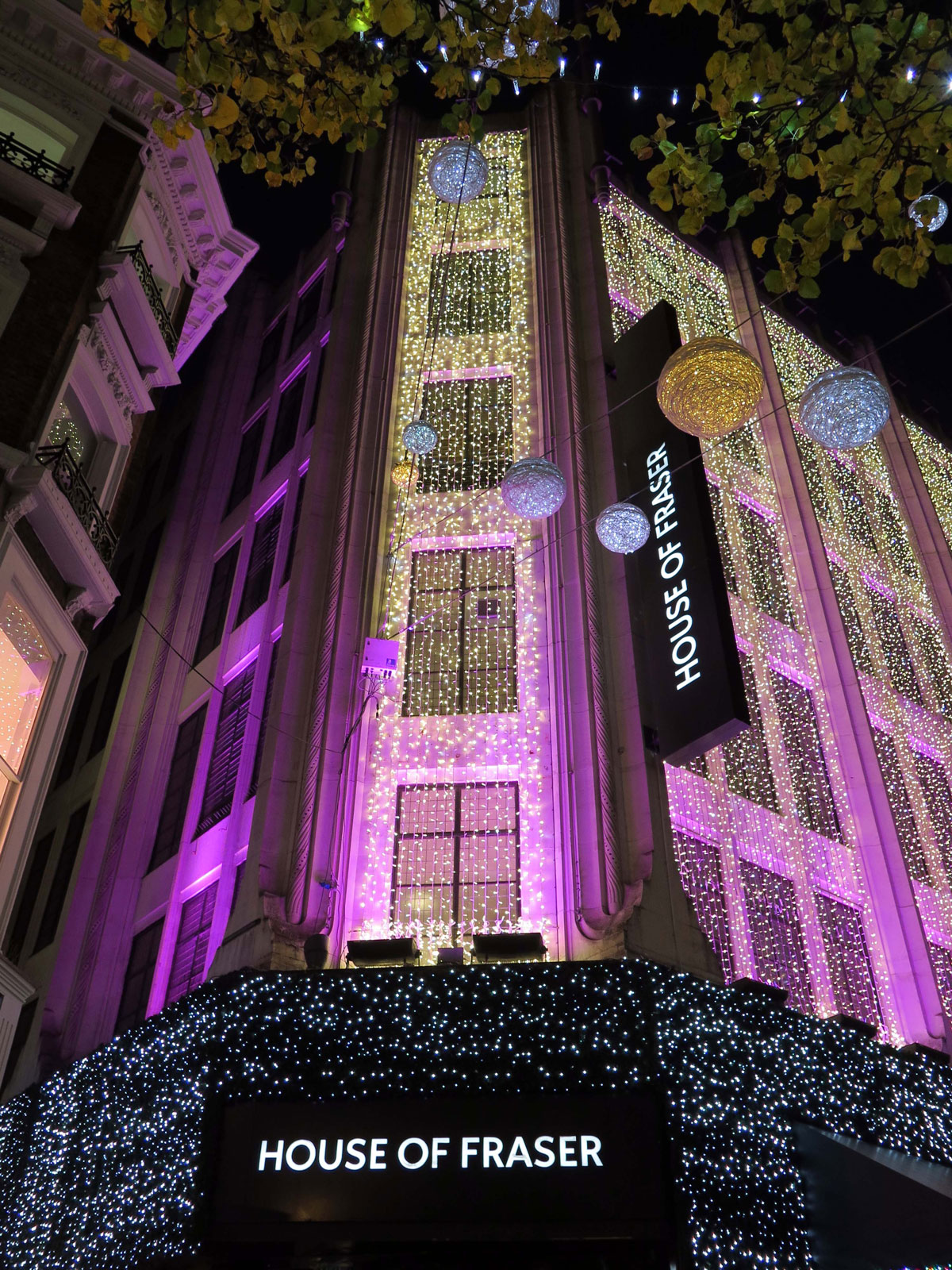
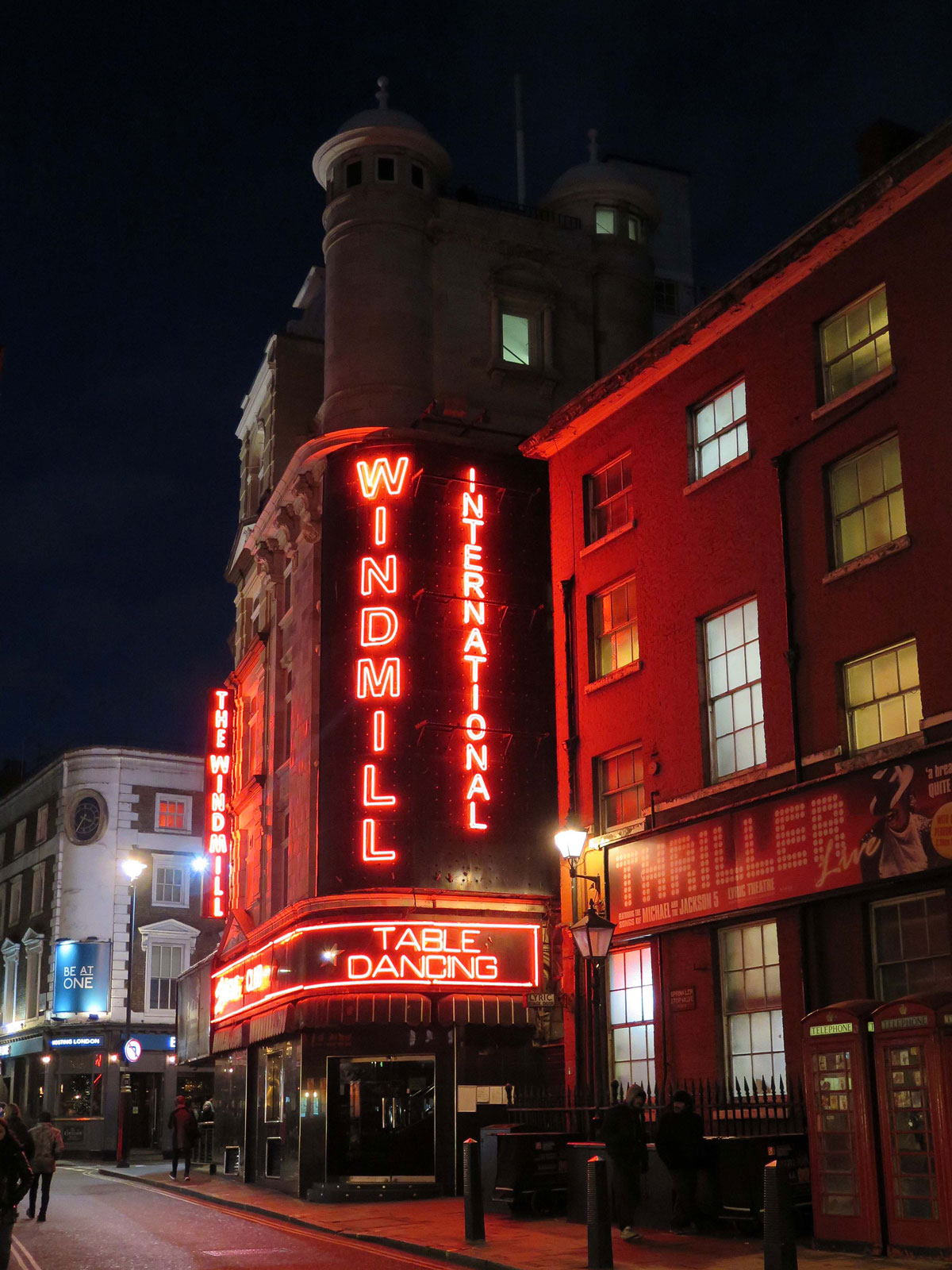
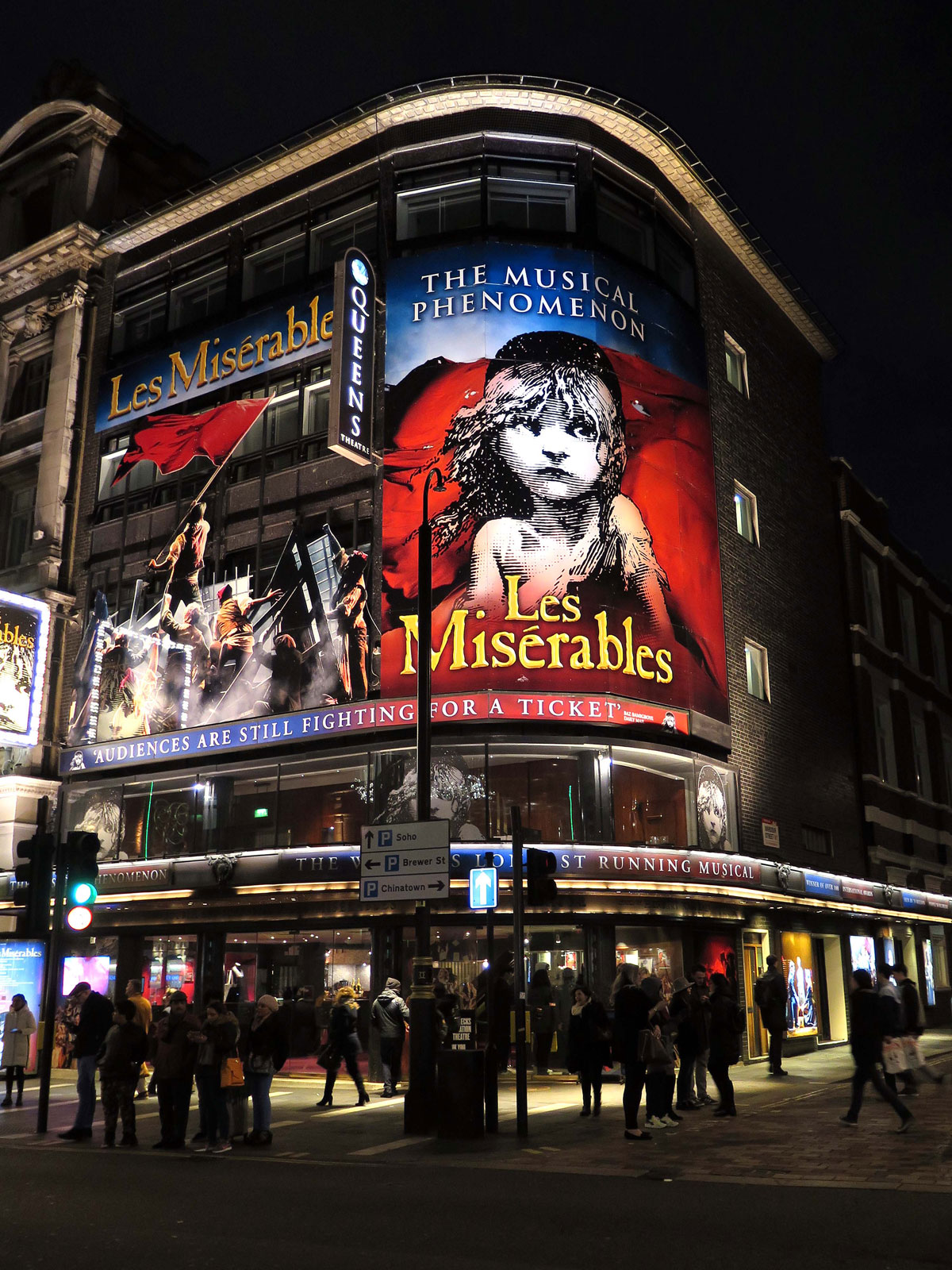
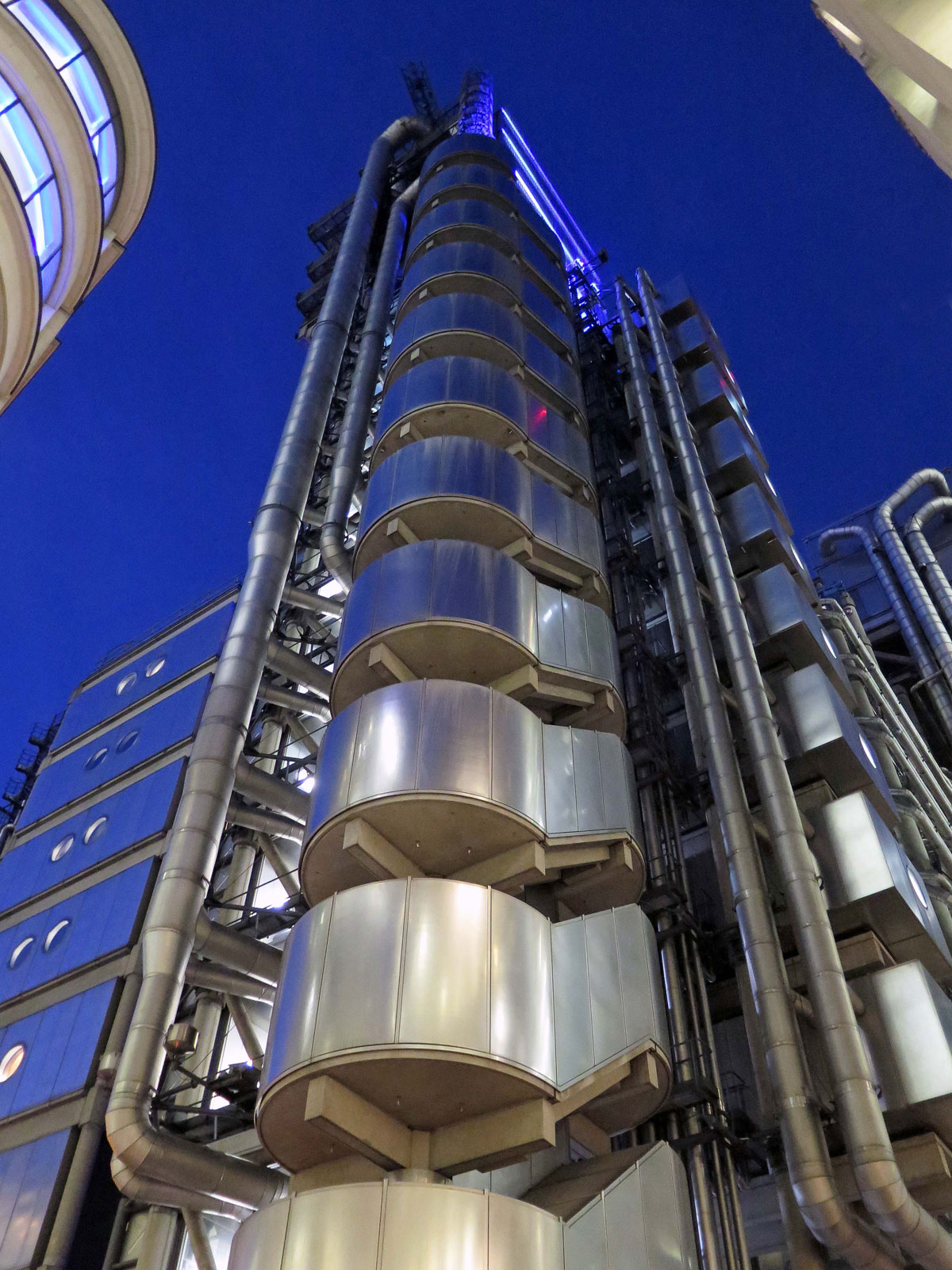
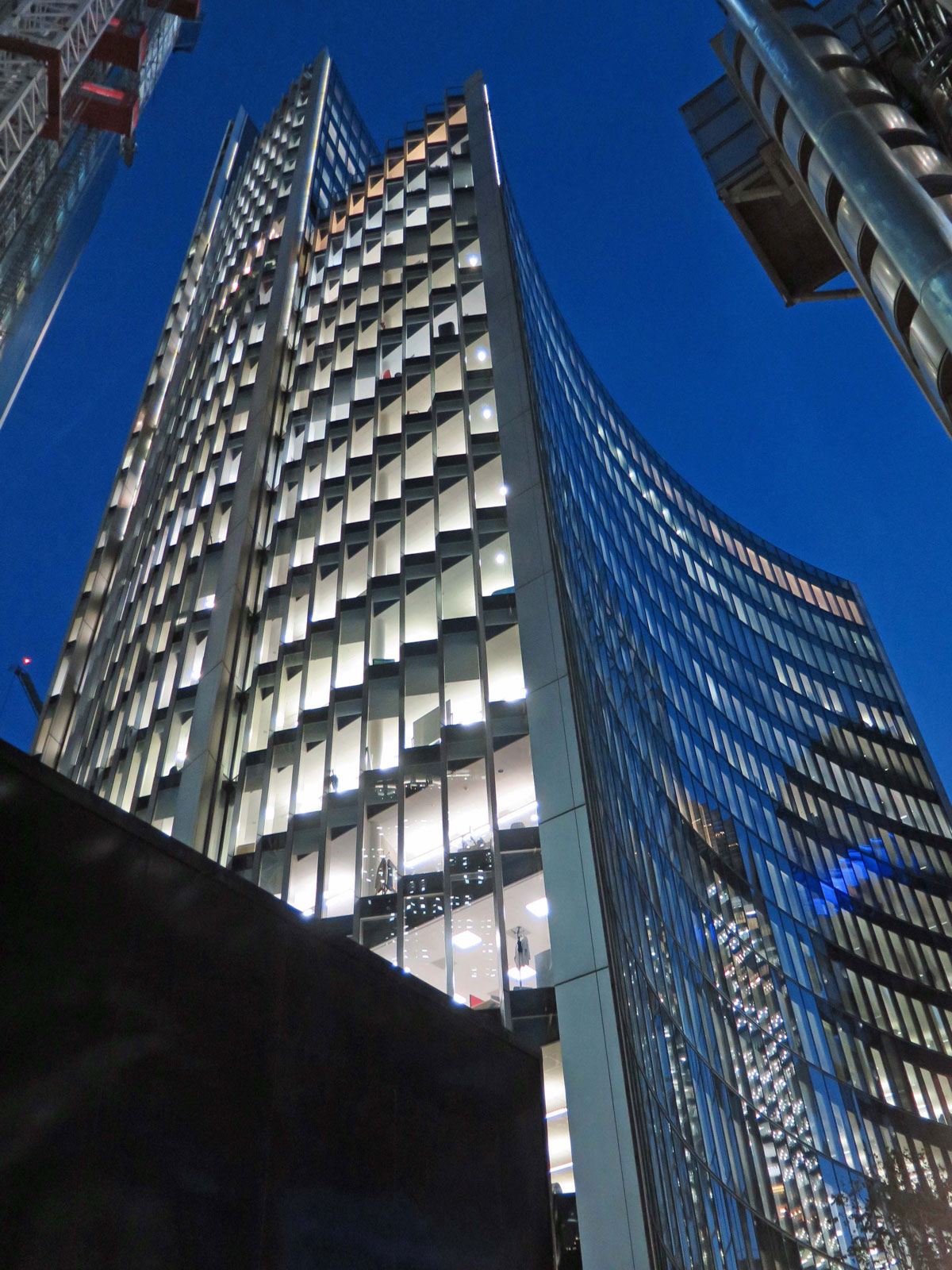
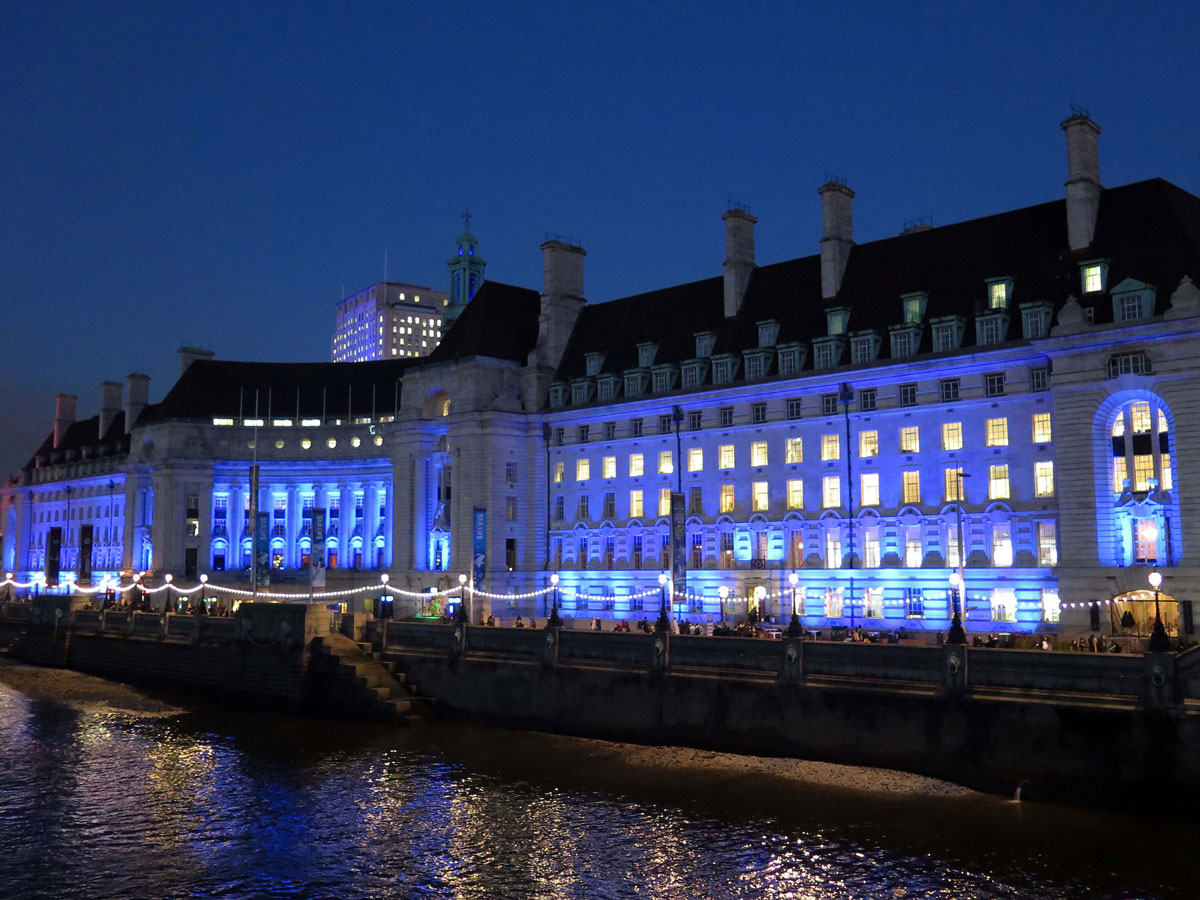
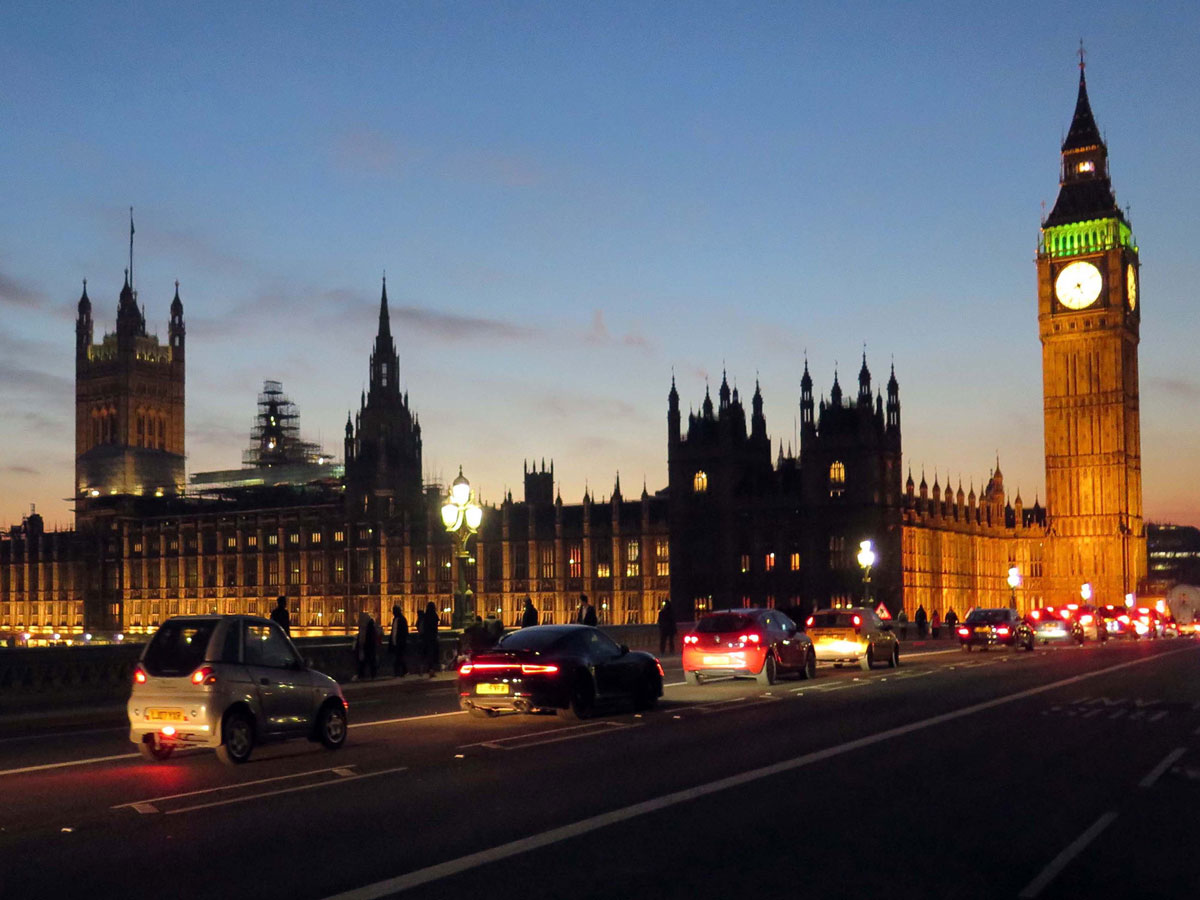
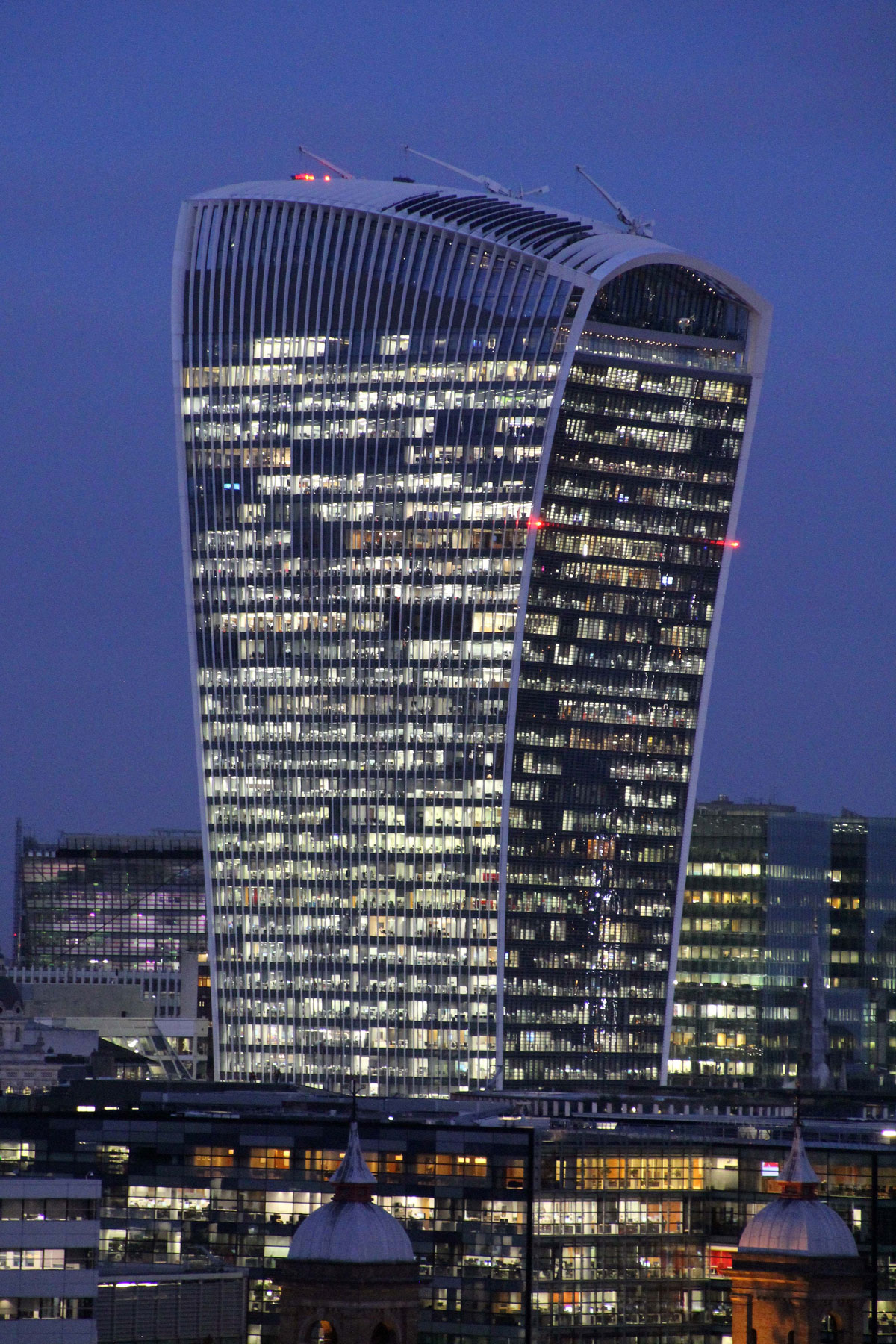
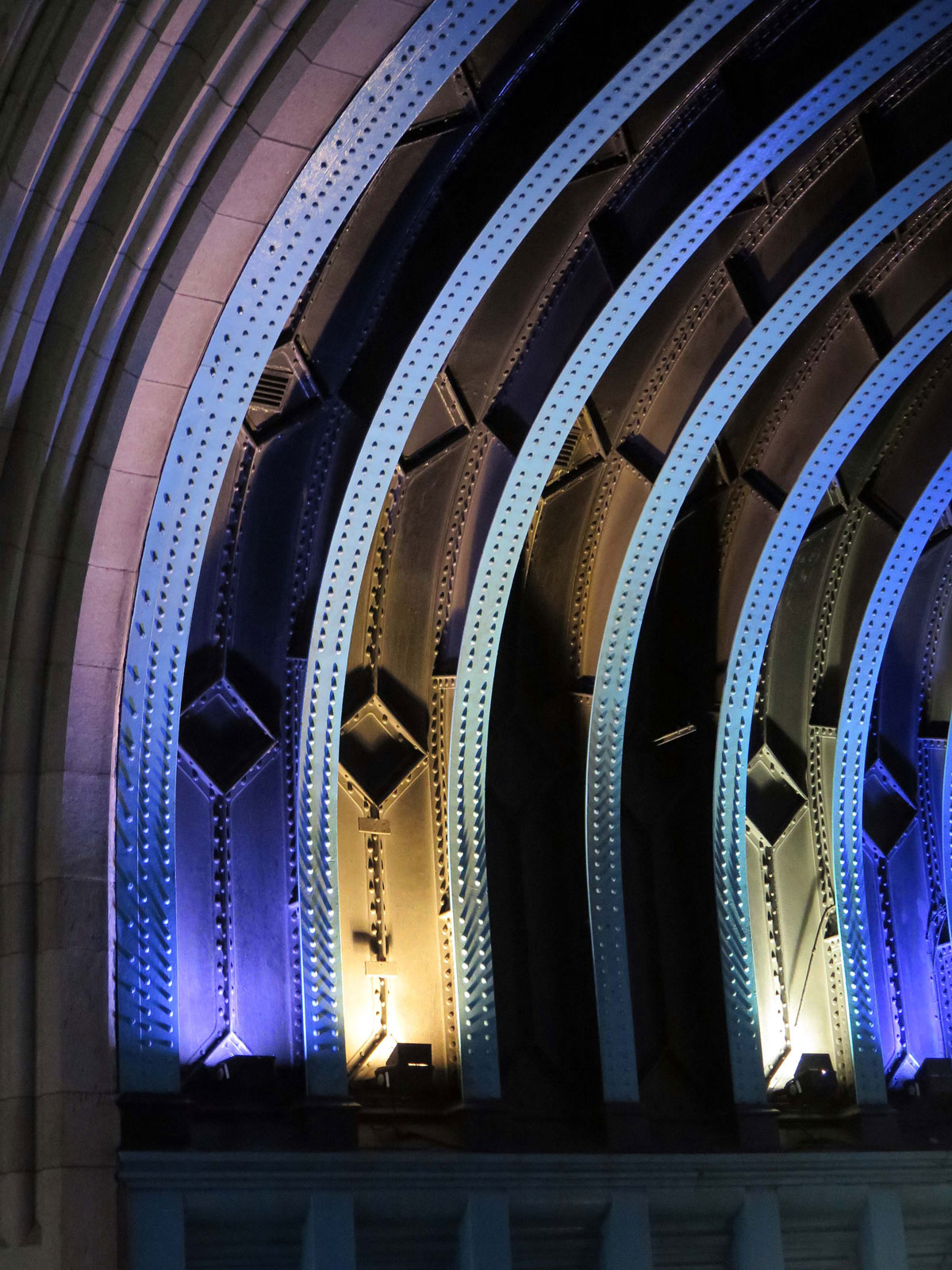
With people’s increasing awareness of the environment, not to mention the cost and unreliability of future energy supplies, I wonder how much longer cities like London will be able to use energy in the form of unnecessary illuminations. So, before the lights start flickering, let’s enjoy these spectacles while we can.

The music I’ve chosen for this post is by Sade, one of my favourite female singers of all time. In this song, called Pearls, she sings about the harshness of life in Africa, and although she was born in Nigeria, Sade was brought up in Essex before moving to London.

Is it any wonder that so many migrants want to come to London for a better life? – but for many, those brand-new shoes will hurt every bit as much as they did in Africa – no matter how many lights are still twinkling down onto those streets paved with gold.

GALLERY 1 (LANDSCAPE IMAGES)

GALLERY 2 (PORTRAIT IMAGES)

Westminster Abbey

POSTED – DECEMBER 2021

Originally posted 2021-12-29 17:06:24.

The post The Lights of London appeared first on Easymalc's Wanderings.

]]>
https://www.easymalc.co.uk/the-lights-of-london/feed/ 27 14539
Paddington Station https://www.easymalc.co.uk/paddington-station/ https://www.easymalc.co.uk/paddington-station/#comments Sat, 03 Jan 2026 16:08:21 +0000 https://www.easymalc.co.uk/?p=3694 Originally posted 2018-04-29 16:20:05.

The post Paddington Station appeared first on Easymalc's Wanderings.

]]>

Paddington Station

Travelling by train from Devon to London invariably means arriving at Paddington, and so I thought it was about time I put on my anorak and take a closer look at the history and working operations of this iconic station.

It was originally designed by the great engineer Isambard Kingdom Brunel as the London terminus for his Great Western Railway (GWR) from Bristol, and although the line was opened in 1838 it wasn’t until 1854 that Brunel’s station actually came into use.

Inspired by the design of the Crystal Palace in Hyde Park, and with the help of Matthew Digby Wyatt, he created a station that had four platforms protected by a glass roof. This roof had three spans and was supported by wrought iron arches and cast-iron pillars.

Although the original station has been enlarged since, principally by the adding of a fourth span, Brunel would still recognise his creation if he was to come back tomorrow.

In 1863 the station’s status as a major transport hub was given an extra boost when the Metropolitan Railway started running the world’s first underground railway between Paddington and Farringdon using a cut and cover system, and if you want to see how it was done there are some old pictures near to the Hammersmith & City (H&C) underground station.

Isambard Kingdom Brunel
The Concourse

The concourse at today’s main line station covers platforms 1-12: 1-8 are under Brunel’s original three spans, and 9-12 are under the later fourth. There is no platform 13, but platform 14 is within the old Metropolitan Railway’s Bishop Rd station and alongside it are platforms 15 and 16 which serve the H&C underground station.

Using the main line station is straightforward as electronic signboards give all the information about train times and platform numbers, but using the underground system is less so.

The first thing to remember is that there are two underground stations located at opposite ends of the platforms and not interconnected. The one next to the concourse is at the Praed St end and is served by the Bakerloo, District and Circle Lines. The other is the aforementioned H&C station which is served by the H&C and Circle Lines.

You’ll notice that both stations use the Circle Line, but the line stopped going around in a circle several years ago, and it depends where you’re going as to which is the best station to use. To keep it simple, the trains travel in a clockwise direction via Kings Cross from the H&C station, and anti-clockwise via Victoria from Praed St.

If you think that it sounds a bit complicated imagine what Paddington Bear thought when he arrived from “deepest darkest Peru”.

Things probably won’t get any simpler when the new station that will serve Crossrail’s Elizabeth Line opens at the end of 2018, but at least it should cut journey times across London. My only fear is that all the extra passengers will make it nigh on impossible to find a table at the Mad Bishop and Bear. What we could really do with is an engineer that can design pubs with the same skills that IKB designed railway stations. Then perhaps I could take my anorak off and have a pint in peace before heading back home to Devon.

Paddington Bear
Paddington Bear
The Mad Bishop and Bear

Originally posted 2018-04-29 16:20:05.

The post Paddington Station appeared first on Easymalc's Wanderings.

]]>
https://www.easymalc.co.uk/paddington-station/feed/ 6 3694
Paddington Basin and Little Venice https://www.easymalc.co.uk/paddington-basin-and-little-venice/ https://www.easymalc.co.uk/paddington-basin-and-little-venice/#comments Sat, 03 Jan 2026 16:08:21 +0000 https://www.easymalc.co.uk/?p=3710 Originally posted 2018-05-02 16:18:47.

The post Paddington Basin and Little Venice appeared first on Easymalc's Wanderings.

]]>

Paddington Basin and Little Venice

Paddington is well-known for its railway station, but perhaps not so well known for its canal, but things are changing.

The easiest access to the canal basin is from the far end of the station next to the Hammersmith & City (H&C) underground, but until the Waterside Regeneration project got under way there would have been no access here at all.

It was different back in the19thc though when the area would have been a hive of activity, a time when goods were transported around the country through a large network of canals. Paddington provided an ideal location for a canal terminus for several reasons, but principally because the area was flat and had easy road connections into central London.

Paddington Basin was opened in 1801 at the end of the ‘Paddington Arm’ of the Grand Union Canal, whose main line still runs for 138 miles between Birmingham and London (Brentford). There are several arms that lead off from the main line including this one which stretches for 13½ miles between Bulls Bridge at Hayes and Paddington Basin.

The coming of the railways also eventually meant the decline of the canals. Goods could be transported more cheaply by rail than by barge, but what happened to the canal system also happened to the rail network when it became cheaper to transport goods by road rather than rail, and by the 1980s Paddington was left with a desolate wasteland of a redundant canal and an obsolete goods yard.

The Old Paddington Basin Terminus at Merchant Square
Sheldon Square Amphitheatre

With the arrival of the millennium a regeneration package was put in place, and although the project has yet to be completed, the last twenty years has seen the area around Paddington Basin transformed.

When you exit Paddington station next to the H&C underground you can go one of two ways. Turning right will take you to the end of the canal, past St. Mary’s Hospital to what is now referred to as Merchant Square. Turning left will take you along the canal to what the marketing people now call Paddington Central, and then on to Little Venice.

Merchant Square is now a modern mix of offices, homes, shops and leisure facilities and includes the new head offices of Marks and Spencer and two unusual footbridges – the Rolling Bridge and the Fan Bridge – unusual because of the way that they operate.

If there’s one thing that should have been modernised and hasn’t is St Mary’s Hospital which is not only a major teaching hospital, but also where Alexander Fleming discovered penicillin. There were plans to create a ‘Health Campus’ combining St. Mary’s with two other hospitals that needed resuscitating – the Royal Brompton and Harefield, but up to now nothing has happened.

Paddington Central has seen most of the investment go into modern buildings centred around Sheldon Square, which is more of an amphitheatre than a square, and somewhere office workers find convenient for spending their lunch breaks on a sunny day.

Regent's Canal
Regent's Canal

Not much further along is Little Venice, where the Grand Union Canal is met by the Regent’s Canal at Browning’s Pool.

Named after the poet Robert Browning who lived in the adjacent Warwick Crescent, Browning’s Pool is the focal point of Little Venice and the most popular part of the canal. On the other side of Horse Bridge is Rembrandt Gardens, a nice spot to watch the boats from under the willow trees, or if you’re feeling more energetic you can go for a walk along the Regent’s Canal towards Regent’s Park, London Zoo, and Camden Market. The total length of the canal is around 8½ miles and ends at Limehouse Basin.

The area around here is attractively laid out with white stucco buildings and villas, and part of Maida Vale. There’s a tube station in Warwick Avenue, which may sound familiar if you’re a fan of Duffy, who had a Top Ten hit wit a song of the same name in 2008.

If you prefer not to stretch your legs too much, it’s possible to take a boat ride to Camden from Little Venice, or perhaps just take a break at the Waterside Café.

As I said earlier, the re-development of this part of Paddington isn’t yet complete, but it’s come a long way from what it used to be like. If possible, try and allow some extra time if you have a train to catch, and rather than spend it on the station’s concourse, take a walk in the fresh air along the canal instead. Believe me, it’s much nicer.

The Waterside Cafe
The Waterside Cafe

Originally posted 2018-05-02 16:18:47.

The post Paddington Basin and Little Venice appeared first on Easymalc's Wanderings.

]]>
https://www.easymalc.co.uk/paddington-basin-and-little-venice/feed/ 7 3710
A Snapshot of Hyde Park and Kensington Gardens https://www.easymalc.co.uk/a-snapshot-of-hyde-park-and-kensington-gardens/ https://www.easymalc.co.uk/a-snapshot-of-hyde-park-and-kensington-gardens/#comments Sat, 27 Dec 2025 08:46:49 +0000 https://www.easymalc.co.uk/?p=20010 Originally posted 2024-01-01 13:46:06.

The post A Snapshot of Hyde Park and Kensington Gardens appeared first on Easymalc's Wanderings.

]]>

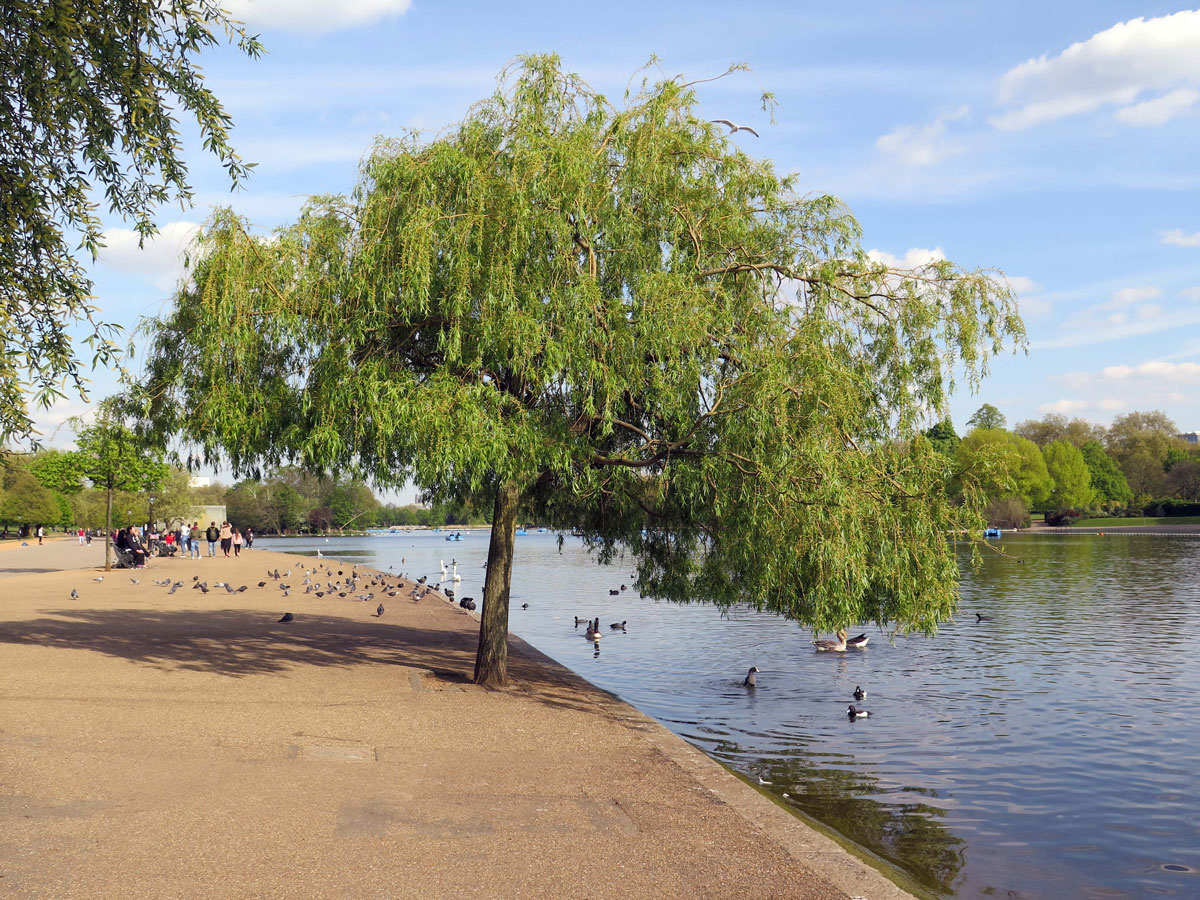
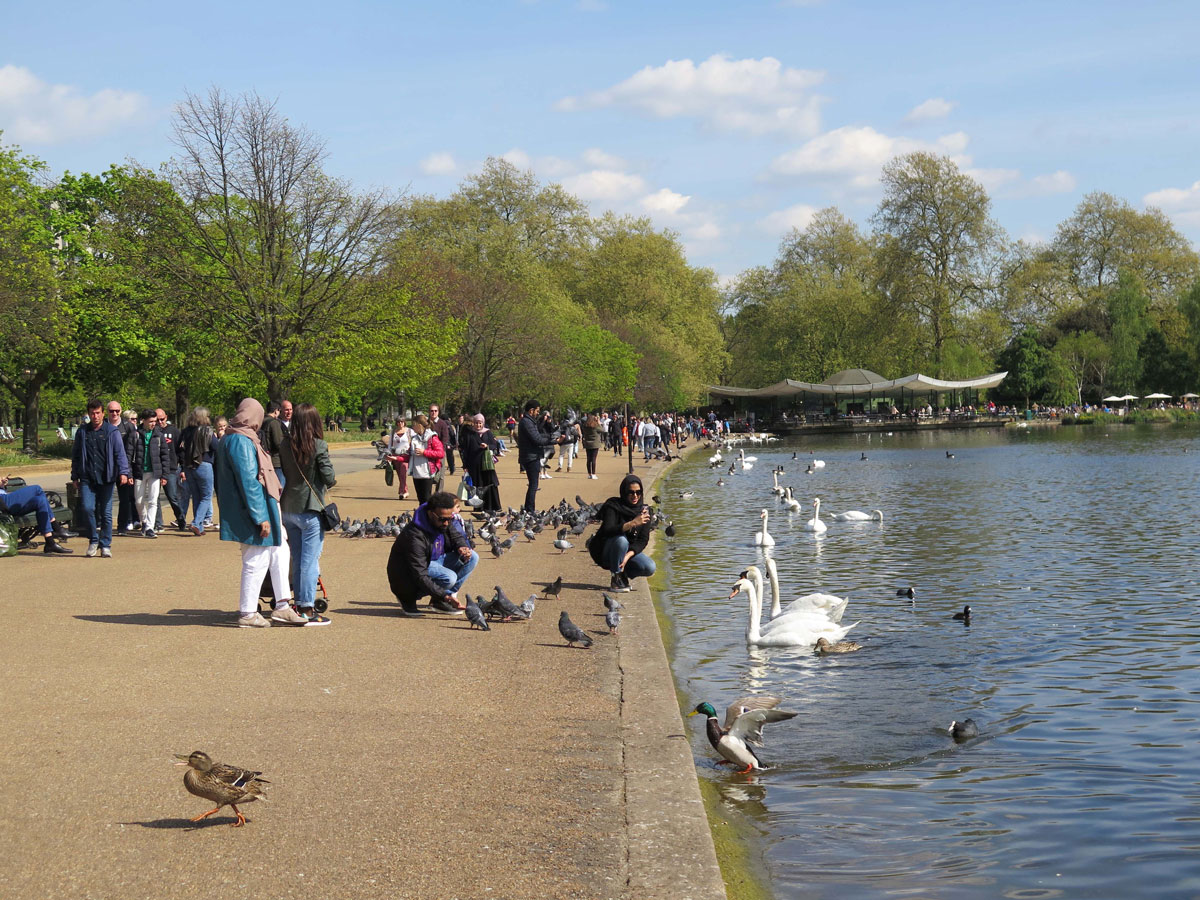
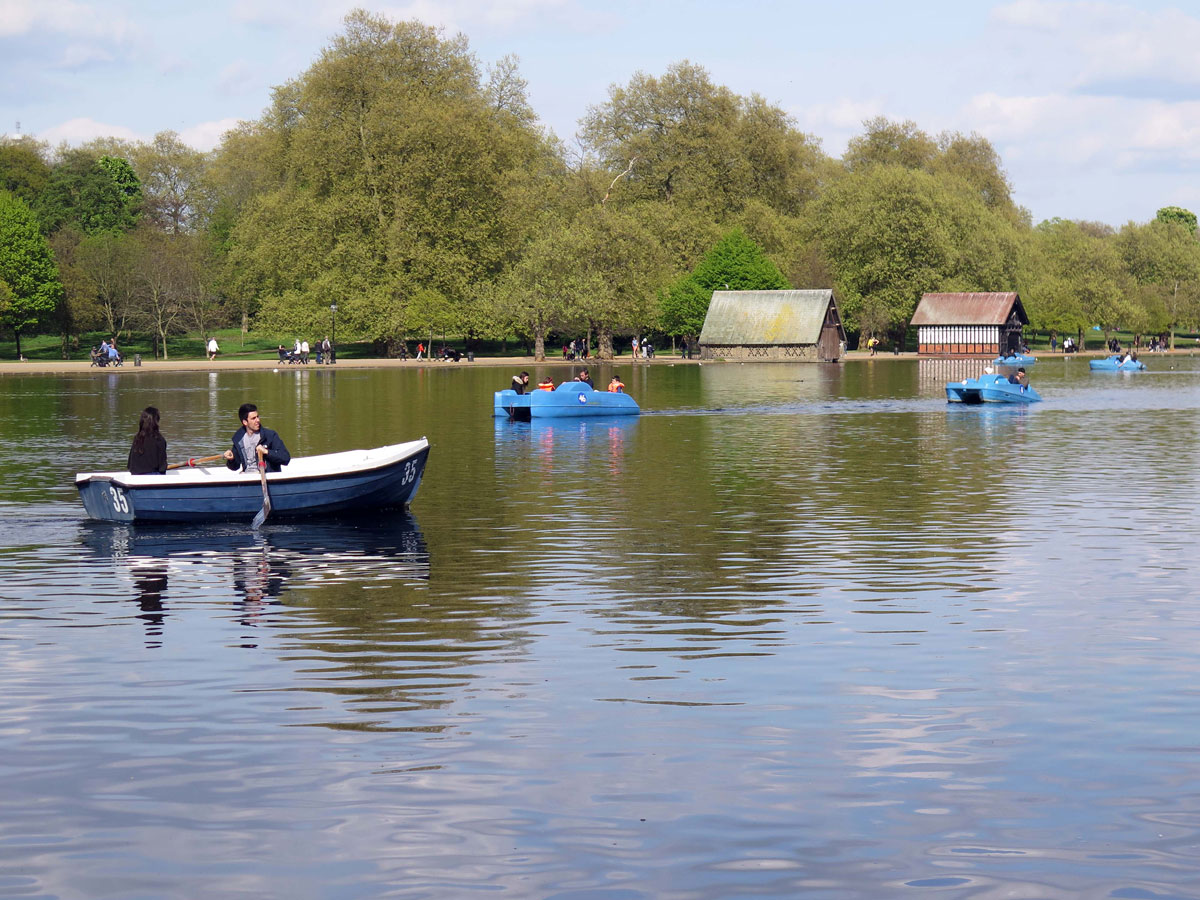
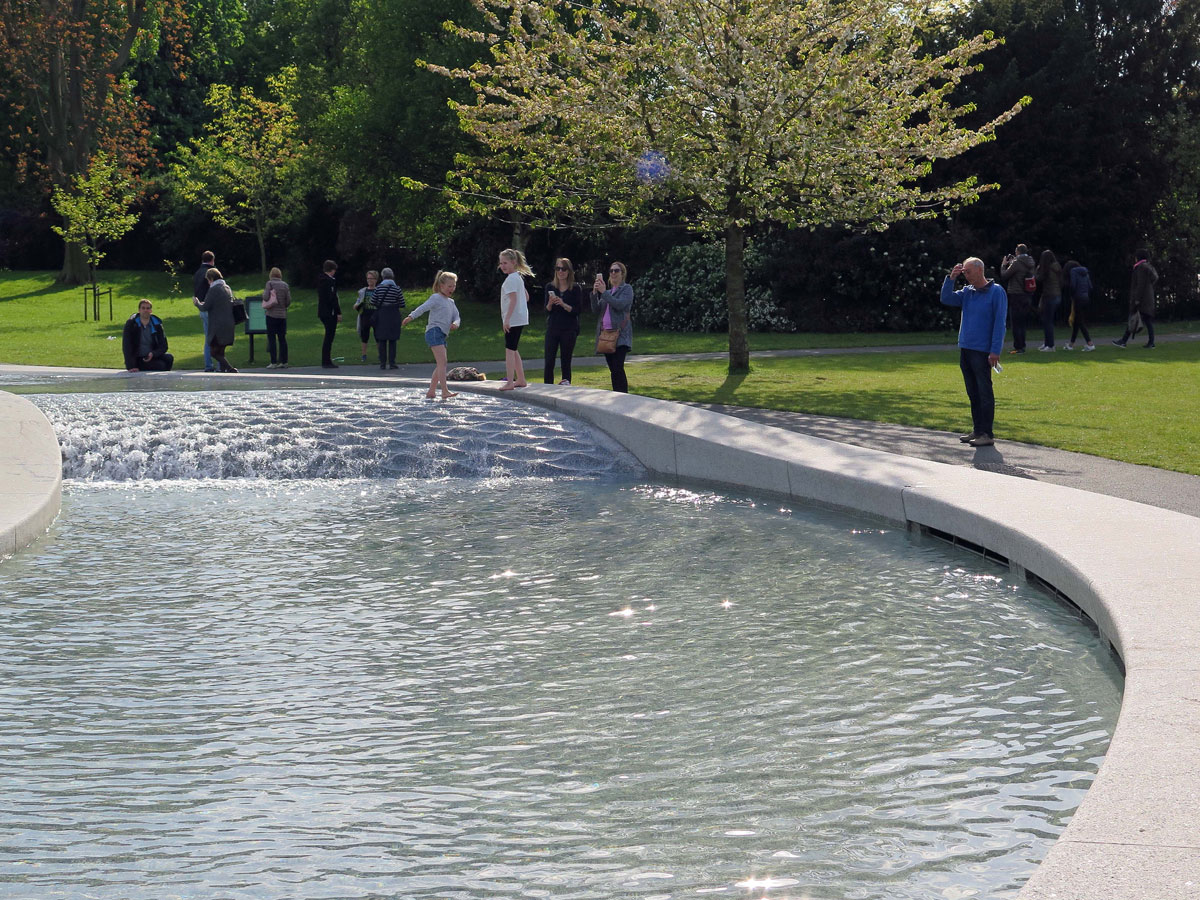
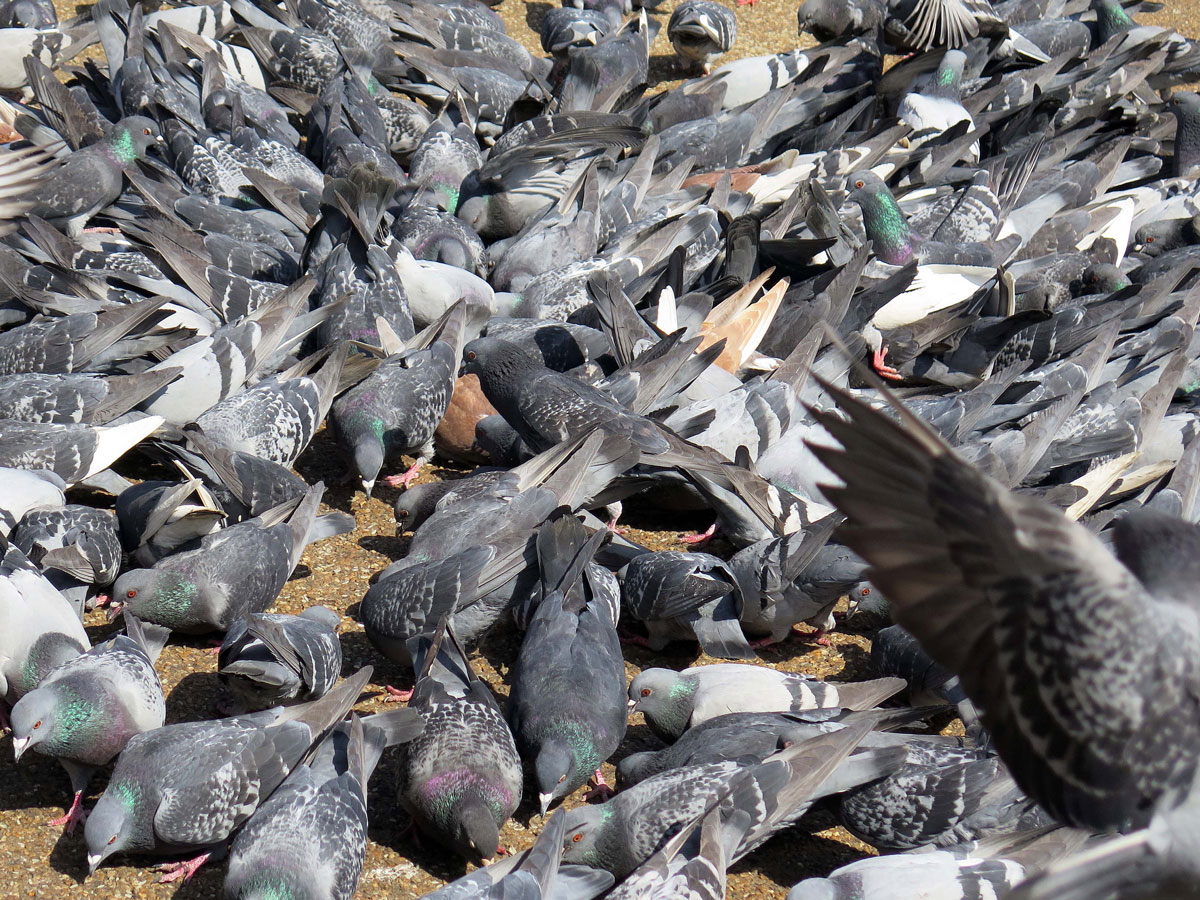
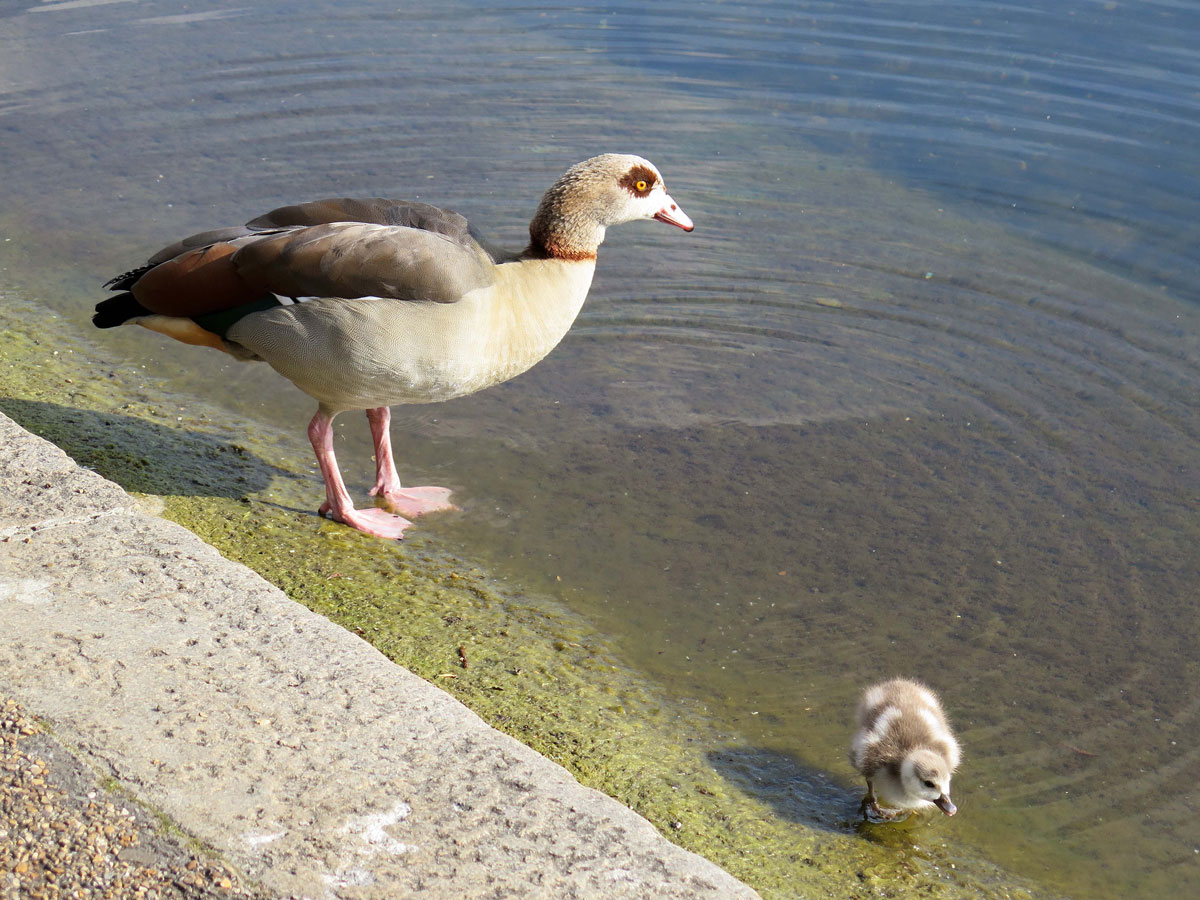
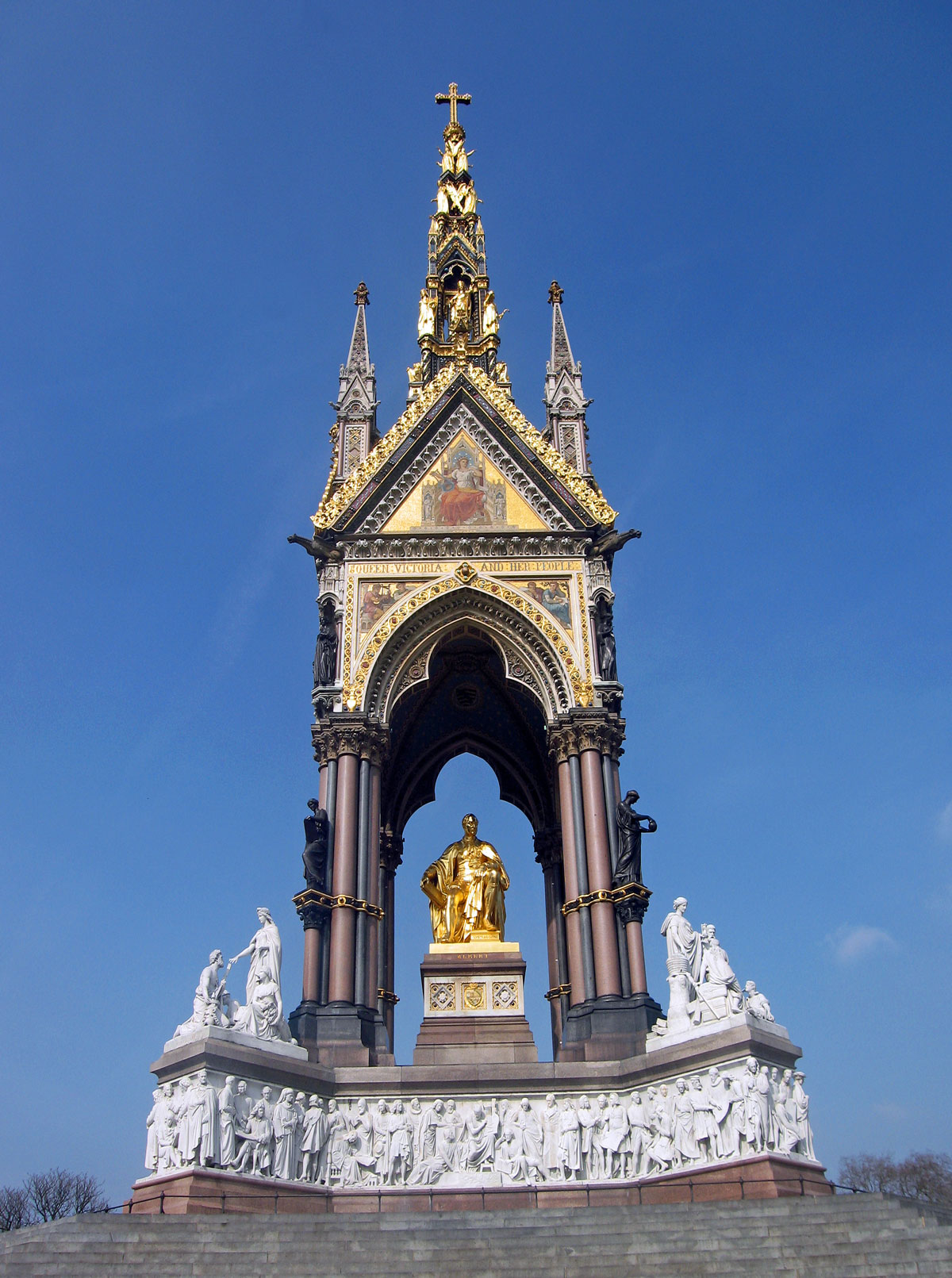
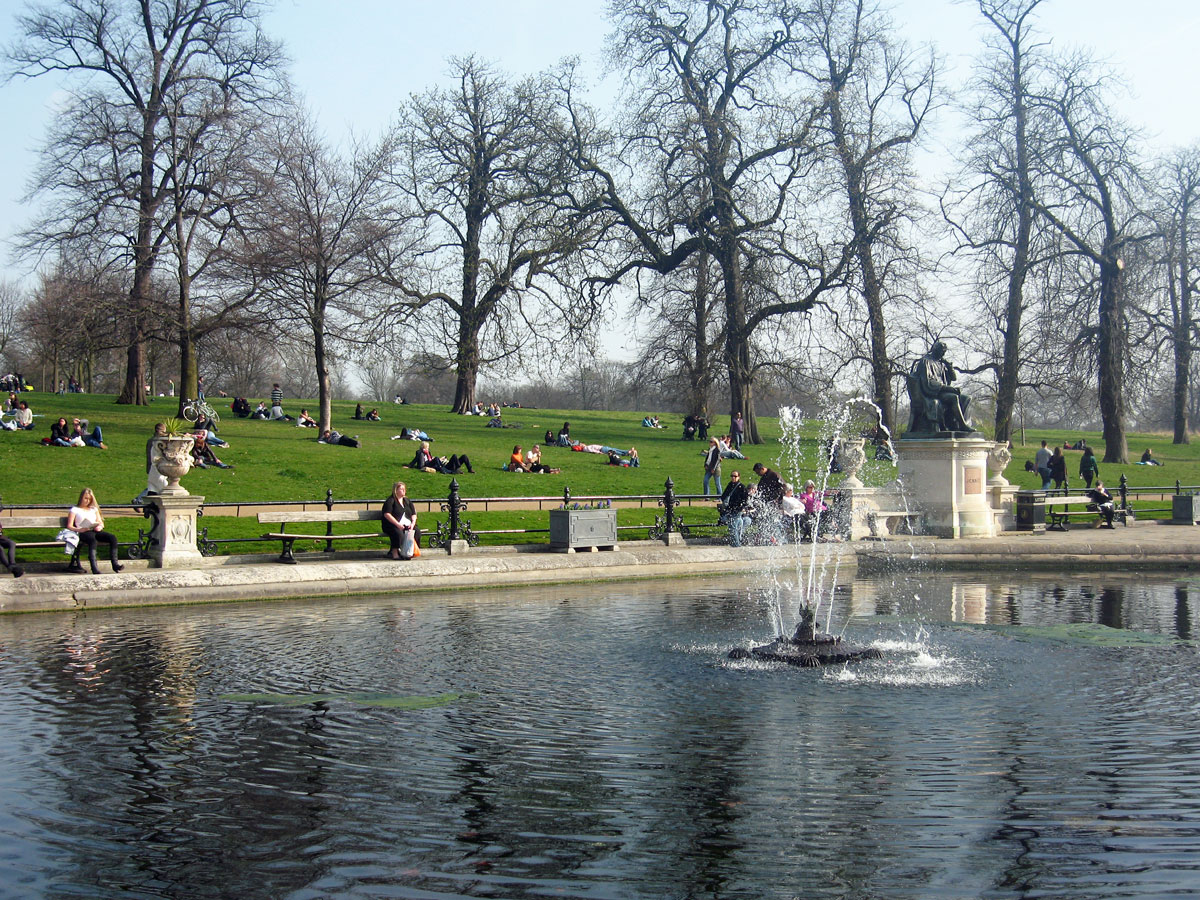
A Snapshot of Hyde Park and Kensington Gardens

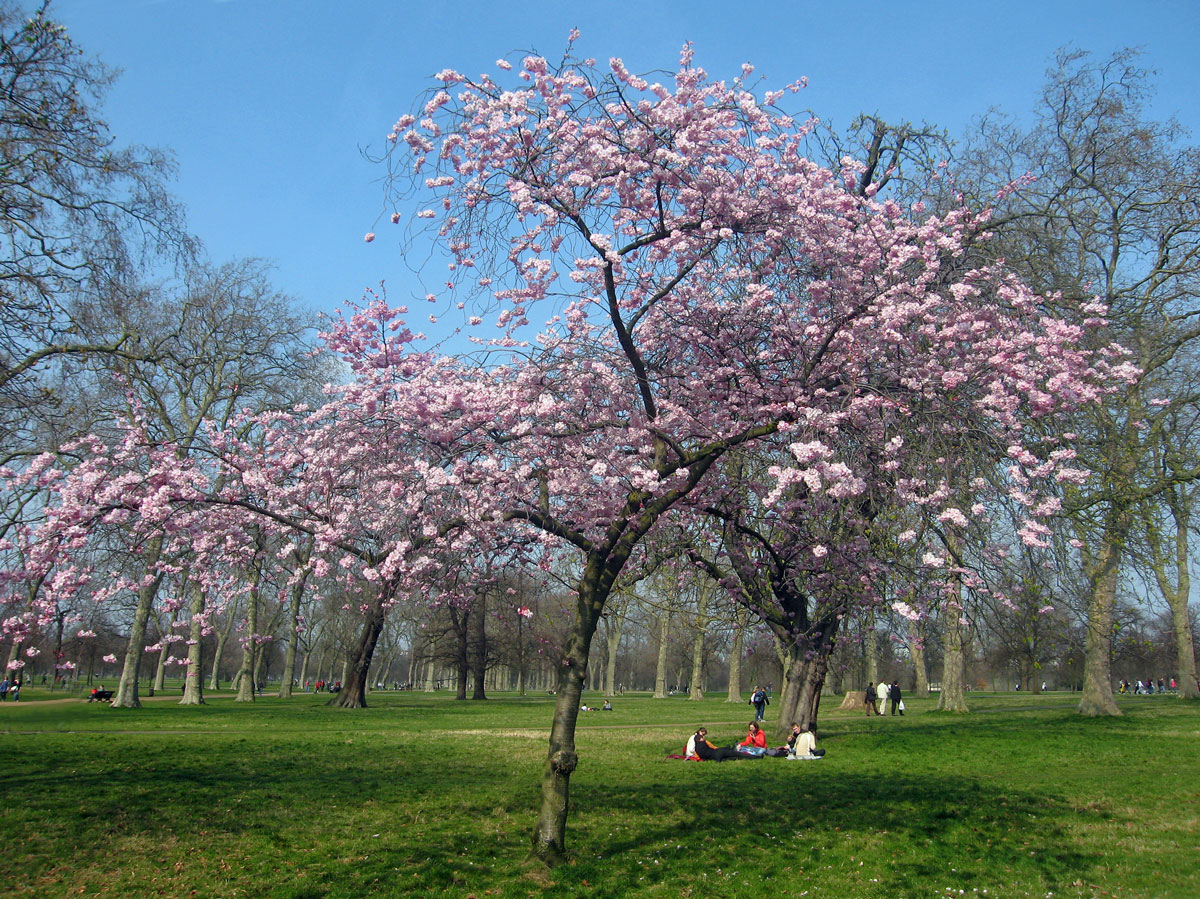
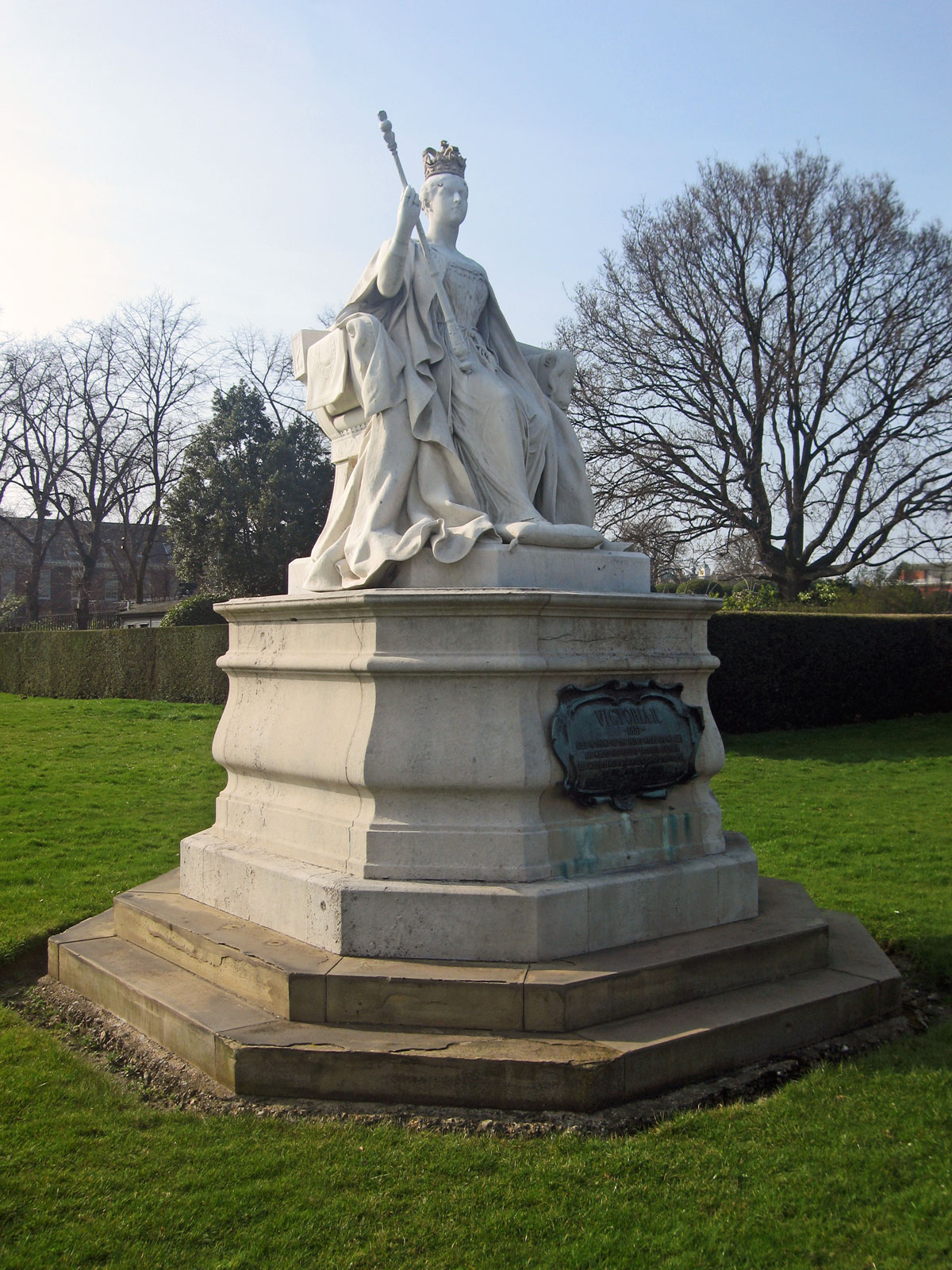
Well, here we are again at the start of another year, and that’s a good enough reason to celebrate on its own, but while those who are having a lie-in dreaming up new ways to upset Londoners trying to go about their normal everyday business in the year ahead, I thought I’d usher the new year in by showcasing  a couple of London parks where it’s still possible to enjoy the simple things in life.

I very rarely, if at all, voice my personal opinions about contentious issues in these blogs because I prefer to let people decide for themselves how to think, but I make no excuses for breaking my own rule today.

Britain has always been a liberal country where people have the right to protest, but when that right comes at the expense of the silent majority’s rights, then I think it’s time to stand up and be counted. Politicians are elected to implement the wishes of the people they represent, and while some of them might think it’s ok to chant inflammatory slogans, throw paint over works of art or desecrate statues, that is not what the majority of people think.

There’s likely to be a general election in the year ahead, and my one wish is that whoever wins, acts in the best interests of this once great country. Our forefathers didn’t fight to secure the freedoms we hold dear just to allow incompetent or subversive politicians to relinquish those freedoms. Happy New Year everyone!

POSTED – JANUARY 2024

Originally posted 2024-01-01 13:46:06.

The post A Snapshot of Hyde Park and Kensington Gardens appeared first on Easymalc's Wanderings.

]]>
https://www.easymalc.co.uk/a-snapshot-of-hyde-park-and-kensington-gardens/feed/ 35 20010
Marble Arch and the Tyburn Tree https://www.easymalc.co.uk/marble-arch-and-the-tyburn-tree/ https://www.easymalc.co.uk/marble-arch-and-the-tyburn-tree/#comments Sat, 03 Jan 2026 16:08:21 +0000 https://www.easymalc.co.uk/?p=3677 Originally posted 2018-04-28 10:10:52.

The post Marble Arch and the Tyburn Tree appeared first on Easymalc's Wanderings.

]]>

Marble Arch and the Tyburn Tree

Marble Arch lies at the junction of Oxford St, Bayswater Rd, Park Lane, and the Edgware Road, and it wouldn’t be difficult to imagine that the landmark once stood on an island in the middle of traffic mayhem. Thankfully, somebody had the sense to landscape the area around the monument to give it a bit more dignity, but it wasn’t meant to be here in the first place.

It was originally built for King George IV who inherited Buckingham Palace from his father George III in 1820. In 1827 his extravagant tastes led him to commission John Nash to add the arch as a state entrance, but within three years his own life had come to an end.

The monument was faced with Carrara marble and based on the Constantine Arch in Rome, but an equestrian statue of George IV was never added because the King’s successor, William IV, refused to stump up the rest of the cash to finish off his predecessor’s self-indulgence.

After the death of William IV in 1837 the crown passed to Queen Victoria who became the first monarch to actually live in Buckingham Palace, but she found it too small and began a programme of enlarging it. The plans included removing the arch, and in 1847 it was decided to relocate it to Hyde Park.

The transfer was completed in 1851 and the arch was used as a ceremonial gateway into the north-east corner of the park at Cumberland Gate – and a police station until 1968!

Water Fountains near Marble Arch

In a way it doesn’t seem entirely inappropriate to have a police station here because just yards away is the site of the infamous Tyburn Tree.

Just like Marble Arch was, the site of the Tyburn Tree is situated on a traffic island and marked by a plaque in the ground and three young oak trees planted in 2014. I’m not quite sure why oak trees were planted because Tyburn means ‘Place of the Elms’ and is named after the Tyburn Brook, but perhaps the original hanging tree was an oak – who knows?

The first ever recorded hanging was in 1196 but it was the 16th century before the tree was exchanged for the gallows that it’s so well known for. In 1571 a triangular wooden construction was built in order to facilitate the hanging of more than one person at a time – in fact it could manage up to twenty four which it did on at least one occasion.

Most of the hangings at Tyburn took place between the 16th and 18th centuries when prisoners from Newgate Prison were transferred here via St Giles in the Fields and Oxford St. The three mile journey could take as long as three hours by horse and cart, because apart from the baying crowd that thronged the streets, there were stops along the way for the felon to imbibe a last drink or two, and it wasn’t unheard of to arrive at the gallows drunk and disorderly. Whether the people transporting the criminal were sober or not I couldn’t say.

Location of the Tyburn Tree

When the cart finally reached Tyburn the crowds who came to watch in their thousands would have witnessed speeches from the ‘villain’ who gave their own account of why they thought they shouldn’t be there at all, and interestingly enough, debates raged on for ages about some of the issues that were brought up, and which is why nearby ‘Speakers Corner’ evolved into what we know today.

When the speech was over the noose was tied and the cart moved away leaving the body dangling from the tree for anything up to three quarters of an hour.

It’s a well-known fact that thousands of people came to enjoy the spectacle – and I mean ‘enjoy’, but it didn’t always work out exactly as planned. Some people paid to sit in the stands, but on one occasion hundreds of people were killed or injured when one of these stands collapsed.

Probably the best attended hanging was that of ‘Gentleman’ Jack Shepherd, the notorious highwayman, who built up a cult following after escaping from prison four times and planned to escape the gallows at Tyburn, but without success. Another famous person who was hanged here was Oliver Cromwell, even though he was already dead. His body was exhumed from Westminster Abbey and hanged posthumously by the royalist Cavalier Government in retribution for the execution of King Charles I.

Many of the hangings were dealt out to thieves as a deterrent to others, but pickpocketing was rife as the hangings were taking place, so it didn’t seem to have the desired effect. Some were just hung for their beliefs though, and along the road in Hyde Park Place is Tyburn Convent which is dedicated to the martyrs who died for following the Catholic faith.

I don’t think that anybody really knows how many people were hung here, but one report from the 1570s showed that 704 hangings were recorded during that decade. What is known is that the original gallows were taken down in 1759 and replaced with a ‘pop up’ system which could be moved into position when necessary, and the most likely last victim was John Austin, another highwayman, in 1783, after which the ritual was transferred to Newgate Prison. The prison doesn’t exist anymore, but the Central Criminal Court, better known as the Old Bailey, has taken over part of the site, so judgement still takes place here, although capital punishment was abolished for murder in 1965.

Before wandering away from the area, take a look at a couple of modern sculptures which have recently been added. Sometimes I think there are too many sculptures which don’t add very much to a location but this isn’t the case with ‘Still Water’ by Nic Fiddian-Green and ‘Danse Gwenedour by Bushra Fakhoury. Both are excellent works of art that are very different to each other, but somehow seem to fit in together. They can be found either side of Tyburn Way near to the water fountains.
Still Water
Still Water
Danse Gwenedour (Celebration of Life)

Originally posted 2018-04-28 10:10:52.

The post Marble Arch and the Tyburn Tree appeared first on Easymalc's Wanderings.

]]>
https://www.easymalc.co.uk/marble-arch-and-the-tyburn-tree/feed/ 7 3677
St Clement Danes Church https://www.easymalc.co.uk/st-clement-danes-church/ https://www.easymalc.co.uk/st-clement-danes-church/#comments Sun, 24 May 2026 13:59:20 +0000 https://www.easymalc.co.uk/?p=1596 Originally posted 2017-10-22 13:56:11.

The post St Clement Danes Church appeared first on Easymalc's Wanderings.

]]>

St Clement Danes Church


I’ve often been past this church but it’s never been open, and so when I heard the bells chiming out one Sunday morning I thought that I’d take the opportunity to have a quick look around before the service started.

The bells were ringing out “Oranges and Lemons say the bells of St Clements” – although St Clement Eastcheap also has a claim to be the church referred to in the well known nursery rhyme.

The first church here did have a connection to Denmark, when Danish settlers married English women in the 9th century and dedicated their church to St Clement.

It was re-built twice before the Great Fire of London, but although the church was spared, it had fallen into a poor state of repair and Sir Christopher Wren was asked to re-design it. It was built between 1680 and 1682 with a spire being added in 1719 by James Gibb.

William Webb Ellis, the man attributed with inventing rugby football, was rector of St Clements in 1823.

On 10th May 1941 the church took a direct hit from an incendiary bomb and the interior was gutted. All that remained were the outer walls and the tower, and was neglected for another decade before it was decided to re-build it once again.

The church that was almost destroyed by bombs was consecrated in 1958 as the Central Church of the Royal Air Force, and when a statue to Arthur Harris was unveiled in 1992 it wasn’t a universally popular decision.

‘Bomber Harris’, as he became known, was responsible for the bombing campaigns on German cities, such as Dresden and Hamburg which killed thousands of German people.

The Nave
Arthur 'Bomber' Harris

There’s nothing controversial about the inside of the church. The restoration is marvellous and closely follows Wren’s original design, but it’s also a living memorial to those who died whilst serving in the Royal Air Force.

As you walk into the church there’s a ‘rosette’ of Commonwealth Air Force badges set into the floor and there’s also a memorial in the North Aisle to the Polish squadrons who flew with the RAF during WWII.

The whole church floor though is covered with some 900 squadron and unit badges made of Welsh slate.

The memorial books that contain thousands of names, is a poignant reminder, should we ever need one, that the sacrifice these people made have enabled us to live our lives the way we to today.

This point was brought home to me even more when I realised that the impending service was to commemorate the anniversary of the Battle of Britain.

I hadn’t intended to stay for the service, but I found a pew at the back of the church and decided to sit here for a while.

I’m not ashamed to admit that I felt a bit emotional when the choir started to sing ‘Taste and See’ as the Royal Air Force Ensign was paraded down the aisle.

I’m neither religious nor a great supporter of the royal family, but I can’t deny I’m patriotic, and I found myself singing the National Anthem with a certain amount of pride.

I wasn’t able to stop for longer or else I might well have done, but I was glad that those ‘Bells of St Clements’ finally allowed me the opportunity to come in and see this quite remarkable church at long last.

Rosette of Commonwealth Air Force Badges
Memorial to the Polish Air Force
The Ceiling
The Ceiling

You can view the St Clement Danes Church Flickr photo album here

https://www.flickr.com/photos/151533803@N06/albums/72157687646313350

Originally posted 2017-10-22 13:56:11.

The post St Clement Danes Church appeared first on Easymalc's Wanderings.

]]>
https://www.easymalc.co.uk/st-clement-danes-church/feed/ 8 1596
The Strand https://www.easymalc.co.uk/the-strand/ https://www.easymalc.co.uk/the-strand/#comments Sat, 27 Dec 2025 08:46:49 +0000 https://www.easymalc.co.uk/?p=3203 Originally posted 2018-03-27 14:21:36.

The post The Strand appeared first on Easymalc's Wanderings.

]]>

Let's all go down the Strand

Originally part of the Roman road to Silchester, the Strand has always been one of London’s most important roads as it connects the City of Westminster with the City of London, and as its name suggests, originally ran alongside the Thames, but nowadays runs slightly inland for about ¾ mile between Charing Cross and Temple Bar.

Between the 12th and 17th centuries some of the most influential people in London owned mansions along the southern side of the road with gardens that swept down to the riverside, but apart from the re-designed Somerset House, they have all but disappeared.

As the aristocracy left for the West End, the Strand became a popular hangout for people who preferred a pint, a coffee, or even a cup of tea and at no. 216 you can still visit Twinings which has been here since 1706. These days it’s more like a small museum, and somewhere to sample their different blends. The samples are free, but the idea of course is that you’ll be tempted to buy one or two of them before you leave.

During the 19th century Joseph Bazalgette’s plans to improve London’s sewage system led to the demolition of many of the fine houses that were still left along the Strand. The river was narrowed, the shoreline raised, and a road built to form an Embankment.

Not only did the engineering works improve the health of Londoners, it also improved transport links between Westminster and the City. Apart from the road, an underground railway line was constructed underneath it, all of which helped to relieve congestion along the Strand.

Twinings Tea Shop
The Former Strand (Aldwych) Tube Station

By the end of the century the road had become a place to come for enjoyment, and theatres and music halls outnumbered mansions.

In 1890 Harry Castling and C.W. Murphy wrote and composed the famous cockney song ‘Let’s all go down the Strand’ which summed up what it would have been like along here at the time, but where the phrase “Have a banana” came from I’ve no idea because it wasn’t in the original composition, and I’m not sure that anybody really knows.

The eagle-eyed among you will notice the now defunct Strand tube station that was built to serve the theatregoers on the Piccadilly Line. Several of the theatres are also no more, but the Adelphi, Vaudeville, and Savoy still remain.

The Savoy Theatre was built for the impresario Richard D’Oyley Carte on the site of the old Savoy Palace in 1881 to stage his Gilbert and Sullivan comic operas. The profits made from the operas helped him finance a plush new hotel next door. The Savoy hotel is still regarded as one of London’s finest, and when you walk past, take note of how the cars drive down to it on the right-hand side of the court, but contrary to the urban myth that it’s the only road in the UK where this is the case, it’s not actually true.

While I’m talking about the Savoy Hotel, I can’t miss the opportunity to mention the fact that one of its most famous chefs, Auguste Escoffier, invented the ‘Peach Melba’ and ‘Melba Toast’ in honour of the Australian singer Nellie Melba whilst working here. I imagine you’re wondering why I couldn’t miss the opportunity to mention it. Well, believe it or not, Dame Nellie Melba was a distant relative of mine, but unfortunately, I have to tell you that her singing skills didn’t pass their way down to me – although I have to admit that I’m not bad at scoffing down ice cream and toast.

Savoy Court
Savoy Court

A bit further along at Lancaster Place (which leads down to Waterloo Bridge), the crescent-shaped Aldwych diverts traffic away from the Strand, and then meets back up with it again near St Clement Danes. The road layout, whether intentional or not, has left the church, and St Mary le Strand, somewhat isolated on islands in the middle of the traffic.

If for some reason you decide to walk around Aldwych, you will miss Somerset House, and as I pointed out earlier, it’s the only mansion remaining from the early days. It was re-modelled in the 18th century, but today it’s open for the public to enjoy in various different ways.

Next door is the King’s College London, Strand Campus. The building isn’t particularly old (1829-31), but if you get the opportunity I recommend that you visit the chapel. It’s quite something.

Just past St Clement Danes and opposite Twinings are the Royal Courts of Justice, which, if you have the time, is another place worth a visit. This High Court is open to the public, and after going through the obvious security checks, you are free to sit in on any of the cases that are being heard. Even if the case isn’t that interesting, the building and the experience certainly is.

Just outside the High Court, the Strand meets Fleet St and the boundary with the City of London, where the fun of the West End stops and the serious business of legal issues and finance begins.

King's College Chapel

Originally posted 2018-03-27 14:21:36.

The post The Strand appeared first on Easymalc's Wanderings.

]]>
https://www.easymalc.co.uk/the-strand/feed/ 5 3203
A Wander through Victoria Embankment’s Main Garden https://www.easymalc.co.uk/a-wander-through-victoria-embankments-main-garden/ https://www.easymalc.co.uk/a-wander-through-victoria-embankments-main-garden/#comments Fri, 12 Dec 2025 16:51:15 +0000 https://www.easymalc.co.uk/?p=2608 Originally posted 2018-02-04 06:18:19.

The post A Wander through Victoria Embankment’s Main Garden appeared first on Easymalc's Wanderings.

]]>

A Wander through Victoria Embankment's Main Garden


Following the completion of Sir Joseph Bazalgette’s Victoria Embankment in 1870, a series of gardens were designed to enhance the appearance of this stretch of the riverside between Westminster and Blackfriars Bridges.

There are in fact four separate gardens, the main one being imaginatively called the ‘Main Garden’.

As you enter the Villiers St entrance next to Embankment underground station you’ll have a bandstand to your left which has a programme of events throughout the summer, and a grassy area which gets taken over by office workers during their lunch breaks.

You may well be tempted to head straight for the footpath that leads past the magnificent mixed borders through the garden, but if you would like to know where the bank of the Thames used to be before the Embankment was created then head up to the north-west corner and check out the York House Water Gate.

This gate was built in 1626 as an entrance to the Thames for the Duke of Buckingham but now stands a hundred metres away from the river, but still in its original position.

Nearby is Gordon’s Wine Bar which I can highly recommend, but if you’re anything like me, is probably best left until later.

The York Water Gate
Monument to the Imperial Camel Corps

Returning to the main path, you’ll see the Embankment Café and the monument to the Imperial Camel Corps, the first of many statues and memorials that appear throughout the gardens, some of which seem to belong here, and others that I’m not so sure about.

As you continue to walk through the garden make a note of a couple of buildings on your left. The first one is Shell Mex House. It has a huge clock, which for a while, due to its association with the oil company, was nicknamed Big Benzene. It might be a somewhat unflattering comparison, but I’ve always liked this art deco building for some reason.

When you come to a sundial you would have reached another building of note – the Savoy Hotel. The main entrance is on the Strand, but I wouldn’t mind betting that the best views are from the rooms here at the back.

The hotel was built by Richard D’Oyley Carte from proceeds he made from his Gilbert and Sullivan productions, and was the first luxury hotel to be built in the country, and probably still London’s most famous hotel.

I like these gardens, and I have to admit I prefer walking through here more than I do along the embankment itself. The gardens are ideal for wandering through on a warm day. There is plenty of shade, places to sit, and things to see – and I have a suggestion:

Walk along the embankment from Westminster Bridge to Waterloo Bridge, and then through the gardens back to Embankment Station. That way, you’ll have the best of both worlds, plus a pit stop at the end in Gordon’s Wine Bar, and the tube a few yards away to get you back to where you need to go – now what could be better than that?

Monument to Lord Cheylesmore
Gordon's Wine Bar
Gordon's Wine Bar

Originally posted 2018-02-04 06:18:19.

The post A Wander through Victoria Embankment’s Main Garden appeared first on Easymalc's Wanderings.

]]>
https://www.easymalc.co.uk/a-wander-through-victoria-embankments-main-garden/feed/ 2 2608
Cleopatra’s Needle https://www.easymalc.co.uk/cleopatras-needle/ https://www.easymalc.co.uk/cleopatras-needle/#comments Fri, 12 Dec 2025 16:51:15 +0000 https://www.easymalc.co.uk/?p=2594 Originally posted 2018-02-03 07:50:07.

The post Cleopatra’s Needle appeared first on Easymalc's Wanderings.

]]>

Cleopatra's Needle


One of the most prominent features along the Victoria Embankment is Cleopatra’s Needle.

This Ancient Egyptian obelisk is one of three that were re-erected during the 19th century. One can be found in Central Park, New York City, and the other in the Place de la Concorde, Paris.

The London and New York obelisks are a pair that were originally erected in the ancient city of Heliopolis, and the one in Paris was also one of a pair from Luxor where its twin still remains.
The London and New York ‘Needles’ were erected for Thutmose III around 1450 BC and remained in Heliopolis (now swallowed up by the city of Cairo) until the Romans carted them off to Alexandria. It couldn’t have been no mean feat as they each weigh over 200 tons.
Research seems to suggest that the obelisks didn’t arrive in Cleopatra’s home city until some 15 years after she committed suicide, but I suppose Cleopatra’s Needle has a better ring to it than Thutmose III’s Needle.

So how come one of these 21 metre high monuments ended up on London’s Embankment?

The Shell Mex Building overlooking Cleopatra's Needle on the Embankment
A Spynx

In 1819, after spending centuries lying prostrate in the Egyptian sand, Muhammad Ali, the country’s ruler, offered the United Kingdom one of them for services rendered in defeating the French in the Battles of the Nile and Alexandria – but I’m perplexed as to why they would offer one to the French as well, even though it was several years later.

The task of bringing it back wasn’t at all straightforward. To begin with there seemed to be a reluctance to cough up the fifteen grand that it was going to take to do it, and it wasn’t until 21st September 1877 that the ship left Alexandria for London – but it nearly never made it at all.

The ship that was commandeered to bring Cleopatra’s Needle to London was the Olga. It involved towing the massive structure encased in an iron cylinder nicknamed ‘Cleopatra’, but when it reached the Bay of Biscay it encountered a tremendous storm which not only put Cleopatra at risk but also its crew – six were drowned – but Cleopatra survived.

She was found drifting and towed to Ferrol in Northern Spain, where a tug boat then transported her to Gravesend.

Eventually Cleopatra’s Needle was erected in its present location on 12th Sept 1878 – 59 years after the gift was offered.

At the base are plaques including one dedicated to those who lost their lives in the Bay of Biscay, but the two sphinx that lie next to the monument are not Egyptian but made in Victorian London.

An Ancient Egyptian obelisk lining the banks of the Thames in Central London may not be what tourists expect to see, but if the bomb that was dropped in WWII was a few feet closer they wouldn’t be able to – and that would be a great shame considering its amazing history.

Dedication Plaque to those killed in the Bay of Biscay
Hieroglyphs on the Obelisk

Originally posted 2018-02-03 07:50:07.

The post Cleopatra’s Needle appeared first on Easymalc's Wanderings.

]]>
https://www.easymalc.co.uk/cleopatras-needle/feed/ 8 2594
A Stroll along the Embankment https://www.easymalc.co.uk/a-stroll-along-the-embankment/ https://www.easymalc.co.uk/a-stroll-along-the-embankment/#comments Sun, 24 May 2026 13:59:20 +0000 https://www.easymalc.co.uk/?p=2551 Originally posted 2018-01-31 17:26:09.

The post A Stroll along the Embankment appeared first on Easymalc's Wanderings.

]]>

A Stroll along the Embankment


If you’ve read my article about how the Victoria Embankment came about, you may like to know a bit more about some of the points of interest that can be seen along here.

The Embankment runs for about a mile and a half between Westminster Bridge and Blackfriars Bridge on the north side of the river and I’m going to describe the route starting from the Westminster end.

If you start out underneath the statue of Boudicca and stay on the same side of the road, then the river and Westminster Pier will be on your right. Boats depart regularly from Westminster Pier to Greenwichbut unless you intend doing the boat trip, your eyes will be more focused on what’s on the other side of the river. It’s impossible to miss the London Eye or even the former County Hall, but don’t forget to look out for what’s on the Westminster side as well.

New Scotland Yard is across the road, as is Whitehall Gardens, the first of a series of gardens that stretch along the embankment and collectively known as the Victoria Embankment Gardens.

Back on the riverside, there’s a unique memorial to the Battle of Britain, with another memorial to the RAF a bit further along. It should be remembered that Whitehall, including the Ministry of Defence opposite, backs on to the embankment, which is why the area has so many statues of past military figures and memorials to different parts of the armed forces.

County Hall from Westminster Pier
Battle of Britain Memorial

Approaching the Hungerford and Golden Jubilee Bridges you’ll see two boats moored up – the Tattershall Castle and the Hispaniola, both of which can provide food and drink should you need a break. If you just fancy a quick cuppa though you could pop across to the Cabbie’s shelter instead and find a bench in the gardens. It may not be as glamorous, but it’s definitely cheaper.

Before you walk under the bridges make sure that you pay homage at the memorial to Sir Joseph Bazalgette, the creator of the Victoria Embankment. Bazalgette was also involved with the construction of the underground railway beneath the road, and when you arrive on the other side of the bridges you’ll come to Embankment station. The line was originally built for the Metropolitan and District Railway but the company no longer exists: The route still does though and is now part of the District and Circle Lines.

About half way between here and Waterloo Bridge is Cleopatra’s Needle, which is a genuine obelisk and which I shall be writing about in a separate article. From here, the view across the river is towards the South Bank Centre, which is a complex of art venues including the Royal Festival Hall and the National Theatre.

As you walk under Waterloo Bridge you’ll see another cultural venue on the left in the form of Somerset House. It has an interesting history and has been put to various uses over the years. At present the large neo classical building is used for different types of artistic organisations and includes the Courtauld Gallery, but one of the most popular features is the central courtyard which has a variety of special events going on throughout the year.

Back on this side of the road is something for anyone who likes useless information. If you took a look at my article about Charing Cross, you will realise that it’s recognised as the centre of London and where all measurements to the capital are taken from, but next to a bench just along here is the true geographical centre of London – but even that’s disputed.

What can’t be disputed though is that at Middle Temple Gardens is the boundary between Westminster and the City of London. You’ll notice a couple of dragon boundary markers which you should make a special note of because these are the original statues that once adorned the Coal Exchange on Lower Thames St, and which is yet another topic that I will be writing more about in the not too distant future.

We’re now approaching Blackfriars Bridge and the end of the Victoria Embankment. There’ll be things I’ve missed out purposely, and no doubt some accidentally, but I hope it gives a taste of what there is to see. It’s not compulsory to walk the whole length in one go of course, and in many ways it’s best to do it in stages, and it doesn’t matter which way round you do it.

Tattershall Castle and the Hungerford and Golden Jubilee Bridges
One of the Dragon Boundary Markers

Originally posted 2018-01-31 17:26:09.

The post A Stroll along the Embankment appeared first on Easymalc's Wanderings.

]]>
https://www.easymalc.co.uk/a-stroll-along-the-embankment/feed/ 6 2551