Warning: Creating default object from empty value in /home/sites/30b/a/a8be13db6d/public_html/wp-content/plugins/zanmb/reduxframework/ReduxCore/inc/class.redux_filesystem.php on line 29

Warning: Cannot modify header information - headers already sent by (output started at /home/sites/30b/a/a8be13db6d/public_html/wp-content/plugins/zanmb/reduxframework/ReduxCore/inc/class.redux_filesystem.php:29) in /usr/share/php/wp-stack-cache.php on line 1971

Warning: Cannot modify header information - headers already sent by (output started at /home/sites/30b/a/a8be13db6d/public_html/wp-content/plugins/zanmb/reduxframework/ReduxCore/inc/class.redux_filesystem.php:29) in /usr/share/php/wp-stack-cache.php on line 1972

Warning: Cannot modify header information - headers already sent by (output started at /home/sites/30b/a/a8be13db6d/public_html/wp-content/plugins/zanmb/reduxframework/ReduxCore/inc/class.redux_filesystem.php:29) in /usr/share/php/wp-stack-cache.php on line 1973

Warning: Cannot modify header information - headers already sent by (output started at /home/sites/30b/a/a8be13db6d/public_html/wp-content/plugins/zanmb/reduxframework/ReduxCore/inc/class.redux_filesystem.php:29) in /usr/share/php/wp-stack-cache.php on line 1971

Warning: Cannot modify header information - headers already sent by (output started at /home/sites/30b/a/a8be13db6d/public_html/wp-content/plugins/zanmb/reduxframework/ReduxCore/inc/class.redux_filesystem.php:29) in /usr/share/php/wp-stack-cache.php on line 1972

Warning: Cannot modify header information - headers already sent by (output started at /home/sites/30b/a/a8be13db6d/public_html/wp-content/plugins/zanmb/reduxframework/ReduxCore/inc/class.redux_filesystem.php:29) in /usr/share/php/wp-stack-cache.php on line 1973

Warning: Cannot modify header information - headers already sent by (output started at /home/sites/30b/a/a8be13db6d/public_html/wp-content/plugins/zanmb/reduxframework/ReduxCore/inc/class.redux_filesystem.php:29) in /home/sites/30b/a/a8be13db6d/public_html/wp-includes/feed-rss2.php on line 8
Country House – Easymalc's Wanderings https://www.easymalc.co.uk I’d be unstoppable if only I could get started Fri, 12 Dec 2025 17:00:03 +0000 en-GB hourly 1 https://wordpress.org/?v=7.0.4 https://www.easymalc.co.uk/wp-content/uploads/2019/09/cropped-easy-malc-logo-32x32.jpg Country House – Easymalc's Wanderings https://www.easymalc.co.uk 32 32 140253175 Tyntesfield and the National Trust https://www.easymalc.co.uk/tyntesfield-and-the-national-trust/ https://www.easymalc.co.uk/tyntesfield-and-the-national-trust/#comments Fri, 12 Dec 2025 16:51:14 +0000 https://www.easymalc.co.uk/?p=23251 The post Tyntesfield and the National Trust appeared first on Easymalc's Wanderings.

]]>

Tyntesfield and the National Trust

Tyntesfield (pronounced Tintsfeeld) is a National Trust property near the village of Wraxall in North Somerset, about 7 miles or so from the centre of Bristol.

Before I go on to talk about Tyntesfield itself, I’d like to say a few words about the National Trust (NT). Some of you will already be familiar with how the NT works, but for those of you who aren’t, this is a good opportunity to describe how it started out to where it is now.

Founded in 1895 by Octavia Hill, Sir Robert Hunter and Hardwicke Rawnsley, its aim was to “promote the permanent preservation for the benefit of the Nation, of lands and tenements (including buildings) of beauty or historic interest”.

Although its core principles still remain the same, the world has changed since then – and so has the National Trust. In the 1930s for example, the Country House Scheme was set up to enable owners of large country estates who could no longer afford their upkeep, a way of continuing to live there by transferring their properties to the NT. In return, the NT would then open up the rest of the property to the wider general public who would pay an entry fee for the privilege to find out about the history of the house and what was inside it.

This successful solution meant that over time, the Trust had managed to accumulate a large number of properties with a variety of unique features that represented their time and location. Some were of historical interest, some were impressive architecturally, and others had valuable collections of all descriptions – and some were all three, but it goes without saying that some of these estates were built on the wealth created by dubious means.
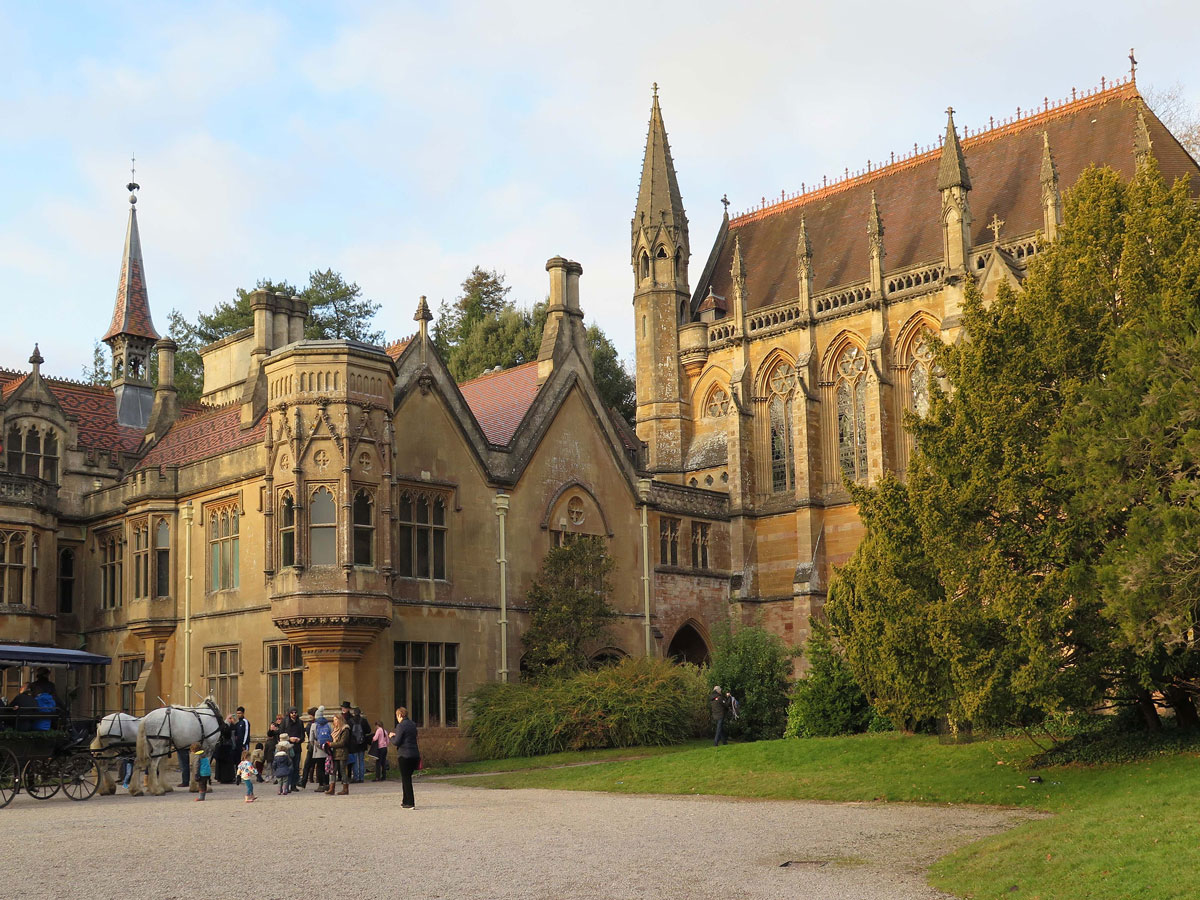
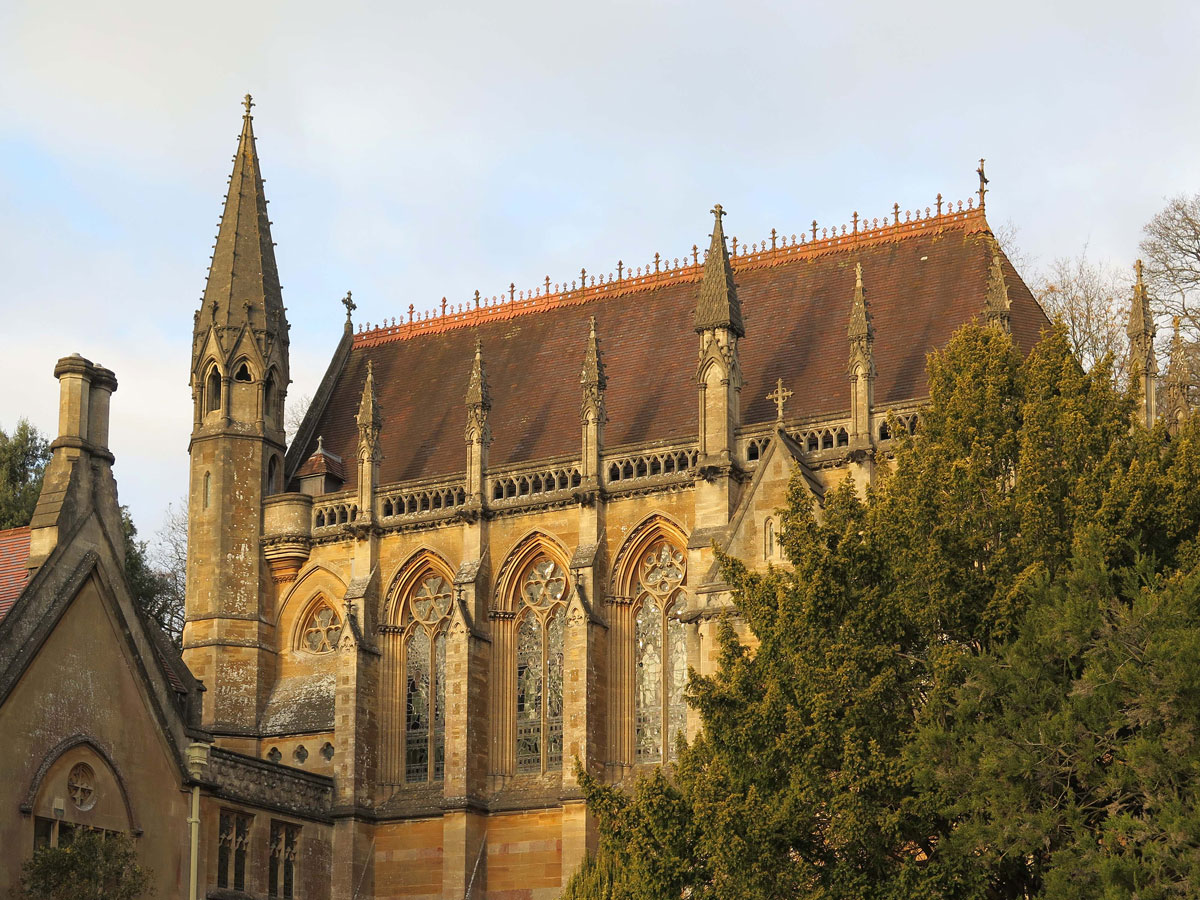
The Forecourt and Chapel at Tyntesfield

Opening up these grand houses to the general public also opened people’s eyes to how these people lived, and what’s more, they could also learn about where their wealth came from including slavery and other nefarious means. Generally speaking though, I don’t believe there was too much negativity surrounding these places to begin with, especially as many important properties were still being lost for one reason or another right up to the mid-1950s.

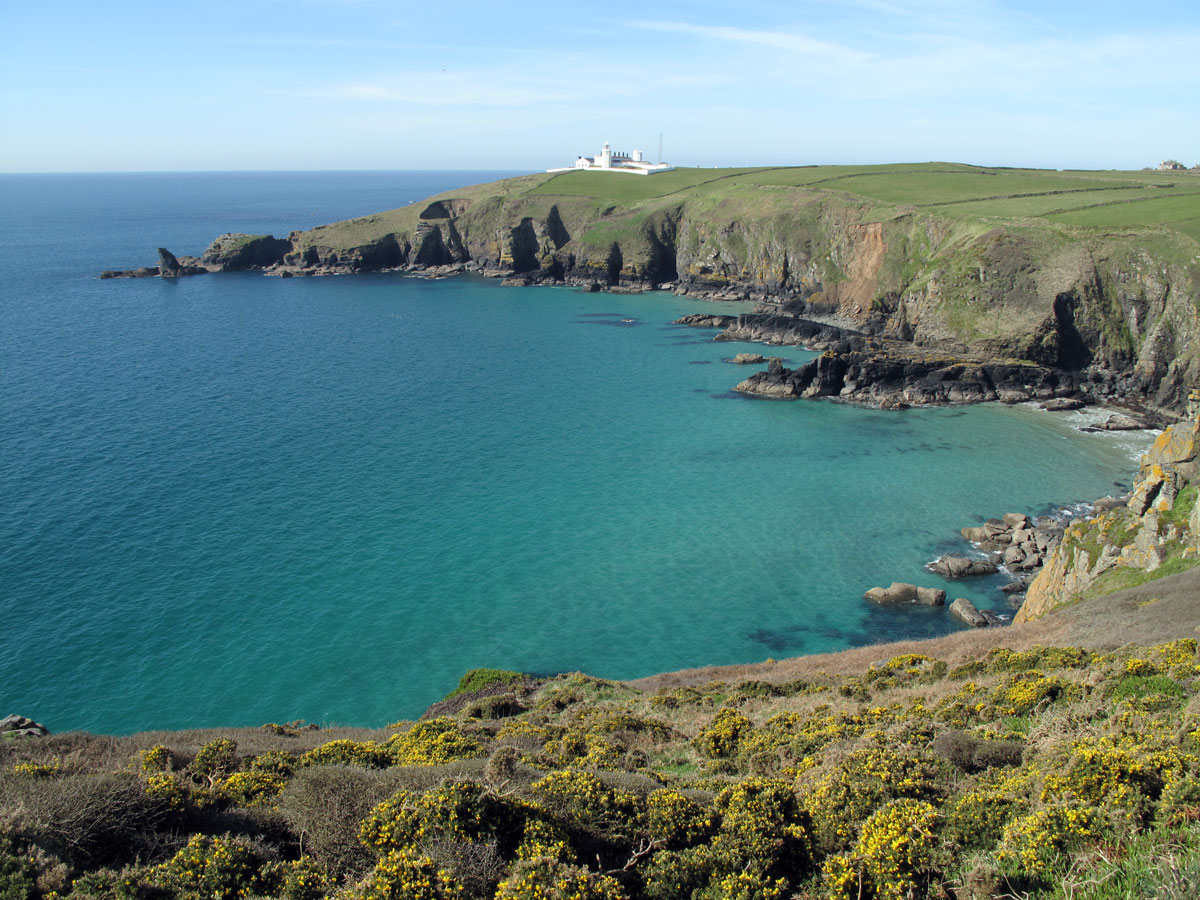
Attitudes did gradually change though, both with the public and the NT, and the focus of attention moved away from acquiring stately homes to campaigns such as Enterprise Neptune, a project which set out to save and restore large sections of the coastline.

The Lizard Peninsula bought by the NT under Enterprise Neptune

This little bit of background information might explain why Tyntesfield was the first country house the NT bought in more than a decade when it purchased the estate in 2002 – so why did it? The simple answer is that this fabulous Victorian Gothic Revival ‘time capsule’ was in danger of being broken up and sold to private owners, with several big name celebrities showing a keen interest.

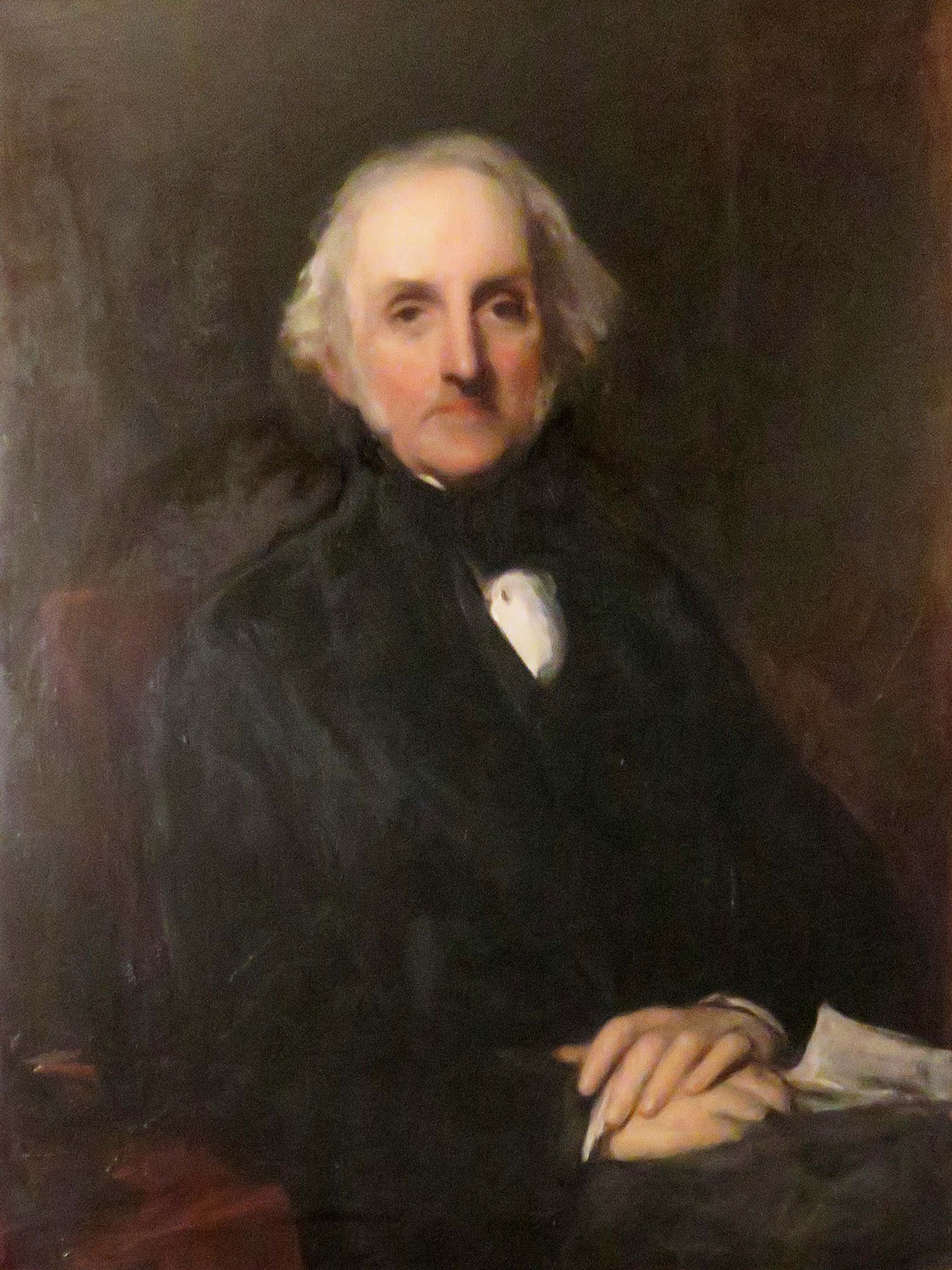
When Richard Gibbs died in 2001 he was the last member of the Gibbs family to live at Tyntesfield, but William was the first. A London businessman who often travelled to Bristol, William Gibbs was on the lookout for somewhere to live in the area, and it was Tyntes Place, the local Georgian manor house, that caught his eye in 1843.

Gibbs was in the business of mining guano of all things; not around the Bristol Channel, but on the Chincha Islands in Peru. Whatever prompted him to wake up one morning and think that he could make money out of bird shit I don’t know, but he could – and he did. Guano is a rich source of nitrogen, phosphorus and potassium apparently, and he managed to create himself a monopoly of importing and exporting the stuff as fertilizer to Europe and North America. In fact it made him so much money that he was credited as being the ‘richest non-noble man in England’ at the time.

William Gibbs

What was less well-known was the fact that it was Chinese labourers who did the mining, which even the Peruvian government at the time acknowledged had become a “kind of negro slave trade”. It was also calculated that of the 4,000 Chinese labourers ‘employed’ not one had survived. Slavery has existed in many different forms over many years – and still does.

Regardless of how Gibbs made all his money he had to do something with it and so, with the help of local architect John Norton and others, he set about enlarging and changing the look of his home which he renamed Tyntesfield.

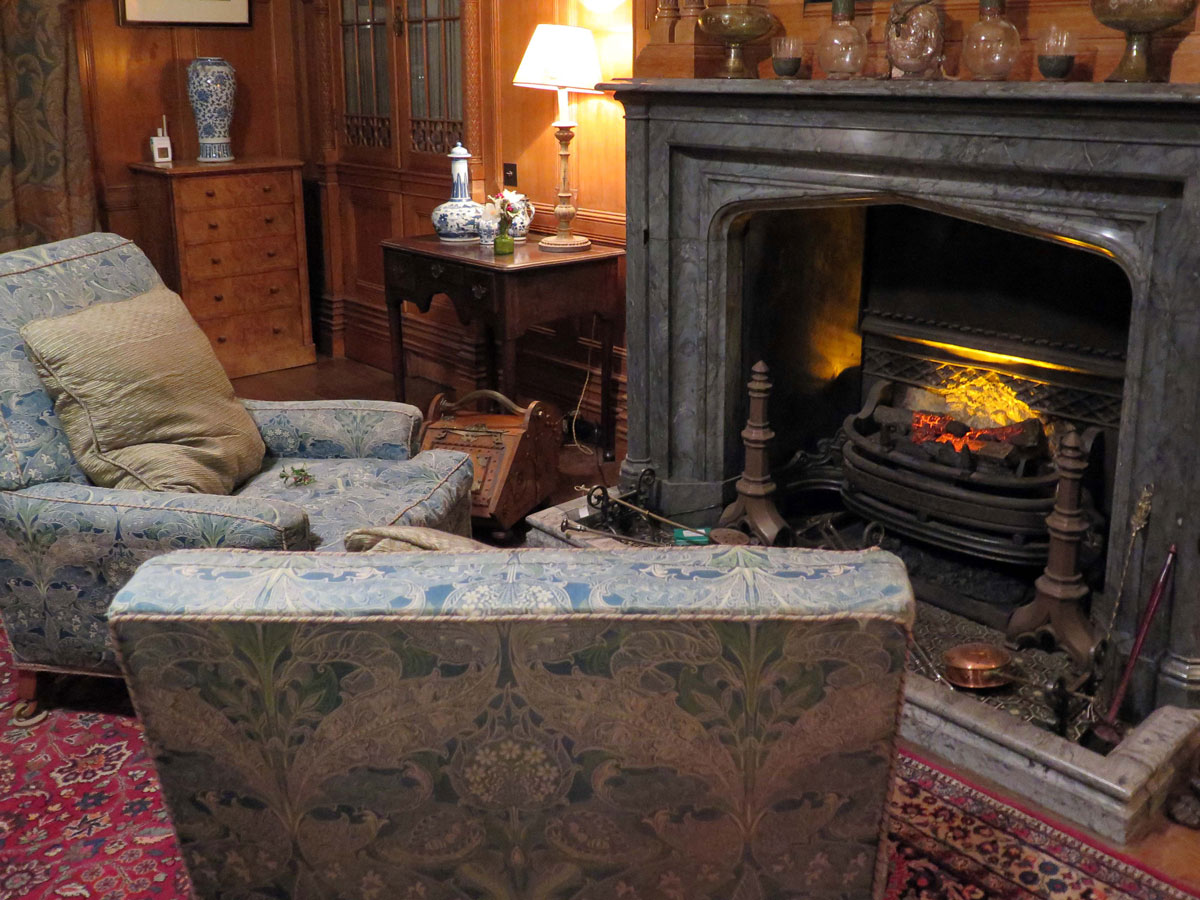
Mr Gibbs's Room

After his death, the property passed down through successive generations, who continued to improve the house in the style that he no doubt would have approved of, and by the time Richard died in 2001 the house was not just an architectural gem, but an absolute treasure trove of Victoriana as well.

On Richard’s death, the NT immediately launched an appeal, with financial help quickly arriving from a variety of sources, and so the house, its collection of 70,000+ objects and part of the estate was saved for the nation, and in 2003, less than a year after the purchase, we took a look to see the house for ourselves even though restoration work was still in its early stages. The reason that the house was opened to the public prematurely was because the Trust wanted people to see what they had inherited, what task lay in front of them, and how they were dealing with it. The visit was worthwhile in an unusual sort of way.

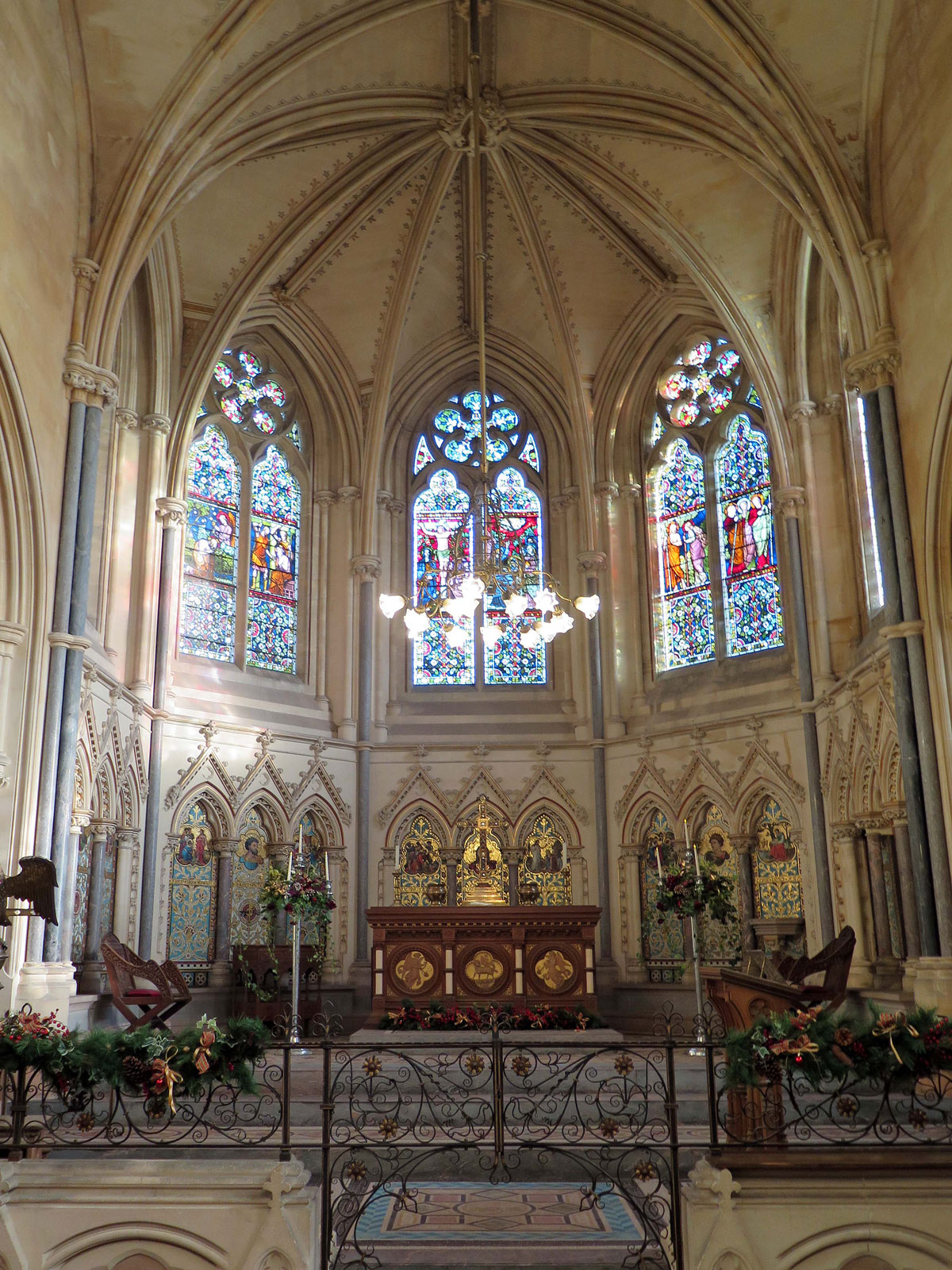
The Chapel

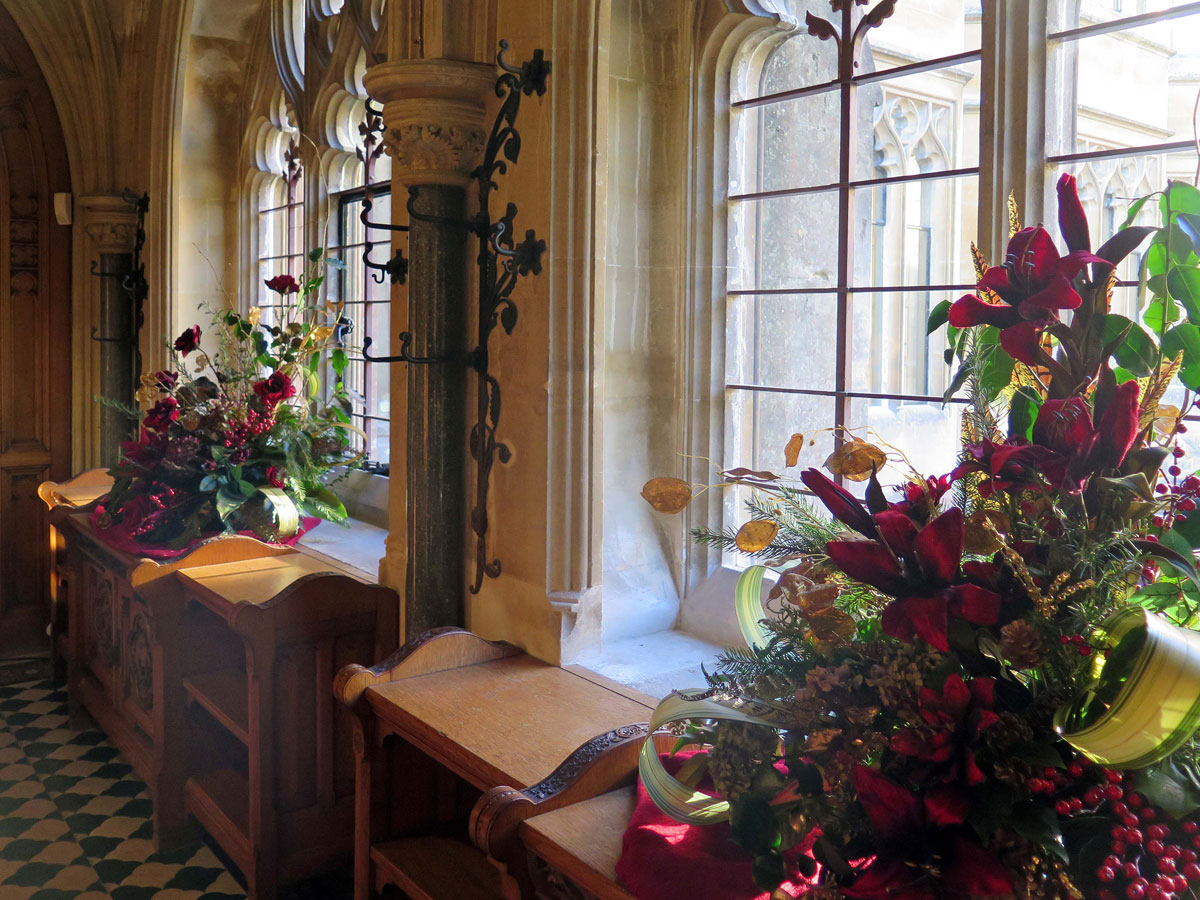
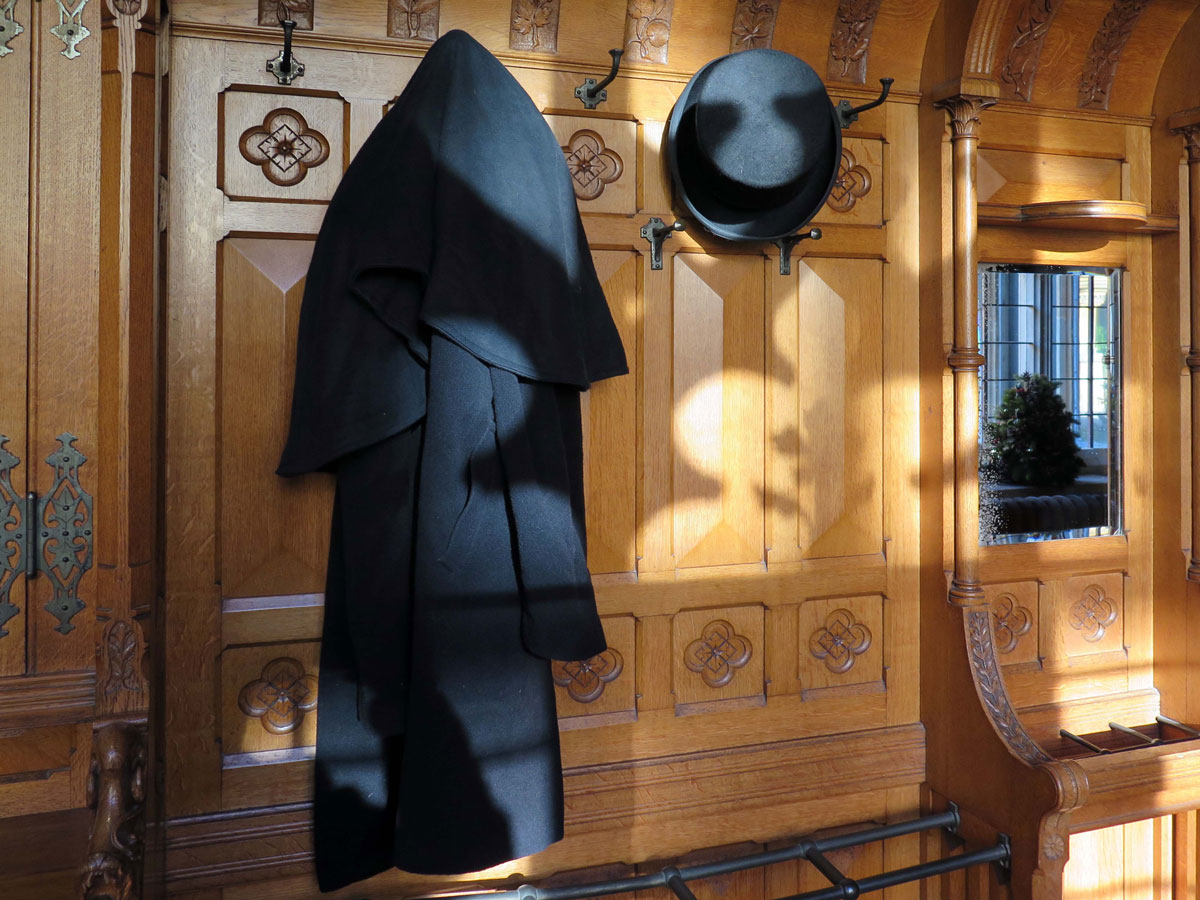
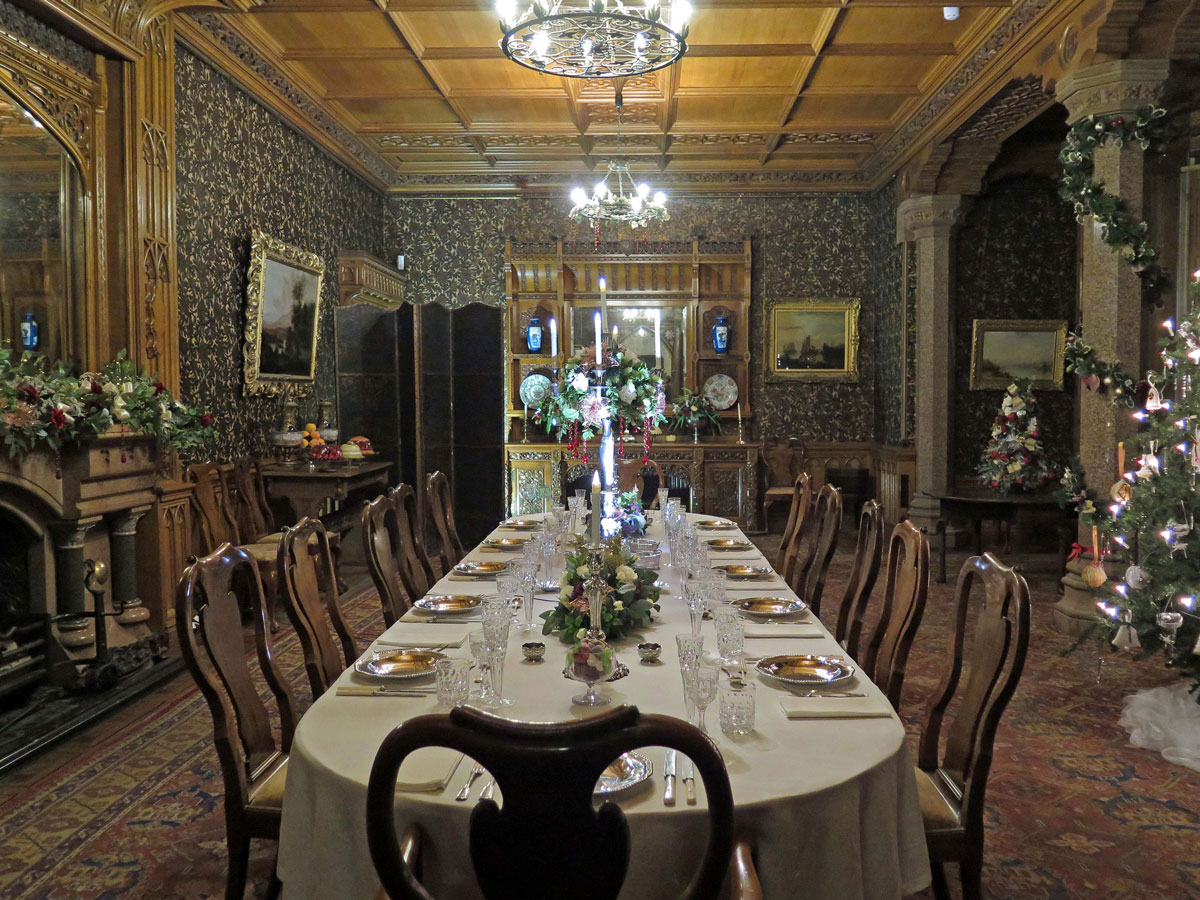
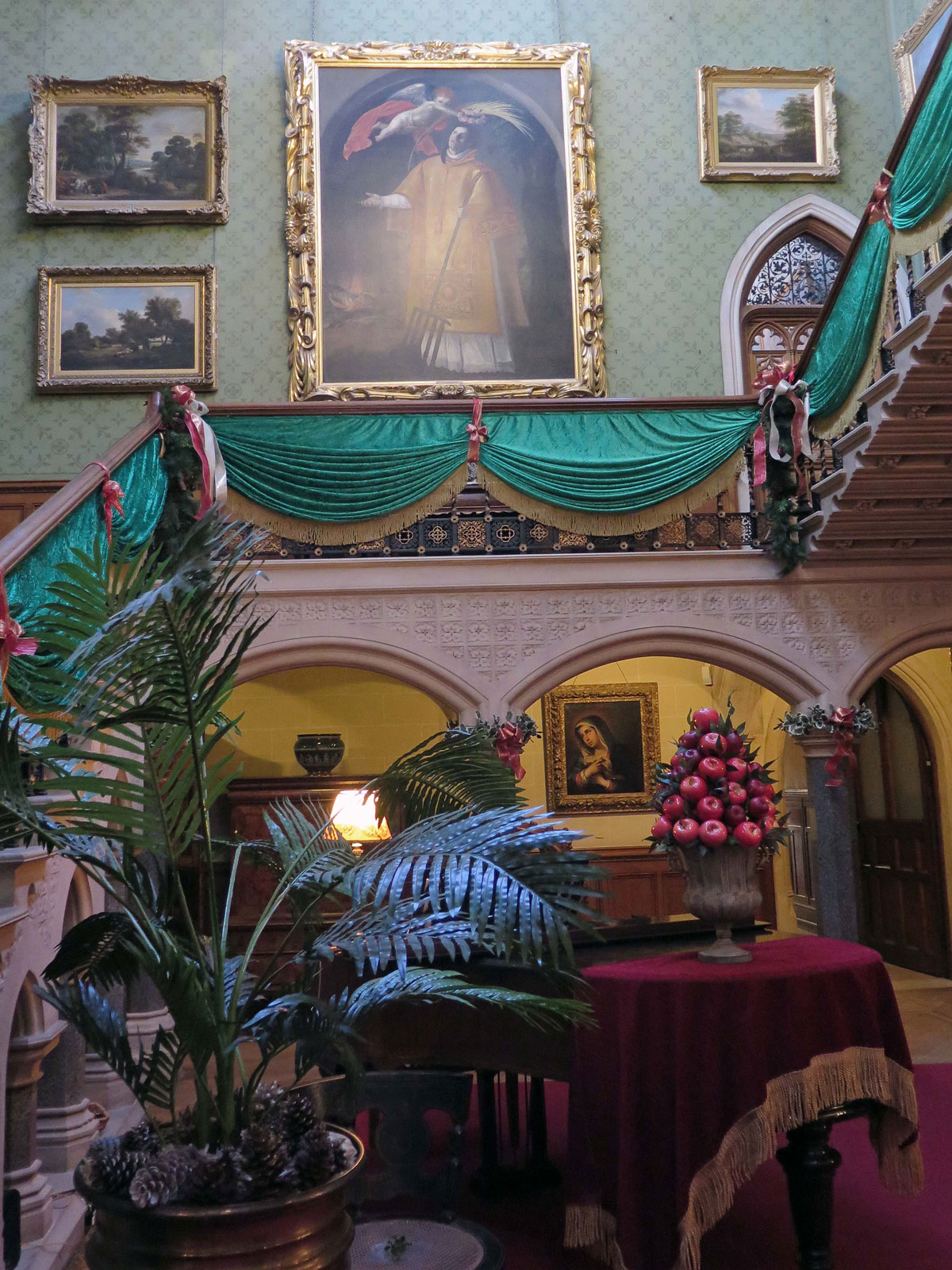
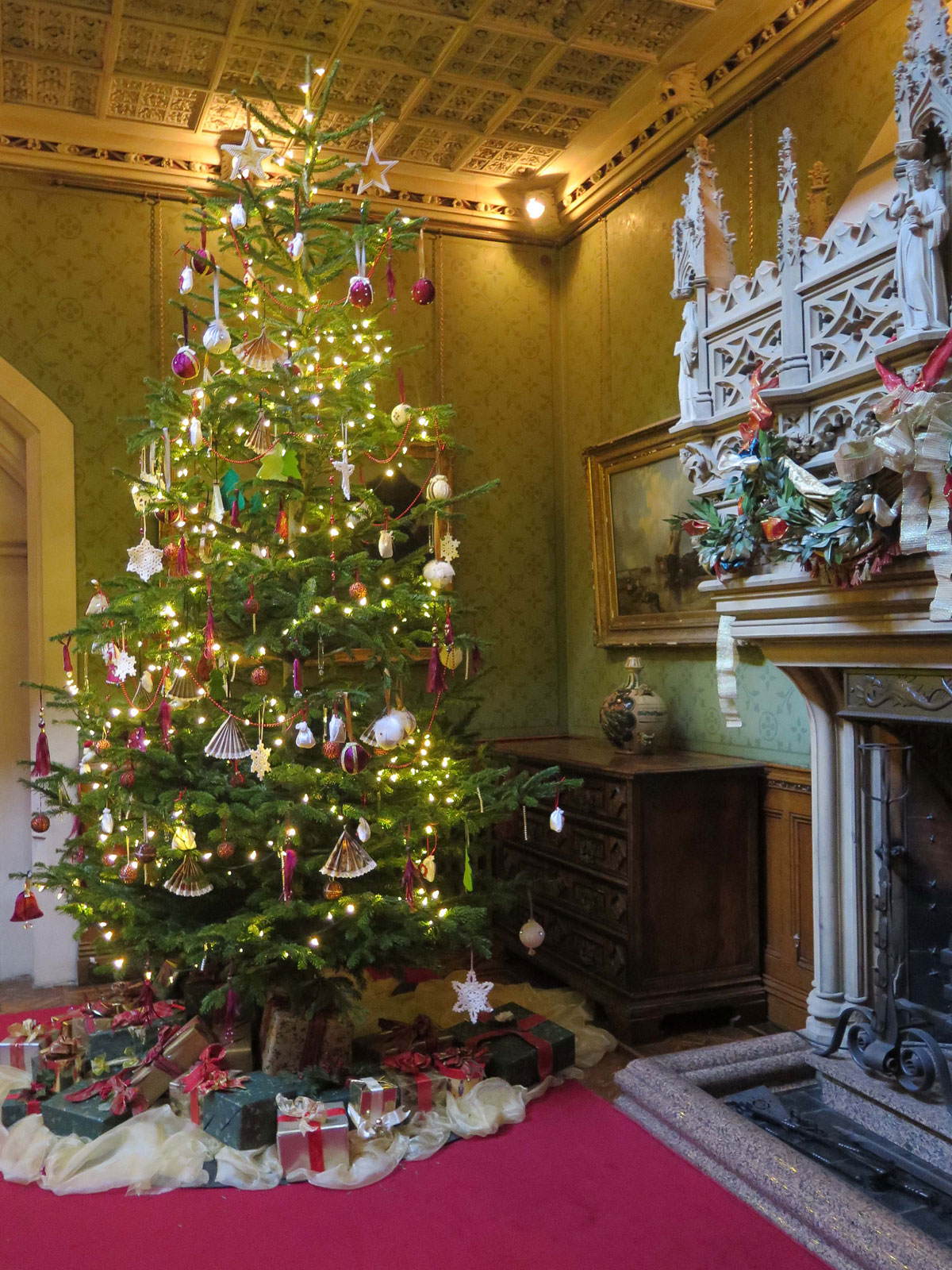
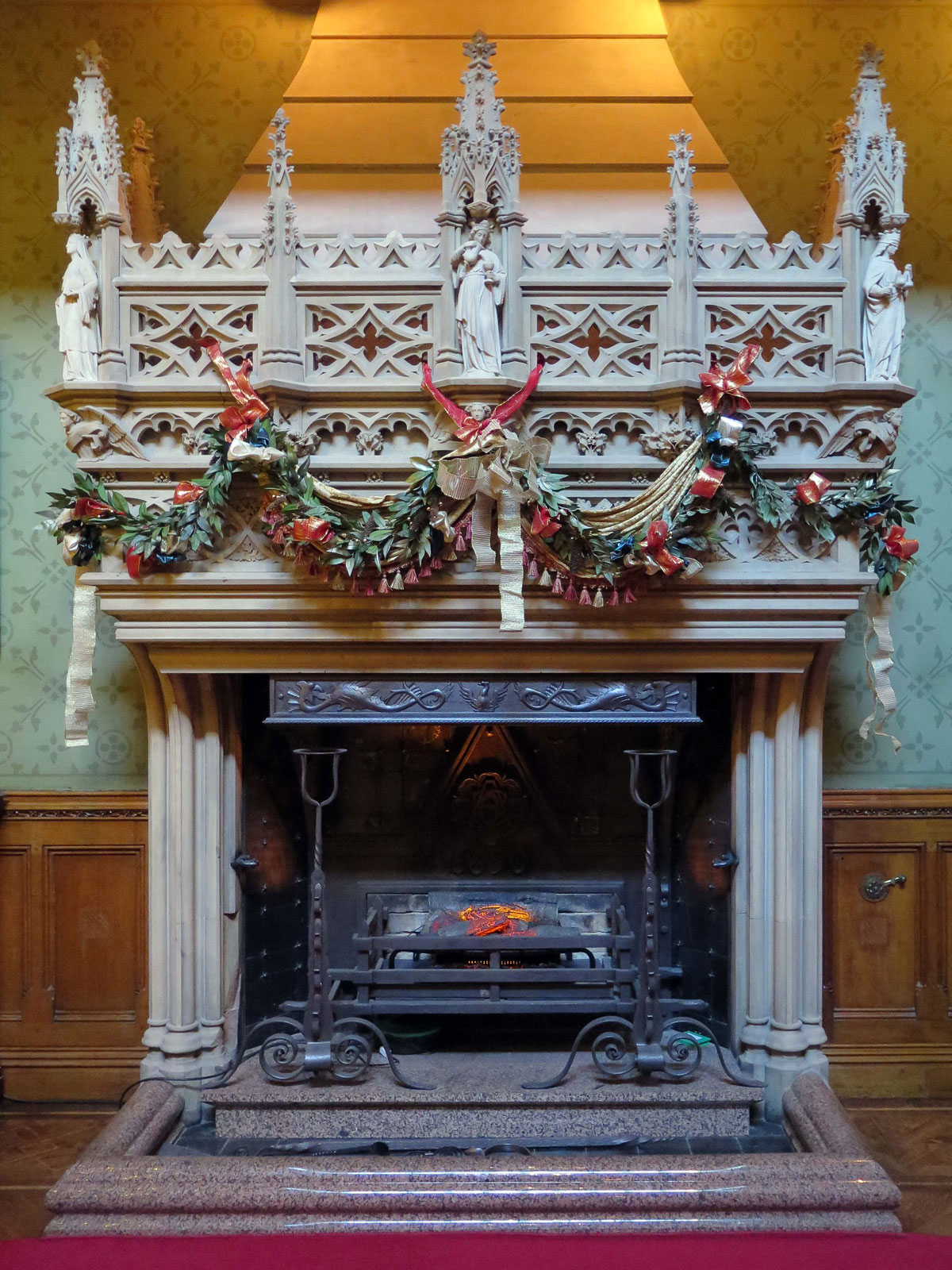
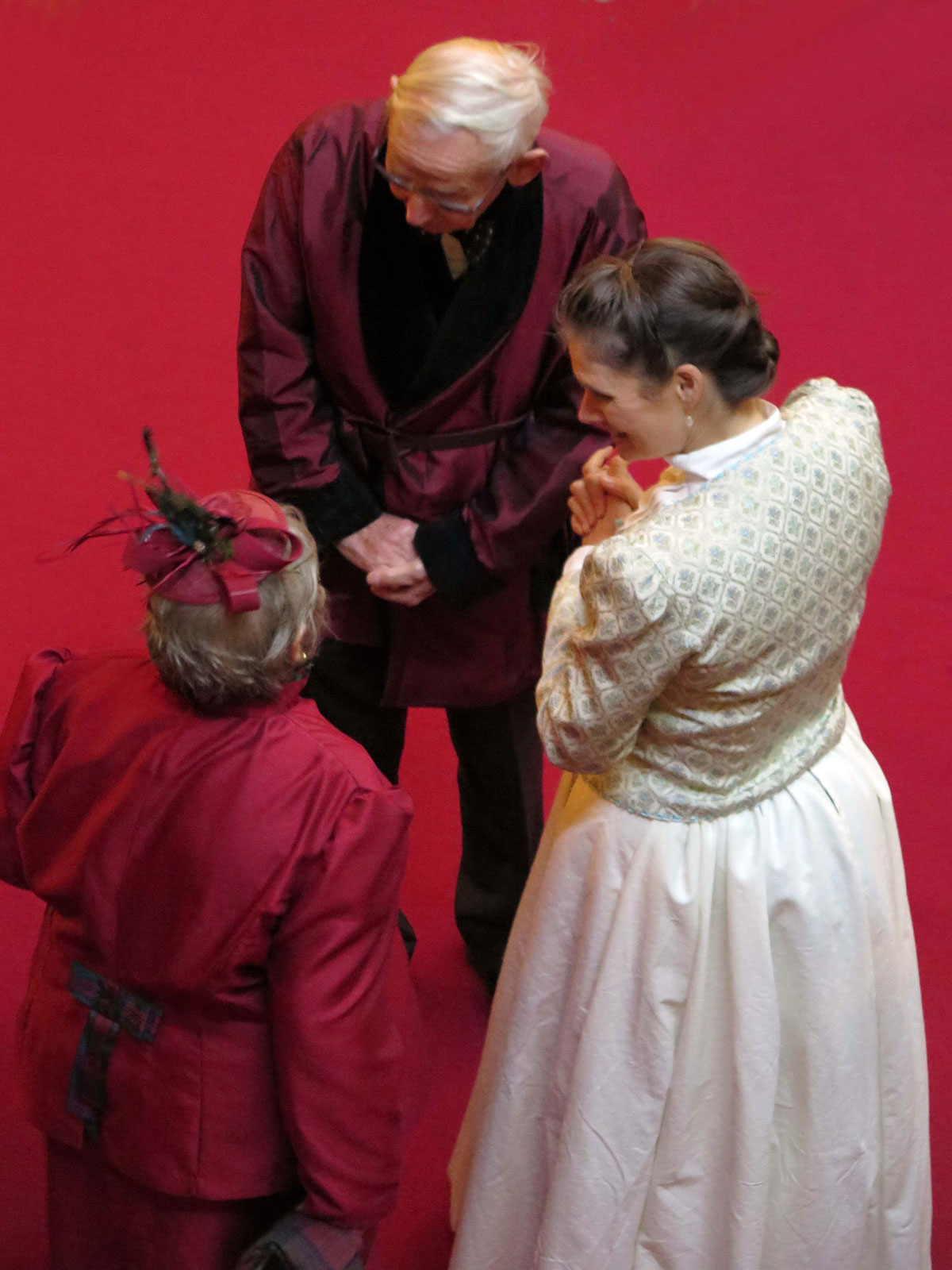
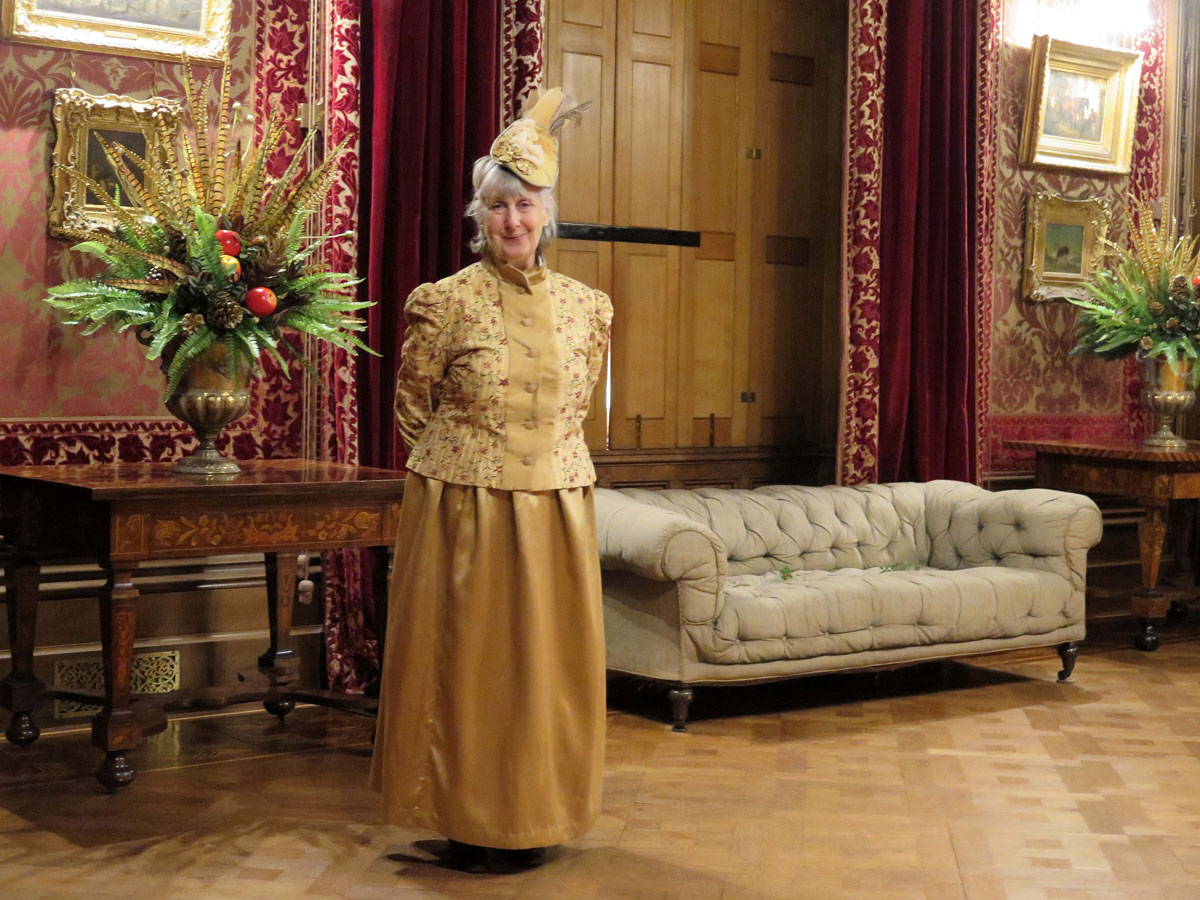
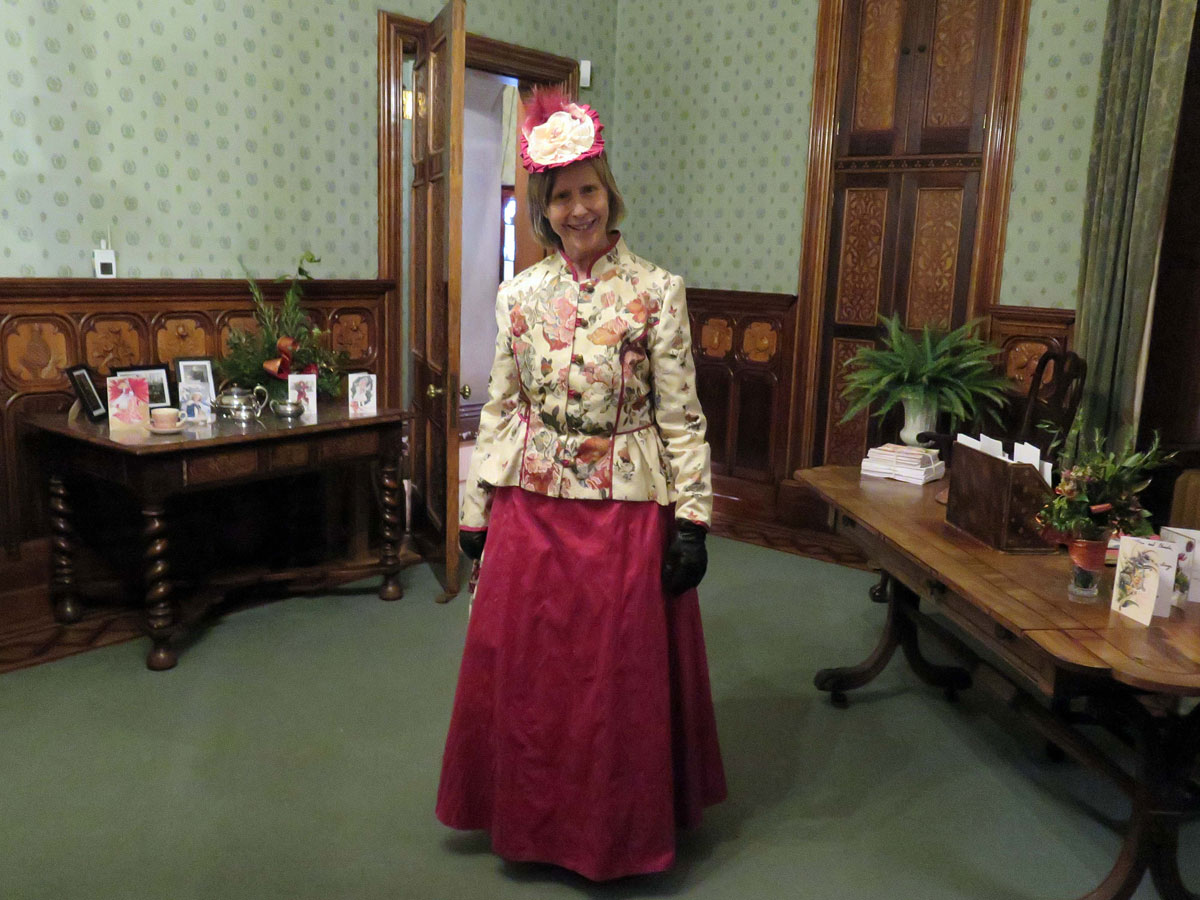
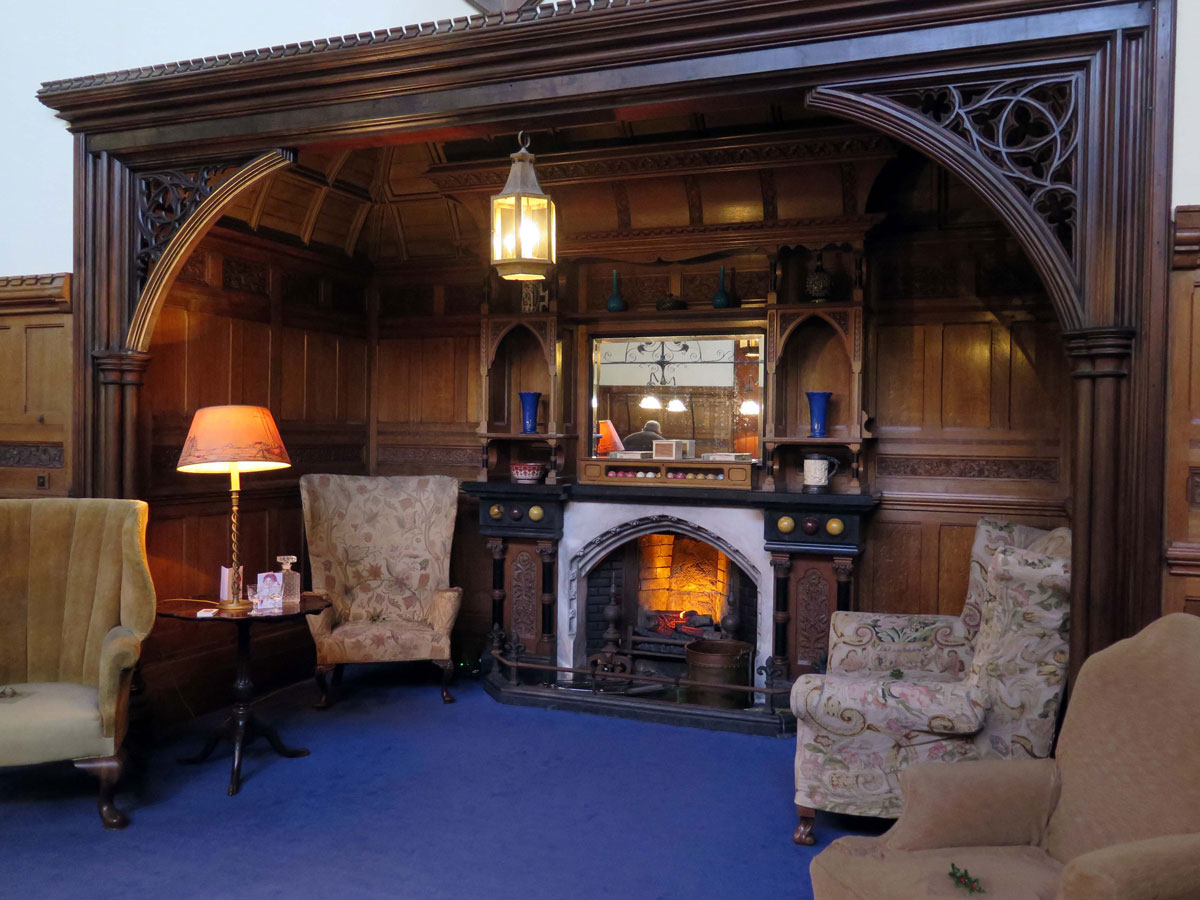
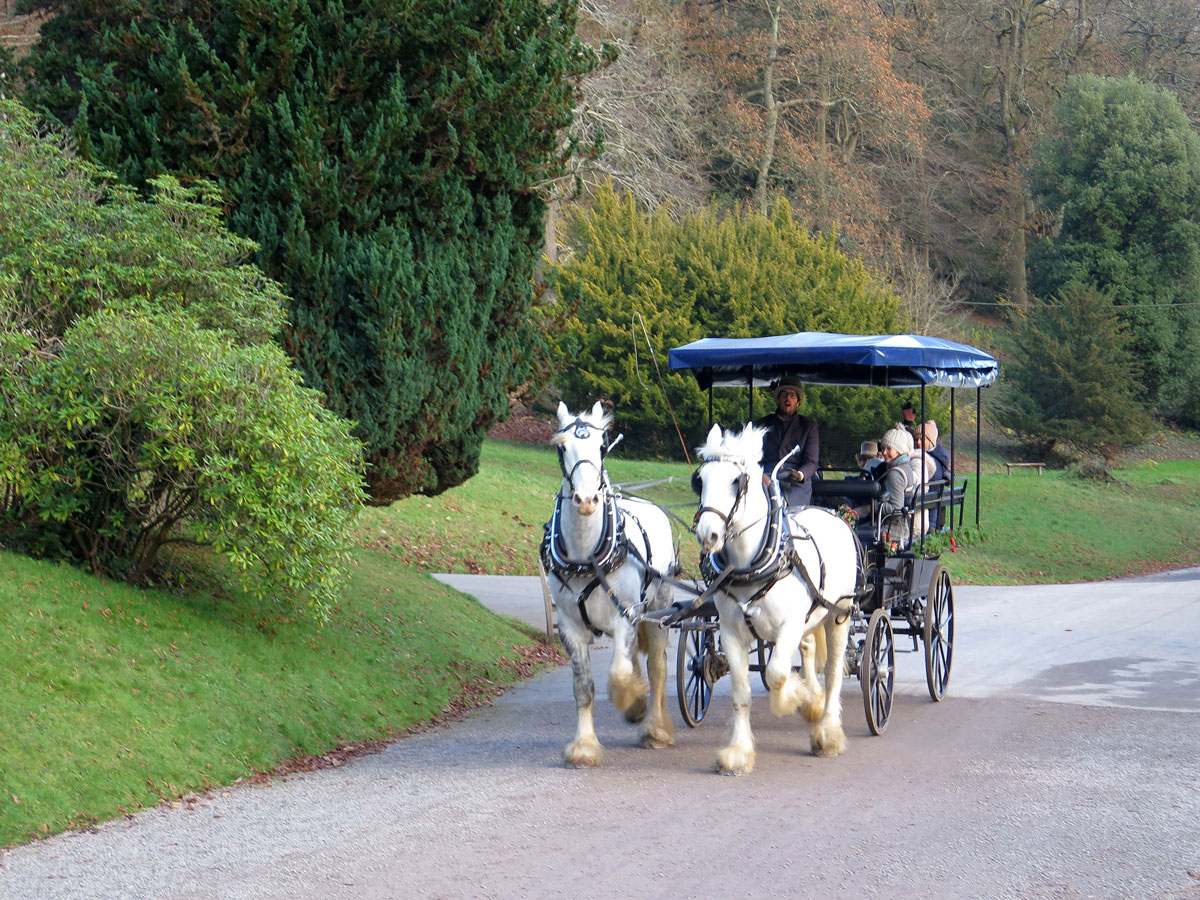
Sixteen years later we came back to see how things had progressed, and the images in the gallery at the bottom of the page were taken in the run-up to Christmas in 2019. It was to be the last NT property we were to visit for a while because in March 2020 Covid 19 restrictions were introduced, but more challenges were to lie ahead for the Trust.

Although we were supposed to be in lockdown, two months later  protests erupted across the U.S after the death in Minneapolis of George Floyd, a 46 year old African-American man who was being restrained by white police officers. Derek Chauvin, one of the police officers involved was later found guilty of his murder.

The protests quickly spread around the world including Britain, and the NT, amongst others, were faced with questions about their ability to deal with racism within their organization. As I explained at the start, the National Trust was founded at a time when colonialism was making Britain one of the most powerful nations on earth, but that was more than a century ago, and by the time of George Floyd’s death, there had been a big demographic shift in Britain’s population towards an increasingly large number of non-white immigrants – and they were demanding changes.

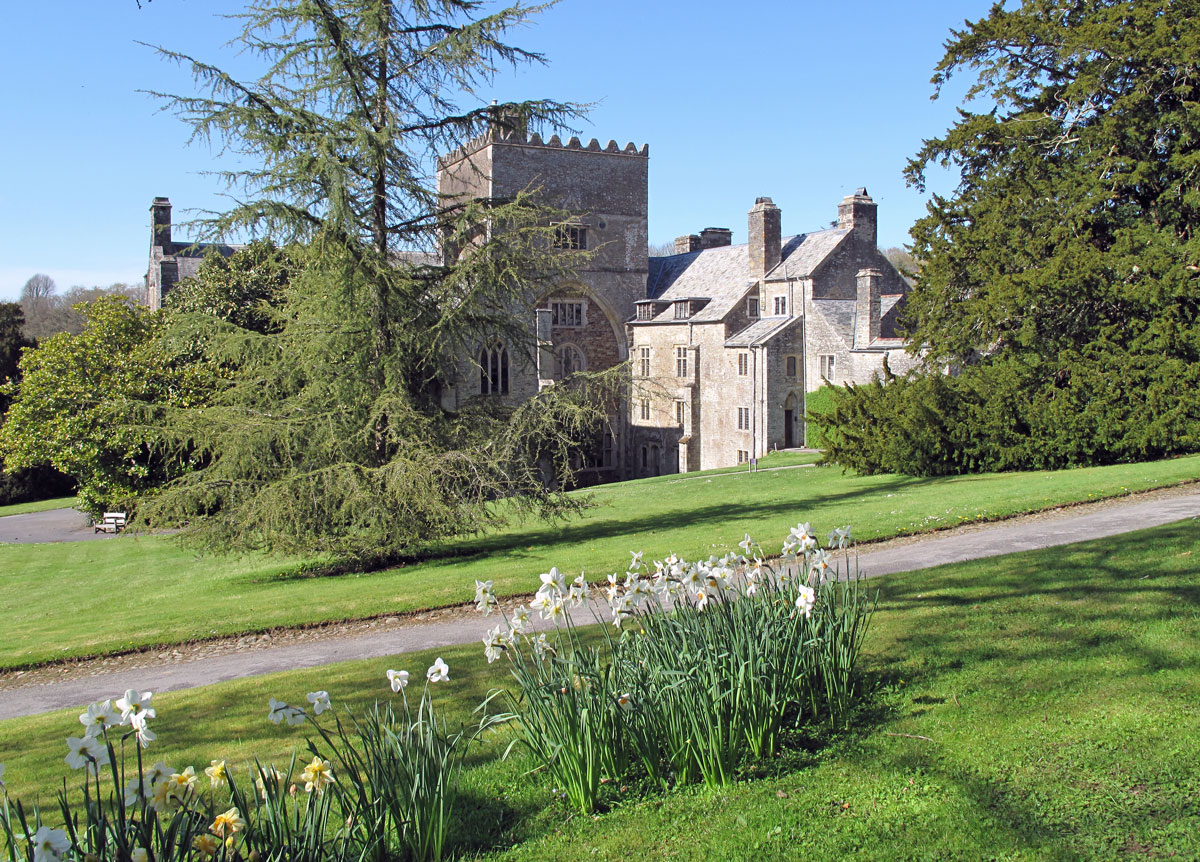
Consequently, amongst other things, the NT were faced with what to do about properties that were involved with slavery and other unsavoury practices that occurred in the past, and so they hastily set about changing the information to suit the prevailing narrative. Places like Buckland Abbey in Devon, home of Sir Francis Drake, suddenly changed Drake from a national hero to a criminal involved in the slave trade. This may have gone down well with some people, but not everyone, especially native Britons who disliked the idea of their history being changed, whether it be good or bad.

Many existing members and volunteers left the NT in protest, and the National Trust was probably facing the most critical time in its history. Today, the Trust says that the membership remains strong, but there’s no doubt that the Black Lives Matter and Antifa movements have caused a split amongst people who regarded the National Trust as a national treasure.

Buckland Abbey, Home of Sir Francis Drake

Back at Tyntesfield, I’m hoping that they put on another Victorian Christmas this year like they did in 2019. With other institutions, retailers and politicians choosing to cancel anything connected to Christmas for reasons best known to themselves, the National Trust must be under pressure to follow suit. Not for one minute do I think that it would make us a secular country, but stop us from being a Christian one instead. Surely the National Trust can see what would happen next, and they wouldn’t go that far – would they?

POSTED – DECEMBER 2025

The post Tyntesfield and the National Trust appeared first on Easymalc's Wanderings.

]]>
https://www.easymalc.co.uk/tyntesfield-and-the-national-trust/feed/ 14 23251