Warning: Creating default object from empty value in /home/sites/30b/a/a8be13db6d/public_html/wp-content/plugins/zanmb/reduxframework/ReduxCore/inc/class.redux_filesystem.php on line 29

Warning: Cannot modify header information - headers already sent by (output started at /home/sites/30b/a/a8be13db6d/public_html/wp-content/plugins/zanmb/reduxframework/ReduxCore/inc/class.redux_filesystem.php:29) in /usr/share/php/wp-stack-cache.php on line 1971

Warning: Cannot modify header information - headers already sent by (output started at /home/sites/30b/a/a8be13db6d/public_html/wp-content/plugins/zanmb/reduxframework/ReduxCore/inc/class.redux_filesystem.php:29) in /usr/share/php/wp-stack-cache.php on line 1972

Warning: Cannot modify header information - headers already sent by (output started at /home/sites/30b/a/a8be13db6d/public_html/wp-content/plugins/zanmb/reduxframework/ReduxCore/inc/class.redux_filesystem.php:29) in /usr/share/php/wp-stack-cache.php on line 1973

Warning: Cannot modify header information - headers already sent by (output started at /home/sites/30b/a/a8be13db6d/public_html/wp-content/plugins/zanmb/reduxframework/ReduxCore/inc/class.redux_filesystem.php:29) in /usr/share/php/wp-stack-cache.php on line 1971

Warning: Cannot modify header information - headers already sent by (output started at /home/sites/30b/a/a8be13db6d/public_html/wp-content/plugins/zanmb/reduxframework/ReduxCore/inc/class.redux_filesystem.php:29) in /usr/share/php/wp-stack-cache.php on line 1972

Warning: Cannot modify header information - headers already sent by (output started at /home/sites/30b/a/a8be13db6d/public_html/wp-content/plugins/zanmb/reduxframework/ReduxCore/inc/class.redux_filesystem.php:29) in /usr/share/php/wp-stack-cache.php on line 1973

Warning: Cannot modify header information - headers already sent by (output started at /home/sites/30b/a/a8be13db6d/public_html/wp-content/plugins/zanmb/reduxframework/ReduxCore/inc/class.redux_filesystem.php:29) in /home/sites/30b/a/a8be13db6d/public_html/wp-includes/feed-rss2.php on line 8
Famous Roads – Easymalc's Wanderings https://www.easymalc.co.uk I’d be unstoppable if only I could get started Sat, 24 Jan 2026 16:14:46 +0000 en-GB hourly 1 https://wordpress.org/?v=7.0.4 https://www.easymalc.co.uk/wp-content/uploads/2019/09/cropped-easy-malc-logo-32x32.jpg Famous Roads – Easymalc's Wanderings https://www.easymalc.co.uk 32 32 140253175 Barcelona – Las Ramblas https://www.easymalc.co.uk/barcelona-las-ramblas/ https://www.easymalc.co.uk/barcelona-las-ramblas/#comments Sat, 03 Jan 2026 16:08:21 +0000 https://www.easymalc.co.uk/?p=22106 Originally posted 2025-05-10 15:45:38.

The post Barcelona – Las Ramblas appeared first on Easymalc's Wanderings.

]]>

Barcelona - Las Ramblas

Before I get going, I think it’s worth mentioning the fact that, unlike Manuel in Fawlty Towers, I’m not from Barcelona, and therefore this series of posts about the city is based purely on my experience over a long weekend back in the spring of 2006. Consequently, I won’t be going into too much detail about its history etc (which can easily be found elsewhere), but instead I’ll just talk about some of the places I visited and what I encountered.

Quiero Saber – The Gipsy Kings

Ask anyone to name the most famous street in Barcelona and you can bet the majority would say The Rambla, but in actual fact the street has several parts to it which is why I’m calling it, like many others do, Las Ramblas. That’s the Spanish way of spelling it, but as we’re in Catalonia, we should really be referring to it as Les Rambles, but whatever you want to call it, this was my base for 3 nights, and is why I’m beginning right here.

Until the beginning of the 18th century Las Ramblas was just a path that followed the course of an old stream just outside the city walls, but today it consists of 5 different Ramblas that make up a largely pedestrianized tree-lined avenue that runs for about ¾ mile between the Plaça de Catalunya in the north to the Christopher Columbus Monument and port in the south.
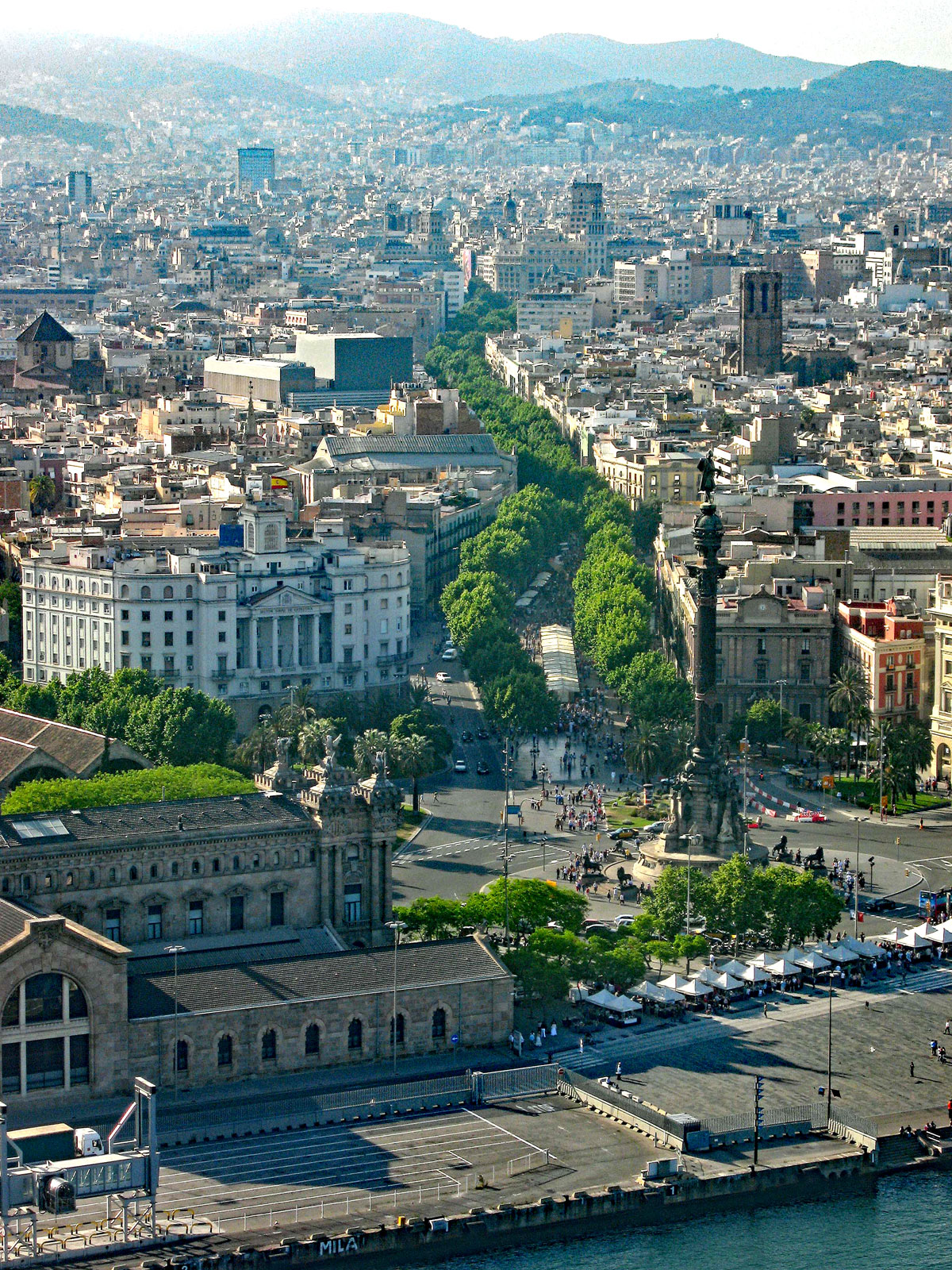
The Ramblas and Columbus Monument from the Port-Montjuic Cable Car

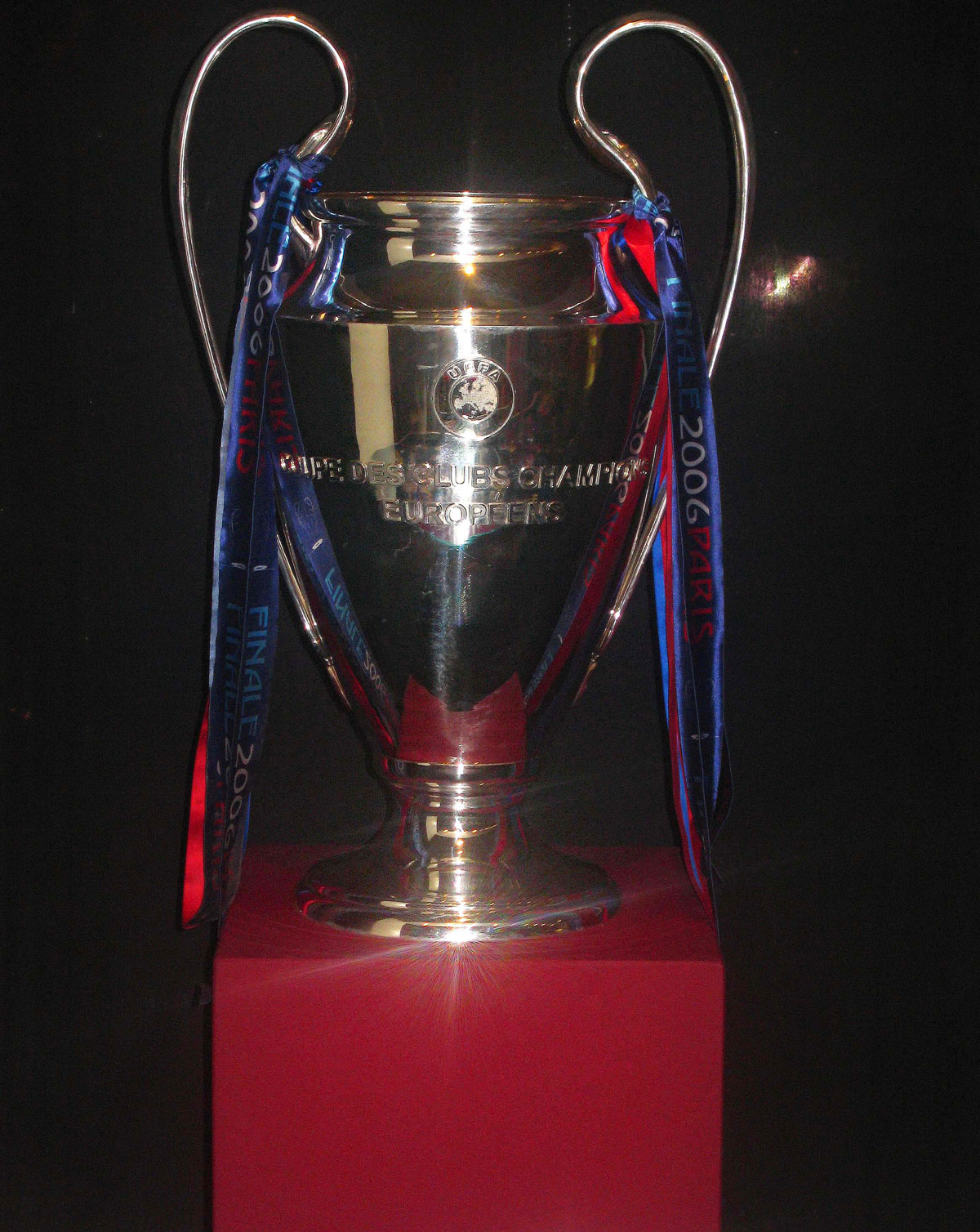
The northernmost Rambla is the Rambla de Canaletes which gets its name from the modest-looking Canaletes Fountain. It’s located just a stone’s throw away from where I was staying, and is where Barcelona football fans congregate when celebrating one of their frequent successes. When I arrived on a Saturday evening in May there was a large police presence in case of any trouble – and for good reason. Two weeks previously, the club was crowned La Liga champions, making them the top team in Spain, and their celebrations resulted in 40 arrests, over a hundred injuries, and thousands of Euros worth of damage to local businesses, and it didn’t end there. Three days before I arrived, they became the top team in Europe after beating Arsenal 2-1 in Paris to win the UEFA Champions League Cup, and it all kicked off again – and this is what happens when they win. My first suggestion therefore, if you’re thinking of staying in Las Ramblas, is to check out the Barcelona Football Club fixtures before booking a hotel here.

The Cup that caused the mayhem on Wednesday

While I’m about it I may as well give you another reason not to come to Barcelona if you’re looking for a quiet life – pickpockets. I knew that it had a bad reputation before I came, but I never expected to see evidence of it as soon as I stepped outside the hotel. In a nearby rubbish bin was a wallet with all its contents missing, and I’m pretty sure it wasn’t because somebody had just bought a new one. In a local newspaper I later read that there were, on average, 222 robbery complaints in the city each day, and although not all of them would have occurred in Las Ramblas, it was definitely a hotspot for this kind of unwelcome activity. Latest reports suggest that the problem still exists, so my next tip is to make sure that you keep an eye on your personal belongings, especially in crowded places.

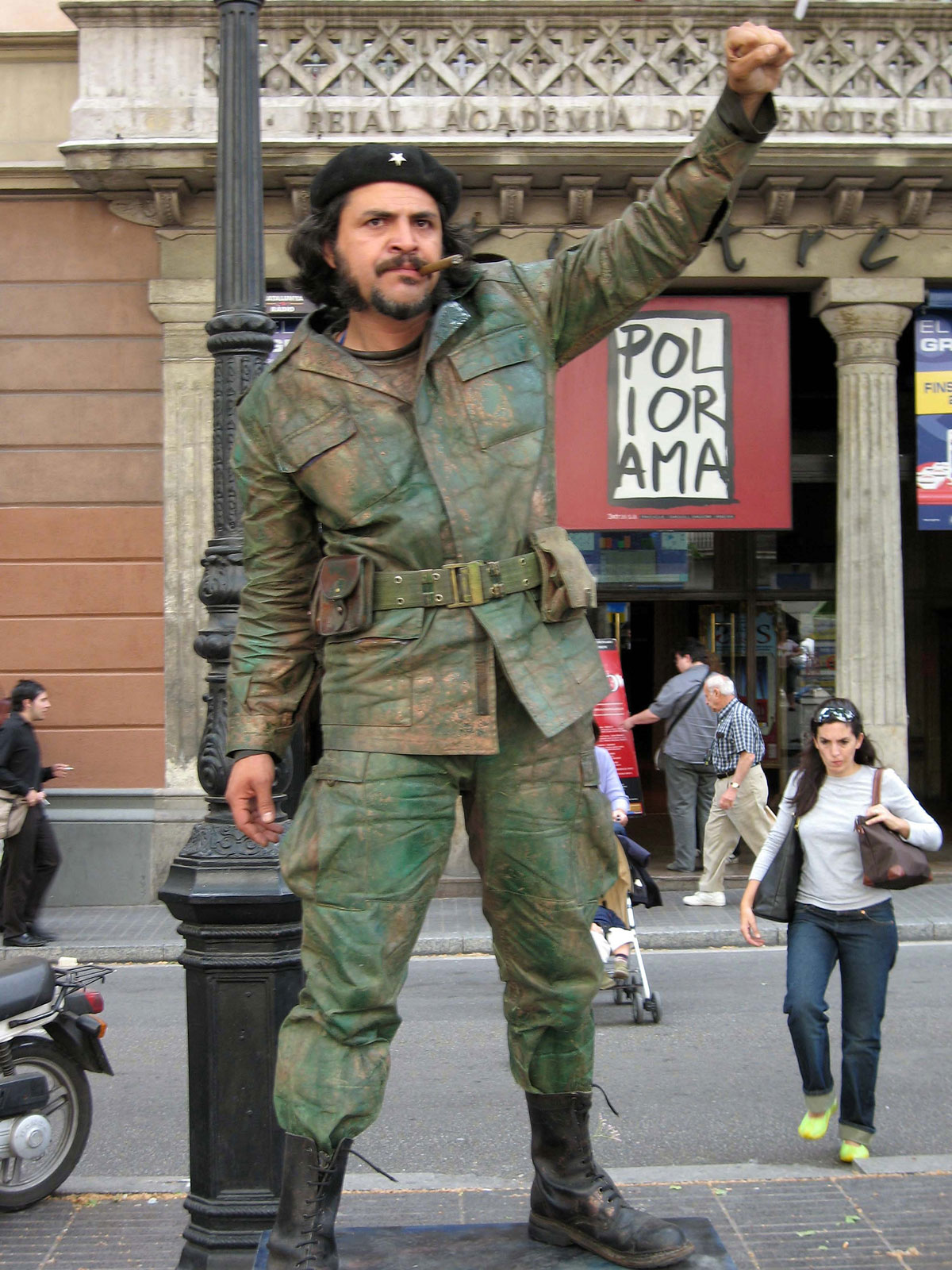
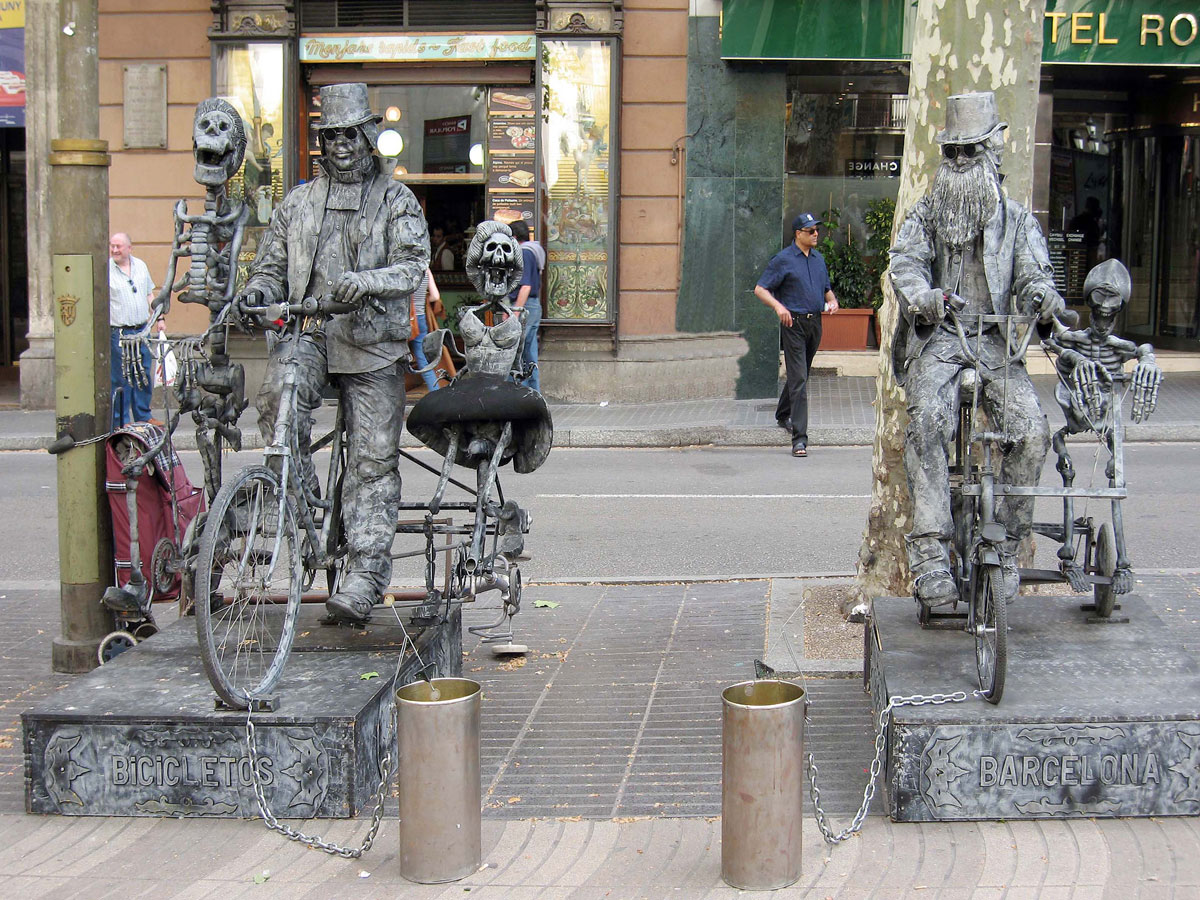
You must be wondering why tourists would even consider coming here at all with what I’ve said so far, but they come because it’s one of Europe’s most exciting cities. It all depends what excites you of course, but there’s something here for people of all ages, and it wasn’t just discarded wallets I found outside the hotel, but also the first of many forms of street entertainment.

'Che Guevara' in Rambla de Canaletes

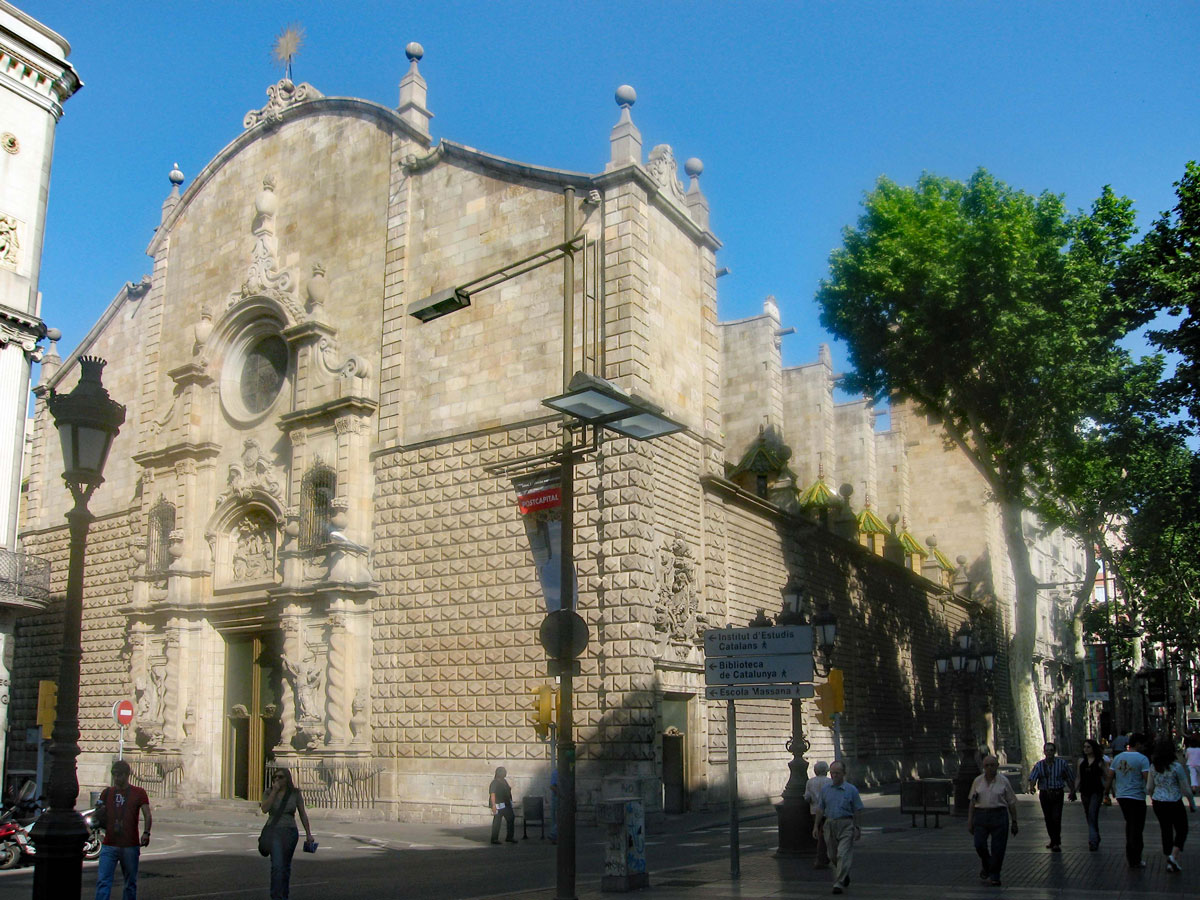
Leading on from Rambla de Canaletes is the Rambla dels Estudis, site of the former Jesuit University, hence its name, but the only reminder from that period is the Church of Bethlehem, which has needed several re-incarnations since its original consecration in 1555.

In more recent times, this section of the avenue became unofficially known as the ‘Rambla dels Ocells’, or Rambla of the Birds, partly because of the number of sparrows that nest in the trees here, but mainly because of the number of bird-sellers that operated from an open-air market. When I was growing up, it was common practice to own a pet bird, but attitudes have changed a lot since then, and although the Ramblas bird market was still going strong in 2006, it was forced to close down 4 years later when animal protection laws were introduced.

No Caged Birds in Rambla dels Estudis now
The Church of Bethlehem

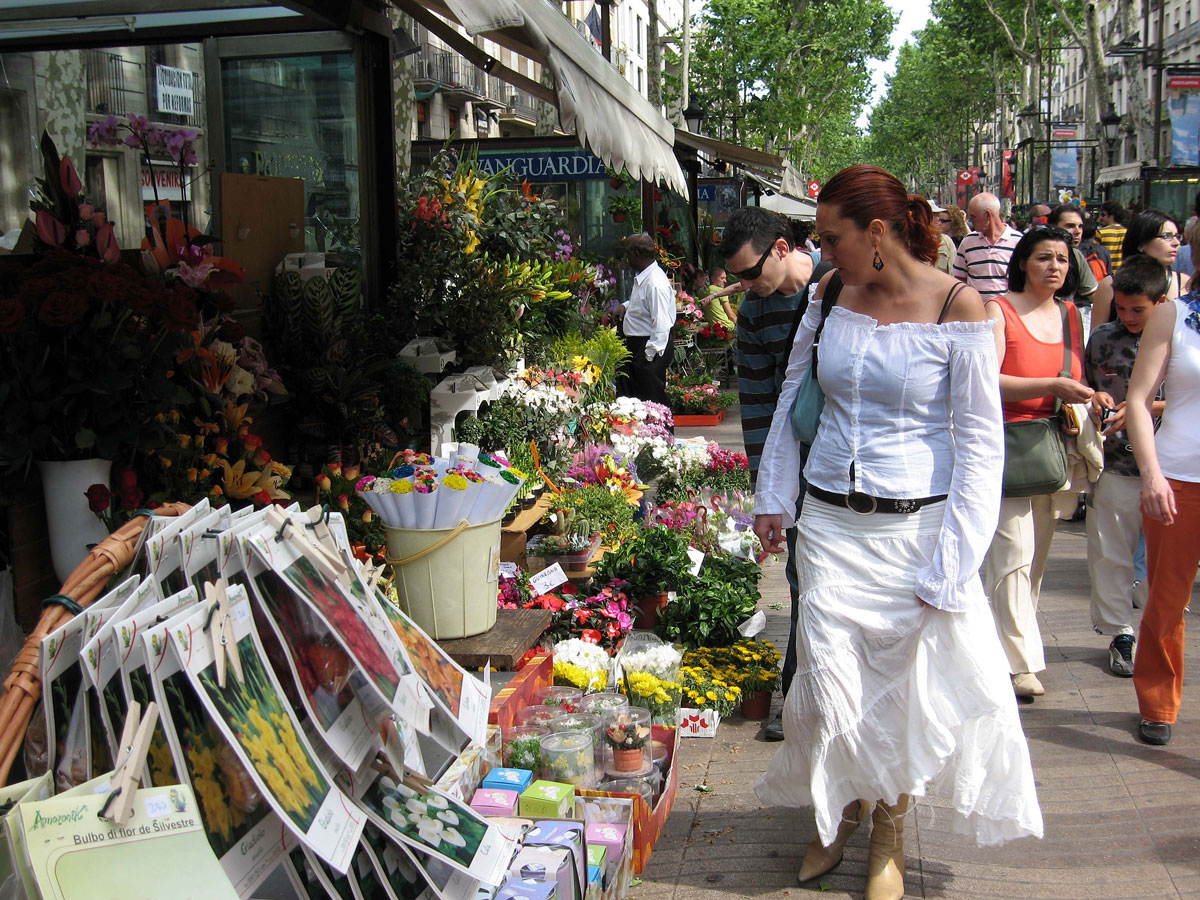
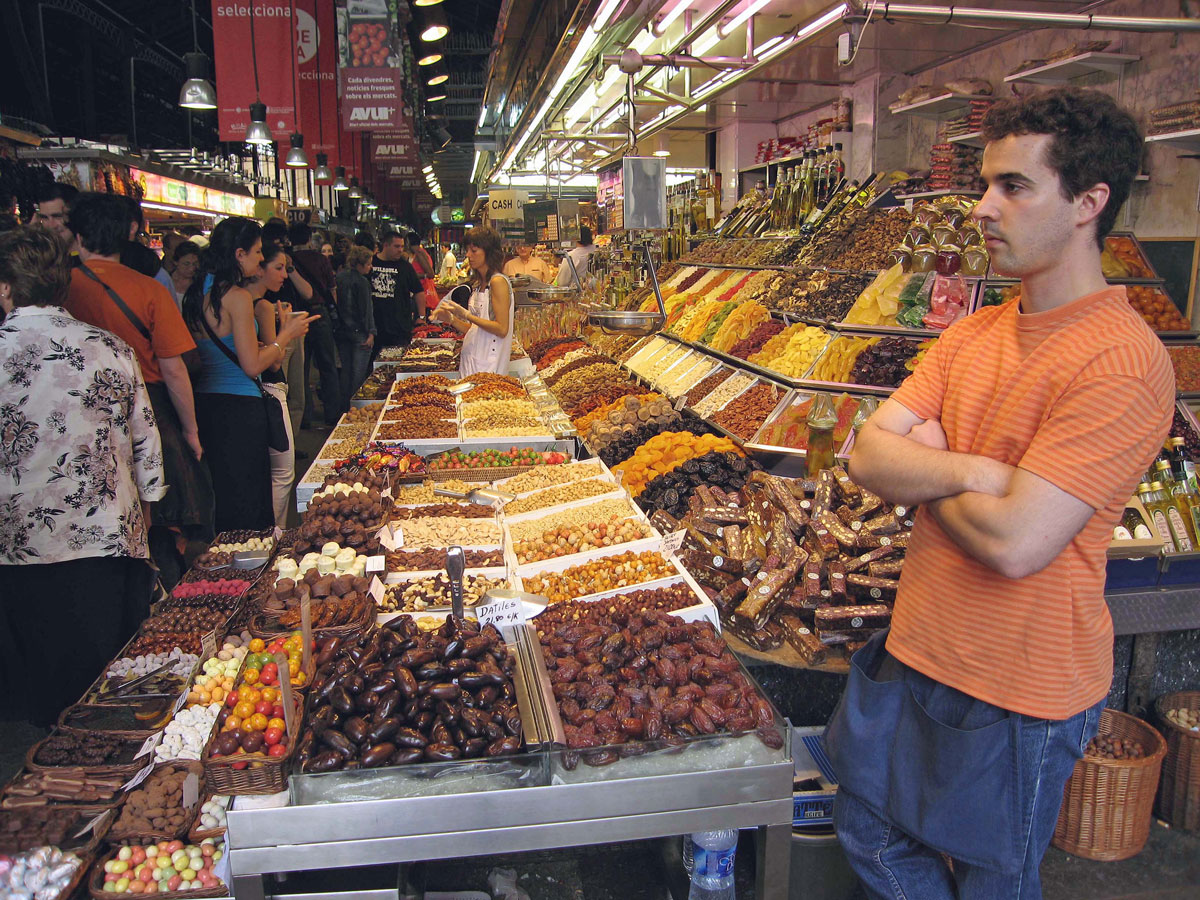
For me the heart of the Ramblas is the Rambla de les Flors which begins just across the road from the Church of Bethlehem. The name gives the game away about what people wander down here for, but they also come here for the Boqueria Market, considered to be the city’s finest, and trust me when I say that it’s not difficult to spend more time (and money) than you should in here, and so my next tip has to be not to come in here if you’re feeling hungry.

Rambla de les Flors
La Boqueria Market

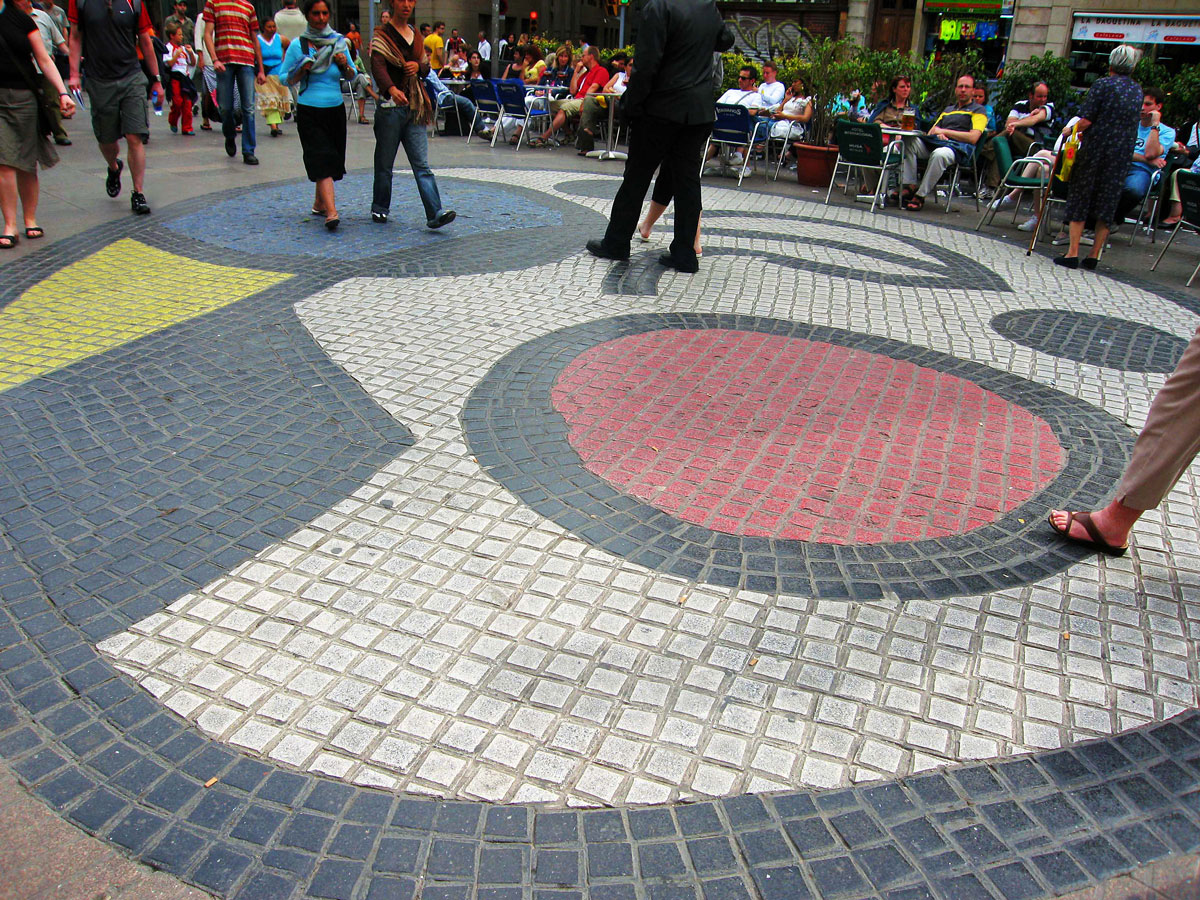
Just down from the market in the centre of the Rambla (officially the Rambla de Sant Josep) is the Plaça de la Boqueria with its Joan Miro mosaic, Pla de l’Os. Joan Miro is an artist from Barcelona, and although his work may not appeal to everyone, for me his bright colours seem to represent the Spanish way of life, with its blue skies, yellow sandy beaches, and orange and red sunsets. It’s not easy to appreciate what I’m talking about on a mosaic where thousands of feet walk over it every day, but it’s typical of his work.

Joan Miro Mosaic in the Plaça de la Boqueria

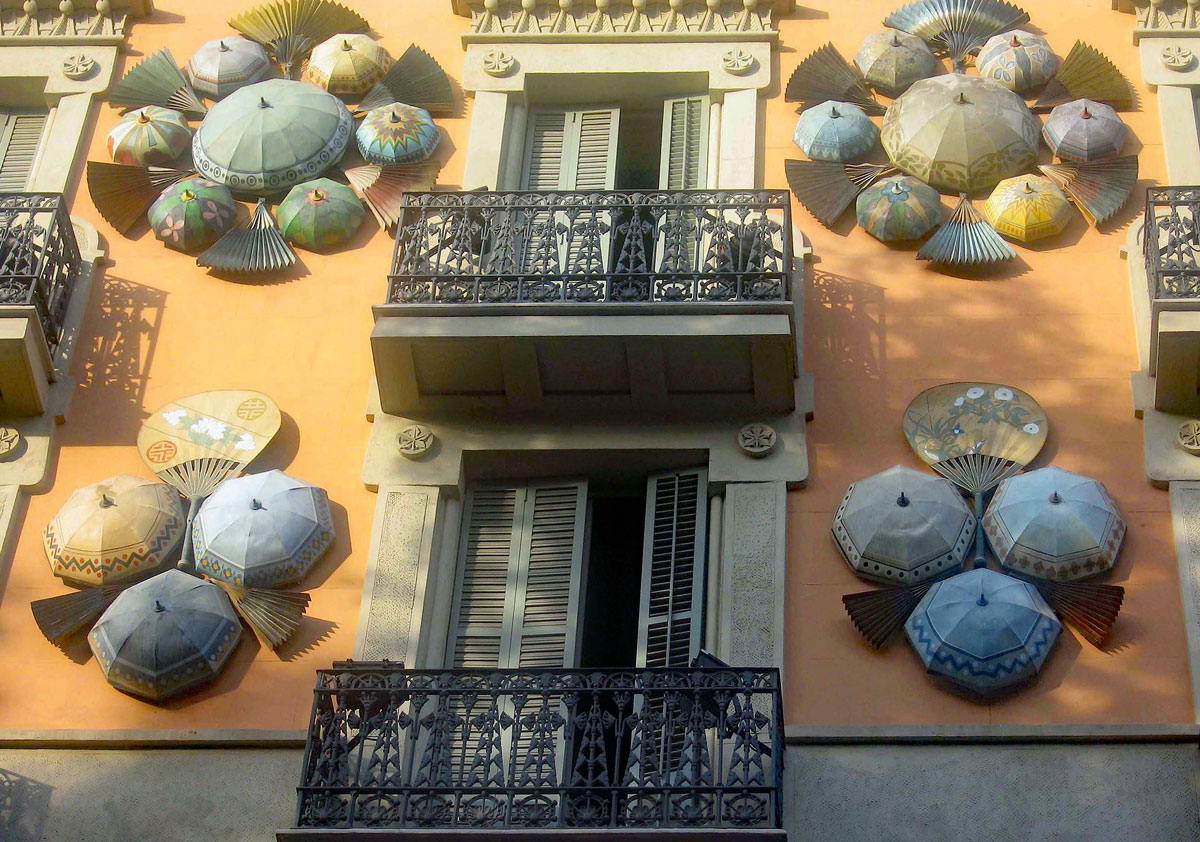
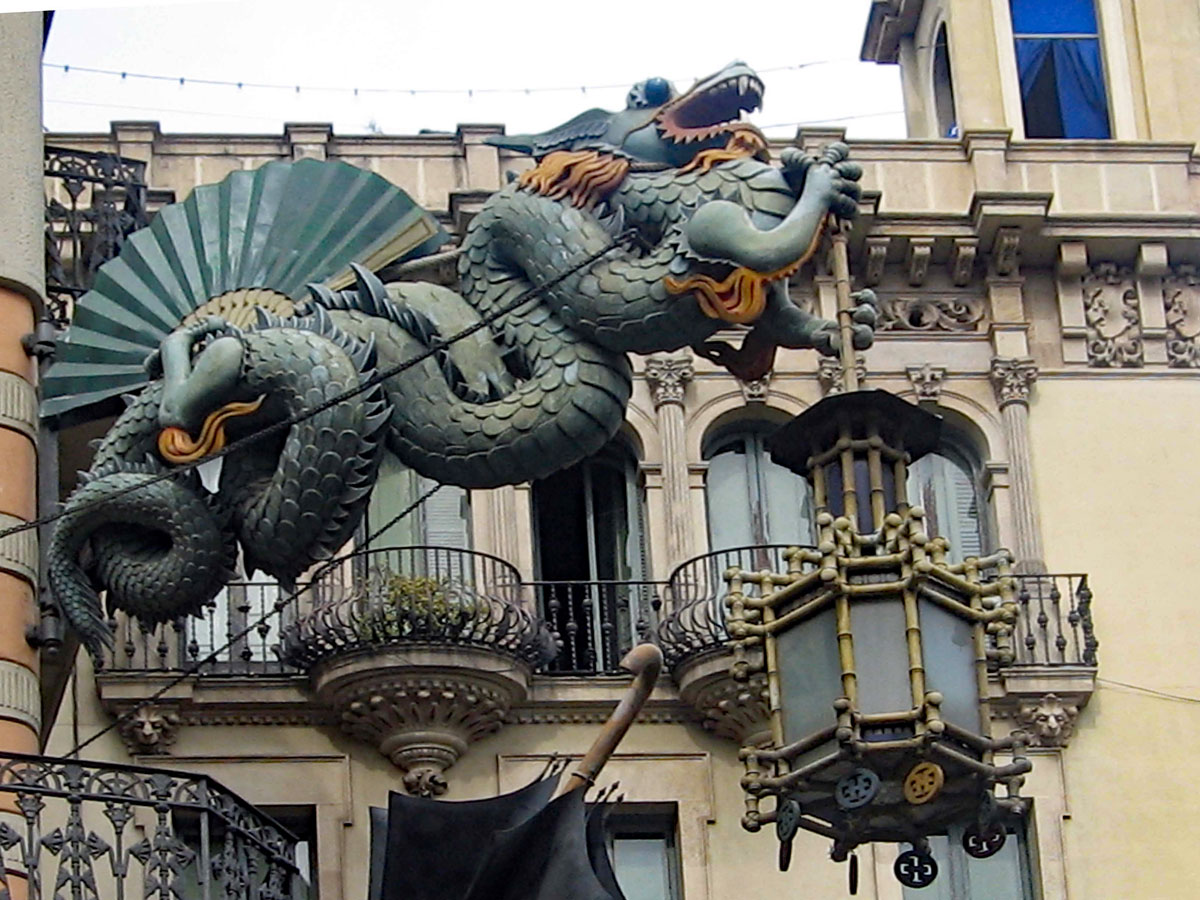
If surrealist art doesn’t capture your imagination, then perhaps Barcelona’s amazing flamboyant architecture will; and on one corner of the square is a building affectionatley known as the House of Umbrellas, which doesn’t just have a collection of cast iron parasols and fans adorning the wall, but a chinese dragon as well!

House of the Umbrellas
Chinese Dragon on the House of Umbrellas

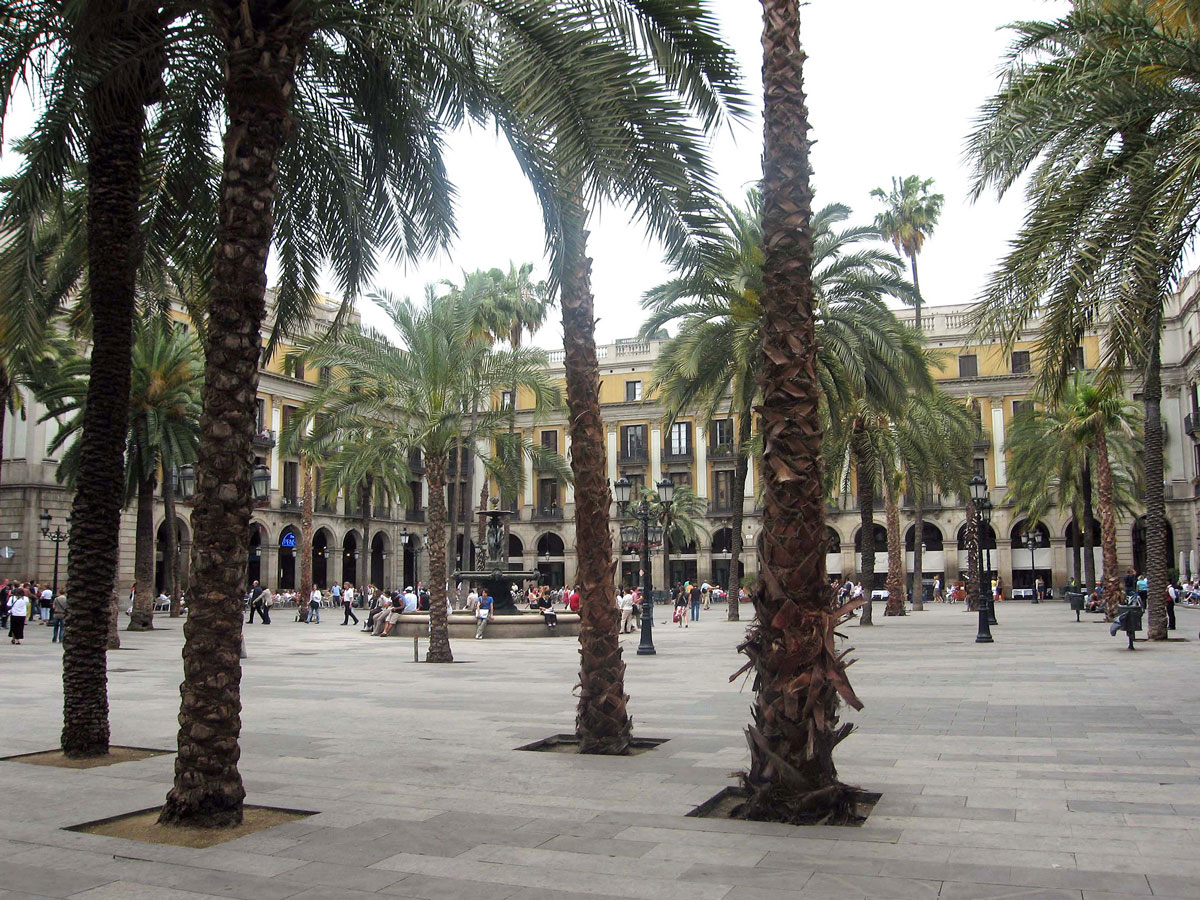
Continuing on down from the Plaça de la Boqueria brings us into the Rambla dels Caputxins which takes its name from a former Franciscan Capuchin monastery. There are no monks here now as the site is occupied by the Plaça Real (Royal Square), where instead of a refectory, there are a mixture of restaurants, cocktail bars and night-clubs. As it was still daytime, I opted to chill out near the Liceu Opera House on the rambla itself amongst the cafés, kiosks – and clowns. The clown in question kept me amused for ages as he wandered up and down doing things behind people’s backs, who if they’d known what was going on, probably wouldn’t have been as amused as I was – but that’s the Ramblas for you.

Plaça Real

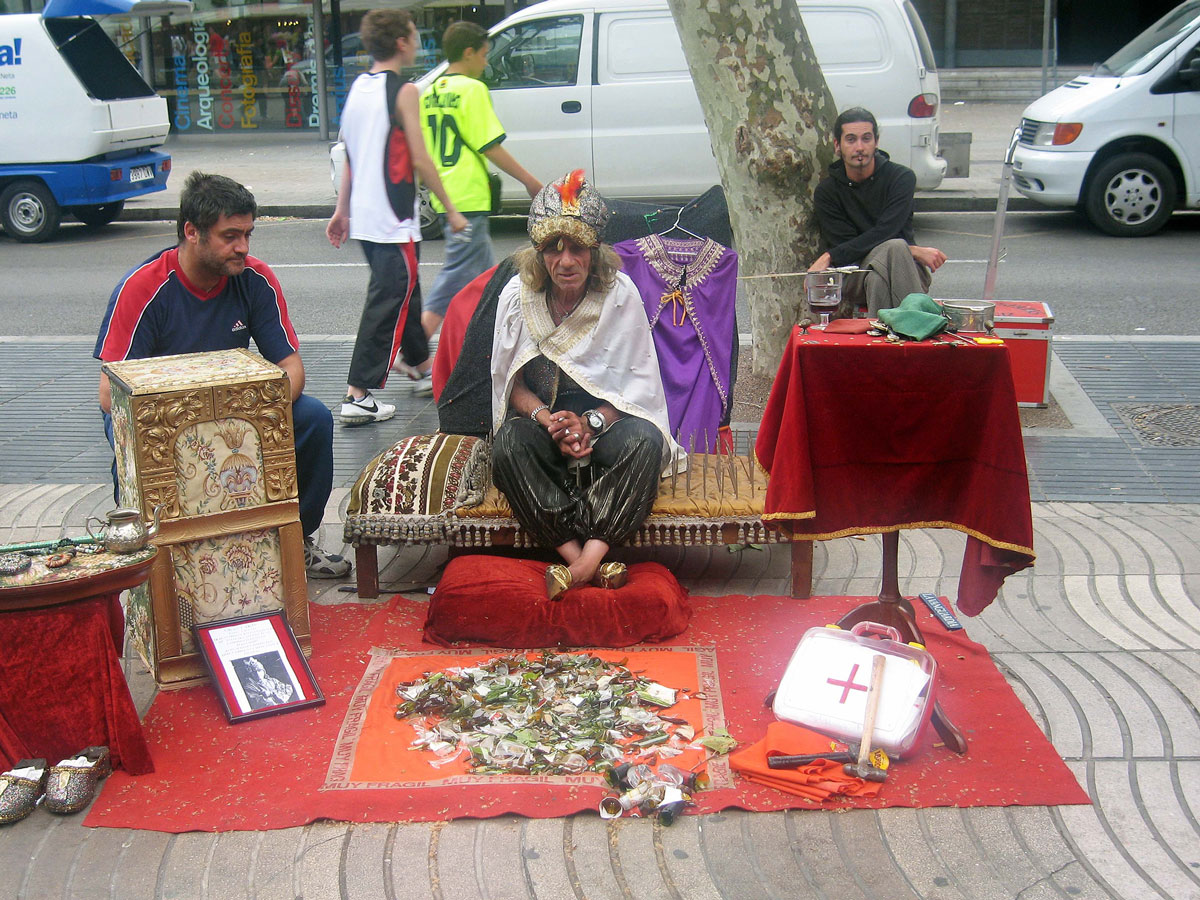
The 5th and final Rambla (that’s if you exclude the Rambla de Mar) is the Rambla de Santa Monica. Named after the Santa Monica convent, it has traditionally been the seedy end of the avenue, and where the street entertainment becomes even less sophisticated. For example, there was an ‘Arabic gentleman’ whose performance included smoking, drinking wine, eating glass and swallowing razor blades all at the same time. He should really have been using the razor blades for their intended purpose as he could have done with a shave, and a haircut wouldn’t have gone amiss either. As for his teeth, the least said about them the better.

Glass and Razor Blades for Lunch anyone ?

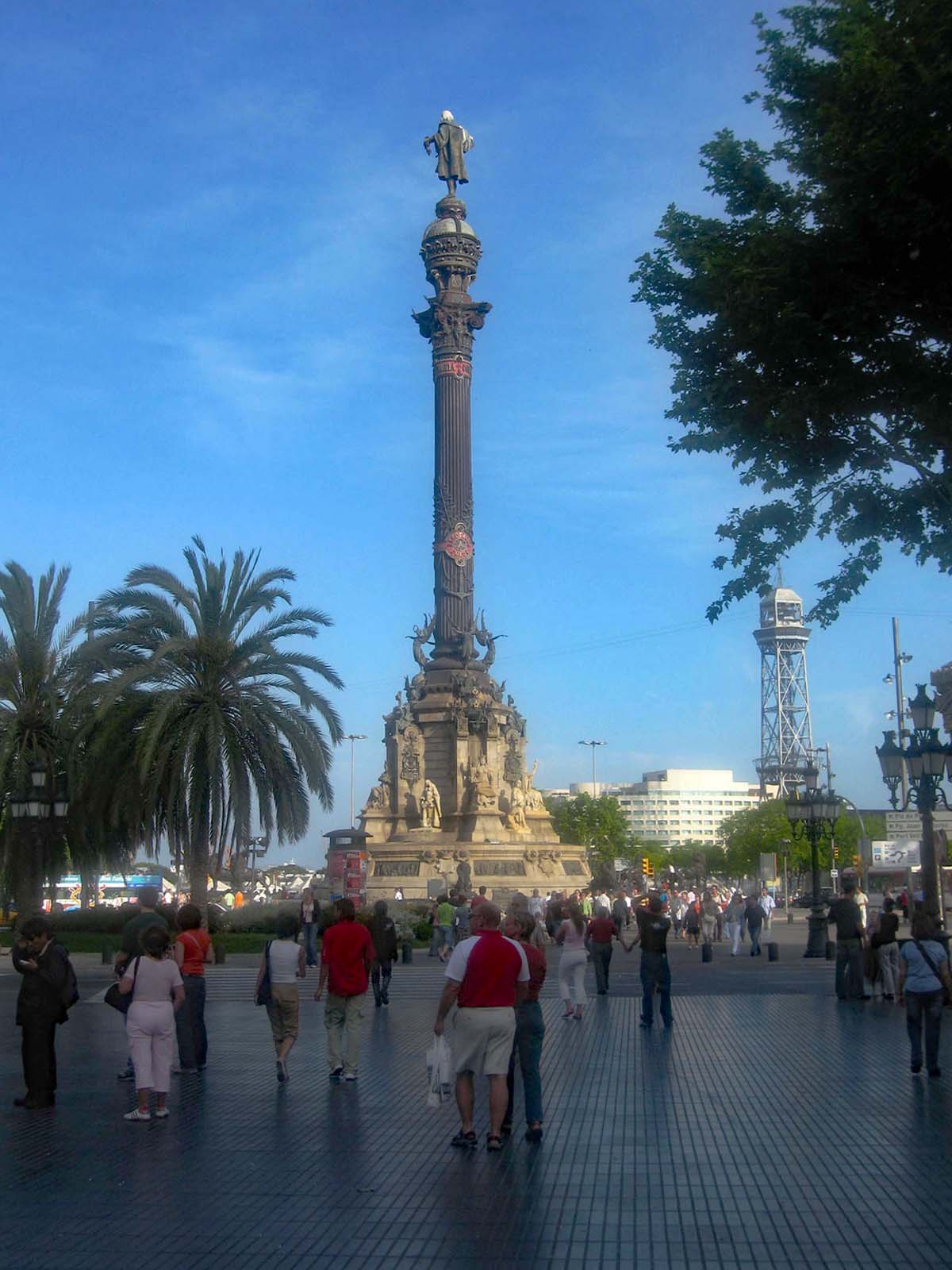
The Rambla ends at the Columbus Monument and the port area, which is not so much a port these days, as a marina and modern waterfront, but I’ll be covering this part of the city in a separate post.

The Ramblas are without doubt a bustling, dynamic, and vibrant introduction to this amazing city, and if you haven’t lost your wallet on the way down, then you might want to join me for the next Barcelona post which will cover the historical core of the old city – the Barri Gotic, or Gothic Quarter.

The Rambla Santa Monica and Columbus Monument

POSTED – MAY 2025

Originally posted 2025-05-10 15:45:38.

The post Barcelona – Las Ramblas appeared first on Easymalc's Wanderings.

]]>
https://www.easymalc.co.uk/barcelona-las-ramblas/feed/ 37 22106
Vienna’s Ringstrasse https://www.easymalc.co.uk/viennas-ringstrasse/ https://www.easymalc.co.uk/viennas-ringstrasse/#comments Sat, 24 Jan 2026 16:14:46 +0000 https://www.easymalc.co.uk/?p=17877 Originally posted 2022-12-06 07:40:11.

The post Vienna’s Ringstrasse appeared first on Easymalc's Wanderings.

]]>

Vienna's Ringstrasse

The Ringstrasse is a grand boulevard that encircles Vienna’s Inner Stadt, and if you take a look at a city centre map, it doesn’t take a lot of imagination to work out that this ring-road is on the site of the old city walls.

The Austrians can thank Richard the Lionheart for the original 13th century protective wall. It wasn’t that he had anything physically to do with it, it was just that on his way back from the Third Crusade he was captured and incarcerated at Durnstein Castle, and it was the ransom money that the English had to cough up, that paid for it to be built.

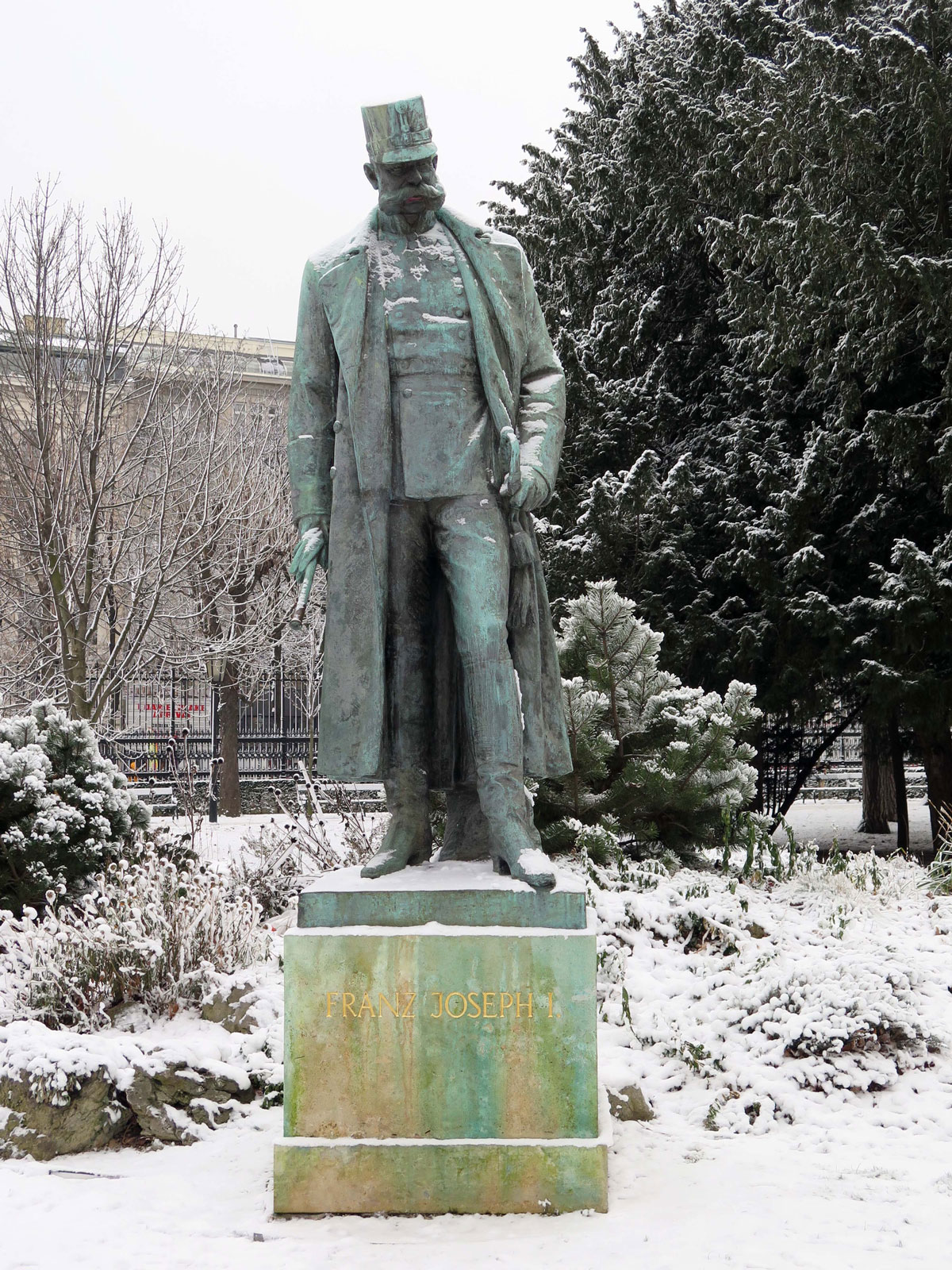
As well as the wall itself, there was a 500 metre wide glacis, which was an artificial slope devoid of any buildings and vegetation that helped to create an extra barrier against any attack. By the 18th century however, the glacis had become obsolete, and Emperor Joseph started to build streets and walkways lined with trees. As the city expanded and traffic increased, then the city walls themselves were in the way, and in 1857 Emperor Franz Joseph I ordered their demolition and embarked on creating a boulevard that would be a showpiece worthy of the Habsburg Empire.

Statue of Franz Joseph I in the Burggarten

The Ringstrasse was finally completed in 1913, and due to its rich architecture, has been dubbed ‘Lord of the Ring Roads’. Its total distance of 5.5 km (3.3 miles) is made up of nine sections plus the Franz Josephs Kai which runs alongside the Donaukanal (a branch of the Danube).

Some people might want to walk or cycle all the way around it, but if you’re anything like me you’ll prefer to find an easier way, especially as some sections are more interesting than others. There’s a dedicated yellow Tourist Tram that normally does a circuit of the Ringstrasse, but it’s not a hop on hop off service, and my suggestion would be to use the normal #1 and #2 services that between them cover the same journey. Okay, it means changing trams, but apart from being more flexible and cheaper, the tourist tram isn’t running at the moment anyway.

Tram outside the Parliament Building (Wikipedia)

As far as I’m concerned, the most interesting part of the Ringstrasse is the bit between the Opera House and Schottentor which covers four of the nine sections – namely, Opernring, Burgring, Dr. Karl-Renner-Ring and Universitatsring. This is where it’s best to leave the tram behind and start walking – but I could have picked a better time to have done it. As I headed up the Opernring with just a pair of trainers on instead of snow shoes, it felt like I was practising for the world figure skating championships.

The Opernring takes its name from the Vienna State Opera, the most famous of Vienna’s four opera houses. Location-wise, if you’ve managed to read my third post about the Hofburg, you might remember that we finished up at the Albertina. If you can’t remember, you can find it here: Regardless, by turning right at the Albertina into Operngasse you will arrive at the Opera House and the Opernring.

A few involuntary free-skating double-axle moves away was the Burggarten. In the 15th century it was part of the glacis protecting the Augustinian Bastion, but after Napoleon’s forces blew it up in 1809, the bastion was rebuilt and the Imperial Garden laid out in front of it. When the Habsburg Empire collapsed at the end of the First World War, the garden was made public and renamed the Burggarten.

The Burggarten

One part of the Burggarten I didn’t visit was the Art Nouveau Palm House. It includes a butterfly house and a restaurant and it all sounds very nice, but there were more important places on my list to see. Before I left though, I made sure that I didn’t miss the monument to Wolfgang Amadeus Mozart.

The Mozart Monument

Part of the Burggarten was used to build the New Burg in Heldenplatz, and to get there you walk out of the gates at the far end of the garden and enter the Burgring section of the Ringstrasse.

The Burgring obviously gets its name from the Hofburg, which can be reached from Heldenplatz through an archway in the Leopold Wing of the Hofburg. Heldenplatz (Heroes’ Square) is a large square used for events, and given its proximity to the Austrian parliament, also demonstrations. It was originally intended to be an extension of the Hofburg after the fortifications were demolished, and the vision was to build a new set of buildings known as the Kaiserforum. It was an ambitious project, but like so many great ideas, the funds didn’t quite match the imagination.

Watercolour of the Proposed Kaiserforum by Franz Alt (1873)

One building that did come to fruition though was the New Burg. If the Old Burg (Hofburg ) was a mish-mash of buildings, then the New Burg was going to be an Imperial Palace on a grand scale. Work started in 1881, but the Habsburgs never enjoyed the use of the new imperial apartments because the work was still progressing when the royal family’s power evaporated after being on the losing side in WWI.

The building was eventually completed and is used for a variety of museums which may, or may not be to your taste. With so many museums available to the culture vulture in Vienna, I had to be selective, and there were a couple across the road that were more appealing.

The pictures of the New Burg below were taken on a previous visit and show the balcony from where Adolf Hitler announced the Anschluss, or annexation of Austria, to a crowd of 200,000 on 15th March 1938.

The New Burg
The Balcony where Hitler declared the Anschluss in 1938

Across the Burgring from Heldenplatz is Maria-Theresien-Platz which was a part of the Kaiserforum that was completed. Two landmark museums compete for attention – the Museum of Natural History and the Museum of Fine Arts. Both are housed in large neo-Renaissance buildings that mirror each other across the square, and in the centre is a ginormous monument to the Empress herself. It’s impossible to photograph the whole of Maria-Theresien-Platz from the ground, but what was built here shows what the intentions were for Heldenplatz, which would have seen a building across the square to mirror the New Burg.

To see both museums and do them justice would take a good deal of time and a fair bit of stamina, and so I opted to restrict myself to the Fine Arts Museum. This is one of the world’s great museums and the magnificent collections are all housed in a wonderful building. It just has to have a separate post.

The Art History Museum
The Maria Theresa Statue

Where the Burgring ends, the Dr.-Karl-Renner-Ring begins – but who was Dr Karl Renner? I’m not sure anybody cares that much, but I thought I’d check him out, after all his name isn’t on this stretch of the Ringstrasse for nothing.

Herr Doktor was in fact an Austrian politician who is accredited with being the “Father of the Republic”. He was the leader of the First Austrian Republic after the collapse of the Austro-Hungarian Empire in 1918, and again when he became Chancellor of the Second Republic after the end of the second World War in 1945.

Under the circumstances, it therefore seems quite appropriate for this part of the Ringstrasse to be named after him because the building that dominates along here is the Austrian Parliament. It doesn’t dominate as much as the Museum of Fine Arts though because Emperor Franz Joseph was more interested in works of art than he was in democracy.

The Parliament Building
The Pallas Athena Statue outside the Entrance to the Parliament Building

Call me an anorak if you like, but I like visiting parliaments and courts: They are places where you can see democracy in action, and it seems that I’m not the only anorak around, because there were a few others like me who took the opportunity to have a guided tour around the Austrian Parliament building. I’m not going to describe it in detail, but the pictures below will show you what it’s like inside.

As for Dr Karl, he might have gone down in Austrian history, but he was a Social democrat bordering on being a Marxist: He also supported Hitler’s Anschluss, and was antisemitic himself. In a world where people are queuing up to be offended, I wonder how long it’ll be before the Dr-Karl-Renner-Ring has its name changed.

One of the good things about the Ringstrasse is that there are plenty of open spaces, and opposite the Parliament Building is the Volksgarten. It’s a lovely place to come in the summer, but as it isn’t summer, I’m off next door to the Burgtheater on the Universitatsring.

The Burgtheater

The Burgtheater was built, like many of the buildings around the Ringstrasse, during the second half of the 19th century, and is the world’s premier German language theatre. It was badly damaged by an Allied bombing raid in 1945, but rebuilt ten years later. As luck would have it, I was there at the same time as a short guided tour of the theatre was about to start, and so I didn’t hesitate to take advantage of it. If nothing else, I was in out of the cold again.

The auditorium wasn’t the most glamorous I’ve ever seen, but it was worth taking a look around, if only for the grand Imperial Staircase and its superb ceiling paintings by Gustav Klimt and his associates.

The Burgtheater's Auditorium
The Imperial Staircase
The Klimt Ceiling Paintings

The final stop on my tour of the Ringstrasse was at the Town Hall, or Rathaus, as they say in German. This time, I didn’t go in because I was here for another reason – the Christmas Market that takes place each year in the Rathaus Park.

As Christmas is now rapidly approaching, it seems like the perfect place to end this post about the Ringstrasse, and below are a few pictures that will hopefully get you into the Christmas spirit while I seek out a nice glass of hot gluhwein before attempting my next Torville and Dean routine back down the Ringstrasse to the tram stop.

The Rathaus

POSTED – DECEMBER 2022

Originally posted 2022-12-06 07:40:11.

The post Vienna’s Ringstrasse appeared first on Easymalc's Wanderings.

]]>
https://www.easymalc.co.uk/viennas-ringstrasse/feed/ 35 17877