Portugal
Adjoining Spain on the western side of the Iberian Peninsula, Portugal is one of the oldest continuously occupied territories in Europe. Dating back to prehistoric times, it was first founded as a county within the Kingdom of León in 868, and then became an independent kingdom in 1143 after signing the Treaty of Zamora.
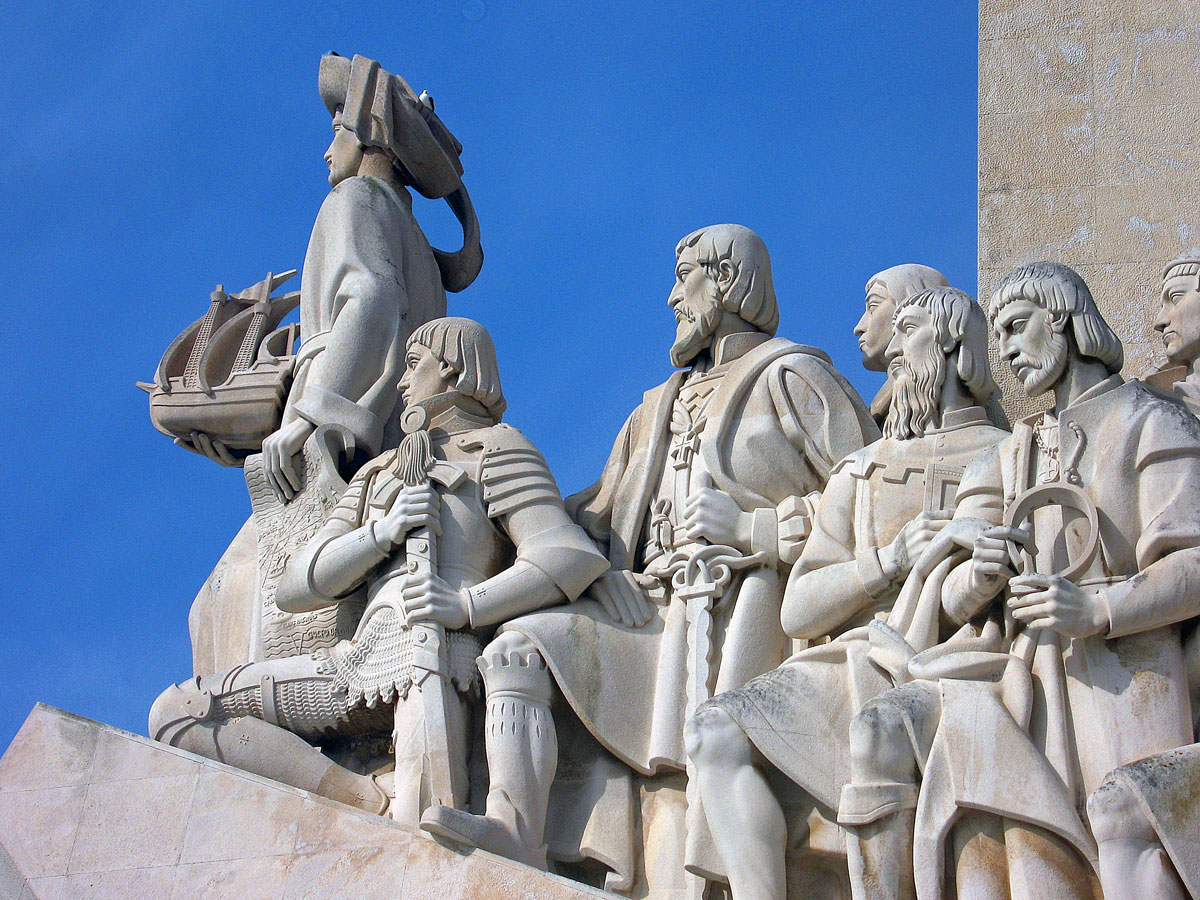
Its heyday came though during the 15th and 16th centuries when explorers like Henry the Navigator, Bartolomew Diaz and Vasco da Gama led the Age of Discovery, but by the early 19th century, events such as the 1755 Lisbon earthquake, the country’s occupation during the Napoleonic Wars, and the resulting independence of Brazil in 1822 led to its decline. A revolution in 1910 deposed the monarchy and an unstable republic took over.
Today it is a democratic member of the European Union with a population of 10,639,726 (2023) which also includes those who live in the Azores and island of Madeira. Because of its colonial past, there are more than 200 million people whose native tongue is Portuguese, many of whom live in Brazil. The capital, Lisbon, has a population of 567,131(2023) with Porto being the country’s second city and famous for its Port Wine.
The country is split by the Tagus River which runs for just over a thousand kilometres from Spain’s Sierra de Albarracín to its estuary at Lisbon. The landscape north of the river is more mountainous than the land to the south, where rolling plains are the predominant feature.
The favourable climate of the Algarve attracts large numbers of holidaymakers and ex-pats, but with around 26 million tourists a year there are plenty of other attractions to entice people to come to this most agreeable country.
- All
- Lisbon

Sintra’s Pena Palace
Sintra is around a 45 minute train journey north of Lisbon and is a popular destination for many tourists – too many it would seem these days, but when we came here back in March 2008 it wasn’t quite like that. In actual fact, we weren’t staying in Portugal’s capital, but in Cascais, a town […]