
Iceland
Iceland sounds like a cold country and it can be, but even though it lies just south of the Arctic Circle it’s not always as cold as you might expect, due to the fact that it’s warmed by the gulf stream. More importantly, its location on the Mid-Atlantic Ridge straddling the North American and Eurasian tectonic plates, has more impact on the island than its latitude.
The seismic and volcanic activity caused by these tectonic plates moving apart are what created Iceland in the first place, and what makes the island geologically unstable today. Consequently, this ‘Land of Fire and Ice’ which was created only 14-16 million years ago, is what makes Europe’s second largest island so different.
Only about a quarter of the island is habitable, mainly around the coast, as the centre is largely barren with lava fields, volcanoes, mountains and glaciers, but the geothermal energy which erupts in the form of hot springs and geysers also helps to produce energy for the 380,000 or so inhabitants, around 140,000 of which live in the capital Reykjavik.
Not only is Iceland the youngest European country, it was also the last to be settled, and as such there are no pre-historic records. The earliest people known to arrive here were Irish monks looking for remote places to live, but they left no lasting influence on the island, and it was the Viking explorers and their descendants who have left the biggest impression.
The first permanent settler was the Norwegian-Norse chieftain, Ingolfr Arnarson who, in 874, built his homestead where Reykjavik now stands. The Scandinavian influence (under different rulers) was the cornerstone of Icelandic life for centuries, but in 1944 Iceland declared independence from Denmark, and is now a Republic in its own right.
Fishing is the backbone of the economy, but with impressive natural scenery, marine wildlife and frequent displays of the Northern Lights, tourism is playing an increasingly important role.
- All
- Golden Circle
- Reykjavik

Iceland’s Golden Circle – Pt 3 The End of the Tour and the Reykjanes Peninsula
The third and final part of our Golden Circle Tour takes us further downriver from Gulfoss and the Hot Springs of Haukadalur to Skaholt (F on map), an area not noted for its geothermal, seismic or volcanic activity, but for its connection to Iceland’s early days as a Christian country. Originally posted 2024-02-09 15:54:01.
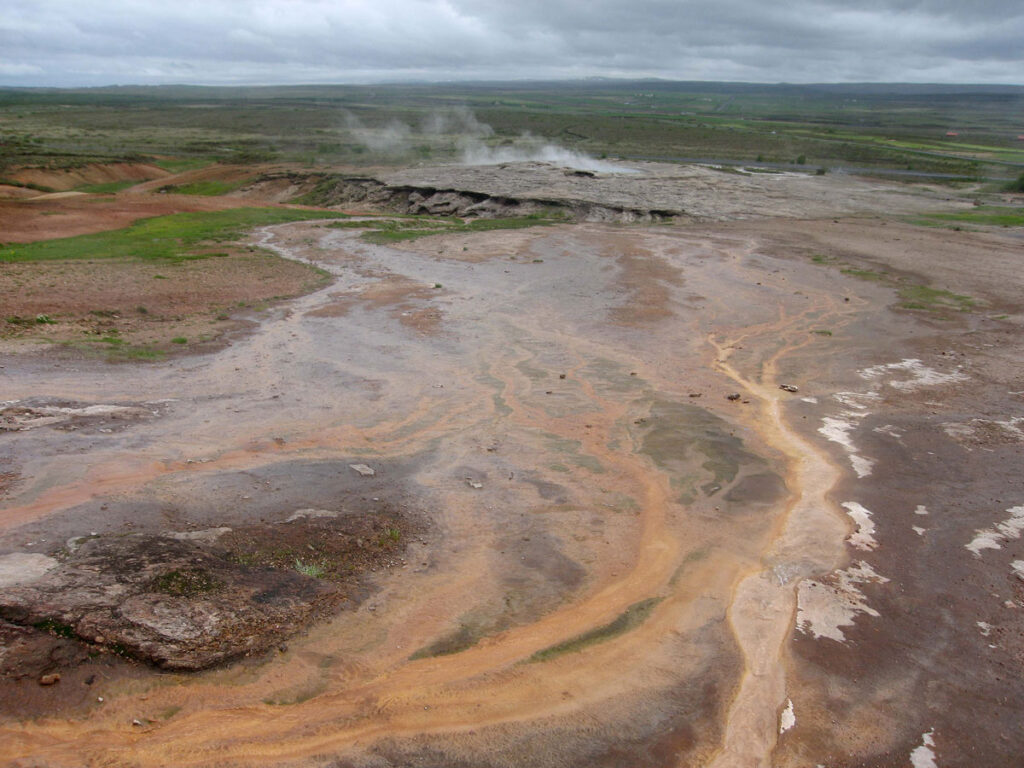
Iceland’s Golden Circle – Pt 2 Gulfoss and Geysirs
If you followed Pt 1 of our Golden Circle tour, you may remember that we visited the Nesjavellir Geothermal Power Station before driving on to Thingvellir National Park, where we could see how the North American and Eurasian tectonic plates are gradually pulling Iceland apart. This fault line is responsible for the large number of […]

Iceland’s Golden Circle – Pt 1
Having spent our first day in Iceland exploring Reykjavik and trying to get my camera to tell the difference between a whale and a wave, it was time to start looking a bit further afield, and the obvious place to begin was the Golden Circle. Apparently, the name Golden Circle was conjured up by the […]
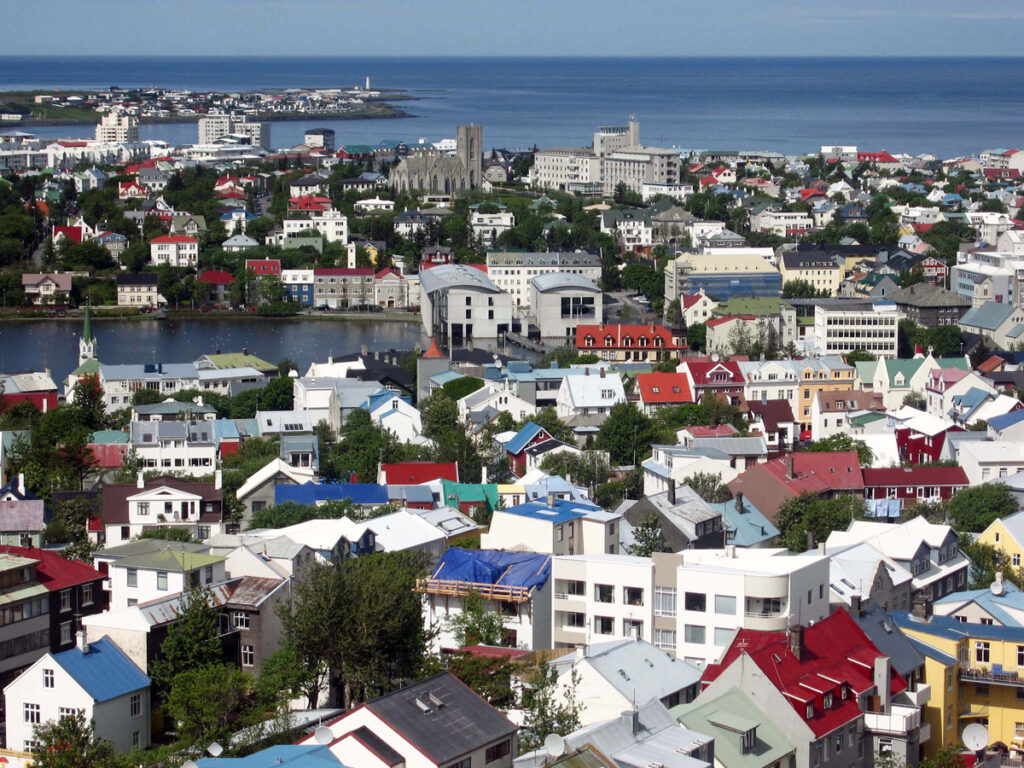
First Impressions of Iceland
I’m afraid to say that my first impression of Iceland was not a good one. I booked our accommodation directly with the Hotel Centrum in Reykjavik making sure they were aware that the time of our flight would mean that we wouldn’t reach the hotel until around midnight. No problem – or at least that’s […]