
The History of Britain - Pt 2 The Prehistoric Stone Age
The term ‘Prehistoric’ generally means the time before records were written down, but more specifically in Britain it’s considered to be the period from the arrival of the first humans until the Roman Conquest in AD 43. Within that time period, there were three distinct ages, each named after the predominant material used for making tools at the time: They were Stone, Bronze and Iron.
Broadly speaking, the Stone Age ran from around 900,000 years ago to 2,500 BC, the Bronze Age from 2,500 to 800 BC, and the Iron Age from 800 BC to 43 AD. For obvious reasons, dates connected to prehistoric times are always going to be approximate, but not only do the dates above give a convenient generalization, they also make it easier to understand.
Furthermore, the Stone Age was also broken down into three separate periods; Old Stone Age (Paleolithic – 900,000-10,000 BC), Middle Stone Age (Mesolithic – 10,000-4,000 BC), and New Stone Age (Neolithic – 4,000-2,500 BC).
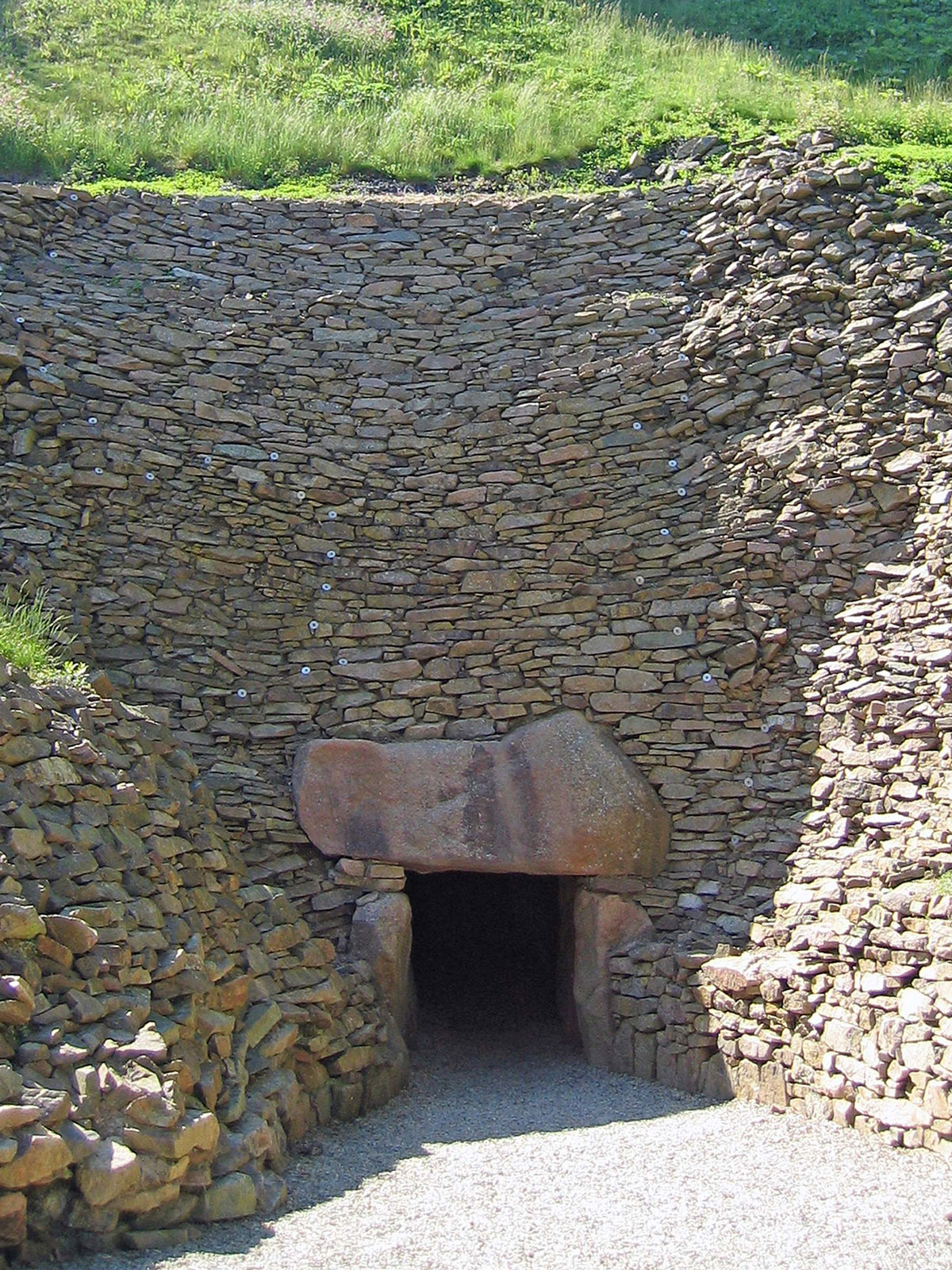
The earliest evidence of humans in Britain are the Happisburgh footprints from around 900,000 years ago (see Pt 1) and so this is the point from which the (Old) Stone Age began according to current knowledge. That could well change of course as new evidence is found and more knowledge gained, but the Old Stone Age is the time period we know the least about, especially as it was also subject to an Ice Age that intermittently changed between glacial and interglacial climates.
Human activity was dictated by these changes in climate, and came in the form of nomadic hunter-gatherers who used basic stone tools such as hand-axes made from flint to hunt for wild animals, which included mammoth, deer, and bison.
The Middle Stone Age takes over where the Old Stone Age left off around 10,000 BC, so why have archaeologists and others who study life in prehistoric times deemed it necessary to give a different name to this period? after all, humans were still using stone tools for hunting.
The answer really lies in the climate. The last Ice Age came to an end around 10,000-12,000 years ago and warmer weather was beginning to affect the landscape. The melting ice formed rivers and the warmer soil provided the ideal habitat for shrubs and trees. It didn’t all happen overnight, and in my mind, the Mesolithic period was a time of transition, but this climatic change eventually brought about a more abundant supply of meat, fish and mast (nuts, berries and seeds etc).
It was also during this time that the oldest known modern human (Homo Sapiens) lived in Britain. In 1903, an almost complete skeleton was discovered in Gough’s Cave, Cheddar, and it’s thought he was roaming the Somerset countryside around 10,000 years ago. Experts believe that he was a hunter-gatherer from Europe, as they have attributed Cheddar Man as having dark skin and blue eyes.
Discoveries at Howick in Northumberland and Star Carr in Yorkshire suggest that by the end of the Middle Stone Age the abundance of available food enabled humans to start settling down in farms and villages.
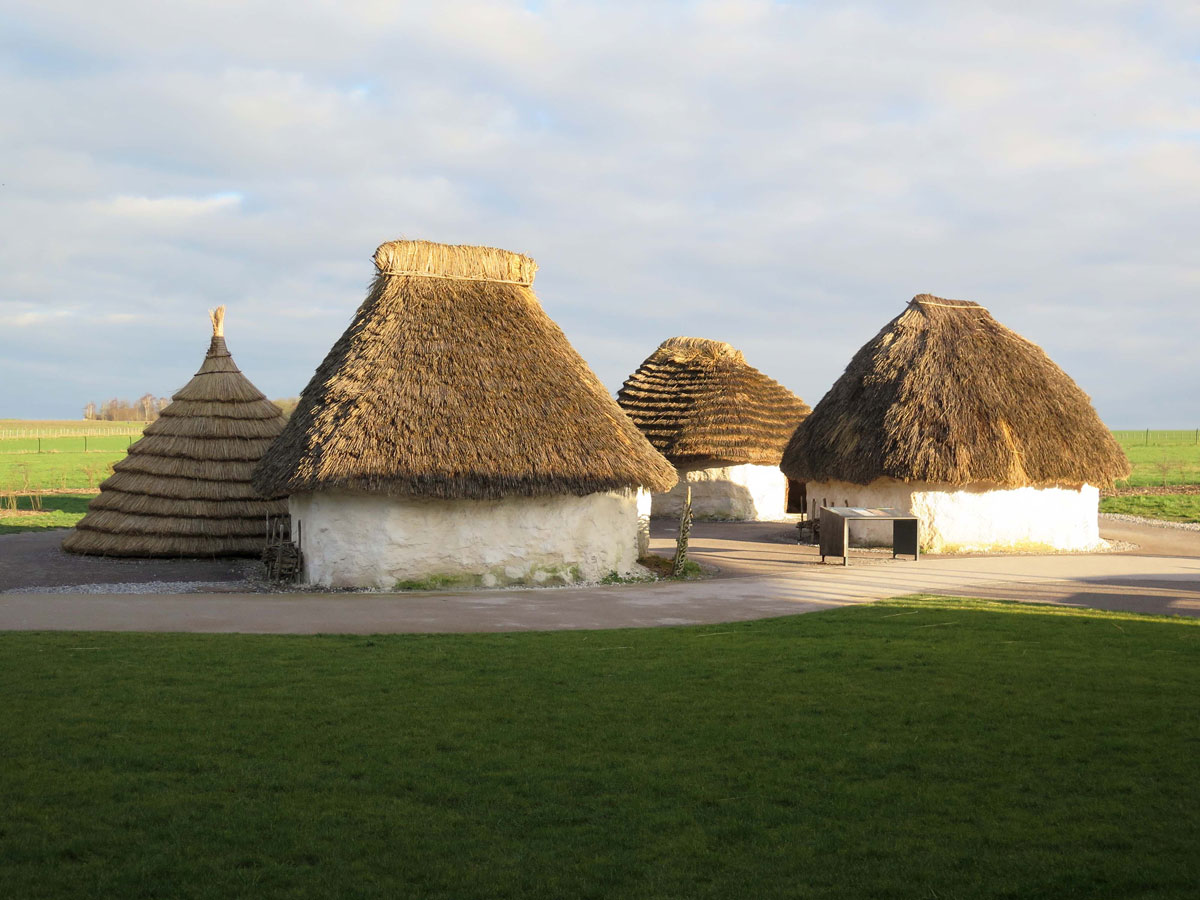
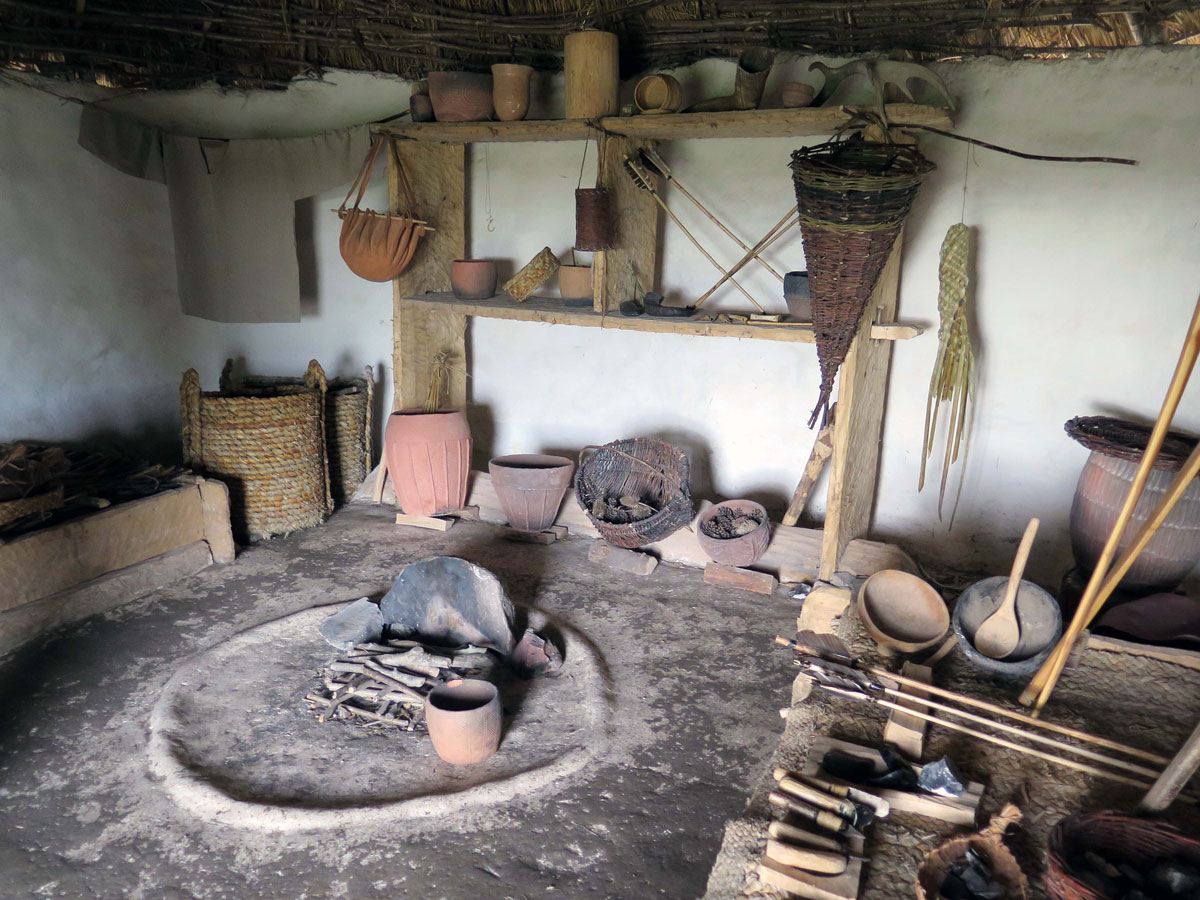
The change from a nomadic way of life to a more settled existence prompted archaeologists to refer to life in Britain from around 4,000 BC as the New Stone Age. Instead of hunting for animals, land was cleared to domesticate animals such as pigs, sheep, and aurochs (ancestors of cattle), and crops such as wheat and barley were also being harvested.
These early farmers lived in small settlements like the one at Skara Brae on Orkney, and buried their dead in Long Barrows, Passage Tombs and Dolmens.
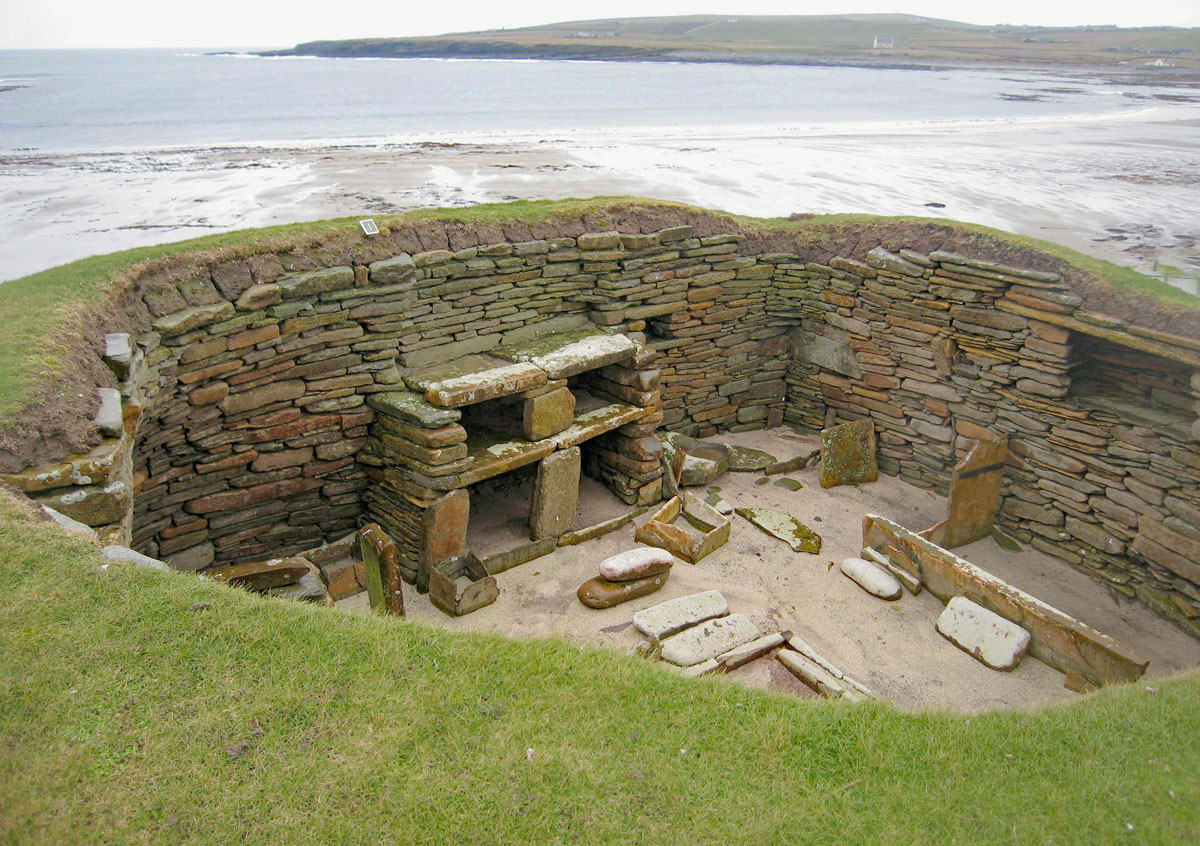

Neolithic man has left behind a fair bit of evidence to help us understand how they lived, but remains like stone circles have still kept people guessing as to what they were used for. Were they built for rituals, ceremonies, tracking the seasons, or astronomical events? – or maybe they were used for all of those reasons. Who knows? What we do know though is that the mystery that surrounds them have kept many people searching for answers for years, while others just like to use their own vivid imagination for how life might have been back in those hazy prehistoric times.

The Stone Age came to an end around 2,500 BC and with it the earliest evidence we have of the oldest period in British history.
POSTED – DECEMBER 2025
Originally posted 2025-12-07 10:32:38.
Fascinating post as always, dear Malc!
I really enjoyed reading it and found so much information that helped broaden my understanding of that period.
Thank you Luisa. I’m really pleased that you did 🙂
I think you have indeed excelled yourself here. AND after a celebratory weekend too.
You’re too kind Shey and thanks for remembering the weekend celebration 🤩
I am just calling it like it is Malc. And I do hope you and your lovely lady have had a great time.
🌟🌟
By the by Malc, your post is scheduled for 31 JAN
Great!
This is a phenomenal one (and that is saying a lot) and I think I will uses this one (if it is ok with you) on LatinosUSA when I do the feature on you. All the best mate and a Happy Sunday to you!
Thanks Francesc, and by all means use this post if you think it’s suitable for your LatinosUSA page. I’m very honoured, and you have a great rest of the day too.
Cheers Malc