
A Day in Segovia
Any visitor to Madrid will know that there are more than enough things to occupy your time without putting one foot outside of the city. Even so, I decided to escape the capital for a day and take the train to Segovia, a city of just over 50,000 people and about a hundred kilometres (62 miles) north of Madrid.
There are two ways to travel by rail between the two. The first (and most popular) is by high-speed train from Madrid Chamartin to Segovia Guiomar, and the other is by regional train from Madrid Atocha to Segovia Estacion. I opted for the slower regional train, not because it was cheaper, but because the stations at both ends of the journey were more convenient, and although the journey took more than two hours (as opposed to just half an hour), I was able to enjoy taking in views of the Castilian countryside as well.
Concierto de Aranjuez by Paco de Lucia
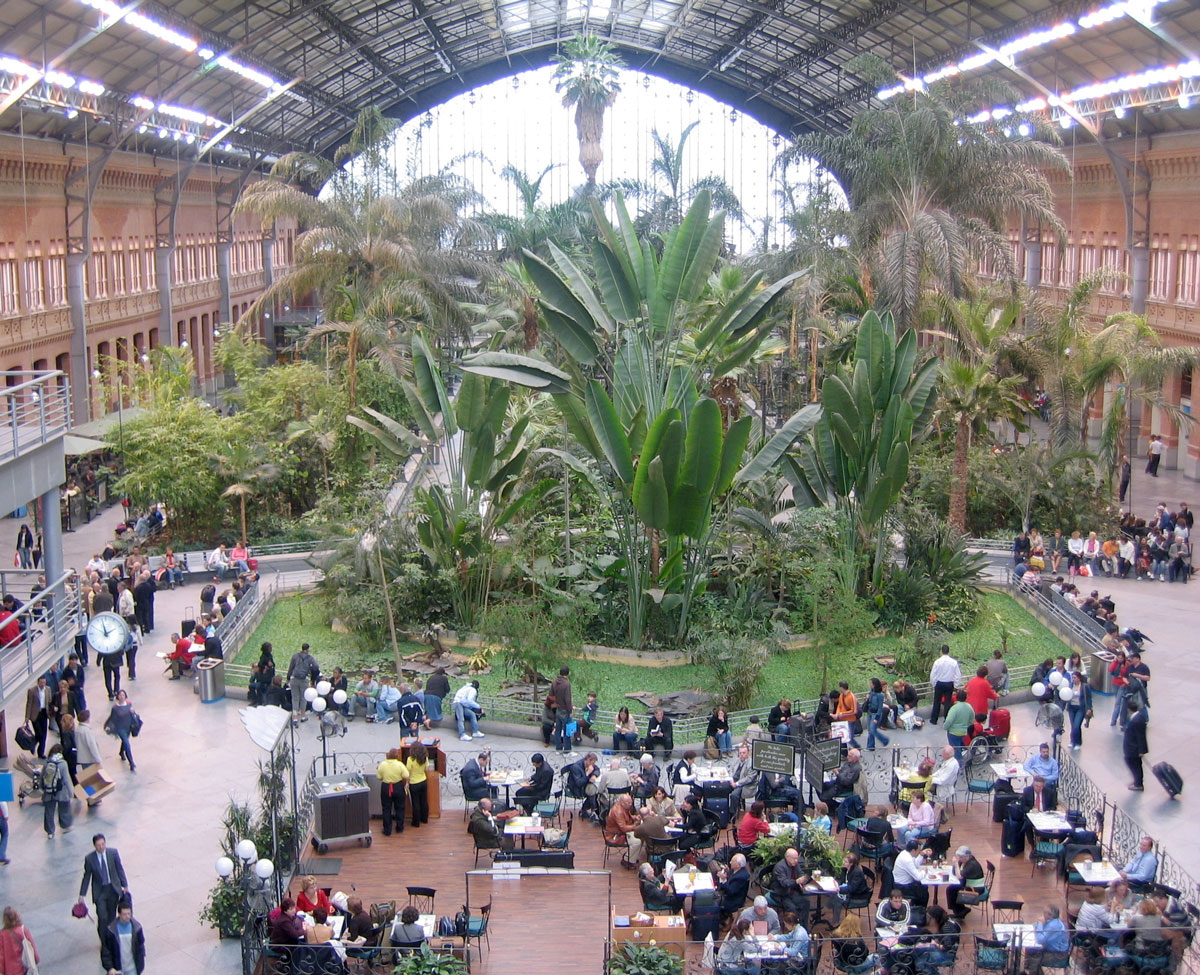
It may have taken longer to get between Madrid and Segovia, but I saved a lot of time getting to Atocha from my hotel, and from Segovia Estacion to the city centre, or more precisely, the Roman Aqueduct.
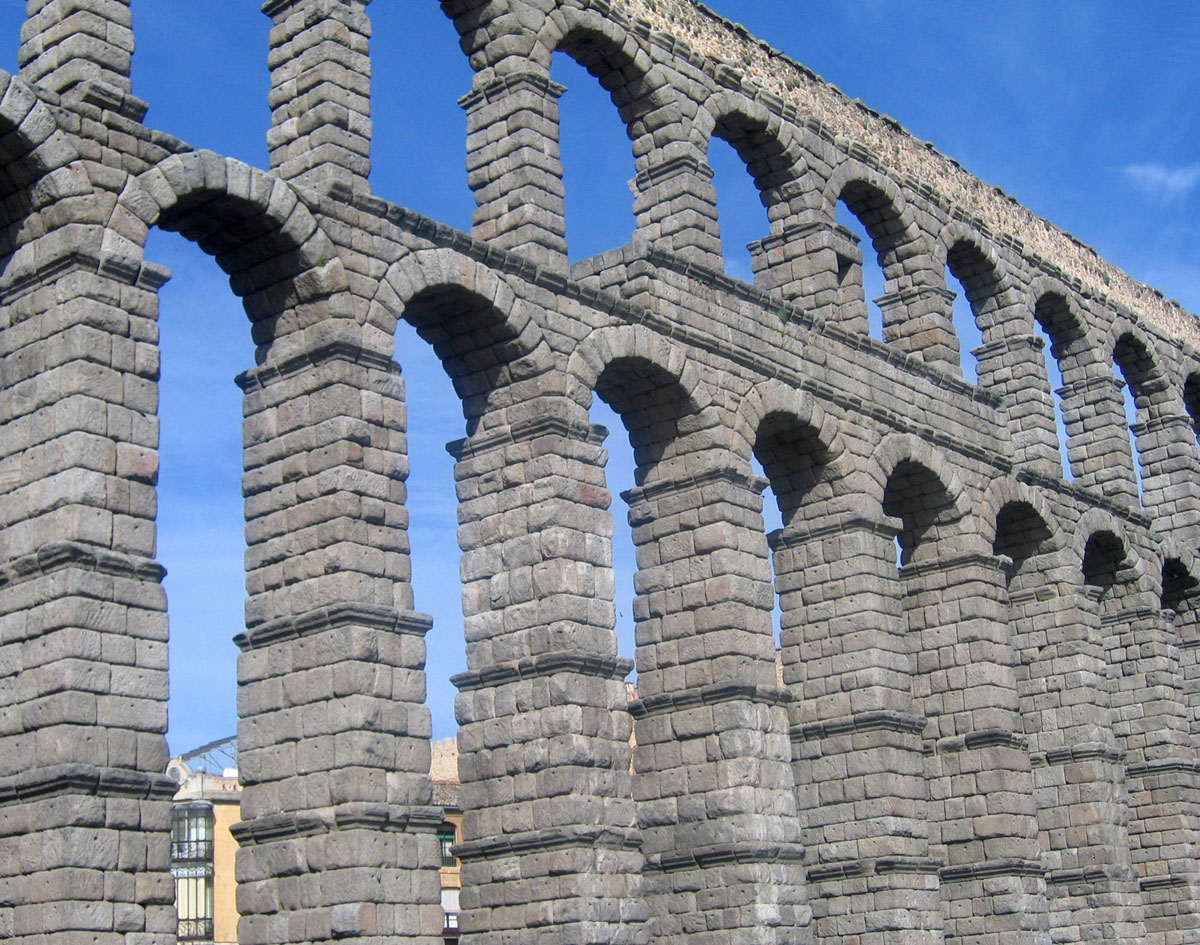
If there’s one thing you shouldn’t miss in Segovia – in fact it would be impossible to – is the Roman Aqueduct, and from Segovia Estacion, the No 8 bus left for the short journey to this magnificent structure that towers above the Plaza de Azogusjo (see featured pic above).
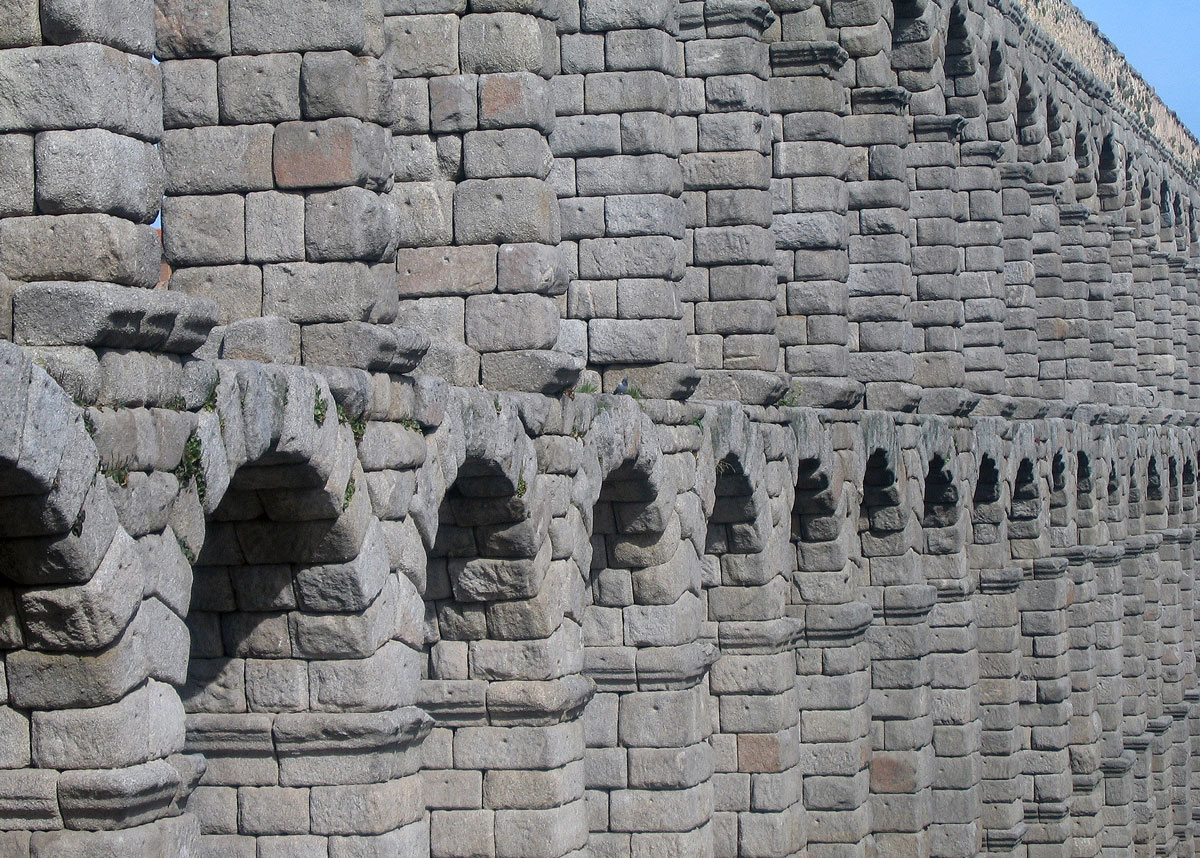
Nobody knows exactly when it was built, but it was around the middle of the 1st century AD, and carried water to Segovia from the Frio River, some 15 kilometres (9.3 miles) away. For those of you who are having difficulty sleeping at night, here are some facts that might help. The bridge is 683 metres (747 yards) long, with 166 arches more than 9 metres (30 feet) high supported on 120 pillars. At its highest point it is 29 metres (95 ft) above ground level and is built using around 20,400 granite blocks without mortar. Now, I’m sure someone is going to try and trip me up on some of these statistics because there are many different figures from many different sources, but I think you’ll find that generally speaking, they’re not far out – and if you’re bothered by the authenticity of these stats then you can always go back to counting sheep instead.
As far as its history after the fall of the Roman Empire is concerned, the Aqueduct continued to supply the city with water until the Moors tried to demolish it during the 11th century. Thirty six arches were destroyed, but after being restored by the 15th century Catholic Monarchs, Queen Isabella and King Ferdinand, water started to flow into Segovia again, and did so for another 500 years. In 1985, it was added, along with Segovia’s Old Town, to UNESCO’s World Heritage list, and is without doubt one of the most impressive Roman structures in Spain.
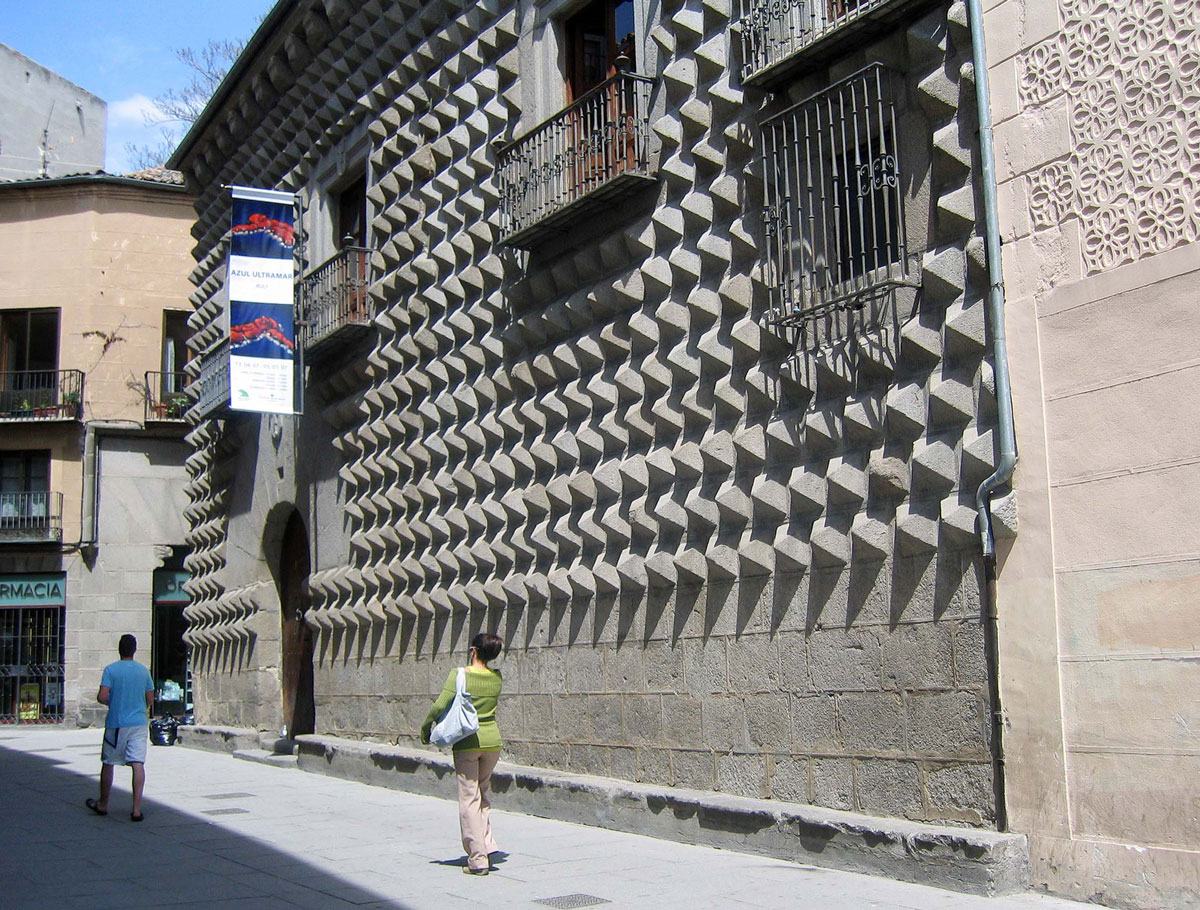
There’s more to this city of 50,000 people than the Aqueduct however, and three streets – Calle Cervantes, Calle Juan Bravo and Calle Isabel la Catolica – lead from the Aqueduct to the centre of the Old Town at Plaza Mayor. Collectively, this series of streets is known as the Calle Real, but I didn’t see anything ‘Royal’ about C. Cervantes. In fact, the first thing that caught my eye was a building in C. Juan Bravo which had a most unusual façade made out of pyramid-shaped granite blocks. I later found out that it houses the Segovia Art School and is called the Casa de los Picos which translates as the ‘House of Spikes’.
A bit further on, and about halfway between the Aqueduct and the Plaza Major, was a lovely old square called the Plaza de Medina del Compo. It’s overlooked by the 12th century Romanesque Church of San Martin, and although I wasn’t able to go inside (it was only open for morning and evening services) I was more than happy to just sit in the square and soak up the atmosphere with a coffee for a while.
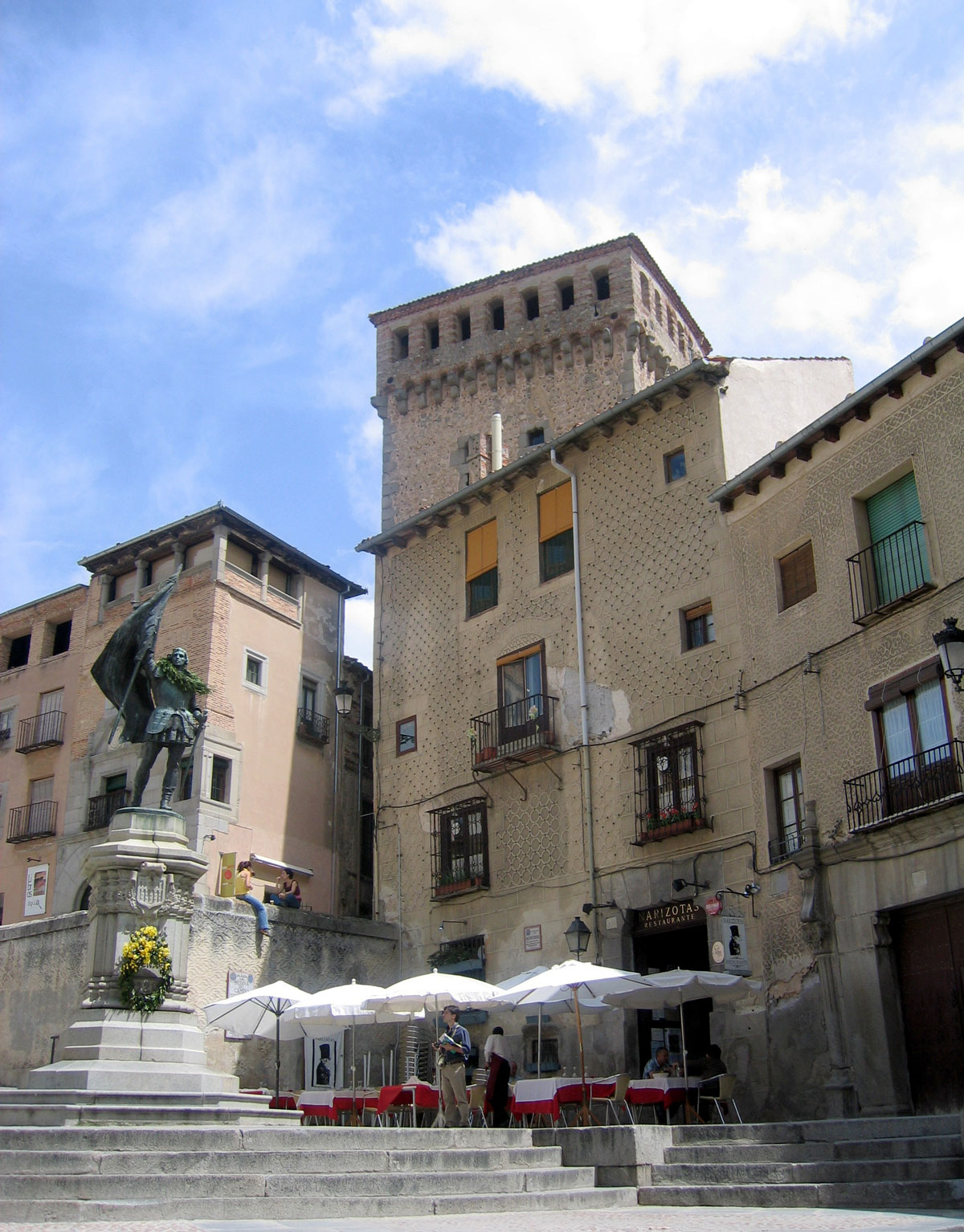
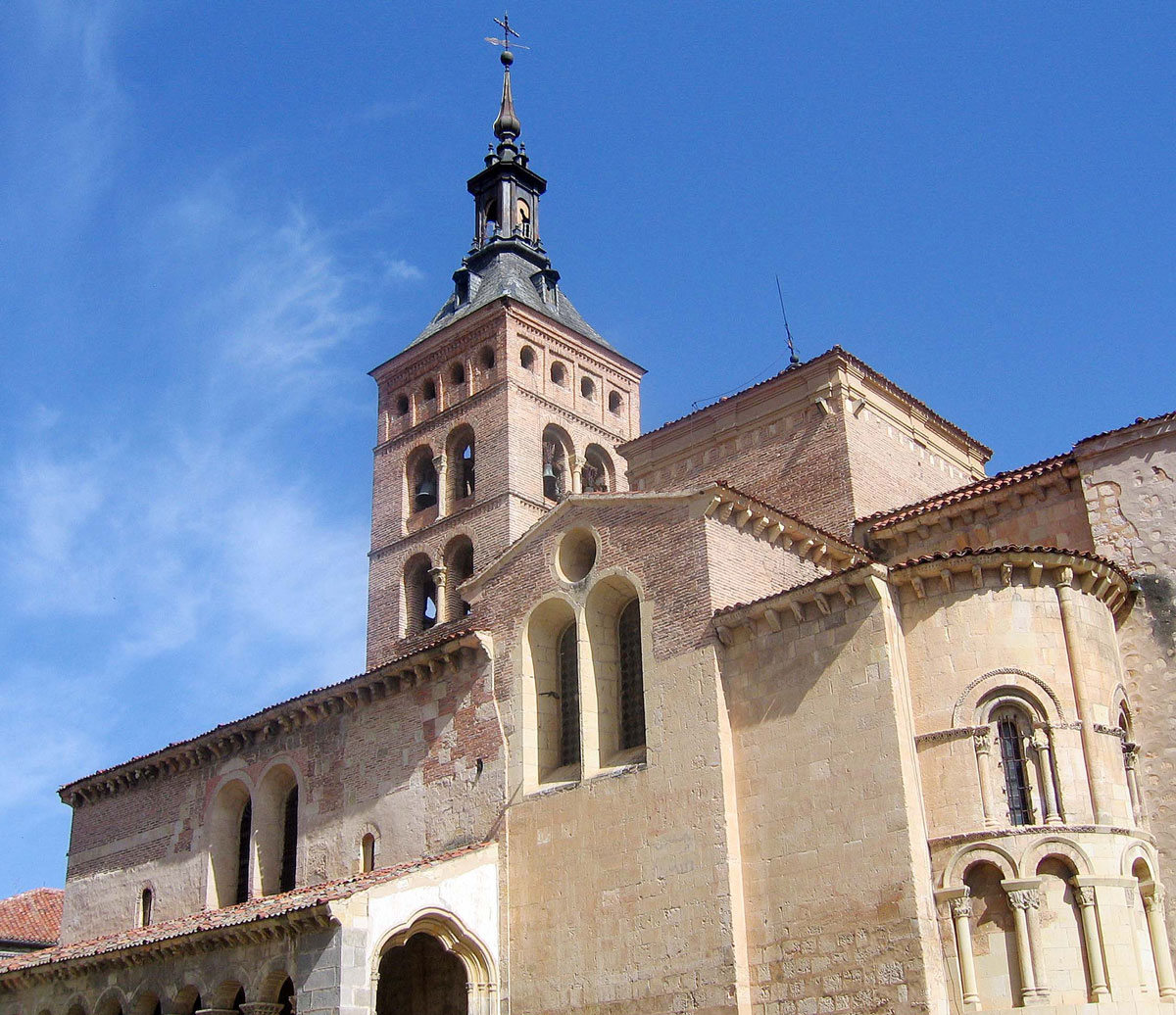
At Plaza Corpus, Calle Isabel la Catolica bears off to the right towards Plaza Mayor and Segovia Cathedral.
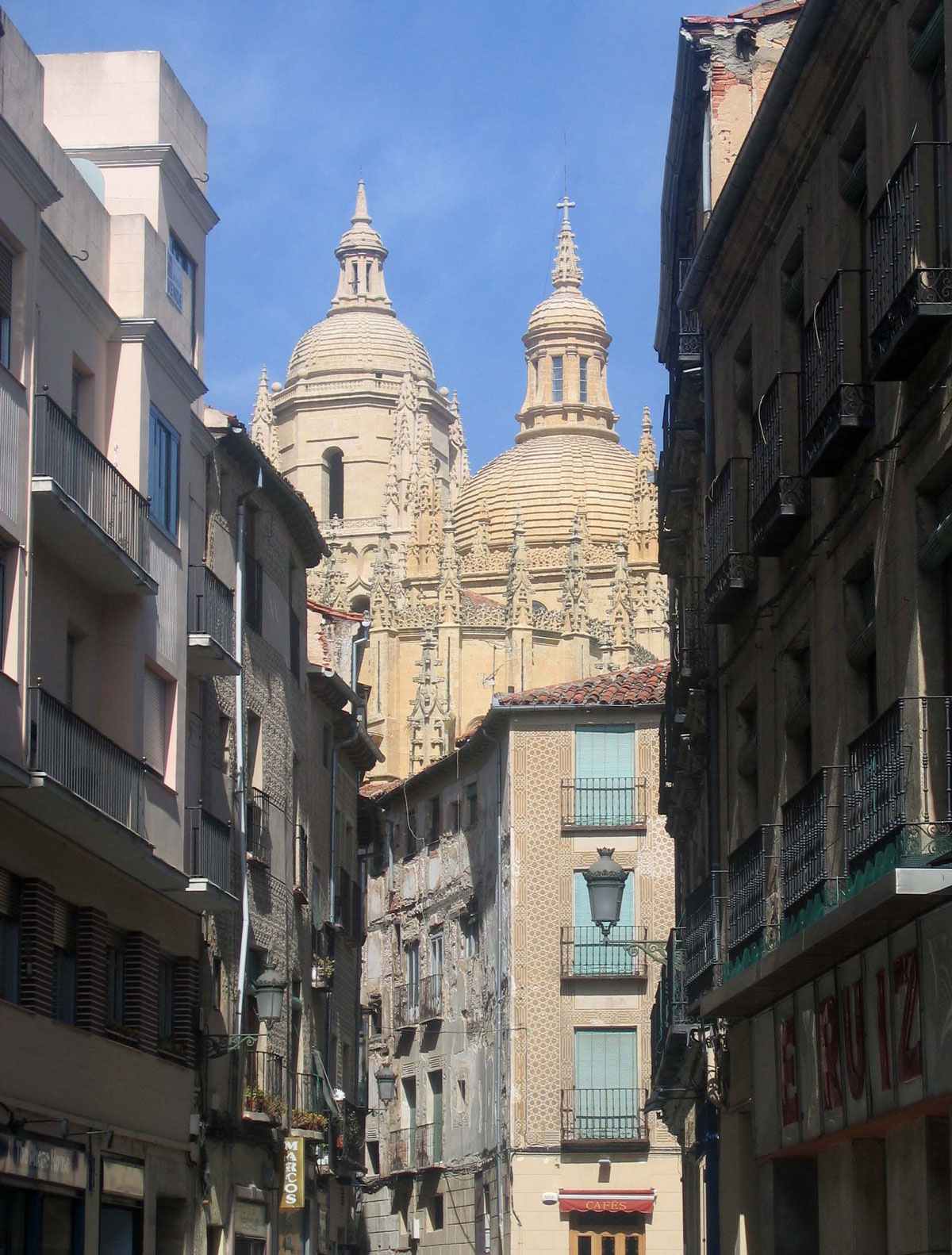
Plaza Mayor is Segovia’s main square and the hub of social activity. Fairs, markets and fiestas regularly take place in front of the town hall, and it has a fair sprinkling of bars to stop tourists dying of thirst, but its main attraction for me was the Cathedral.
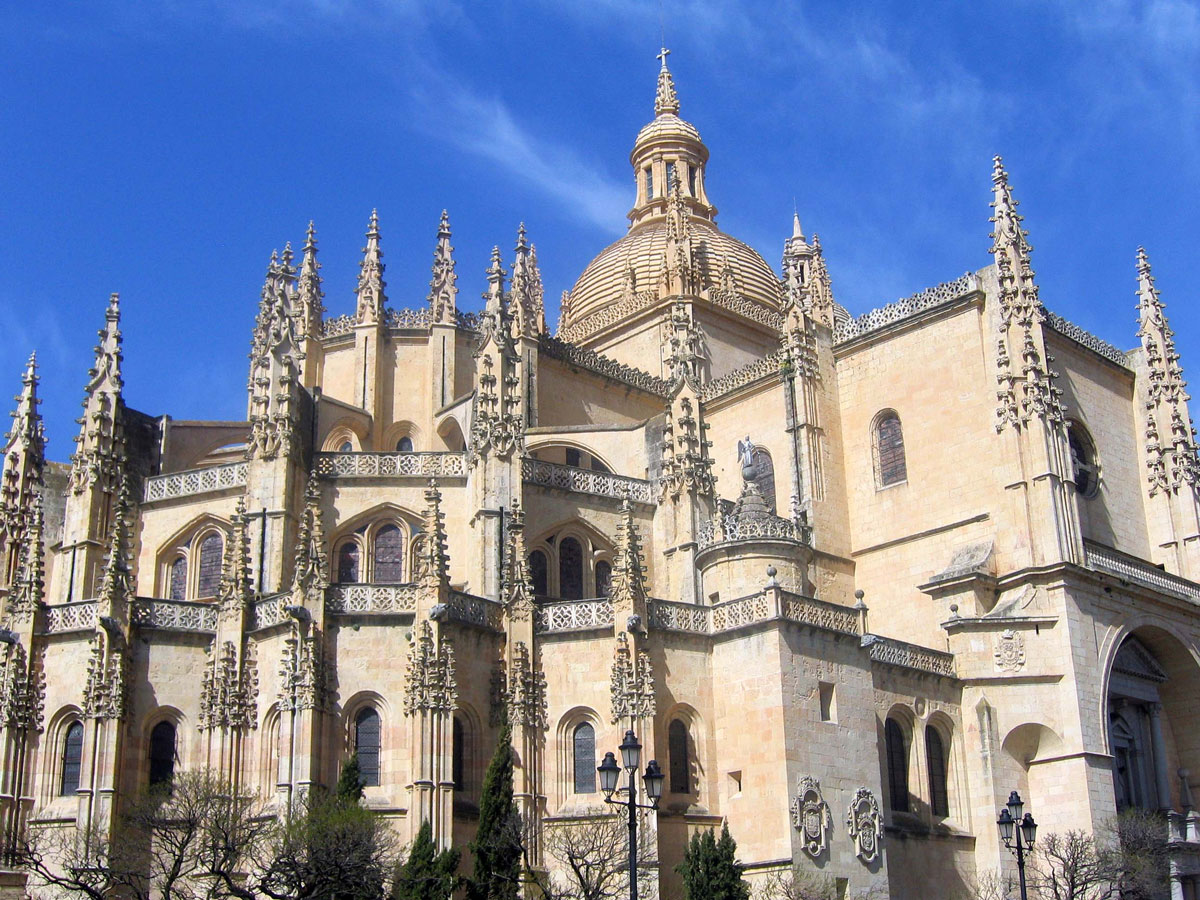
This building with its fabulously flamboyant exterior was the third Cathedral to be built in Segovia when construction started in 1535. It took 200 years to complete, making it the last Gothic structure to be built in Spain, and quite possibly in the whole of Europe.
The Cathedral’s ornate pinnacles and flying buttresses can be admired from Plaza Mayor, but to really appreciate its grand scale and 90 metre (295 ft) Bell Tower, it’s better to view it from a distance if possible. Unfortunately I didn’t have enough time for wandering too far off the beaten path, especially as I wanted to check out what the interior had to offer as well.
For all its elaborate extravagance outside, the interior, architecturally speaking, was surprisingly plain: I can’t show you what I mean because photography was not permitted, although it doesn’t seem to stop some people judging by the number of images floating around on the internet.
Segovia has three main sights, and after wandering through the Jewish Quarter, I found myself at the third – the Alcazar. Its location, on top of a rocky crag above the confluence of the Eresma and Clamores Rivers, was the site of a Roman castrum, but apart from the foundations, not much else can be seen of the fort today.
The word Alcazar conjures up an image of a Moorish palace, but the structure was started quite some time after the North African Muslims were sent packing by the Iberian Christians. Why the word ‘Alcazar’ was chosen as the name for the home of Christian kings I have no idea. Perhaps somebody can enlighten me.
The oldest part of the palace dates from the reign of Alfonso VIII (1158-1214), who was the first of a long line of Castilian monarchs to call it their home, but it was during the time of the Trastamara Dynasty (1366-1566) that the Alcazar developed into the magnificent spectacle that we see today. They were obviously fascinated by Eastern art, as the Muslim influence can be seen everywhere – from the architecture to the decoration, so perhaps I’ve answered my own question as to why it became known as the Alcazar. Entry to the palace is through the imposing East Tower that John II extended during his reign (1406-54).
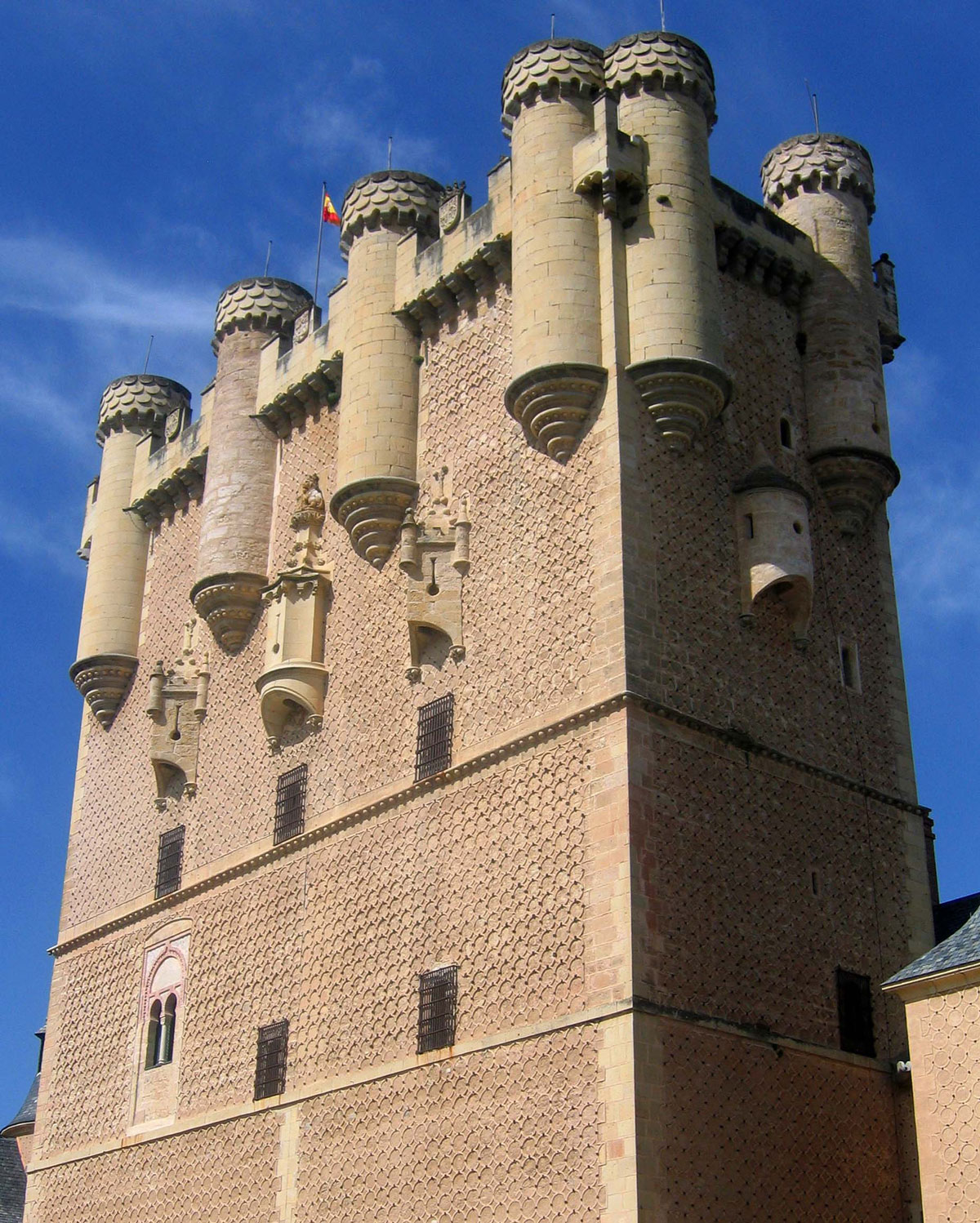
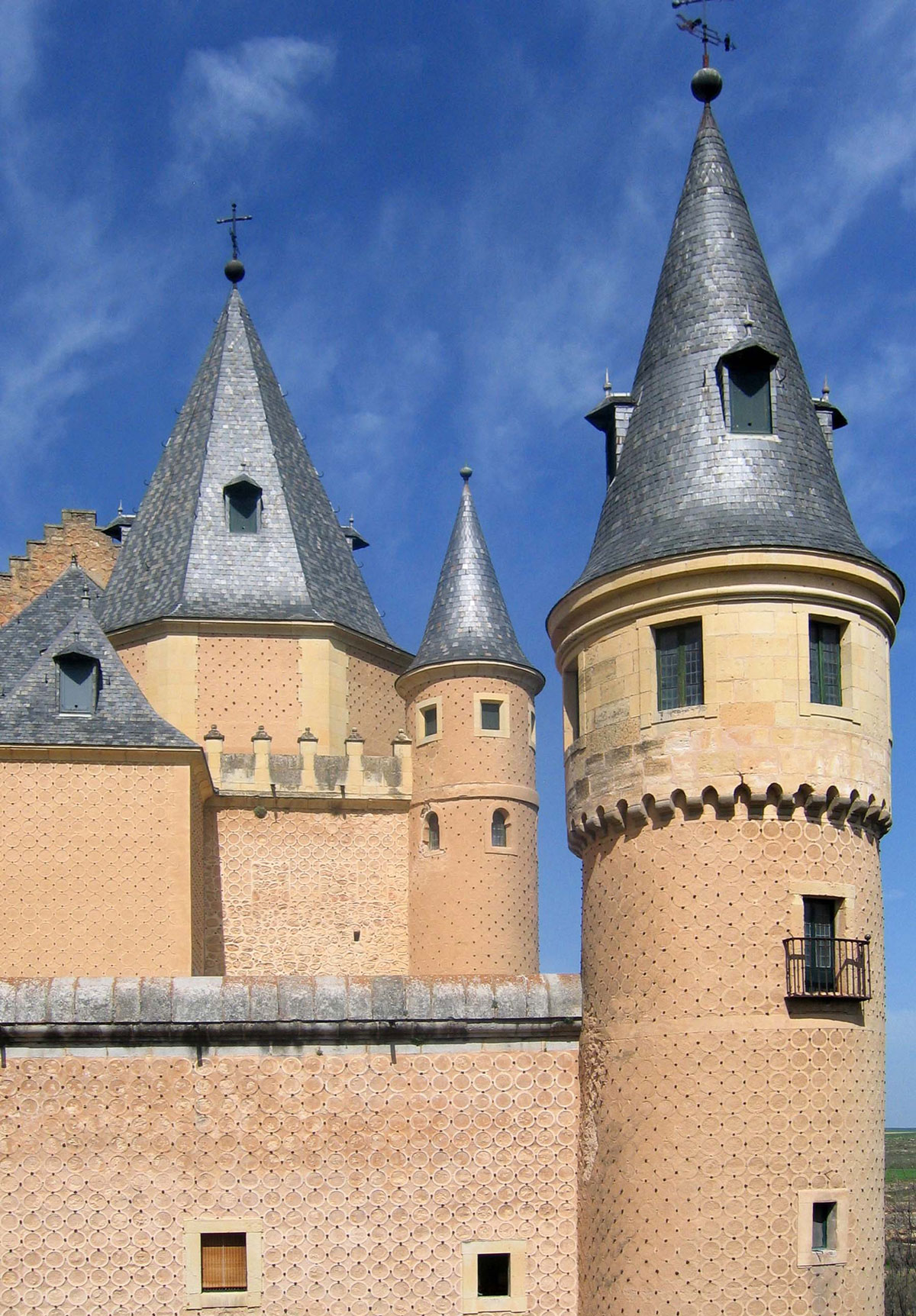
I’m guessing that most non-Spanish visitors to the Alcazar will be more intrigued by its appearance than Castilian history, and so I’m just going to concentrate on what people can see when they get here. In some ways, I found the Alcazar a bit like the Cathedral, in as much as I thought that the external architecture was far more exciting than the rooms on the inside, and it seems like I’m not the only one to be struck by its design.
It’s been quoted by several sources that this fortress with its towers and turrets was the blueprint for Disneyland’s original castle in California – and I can certainly see why it might have been.
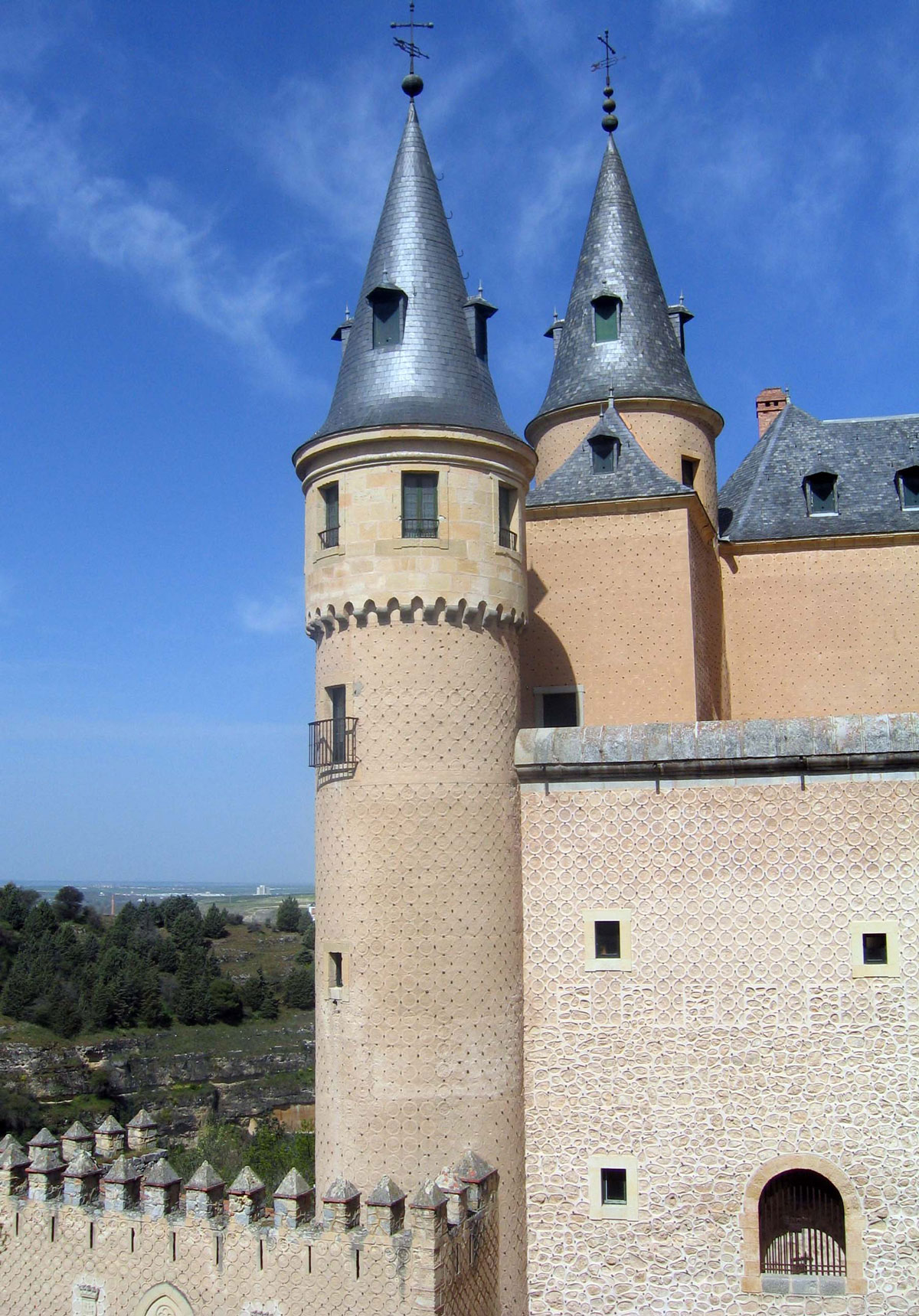
Philip II was responsible for creating the castle fit for a queen during the 16th century, but the fairy-tale came to an abrupt end in 1862 when it was devastated by fire. The Prince Charming who came to the rescue was King Alfonso XII who started to restore it soon after he succeeded to the throne in 1874. He was only 28 when he died in 1885 and never quite got to see the finished article when it was completed a year later.
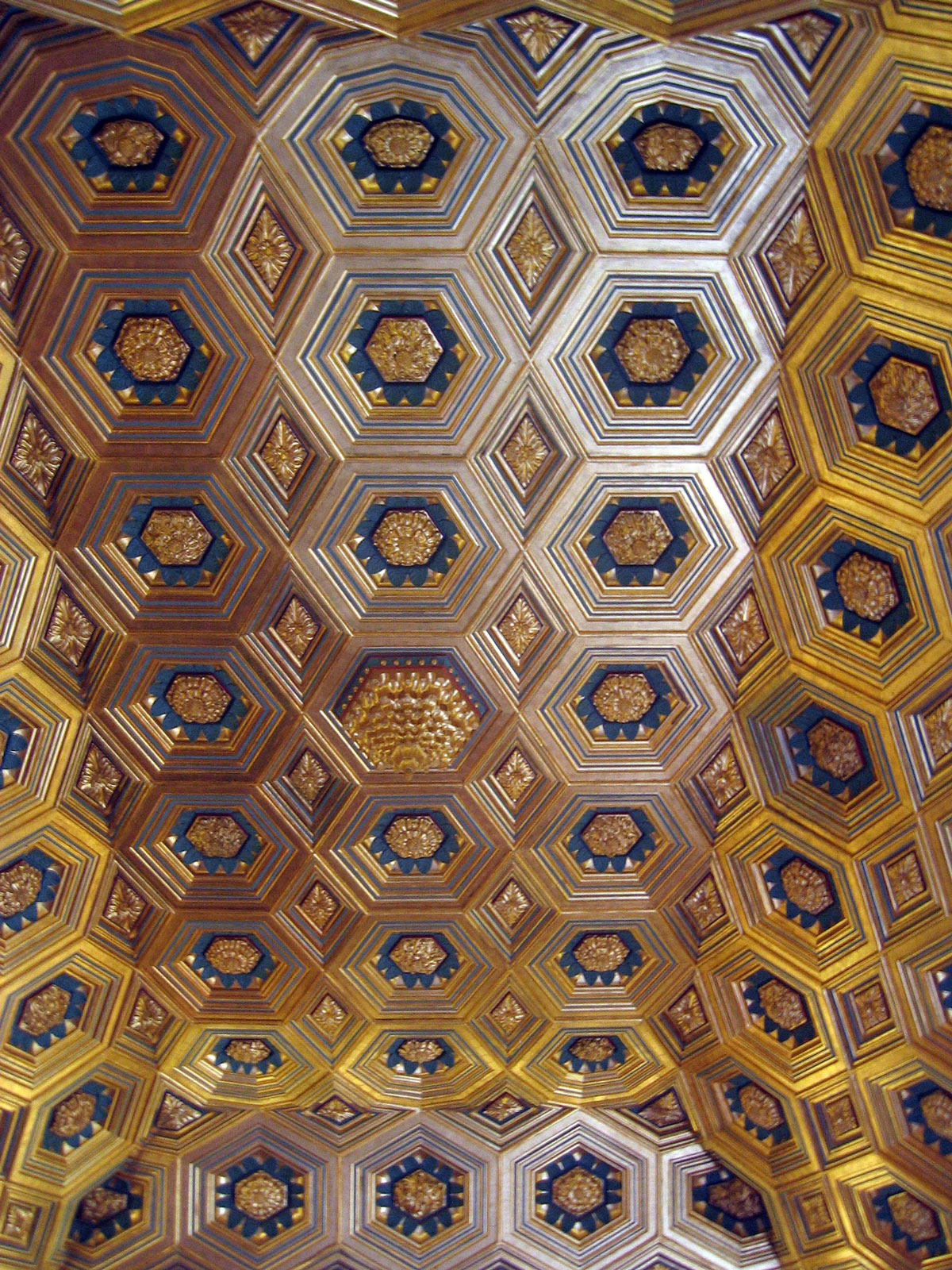
19th century restoration is never going to look the same as an unrestored medieval fortress, and is one of the reasons that the interior didn’t quite match up to the Alcazar’s amazing exterior. For me, the rooms and layout just didn’t have that magical feel I was hoping for, but that said, the craftsmanship is superb, and I especially liked the ceilings.
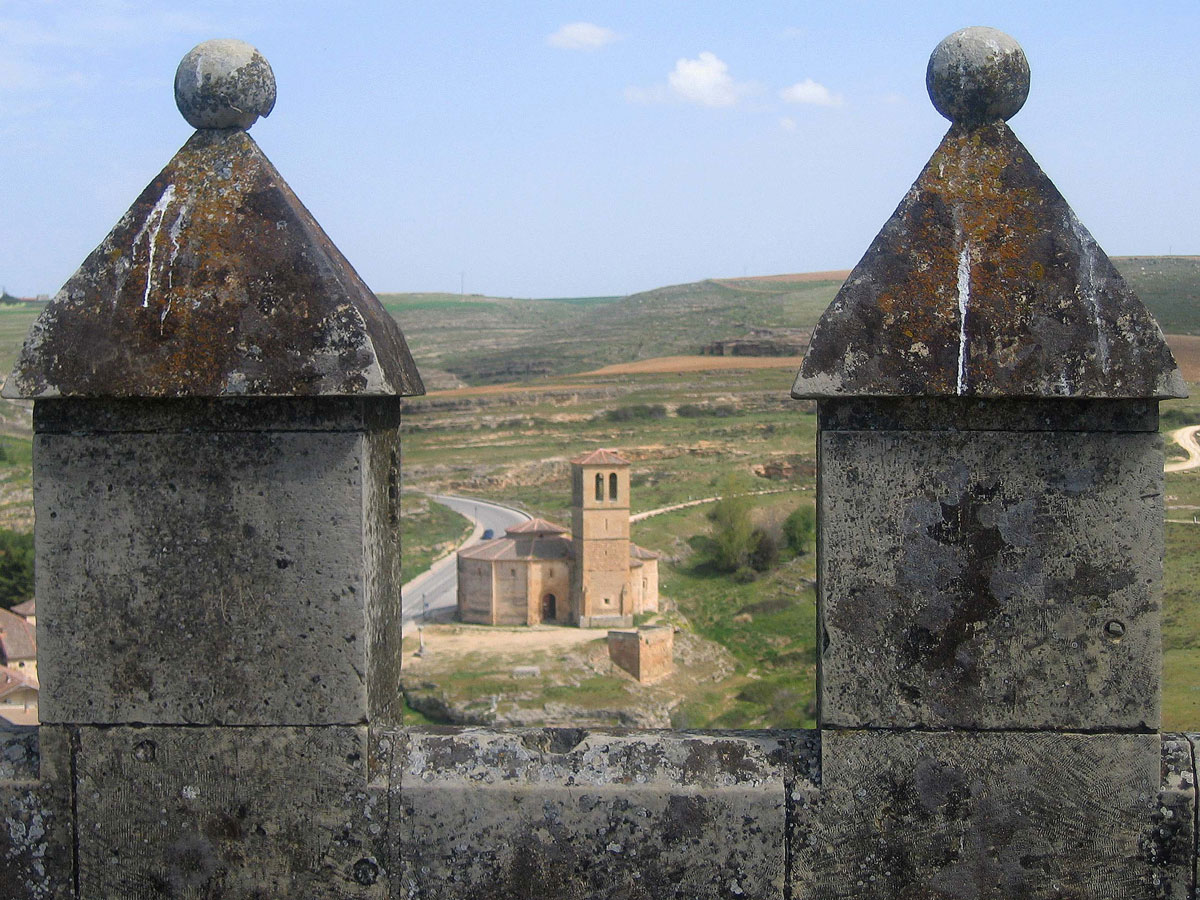
The view from the Well Terrace towards the Church of the Vera Cruz got me thinking that if I’d had more time I could have gone down there and taken a look back at the Alcazar which resembles a ship from a distance – but it was a train I needed to head for next.
An overnight stop in Segovia would obviously have been preferable to a day trip, but that was never an option. I don’t suppose everyone will agree, but as far as I’m concerned, it’s better to escape to Fantasyland for a day rather than not visit it at all.
Originally posted 2022-07-02 14:31:53.
The aqueduct is amazing. I just think of the history its seen. And once again I’m glad you gave us somewhere other than ‘THE’ cities as in the biggest ones.
I’m glad that you enjoed your look around Segovia Shey. I did too.
I did indeed. I’ve never been to Spain. I know it is vast but I liked what you showed here.
The country does have a lot to offer, not least the weather. Most people go to the coast for obvious reasons, but there’s also quite a lot of culture in Spain too.
Yeah, I know a lot go to the coast for the weather. I have to say that would not be a preferred destination. I’d prefer wandering places like this.
Even though I live close to beaches, I haven’t sunbathed on one for years
Well yeah. We are maybe 8 mins walk from Broughty Ferry beach. it is actually so so ‘cosmopolitan’ it is not a place to sunbathe. But yeah, I guess it depends what it you scene that way.
This definitely looks worth escaping to, Malc. The exterior of the cathedral looks extremely impressive, as does the aqueduct, and of course Alcazar palace. I can see why the association was made with Disney, although I’ve also heard the Disney version was inspired by Neuschwanstein Castle in Bavaria. Maybe it was both, why not? As to the name, the only thing I can think is that there were similar fusions of Christian Norman rulers with Muslim art and culture in Sicily in the twelfth century, so perhaps it happened elsewhere in Europe too. Another great glimpse into a lesser known place, and I really enjoyed reading about it. 🙂
Hi Alli. Yes, I’ve also heard that Neuschwanstein was connected with the Disney Castle, and as you say, there could be an element of truth in perhaps both of them being used as a basis for the fairy-tale castle. You’ve made another good point about how Christian and Muslims cultures co-existed in Sicily, but you’re no doubt more familiar with this aspect of history than I am. Glad you enjoyed reading about this interesting old town 😊
It’s always good to discover somewhere new. 🙂
I couldn’t agree more 😊
Yes, I’d always settle for a day trip. Better than no trip at all. I’d like to do Toledo from Madrid. One of these days…
Toledo was further up the list than Segovia for a day trip from Madrid, and having done both, I preferred Segovia, but that was probably due to the circumstances. Thanks for taking a look Jo 😊
Funny how that sometimes happens. I thought you might have been to Toledo too.
It’s the same with monuments too. Overwhelmed by some and underwhelmed by others.
🤣💟
Thanks for this. I am heading to Madrid next year to walk the Camino Madrid and the path passes through Segovia. I can’t wait to visit. Mel
I hope you’re not walking in the height of summer Mel, although I suspect you’re used to the heat.
No, aiming for mid-May. I am hoping that will be a comfortable time to walk.
Thanks Malc, a good read, and another one for the bucket list. Keeping me cheery whilst under the weather with covid..
I’m sorry to hear you have covid Stephen. It seems to be back again, but hopefully if you’re up to date with the vaccines you won’t feel too rough. I hope you also enjoyed your trip to Iberia
Porto was a true gem and wonderful trip. Feeling on the mend a bit today.
It’s a lovely town I visited it many years ago and your post, your beautiful photos made me remember everything ❣️❣️❣️
I’m always pleased when people get inspiration or memories from my posts Luisa and your lovely comments say it all. Thank you 😊
Thanks to you, it was a nice stroll down memory lane 🙏🌹🙏🌹
🙂
Segovia is a beautiful little city with a huge past and a lot of history. I once considered moving there but, being also a touristic place, it becomes an expensive one for living. Lovely pics, as usual Malc and quite an interesting narrative. All the best my friend!
Firstly, Welcome back to Spain Francesc. I was hoping that you would see this post as it’s my first one about your home country. Segovia is bound to be ‘touristy’ with so much to offer and so close to Madrid, but I think I was fortunate in as much that my timing was perfect, unlike my visit to Toledo which was a disaster from start to finish.
By the way, it always makes me smile when you say it was “quite an interesting narrative”. I’m thinking that you are trying to say that you enjoyed reading the post, but in the UK it comes across as it was so-so – or sort of ok 😊
No, definitely not intended that way at all. It was a narrative and it was informative and I meant to say interesting to read, not so-so at all. Pardon the confusion, English is a second language to me and sometimes between the British English that I learned originally and the American English, I get a bit confused myself! LOL 😆. Not yet in Spain but in Greece on a small Aegean island which I love. It’s out of the beaten path and that makes it extraordinary. But being back in Europe my DNA has readjusted and it’s wonderful to be back! Cheers Malc and all the best!
I’ve always realised what you meant F. So, you,ve now come to Grteece from Florida before heading back to Spain. What a fantastic life you live 🙂
I’m glad you understand and I knew you would my friend, cheers. Yes, this is home for the summer, here and on the Turkish coast so close by. Well it took a lot of hard and dangerous work back in America but now it’s time to enjoy it as much as possible Malc. And thankfully my artwork is helping. Have a great Saturday evening, enjoy a good vino 🍷 I’ve already raised a glass to you and our friendship! All the best! 😊
Of course I did Francesc. Have a wonderful time in the Aegean and may we raise many more glasses to each other in the future 🍷
Absolutely!
The aqueduct is amazing, it’s hard to believe it was built without mortar and has lasted so long without falling down – those Romans certainly knew a thing or two. And the ceiling in the Hall of Kings definitely has the ‘wow’ factor for me 🙂
So many of the civilizations that came before us knew a thing or two about building, and they only used what was easily available to them. We could still learn from these people on how to work with nature rather than against it. As for the ceilings, it shows how good modern craftsmen (women) can be today, so not all good things belong in the past. Thank you so much for commenting Eunice 😊
Thank you, Malc , for the fabulous post, the wonderful opening tune and your humor. Reading and seeing the photos makes me want to travel to see all the fascinating beauty for myself. Thank you again, Malc!
Joanna
Thank you Joanna. It always makes my day when wonderful bloggers like you write such lovely comments. I’m glad that I help to put a smile on your face 😊
Lovely arm chair travel, Malc. Sometimes I wish it were as easy to visit countries (as you can in Europe) as it is to visit States in the US. But as we become more polarized it is almost like visiting a different country.
The idea that a United States of America and a United States of Europe are one big happy family is as mythical as a Union of Soviet Socialist Republics Pat. I hope you enjoyed a glass of wine while you were reading this in your armchair 😊 🍷