A Kew Gardens Gallery
Kew Gardens is much more than just a collection of plants as my post Kew Gardens – an Introduction will show, but instead of describing everything in detail (which I couldn’t possibly do anyway), I’ll let the pictures do the talking instead. So sit back and just admire what more than 260 years of hard work, dedication and good old British ingenuity have managed to accomplish.
-
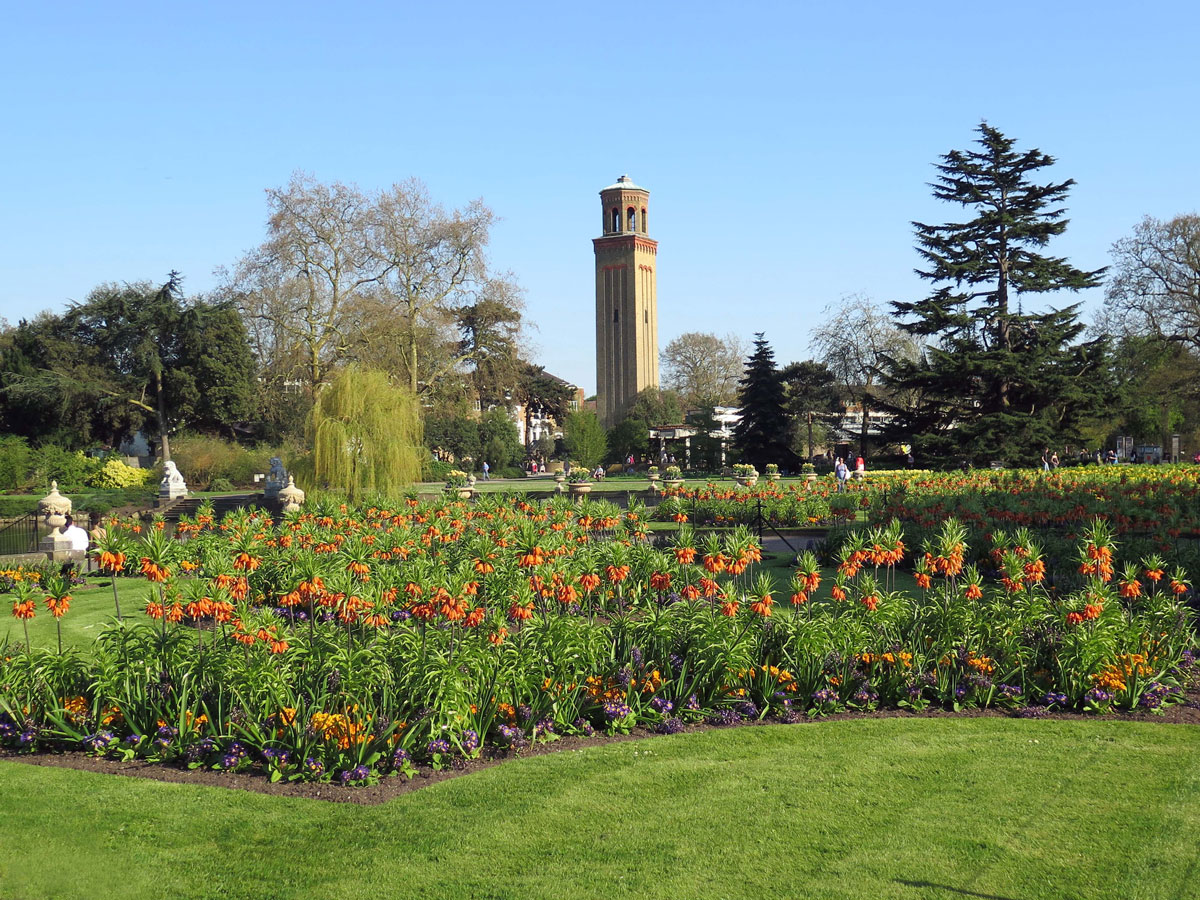
- The Campanile Chimney
-
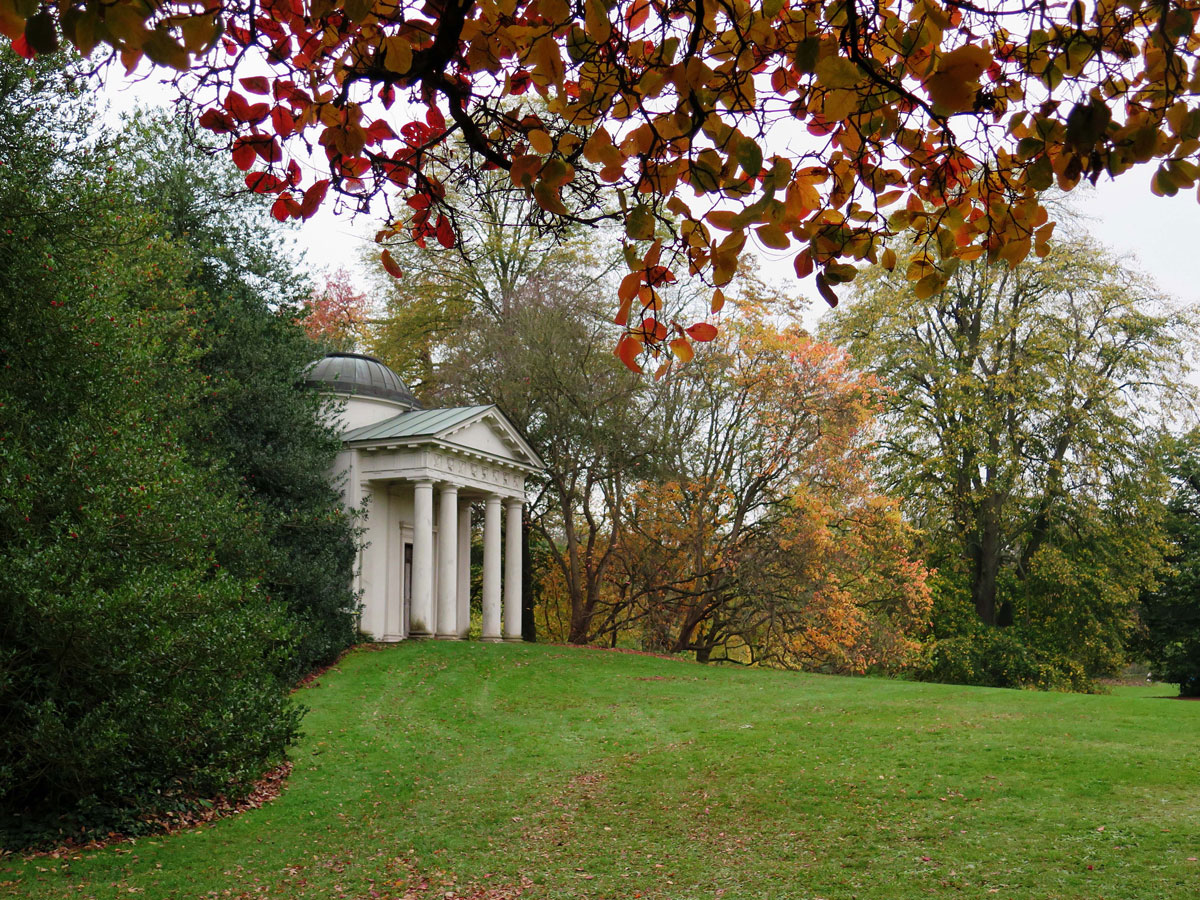
- Temple of Bellona
-
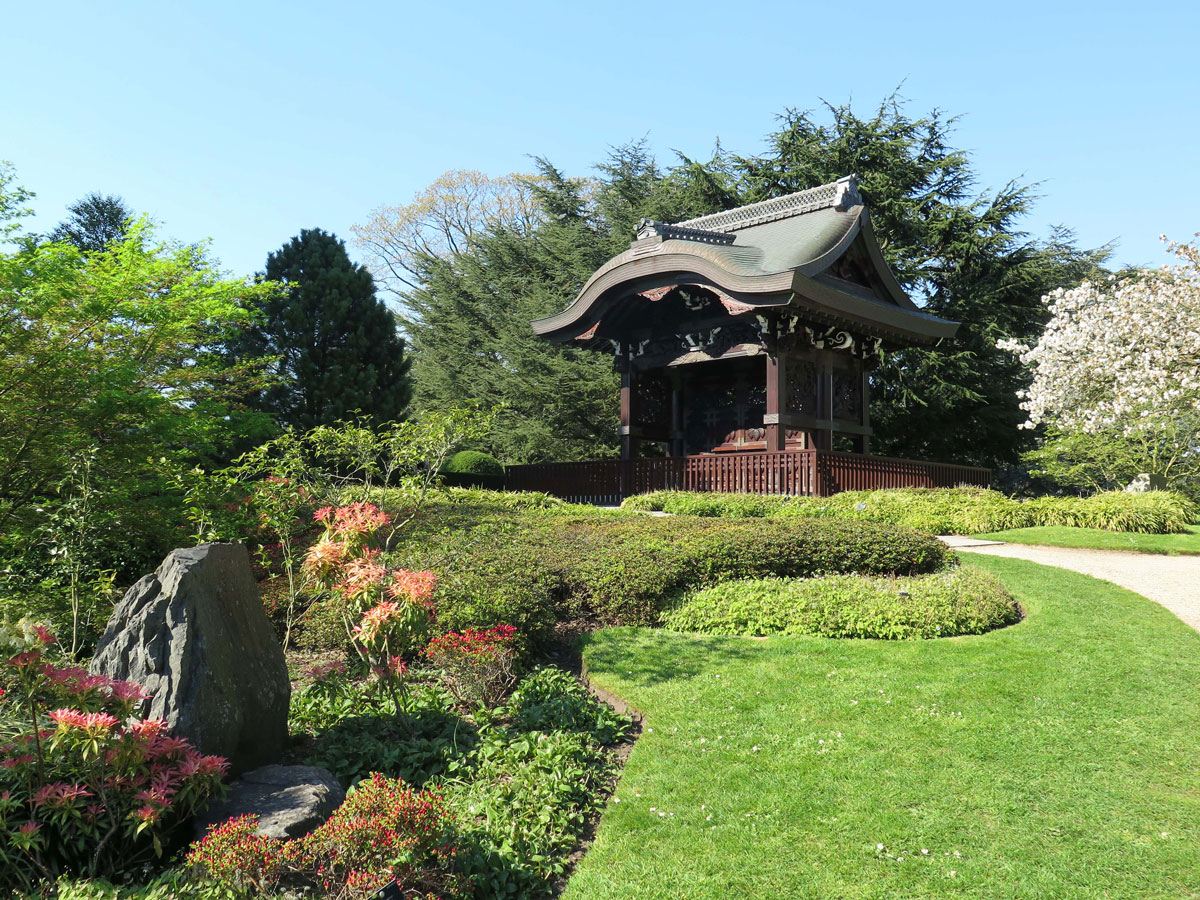
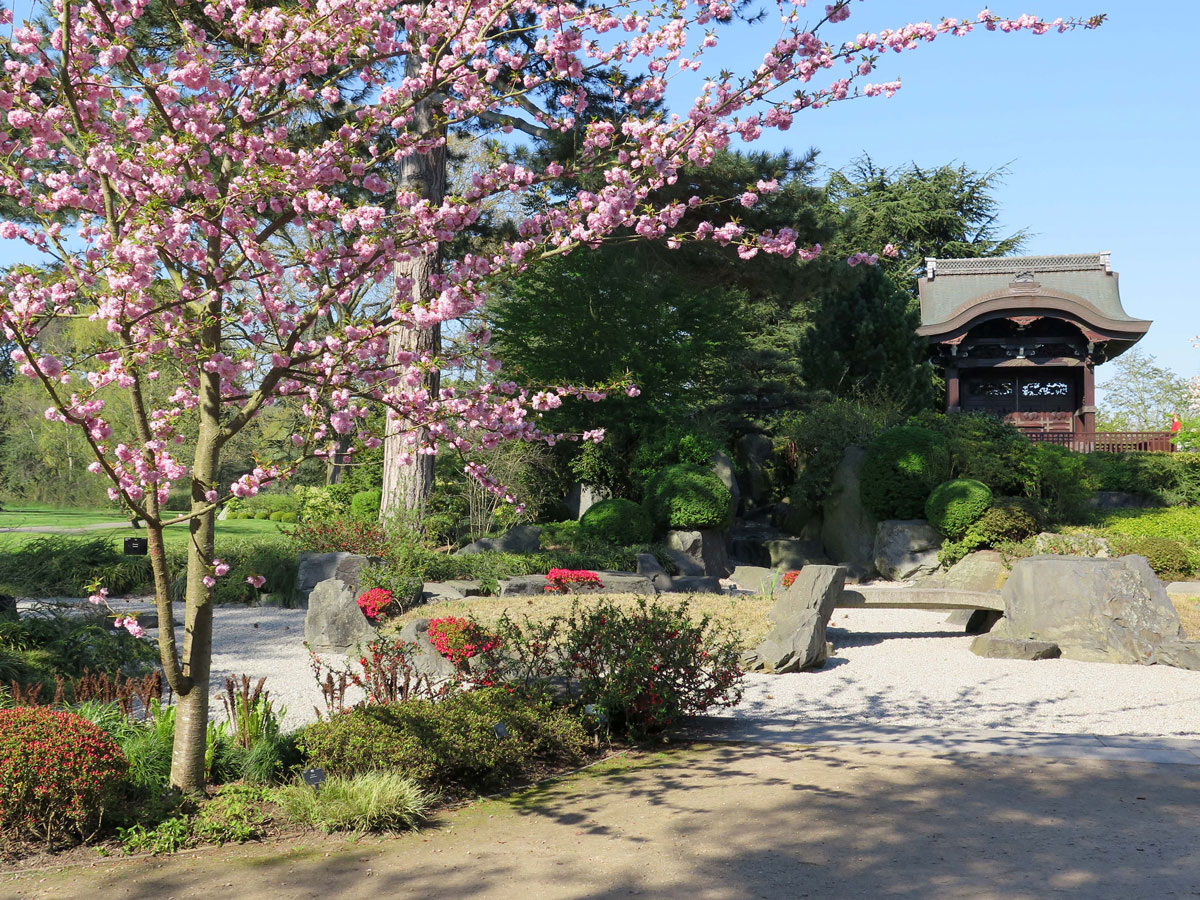
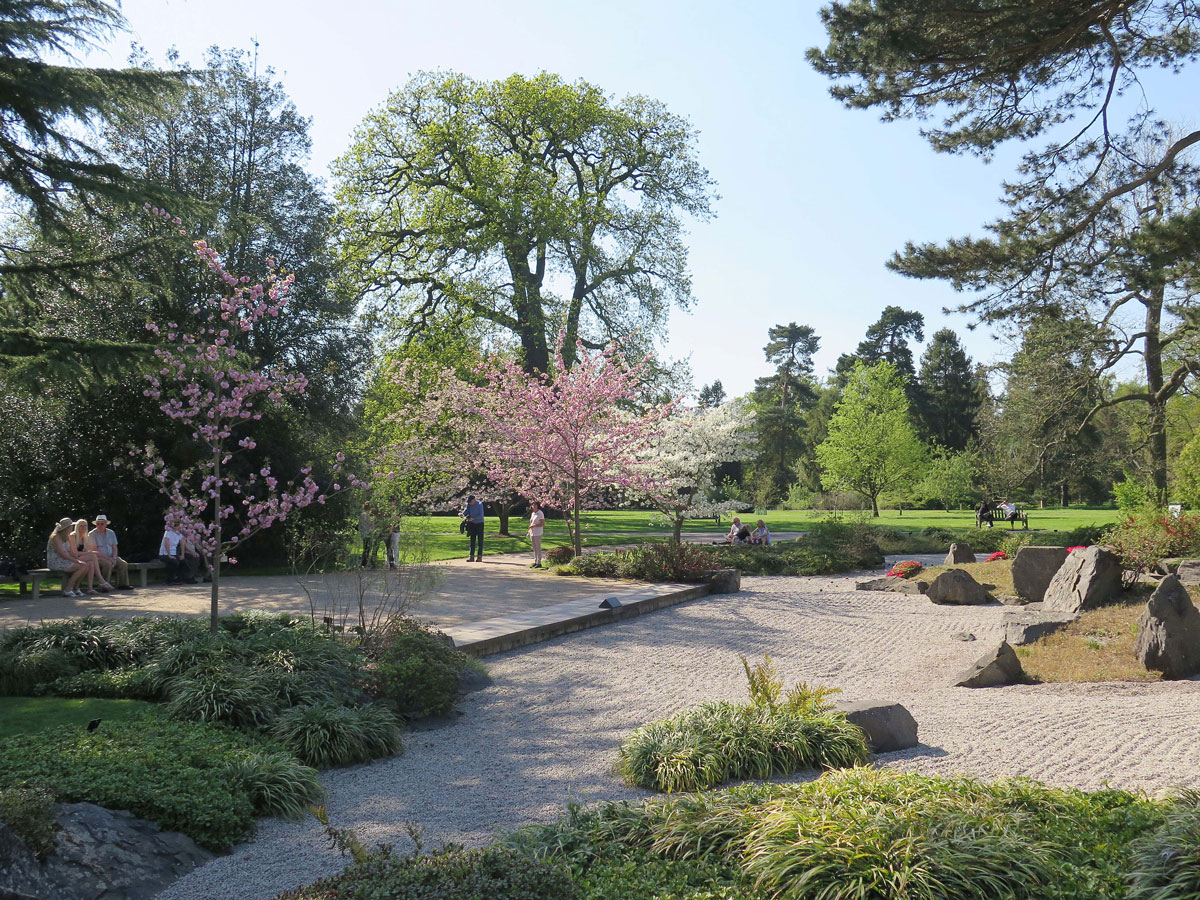
- The Japanese Garden
-
- The Garden of Peace
-
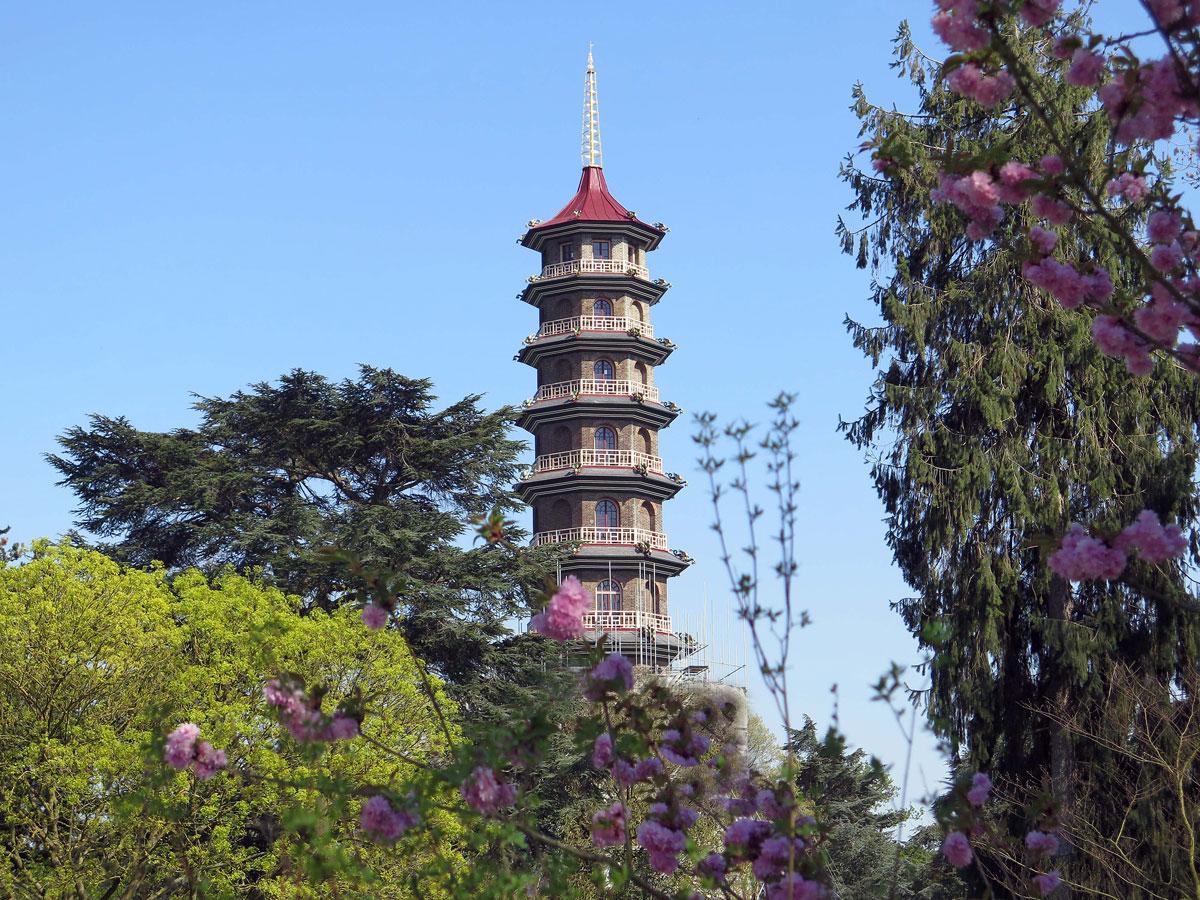
- The Chinese Pagoda
-
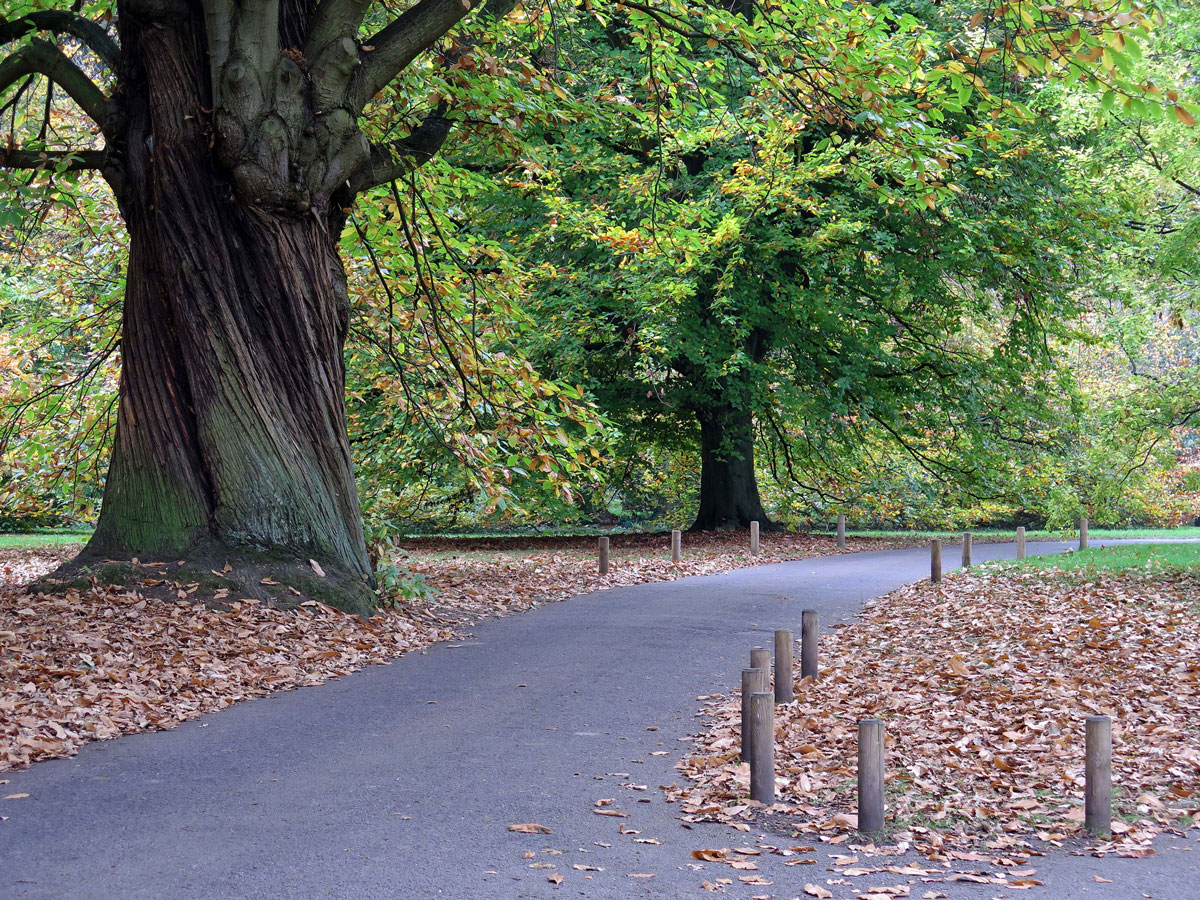
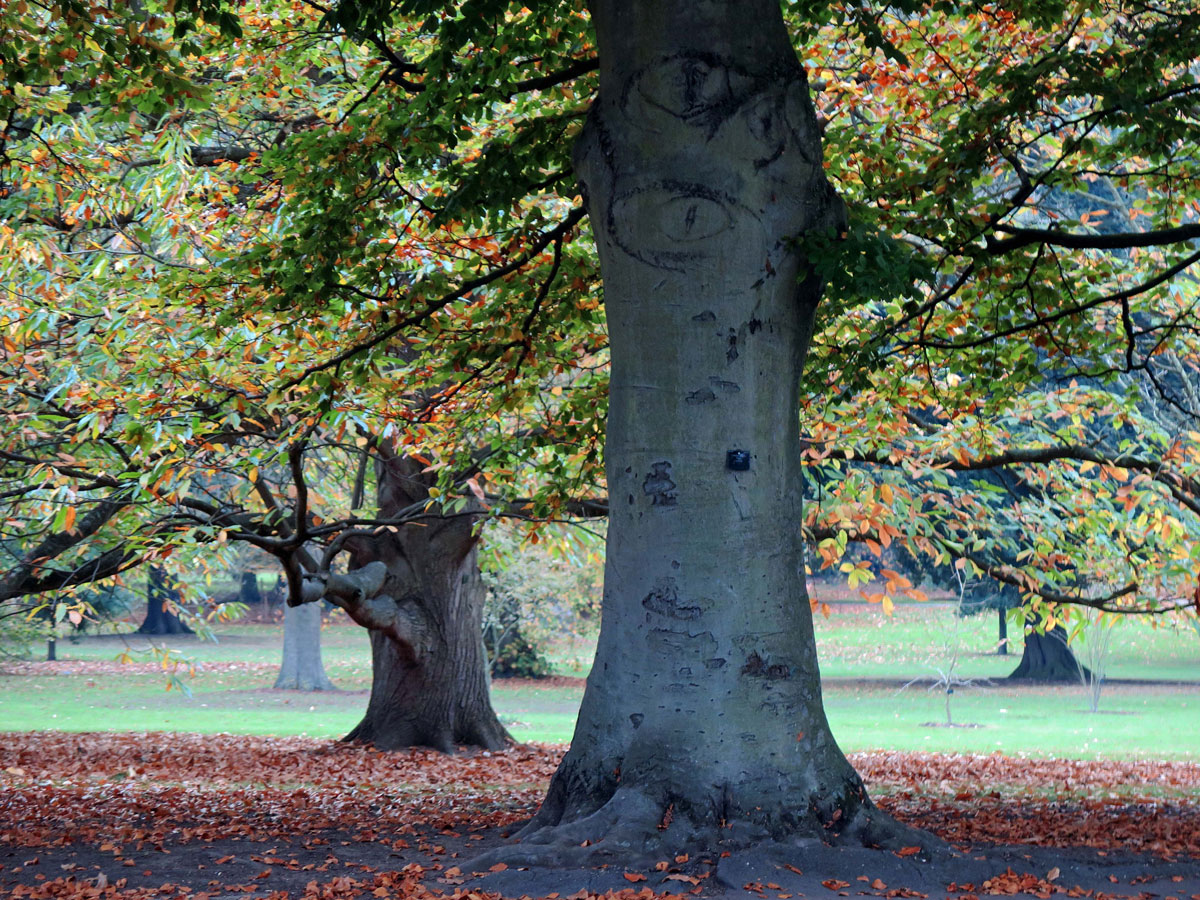
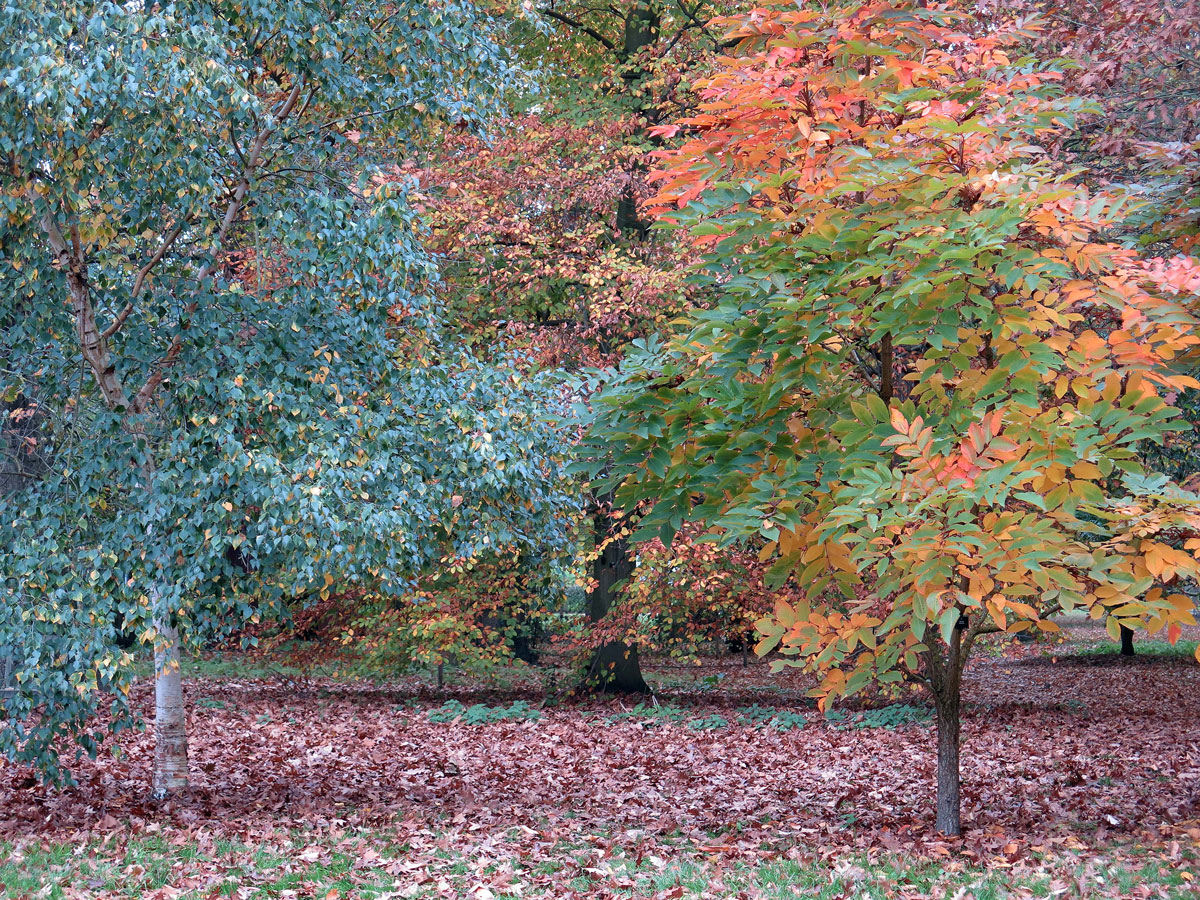
- Autumn in the Arboretum
-
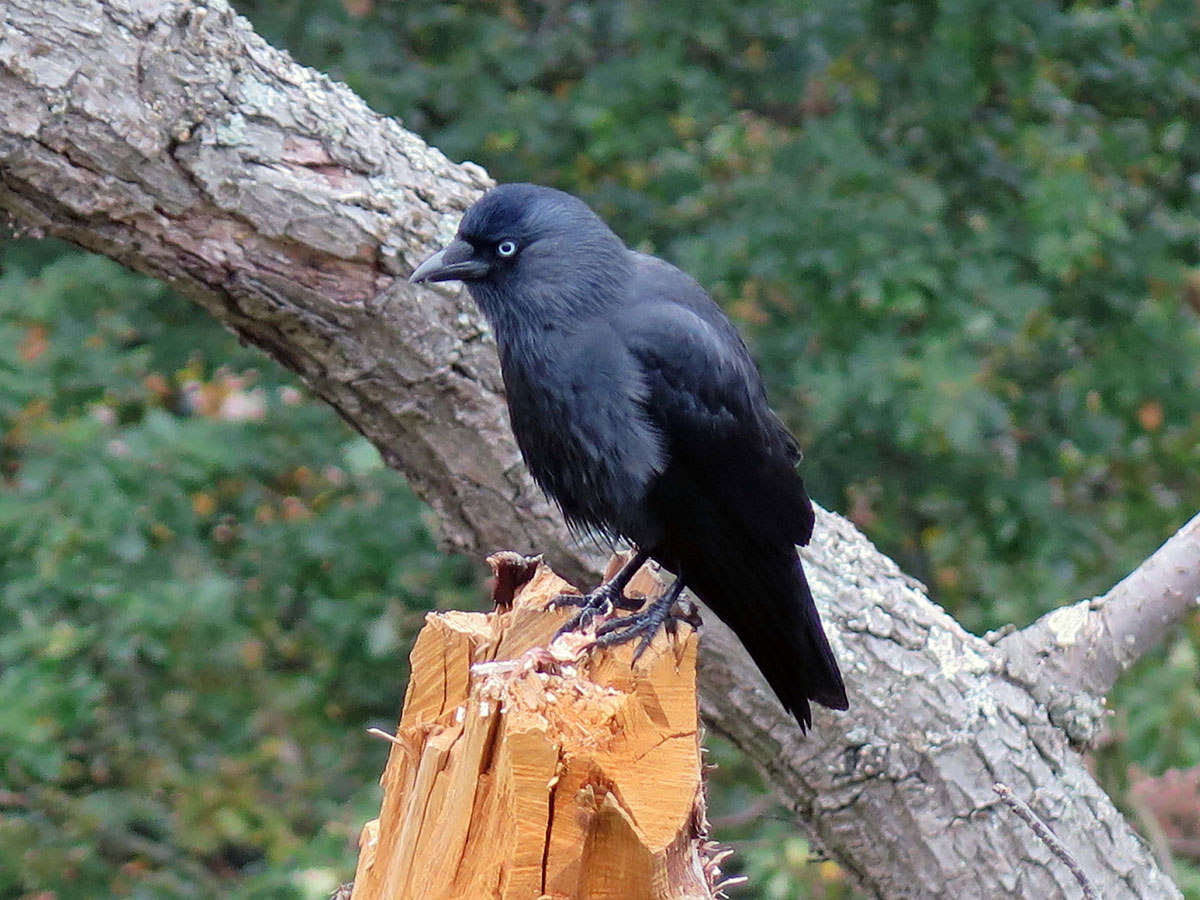
- Crow digging out grubs for his lunch (Taken from the Treetop Walkway)
-
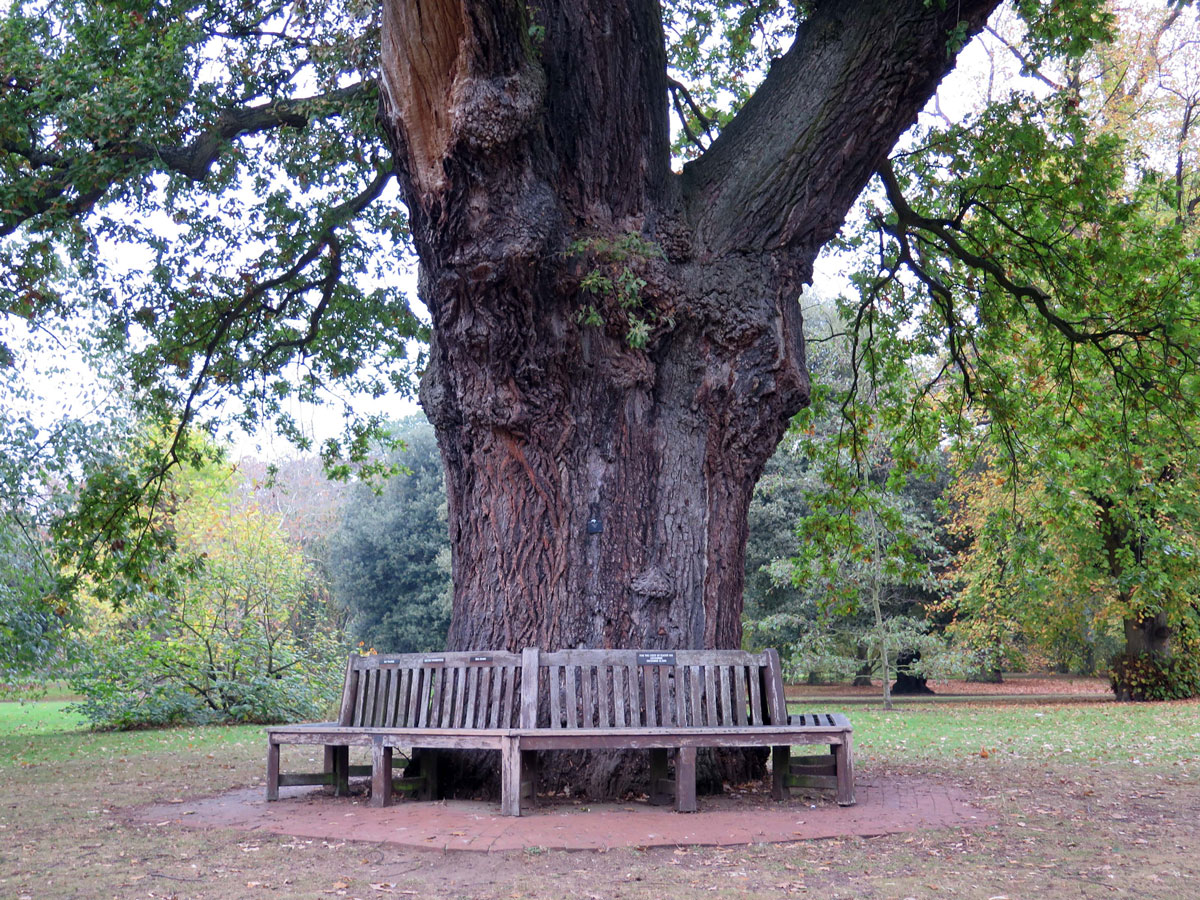
- English Oak with a Memorial Bench to the Lockerbie Bombing
-
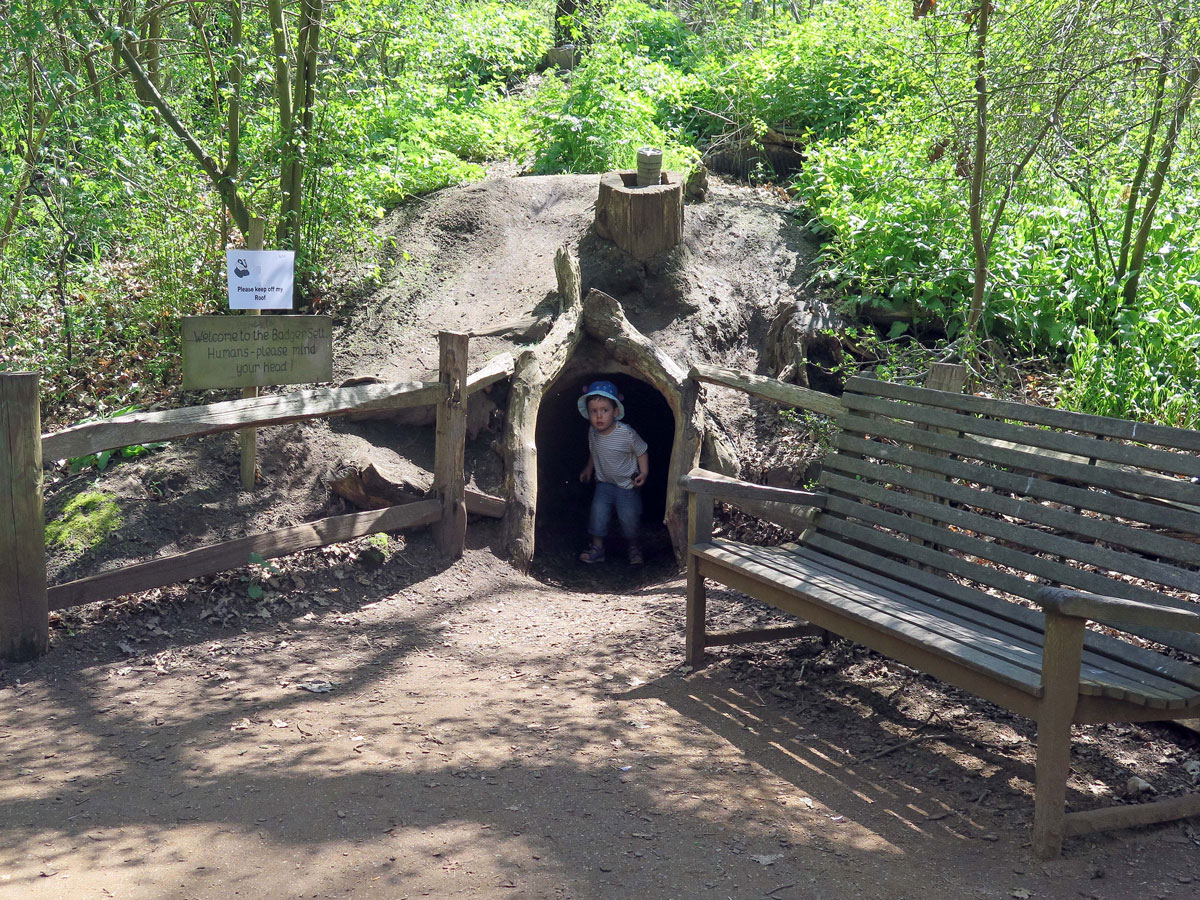
- The Giant Badger Sett
-
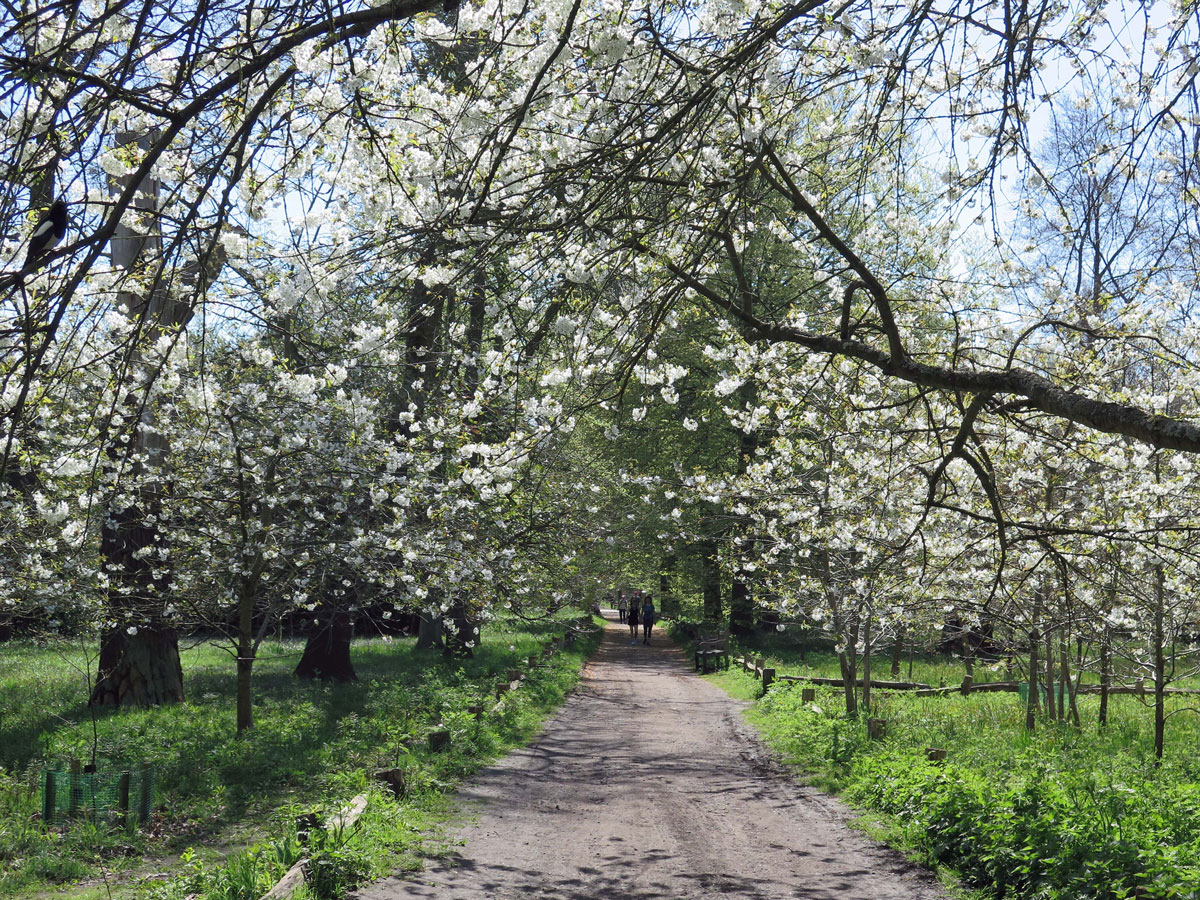
- Spring Blossom
-
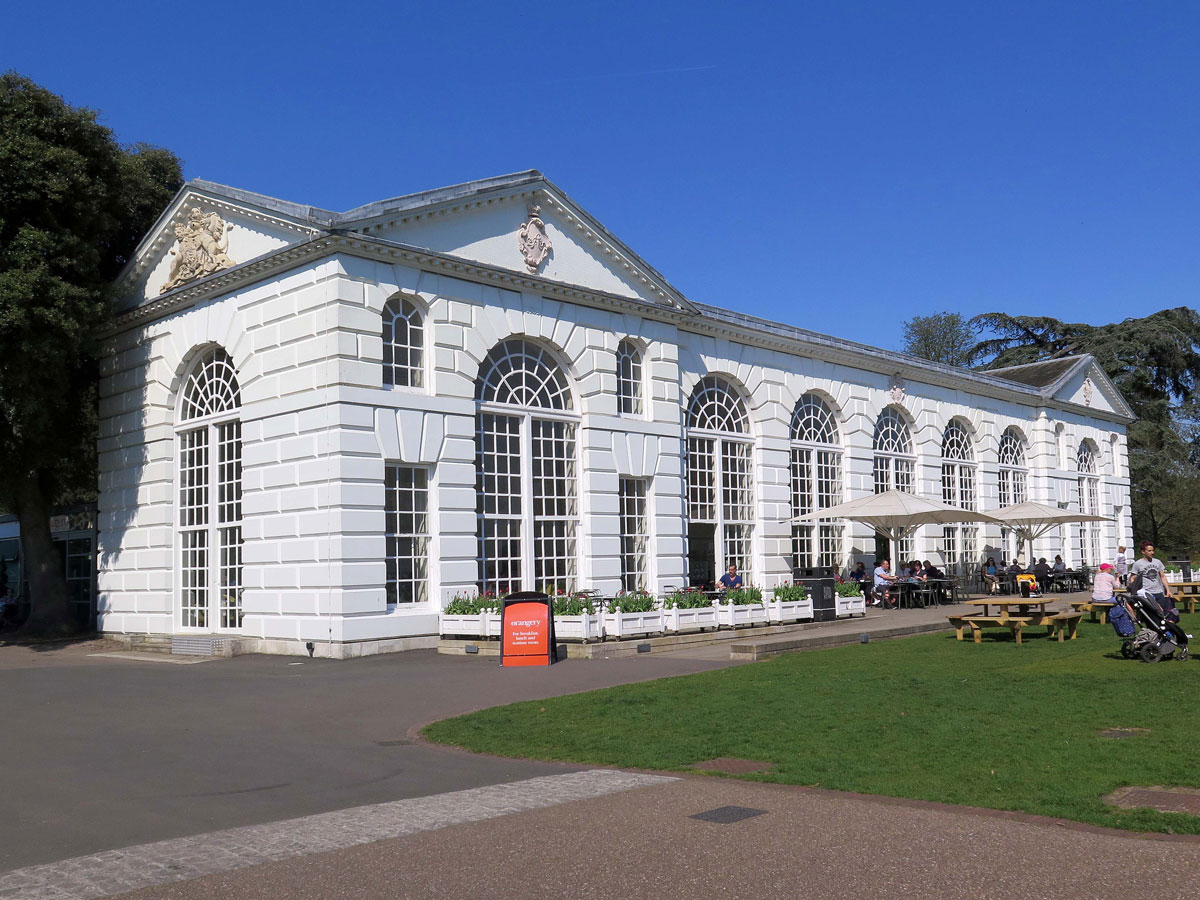
- The Orangery
-
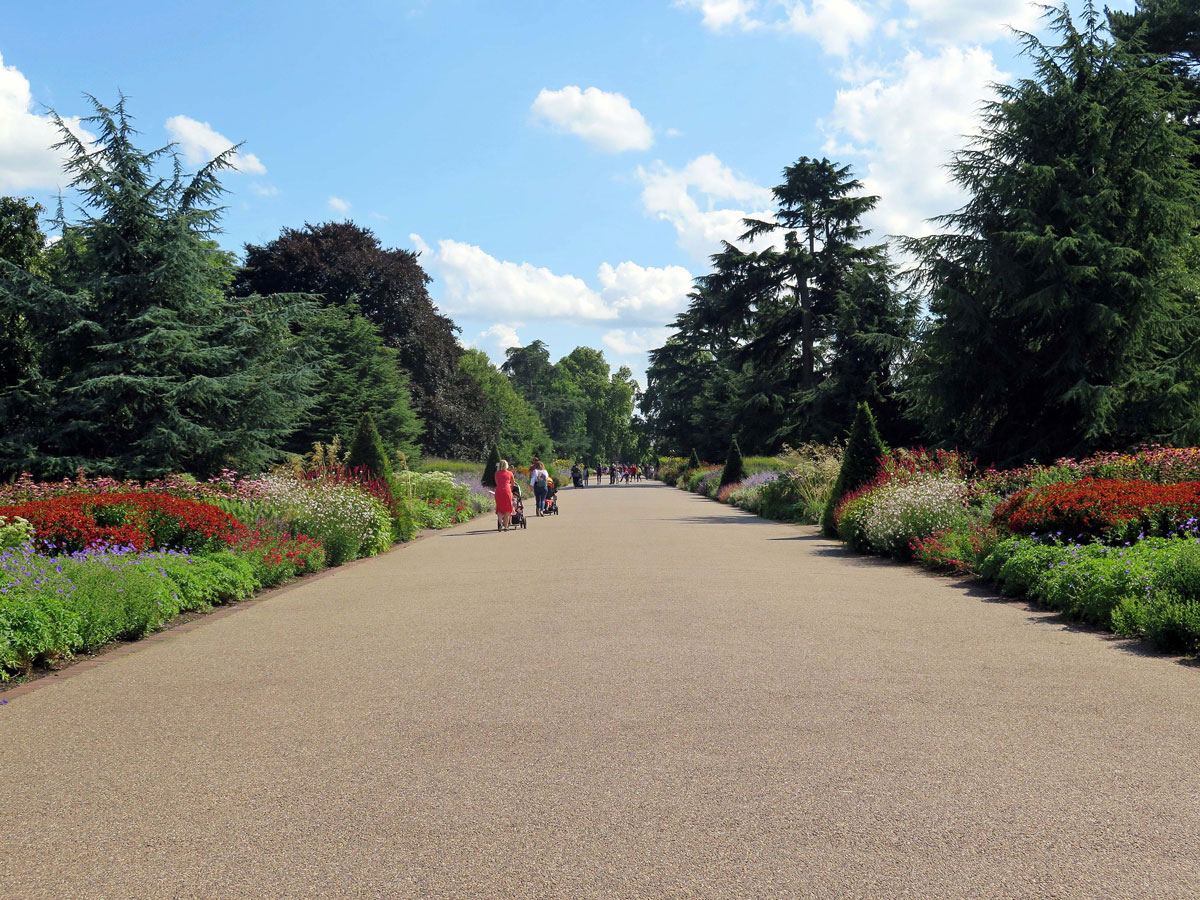
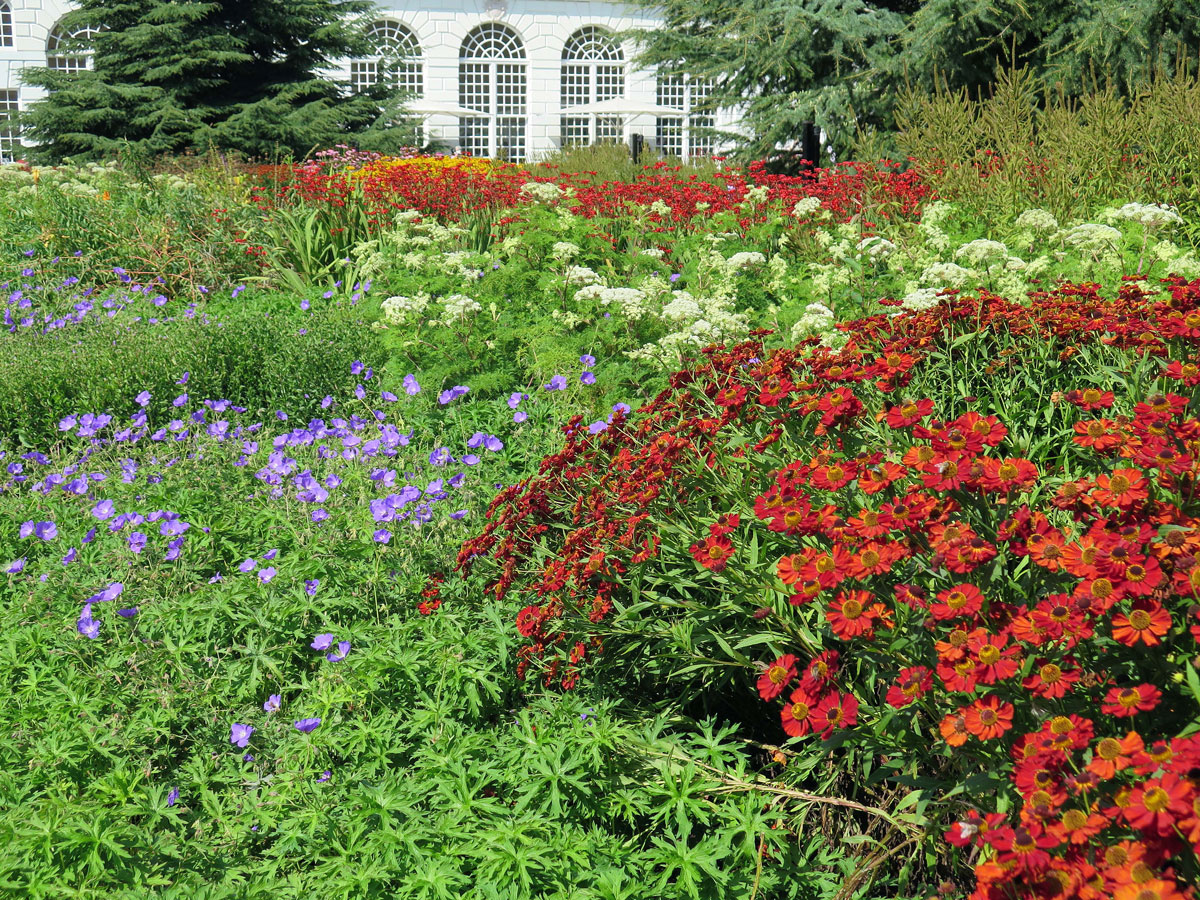
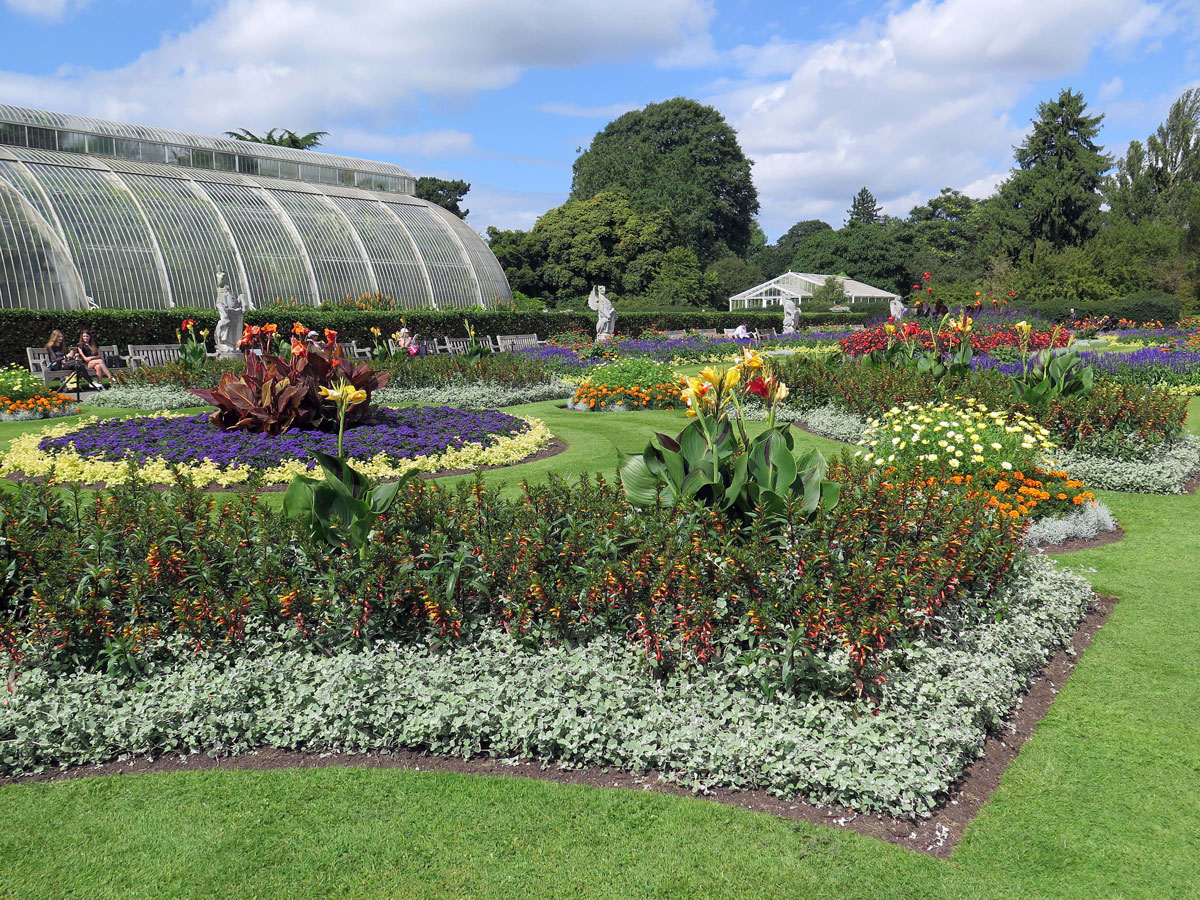
- The Great Broad Walk Borders
-
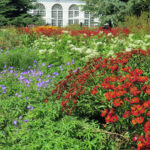
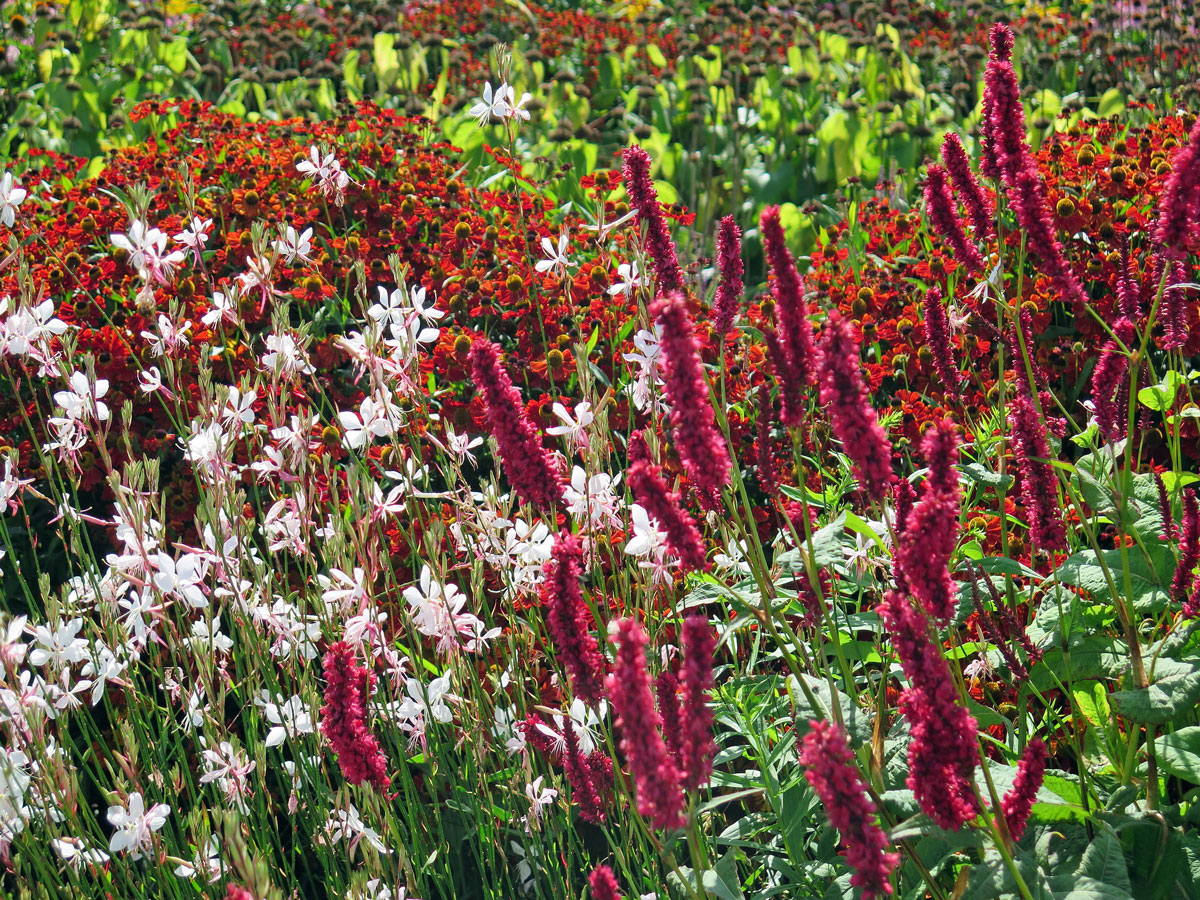
- Colourful Displays amongst the Great Broad Walk
-
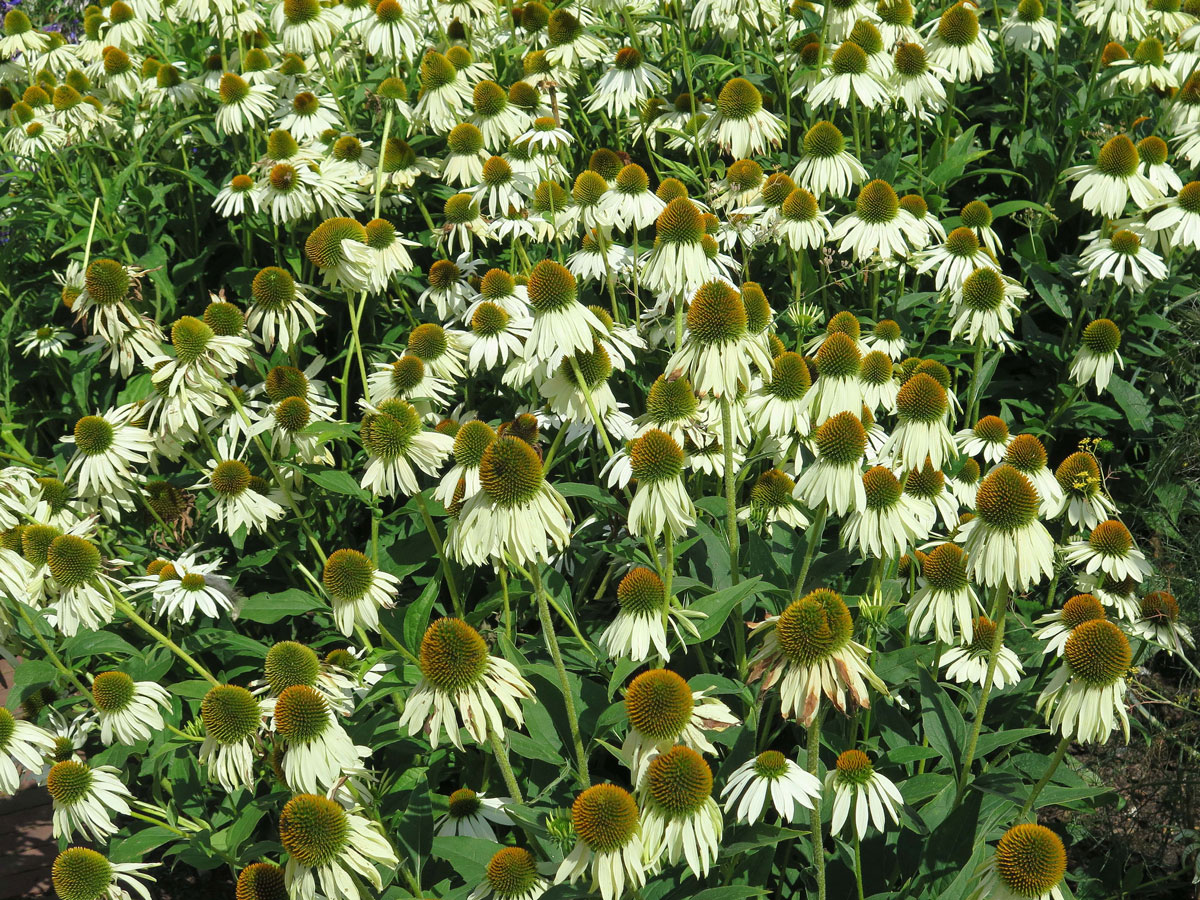
- Echinacea
-
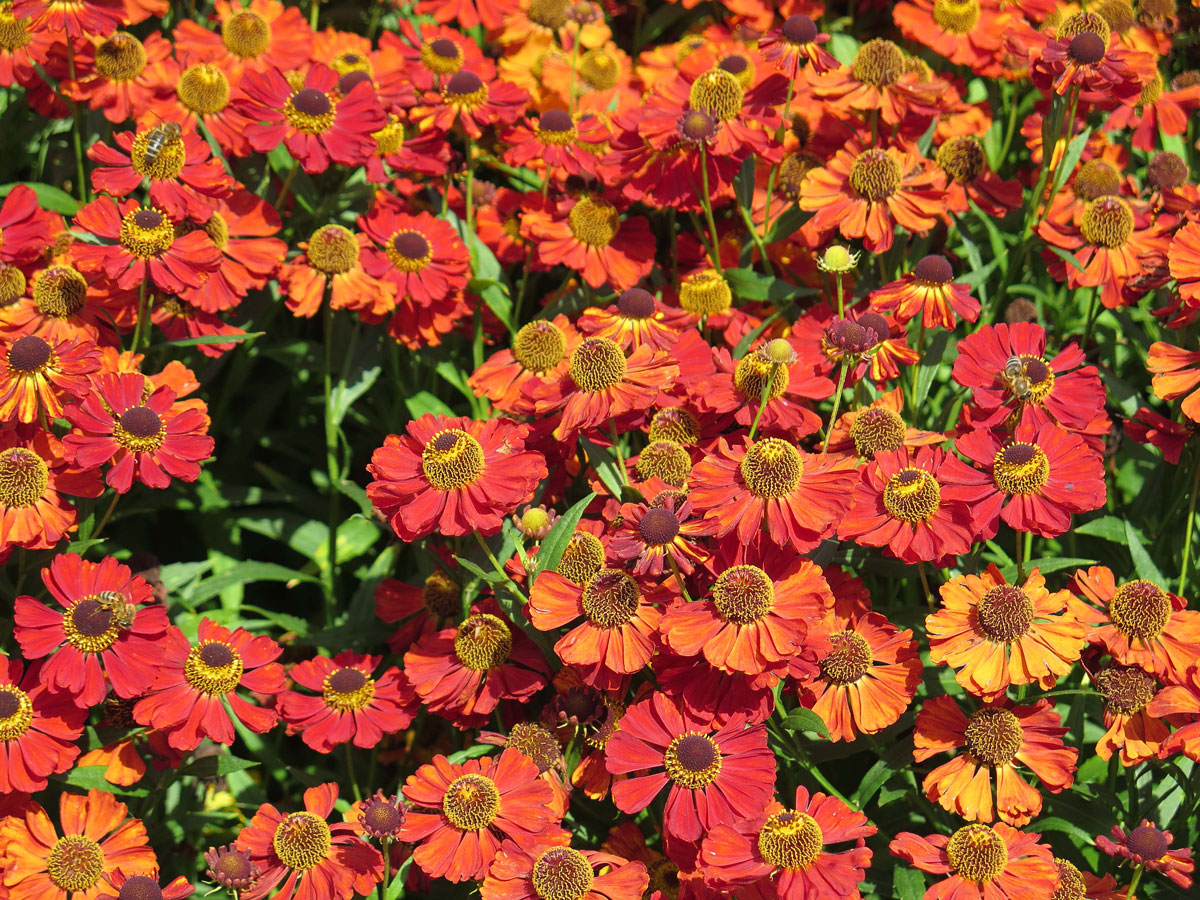
- Rudbeckia
-
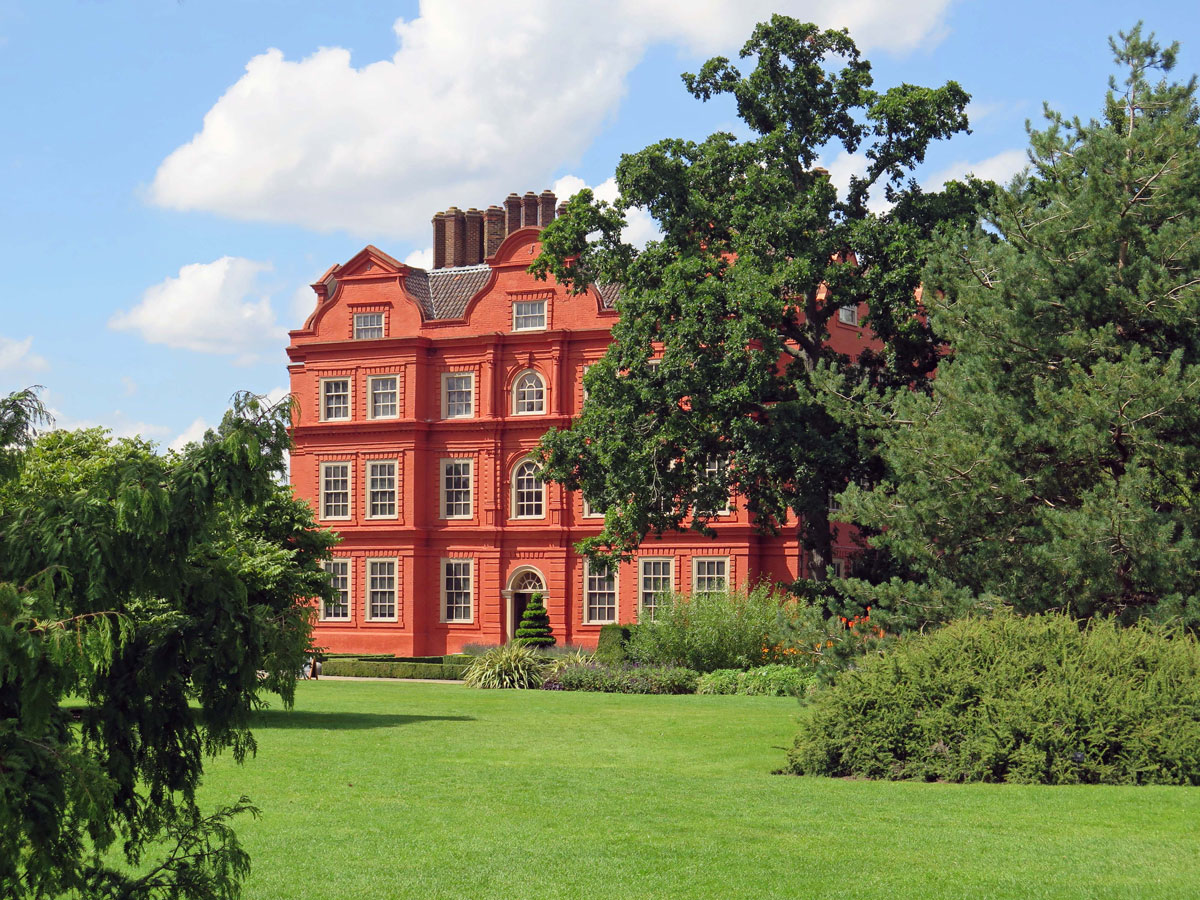
- Kew Palace
-
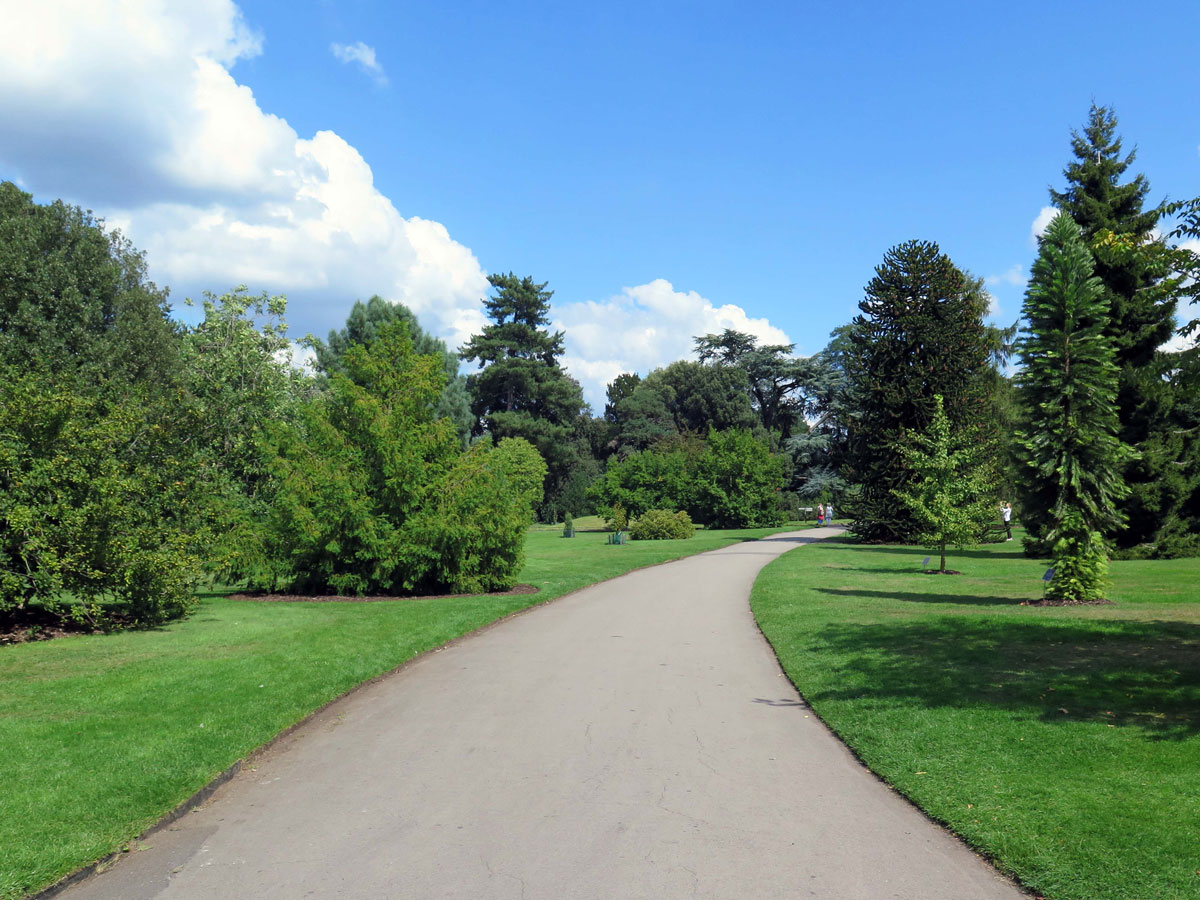
- Walking through the Pine Trees
-
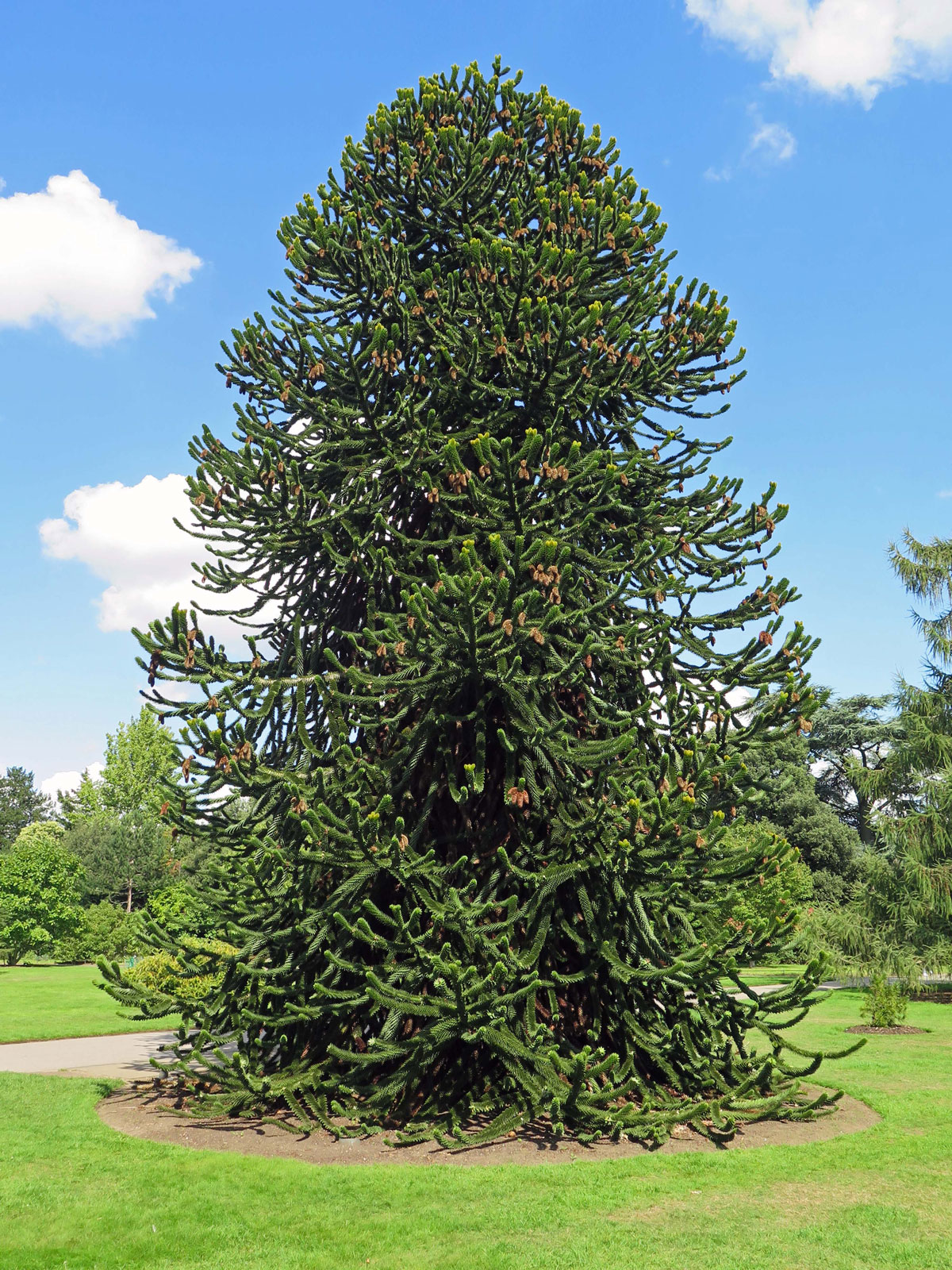
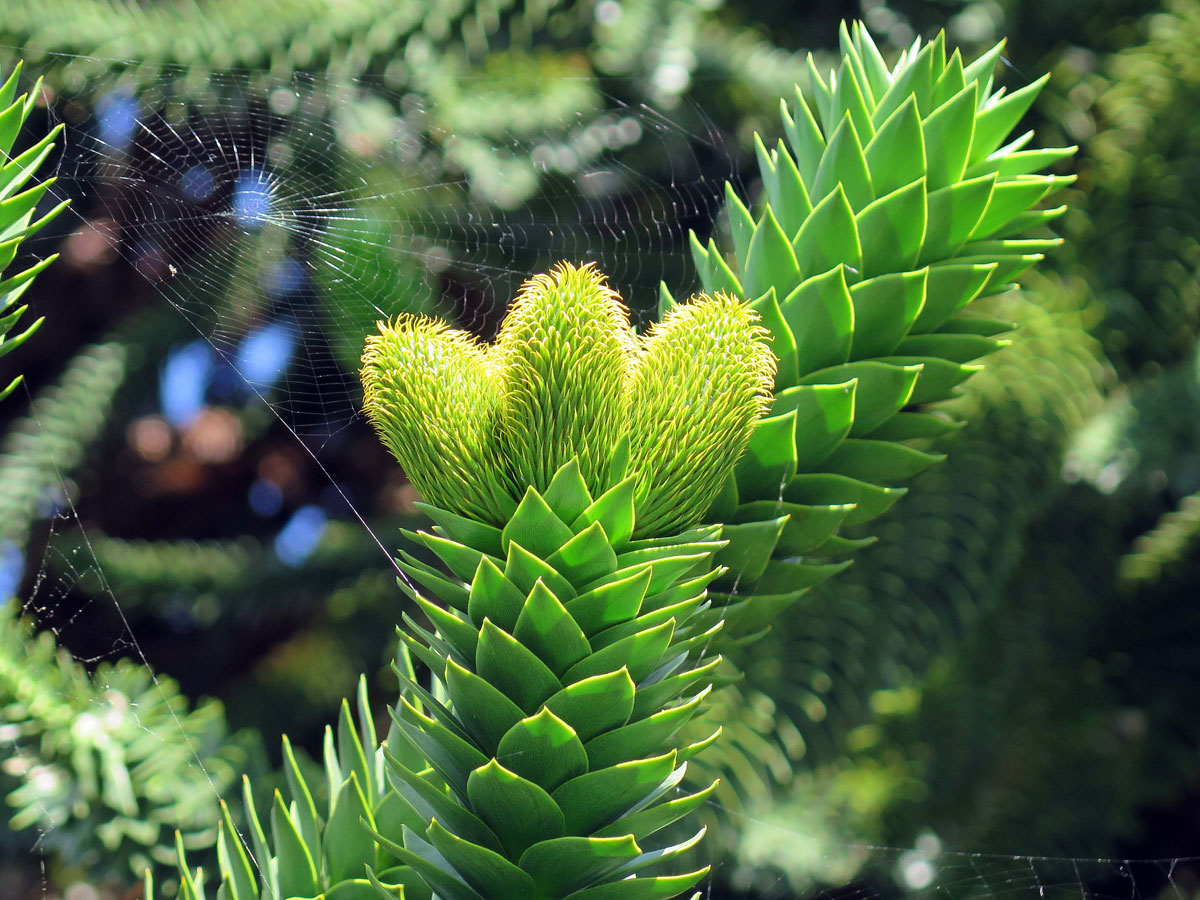
- Monkey Puzzle Tree
-
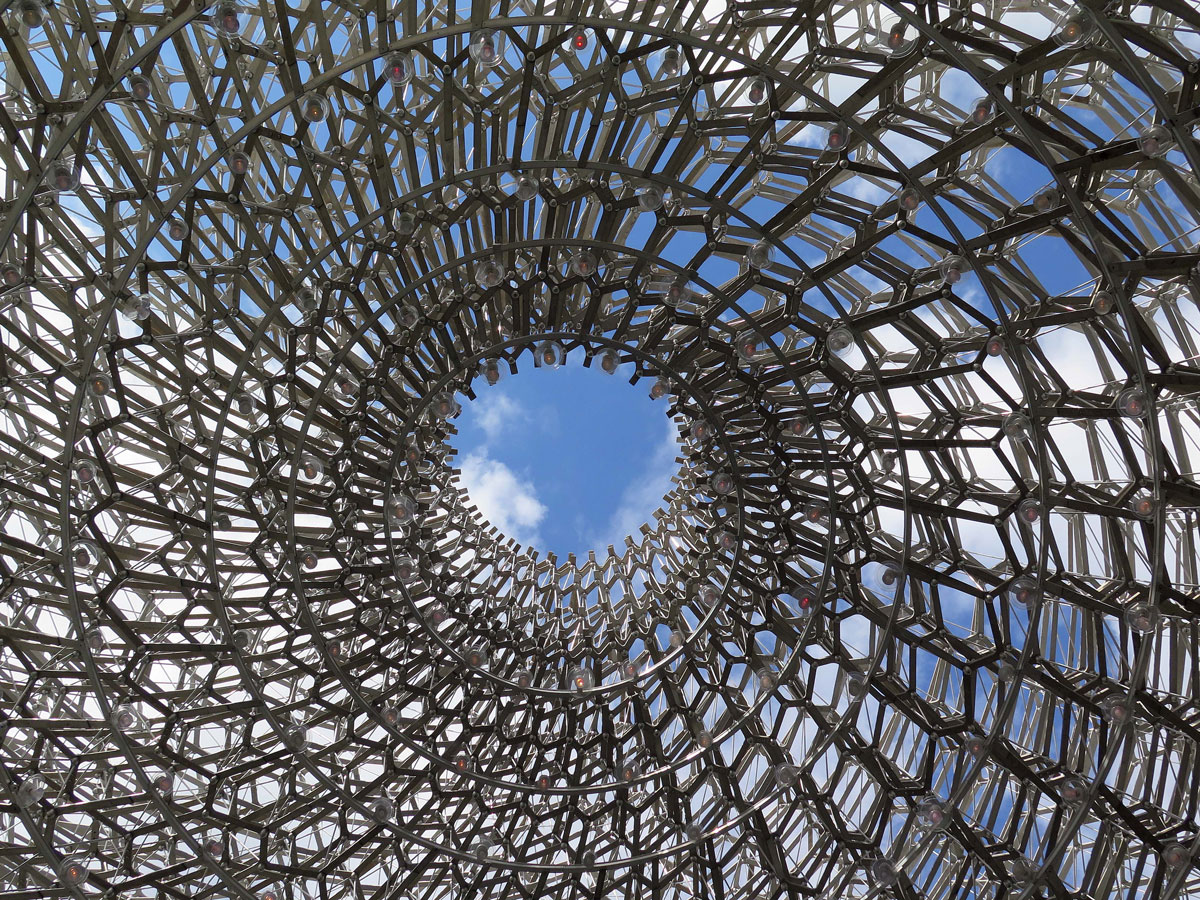
- Looking up through ‘The Hive’ Art Installation
-
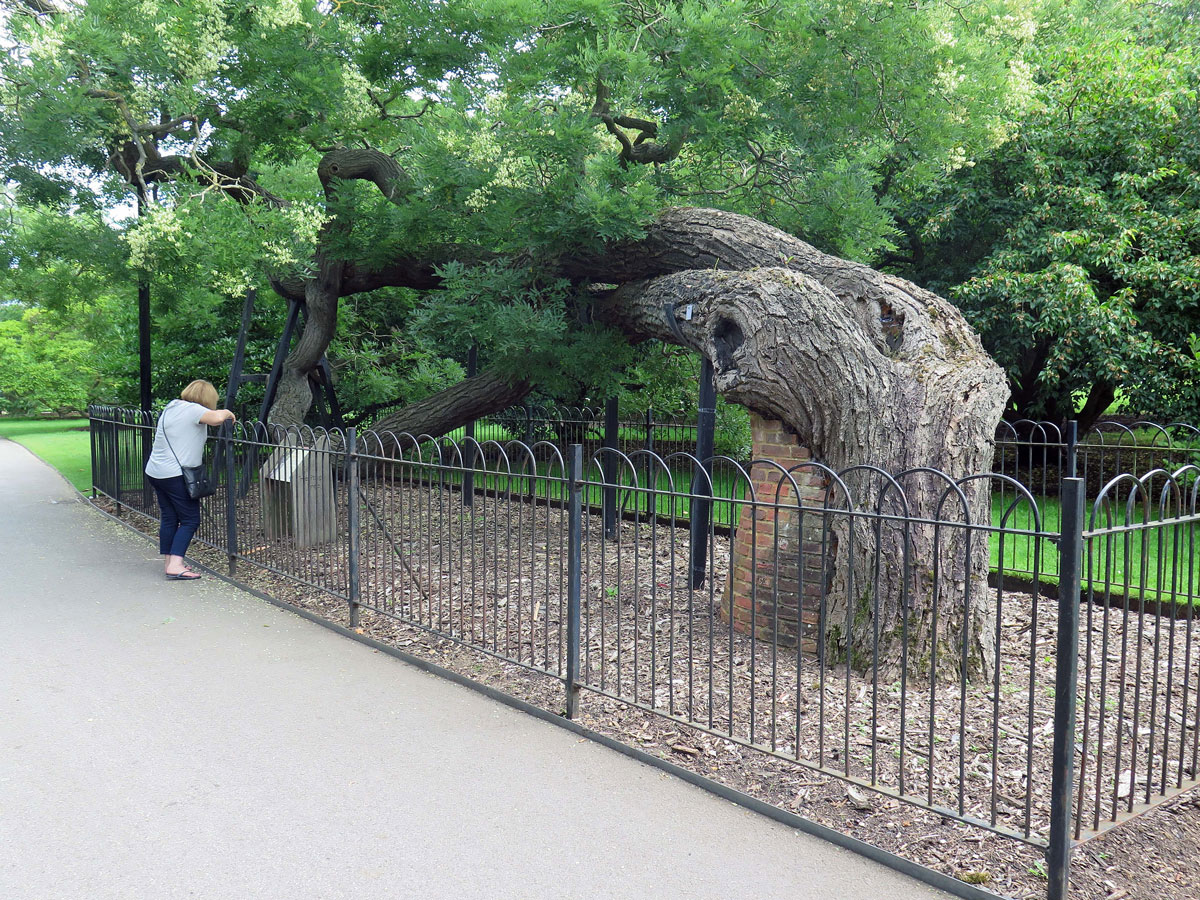
- Japanese Pagoda Tree (1760)
-
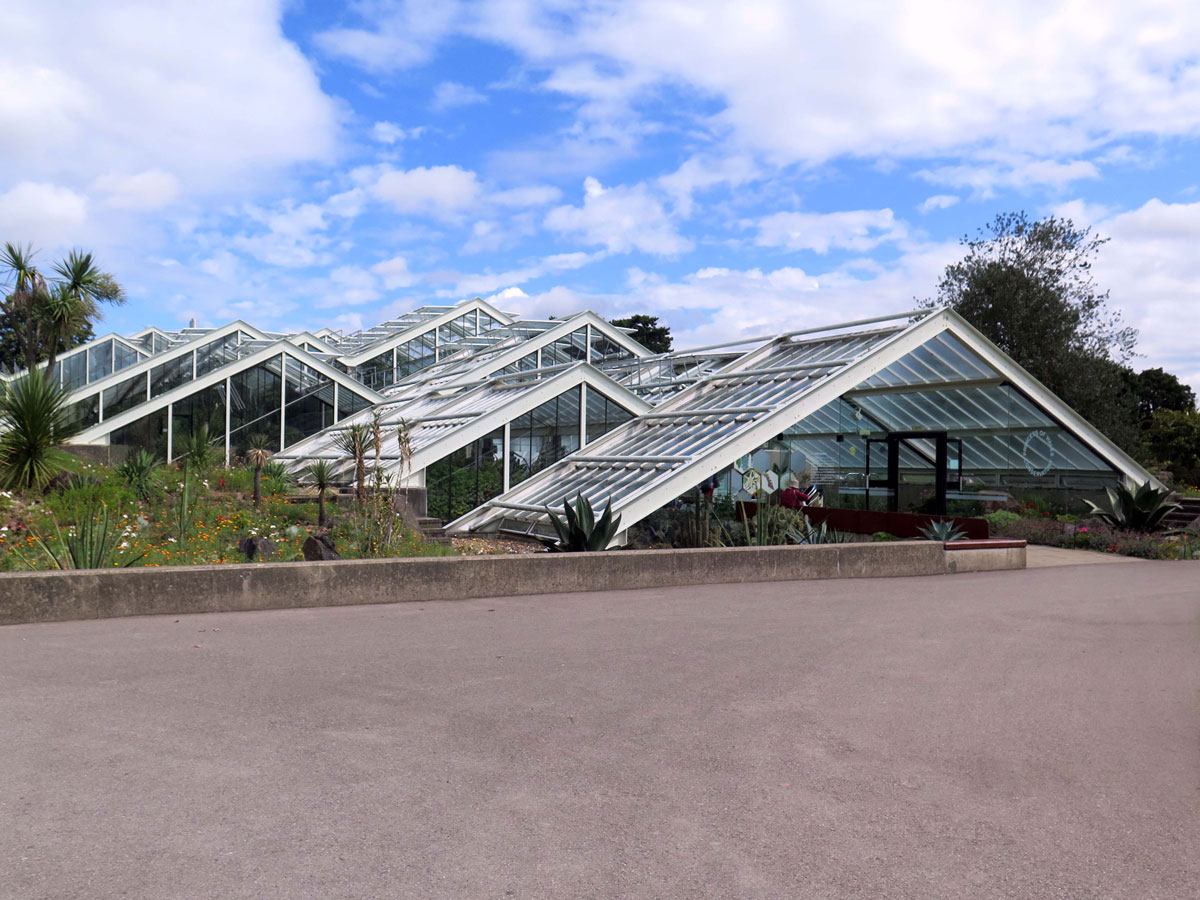
- The Princess of Wales Conservatory
-
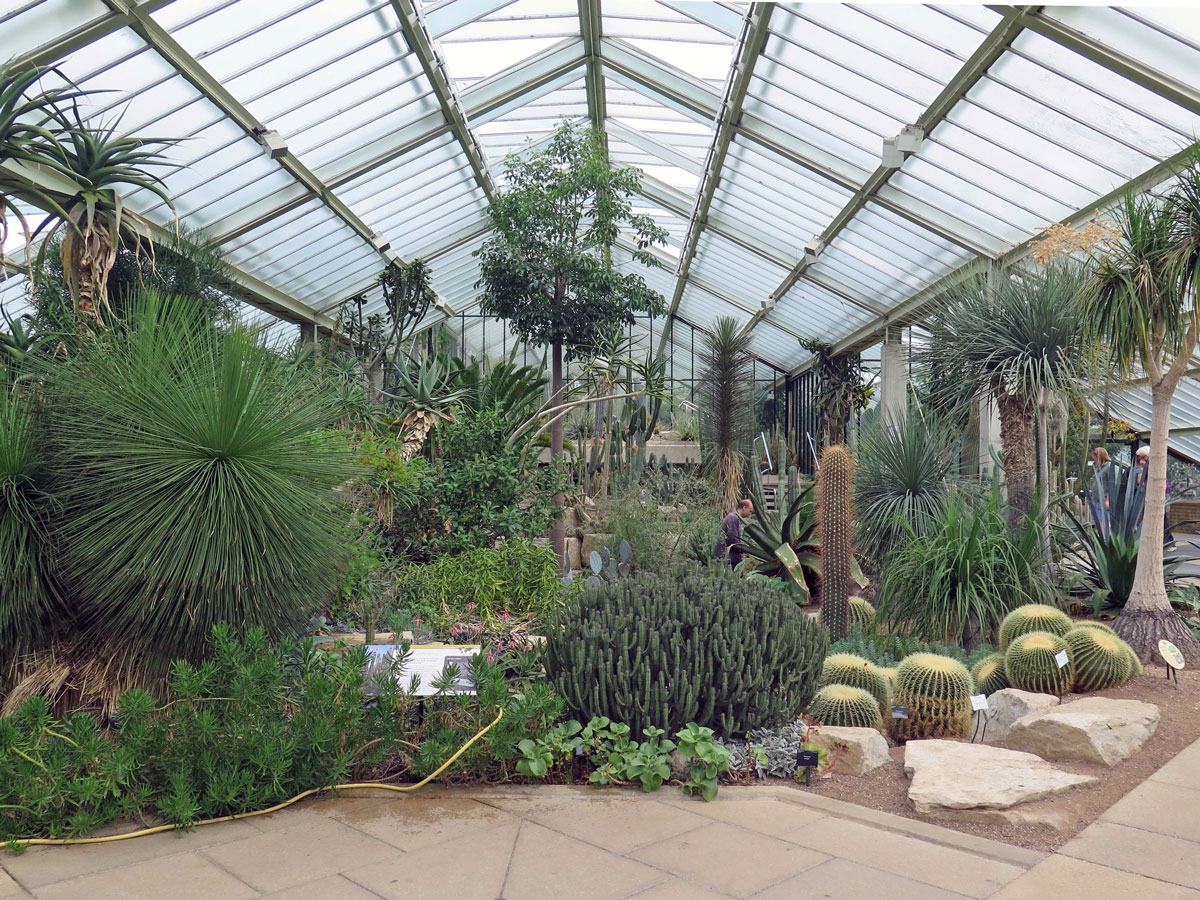
- Inside the Princess of Wales Conservatory
-
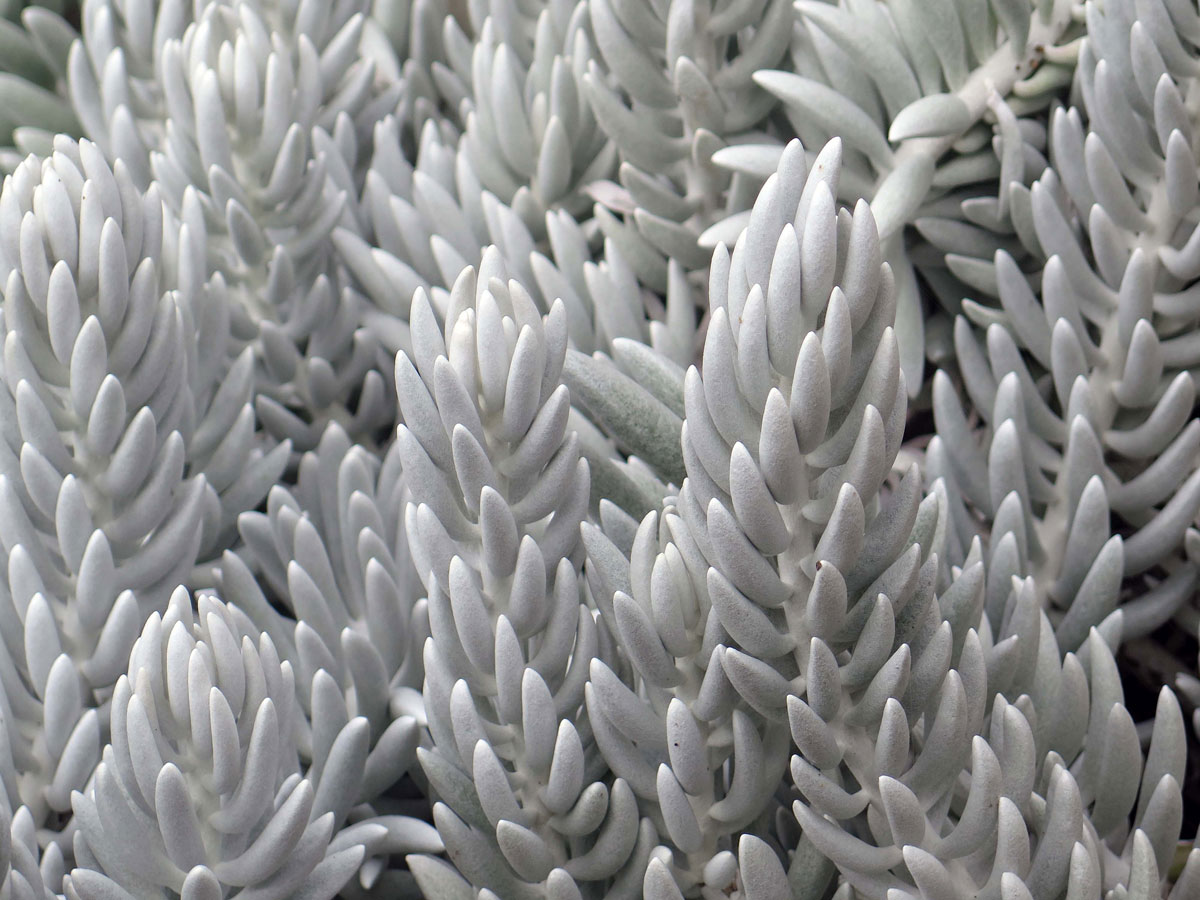
- Senecio haworthii
-
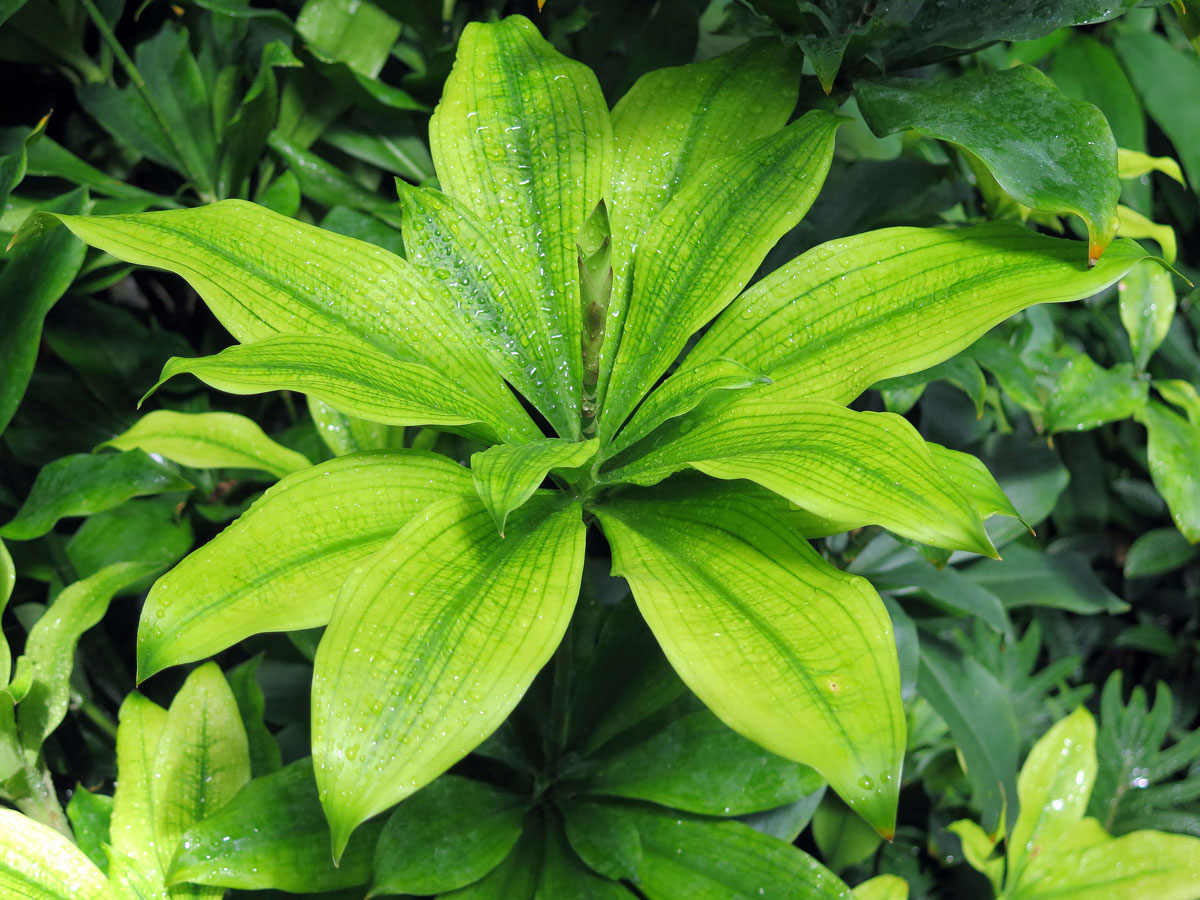
- Dracaena Camerooniana
-
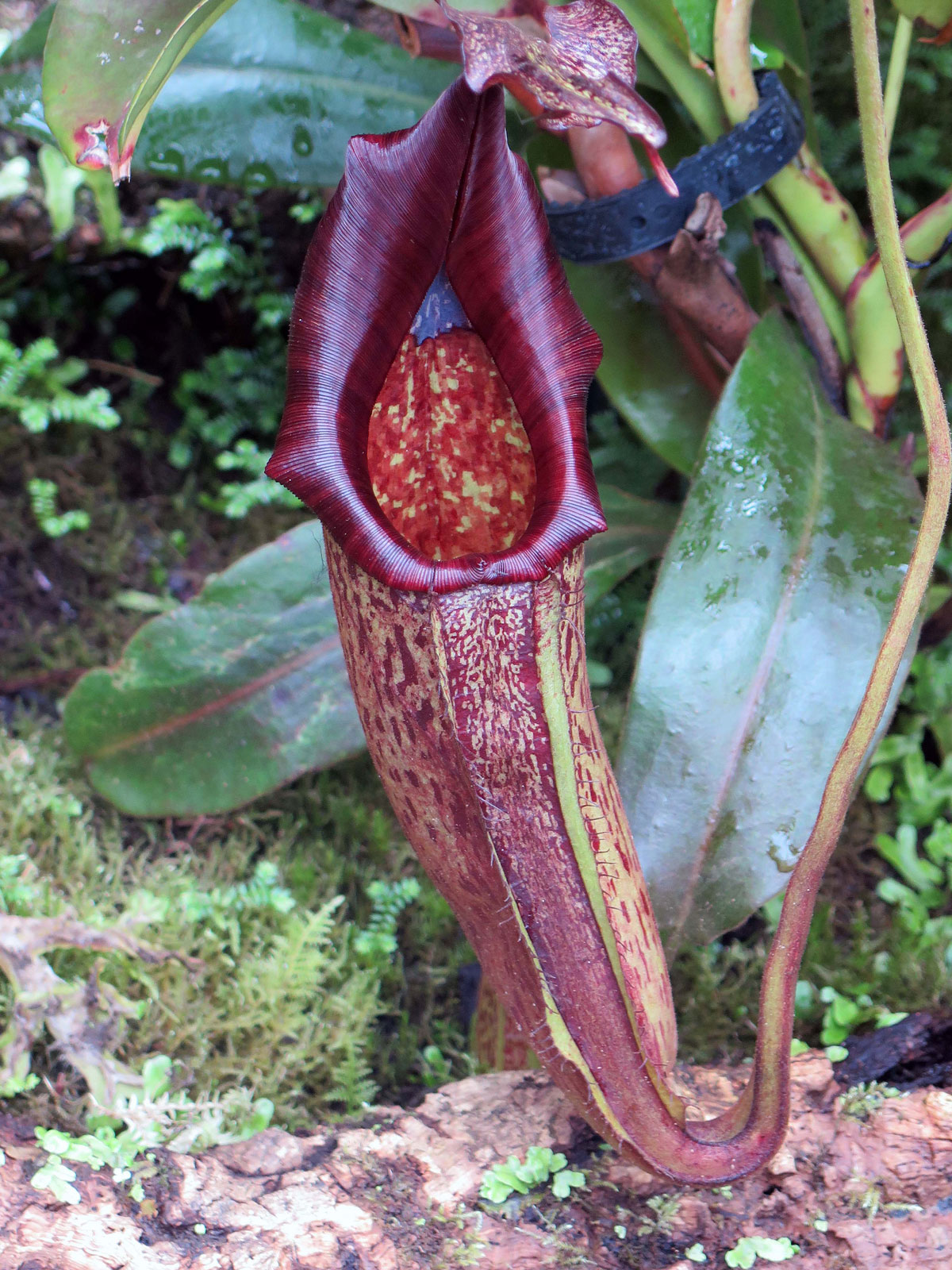
- Carniverous Plant – Nepenthes
-
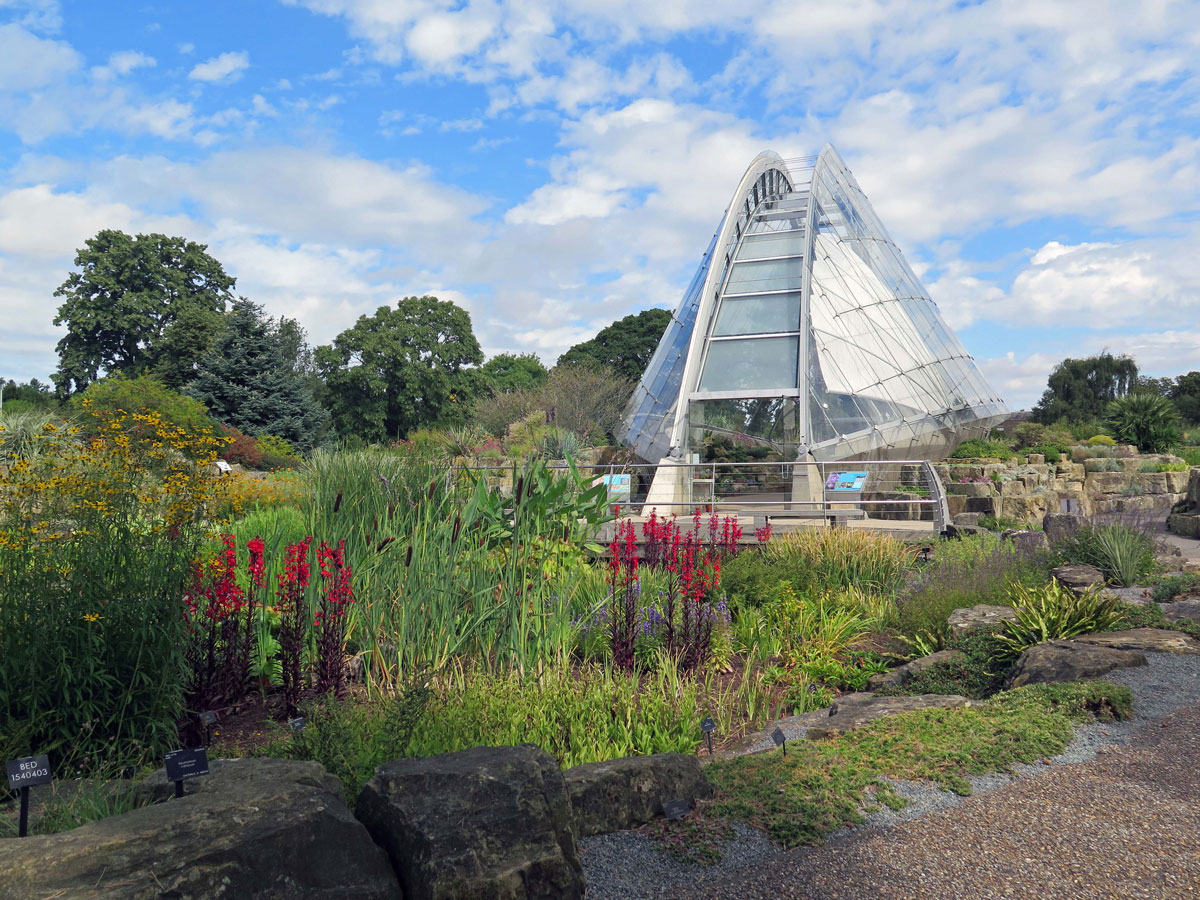
- The Davies Alpine House
-
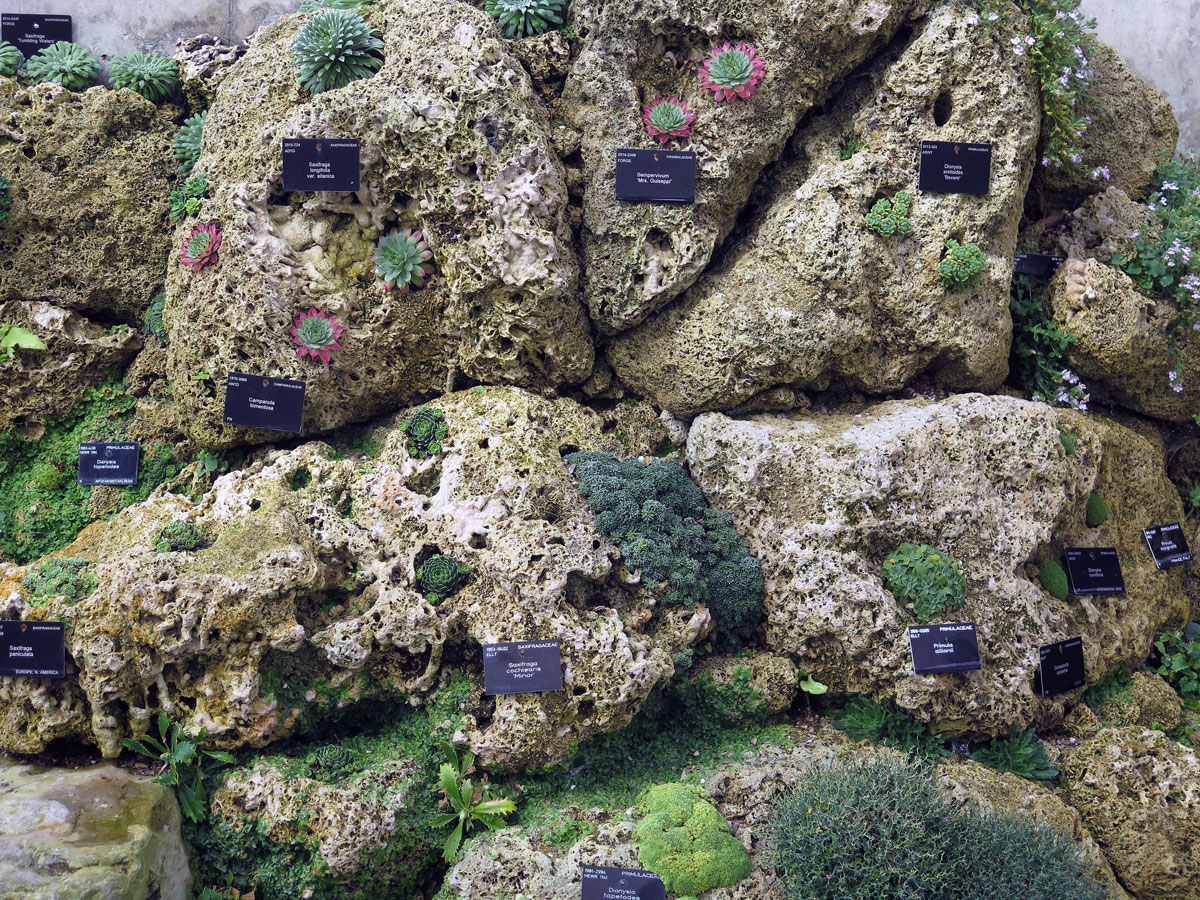
- Inside the Alpine House
-
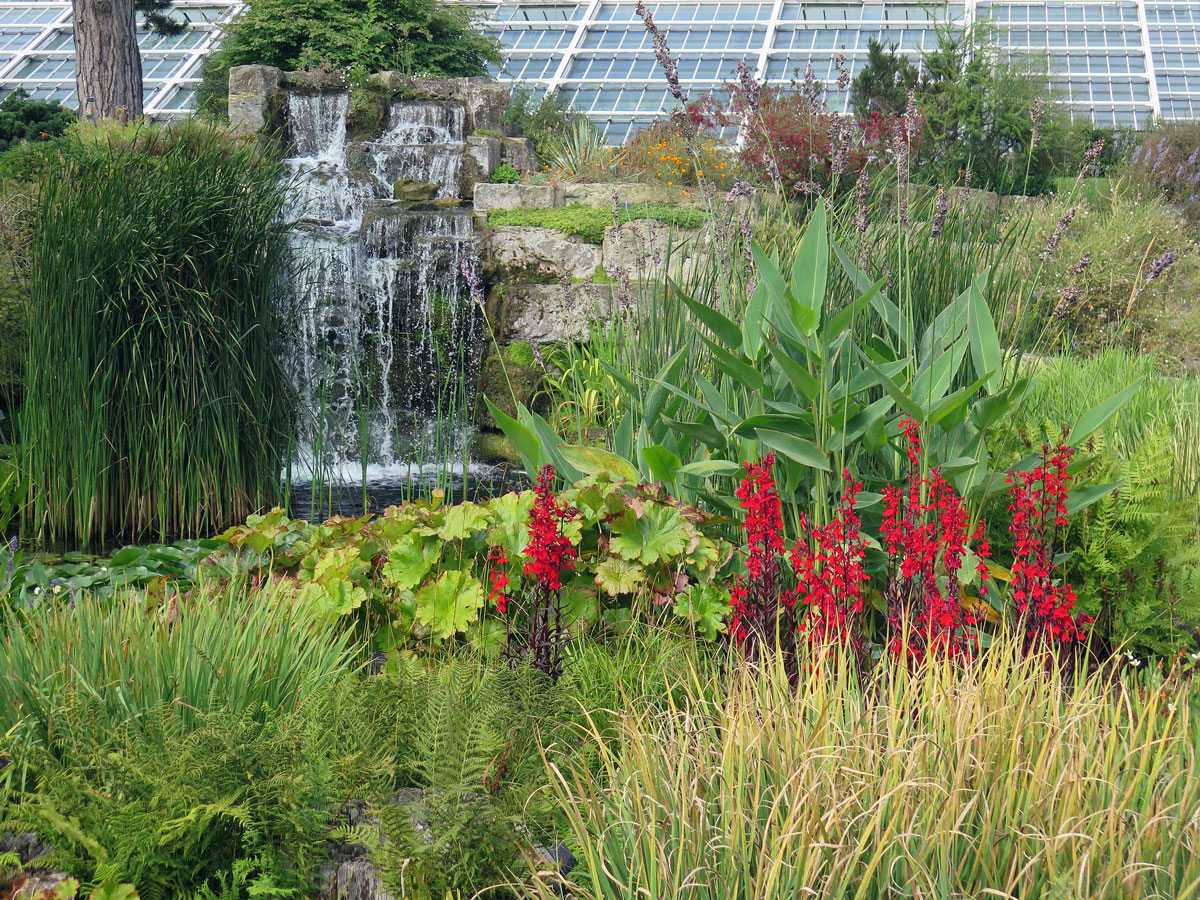
- The Rock Garden
-
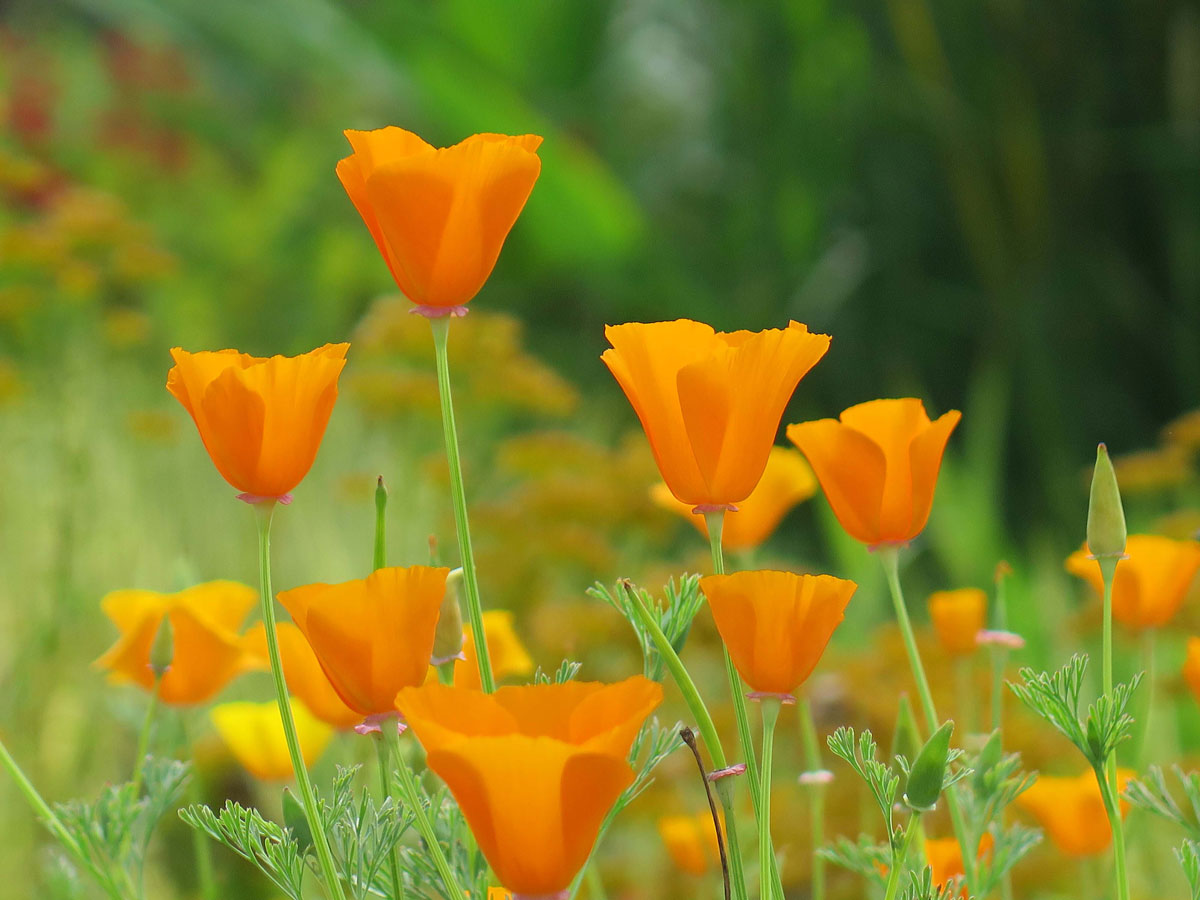
- California Poppies
-
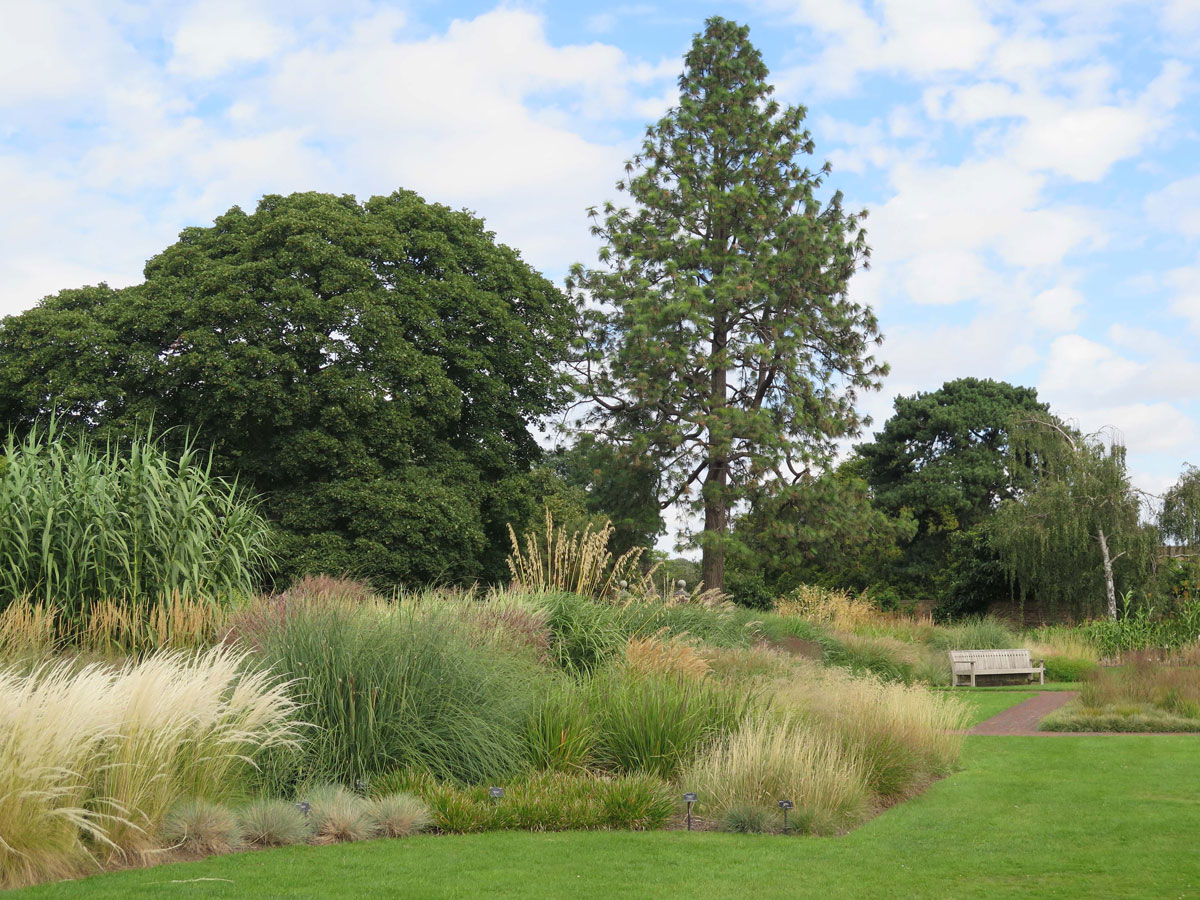
- The Grass Garden
-
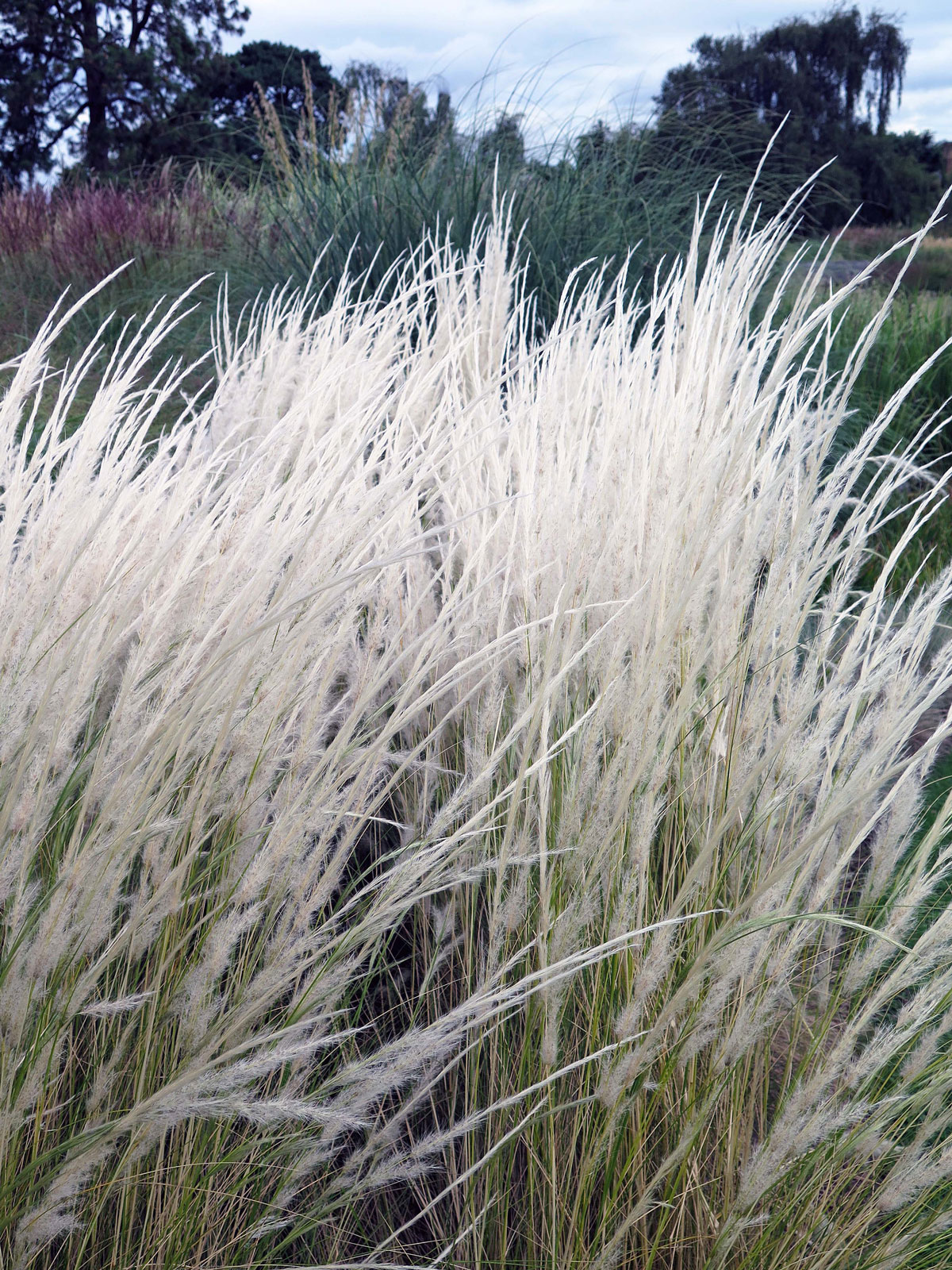
- Stipa Ichu
-
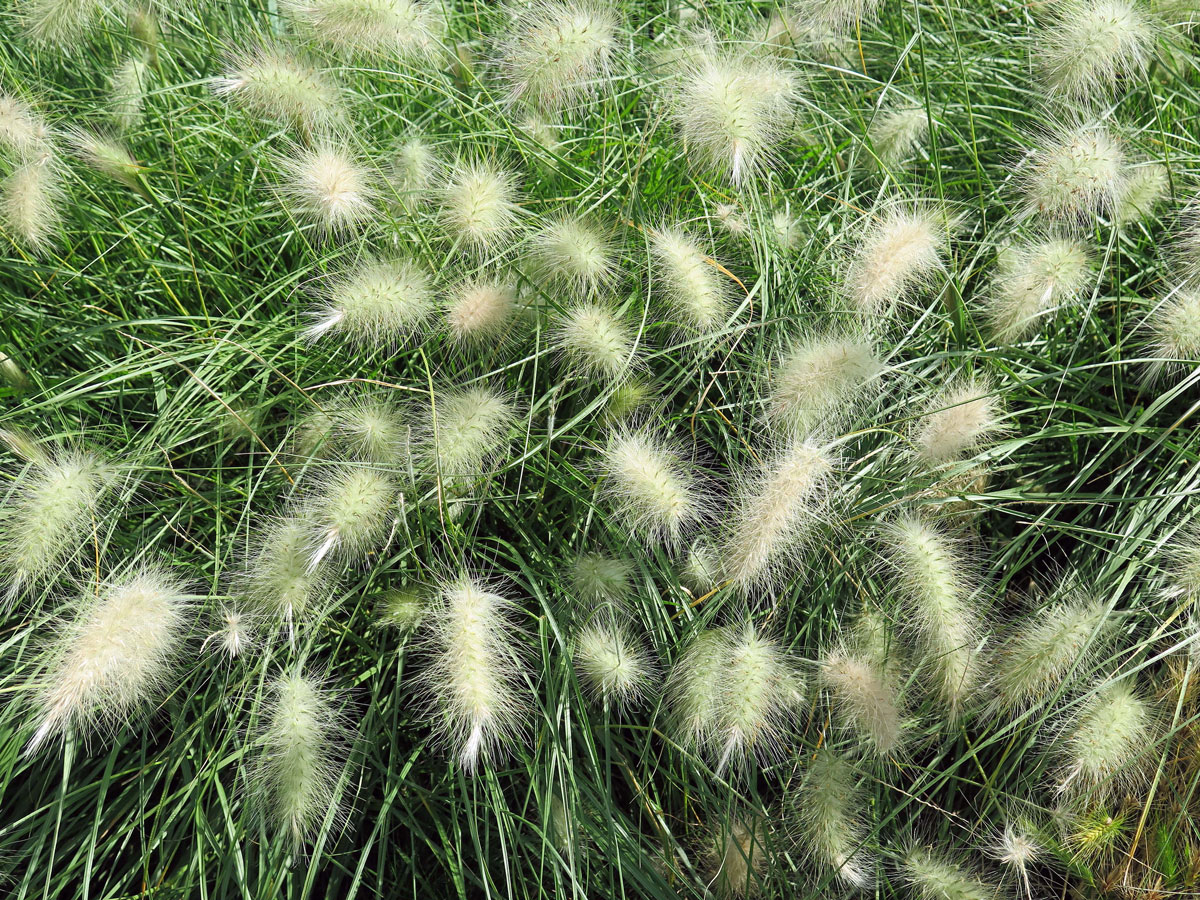
- Wall Barley
-
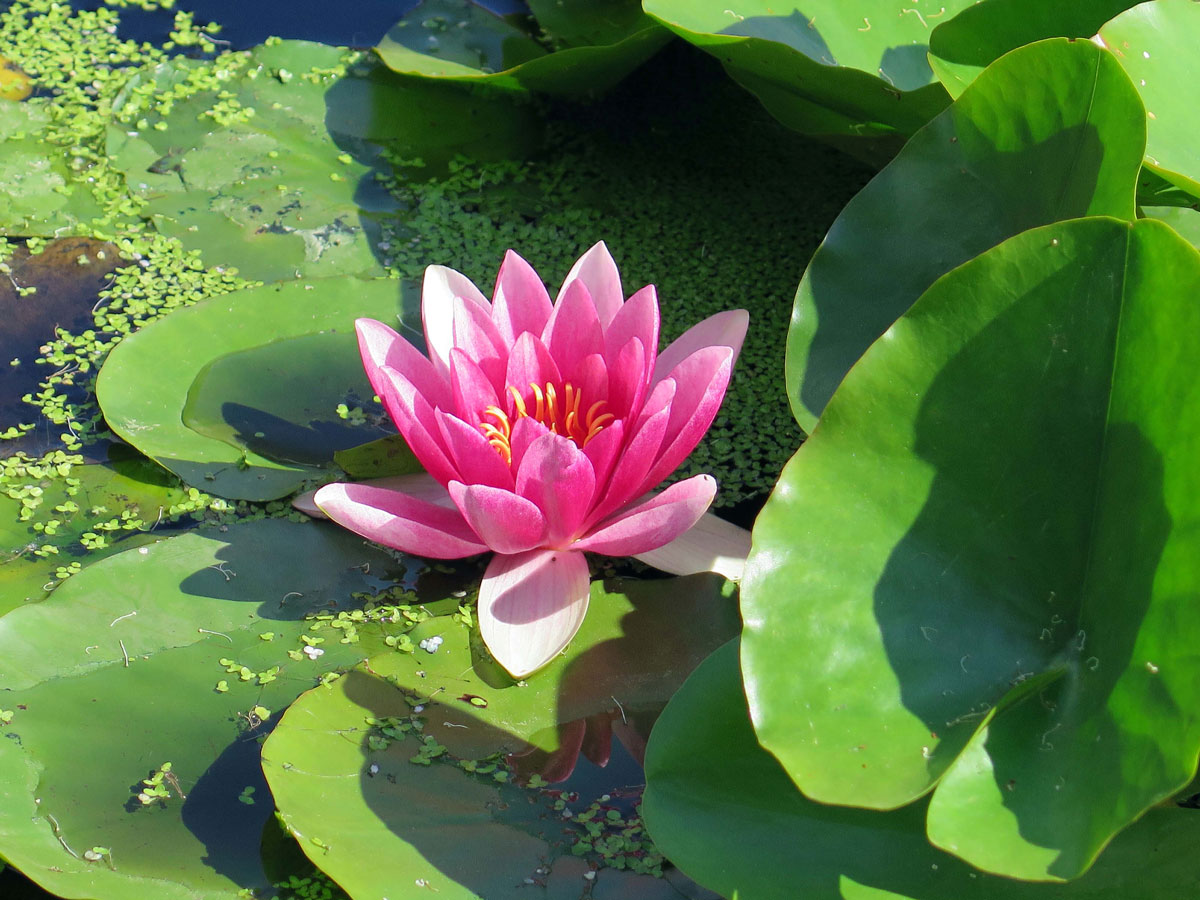
- Water Lily in the Aquatic Garden
-
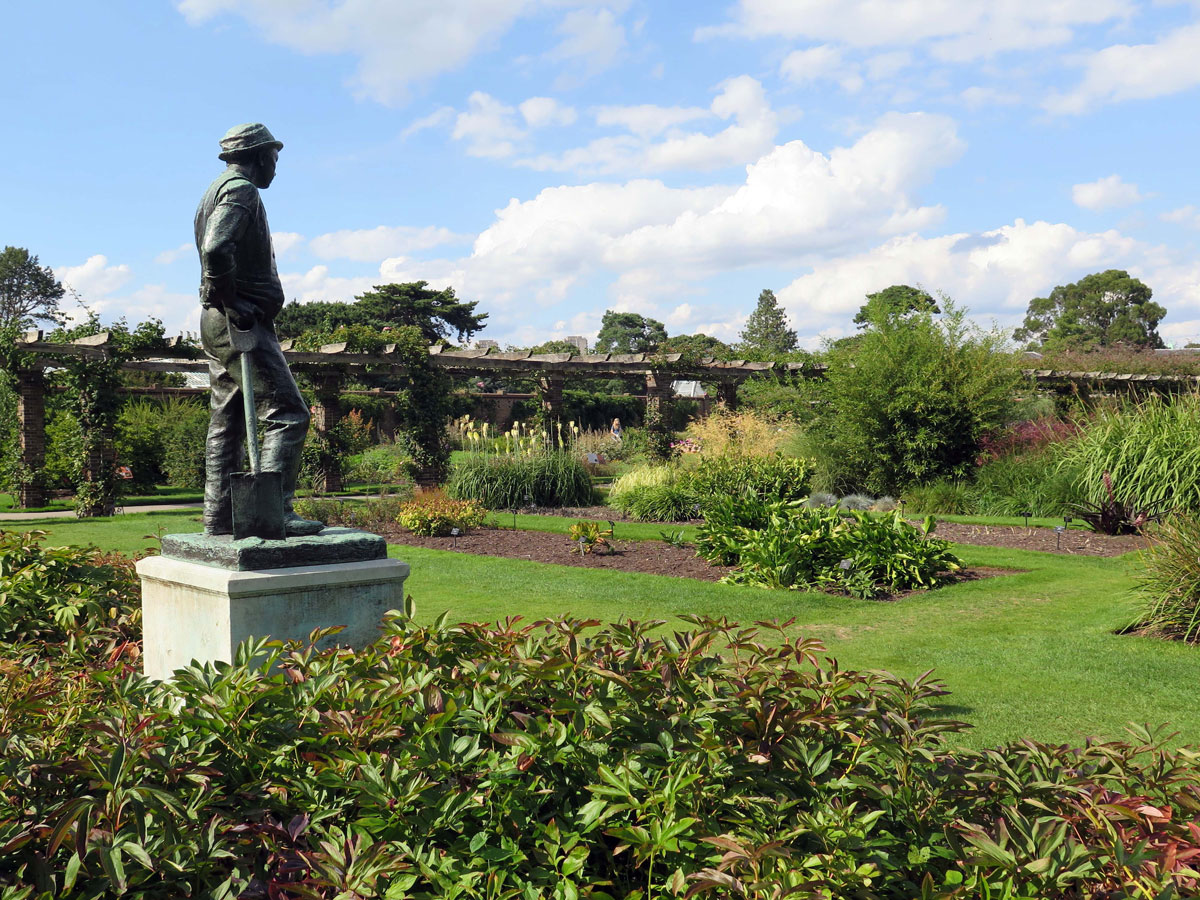
- ‘Out in the Fields’ statue by Arthur G Atkinson (1929) in the Kitchen Garden
-
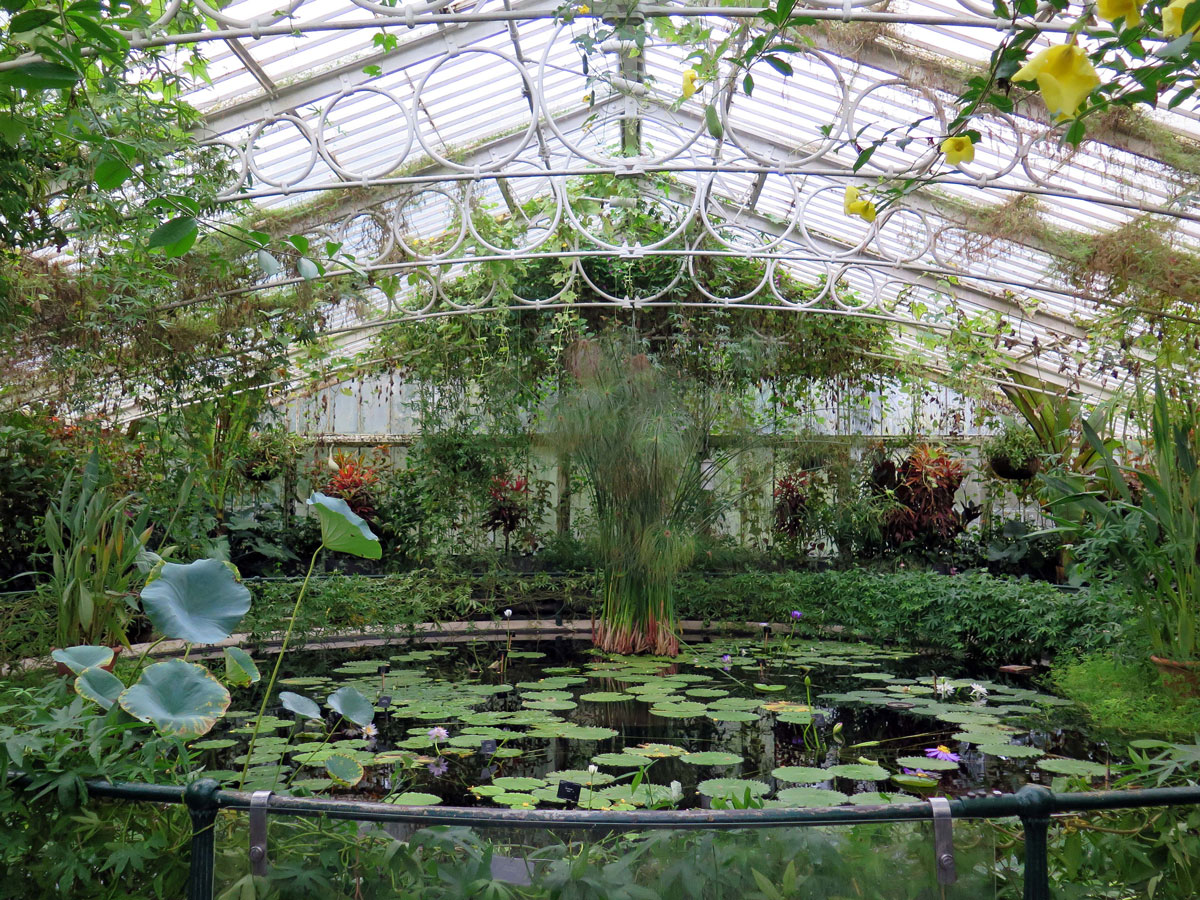
- The Water Lily House
-
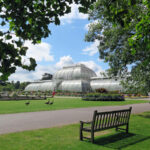
- The Palm House
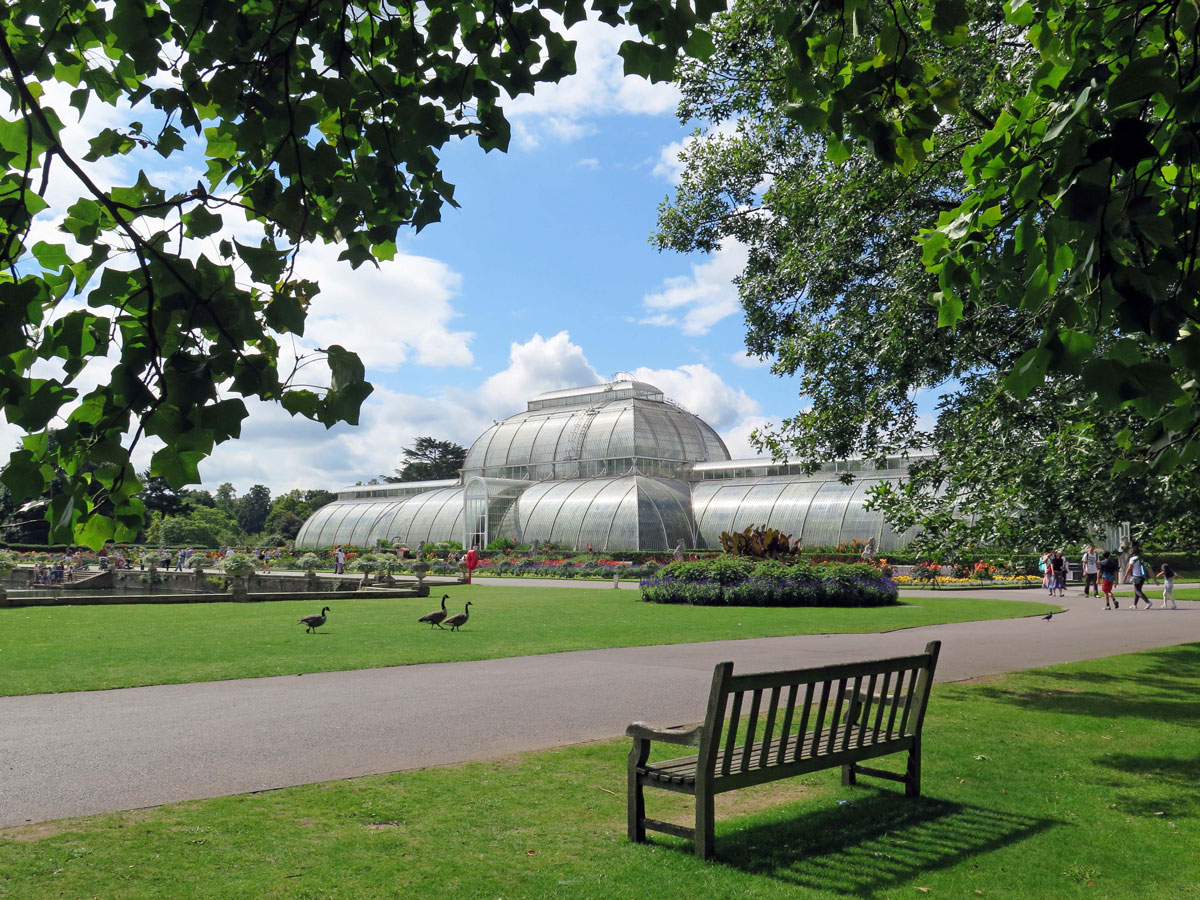
-
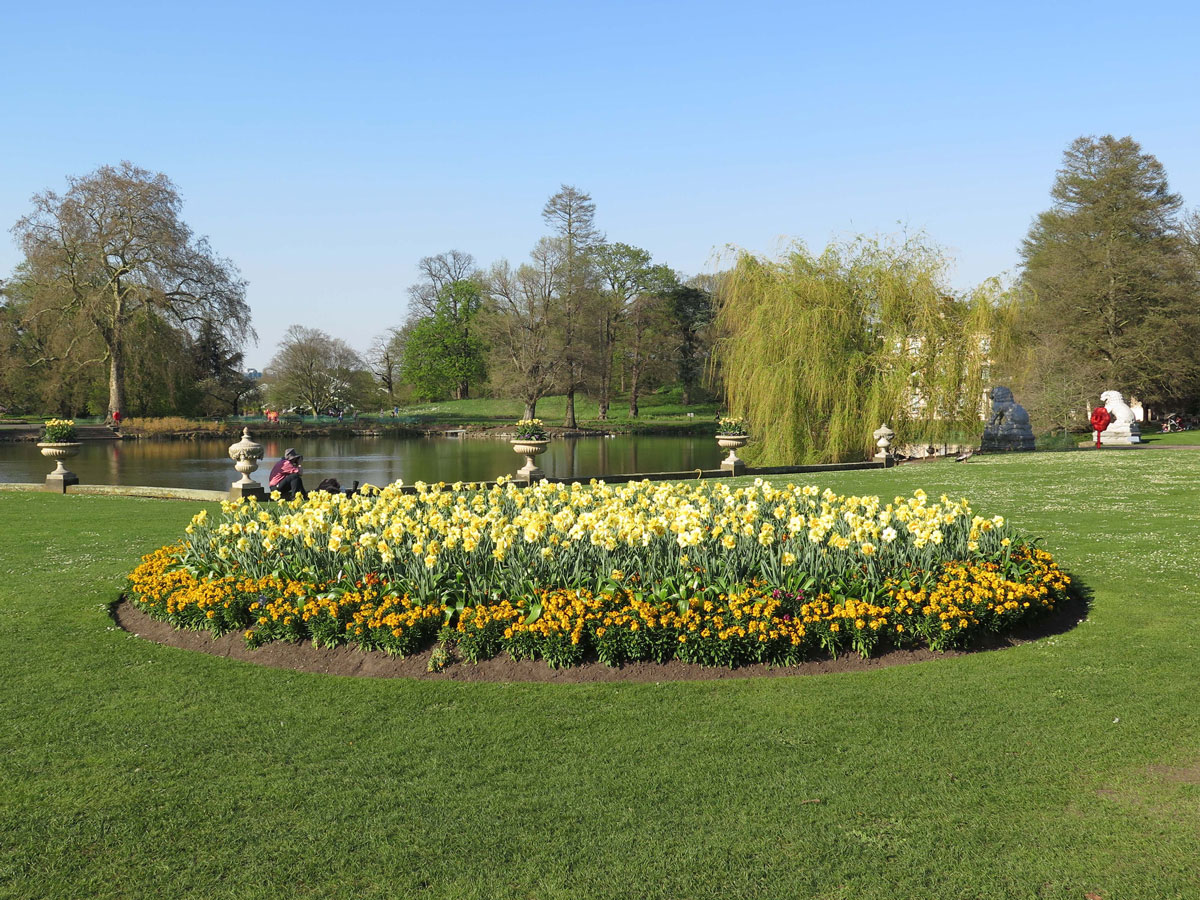
- Spring Flowers by the Pond
Naturally, this is just a selection of what Kew has to offer, and before you think that I’m a closet botanist with some of those fancy Latin names, I can assure you I’m not. It’s just that I made a note of them at the time.
This is my third and final post about Kew Gardens, but as we’re now approaching the festive season, I can’t leave without mentioning the fantastic display the gardens put on at this time of the year. For those of you haven’t checked out my post, Christmas at Kew yet, I urge you to do so, not for any personal reasons, but if it doesn’t start getting you into the Christmas spirit, nothing will. After all, most of us could do with a bit of escapism at the moment, couldn’t we?
POSTED – NOVEMBER 2022
Originally posted 2022-11-26 13:45:19.
I missed this when you first posted it but I’m very glad to have unearthed it as you’ve really done Kew justice with your excellent selection of photos! You’ve reminded me I should go back again with my camera come the spring/summer, especially as it’s just down the road. Our recent visits have all been in late summer or autumn and you’ve shown me much that I would catch if I went a bit earlier in the year next time 🙂
Thanks Sarah. I made a point of visiting Kew in all four seasons, but it’s not possible to see everything even then. I thought that if I lived local I would consider buying an annual pass if they did one, but it seems that it doesn’t quite work like that although you can buy an annual membership, which is similar but not quite what I think of as annual pass. For example places like Westminster Abbey now charge you an admission fee which allows three visits a year. There is a reduction for local residents at Kew though I see.
A superb gallery, Malc, and it gives those of us who don’t know Kew very well a great insight into all the sights and views to be enjoyed there. An interesting selection of plants in the Princess of Wales Conservatory, although I think I’d avoid the scary Nepenthes – I wouldn’t want to emerge from the building missing an arm! 😉 I think my favourite part of the gardens would have to be the arboretum, but you’d probably already have guessed that. A thoroughly enjoyable visual tour, and I look forward to many more of your beautifully evocative picture posts. 🙂
Thanks again Alli for finding time to take a look at my posts in the middle of your hectic life. You know that I always appreciate your comments whenever they come. I do believe that anyone who is interested in our natural world should pay a visit to Kew if they possibly can. To say that it’s remarkable is an understatement 😊
I’m definitely getting that impression. Another one for the list. 🙂
I have only ever been there a couple of times, but it is a stunning place. I am working very closely with RBG Kew at the moment on some climate change projects, soon to be announced.
Brilliant. Good luck with it Stephen. Keep us posted.
What wonderful photographs! I wish I could visit them again soon❤️❤️❤️
Thanks Luisa. At least you have been here by the sounds of it 🤗
🙏😉😘
Beautiful Malc! Splendid photographs! They’re all fantastic! And quite a lovely place indeed!
Cheers Francesc. Kew, if you weren’t aware, is more about all the different plants and trees that have been brought here from around the world rather than a garden in the true sense of the word.
Truly magnificent!
I love this, the gardens look fabulous and so full of colour. I couldn’t possibly pick a favourite photo as they are all so good but I do like the hive art installation and the view looking down the Great Broad Walk. Not sure about the carnivorous plant though, it looks evil 🙂
LOL. Thanks Eunice. I know how much you like gardens so I’m glad you enjoyed this one 🙂
Gorgeous pictures. I have read about Kew Garden in numerous Regency romances. I remember one poem about Kew. “I am my master’s dog of Kew, pray tell me whose dog are you?” Don’t know where I read it or where it came from.
Thanks Pat. I have to confess that I’ve never come across that poem before.
Here’s what I’ve found out: “I am his highness’s dog at Kew; / Pray tell me, sir, whose dog are you?” . It is an epigram that Alexander Pope wrote in the 1730s and had engraved on the collar of one of his puppies, whom he gave to Frederick, Prince of Wales.
Thanks Luisa. Alexander Pope lived at Twickenham which isn’t far from Kew, so that would explain that then 🙂
🙏💙🙏💙🙏
🙂