Tag Archives: Gardens

Vienna’s Belvedere

Vienna's Belvedere

In my previous Vienna post on Gustav Klimt and the Vienna Secession, I promised that the next post was going to be at the Belvedere where Klimt’s The Kiss is on display, and as I’m a man of my word, here we are.

The Belvedere might conjure up somewhere with fabulous views, but think of it more as a palace fit for a prince. The views aren’t bad mind you, but the Belvedere was actually built as a summer residence for Prince Eugene of Savoy who was a highly successful military figure in the army of the Holy Roman Empire. His successes on the battlefield during the hostilities with the Ottoman Empire earned him a lot of respect from the Habsburg rulers, as well as a lot of wealth to go with it – and much of that wealth was spent on The Belvedere.

Continue reading

Originally posted 2023-02-03 13:34:40.

Wandering Around Old Canterbury

Wandering Around Old Canterbury

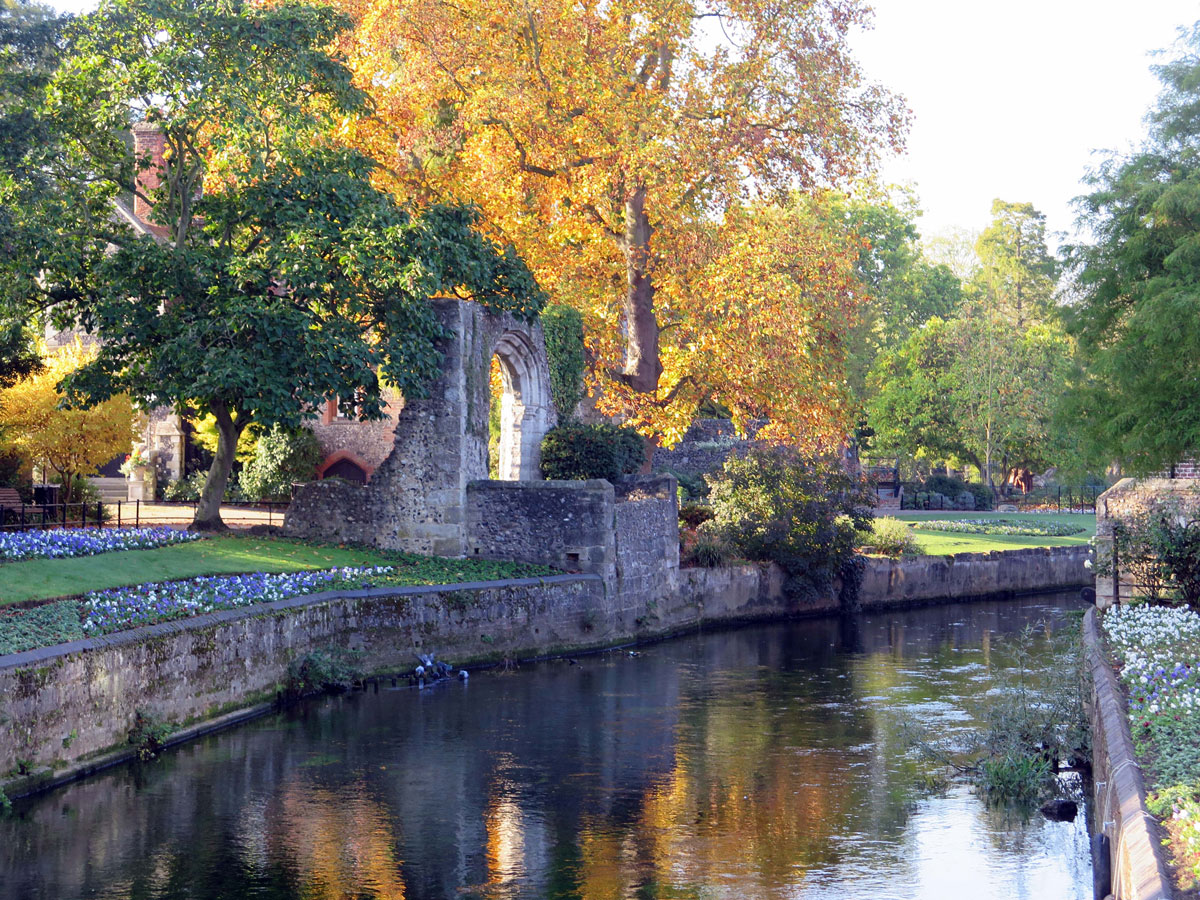
I don’t suppose this blog about our visit to Kent’s most historical city will rank alongside Geoffrey Chaucer’s Canterbury Tales, but hopefully it will show that there is a bit more to Canterbury than just its cathedral.

Admittedly, we didn’t have time to see everything that the city has to offer, but enough to show us why people, other than pilgrims, should make a journey here.

I think it’s fair to say that most people will come here to see the Cathedral, and maybe St. Augustine’s Abbey, but there was a town here before St. Augustine arrived. The Roman town of Durovernum (“the stronghold amidst alders”) included a protective wall which was probably built around 270 – 280 A.D. This wall continued to be used, with improvements, right through the Anglo-Saxon and Norman periods into the Middle Ages, and still surrounds around half of the old city today. Inside this wall is the most interesting part of the city and the focus of this article.

Continue reading

Originally posted 2020-04-01 13:00:43.

The Queen Elizabeth Olympic Park

The Queen Elizabeth Olympic Park

I can still remember seeing the joy on Ken Livingstone’s face when London won the selection to host the 2012 Olympic Games, so why wasn’t I jumping up and down for joy with him?

Call me an old cynic if you like, but the legacy of the 2004 Athens Games is a stark reminder of how emotions can change from joy to despair in such a relatively short space of time. The debt that Greece accrued for putting on the world’s greatest sports event was a heavy enough price to pay without the knowledge that the sporting venues quickly fell into disrepair as well.

I’m pretty sure that Ken wasn’t thinking about the sporting side of things when, as Mayor of London at the time, he put the bid in: in fact, I don’t think he even expected to win it. The reason behind his thinking was that the event would focus minds on giving a much-needed boost to rejuvenating a part of East London that was in desperate need of some extra cash, so I think his wide smile was for a different reason to those involved in sport.

I’m also pretty sure that the powers that be were only too aware of what happened in Athens and would have been determined that London’s legacy would be different.

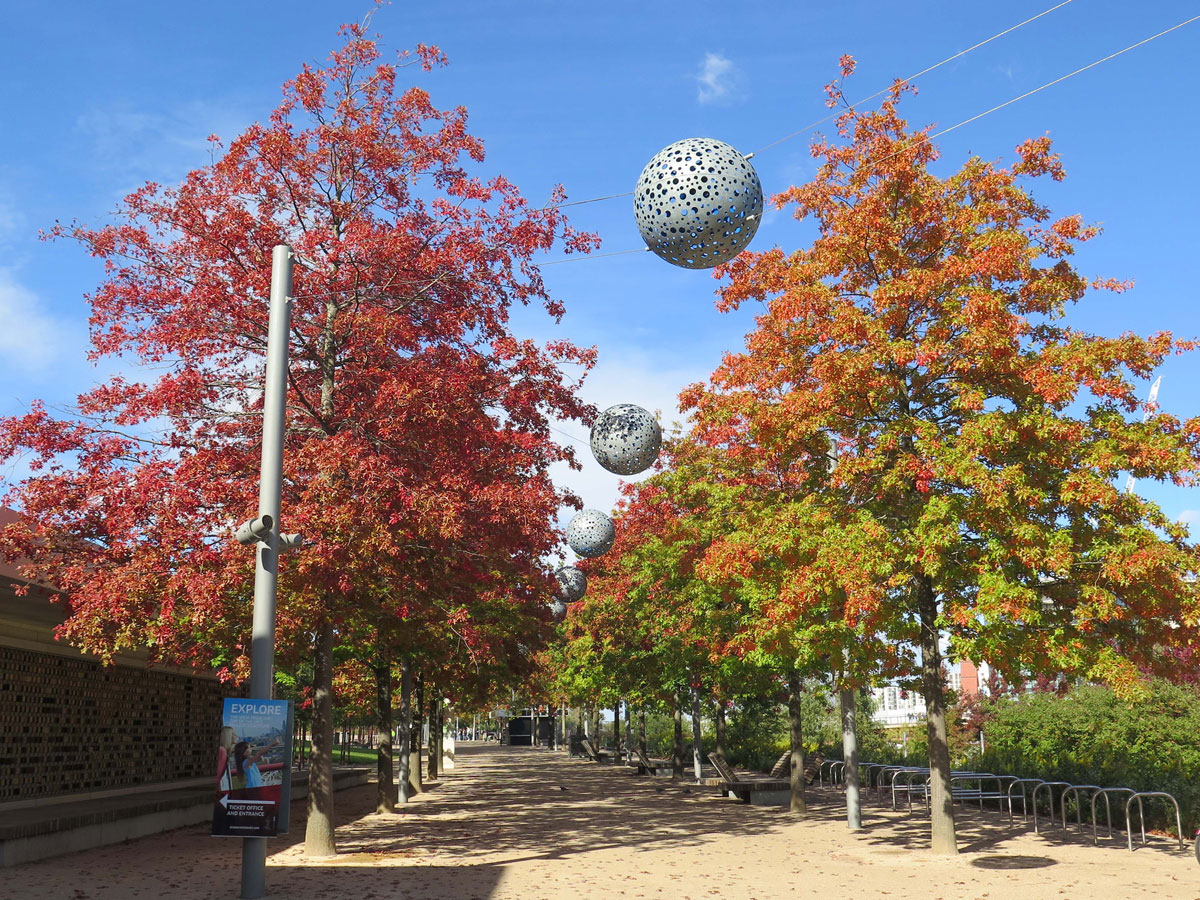
With all this in mind a 500-acre site at Stratford was given the go-ahead as the home of the Olympic Park, the main venue for both the Summer Olympics and the Paralympics.

Continue reading

Originally posted 2018-10-07 09:42:39.

Christmas at Kew

Christmas at Kew

Kew Gardens has one of the world’s greatest collection of plants, and you can get an idea of what there is to see by taking a look at my post Kew Gardens – an Introduction, but there are other things on offer too, and one of the highlights of the year is Christmas at Kew.

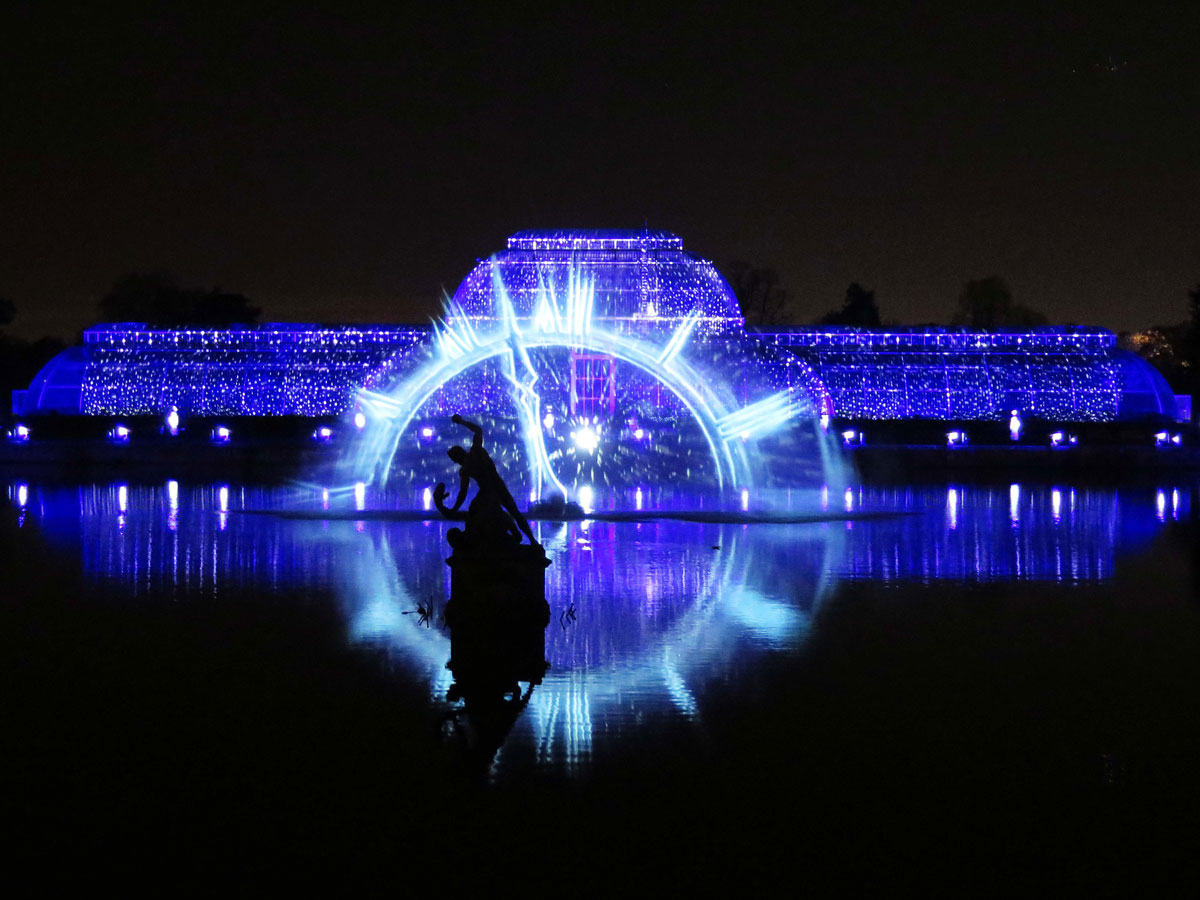
Christmas at Kew involves a trail around the gardens that will enchant people of all ages. Each November, a range of multi-coloured lights are switched on to illuminate, not only the natural world of Kew, but also a variety of art installations that together give people a feel-good factor that only Christmas can bring.

If you feel like getting into the Christmas spirit then you can find all the relevant details from their website below.

https://www.kew.org/kew-gardens/whats-on/christmas-at-kew

Continue reading

Originally posted 2018-11-20 16:38:47.

A Kew Gardens Gallery

A Kew Gardens Gallery

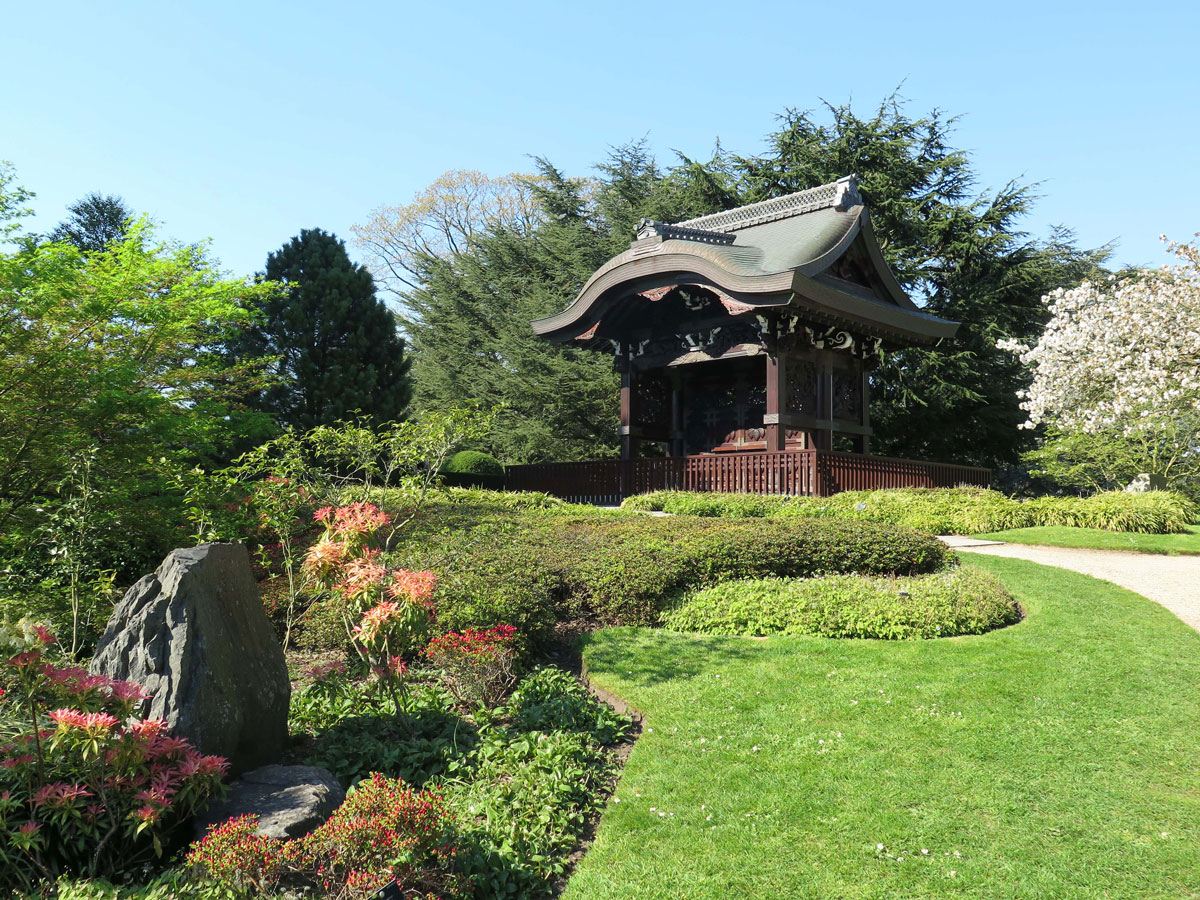
Kew Gardens is much more than just a collection of plants as my post Kew Gardens – an Introduction will show, but instead of describing everything in detail (which I couldn’t possibly do anyway), I’ll let the pictures do the talking instead. So sit back and just admire what more than 260 years of hard work, dedication and good old British ingenuity have managed to accomplish.

Continue reading

Originally posted 2022-11-26 13:45:19.

Kew Gardens – An Introduction

Kew Gardens - An Introduction

Just as it’s impossible to see the whole of Kew Gardens in one visit, the same thing applies to writing about it, and so I’ve decided to begin with an overview of how the gardens evolved and the main areas of interest.

To give you an indication of the magnitude of the place, it boasts that it has the “largest and most diverse botanical and mycological (fungi) collections in the world” with more than 30,000 different kinds of plants, an Herbarium with over 7 million specimens, a library with 750,000 books, and more than 175,000 prints and drawings. To that you can add five Grade I listed buildings, and (including its sister botanical garden at Wakehurst in West Sussex) currently employs around 800 staff. It even has its own police force. No wonder it’s on UNESCO’s list of World Heritage Sites.

Continue reading

Originally posted 2018-11-20 13:43:48.

The Southbank

The Southbank

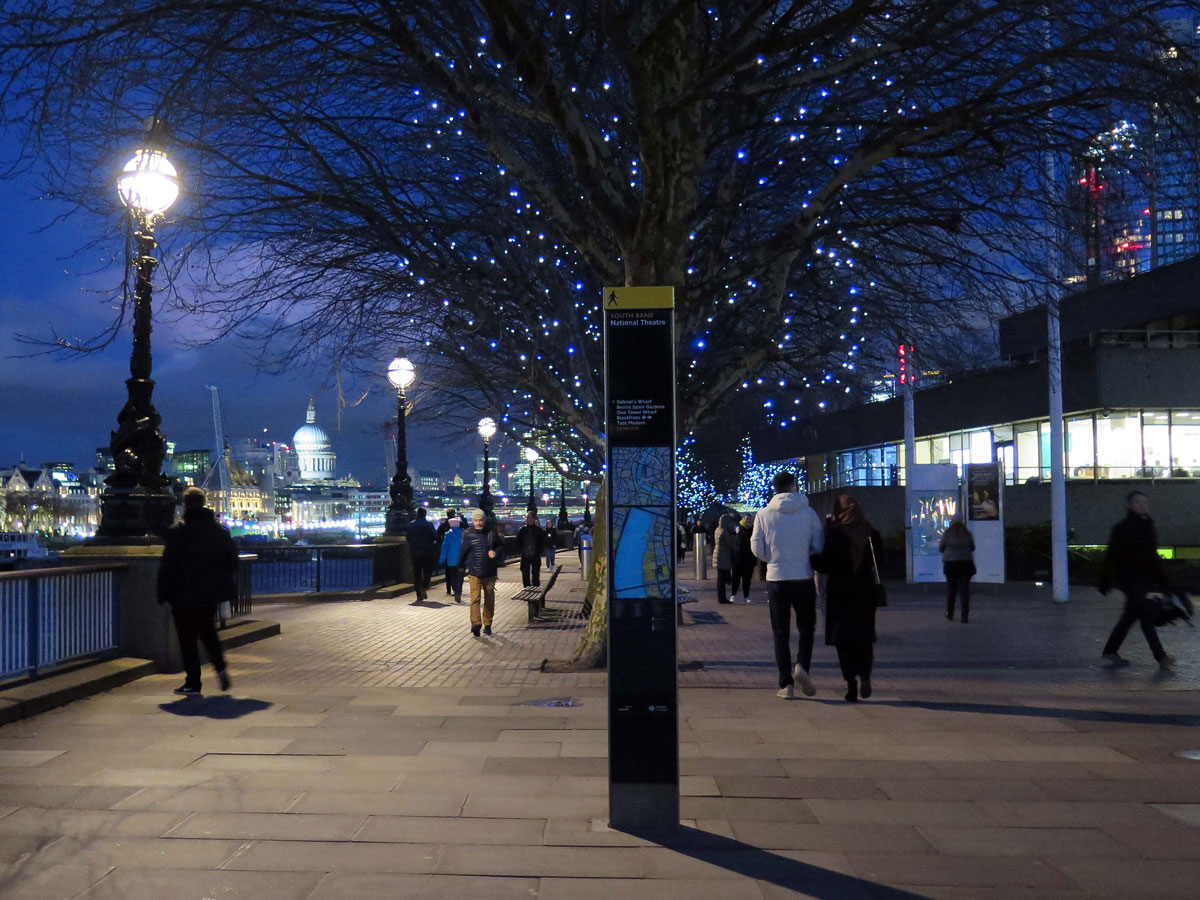
The Southbank is not a defined area, but for this review it refers to the riverside area south of the river between Westminster Bridge and Lambeth’s border with Southwark at Bankside.

It may be difficult to imagine now, but this area known as Lambeth Marsh, was virtually undeveloped before the 19th century. The wet terrain was hardly a prime location for the type of development that had taken place across the other side of the river, but during the Victorian era, the shallow bank and mudflats became an asset for industries such as printing works, coal wharves, dye works and breweries, to name just a few.

The first half of the 20th century wasn’t kind to Lambeth with factories either in decline or being destroyed by WWII bombs, and so when it was suggested that a Festival of Britain would have its centrepiece here, things started to take a different direction.

The festival was supposed to be a national exhibition celebrating British achievements, but it was to become more than that. The ravages of WWII had left the country in need of a lift from austerity, and so entertainment and culture were deemed just as important as science and technology, and so various forms of entertainment were included when the festival opened on 4th May 1951.

The Southbank site was only ever going to be temporary and most of it was demolished after the festival was over five months later, but the Royal Festival Hall remained.

Continue reading

Originally posted 2018-11-02 14:00:36.

A Wander through Victoria Embankment’s Main Garden

A Wander through Victoria Embankment's Main Garden


Following the completion of Sir Joseph Bazalgette’s Victoria Embankment in 1870, a series of gardens were designed to enhance the appearance of this stretch of the riverside between Westminster and Blackfriars Bridges.

There are in fact four separate gardens, the main one being imaginatively called the ‘Main Garden’.

As you enter the Villiers St entrance next to Embankment underground station you’ll have a bandstand to your left which has a programme of events throughout the summer, and a grassy area which gets taken over by office workers during their lunch breaks.

You may well be tempted to head straight for the footpath that leads past the magnificent mixed borders through the garden, but if you would like to know where the bank of the Thames used to be before the Embankment was created then head up to the north-west corner and check out the York House Water Gate.

This gate was built in 1626 as an entrance to the Thames for the Duke of Buckingham but now stands a hundred metres away from the river, but still in its original position.

Nearby is Gordon’s Wine Bar which I can highly recommend, but if you’re anything like me, is probably best left until later.

Continue reading

Originally posted 2018-02-04 06:18:19.

Victoria Tower Gardens

Victoria Tower Gardens


London is blessed with so many well known parks and gardens that it’s easy to overlook some of the less obvious ones, even in the centre of the city.

In Westminster, next to the Houses of Parliament, are the Victoria Tower Gardens, and as the name suggests, are located at the Victoria Tower end of the building.

I think the word ‘gardens’ is a bit misleading because it has a large open grassy area more reminiscent of a park, but whatever you think this open space should be called, it’s a welcome respite from the area around Parliament Square with all its hustle and bustle.

The gardens were created during the 1870s, but not officially opened until 1914.

Apart from the fact that it has a great riverside location, there are some interesting monuments here as well.

Just inside the entrance gate is a statue of Emmeline Pankhurst, the suffragette leader. It was unveiled in 1930 and is a timely reminder that 2018 is the centenary of the ‘Representation of the People Act’ which granted votes to all women over the age of thirty and all men over the age of twenty one. (The difference in ages was supposed to ensure that men didn’t become minority voters after the huge loss of life during WWI).

Emmeline Pankhurst died on 14th June 1928, just weeks before the Representation of the People Act (1928) which also allowed women over the age of twenty one to vote.

Continue reading

Originally posted 2018-02-05 09:04:21.

Temple

Temple

I’m going to have to tread carefully writing this article because Temple is at the heart of the UK’s legal system, and as I know next to nothing about how it works, I don’t want to end up with a solicitor’s letter on the doormat.

I think I’m on safe ground though by saying that the area gets its name from the 12th century Temple Church built by the Knights Templar as their English headquarters.

Temple, or The Temple, as it’s sometimes called, covers an area roughly between the Strand/Fleet Street to the Victoria Embankment, and Surrey Street to Blackfriars. This means that some of the area lies within the City of Westminster and some of it within the City of London.

The Strand meets Fleet Street near to the Royal Courts of Justice and the Westminster/City of London boundary. This boundary was traditionally marked by Temple Bar, an invisible barrier to begin with, but then a ceremonial gateway where the monarch halted before being welcomed into the City by the Lord Mayor of London. The gateway, designed by Sir Christopher Wren, was removed in 1878 and currently stands at Paternoster Square near St Paul’s Cathedral; The boundary is now marked by a large plinth with a dragon – a symbol of the City of London.

Continue reading

Originally posted 2019-01-02 11:38:10.

Queen Elizabeth Gardens and the Water Meadows

Queen Elizabeth Gardens and the Water Meadows

Salisbury lies in the valley of the Hampshire Avon, and this chalk river, along with its tributaries – The Nadder, Ebble, Wylye, and Bourne – is what helps to give this ‘City in the Countryside’ its character.

A walk through Queen Elizabeth Gardens and along the Town Path down through the Water Meadows to Harnham is a must if you want to get an even better overall feel for this beguiling city.

This is another short, comfortable walk and suitable for anyone and everyone including families with pushchairs – just watch out for cyclists along the Town Path though.
Start your walk at Crane Bridge in Crane St and walk alongside the river down to where the Avon and Nadder meet. Then follow the Nadder around through the park until you come to a footbridge. Walk over the bridge and keep left until you come to the start of the Town Path.
Continue reading

Originally posted 2018-05-11 16:56:26.

Arundells

Arundells

On the West Walk of Salisbury’s Cathedral Close is the former home of British Prime Minister Sir Edward Heath.

The house is open to the public, and although its history goes back long before ‘Ted’ Heath moved here in 1985, there’s only really one reason that people come here to visit, and that’s to see where Sir Edward Heath KG MBE spent some of the happiest moments of his life.

From a fairly ordinary background, Ted managed to make himself an extraordinary life. He worked his way through university into the corridors of power and eventually to leader of the Conservative party, a post he held from 1965 until 1975.

In 1970 he became Prime Minister and for the next four years struggled to contain the demands of the trade unions, curtail The Troubles in Northern Ireland, and the aspirations of Margaret Thatcher – although he did manage to take Britain into the European Economic Community in 1973.

He probably won’t be remembered as one of Britain’s greatest Prime Ministers, but he had many attributes, and even though my politics were different to his, I always thought of him as a warm and compassionate human being. Talking to the volunteers around the house I don’t think I was alone in thinking that.

Looking back, I think that maybe his political views weren’t conservative enough for his fellow party members, and not far enough to the left to embrace the working population.

Continue reading

Originally posted 2018-07-22 16:31:14.

Dunster Village

Dunster Village

Dunster is a village of just over 800 people lying on the north-eastern edge of Exmoor National Park, close to the Bristol Channel. Its main attraction is the castle which has been here for a thousand years, and for 600 of those, it belonged to the Luttrell family who gave it to the National Trust in 1976.

Naturally, many of the visitors come to see the castle, and I intend to write a separate post about it later; but for now, I just want to write a short introduction to the village, which is worth a visit in itself.

Continue reading

Originally posted 2020-09-16 08:09:38.

Barbara Hepworth Museum and Sculpture Garden

Barbara Hepworth Museum and Sculpture Garden


People often mention how clear the light is in West Cornwall, and I would be the first to agree that there’s a clarity here that isn’t found everywhere.

This attracted artists from far and wide, and the St. Ives colony became so well known that it became a magnet for even more artists.

I would argue though that artists came here not just for the quality of light, but also for the quality of life as well, and one of those artists was Barbara Hepworth, a sculptor, who was born in Wakefield in 1903.

If you’ve seen any of her work you might think it’s not unlike the work of Henry Moore, so when you realise that they struck up a friendship at Leeds School of Art which was to last for many years, it would be easy to see why there are so many similarities.

In 1925 she married another sculptor, John Skeaping, but it was her second marriage to painter, Ben Nicholson, in 1938 that brought her to St. Ives.

I have to admit that I’ve often felt uneasy as to why so many artists found their way to St. Ives while the rest of the country were either landing on the Beaches of Normandy, battling for Britain above the Straits of Dover, or just trying to survive The Blitz – but I digress.

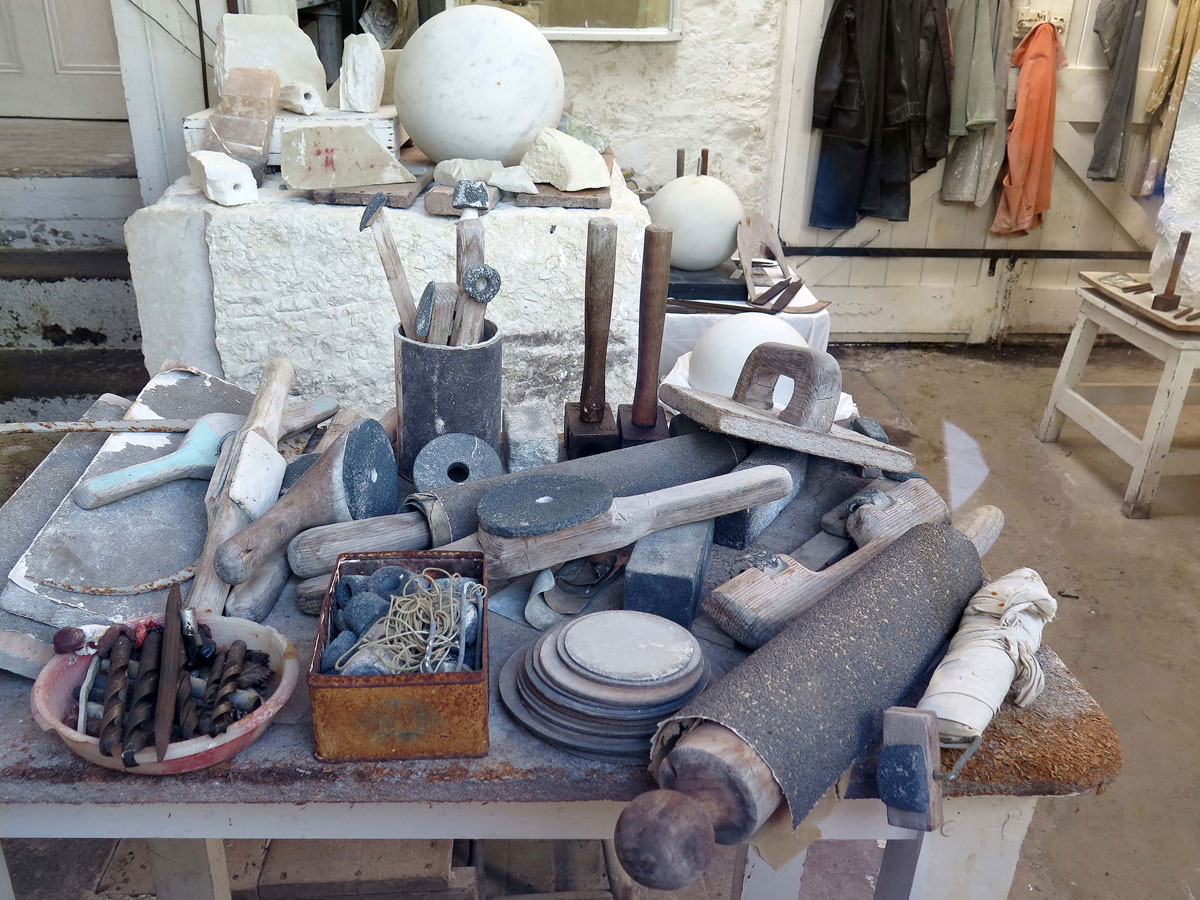
Barbara Hepworth’s second marriage didn’t last indefinitely either, but she was at least able to find solace at Trewyn Studio, where she carried on her work from 1949 until a fire ended her career – and her life – in 1975.

Continue reading

Originally posted 2017-10-08 17:35:21.

The Eden Project Pt 4 – The Outdoor Biome

The Eden Project Pt 4 - The Outdoor Biome

The Outdoor Biome has everything from plants that make beer, dyes, medicines, food and fuel, to sculptures and things to amuse the kids. Covering over 20 acres, it’s not about what there is to see, but more about what you’re going to have to leave out.

As with the other two biomes, the outdoor gardens are not about how pretty they can look, but more about how plants are used to create things and make our world the place it is.

Consequently, the time you spend here will depend on how interested you are in all the different ways plants are used. As a guideline, Eden suggests that you’ll probably need a couple of hours here, but it’s probably likely that it’ll depend more on your own personal timetable and what interests you the most.

It’s pointless trying to explain everything that the Outdoor Biome covers because there is so much. It’s one of those places that the more you look, the more you see. I’ve been here several times and at different times of the year and I still find it difficult to take everything in. It might not appear like that at first glance, but believe me, there’s been a lot of thought that’s gone into this place – and it’s ongoing – funds permitting.

Continue reading

Originally posted 2018-12-02 18:16:37.

The Eden Project Pt 3 – The Mediterranean Biome

The Eden Project Pt 3 - The Mediterranean Biome

The good thing about the Mediterranean Biome is that it’s nowhere near as humid as the Rainforest Biome and much more comfortable to wander around. It’s not as big either and you won’t need any longer than about an hour in here.

Although it’s called the Mediterranean Biome there’s also a couple of areas representing South Africa and California, but it’s the Mediterranean feel that prevails. Olive trees, citrus fruits and vines are the order of the day as well as more colourful plants associated with a warm temperate climate.

Whereas the Rainforest was a challenge, this is a delight, and you almost feel as though you’re on holiday in Spain or Greece.

When you’ve taken in all the sights and smells why not stop for lunch at the Med Terrace Restaurant. I reckon you’d be hard pushed to resist the paella cooking away and it’s a great place to take a break. The food’s lovely and all based on Mediterranean ingredients, although whether you can call pizzas a part of a Mediterranean Diet, I’m not sure.

Below is a selection of images from the Biome

Continue reading

Originally posted 2018-12-02 11:28:13.

The Eden Project Pt 2 – The Rainforest Biome

The Eden Project Pt 2 - The Rainforest Biome

When you go into the Rainforest Biome there’s one thing you need to take with you – a drink – and one thing that you don’t – your coat.

There’s a place you can hang your coat nearby (but not bags) and there are several places you can get a drink. Whether you take my advice or not you’ll probably still come back out feeling as though you’ve just been in a sauna, so it’s no co-incidence that there’s an ice-cream parlour near the exit. The good people at Eden maybe ethical – but they’re not stupid either.

Continue reading

Originally posted 2018-12-01 22:57:36.

The Eden Project Pt 1 – What exactly is it?

The Eden Project Pt 1 - What exactly is it?

It’s a simple question with a not so simple answer, so the best thing to do is quote the official guidebook. It describes itself as “An educational charity that creates gardens, exhibitions, art, events, experiences and projects that explore how people can work together and with nature to change things for the better”.

To put it even more simply the concept is about trying to educate people to use our planet in a more sustainable and environmentally friendly way – so how did this project materialise?

The answer to this question is somewhat easier. Although other people were involved, the whole idea was the vision of one man – Tim Smit, or Sir Tim Smit, as he is now officially known. This remarkable man gained notoriety after helping to bring the nearby ‘Lost Gardens of Heligan’ back to life in the 1990s.

At Eden his idea was for a millennium project to turn a disused former clay pit at Bodelva into something that nobody had ever seen before. This 60m deep sided clay pit with no soil and 15 m below the water table was to be transformed into life by creating giant conservatories, or biomes as they are now called, full of exotic plants planted in 83,000 tons of soil made from re-cycled waste and watered by natural rainfall.

Continue reading

Originally posted 2018-12-01 15:11:05.

St Germans and a Maverick Earl

St. Germans and a Maverick Earl

Tucked away in the lovely countryside of South-East Cornwall between Saltash and Looe is the village of St. Germans.

Its small quayside sits under the shadow of a railway viaduct that crosses the River Tiddy near to where it joins the River Lynher. At one time the quayside used to handle minerals, coal, limestone and timber, but the working boats have long gone and now all you’ll see are a few boats used by the local sailing club. It’s a peaceful place to sit for a while doing nothing in particular, but there’s a bit more to the village than just a pleasant location.

Continue reading

Originally posted 2019-05-25 05:43:19.

The City Wall and Northern Quarter

The City Wall and Northern Quarter

About 70% of Exeter’s city wall is still standing and although many changes to the wall have taken place over the years, it still encircles the city in much the same way as when the Romans built it to protect their fortress after they arrived in AD 55.

When they left in 410, the Saxons gained control and were forced to repair the wall in order to see off the regular Viking raids. However, when the Normans arrived, not only did they reinforce the wall, they also built a castle which had the job of repelling sieges and rebellions right up until the Civil War.

What’s left of the wall today is a mixture of stone and building styles from the Roman period onwards. None of the city gates have survived but the Visitor Information office in Dix’s Field provides a City Wall Trail leaflet that describes what’s left in more detail. Bear in mind though that the 2-mile-long walk isn’t as complete or as walkable as say somewhere like Chester.

If walking the whole of the City Wall Trail isn’t for you then I can recommend following the section from the city centre down to the Quayside. It basically follows the same route as Southernhay and can be picked up near to the Princesshay shopping centre or from the bottom of Cathedral Close.

This part of the wall is the most pleasurable to walk and there’s also something worth reaching at the end of it.

Continue reading

Originally posted 2018-08-24 13:52:38.