Tag Archives: London

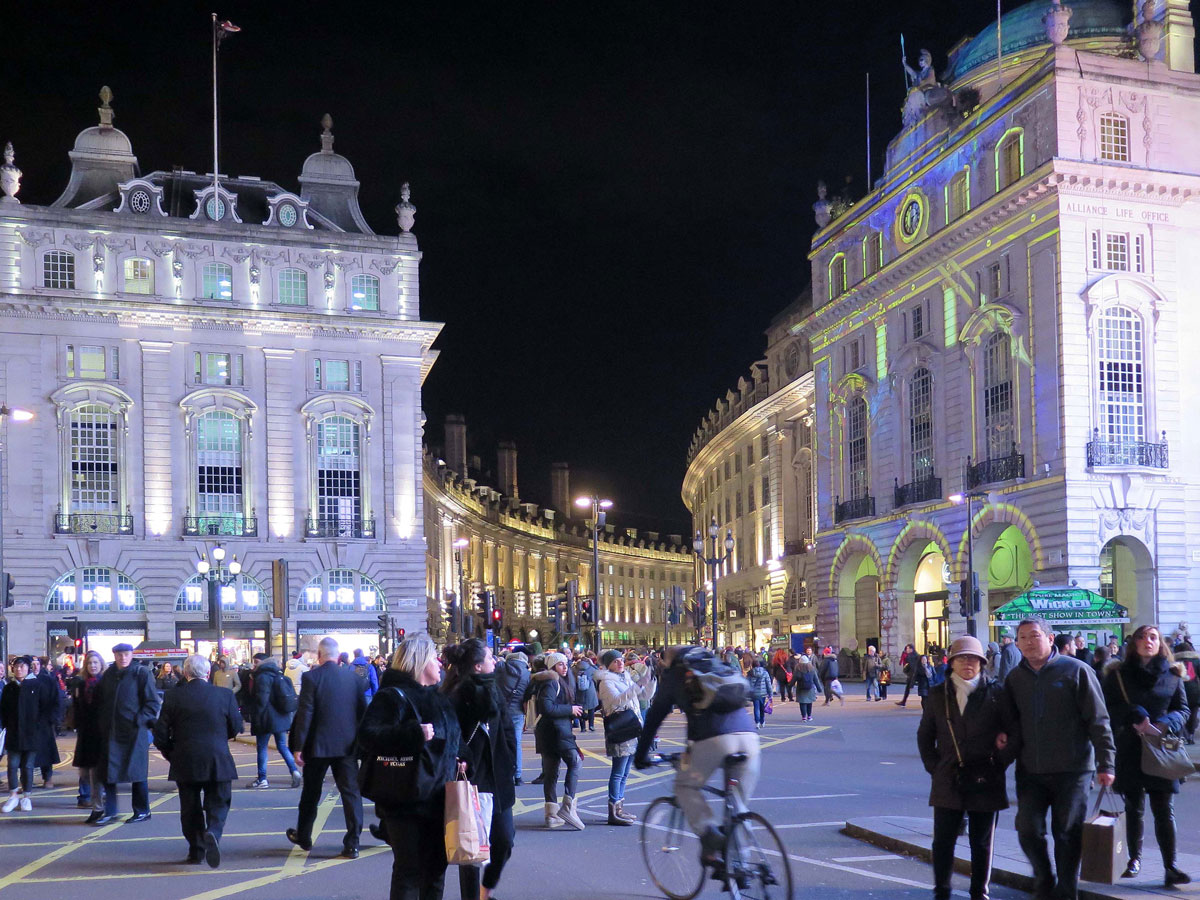
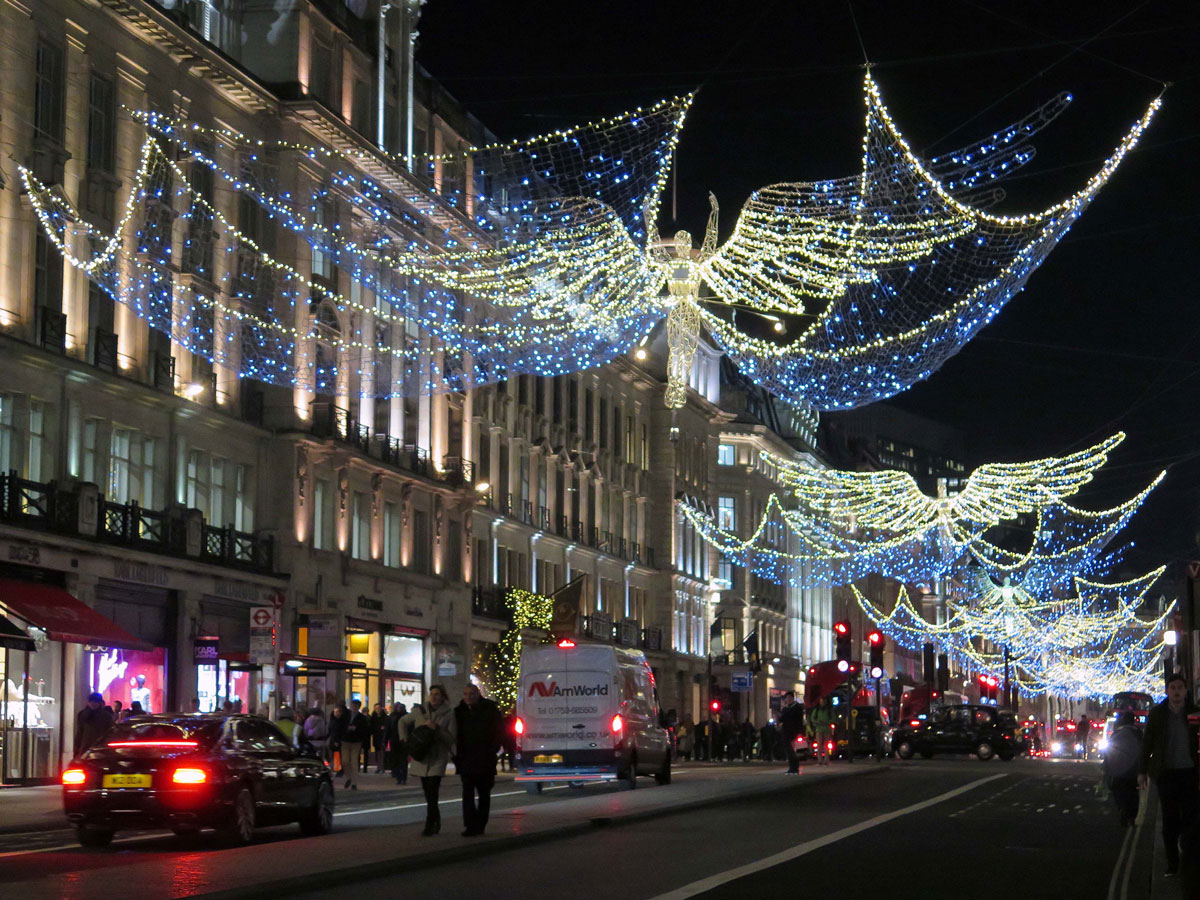
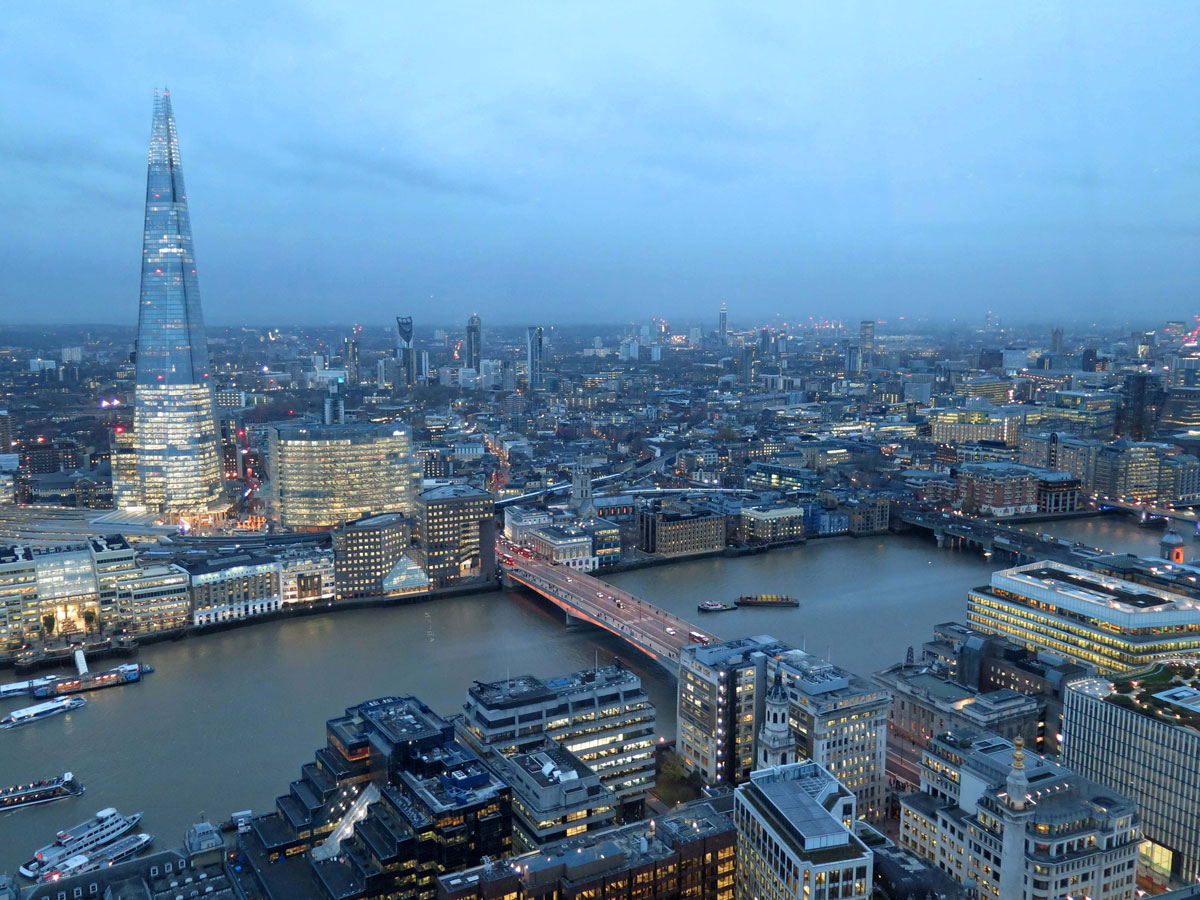
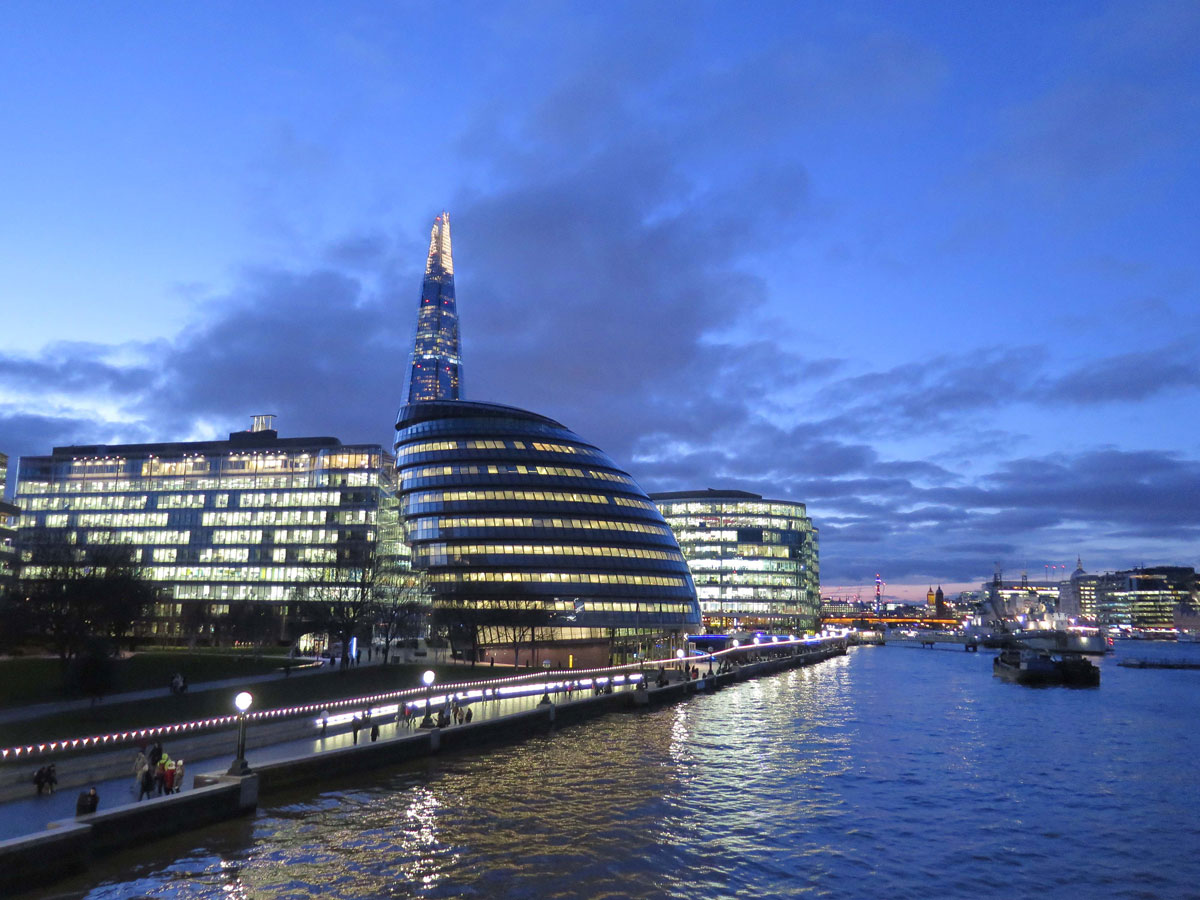
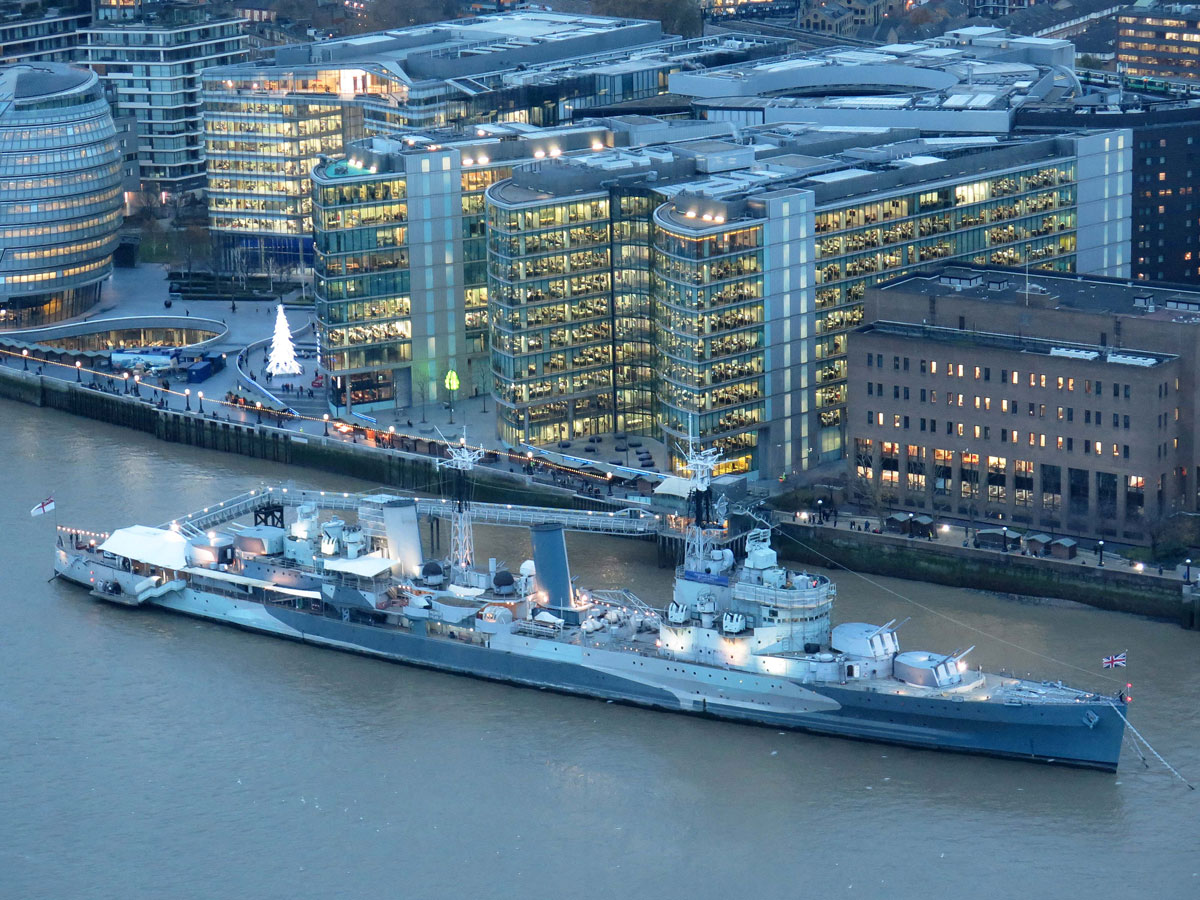
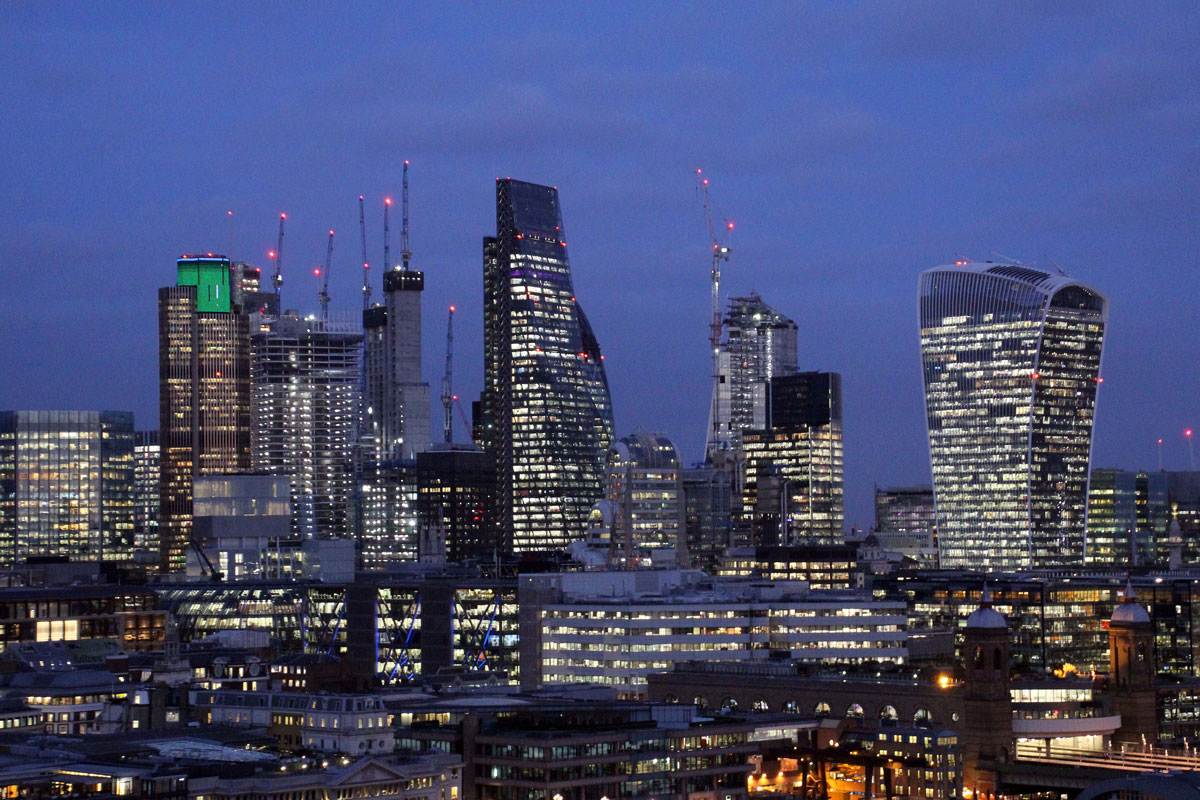
The Lights of London

The Lights of London

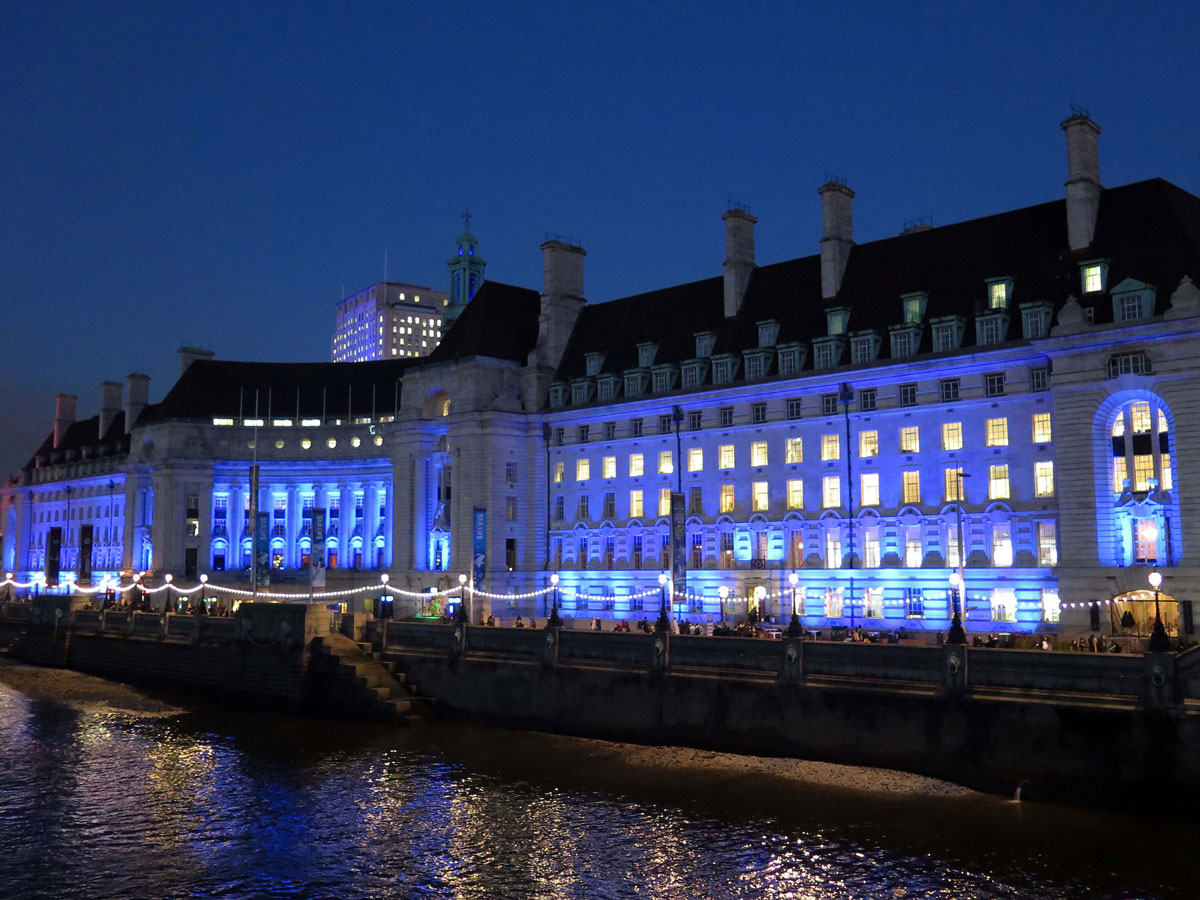
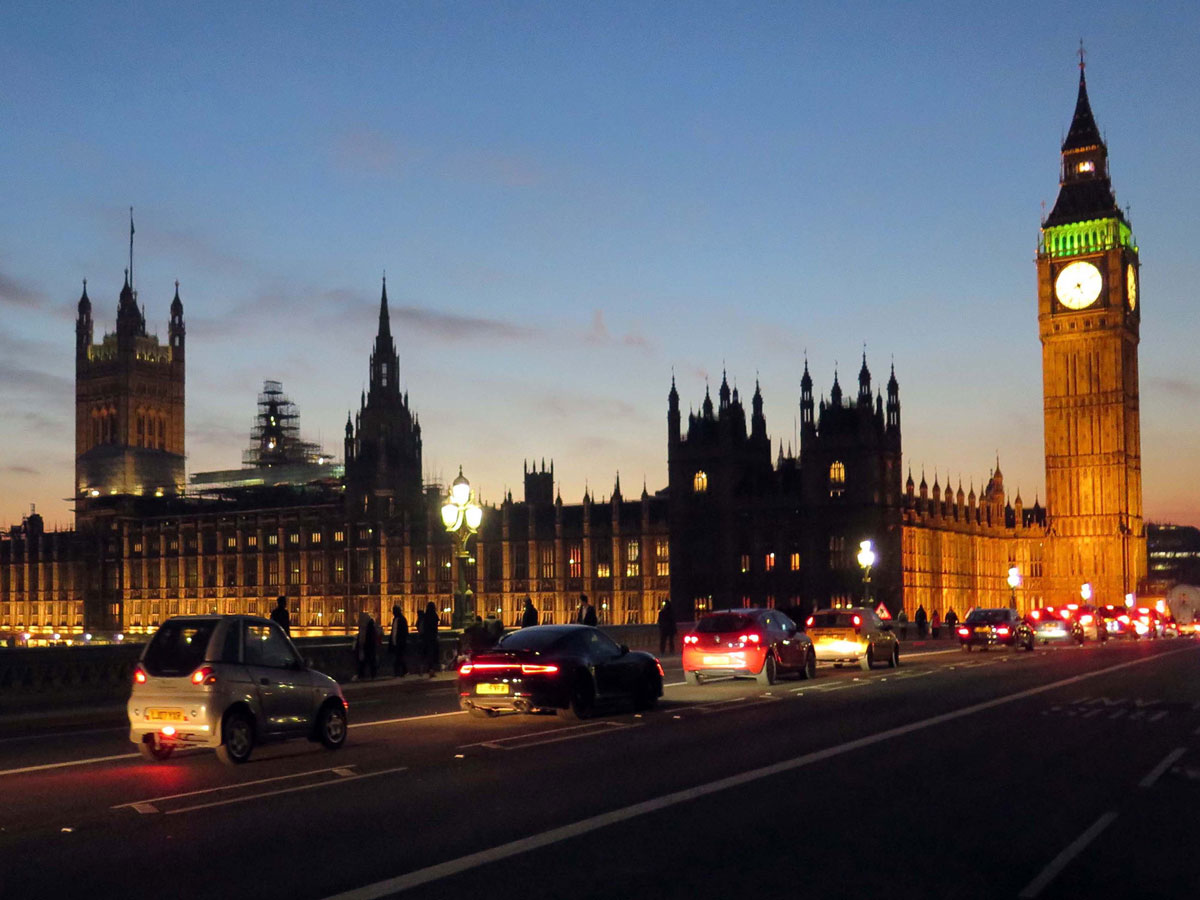
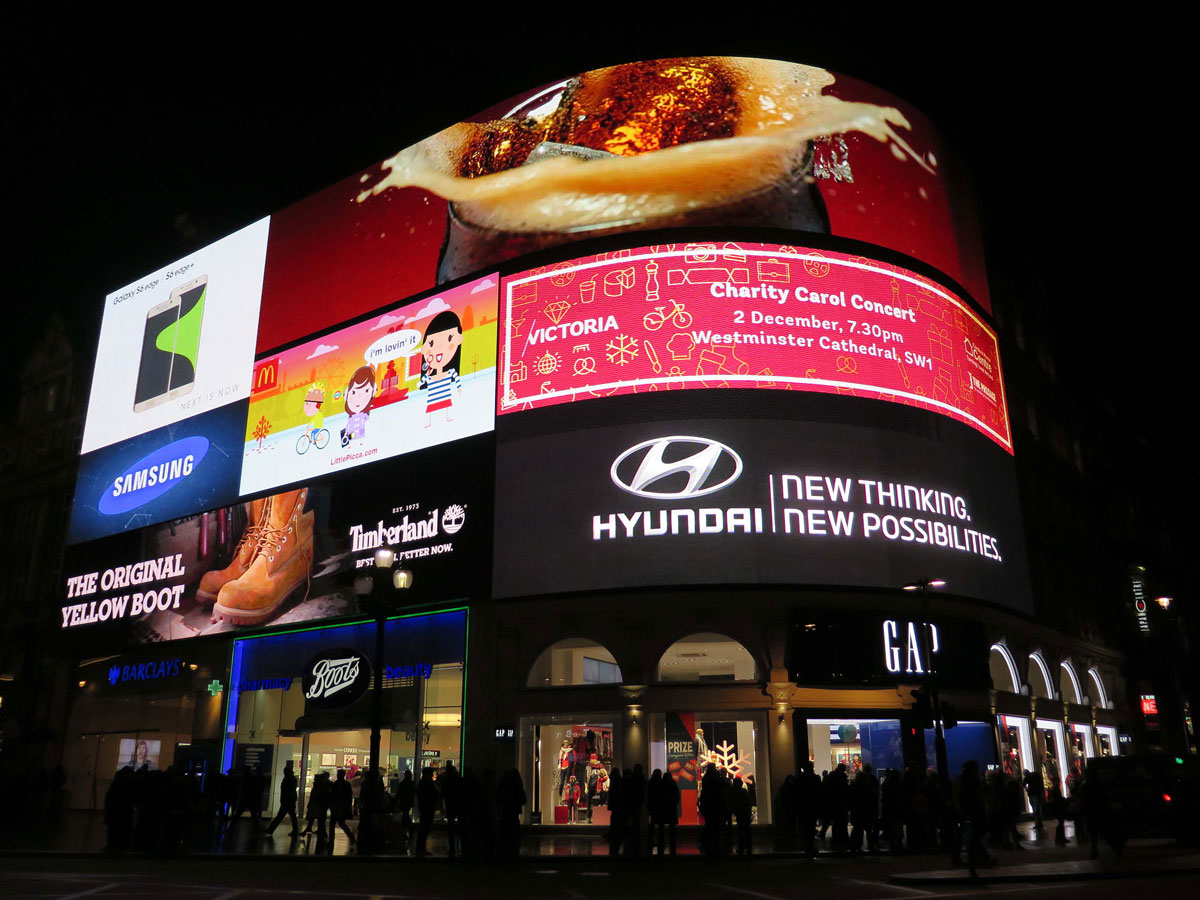
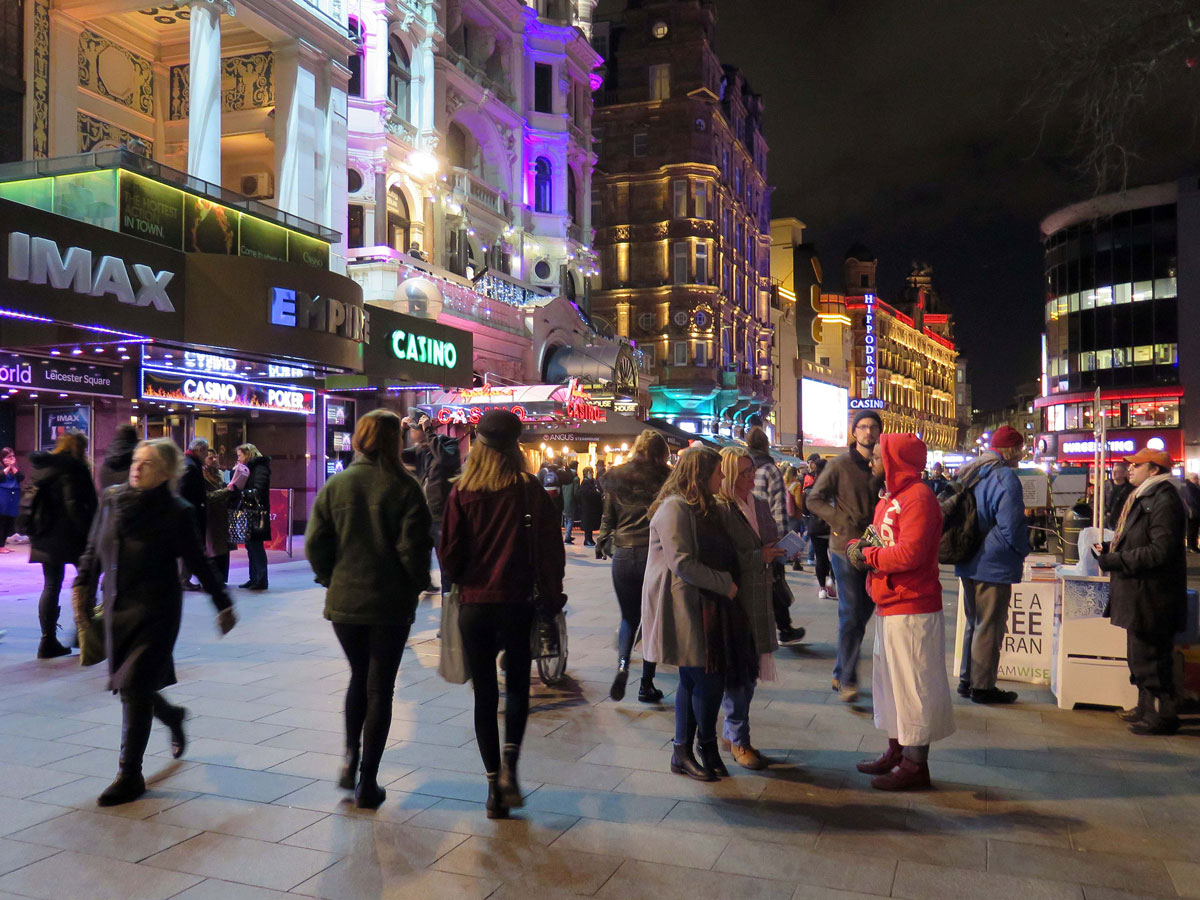
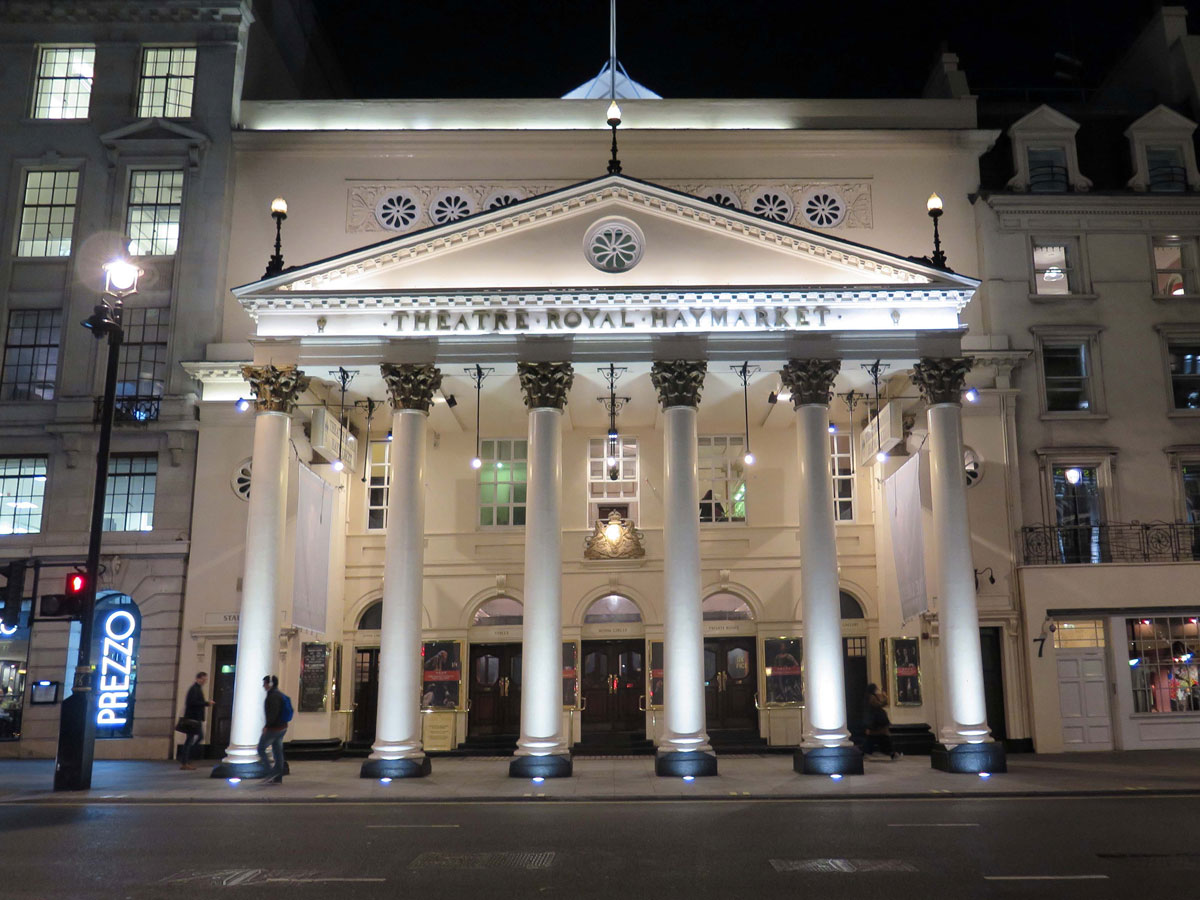
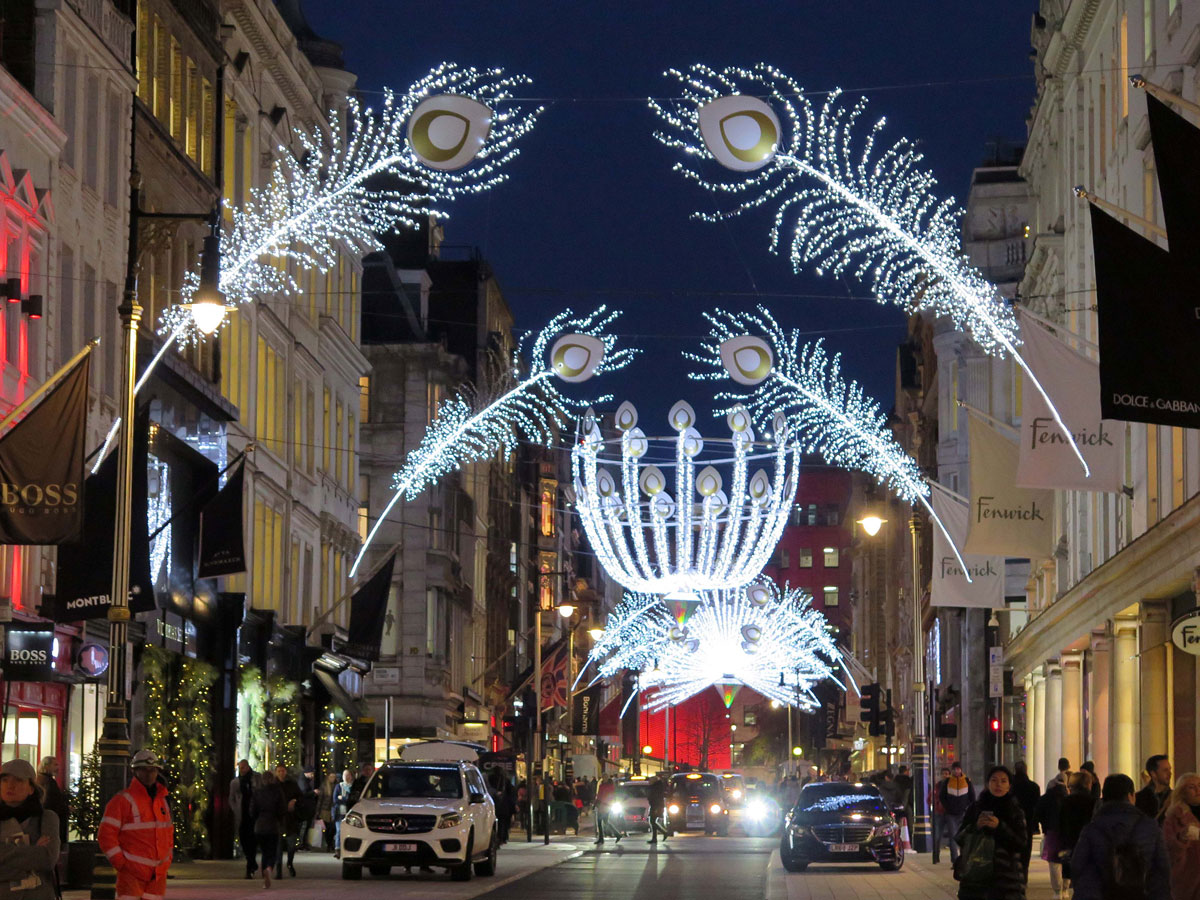
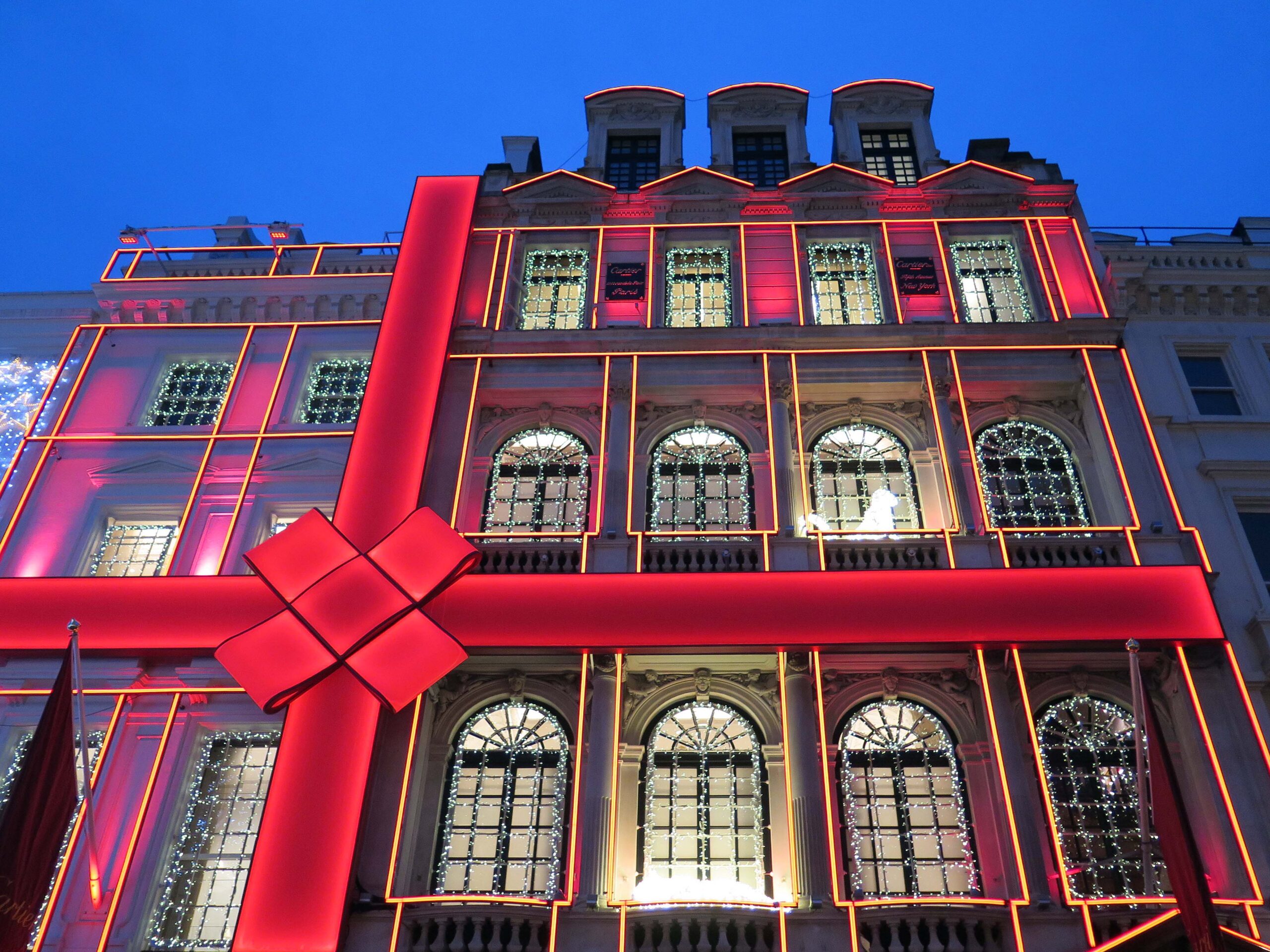
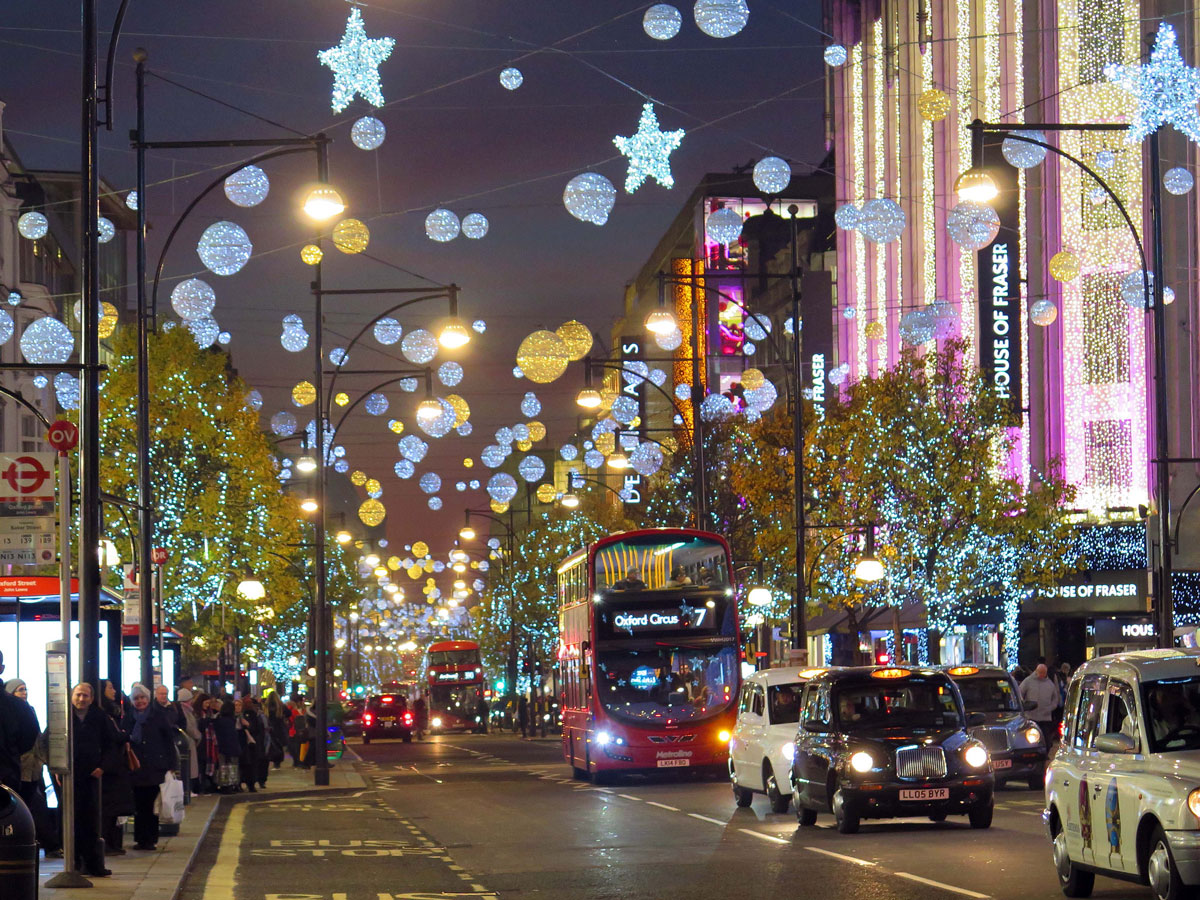
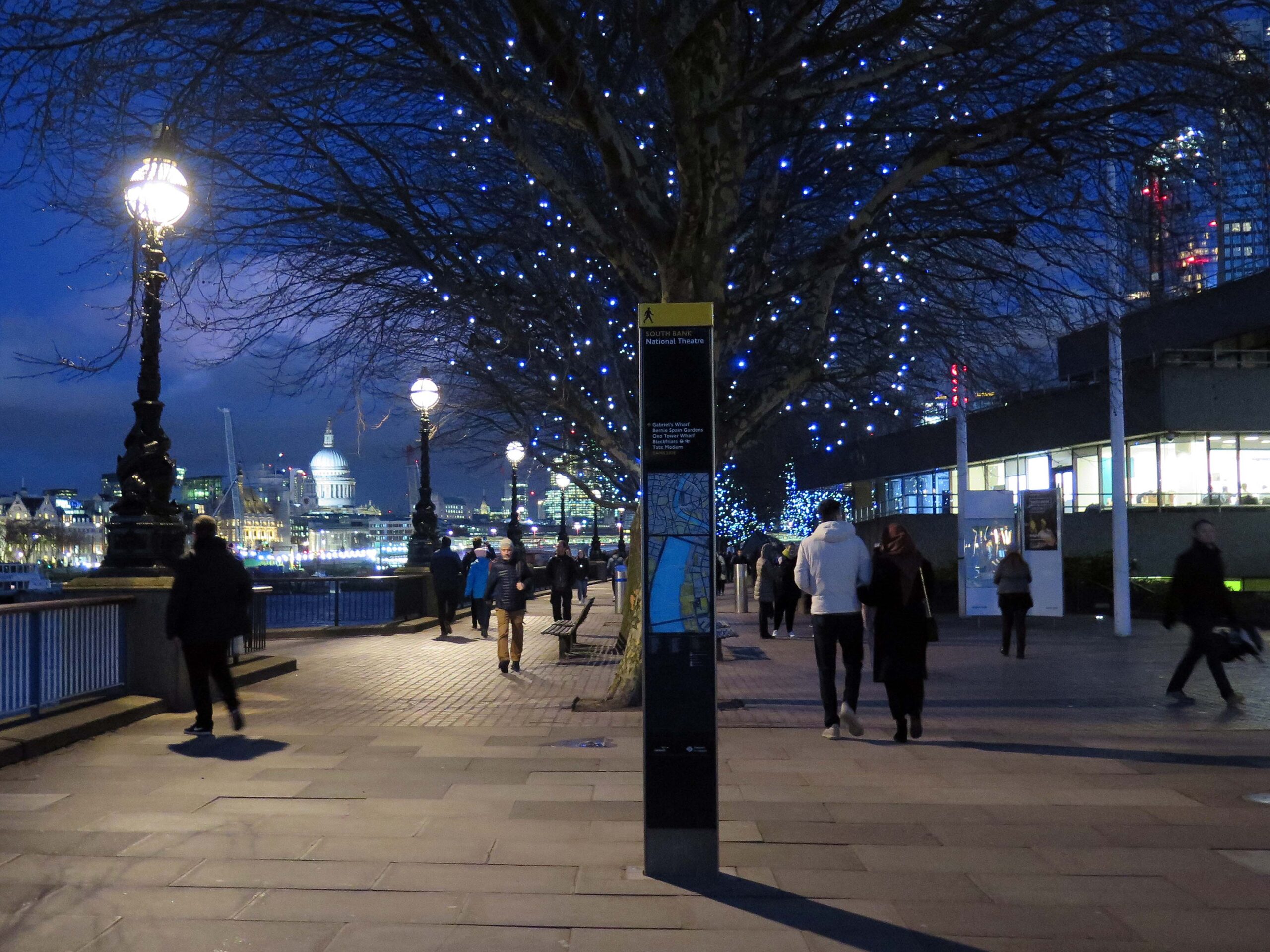
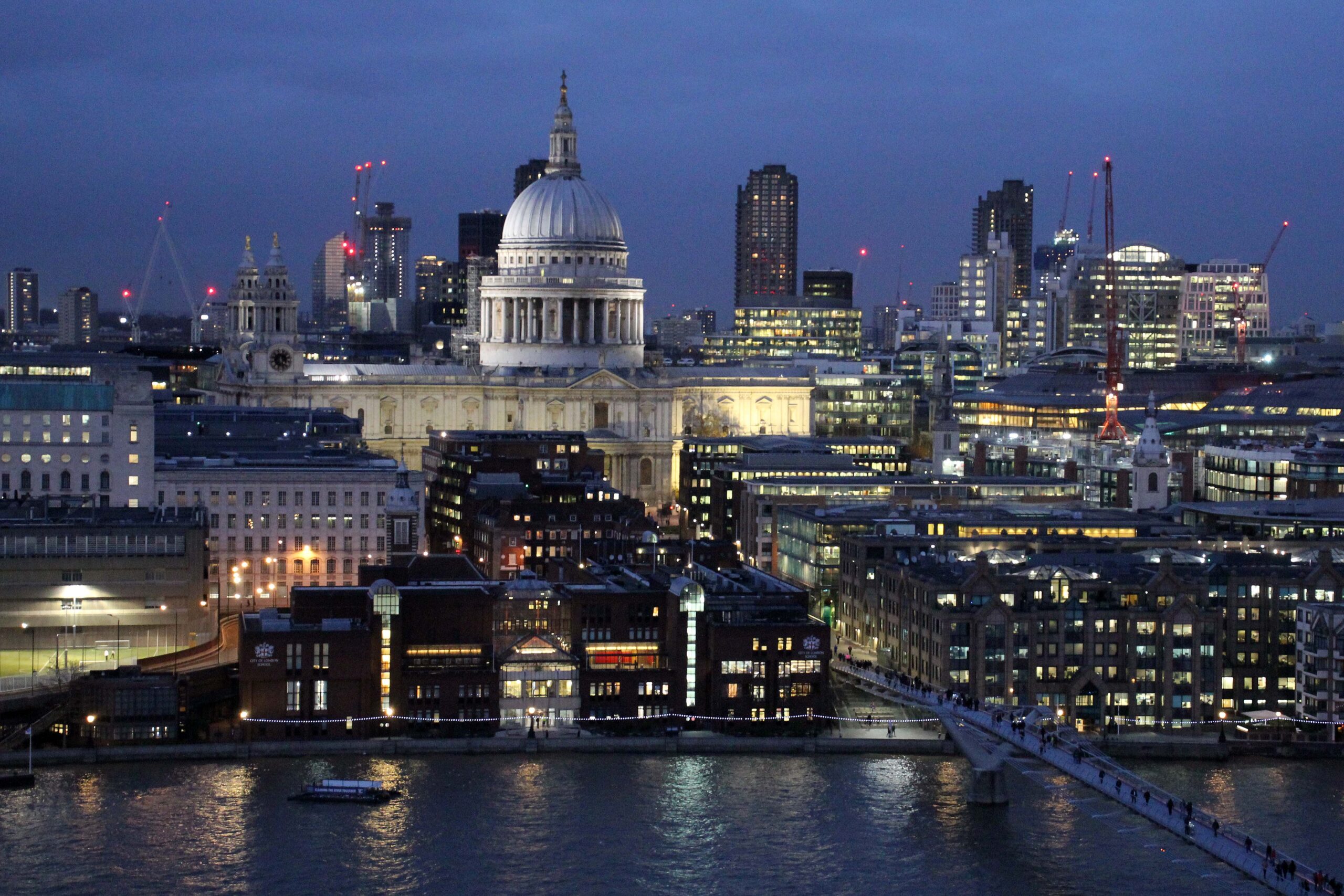
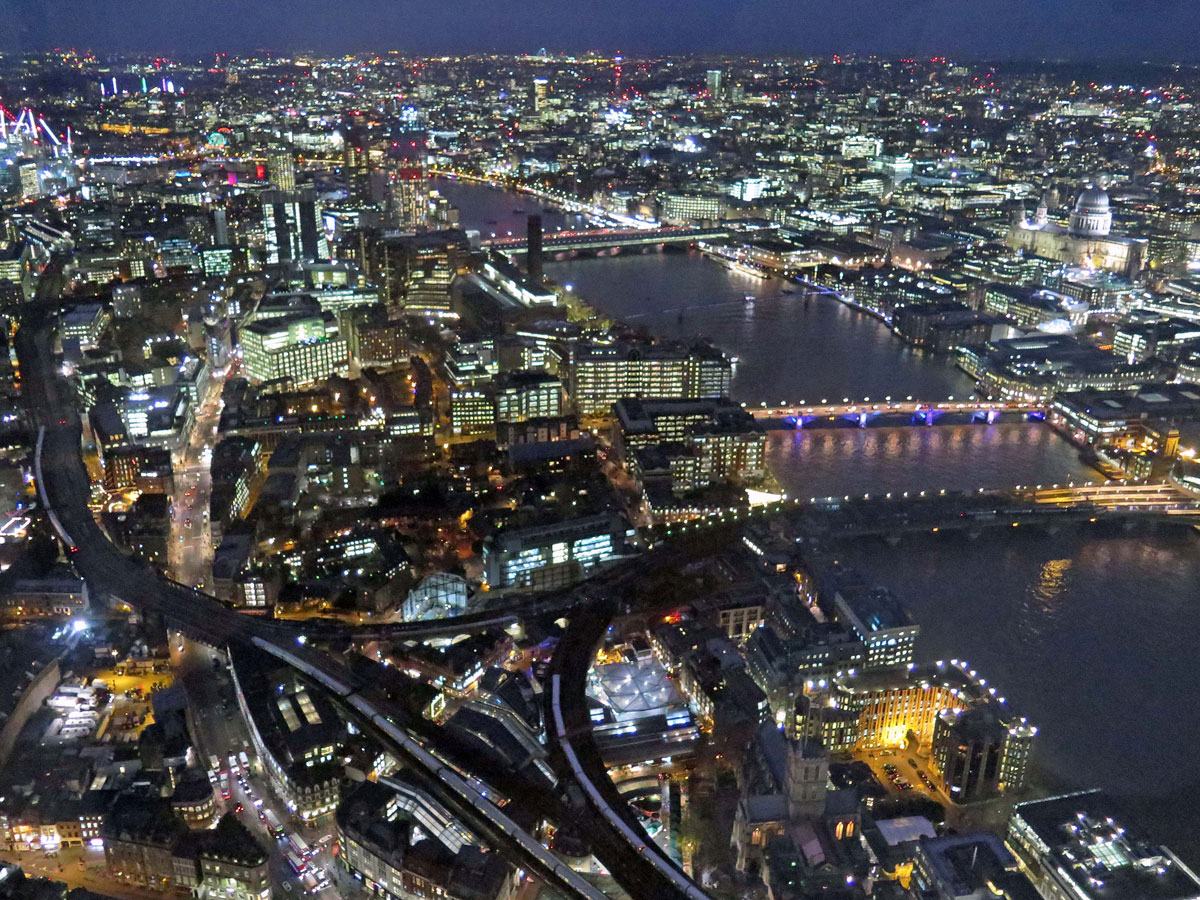
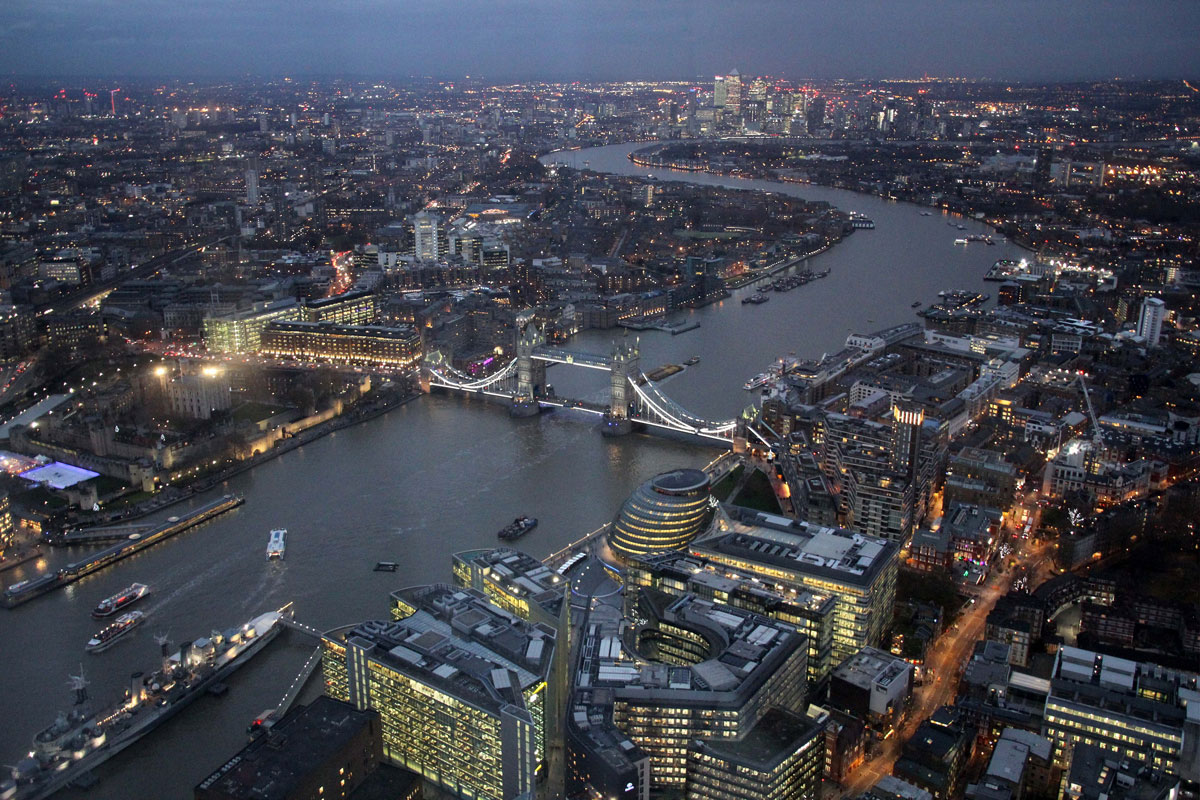
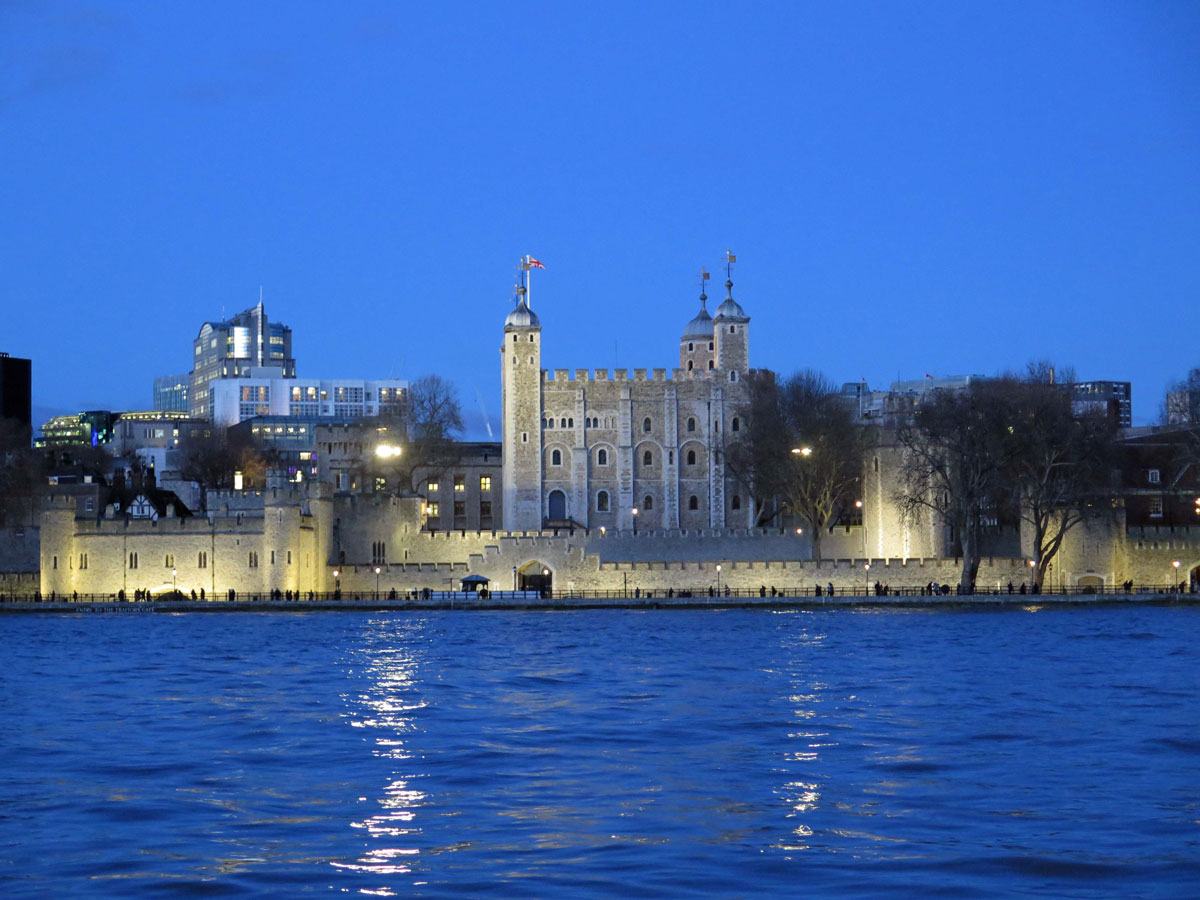
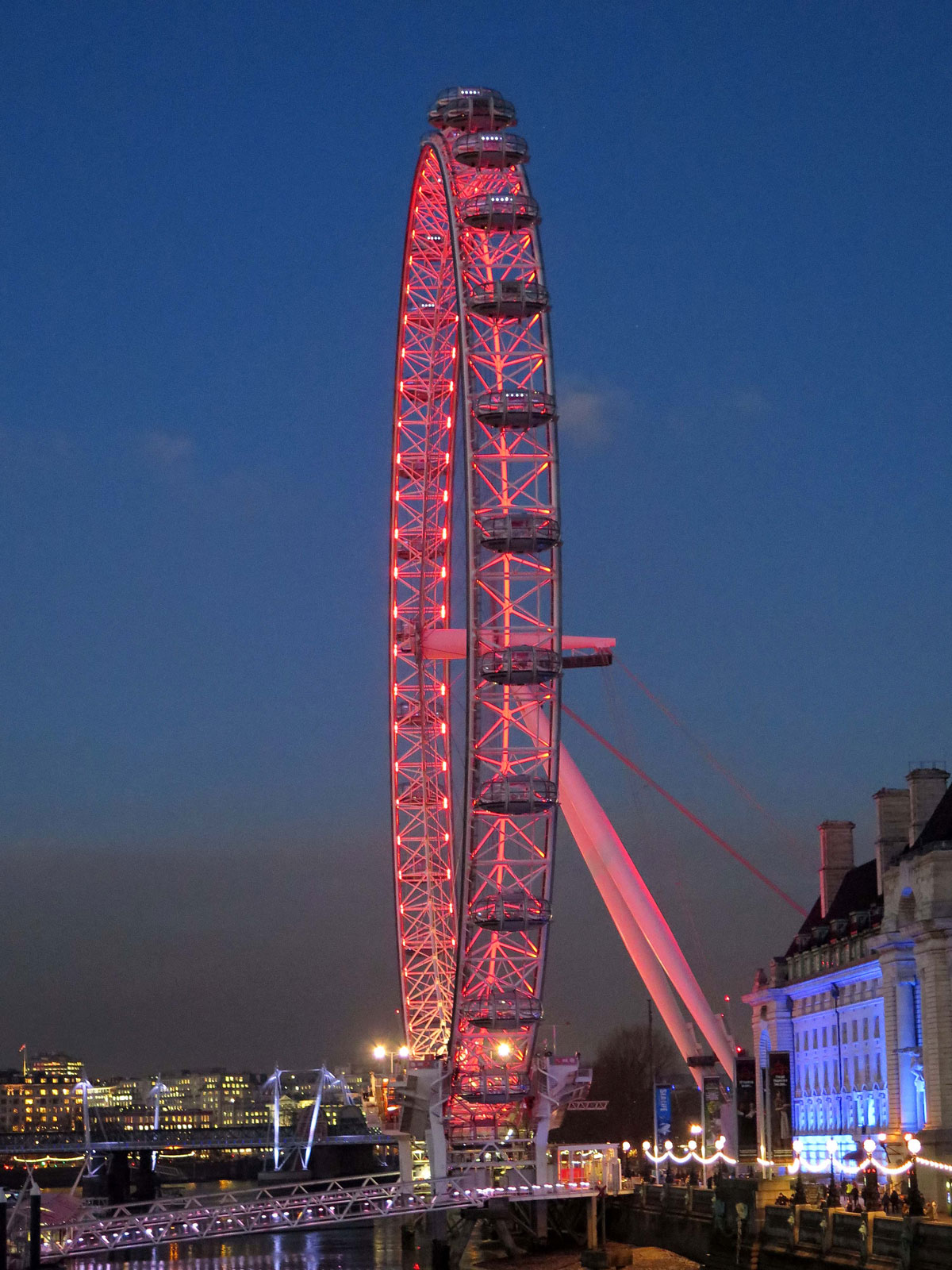
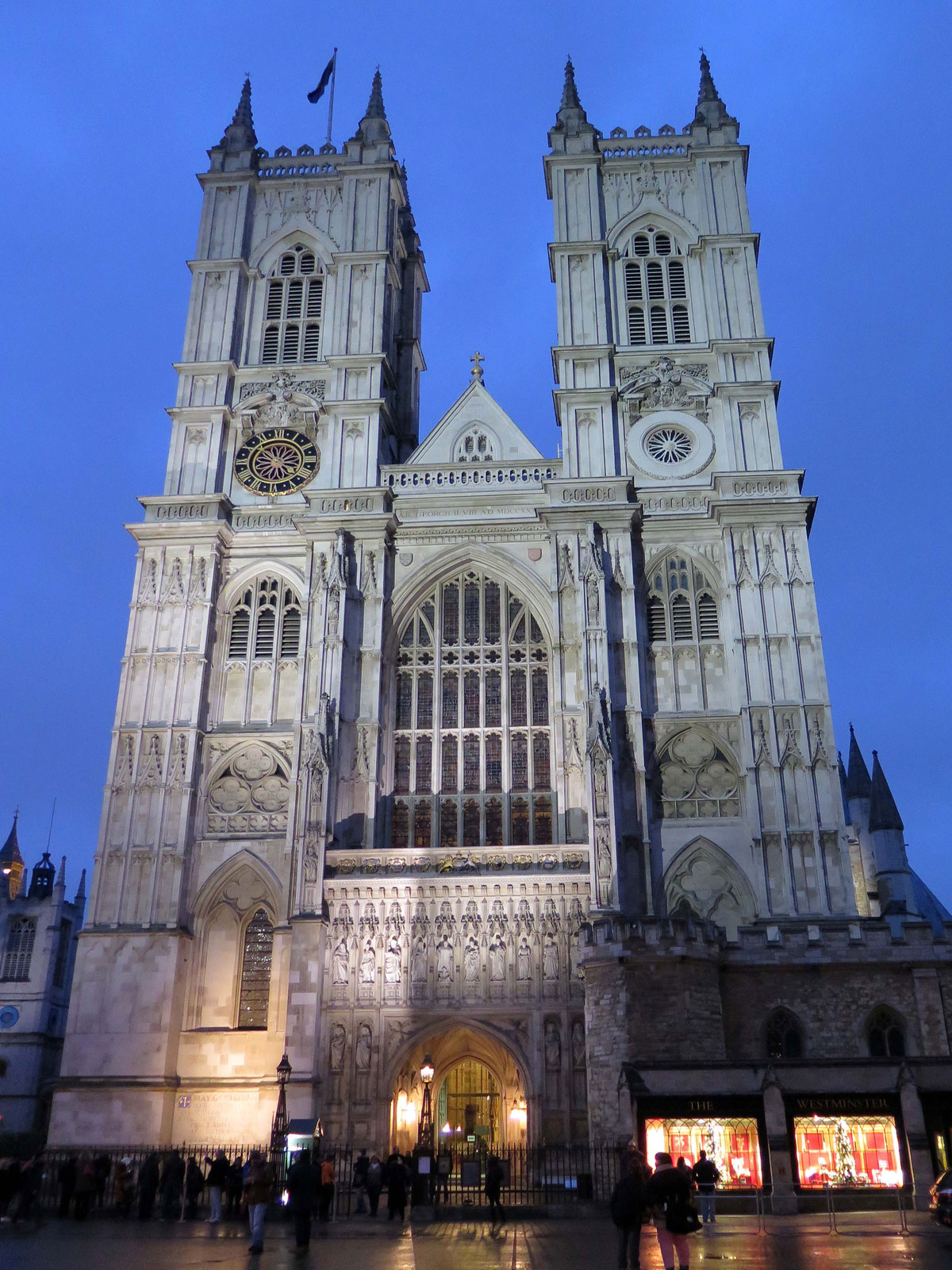
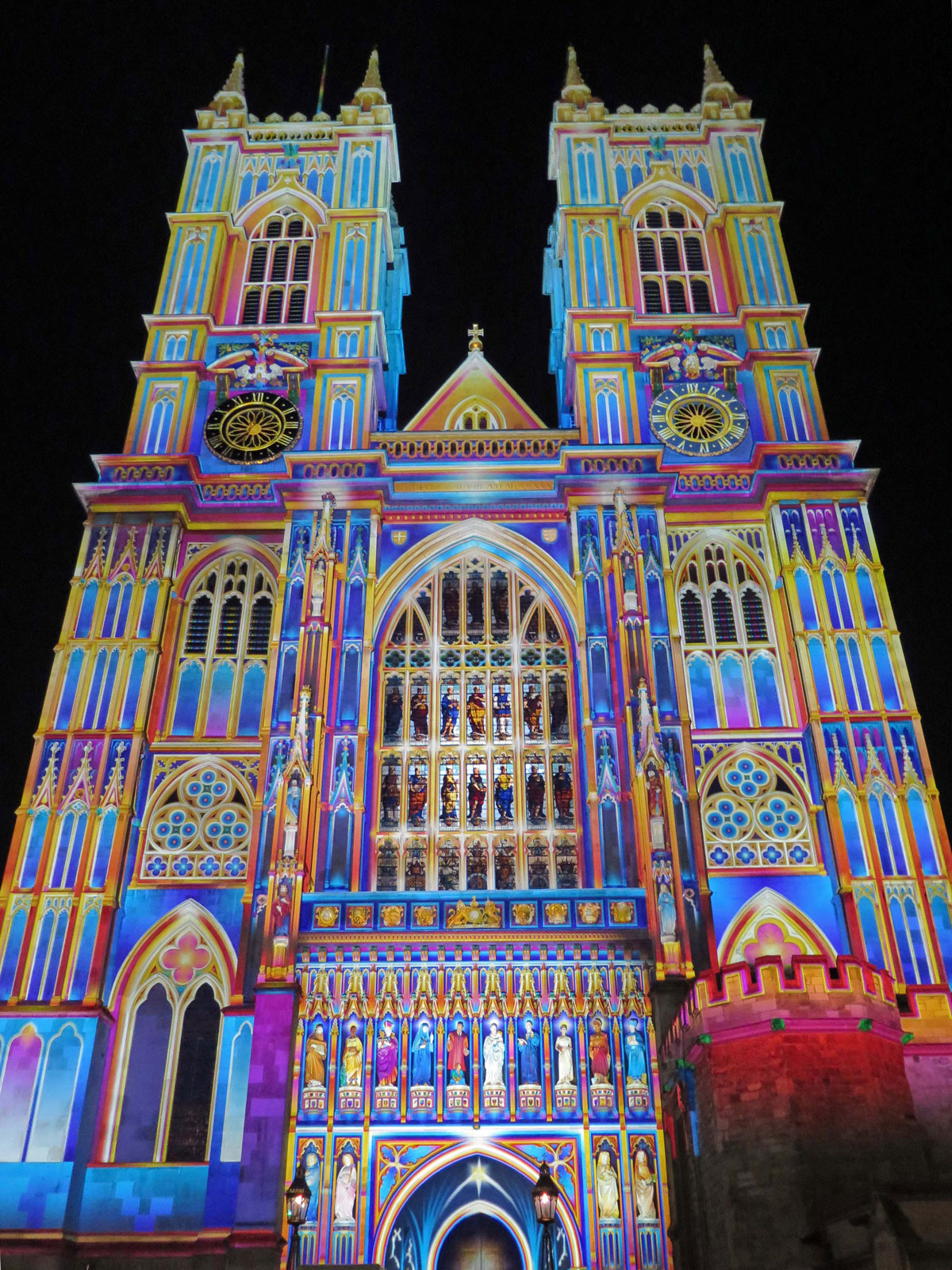
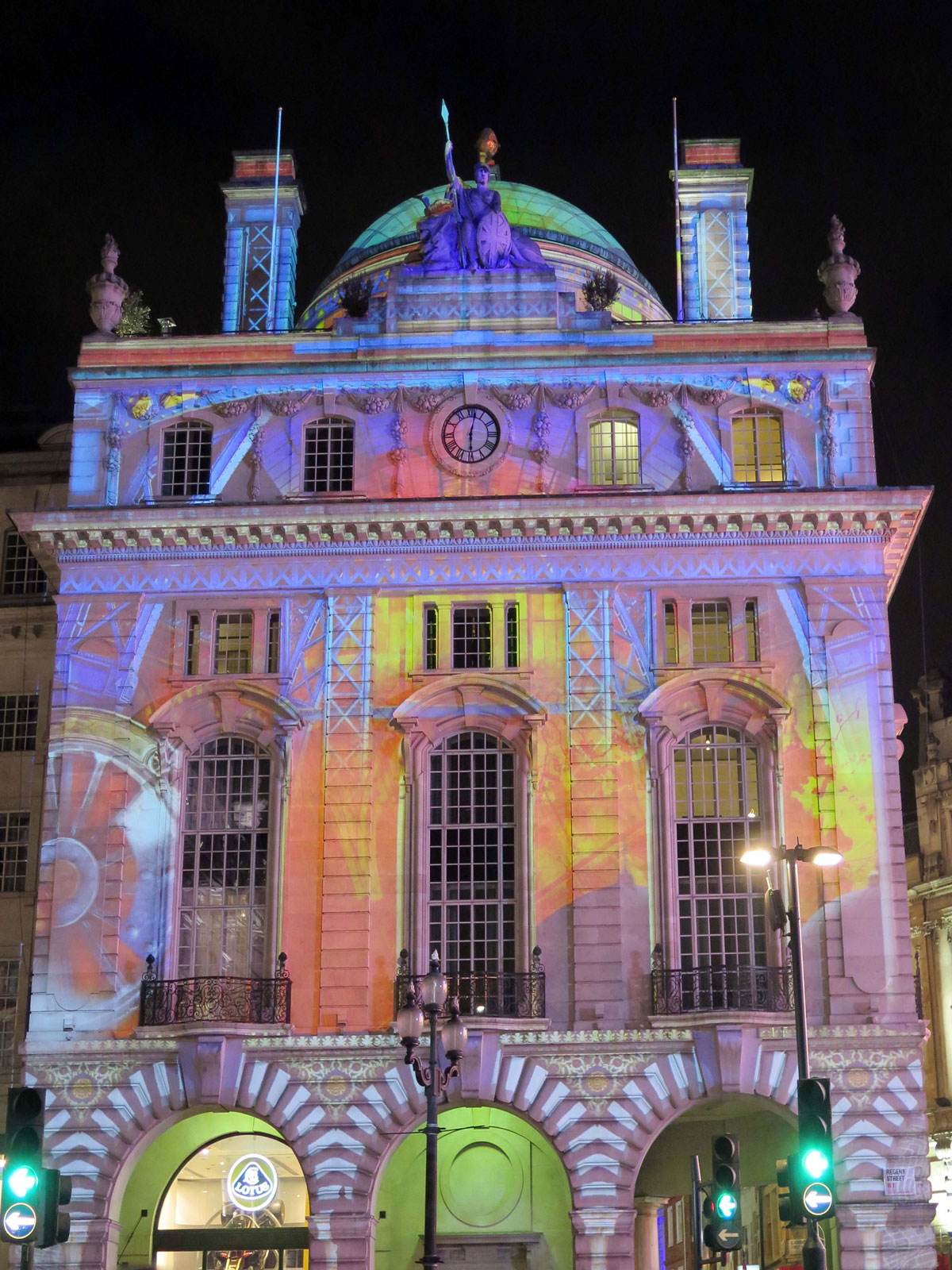
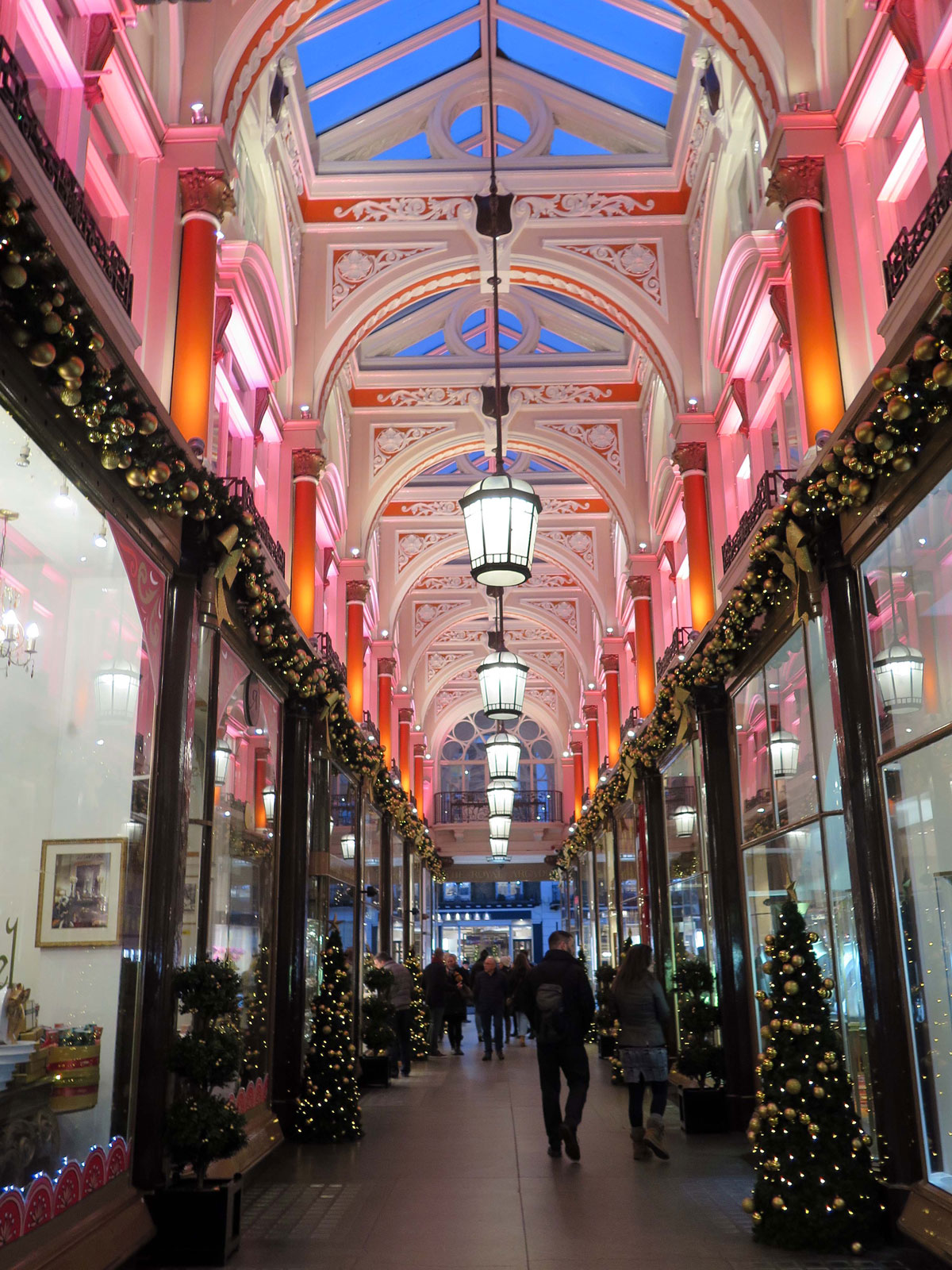
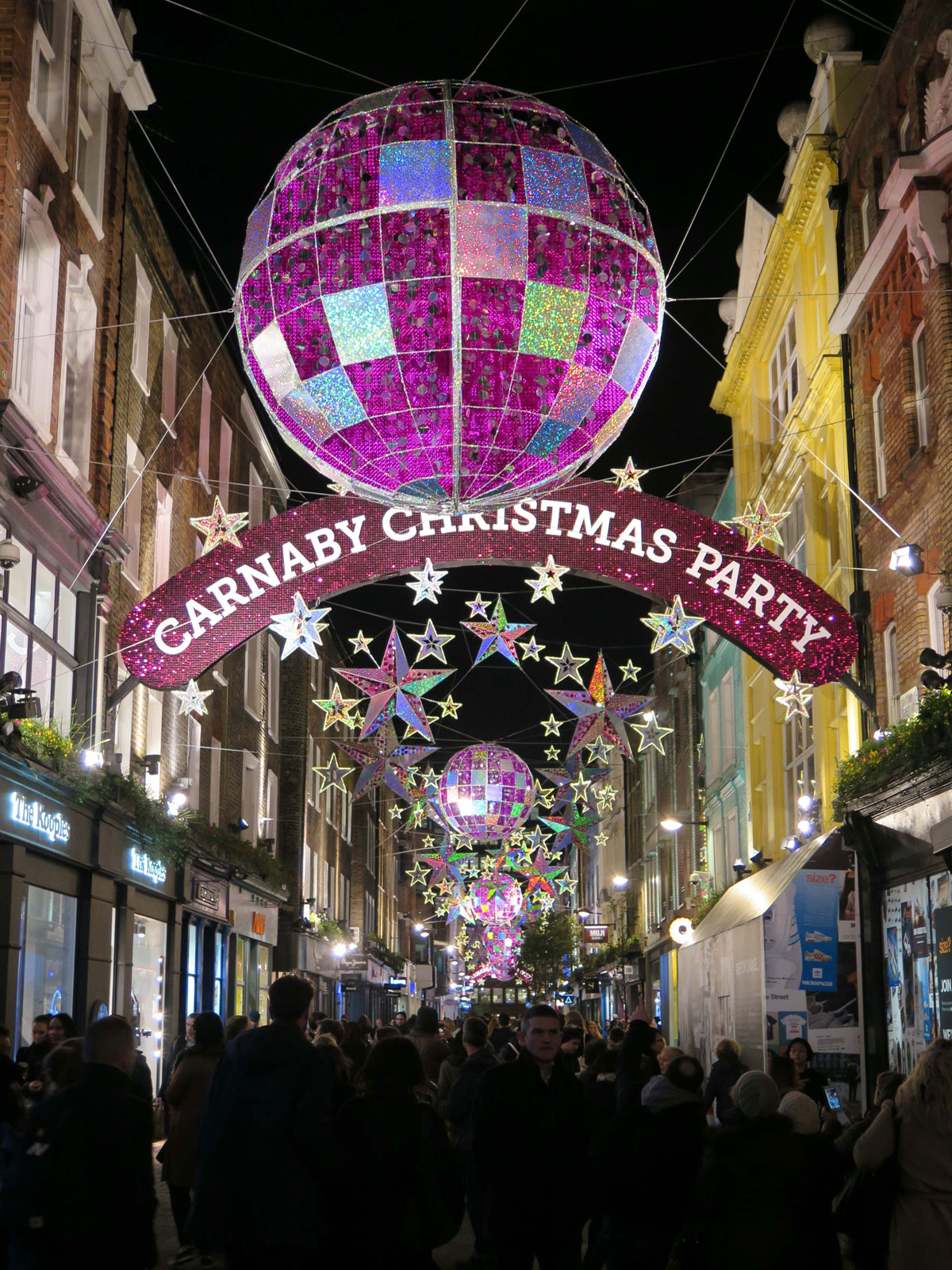
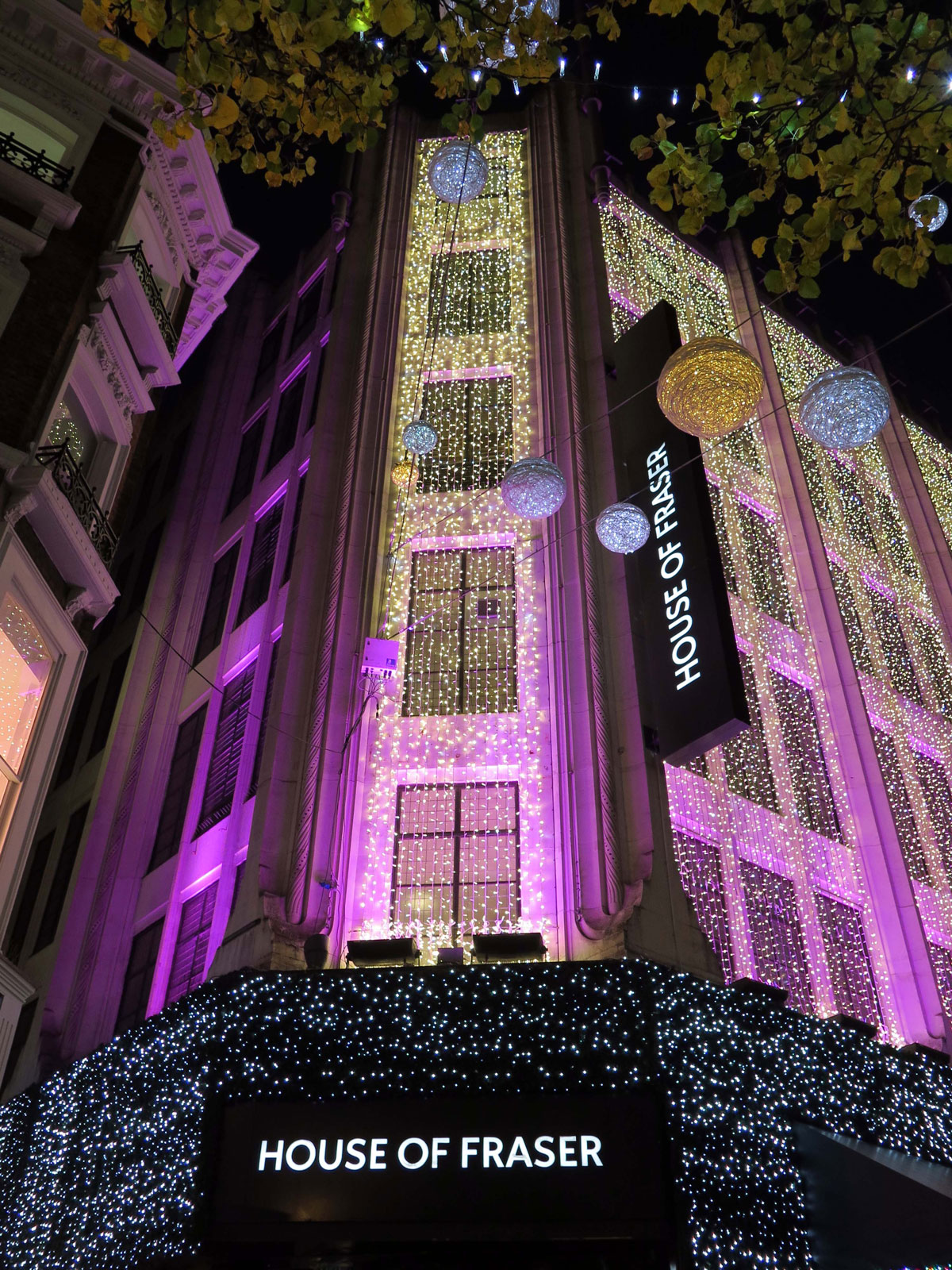
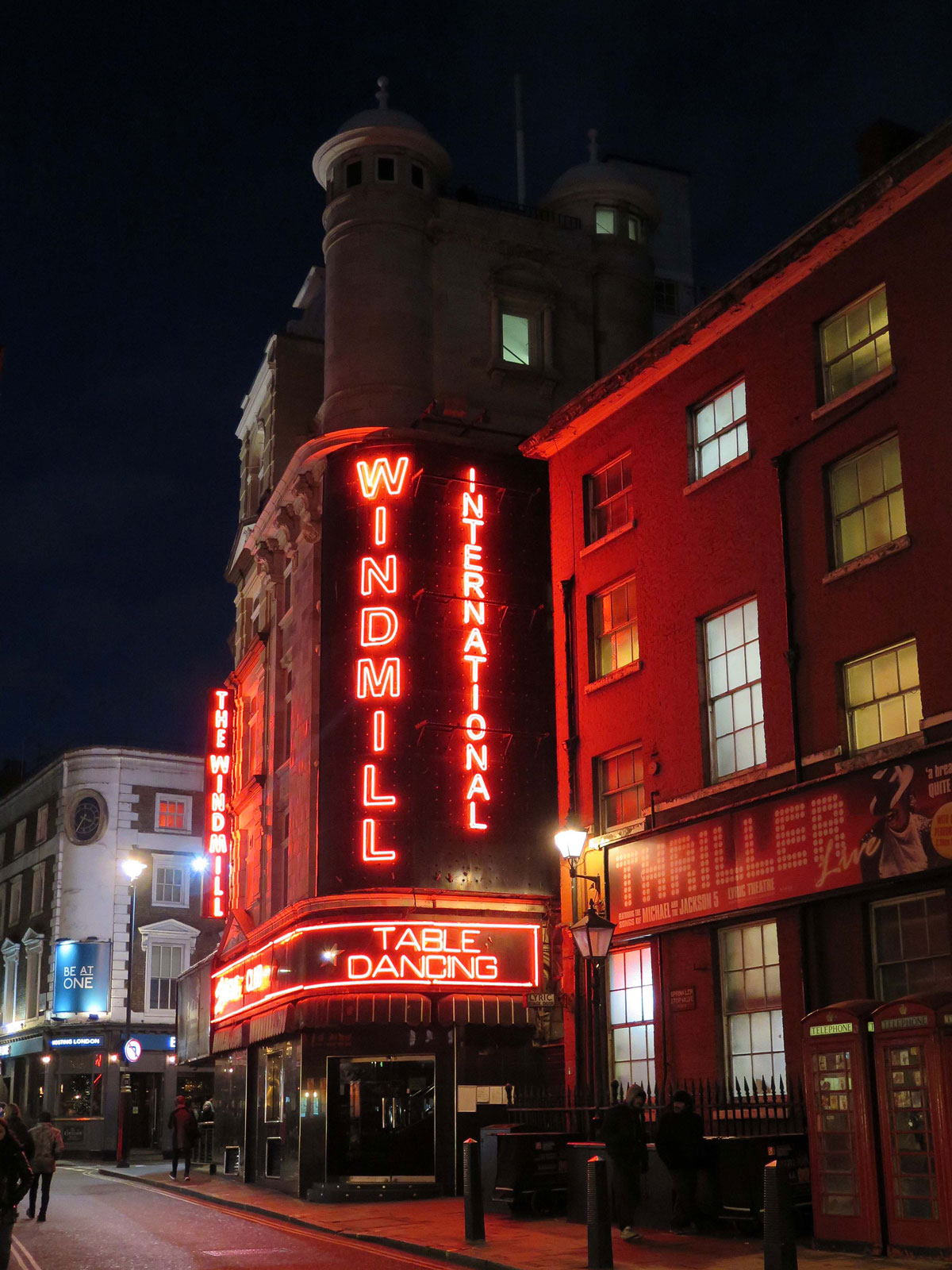
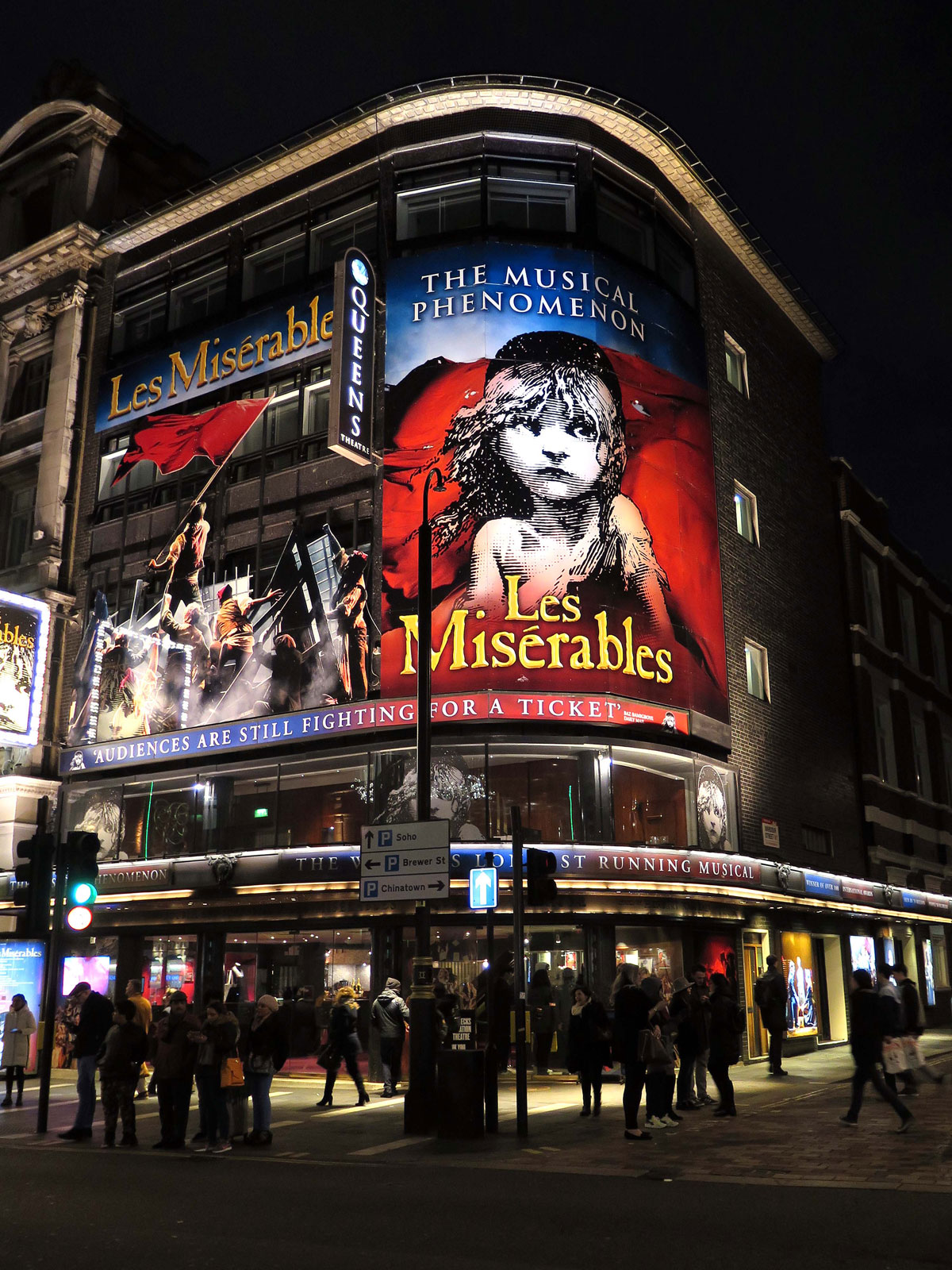
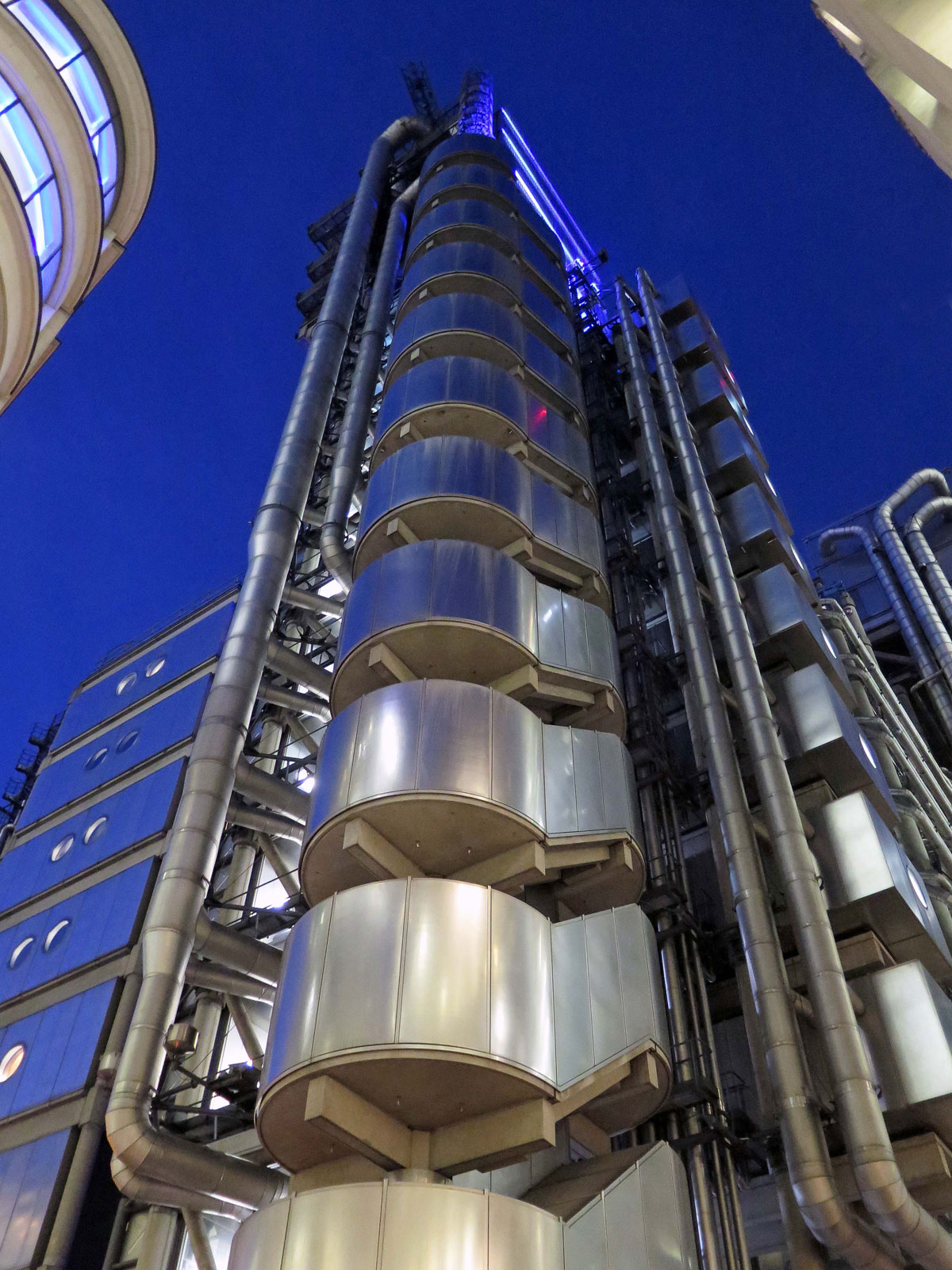
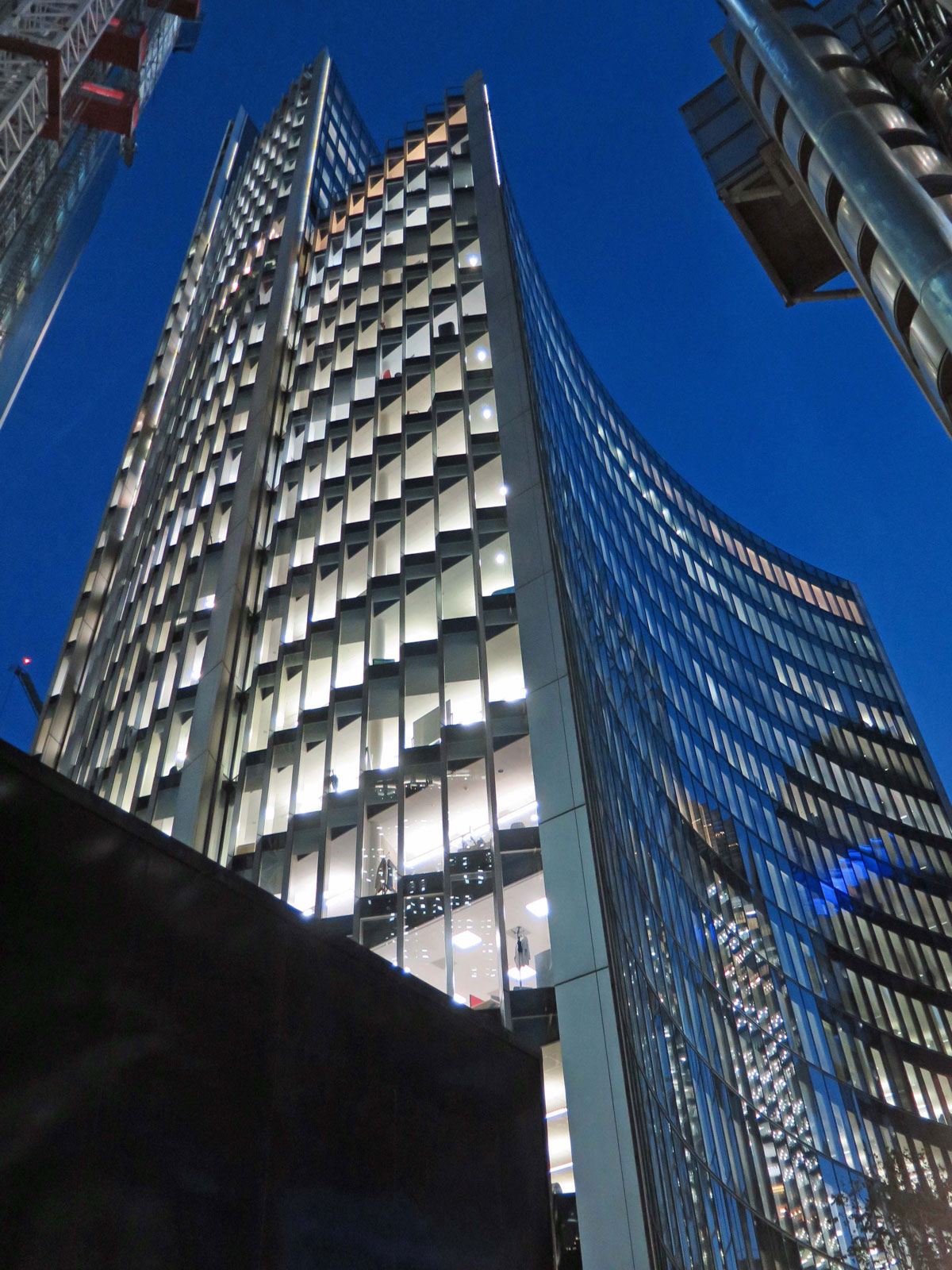
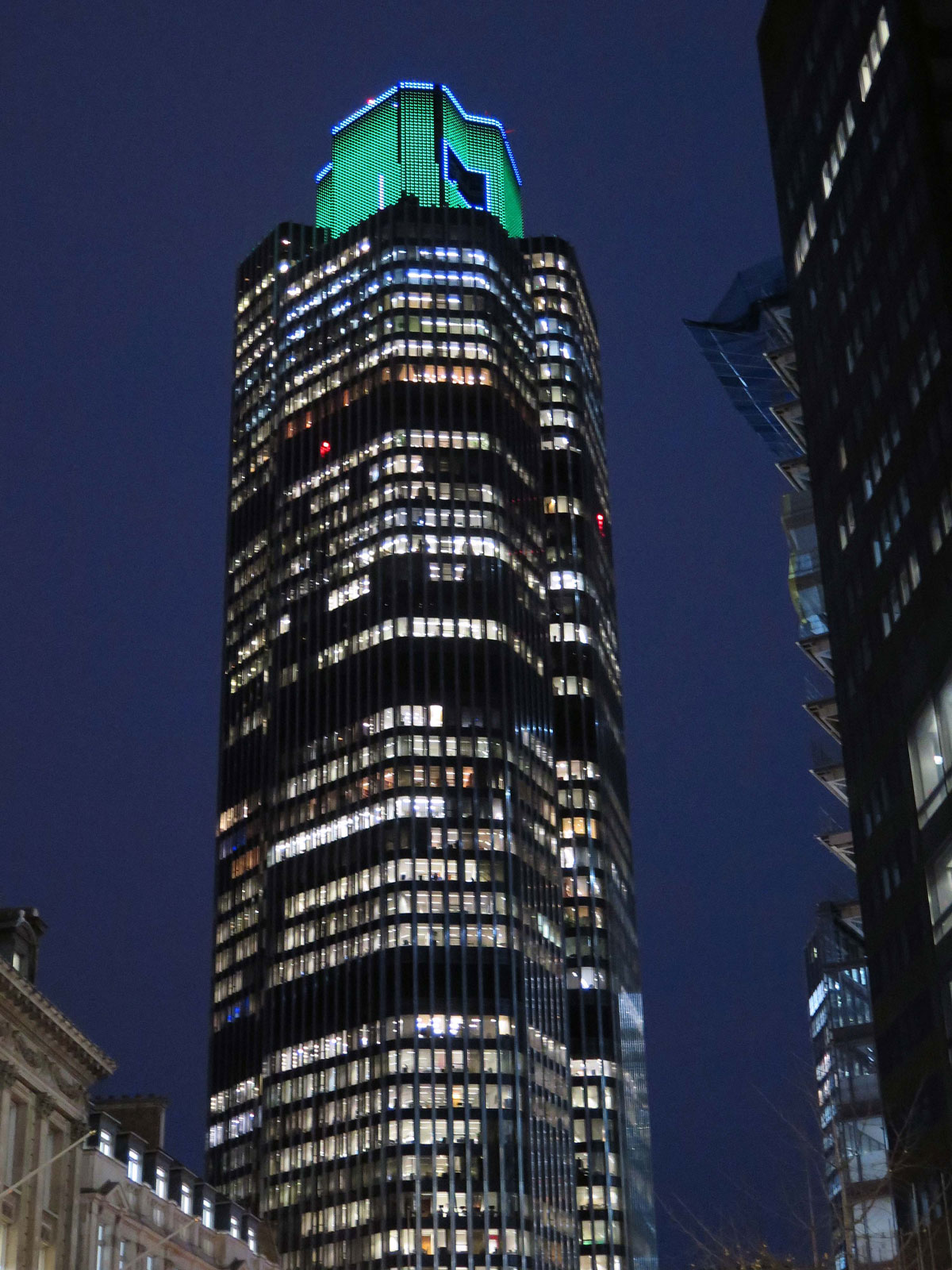
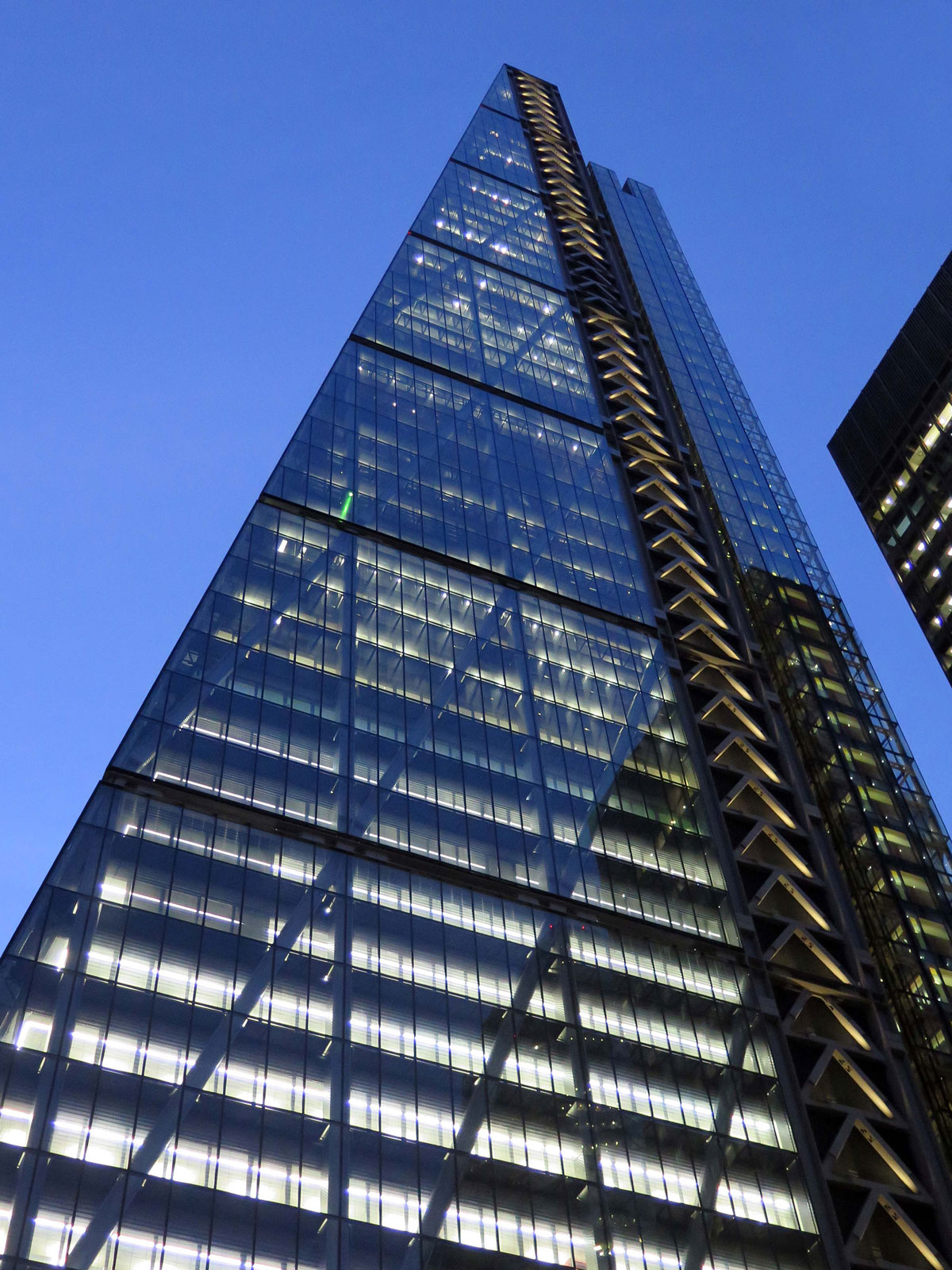
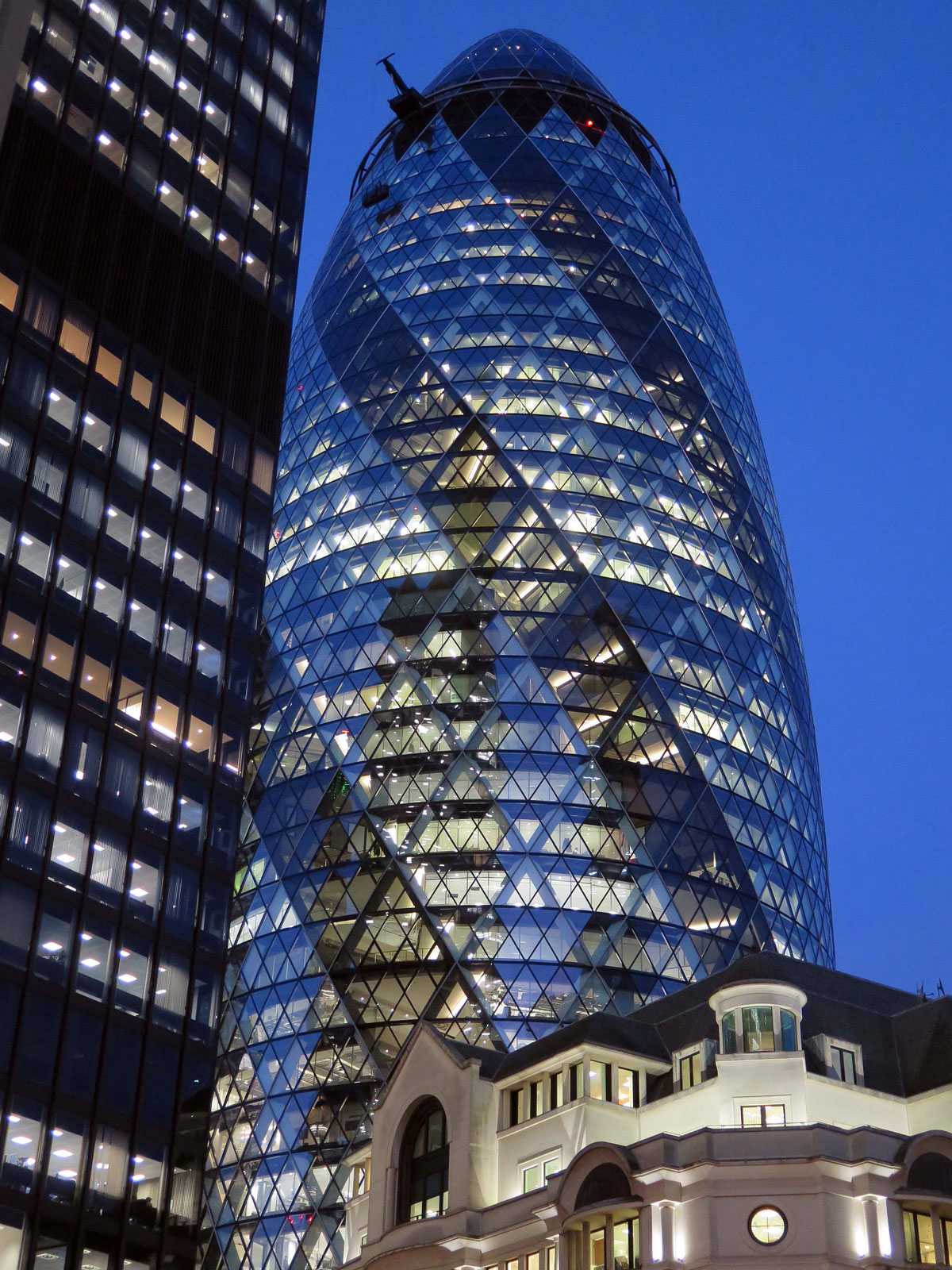
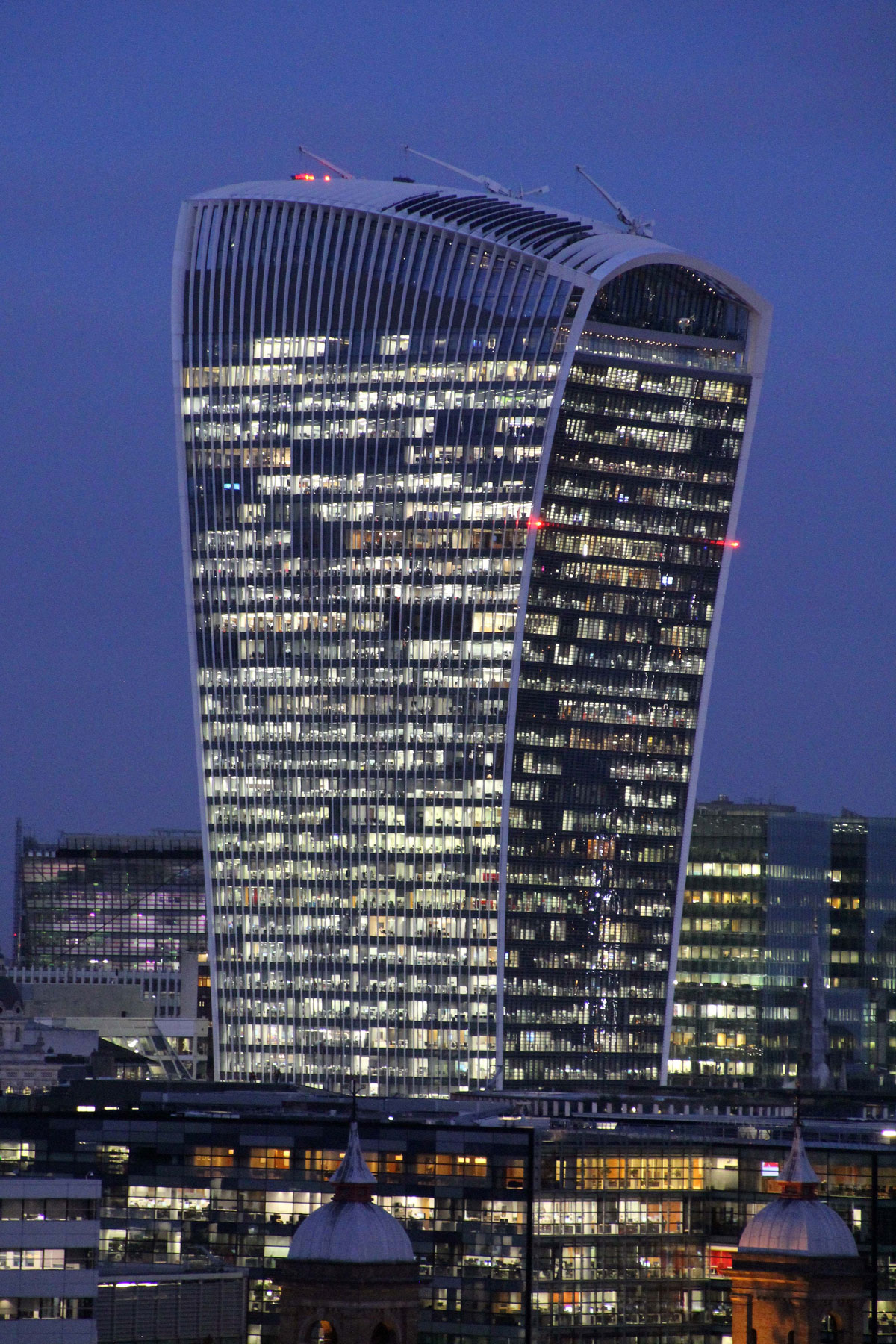
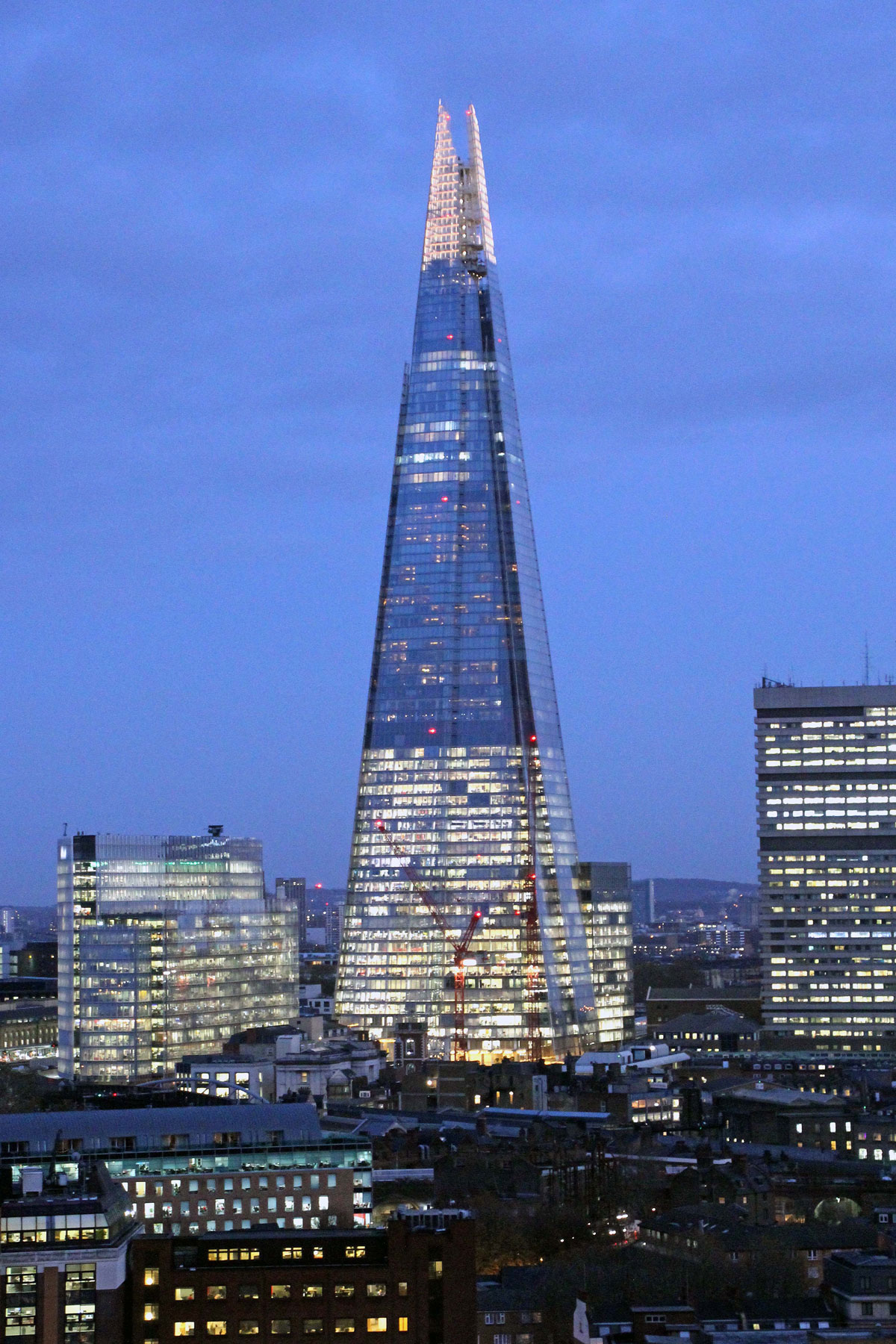
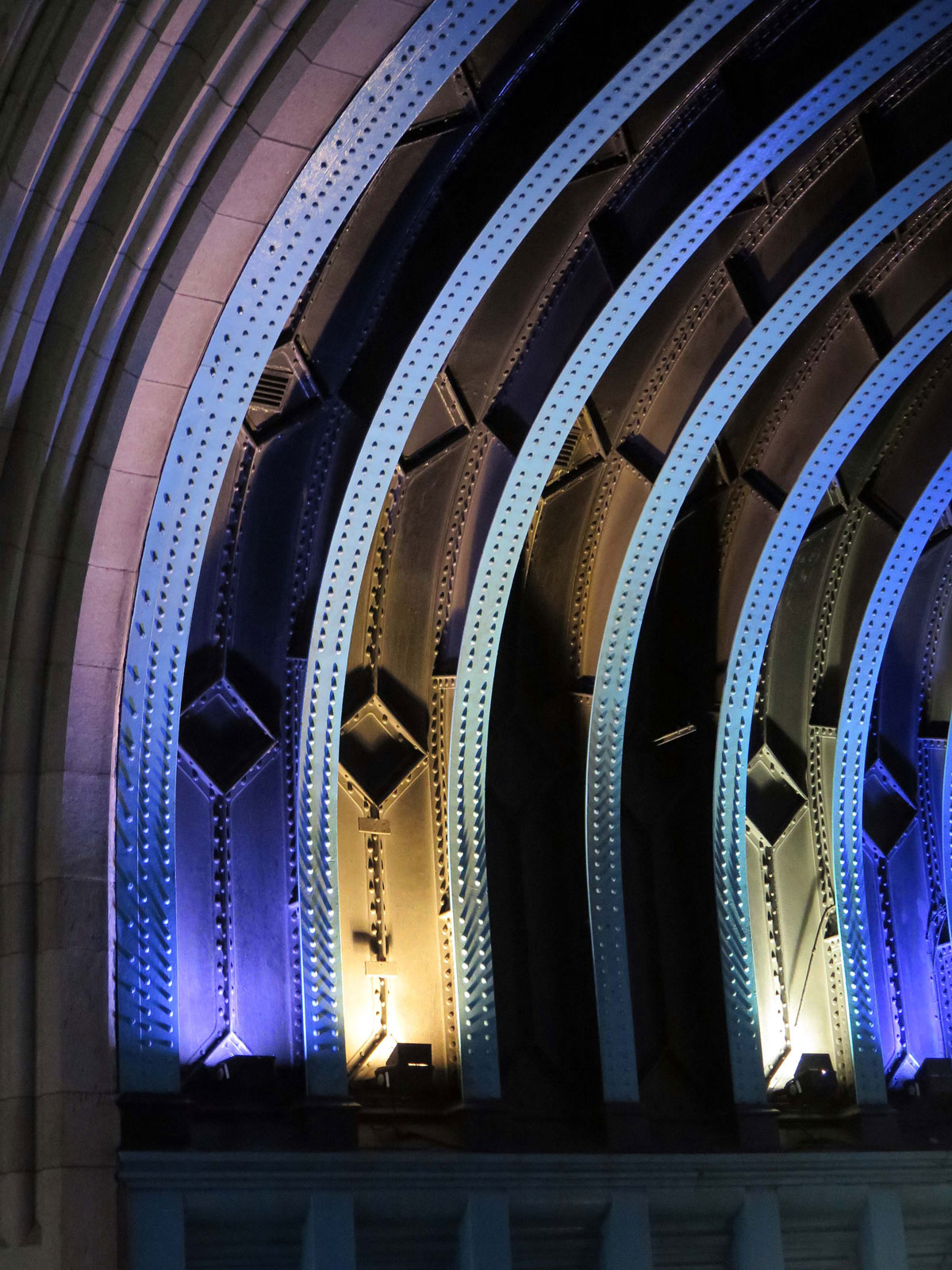
With people’s increasing awareness of the environment, not to mention the cost and unreliability of future energy supplies, I wonder how much longer cities like London will be able to use energy in the form of unnecessary illuminations. So, before the lights start flickering, let’s enjoy these spectacles while we can.

The music I’ve chosen for this post is by Sade, one of my favourite female singers of all time. In this song, called Pearls, she sings about the harshness of life in Africa, and although she was born in Nigeria, Sade was brought up in Essex before moving to London.

Is it any wonder that so many migrants want to come to London for a better life? – but for many, those brand-new shoes will hurt every bit as much as they did in Africa – no matter how many lights are still twinkling down onto those streets paved with gold.

GALLERY 1 (LANDSCAPE IMAGES)

GALLERY 2 (PORTRAIT IMAGES)

POSTED – DECEMBER 2021

Originally posted 2021-12-29 17:06:24.
The Greenwich Foot Tunnel

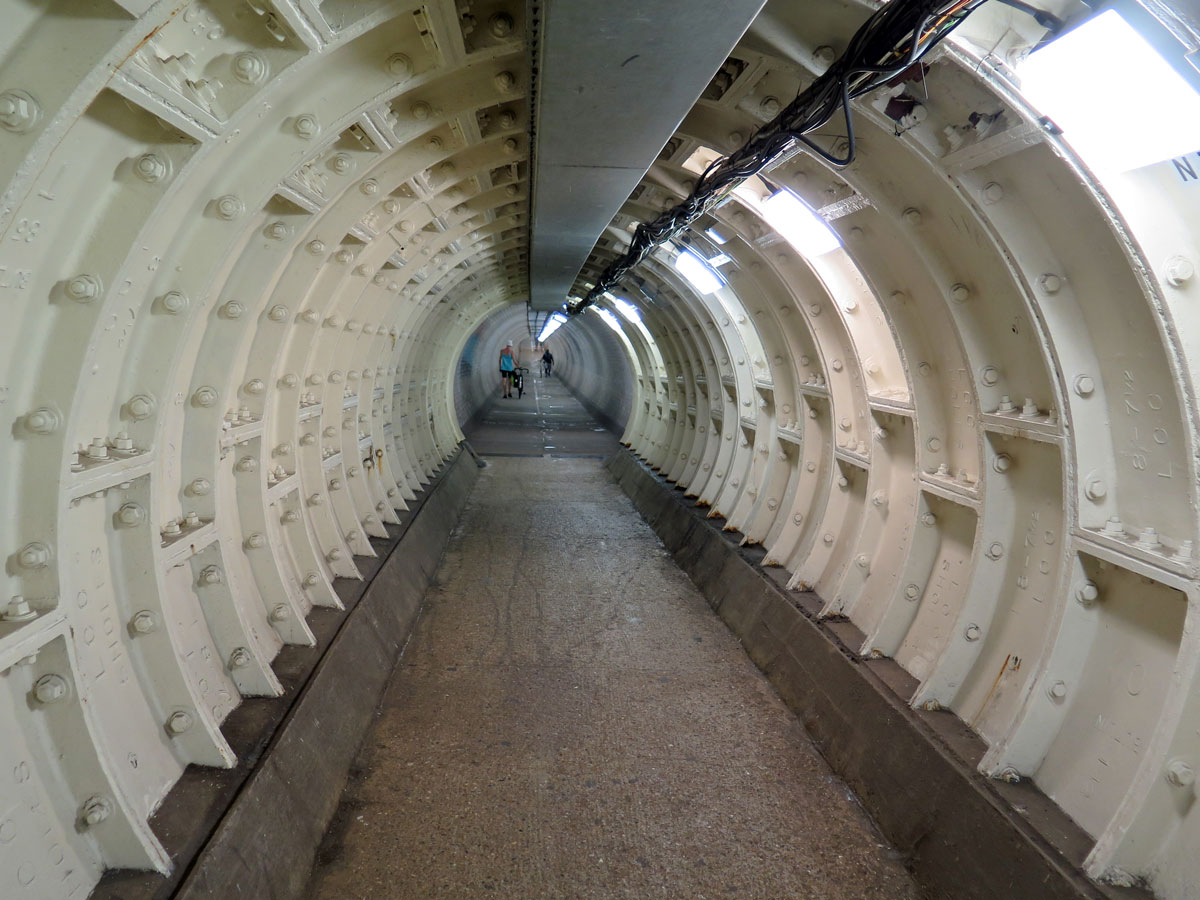
The Greenwich Foot Tunnel

I’ve always said that any visitor to London should take a Boat trip from Westminster to Greenwich as it gives a fantastic view of the city from the river and ends up at one of my favourite areas of London. That said, there is an alternative way to get to Greenwich, and that is by way of the automated Docklands Light Railway which travels through Canary Wharf to Island Gardens, where you can use the foot tunnel to walk underneath the Thames to reach Greenwich on the other side.

Continue reading

Originally posted 2021-04-02 05:53:30.

Christmas at Kew

Christmas at Kew

Kew Gardens has one of the world’s greatest collection of plants, and you can get an idea of what there is to see by taking a look at my post Kew Gardens – an Introduction, but there are other things on offer too, and one of the highlights of the year is Christmas at Kew.

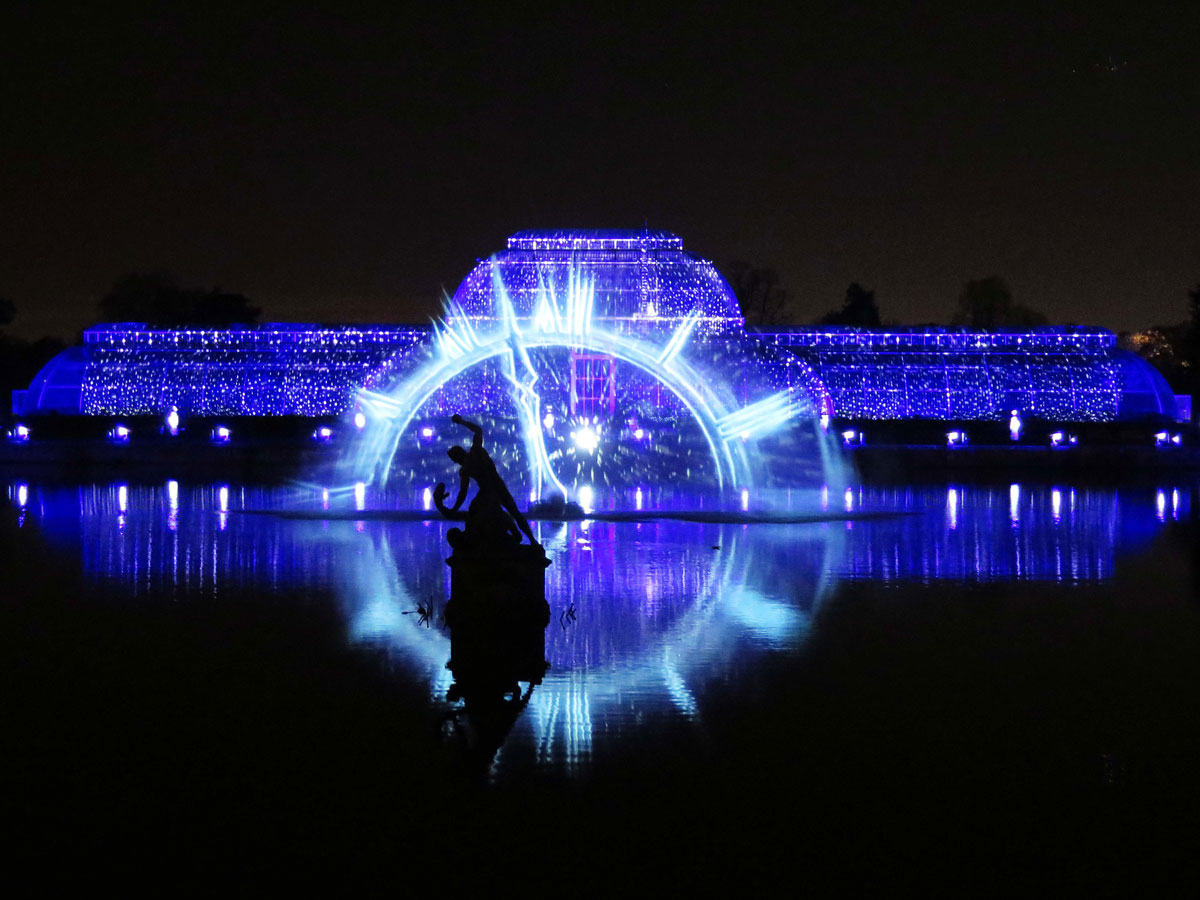
Christmas at Kew involves a trail around the gardens that will enchant people of all ages. Each November, a range of multi-coloured lights are switched on to illuminate, not only the natural world of Kew, but also a variety of art installations that together give people a feel-good factor that only Christmas can bring.

If you feel like getting into the Christmas spirit then you can find all the relevant details from their website below.

https://www.kew.org/kew-gardens/whats-on/christmas-at-kew

Continue reading

Originally posted 2018-11-20 16:38:47.

A Wander Around Richmond (On Thames)

A Wander Around Richmond (On Thames)

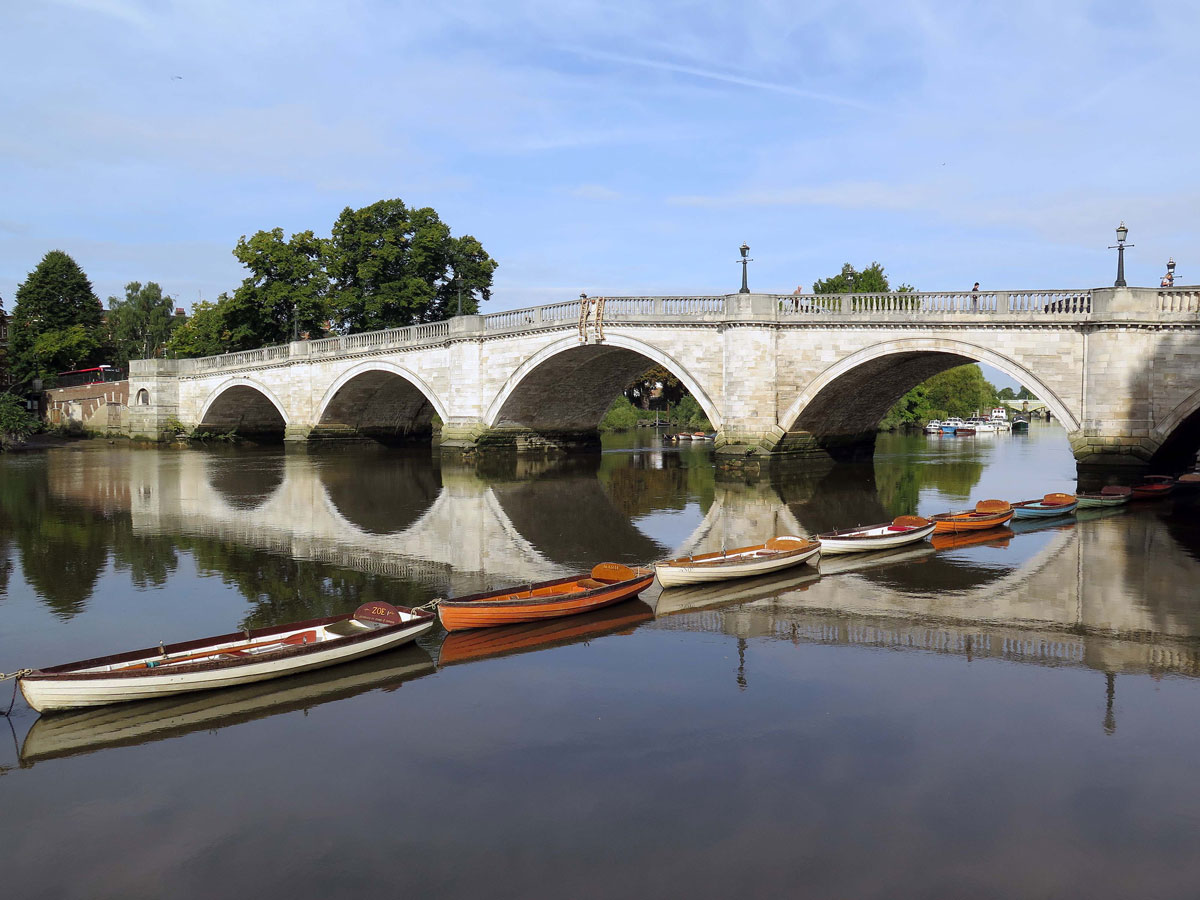
Richmond-upon-Thames is one of the more affluent of London’s 32 boroughs: It includes the suburbs of Kew, which I’ve already written about, and Hampton, Teddington and Twickenham, which I haven’t (yet), but this post is just about the town of Richmond itself.

The name Richmond originates from the French words ‘riche’ (meaning mighty) and ‘mont’ (meaning hill), and was initially associated with Richmond Castle in North Yorkshire, and so it’s not difficult to see why King Henry VII, the former Earl of Richmond, named his home here on the bank of the River Thames Richmond Palace – but don’t run away with the idea that it’s that simple just yet.

The second part of its name – Upon-Thames – was added when the borough was created in 1965, and alludes to the fact that it straddles both sides of the river. The suffix is supposed to distinguish it from, shall we say, Henley-On-Thames which sits on just one side of the river.

If you’re not confused yet, then what about if I tell you that the town of Richmond doesn’t carry the suffix that the borough does because it doesn’t occupy both banks of the river. OK, so why have I called this post Richmond-on-Thames? It’s obvious really isn’t it? I wanted to distinguish it from Richmond in Yorkshire – but it occupies only one side of the river. Got it? No, nor have I. I’m already wondering how many keyboard warriors are going to pull me up about the title without reading what I’ve just said.

Continue reading

Originally posted 2025-08-26 16:17:22.

Greenwich – A Place of Time and Space

Greenwich - A Place of Time and Space

At one time I hated clocks. The sound of an alarm going off is one of the worst sounds known to mankind, and although it may not be a scientific fact, have you ever noticed how the more time you need, the quicker the time goes? As somebody who was only interested in the time when the barman was calling last orders, I thought that clocks were the worst invention ever – and a complete waste of time. But help was at hand for my chronophobia, and a cure came in the form of a visit to the Royal Observatory at Greenwich.

In a world where time is now measured by atomic clocks, I discovered how clocks work, the correlation between time and space, why Greenwich was chosen as the centre of the universe for measuring time, and why it was even necessary to know about time at all.

Continue reading

Originally posted 2022-05-24 07:25:29.

The British Library

The British Library

The British Library is home to some of the most famous written and printed works in the English-speaking world. From two of the four original Magna Cartas, the Lindisfarne Gospels and Shakespeare’s First Folio to works by Jane Austen, Charlotte Bronte and Lewis Carroll. Then there are manuscripts of Handel’s Messiah, Elgar’s Enigma Variations and even the hand written words for the Beatles’ ‘I Want to Hold Your Hand’.

All this and more can be found in this famous library which holds almost 14 million books, over 4 million maps and more than 8 million stamps. There are something like 170 million catalogued items in total which makes it the largest library in the world by volume.

Unbelievably, it wasn’t until 1973 that all these treasures were brought under one umbrella when an Act of Parliament created the National Library, and even then, there was no one main library building to speak of. That was rectified in 1997 when a new library was built at St. Pancras. Although there’s a northern offshoot at Boston Spa in West Yorkshire, most of the collection is housed in London.

Continue reading

Originally posted 2021-03-04 16:56:27.

A Snapshot of Hyde Park and Kensington Gardens

A Snapshot of Hyde Park and Kensington Gardens

Well, here we are again at the start of another year, and that’s a good enough reason to celebrate on its own, but while those who are having a lie-in dreaming up new ways to upset Londoners trying to go about their normal everyday business in the year ahead, I thought I’d usher the new year in by showcasing  a couple of London parks where it’s still possible to enjoy the simple things in life.

I very rarely, if at all, voice my personal opinions about contentious issues in these blogs because I prefer to let people decide for themselves how to think, but I make no excuses for breaking my own rule today.

Britain has always been a liberal country where people have the right to protest, but when that right comes at the expense of the silent majority’s rights, then I think it’s time to stand up and be counted. Politicians are elected to implement the wishes of the people they represent, and while some of them might think it’s ok to chant inflammatory slogans, throw paint over works of art or desecrate statues, that is not what the majority of people think.

There’s likely to be a general election in the year ahead, and my one wish is that whoever wins, acts in the best interests of this once great country. Our forefathers didn’t fight to secure the freedoms we hold dear just to allow incompetent or subversive politicians to relinquish those freedoms. Happy New Year everyone!

Continue reading

Originally posted 2024-01-01 13:46:06.

Westminster Abbey – Pt 7 Poets, Parliament and a Church for the People

Westminster Abbey - Pt 7 Poets, Parliament and a Church for the People

I get the feeling that my previous post had too much information for some people, and so for this final chapter about Westminster Abbey I’ve cut down on the claptrap and increased the number of pictures. I hope this meets with everyone’s approval.

On leaving Henry VII’s Lady Chapel, head left down the South Ambulatory (which I covered in Part 5) towards the South Transept and Poets Corner. It’s one of the most popular places to visit in the abbey and the numbers are swelled by those who are looking to take the weight off their feet, especially as this is the first place seats are provided since leaving the nave.

There are over a hundred poets and authors buried or commemorated here and the size of the monument doesn’t always reflect on how famous they are, but none of the memorials are as large as those in the Statesmen’s Aisle in the North Transept opposite. It got me wondering though as to who decides whether a person warrants a burial or memorial in the abbey at all, and the answer is quite simple – the Dean. Incidentally, it’s rare for a recently deceased poet to be included in Poets’ Corner, as like anyone else, they can be flavour of the month one minute and the devil reincarnated the next.

The first poet to be buried here was Geoffrey Chaucer in 1400, not because he was the author of the Canterbury Tales, but because he was Clerk of the King’s Works in the Palace of Westminster across the road. His burial place was initially marked by a plain slab, and it wasn’t until 1556 that the present marble monument was erected in his memory.

Continue reading

Originally posted 2023-04-09 11:50:47.

Westminster Abbey – Pt 6 Henry VII’s Lady Chapel

Westminster Abbey - Pt 6 Henry VII's Lady Chapel

In previous posts we’ve seen how Westminster Abbey started off as a Saxon monastery, then rebuilt by Edward the Confessor in the Norman style, and finally transformed into a Gothic church by Henry III and his successors, but in my view, there was one other architectural development that surpassed them all – Henry VII’s Lady Chapel, and to do it justice, this will be one of my longer posts, so you might want to think of putting the kettle on first if you intend staying with it.

Before describing this breathtaking chapel in more detail, I think it’s worth explaining the reason why Henry VII wanted to pull down Henry III’s perfectly good chapel dedicated to the Blessed Virgin Mary in the first place. The simple answer is that he probably wanted to be buried in a chapel that nobody could forget, but there was a bit more to it than that.

If you remember, in Part 5 we saw how St Edward’s shrine was surrounded by the tombs of another five kings. Apart from Henry III who had the chapel built, we can also find the final resting places of Edward I, Edward III, Richard II and Henry V – all of whom were members of the Plantagenet dynasty. Altogether, there were a total of fourteen Plantagenet kings, including five Henrys (from Henry II to Henry VI), and if you’re still with me, you’ll notice that Henry VII wasn’t one of them, and that’s because he was to become the first Tudor monarch.

Continue reading

Originally posted 2023-04-02 15:40:05.

Westminster Abbey – Pt 5 St Edward’s Shrine and Medieval Tombs

Westminster Abbey - Pt 5 St Edward's Shrine and Medieval Tombs

Our  tour has now reached the most sacred part of the abbey – St Edward’s Shrine. His body lies in a chapel located behind the High Altar and circumnavigated by the North and South Ambulatories, but before I go any further I have to tell you that access isn’t freely available to the general public. The reason given is that the Cosmati studded shrine is very fragile, and whilst that is undoubtedly true, I suspect it’s also to do with the fact that the abbey would prefer the chapel to be treated with the utmost reverence. There are however, a few ways to gain admittance, and I’ll come to that in due course. Meanwhile, I’ll try and explain who St Edward was, why he was revered by Henry III, and what other tombs you can see here.

Edward was born in Islip, Oxfordshire sometime between 1002 and 1005. His parents were the Saxon king, Ethelred ‘the Unready’ and Emma of Normandy, but his father’s altercations with the Danes ultimately led to the House of Wessex losing control of England to the Vikings, and most of Edward’s early life was spent in Normandy.

While in exile, Edward developed a love for the simple life, and although there would have been doubts as to whether he would get to inherit his father’s kingdom, he pledged to make a pilgrimage to Rome if ever he was. In 1042 the opportunity came when his half-brother King Harthacnut died, and Edward’s claim to be the rightful successor gained general acceptance. He was crowned King of England in Winchester Cathedral on 3rd April 1043.

Continue reading

Originally posted 2023-03-20 15:25:48.

Westminster Abbey – Pt 4 The Coronation Church

Westminster Abbey - Pt 4 The Coronation Church

Westminster Abbey is known as the Coronation Church, and on 6th May, King Charles III will become the 40th monarch to be crowned here, and at the age of 74, he will also be the oldest. Along with his wife and consort, Queen Camilla, the Gold State Coach will bring the couple from Buckingham Palace to the abbey in what is known as the ‘King’s Procession’.

There won’t be that many people who saw the last coronation, and although this one is bound to include a certain amount of pageantry, there will be some differences. Preparations would have undoubtedly been finalised, but the arrangements and timing have yet to be officially announced, but it seems likely that the ceremony will reflect a mixture of traditional and modern Britain.

I expect the royal couple to enter the abbey through the West Door where the procession will continue up the nave towards the quire screen. An anthem written by Andrew Lloyd Webber is one of twelve new pieces of music commissioned by King Charles for the occasion, and it remains to be seen whether it will have the same impact as Handel’s Zadok the Priest which was written for the coronation of  King George II, Elgar’s Pomp and Circumstance (for Edward VII) or William Walton’s Crown Imperial (George VI).

Continue reading

Originally posted 2023-03-14 14:54:04.

Westminster Abbey – Pt 3 The Nave

Westminster Abbey - Pt 3 The Nave

Visiting Westminster Abbey to see the grand architecture and explore its history is one thing, but getting a spiritual experience from it is another. If you want the full spiritual experience, there’s no substitute for going to a service whether you’re religious or not, but that’s a different thing to wandering around and taking personal photographs, and as soon as you walk into the Nave you’ll see what I mean.

Standing next to the Grave of the Unknown Warrior looking up towards the Quire Screen is one of the abbey’s classic views: Inevitably though, the occasion will be somewhat let down by large numbers of people wanting to do the same thing as you, but as you can see from the featured image above, it is possible to have a much better experience if you know what to do, and you don’t have to be a magician or need special permission to achieve it. The answer is much simpler than that: Just make sure that you’re one of the last people to leave!

Continue reading

Originally posted 2023-03-10 14:52:31.

Westminster Abbey – Pt 2 The Tour Begins

Westminster Abbey - Pt 2 The Tour Begins

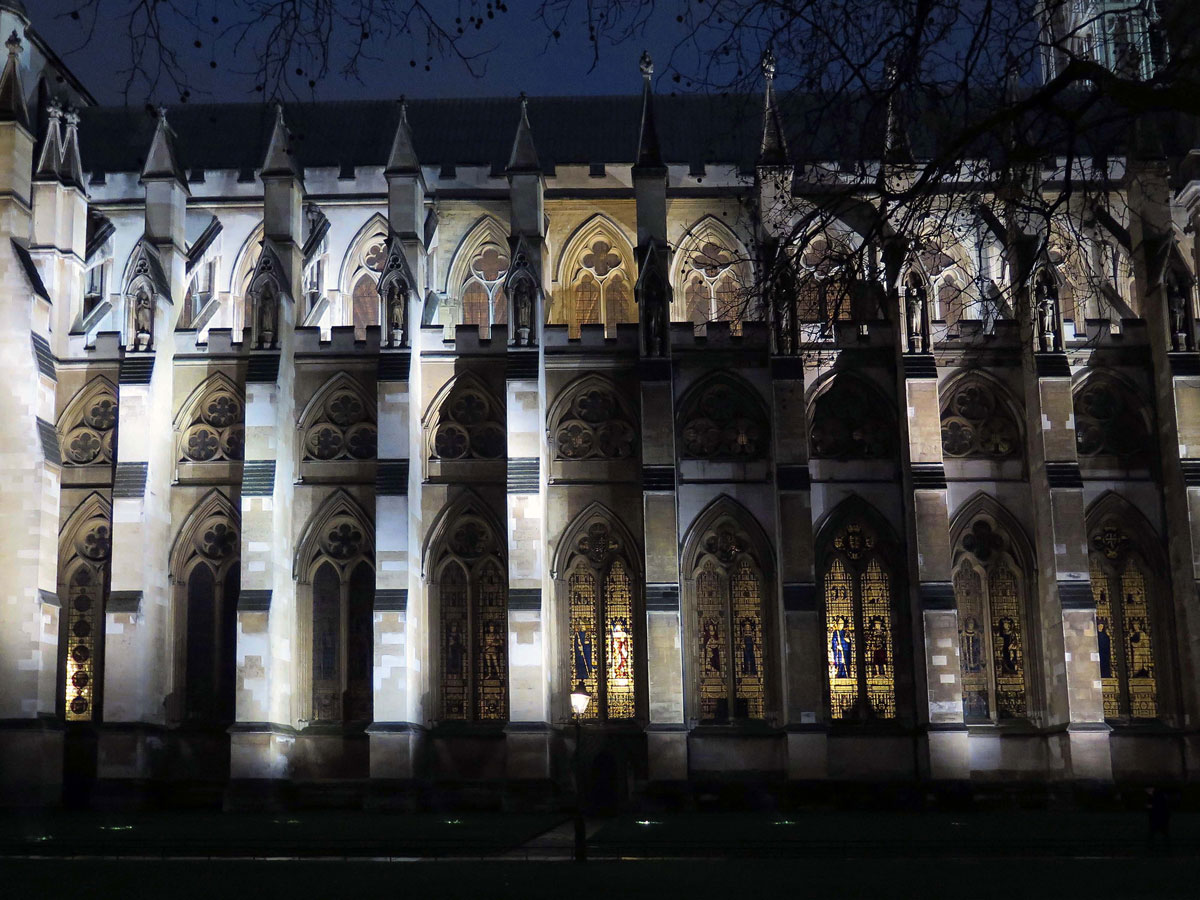
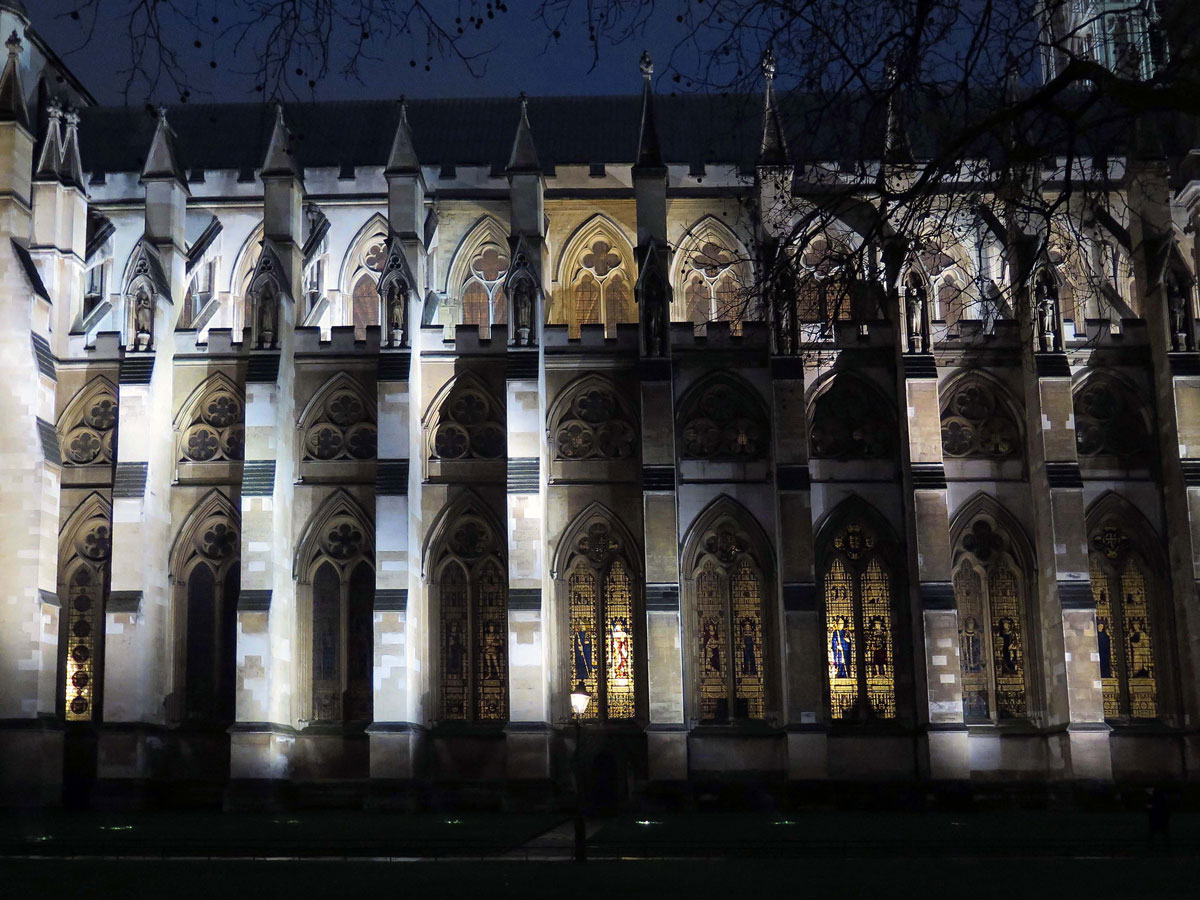
The featured image at the top of the page shows the north side of the abbey at evening time, and this is where the tour begins. After passing through the security checks, we enter the abbey through the medieval North Porch where there are two ticket desks – one on each side of the doors. I believe at busy times those with pre-booked tickets are ushered through on one side, and those without, on the other. I can’t say with certainty, as I’ve never been involved in a queue, but it does seem to make sense.

As you walk into the North Transept, you’ll see a desk in front of you with free audio guides being dished out, and if you haven’t been before, I recommend that you take one. In actual fact, you can download an app to your phone, but the audio guides are better. Over to your right are maps in different languages which are useful, but not detailed.

The North Transept is also known as the Statesmen’s Aisle, which is an apt description given all the statues and monuments to politicians here. The problem with trying to photograph them though is that the benches with the audio guides get in the way somewhat.

Continue reading

Originally posted 2023-03-07 05:58:00.

Westminster Abbey – Pt 1 An Introduction

Westminster Abbey - Pt 1 An Introduction

When I started blogging back in 2017, Westminster Abbey was one of my earliest attempts at connecting with the blogosphere, but things have changed since then. Not only has my style changed, but also the rules regarding photography in the abbey, and rather than update the post again, I thought it made more sense to start afresh with a new approach.

Through a series of posts I want to take you on a virtual tour of this magnificent building, but if you intend coming in person it has to be remembered that Westminster Abbey is primarily a place of worship. I’m a spiritual person rather than a religious one, but whatever your reason for coming is, whether it’s to admire the building, immerse yourself in its history, see where every English monarch has been crowned for the last thousand years, or just to pray, I guarantee that you’ll find it a most welcoming place to come.

Continue reading

Originally posted 2023-03-05 15:42:10.

The City of London

The City of London


London was born almost 2,000 years ago, when the Romans set up a trading post on the banks of the River Thames in 47 AD. They called it Londinium, and the wall that they built around their town corresponds roughly with the boundary of the City of London today. It borders Westminster to the west, Tower Hamlets to the east, Camden, Islington and Hackney to the north, and the River Thames to the south.

The area covers just one square mile and has a population of less than 8,000, far fewer than any other borough in London. In fact, it’s not even a borough, but a city in its own right and is administered by the City of London Corporation. It may be small in size and population, but it has always been one of the most important and influential areas of the city.

After the Romans left, the Anglo Saxons created their own community just to the west of the wall and the former Roman town became virtually uninhabited. However, the location of old Londinium still had its advantages for trading. The Thames being tidal, meant that boats could come up this far, and yet it was still narrow enough to be bridged.

Continue reading

Originally posted 2021-09-03 14:08:52.