Westminster Abbey - Pt 6 Henry VII's Lady Chapel
In previous posts we’ve seen how Westminster Abbey started off as a Saxon monastery, then rebuilt by Edward the Confessor in the Norman style, and finally transformed into a Gothic church by Henry III and his successors, but in my view, there was one other architectural development that surpassed them all – Henry VII’s Lady Chapel, and to do it justice, this will be one of my longer posts, so you might want to think of putting the kettle on first if you intend staying with it.
Before describing this breathtaking chapel in more detail, I think it’s worth explaining the reason why Henry VII wanted to pull down Henry III’s perfectly good chapel dedicated to the Blessed Virgin Mary in the first place. The simple answer is that he probably wanted to be buried in a chapel that nobody could forget, but there was a bit more to it than that.
If you remember, in Part 5 we saw how St Edward’s shrine was surrounded by the tombs of another five kings. Apart from Henry III who had the chapel built, we can also find the final resting places of Edward I, Edward III, Richard II and Henry V – all of whom were members of the Plantagenet dynasty. Altogether, there were a total of fourteen Plantagenet kings, including five Henrys (from Henry II to Henry VI), and if you’re still with me, you’ll notice that Henry VII wasn’t one of them, and that’s because he was to become the first Tudor monarch.

I’ve said it before and I’m going to say it again: I love history, but I would never make a historian, and the reason for that is quite simply, I’m absolutely clueless about family trees – and the Plantagenet dynasty is a good example of what I’m talking about. Like families everywhere they had a habit of falling out with each other, and the family tree was hardly what you would call a small one. For example, Edward III and his wife Phillipa of Hainault (who is also buried in St Edward’s Chapel) produced thirteen children and thirty two grandchildren, so you can see where this is heading. Apart from the main Plantagenet line, there were also cadet branches which were parts of the family that were not in direct line to the throne, and the House of Lancaster and House of York were two of those branches.
A feud between these two parts of the family boiled over into a civil war that became known as the Wars of the Roses (after the red rose of Lancaster and the white rose of York). At the Battle of Bosworth on 22nd August 1485, the Lancastrian Henry Tudor, defeated the incumbent King Richard III of York, which meant the end of Richard III’s reign, the end of the Plantagenet era, and some say, the end of the Middle Ages in England. Henry Tudor became Henry VII, and a new Tudor era was about to begin.
Henry VII may have won the battle, but not necessarily the war, because his claim to the throne was tenuous to say the least. Although he consolidated his position by marrying Elizabeth of York, his hold on power needed to be strengthened even more because in some people’s eyes he had usurped the throne, and so he hit upon the idea of elevating the status of one of his predecessors, Henry VI, into sainthood – no doubt with the hope of elevating his own status at the same time. He must have thought that what Henry III could do for Edward the Confessor, then he could do for Henry VI – but why Henry VI? – after all, he was hardly one of the most successful kings that England ever had.
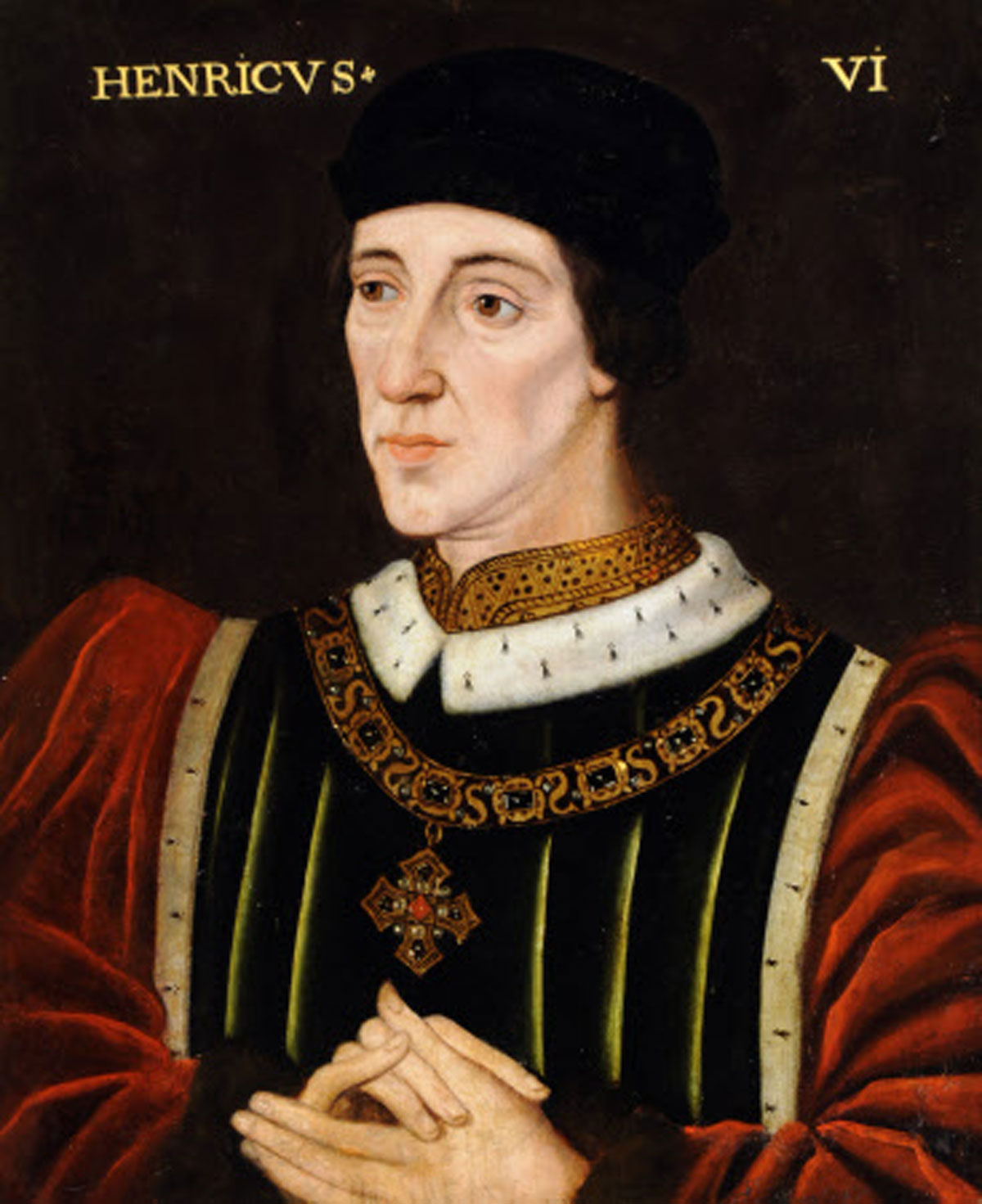
Henry VI was Henry VII’s father’s half-brother (see what I mean?), and a weak king both politically and militarily. He also suffered from frequent mental breakdowns, which Edward Duke of York exploited to the full. Edward’s claim to the throne precipitated the Wars of the Roses, and the murder of Henry VI in the Tower of London conveniently left Edward the new king of England as Edward IV.
To pinch a line from Michael Jackson for a moment, Henry VI was a ‘lover not a fighter’. He was more interested in the love of God, music, architecture and learning, and was even credited with performing miracles, and so it’s not difficult to see why, after his life ended so violently, that he developed a cult following.
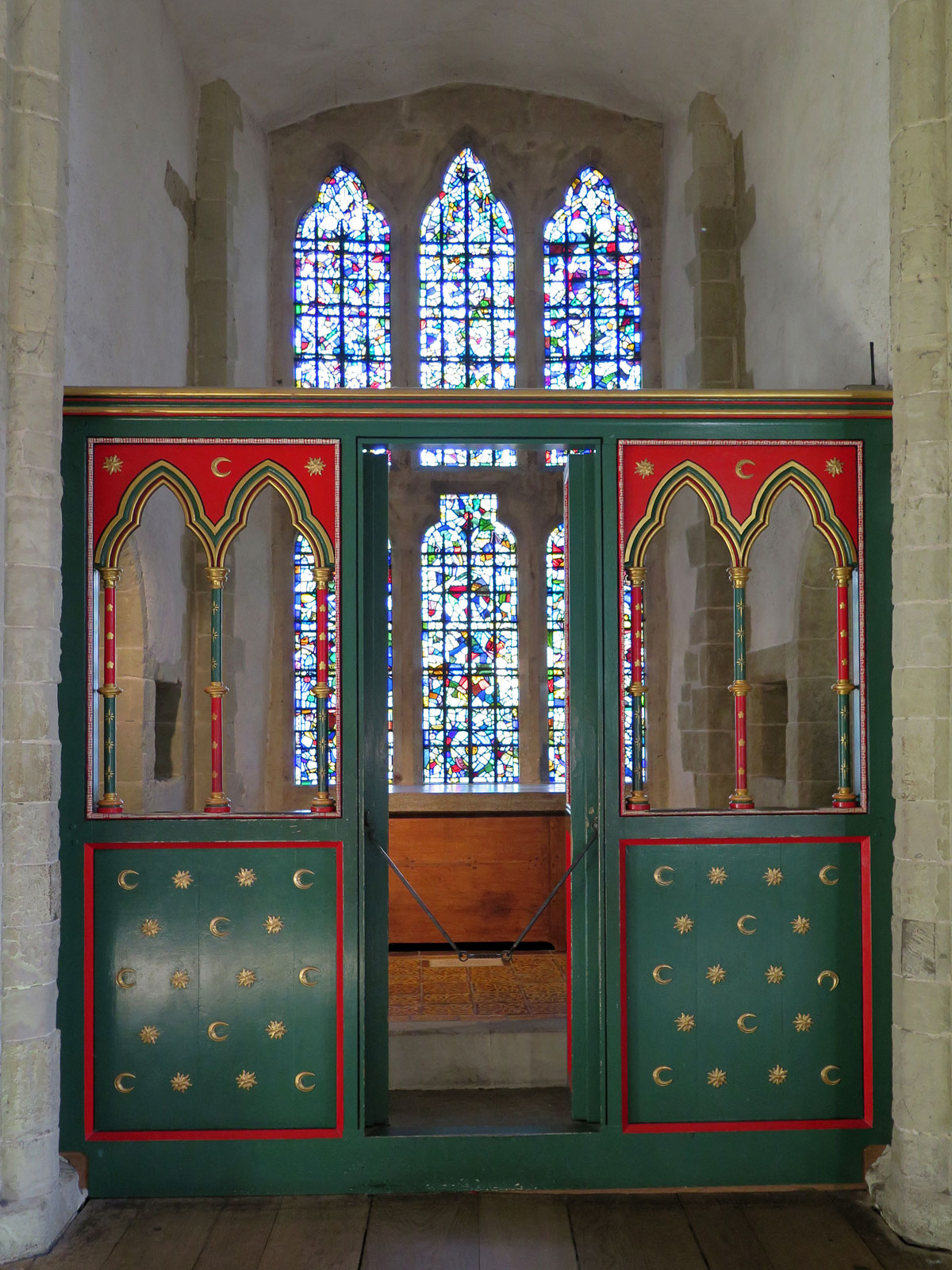
Whether Henry VII had any real feelings for Henry VI is difficult to say, but whatever the truth is, in his will he stated that the reasons for building the chapel were ‘to honour the virgin, as a tomb for himself and his queen and descendants, and as an honourable resting place for his uncle’. Whether this makes any sense to you, me or anyone else is immaterial because all that really mattered was that it made sense to Henry VII.
Demolition of Henry III’s Chapel began in 1502 and the first thing that had to be done was the removal of some of the remains that were already here. They included Katherine de Valois, the wife of Henry V who was left exposed for 200 years before being buried next to her husband in St Edward’s Chapel. It’s also perhaps worth mentioning Anne Mowbray who married one of the Princes in the Tower, Richard Duke of York, when they were both just 5 years old. It wasn’t until 1965 that her body was rediscovered in Stepney and brought back here to be reburied.
Work started on the new chapel in 1503, with the idea that the shrine to Henry VI would be at the far eastern end behind the main altar, and Henry VII’s tomb at the centre of the chapel in front of it – but it didn’t quite work out as planned, for the simple reason that Pope Julius II was asking too much money for the canonization. It doesn’t sound too dissimilar to the way peerages are dished out today if you ask me, but before any settlement was reached, Henry VII was ready for his own tomb.
His son, who succeeded him in 1509 as Henry VIII, had no interest whatsoever in canonizing Henry VI and his body was left at Windsor where his body still lies in St George’s Chapel, just a few feet away from his adversary, Edward IV. Incidentally, while we’re on the subject, Henry VIII planned an even more splendid tomb for himself here in the Lady Chapel, but you know what they say about the best laid plans, and in the end he too was buried in St George’s Chapel – not in any elaborate tomb but in a vault under the quire alongside his third wife, Jane Seymour and the discredited Charles I. As for Henry VII, he was buried in a chantry chapel where the shrine to Henry VI was supposed to be, and I’ll be covering that in more detail shortly.

So much for the background, but what about the chapel itself? If you follow the trail in numerical order, it will take you into the chapel’s North Aisle first, which makes sense from a practical point of view, or at least it does to help keep things moving in an orderly direction, but I’m going to describe the main part of the chapel first, and hopefully, you’ll be able to see why.
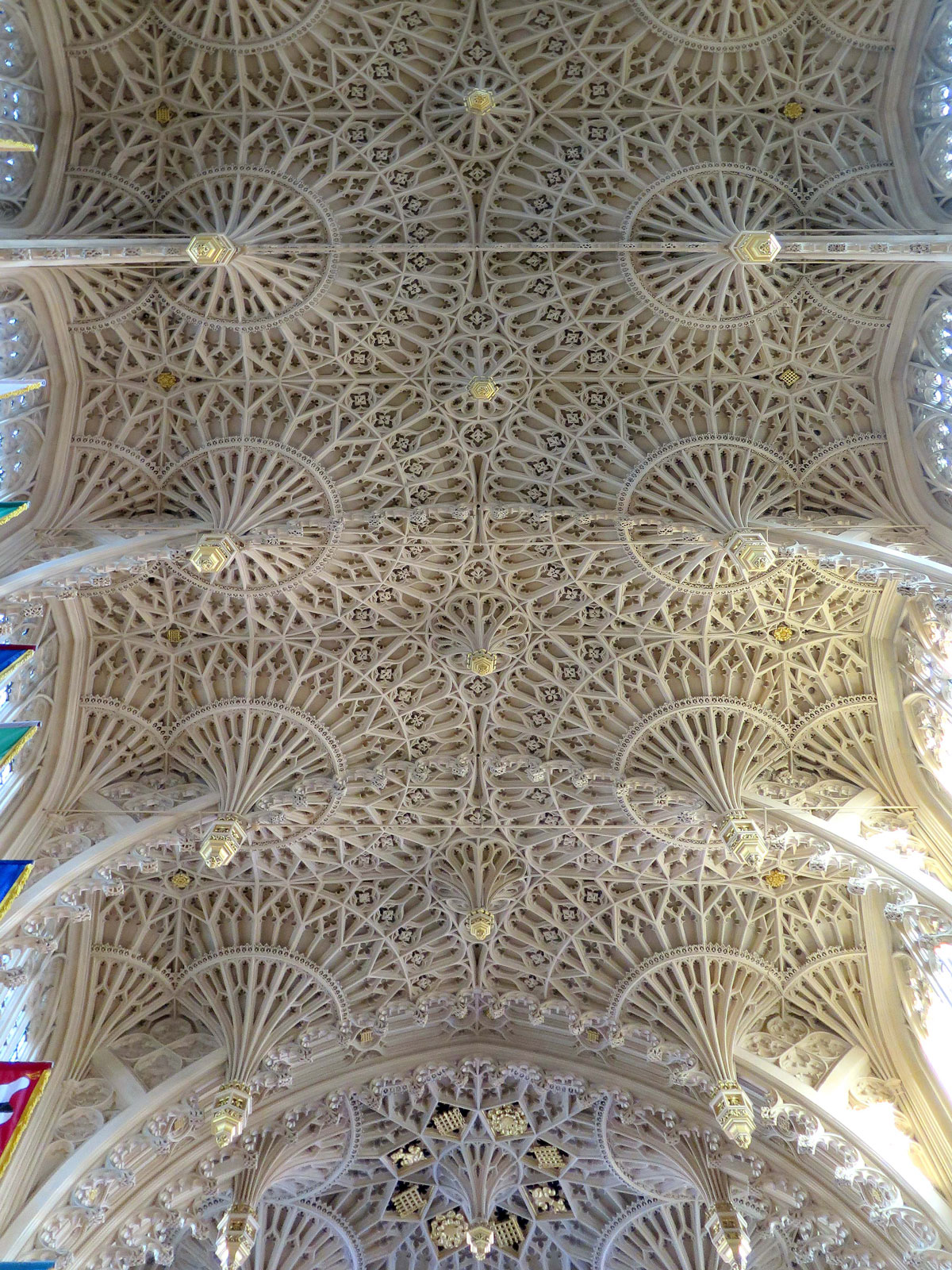
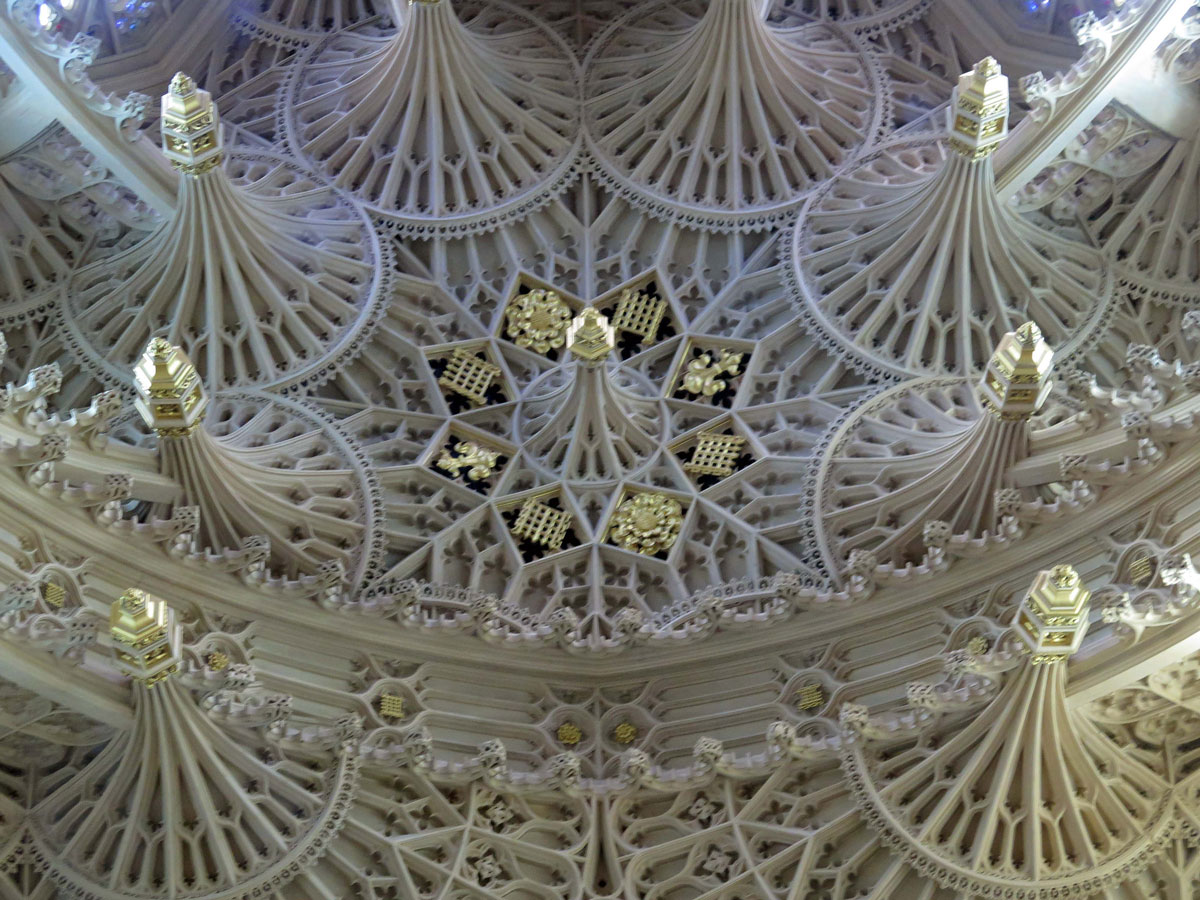
After climbing the few steps up from the apex of the North and South Ambulatories near Henry V’s tomb I’ll be surprised if your jaw doesn’t drop with the spectacular view that’s in front of view. It’s the magnificent Fan Vaulting that will immediately attract your attention, and I wouldn’t mind betting that you’ll still be admiring it when you leave.
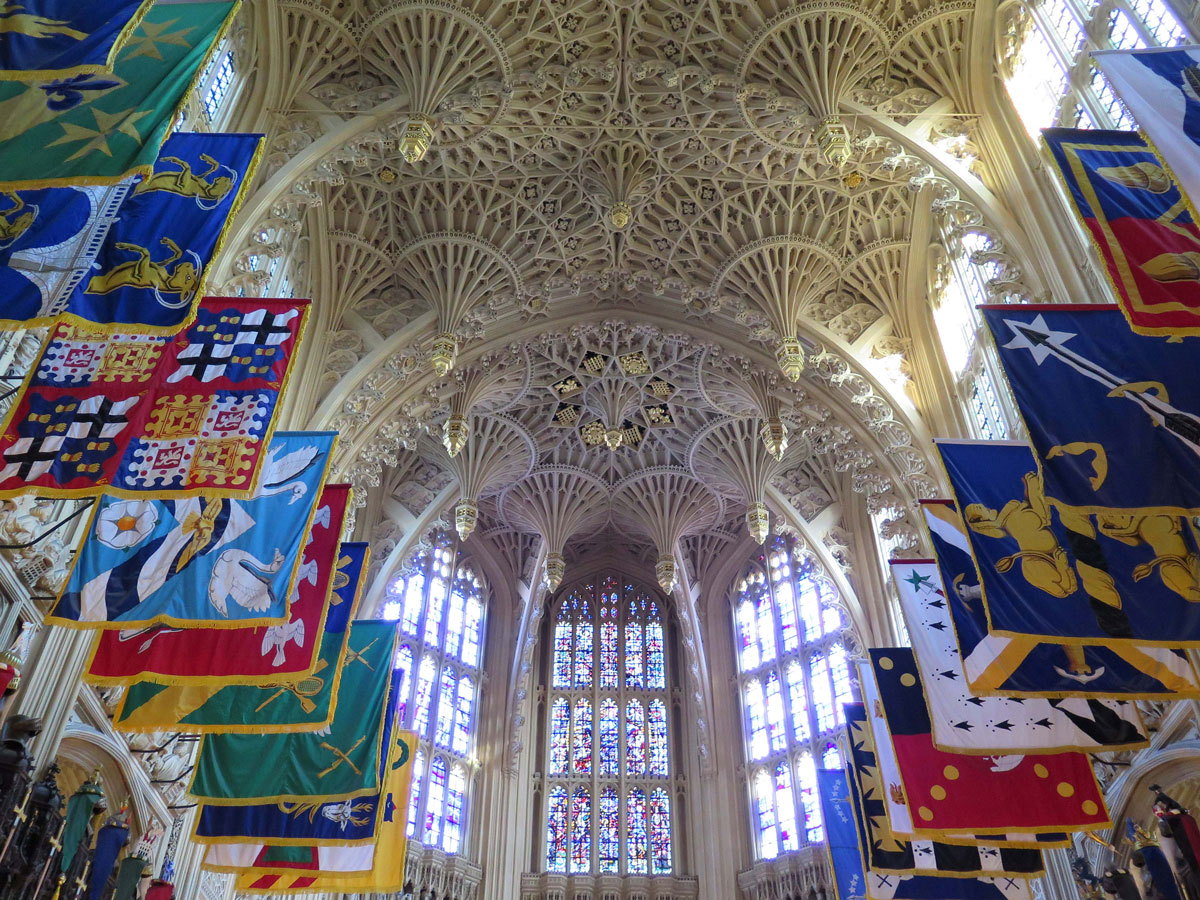

Nobody knows for certain, but it seems likely that the chapel’s architect was Robert Janyns. Nothing much seems to be known about him, but what we do know is that building work began in 1503. The stonemason who started to transfer Janyns’ design into reality was Robert Vertue, but both men died in 1506, and it’s thought that Robert Vertue’s brother William completed the job and it’s him we have to thank for the fan vaulting. Unusually, the fans spring out from hanging pendants rather than the walls and all this amazing artistry can best be seen by looking in the mirror located at the centre of the nave.
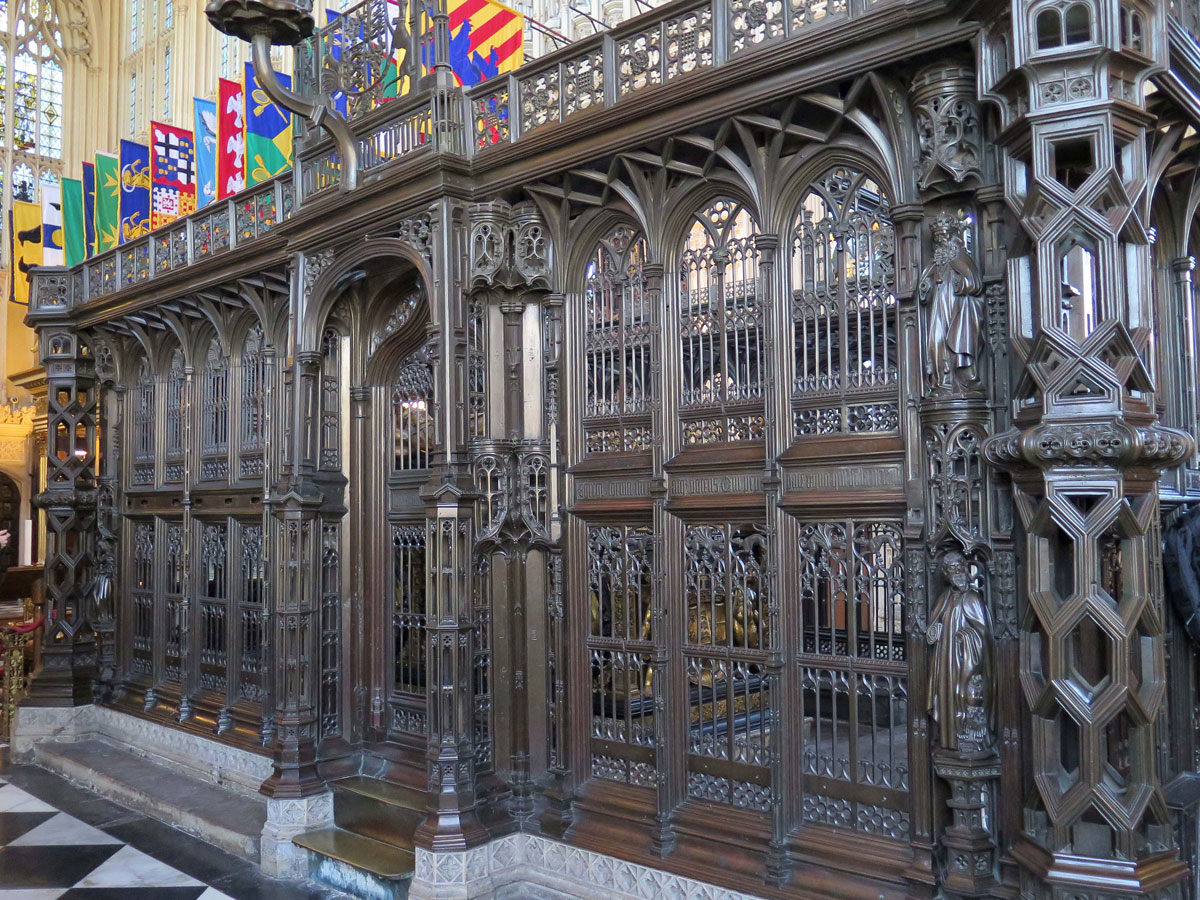
As I’ve recently mentioned, Henry VII’s tomb is located behind the altar where Henry VI’s shrine was supposed to have been. I don’t know what I was expecting, but it wasn’t this. Thomas the Dutchman’s Chantry Chapel in which the tomb is located is a bronze screen that seems more like a prison cell than a chapel, but that might just be the way my mind works. There’s no access inside, and for the most part, the grill obscures the marvellous gilt bronze effigies of the king and his wife created by Florentine sculptor Pietro Torrigiano. Although the tomb is difficult to appreciate from ground level, a view from above shows what a talented sculptor Torrigiano was. It sounds like he was useful with his hands in more ways than one because he came to England in order to escape the authorities after breaking Michelangelo’s nose in a fight.


As it happens, Henry VII and his wife Elizabeth of York are not actually buried in the tomb, but in a vault below it and they are being kept company by King James I who is buried in a lead coffin beside them. It’s somewhat ironical that James is buried without an elaborate tomb himself because he was responsible for providing such tombs for others but unfortunately by the time it got round to his turn there wasn’t enough room, but more of that later.
Behind Henry VII’s Chantry Chapel at the extreme eastern end of the abbey is the apse which includes five small chapels. These chapels were probably intended for private prayer, and except for the one in the centre, will probably have limited appeal for most people. The central chapel is now dedicated to the RAF men who died in the Battle of Britain and may seem a bit incongruous in this location, but it is a lovely little chapel, and I reckon those stained-glass windows are absolutely wonderful.


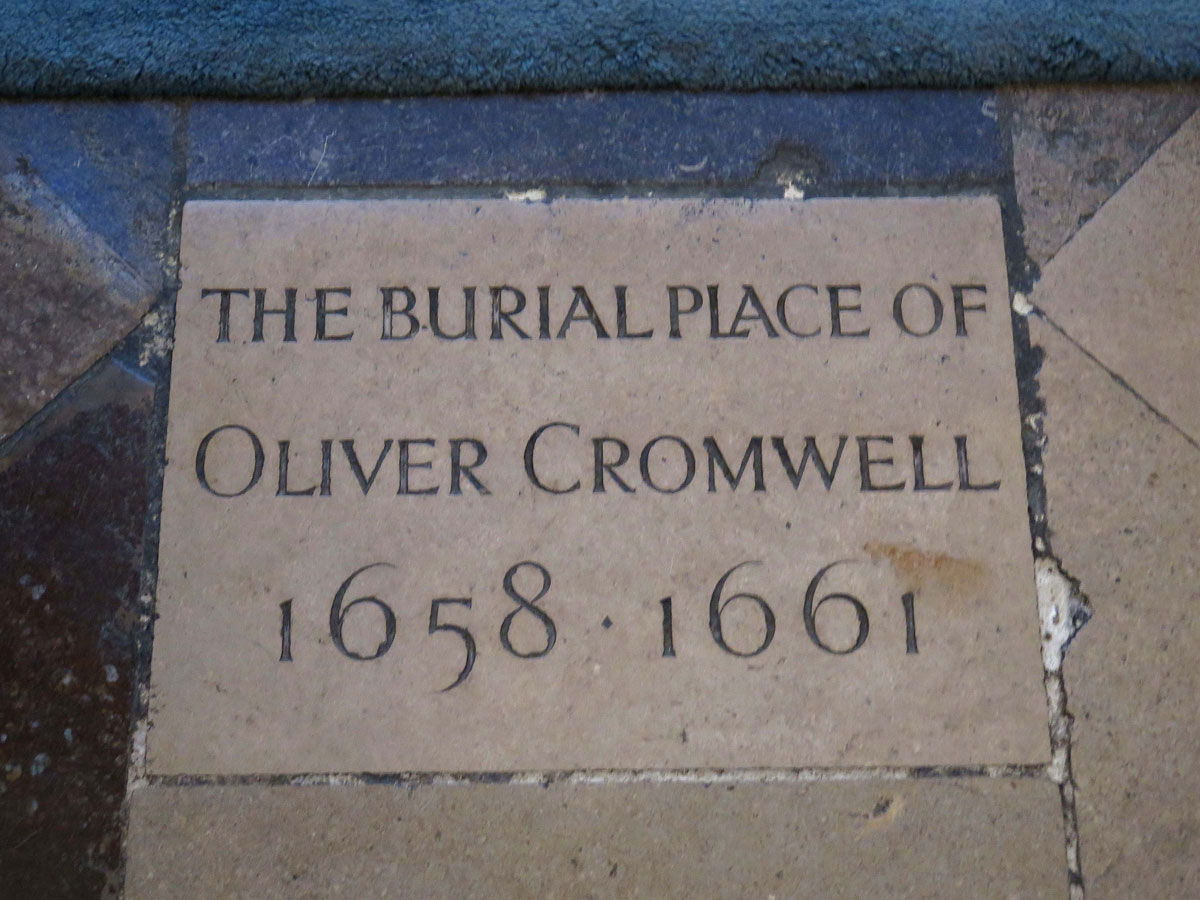
If you can manage to drag your eyes away from the windows and cast them downwards for a minute, you’ll see a reminder set in the floor near your feet that this was also the spot where Oliver Cromwell was buried in a ceremony fit for a king. The adoration of his life was short-lived however because no sooner than Charles II had regained the throne, his body was dug up along with two of his regicides and taken to the Tyburn Tree where they were strung up and dumped in a pit under the gallows. Cromwell’s head was then hoisted onto a pole and taken to Westminster Hall where it remained for another twenty years. It eventually ended up under the floor in Sidney Sussex College, Cambridge, so let that be a warning to anyone who thinks it’s a good idea to throw eggs at King Charles III.
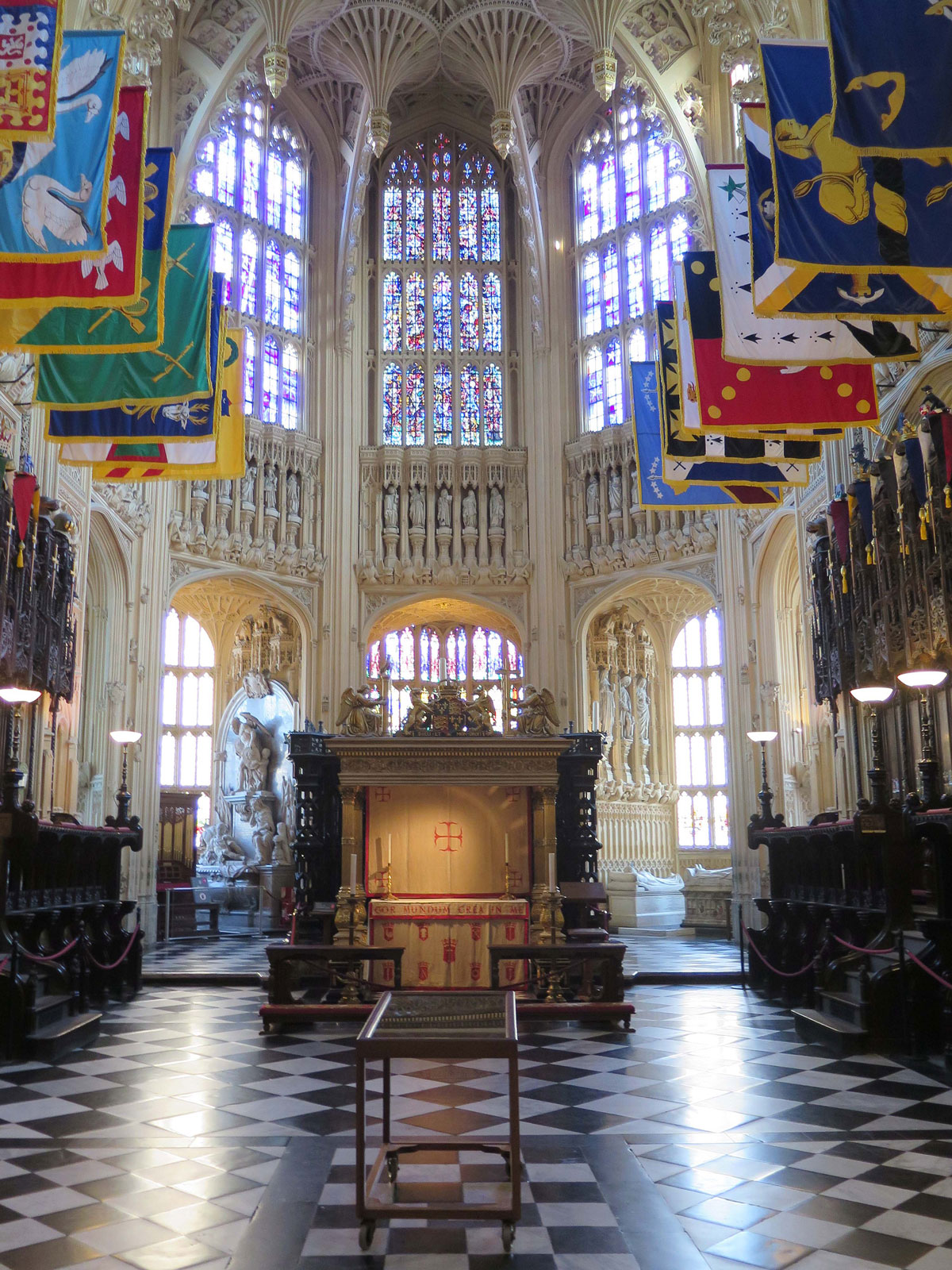
Having reached the far end of the abbey, it’s now time to turn around and head back towards the Lady Chapel’s nave. The original altar was designed by Torrigiano and partly destroyed at the time of the dissolution, with the Puritans completing the job in the 17th century. The present incarnation, based on the original, was introduced in 1935, and above it is a 15th century painting of the Madonna and Child by the Venetian artist Bartolomeo Vivarini.

In front of the altar is a tablet in the floor (which could easily be missed) telling us that under the altar lies the body of Henry VIII’s only son, King Edward VI. He was born at Hampton Court on 12th October 1537, crowned in Westminster Abbey on 20th February 1547, and buried here on 8th August 1553. Although a monument was designed for him, his short reign and lack of space probably made it impractical.

We’ve looked up and admired the ceiling, gazed down to see who’s buried under the floor, and now it’s time to understand what our eyes have been attracted to around the chapel. Below the windows is the largest and most important collection of sculptures from Tudor Britain. 95 of the original 107 sculptures have survived, mainly because they were out of reach of the Puritan vandals, and it’s not impossible, that with so many distractions in the chapel, you could easily miss them as well.
You’re probably thinking that the ornate wooden stalls on either side of the nave are choir stalls, and you would be right, but only up to a point. The earliest ones originate from the time of Henry VII and that’s exactly what they were used for, but in 1725 they started to become used for a different purpose when King George I established the Most Honourable Order of the Bath: This was a ritual that originated back in medieval times when new knights took a bath prior to investiture as a symbol of spiritual washing (or baptism) followed by a night of prayer and meditation. The ritual was completed when a sword was placed on the newly invested knight’s shoulder. The ‘dubbing’ of the knight still continues today, but there was no Order of the Bath back in medieval times and so it would be wrong to say that George I revived the order.
The Installation Ceremony involves each knight taking an oath to ‘honour God above all things, be steadfast in the faith of Christ, honour the (now) King and defend maidens, widows and orphans’ and at each ceremony the knight is assigned a stall (if there’s one available) with his heraldic banner hung over it. So now you know what all those banners represent. Just in case you wanted to know, the honour is currently awarded to twenty six serving officers of the armed forces and eight senior civil servants.

George I was the first of the Hanoverian monarchs to wear the British crown after Queen Anne died without leaving an heir, but it wasn’t for the want of not trying: Her seventeen pregnancies produced only five live births, with none of the survivors making it to adulthood.
For centuries, many wars had been fought to see who would wear the English crown, but it seems like the Elector of Hanover couldn’t have cared less that it now belonged to him. He was more interested in what was going on in his homeland than what was happening in Britain, but at least he had the sense to leave the running of the country in the hands of somebody who did. He set up a Cabinet Government with a Prime Minister in charge, which set a precedent for how the constitution is run today – in other words, a constitutional monarchy. In practical terms it means that while the sovereign is head of state, the power to make and pass laws rests with an elected Parliament.
Perhaps it’s not surprising therefore, that under the circumstances, George I never wished to be buried in Westminster Abbey – but his successor did. You’ll need to look down on the nave floor again to find a memorial stone that indicates George II’s body lies underneath. The burial vault is the largest in the abbey and was constructed for his wife Queen Caroline. When his time came to join her in 1760 the sides of their lead coffins were removed so that they could rest in peace together.
The vault also includes the tombs and urns of other members of their family, most of whom wouldn’t mean too much to most of us, the exception perhaps being the king’s third and youngest son, William Duke of Cumberland, who is often referred to as the Butcher of Culloden.
There was no room left in the vault for his grandson and successor George III, who was buried at St George’s Chapel Windsor, leaving George II the last monarch to be buried in Westminster Abbey.

He may have been the last sovereign to be buried here, but there are others that capture the imagination of visitors much more, and we can find them in the chapel’s aisles. If we walk back to the chapel entrance and bear right we’ll come to the North Aisle where there’s a tomb you won’t want to miss.
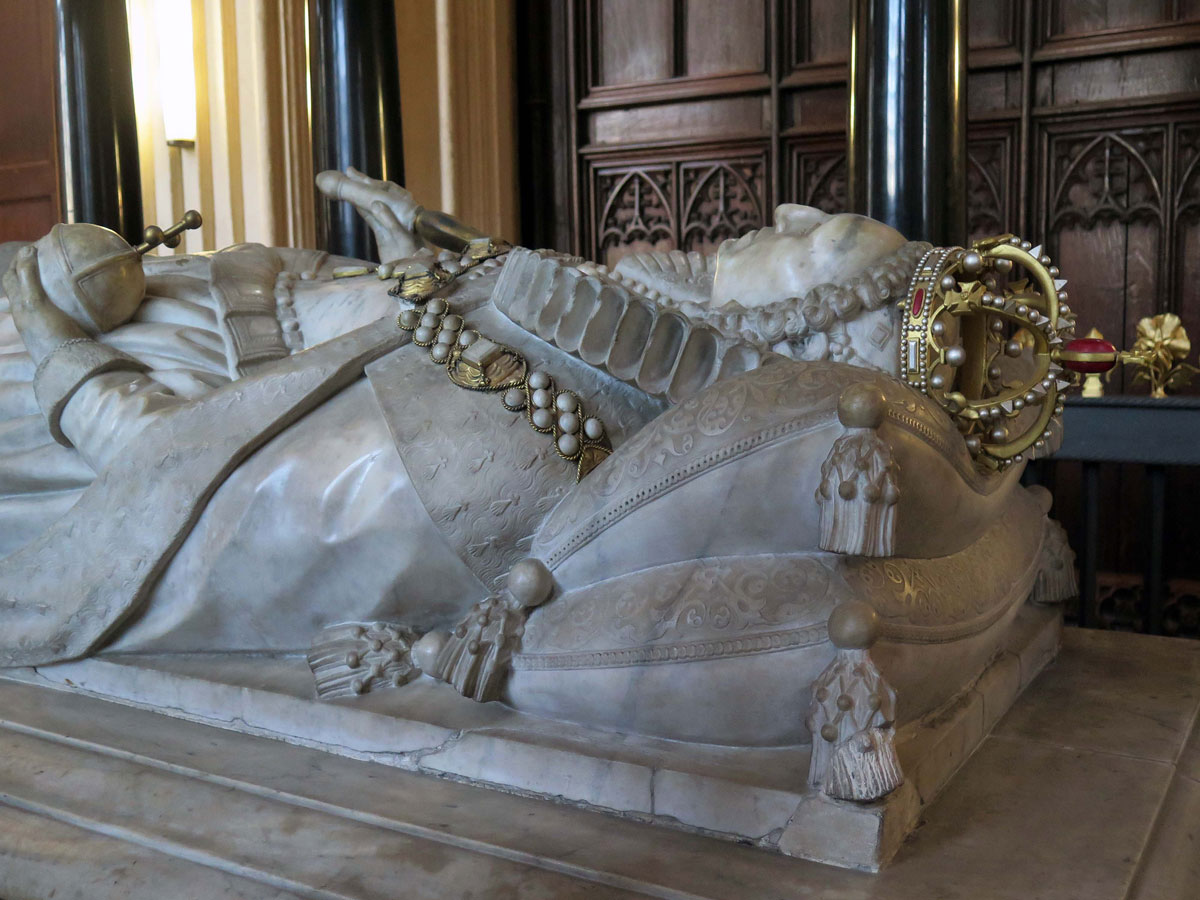
Dominating the whole aisle is a grand monument to Queen Elizabeth I which was commissioned by James I. The Virgin Queen was crowned in the abbey in 1559 and was buried here in 1603. In 1606 her coffin was transferred from the tomb and placed directly on top of her Catholic half-sister Bloody Mary in the vault below.

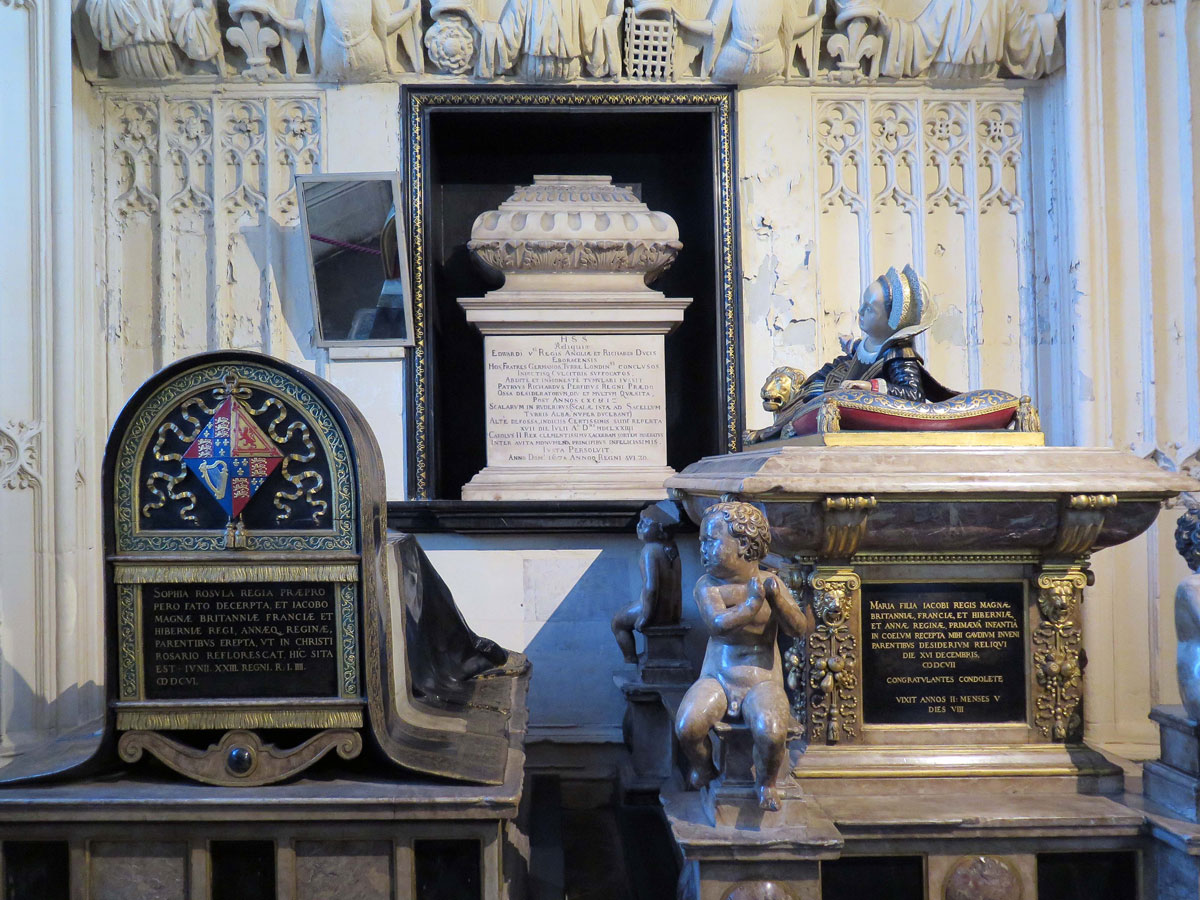
With so many people wanting to see it and so little room, you may feel under pressure to rush through quicker than you would like, but whatever you do make sure that you don’t miss ‘Innocents Corner’ at the east end of the aisle. Its name comes from the remains of four children who are buried here, two of whom were infants of James I, but more interestingly, in a casket set into the wall behind are the supposed bones of the Murdered Princes in the Tower. There’s a lot of speculation surrounding what happened to the boy king Edward V and his brother Richard Duke of York, and although it’s not 100% proven, there’s enough evidence to suggest that this is where they ended up.
As tempting as it might be to enlarge on the stories and history of the occupants of the North Aisle, I should really get a move on to the South Aisle which is where we’ll end our tour of the Lady Chapel.
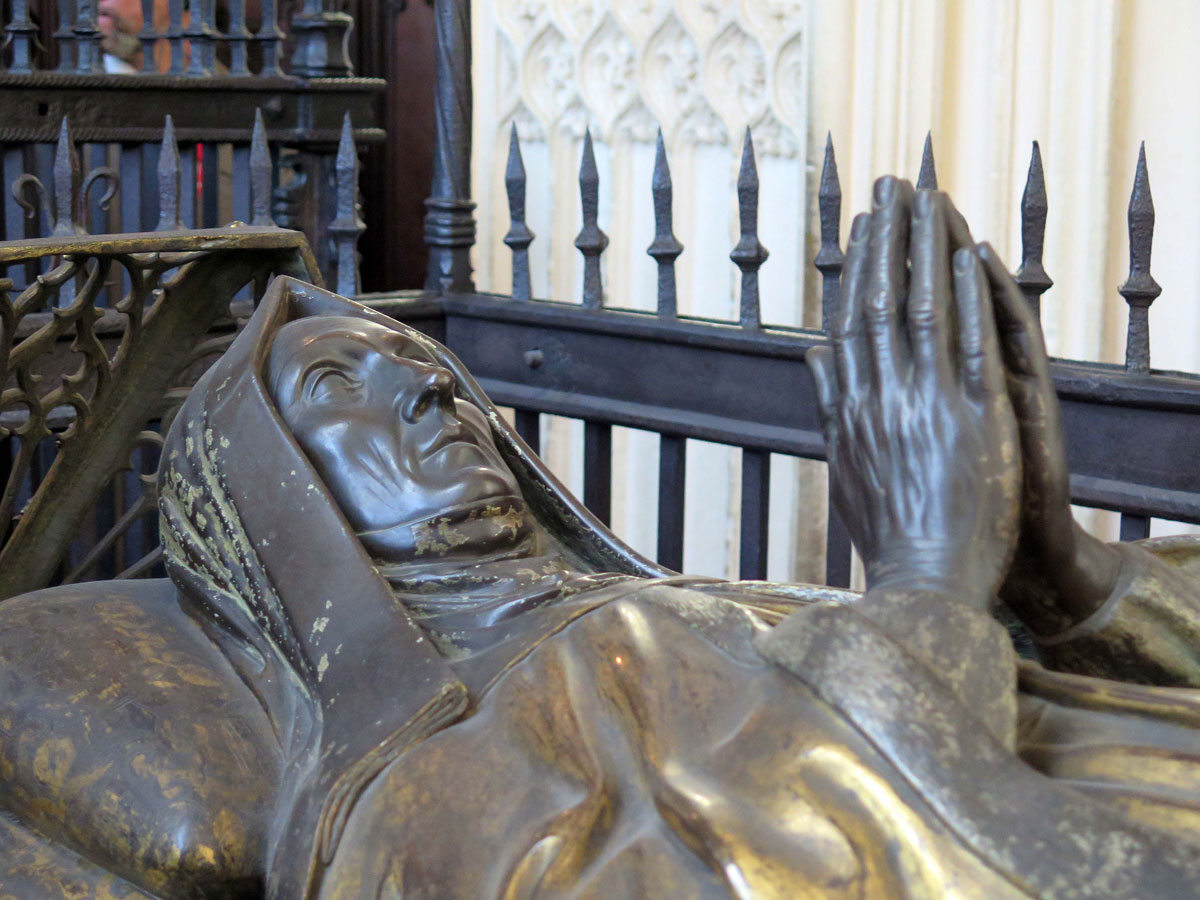
The first person to be buried in the South Aisle was Henry VII’s mother, the influential Lady Margaret Beaufort. She was buried here in 1509, and if you felt cheated when you weren’t able to fully appreciate Pietro Torrigiano’s effigies of King Henry and his wife, then take a good look at the effigy of his mother which is reckoned to be his masterpiece.
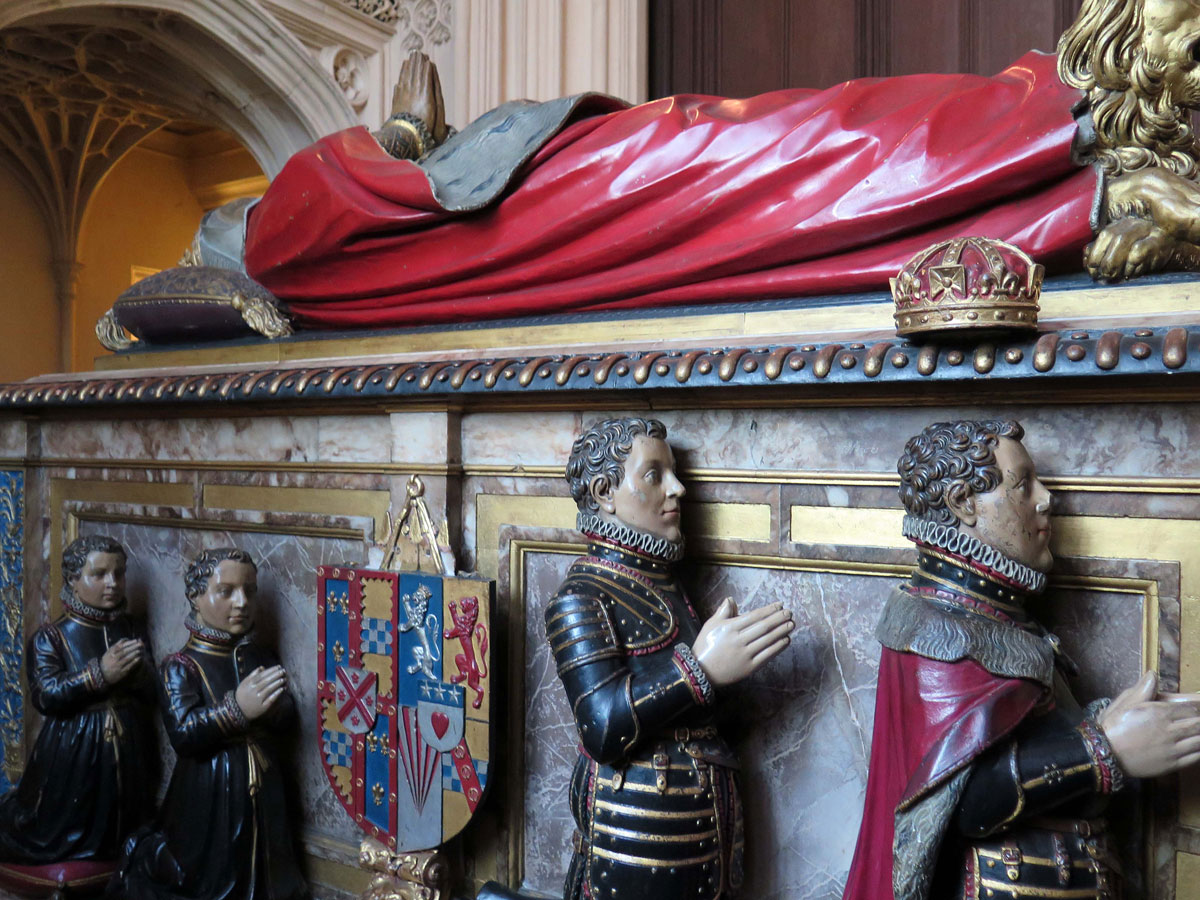
There were no further burials in the aisle until Henry VII’s granddaughter, Margaret Countess of Lennox was interred in 1578. Along the sides of the tomb are kneeling figures of her four daughters and four sons, the eldest of which, was Henry Stuart, better known as Lord Darnley, the murdered husband of Mary Queen of Scots, which leads me nicely into the large tomb in the centre of the aisle.
Commissioned again by James I, this monumental tomb of his mother is unsurprisingly grander than the one of Elizabeth I, since it was Elizabeth who was responsible for Mary’s death at Fotheringhay Castle. Under the tomb also lie the remains of four children of Charles I, two of James I and fourteen of the hapless Queen Anne.
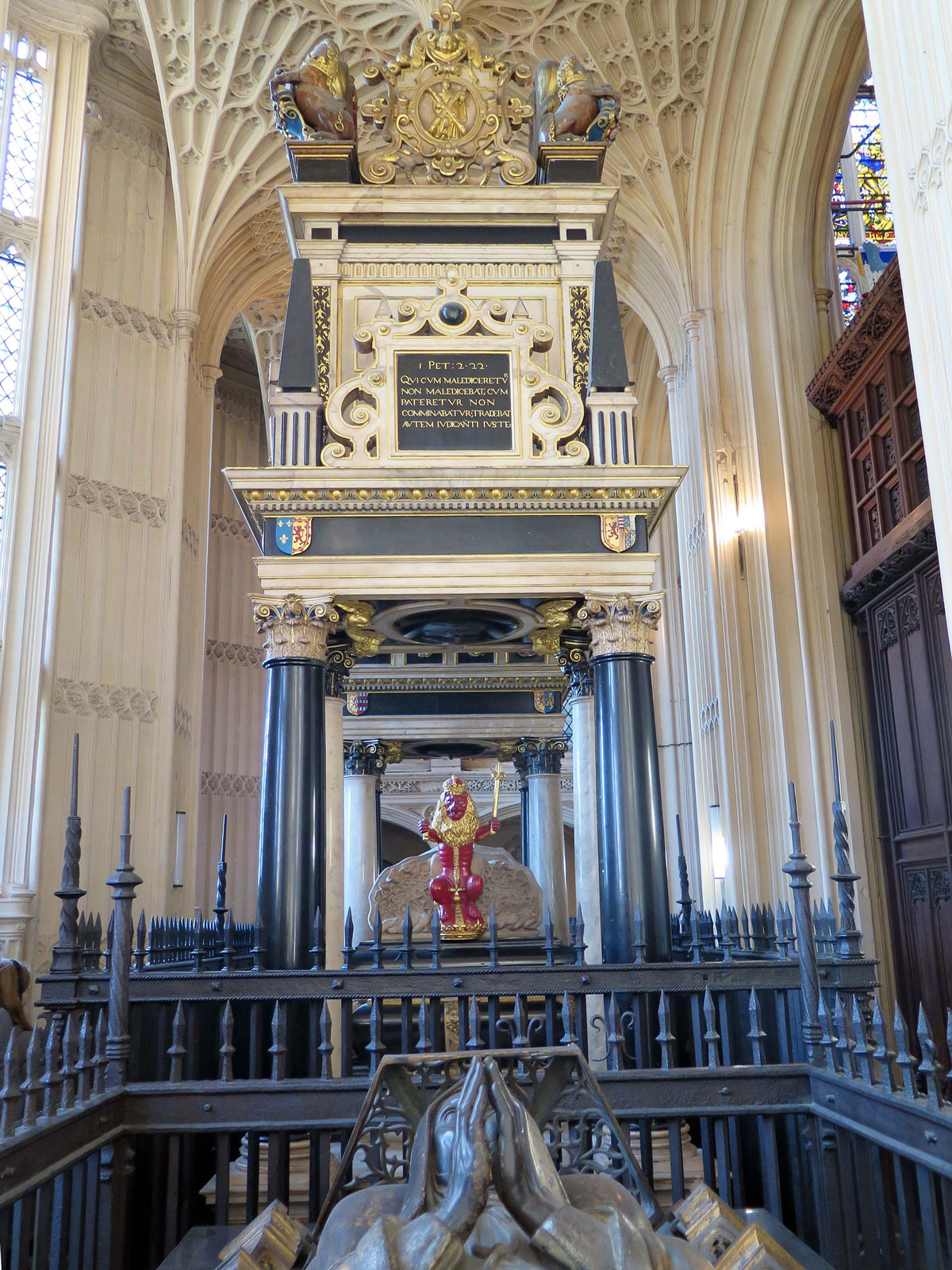


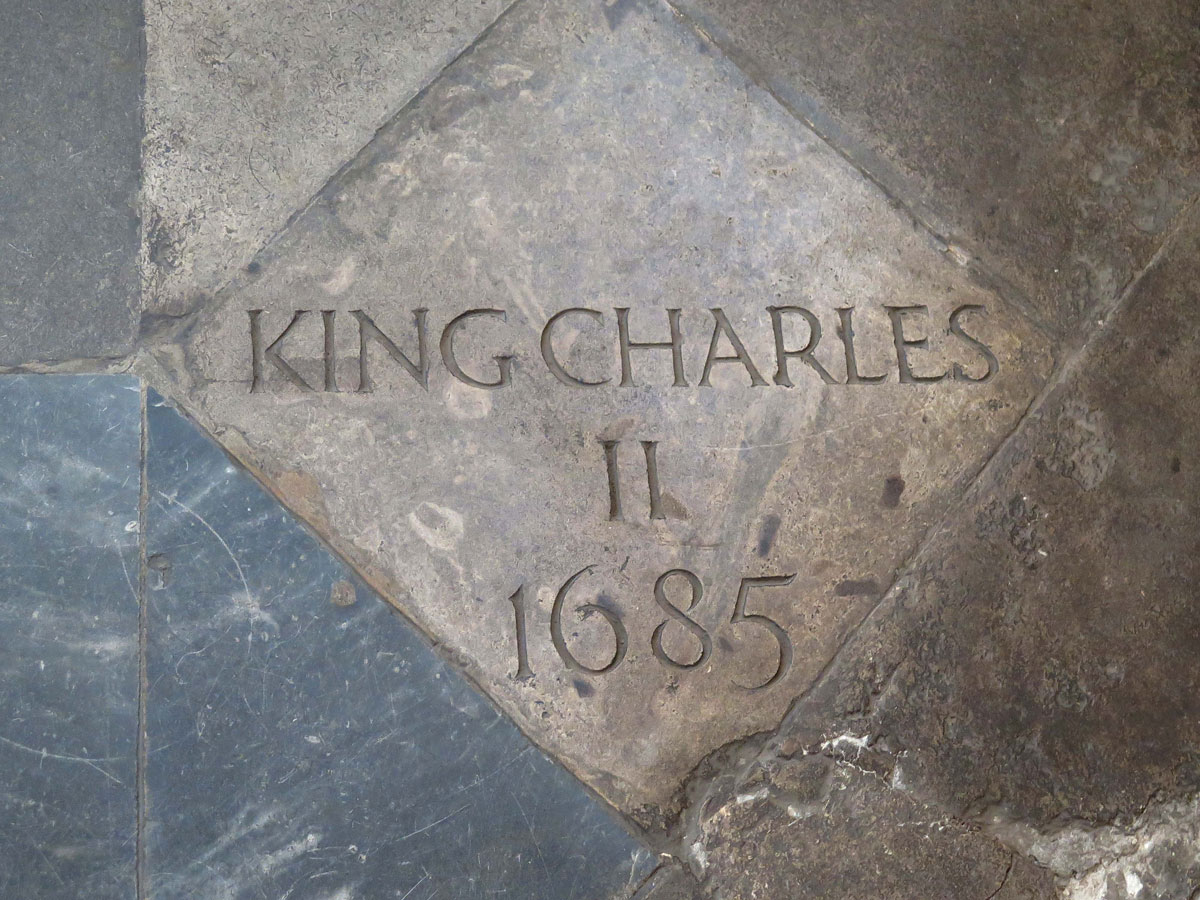
The floor of the North Aisle also conceals the Stuart Vault where Queen Ann was the last one of the family to be buried in 1714. Alongside her is her husband, Prince George of Denmark who died in 1708. The vault is also the final resting place of three other Stuart monarchs – King Charles II (1685), Mary II (1694) and William III (1702).
We’ve now come to the end of our tour around Henry VII’s Lady Chapel, but we haven’t quite reached the end of our tour of the abbey, and there’s still one more chapter to come. It might not be able to match the grandeur of Henry VII’s creation, but there isn’t a part of this church that doesn’t have something to offer – and I promise you that the final instalment will not disappoint, so join me for one last look at this temple to British history.

POSTED – APRIL 2023
Originally posted 2023-04-02 15:40:05.
Now I see what you meant re this part. And I think I saw another bit where you said how much you loved the chapel here. A full procession of hsitory here and wodnerfully told too.
Glad you enjoyed it Shey and now you know where Mary Queen of Scots lies now.
I had a wee smile over the fact that they may have cut off her head but she got a braw tomb out of it……
That’s one way of looking at it 😀
It is my horrible sense of humour but honestly Mary obvi messed up more than once but in some ways she never had much of a chance I often think. But at least she got a grand tomb.
If nothing else, she made her presence known.
Well I always think that. They make films about her and everything.
Breath-taking photos!
Thank you so much. Glad you enjoyed them
Well, I can see why this part of the abbey is your favourite, Malc, and you really do it justice from every angle. Indeed, the architecture is second to none, and I love the way we even get to know the names of the architects and craftsmen who created it, in particular I love the story of the sculptor Torrigiano’s fight with Michaelangelo – typical artistic temperament! I hadn’t realised quite how many monarchs and prominent figures from history were crammed in there, and I’ve always loved the fact that Oliver Cromwell eventually got his comeuppance, even if it was posthumously. With all those royal neighbours that were either already there or joined him later though, he hardly fitted in with the crowd, did he? 😀
As for the ‘remains’ of the princes in the tower, you won’t be surprised to know I’m far from convinced it’s them. I read a lengthy analysis of the examination of the bones carried out in the 1930s and from that, along with evidence from the location in which they were discovered in the tower, it’s quite possible that a) they may well be Roman remains and b) one of them may well be a girl. There is a campaign bubbling in the background to, at some point, re-examine the bones, using modern tests that can now, for example, identify the time period in which an individual died, and of course now that we have Richard’s DNA could actually prove or disprove who they are. My hope is that one day the mystery will be either cleared up once and for all, or at least in part explained. But enough of that, this was another revelation of a read, and as always I learned loads. Anyone who reads your superb series of posts will get so much more out of a subsequent visit to the place, and I’m looking forward to watching the coronation and seeing how much I can spot during the quieter bits of the ceremony! 🙂
Even though the previous post was what you wanted to read about the most, I’m pleased that you can understand why this part of the abbey is my favourite. As you say, the architecture is second to none, and the history within these walls could occupy a lifetime of research. Although I realised that this blog would be too long for some people to bother with I still don’t feel that I’ve covered it enough, and I’m always grateful when people like you Alli take the time and trouble to read it properly. It really does make it all worthwhile even though I fully understand why not everybody would.
You’re right when you say I wasn’t surprised that you’re not convinced about the bones in the wall belonging to the ‘Princes in the Tower’. I spoke to one of the abbey guides about it and he was more convinced than I was, but then again I don’t think he was half as informed as you are. He said that to re-examine the remains would require royal approval, but with the science we have available to us these days perhaps that they don’t want to know the truth. After all, people always love a mystery don’t they?
Anyway, when the coronation day arrives at least you’ll know a bit more about the location, and if this series has helped in some small way then my job is done. It goes without saying that I really value your continued support Alli. Thank you so much 😊
I wish you a happy Easter 🌸🌸🌸
Thank you Luisa, and the same to you of course 🐤🐤🐤
💝🐇💝
You continue to excel yourself in these posts about the Abbey, and like the subject matter, this one might just be the best yet! Wonderful to see the ceiling and tombs in such detail, alongside the interesting histories you present in the text. And I love the RAF chapel’s stained glass too.
Thank you for your smashing comments Sarah. I’ve always said that WA has to be on every visitor to London’s list of must things to see, whether they’re interested in British history or not. It has a real tangible feel about it and you can’t help but feel the history oozing out of those walls.
It’s quite remarkable isn’t it that with all the things there are to take in walking around the Lady Chapel that one of the things people remember most is the RAF window.
An extremely interesting and in-depth post Malc, it must have taken you absolutely ages to write it. I’ve had to read it three times to get my head round all the kings, queens, children and hangers-on – it makes me glad I don’t have a big family! 🙂
I love the Fan Vaulting, it’s just stunning – someone must have been very good at their craft to create all that – and the stained glass windows in the RAF Chapel are beautiful.
The paragraph about Oliver Cromwell really amused me – I like how you manage to inject a bit of subtle humour here and there in your posts, it makes them enjoyable to read. I’m looking forward to the final part now 🙂
You really have made my day Eunice. You’re not wrong when you say that it must have taken ages to put together, but it’s worth it to know that there are people like you who take the trouble to read it three times to get your head around it all. I really appreciate that. The final chapter will be relatively short in comparison and so I hope it’s not an anti-climax 🙂
I’m with you Malc when it comes to mastering relationships – deciphering the details of this dynamic dynasty is overwhelming. The fabulous “fotography” in this behemoth British blog is masterful but on the whole, I need to consign it to residents of the UK who share the history. I never did put the kettle on so I ran out of steam in the second half and confess to surfing the wave tops. If there was a test, I would fail miserably. This one is top drawer and will be more appreciated by many. Stewart
I well understand Stewart. The fact that you even began to read it is good enough for me, and I thank you for that 🙂
Apology, Malc, for the delay in writing my comment, but this Sunday was the most chaotic day I had to endure for a long time. People turning up suddenly, telephone ringing, and when I finally started writing the comment, my daughter logged in to write an important email and it could not wait.
Let me start with the kettle your suggested to put on, after checking the length of the post, I prepared a large thermos!
Seriously, Malc, this post is a masterpiece of interesting, fascinating, unmissable details from English/British history, and long before you got me to the Fan Vaulting, my jaw dropped at the vast procession of various kings, their wives and many children, and I had to add something stronger than tea to my mug to keep myself on the truck.
The burial places of so many kings, some laying, some standing, others hidden under the floor, made my head spin but the site of the stunning stained glass windows restored me back to my attentive best. They might be even better than the one I saw in the Royal Chapel in Paris long time ago.
Your photographs are exquisite, and your determination that we miss nothing is moving in its sincerity. Thank you!
I am looking forward to the promised final part of this extraordinary tour, and with a bottle by my side!
Joanna
PS. Thank you for your sense of humor! You made me laugh a few times!
Thank you Joanna. Your comments are always so uplifting, not least because I know that you’re like me, in as much that I think it’s better to find a convenient time to read somebody’s post and read it properly rather than rush through and hardly take any of it in – providing of course that I want to read it in the first place.
As you can probably tell, the length of my posts reflect the amount of time I think they warrant, both to write and to read, and I guess some people see the length of a post like this and give it a miss which is understandable, but it’s not in my nature to take short cuts if I don’t think it’s the right thing to do.
I can tell that you’ve enjoyed reading this post even with your eyes half closed. You also made me laugh when you said that you had to add something stronger to your tea. I imagine you slept well last night, what with the turmoil of the day, strong drink – and reading my blog 😊
Thank you, Malc, for your understanding and your kind reply. I agree with every word you wrote, and I am delighted that my mentioning the bottle, didn’t offend you. We do share a similar sense of what is funny!
Joanna
Not at all Joanna. Laughter is the best medecine as they say 🙂
I agree!
Joanna
Wonderful Malc! A history book of information, which is super interesting. I love history, but like you, I coming from a country/kingdom with so many kings, queens, palace mysteries, intrigue and confusing family trees, I get lost. Beautiful work my friend and great pics you’ve selected. All the best.
I’m so glad you’ve enjoyed these posts Francesc, and of course, Spanish and British royal history is so entwined.
Quite so Malc. And yes, I greatly enjoy it because I learn but I also put it away to take on my journeys there, when I get there, hopefully soon. All the best.
If that happens then it will really make it all worthwhile Francesc 🙂
It will Malc, I am sure, not sure when, but sure it will, God willing.
🙏🏻
Possibly. 🤓😉
I’m intrigued as to why you don’t join in the conversations a bit more then Pat.
Well done, Malc. Glad I knew enough English history to follow along.🤓
You know a lot more than you let on Pat don’t you?