Madrid in Pictures
Originally posted 2024-01-25 16:01:29.
Originally posted 2024-01-25 16:01:29.
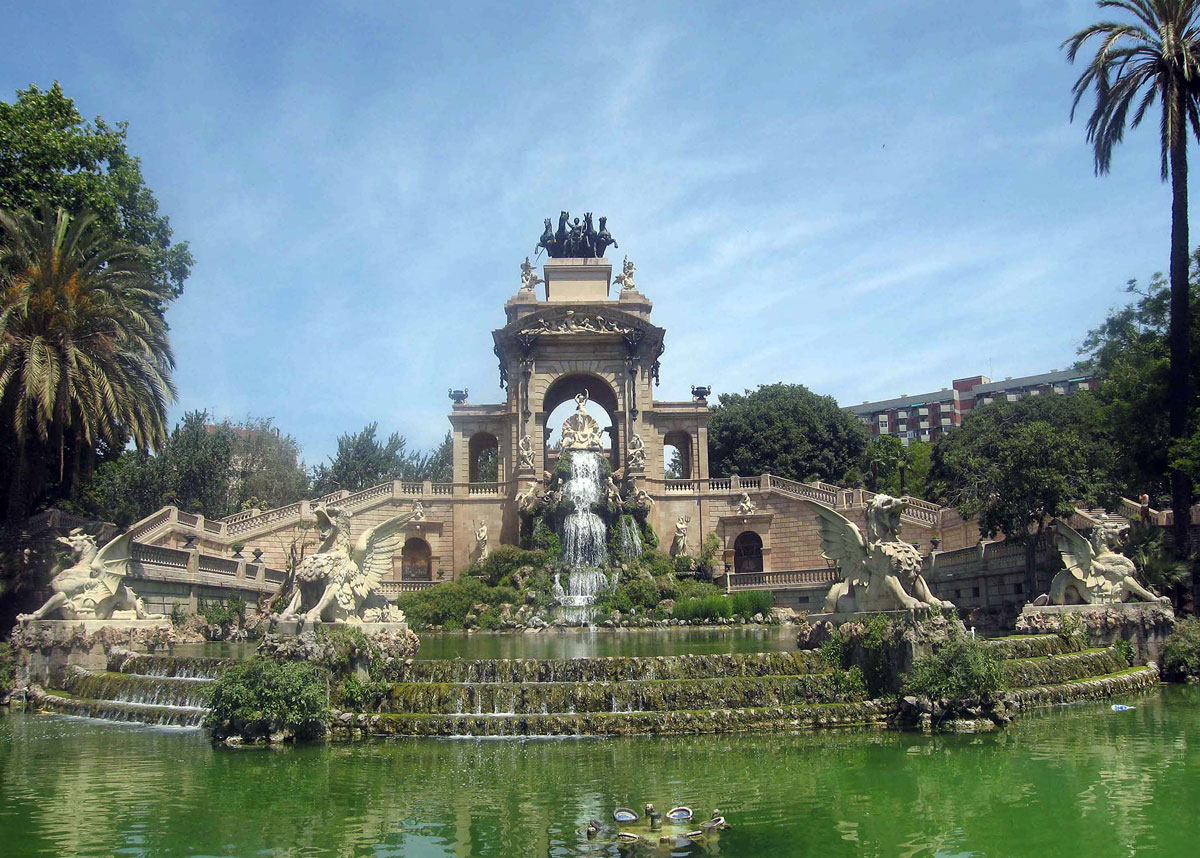
After leaving the Basilica de Santa Maria del Mar, I negotiated my way through some of the old back streets towards the Passeig de Lluis Companys. This pedestrian boulevard is named after the former prominent Republican politician and Catalan President, who, after finding himself on the losing side in the Spanish Civil War, was executed at Barcelona’s Montjuic Castle in 1940.
This popular avenue of palm trees where locals enjoy a paseo is embellished by some impressive decorative lampposts designed by Pedro Falquès – and at the far end is Barcelona’s very own Arc de Triomf.
Originally posted 2025-08-05 05:59:21.

The official German name for the park known as The Tiergarten is Grosser Tiergarten, which helps to distinguish it from the district of the same name.
This huge park in central Berlin covers an area of some 520 acres roughly enclosed by the River Spree on its northern edge to the Tiergarten Strasse in the south, and from the Brandenburg Gate in the east to the zoo in the west.
The Strasse des 17 Juni runs through the centre of the park from east to west, and where it meets the Großer Stern (Great Star) the Siegessaule (Victory Column) stands sentinel over the whole park around it.
Only Templehofer Park (the former Templehof Airport) and the English Garden in Munich are larger so it’s best not to underestimate its size before deciding on where to go.
The name Grosser Tiergarten literally means ‘Large Game Park’ and gives a clue to its original use.
In the 16th century the Great Elector, Friedrich Wilhelm, turned this marshy ground into a hunting enclosure, but during the 17th and 18th centuries the area was gradually turned into more formal pleasure grounds for the people of Berlin – wide avenues were constructed, trees planted, and monuments erected.
Originally posted 2018-07-30 11:27:13.
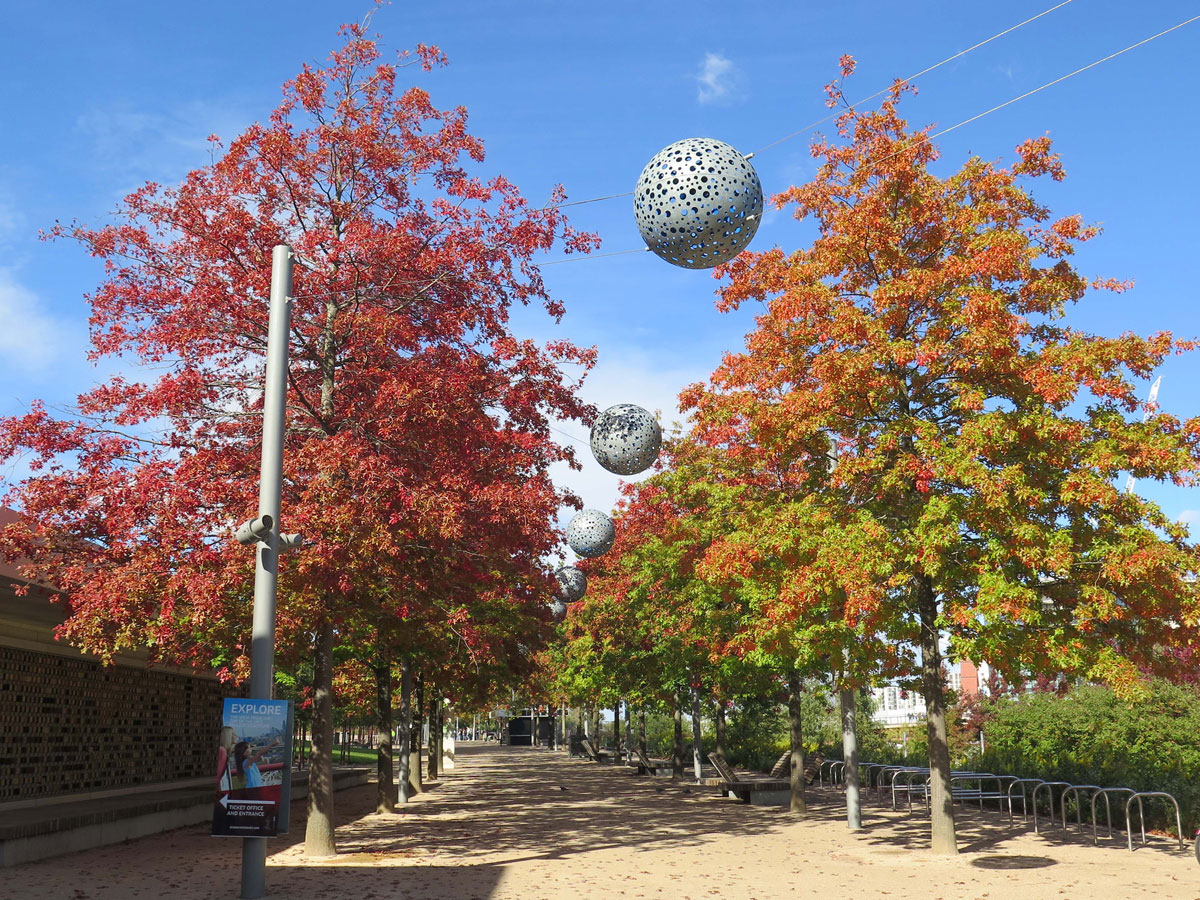
Call me an old cynic if you like, but the legacy of the 2004 Athens Games is a stark reminder of how emotions can change from joy to despair in such a relatively short space of time. The debt that Greece accrued for putting on the world’s greatest sports event was a heavy enough price to pay without the knowledge that the sporting venues quickly fell into disrepair as well.
I’m pretty sure that Ken wasn’t thinking about the sporting side of things when, as Mayor of London at the time, he put the bid in: in fact, I don’t think he even expected to win it. The reason behind his thinking was that the event would focus minds on giving a much-needed boost to rejuvenating a part of East London that was in desperate need of some extra cash, so I think his wide smile was for a different reason to those involved in sport.
I’m also pretty sure that the powers that be were only too aware of what happened in Athens and would have been determined that London’s legacy would be different.
With all this in mind a 500-acre site at Stratford was given the go-ahead as the home of the Olympic Park, the main venue for both the Summer Olympics and the Paralympics.
Originally posted 2018-10-07 09:42:39.
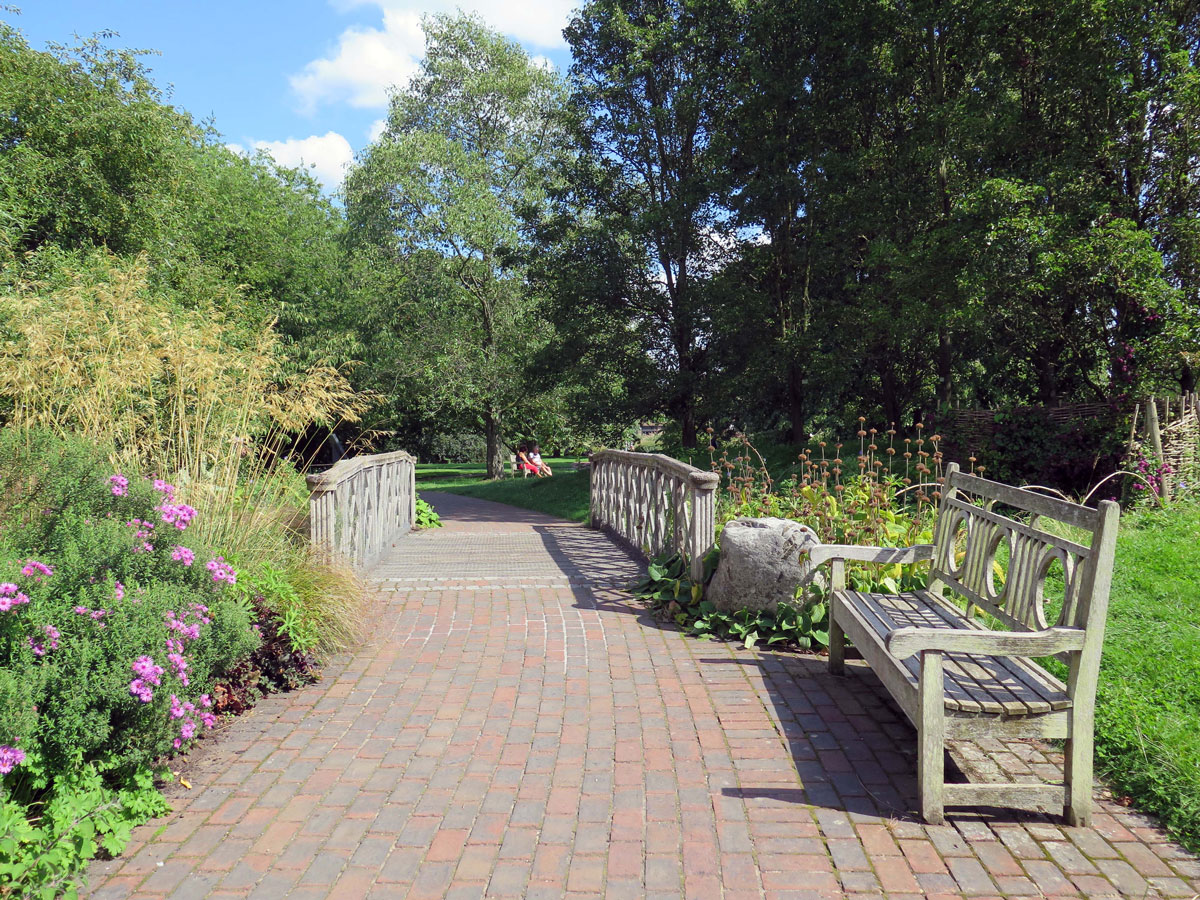
To give you an indication of the magnitude of the place, it boasts that it has the “largest and most diverse botanical and mycological (fungi) collections in the world” with more than 30,000 different kinds of plants, an Herbarium with over 7 million specimens, a library with 750,000 books, and more than 175,000 prints and drawings. To that you can add five Grade I listed buildings, and (including its sister botanical garden at Wakehurst in West Sussex) currently employs around 800 staff. It even has its own police force. No wonder it’s on UNESCO’s list of World Heritage Sites.
Originally posted 2018-11-20 13:43:48.
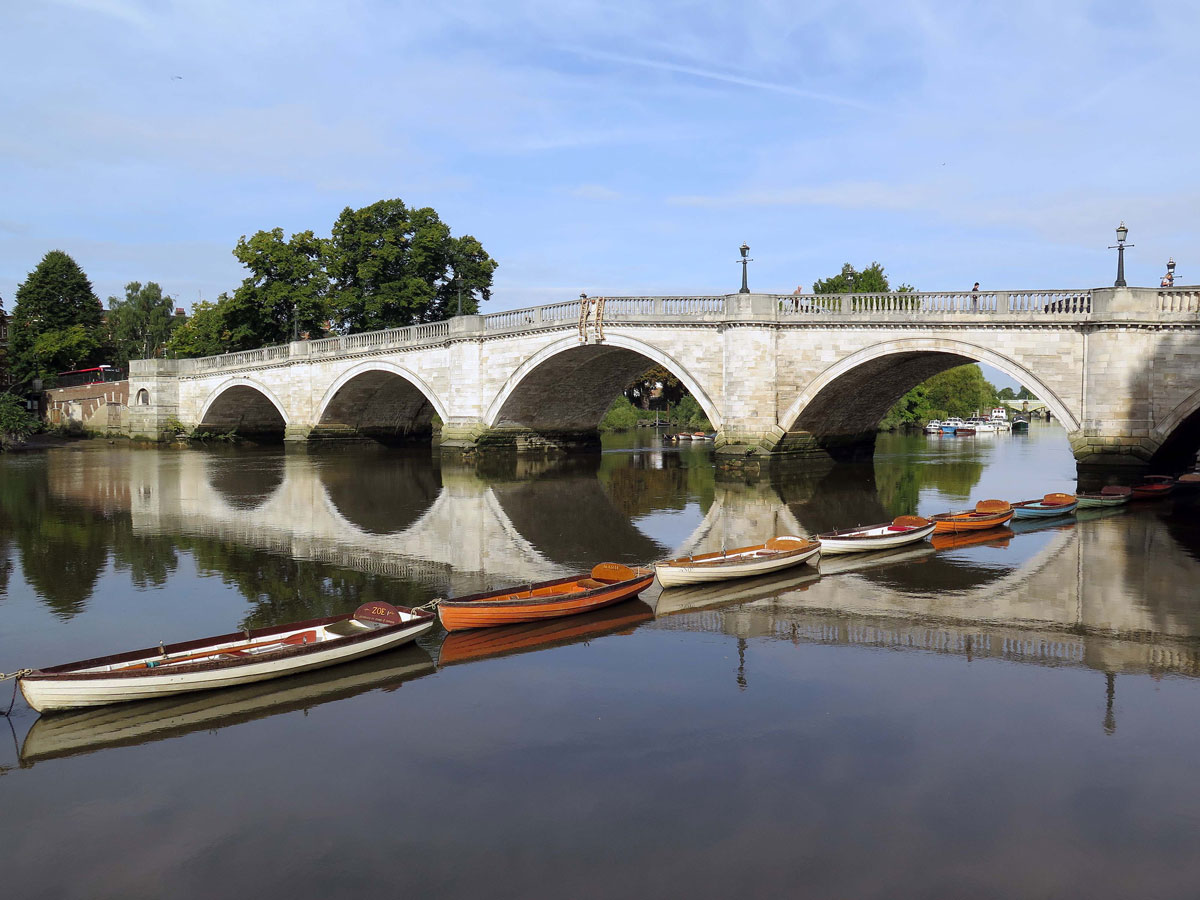
The name Richmond originates from the French words ‘riche’ (meaning mighty) and ‘mont’ (meaning hill), and was initially associated with Richmond Castle in North Yorkshire, and so it’s not difficult to see why King Henry VII, the former Earl of Richmond, named his home here on the bank of the River Thames Richmond Palace – but don’t run away with the idea that it’s that simple just yet.
The second part of its name – Upon-Thames – was added when the borough was created in 1965, and alludes to the fact that it straddles both sides of the river. The suffix is supposed to distinguish it from, shall we say, Henley-On-Thames which sits on just one side of the river.
If you’re not confused yet, then what about if I tell you that the town of Richmond doesn’t carry the suffix that the borough does because it doesn’t occupy both banks of the river. OK, so why have I called this post Richmond-on-Thames? It’s obvious really isn’t it? I wanted to distinguish it from Richmond in Yorkshire – but it occupies only one side of the river. Got it? No, nor have I. I’m already wondering how many keyboard warriors are going to pull me up about the title without reading what I’ve just said.
Originally posted 2025-08-26 16:17:22.

I very rarely, if at all, voice my personal opinions about contentious issues in these blogs because I prefer to let people decide for themselves how to think, but I make no excuses for breaking my own rule today.
Britain has always been a liberal country where people have the right to protest, but when that right comes at the expense of the silent majority’s rights, then I think it’s time to stand up and be counted. Politicians are elected to implement the wishes of the people they represent, and while some of them might think it’s ok to chant inflammatory slogans, throw paint over works of art or desecrate statues, that is not what the majority of people think.
There’s likely to be a general election in the year ahead, and my one wish is that whoever wins, acts in the best interests of this once great country. Our forefathers didn’t fight to secure the freedoms we hold dear just to allow incompetent or subversive politicians to relinquish those freedoms. Happy New Year everyone!
Originally posted 2024-01-01 13:46:06.
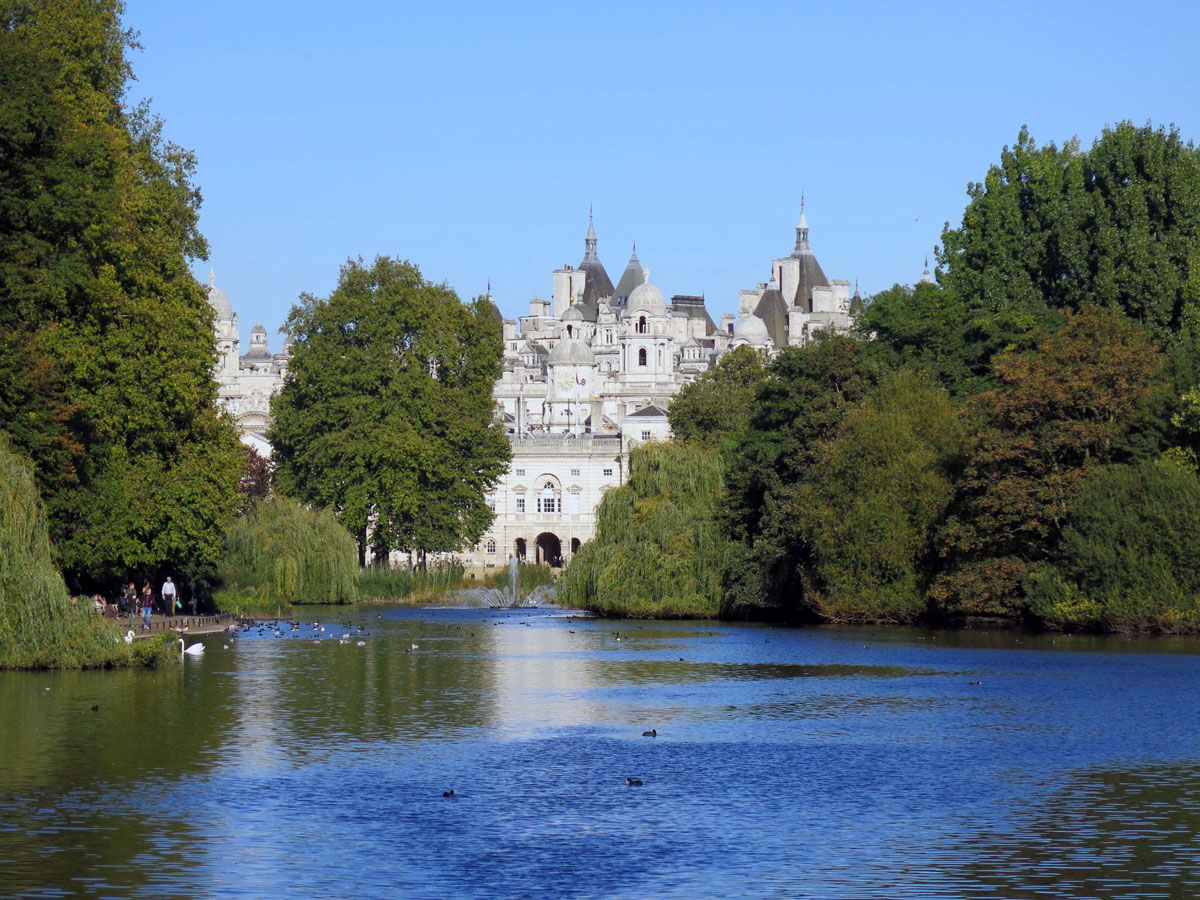
Situated on a roughly triangular piece of land between Horse Guards Parade, Buckingham Palace, The Mall and Birdcage Walk, St. James’s Park is the oldest of London’s eight Royal Parks.
With so much pomp and pageantry associated with this area you could be forgiven for thinking that it was named after King James I or II, but it was actually named after St. James the Less leper hospital that was founded here in the 13th century.
There is a connection with James I though, because after Henry VIII had acquired this marshy piece of land in 1532 for yet another Royal hunting ground, he set about improving the drainage and water supply. Charles II took it a stage further and changed it into a parkland with lawns and avenues of trees which the general public could also use.
Originally posted 2018-01-23 14:42:22.

A walk through Queen Elizabeth Gardens and along the Town Path down through the Water Meadows to Harnham is a must if you want to get an even better overall feel for this beguiling city.
This is another short, comfortable walk and suitable for anyone and everyone including families with pushchairs – just watch out for cyclists along the Town Path though.
Start your walk at Crane Bridge in Crane St and walk alongside the river down to where the Avon and Nadder meet. Then follow the Nadder around through the park until you come to a footbridge. Walk over the bridge and keep left until you come to the start of the Town Path.
Continue reading
Originally posted 2018-05-11 16:56:26.

The views stretch out across The Breakwater and Plymouth Sound into the English Channel, and from Devon’s South Hams coastline in the east to Cornwall’s Rame Head in the west.
‘Hoe’ is an old Anglo-Saxon word meaning ‘High Ground’, and although it isn’t that high above sea level it still affords commanding views, such as those that can be had from the colonnaded Belvedere near West Hoe.
Built on the site of a previous camera obscura, it was completed in 1891 at the end of a decade that saw the Hoe change from farmland to a city park.
Below it is a former bull ring that is now a memorial garden for various veterans’ associations from WW2 onwards.
Originally posted 2019-02-13 15:43:00.

Although Godrintone was mentioned in the Domesday Book, there’s not much for an ardent historian to seek out because it caters mainly for family holidays, but even so, a quick look back in time will help you to understand that this was once a wet, marshy area, as a walk around Clennon Valley or Youngs Park can reveal even now at times.
Originally posted 2018-06-14 16:38:57.