Citadel Park and the Quest for Catalonian Independence
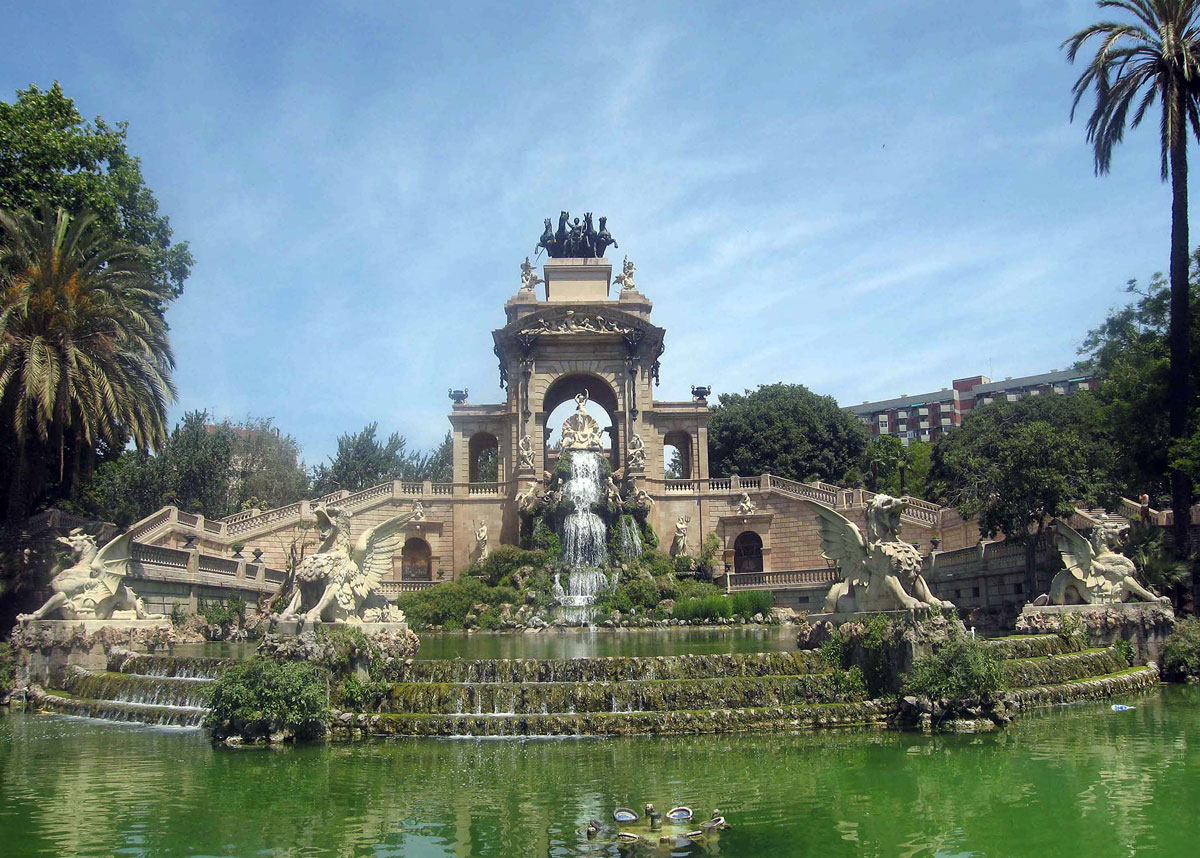
As much as I like visiting cities for their history, architecture and art, I also like to find a quiet corner for some peace and quiet, and after visiting the Barri Gòtic I decided to head for the Parc de la Ciutadella which, as it turned out, included all three of the above as well.
After leaving the Basilica de Santa Maria del Mar, I negotiated my way through some of the old back streets towards the Passeig de Lluis Companys. This pedestrian boulevard is named after the former prominent Republican politician and Catalan President, who, after finding himself on the losing side in the Spanish Civil War, was executed at Barcelona’s Montjuic Castle in 1940.
This popular avenue of palm trees where locals enjoy a paseo is embellished by some impressive decorative lampposts designed by Pedro Falquès – and at the far end is Barcelona’s very own Arc de Triomf.
If I had any hope of achieving all what I wanted to do today I needed to be up nice and early – so I woke up 1½ hours late. Not a great start, but at least it was a nice sunny Sunday morning to wake up to when my eyes did finally open.
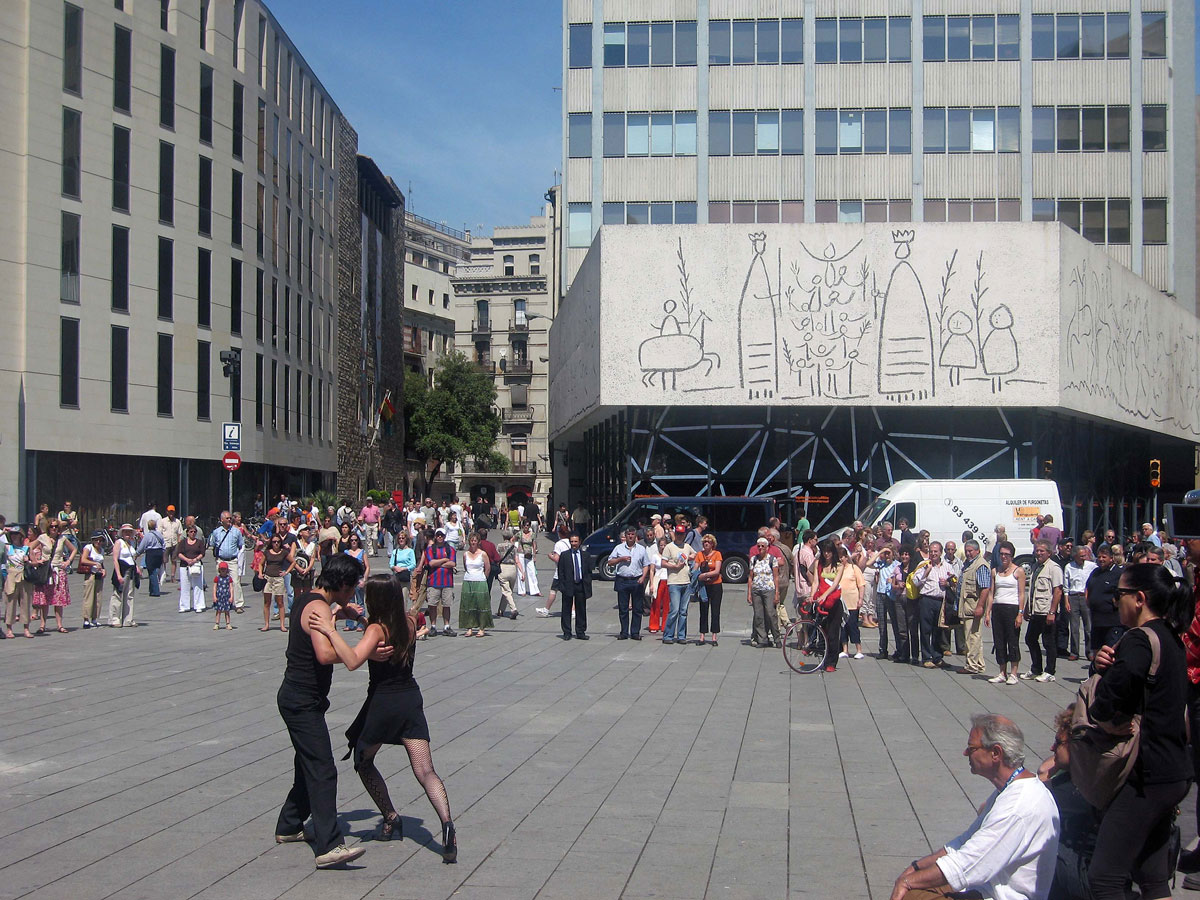
After a quick breakfast I wandered down the Rambla to the Bethlehem Church before crossing the road and into the Gothic Quarter, or Barri Gòtic as it’s called here. Unlike yesterday, it was lovely and peaceful as I ventured deeper into the barrio where I stumbled across some remnants of the old Roman City wall in the Carrer de la Palla.
Before I get going, I think it’s worth mentioning the fact that, unlike Manuel in Fawlty Towers, I’m not from Barcelona, and therefore this series of posts about the city is based purely on my experience over a long weekend back in the spring of 2006. Consequently, I won’t be going into too much detail about its history etc (which can easily be found elsewhere), but instead I’ll just talk about some of the places I visited and what I encountered.
Quiero Saber – The Gipsy Kings
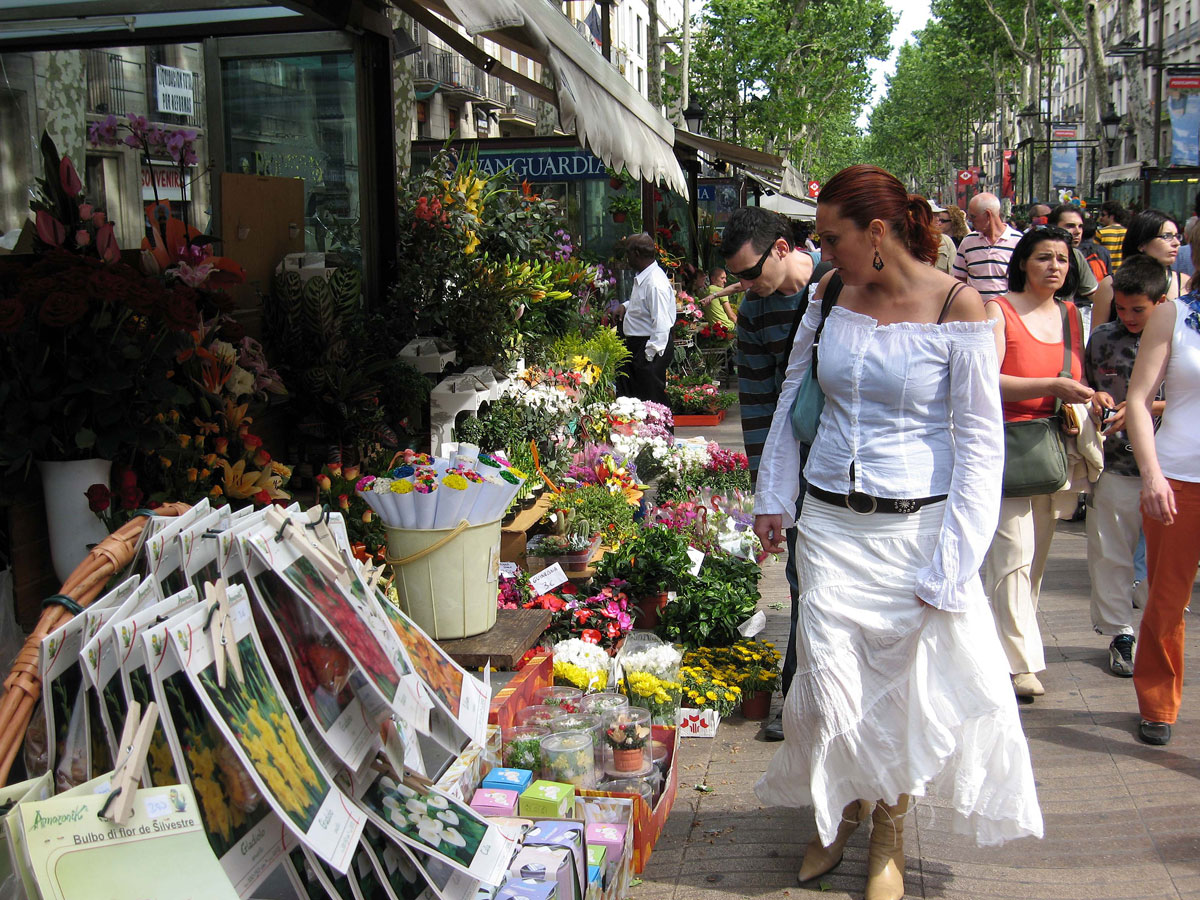
Ask anyone to name the most famous street in Barcelona and you can bet the majority would say The Rambla, but in actual fact the street has several parts to it which is why I’m calling it, like many others do, Las Ramblas. That’s the Spanish way of spelling it, but as we’re in Catalonia, we should really be referring to it as Les Rambles, but whatever you want to call it, this was my base for 3 nights, and is why I’m beginning right here.
Until the beginning of the 18th century Las Ramblas was just a path that followed the course of an old stream just outside the city walls, but today it consists of 5 different Ramblas that make up a largely pedestrianized tree-lined avenue that runs for about ¾ mile between the Plaça de Catalunya in the north to the Christopher Columbus Monument and port in the south.