Tag Archives: Famous Roads

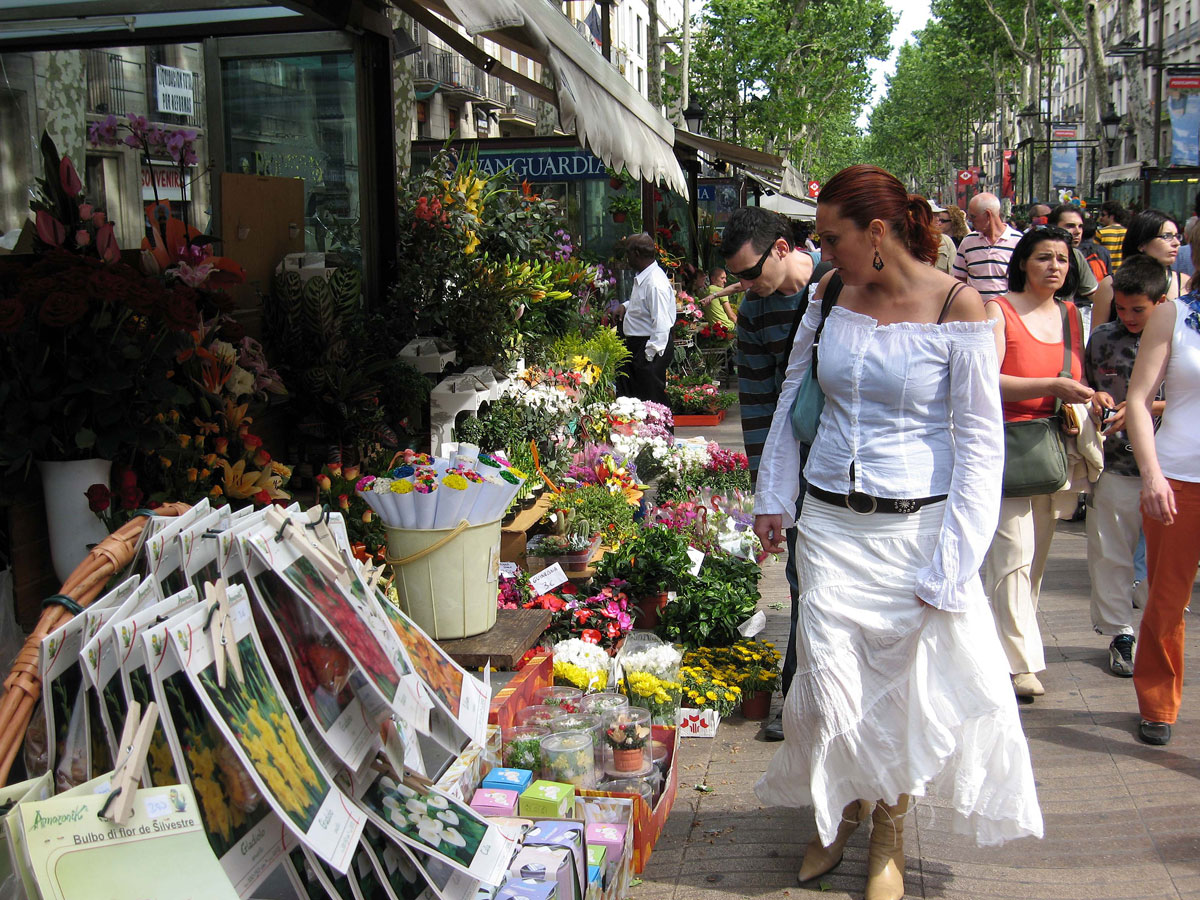
Barcelona – Las Ramblas

Barcelona - Las Ramblas

Before I get going, I think it’s worth mentioning the fact that, unlike Manuel in Fawlty Towers, I’m not from Barcelona, and therefore this series of posts about the city is based purely on my experience over a long weekend back in the spring of 2006. Consequently, I won’t be going into too much detail about its history etc (which can easily be found elsewhere), but instead I’ll just talk about some of the places I visited and what I encountered.

Quiero Saber – The Gipsy Kings

Ask anyone to name the most famous street in Barcelona and you can bet the majority would say The Rambla, but in actual fact the street has several parts to it which is why I’m calling it, like many others do, Las Ramblas. That’s the Spanish way of spelling it, but as we’re in Catalonia, we should really be referring to it as Les Rambles, but whatever you want to call it, this was my base for 3 nights, and is why I’m beginning right here.

Until the beginning of the 18th century Las Ramblas was just a path that followed the course of an old stream just outside the city walls, but today it consists of 5 different Ramblas that make up a largely pedestrianized tree-lined avenue that runs for about ¾ mile between the Plaça de Catalunya in the north to the Christopher Columbus Monument and port in the south.

Continue reading

Originally posted 2025-05-10 15:45:38.
Vienna’s Ringstrasse

Vienna's Ringstrasse

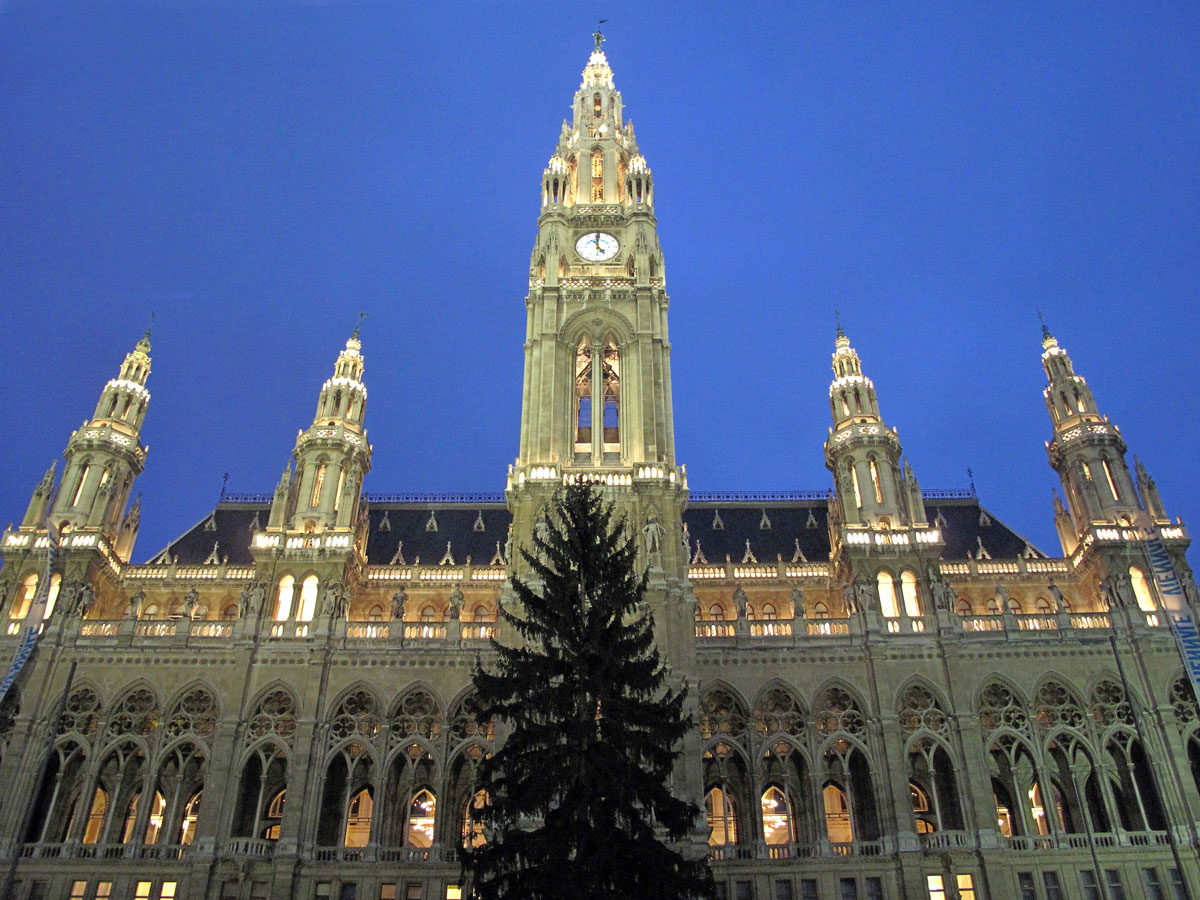
The Ringstrasse is a grand boulevard that encircles Vienna’s Inner Stadt, and if you take a look at a city centre map, it doesn’t take a lot of imagination to work out that this ring-road is on the site of the old city walls.

The Austrians can thank Richard the Lionheart for the original 13th century protective wall. It wasn’t that he had anything physically to do with it, it was just that on his way back from the Third Crusade he was captured and incarcerated at Durnstein Castle, and it was the ransom money that the English had to cough up, that paid for it to be built.

As well as the wall itself, there was a 500 metre wide glacis, which was an artificial slope devoid of any buildings and vegetation that helped to create an extra barrier against any attack. By the 18th century however, the glacis had become obsolete, and Emperor Joseph started to build streets and walkways lined with trees. As the city expanded and traffic increased, then the city walls themselves were in the way, and in 1857 Emperor Franz Joseph I ordered their demolition and embarked on creating a boulevard that would be a showpiece worthy of the Habsburg Empire.

Continue reading

Originally posted 2022-12-06 07:40:11.