Glen Affric
People who know Glen Affric better than I do often describe it as the most beautiful glen in Scotland, which is quite a bold statement to say the least, but even though it was a bit out of the way to get to, I was interested to find out if it was worthy of that accolade and whether it was worth the effort to find.
The glen is reached via the small village of Cannich, which is just under an hour by car from Inverness; and from there a minor road follows the glen for another 11 miles or so to a car park located between Loch Beinn a’ Mheadhoin and Loch Affric, and is as far as you’re allowed to drive. It’s a convenient place to park up though for anyone wishing to don their walking boots and continue to follow the glen towards the magnificent mountains of Kintail, the source of the River Affric.
I’m going to put my anorak on now, not because I’m going to walk you through the glen, but because I’m briefly going to explain its topography.
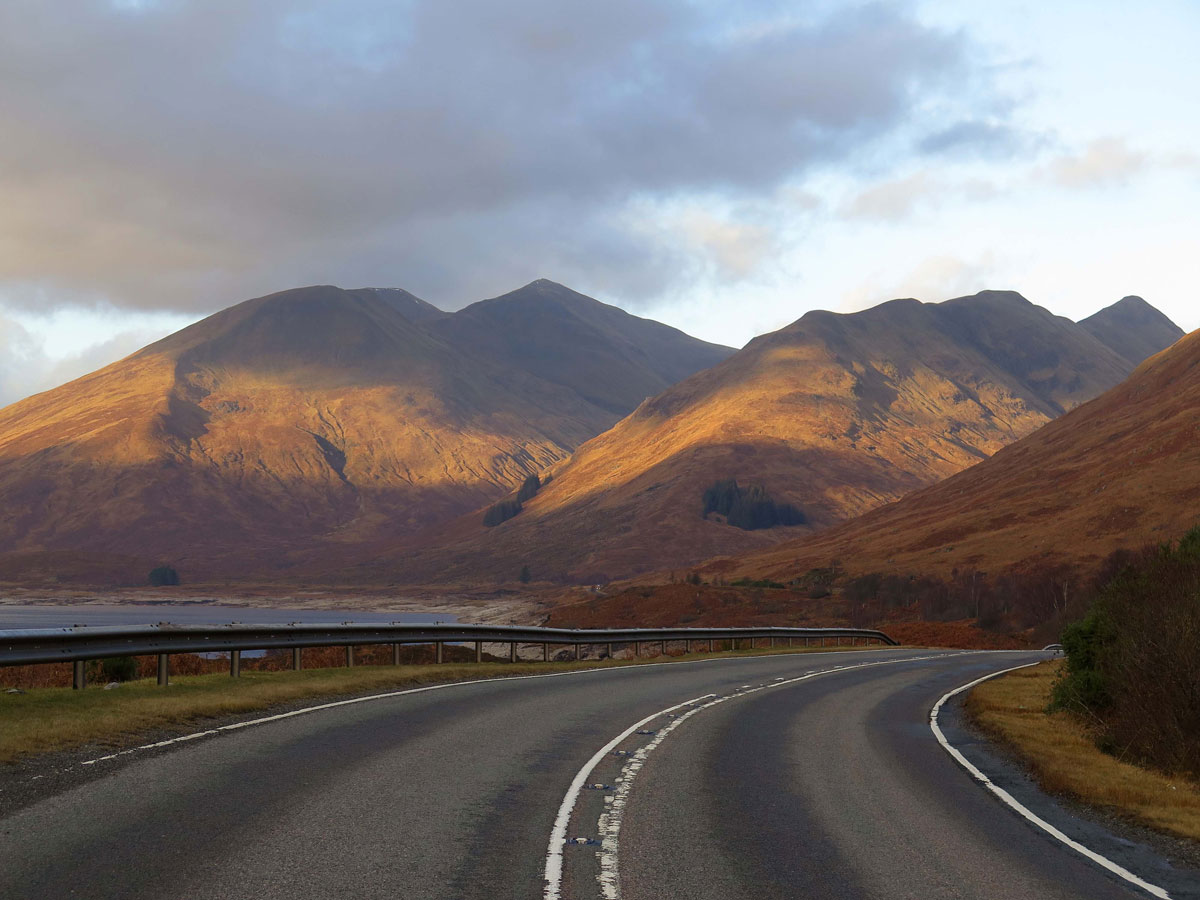
The glen’s river begins its short journey in the foothills of Aonach Mheadhoin (Middle Ridge), one of three Munros (mountains over 3000 ft) that are neighbours of the famous ‘Five Sisters of Kintail’. The tributaries that tumble down off the mountain converge in the valley below to form the River Affric, which flows firstly into Loch Affric, and then into Loch Beinn a’ Mheadhoin. On the other side of this loch, the Affric is joined by the minor River Abhainn Dèabhag to become the River Glass just before it reaches Cannich.
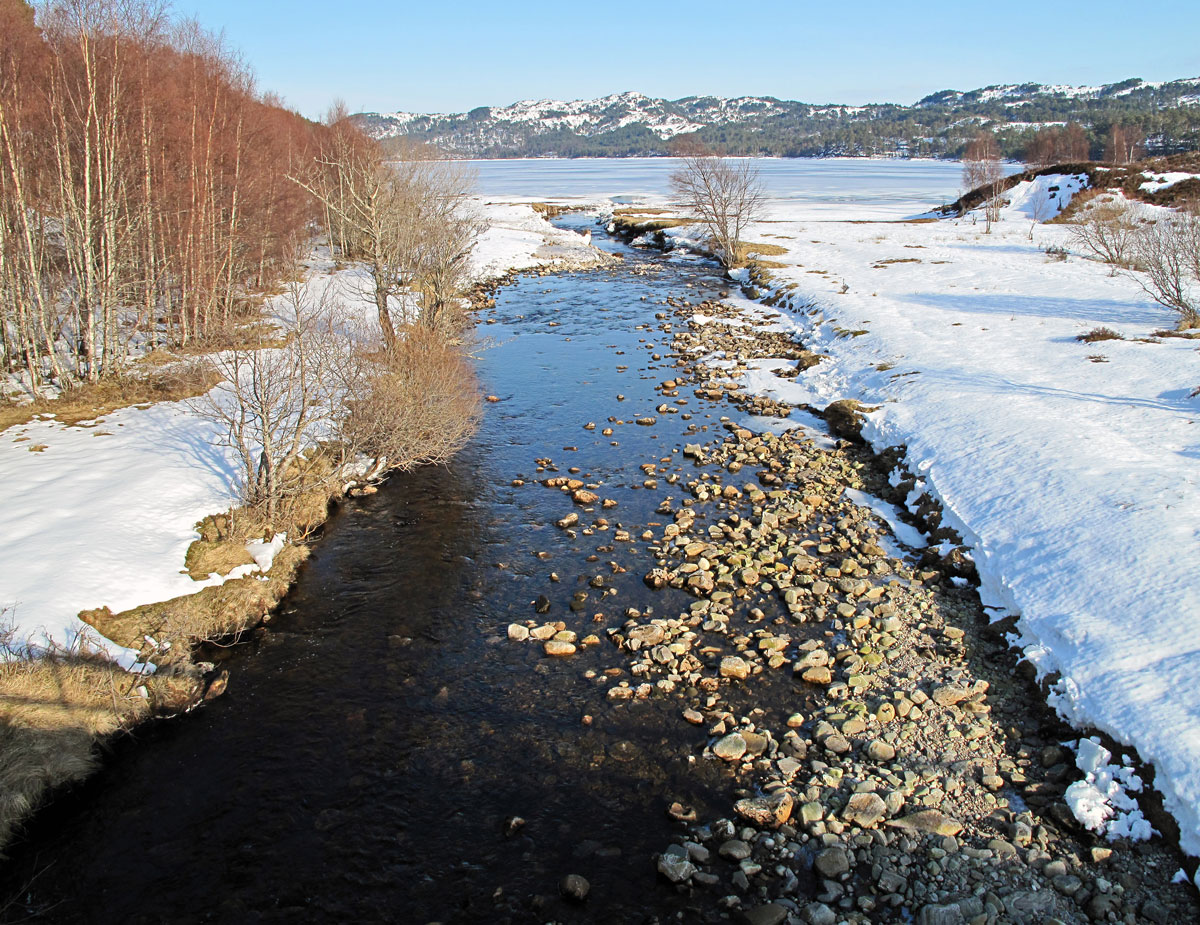
Our one and only visit to Glen Affric was on a cold, wintry day when there was hardly anyone around: In fact, come to think of it, there was nobody around at all, as we took the Main Street out of Cannich down towards the glen.
At the point where the minor River Abhainn Dèabhag and River Affric merge to form the River Glass, the scenery takes on a distinctly more wooded appearance as the road follows the Affric through the glen, and if you happen to be a dedicated Arboriculturalist (!), then you’ll already know why this area is an important part of the Scottish landscape – and that’s because it’s the third largest area of Caledonian Pinewoods in the country.
Now that may not mean a lot to many people, but to others it’s an integral part of Scottish heritage, and it’s mainly down to the abundance hereabouts of Scots Pine which first colonized the area after the last Ice Age (8,000-10,000 years ago). Unfortunately, the once vast Caledonian Pine forests have been significantly reduced over millennia by different factors including human settlement, changing climate, pests and diseases, farming practices and the need for timber.
Timber was needed for all manner of things, from being a source of fuel, to building ships and providing an important raw material for the Industrial Revolution, but by the end of WWI Britain was suffering from a severe shortage of it, and it fell upon the Forestry Commission to replenish the stocks as quickly as possible.
The answer was to plant fast growing conifers such as Sitka Spruce and Douglas Fir – and Scotland was deemed an ideal place to do it. The goal was achieved – but at a cost: Vast areas of woodland containing non-native conifers sprang up rapidly, and then when it was time to harvest them, a chain saw massacre often reduced the landscape to an unsightly mess.
The good news is, that now there isn’t the same demand for timber, there’s been a more pragmatic and sympathetic approach to looking after Scottish forests, and non-native trees have gradually been replaced by native ones including the Scots Pine and broadleaved trees such as birch, rowan, aspen, willow and alder.
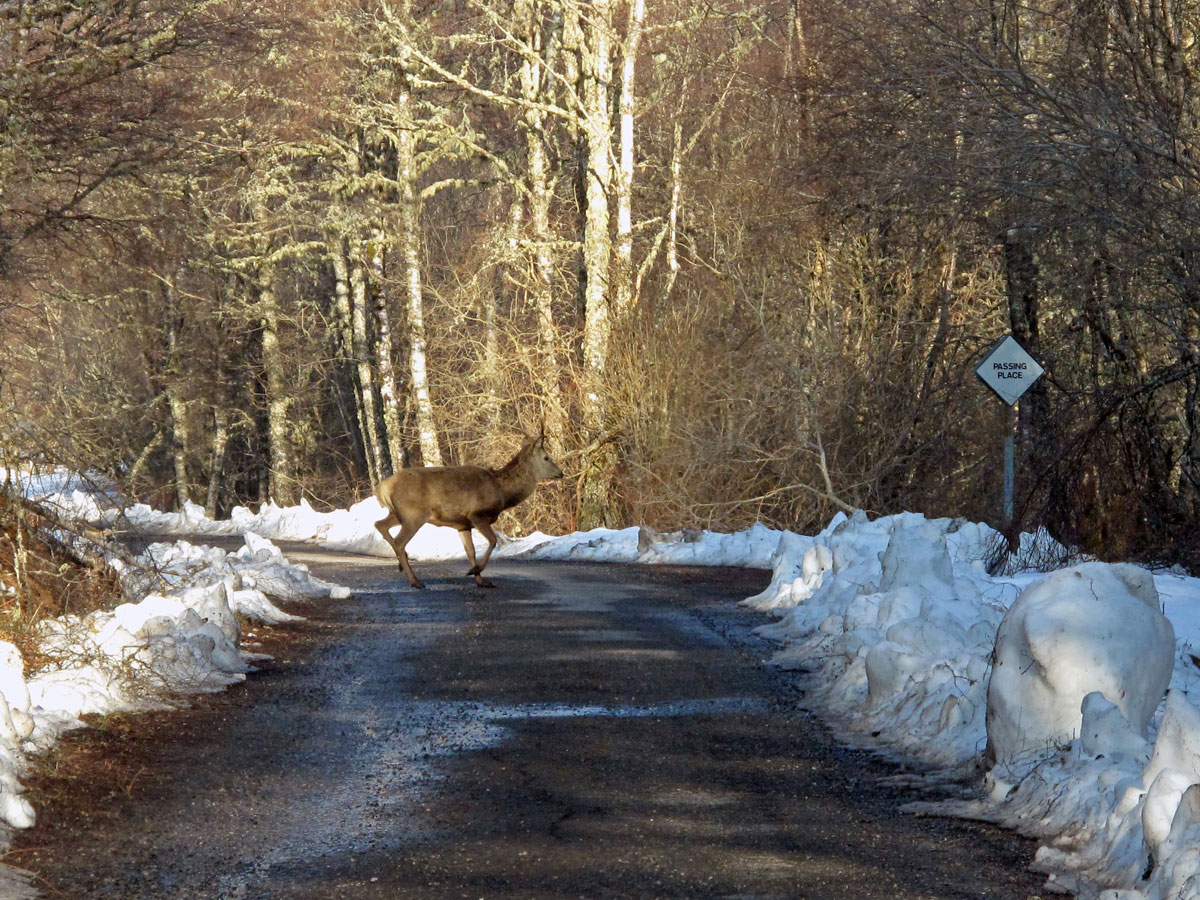
With all these trees around, you might expect to spot a deer or two, and you would be right, but as much as visitors are happy to see them, others are less keen. It’s not that the deer themselves aren’t welcome, it’s just that there are too many to sustain a healthy natural environment.
Red Deer are the most abundant species, but there are also Roe, and even the occasional Sika Deer. Forestry and Land Scotland, which superseded the Forestry Commission, are involved in a programme to reduce the numbers in order to create a habitat that will encourage other wildlife such as Scottish Wildcats, Pine Martens, Black Grouse and Capercaillie into the area, and their work seems to be paying off because birds that fly rather than just strut around the place are also on the increase – birds such as Ospreys and Golden Eagles.
The river and lochs also attract their fair share of wildlife too: Fish such as trout, salmon, perch and carp help keep the otter numbers healthy, and as recently as October 2025 beavers were introduced, but whether that proves to be a success remains to be seen.
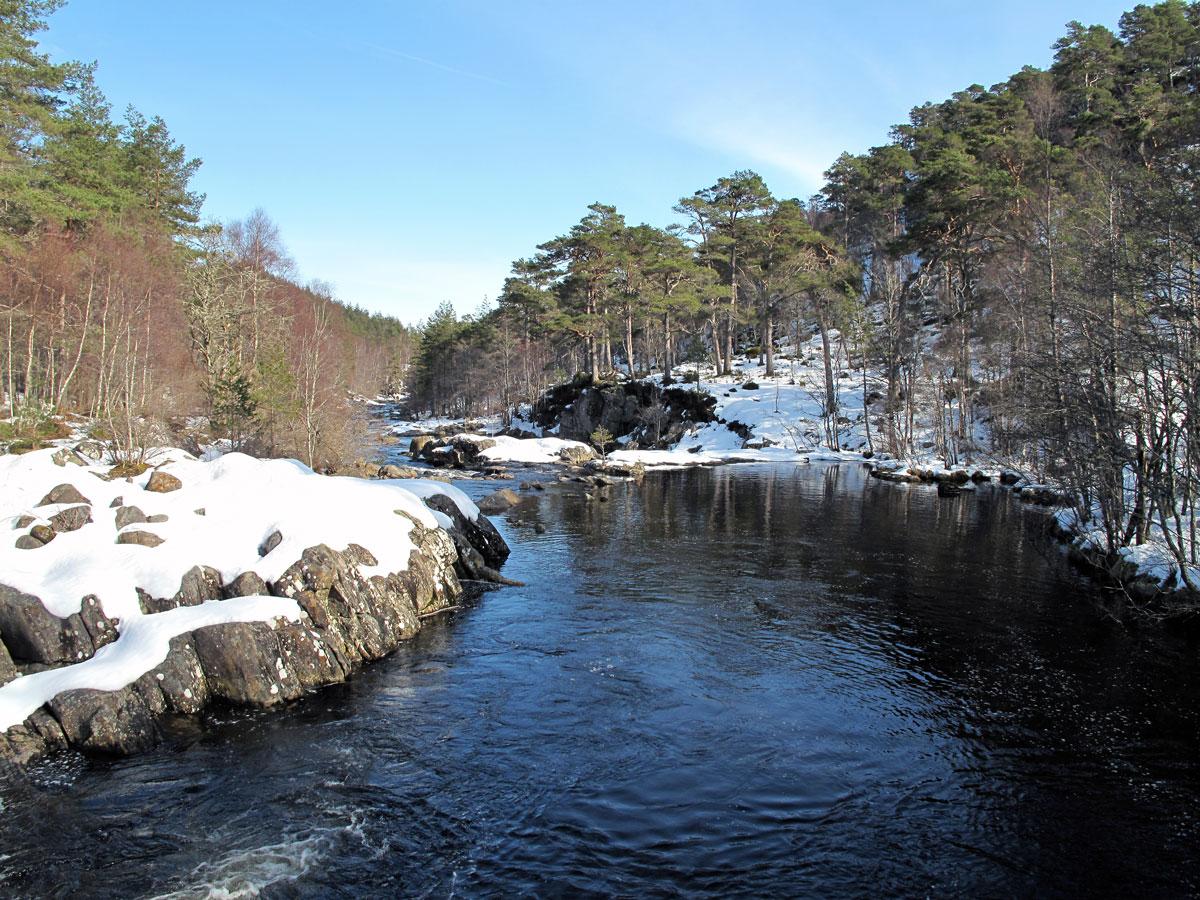
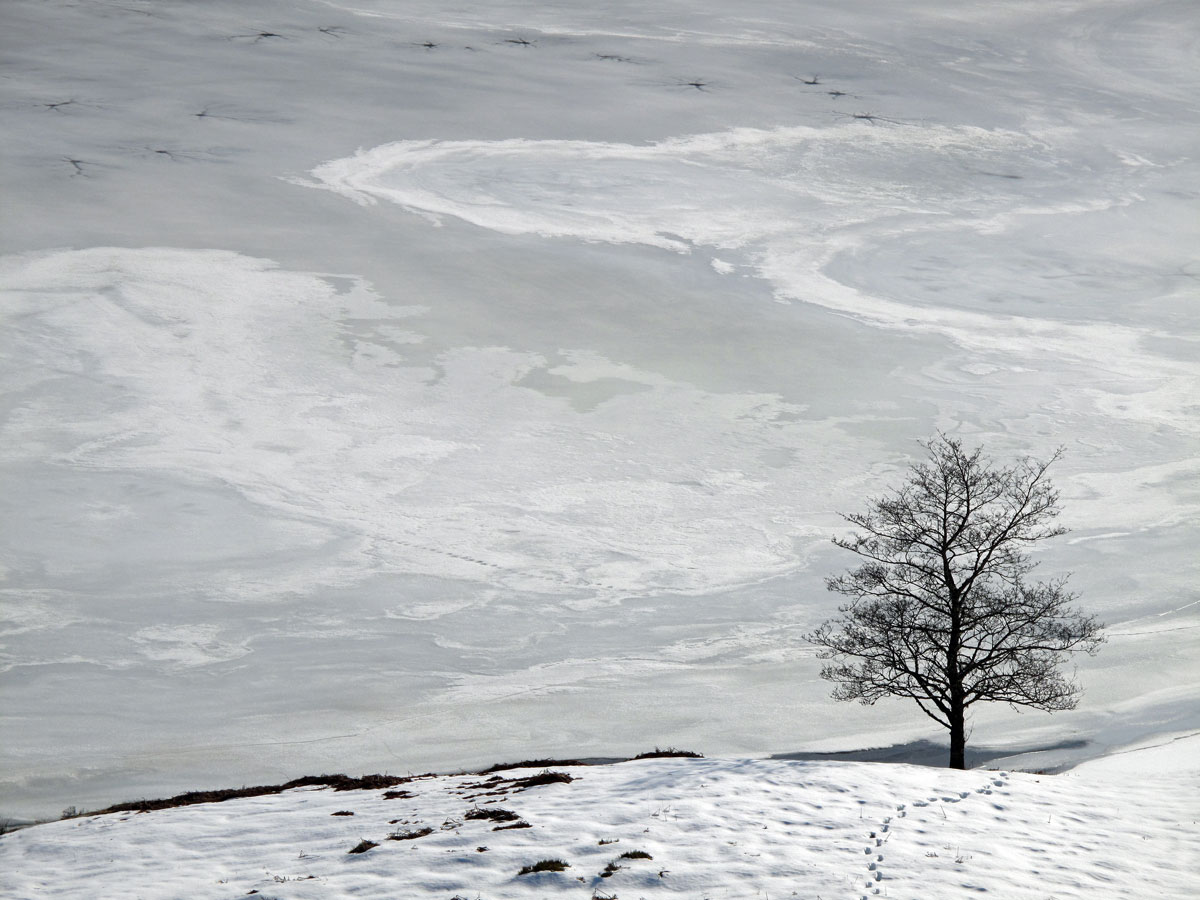
Our own experience of the glen involved driving (and constantly stopping) alongside the river until we eventually came to the deserted Loch Beinn a’ Mheadhoin which was completely frozen over, and as the scenery started to open up I was beginning to see why people rate this glen so highly.
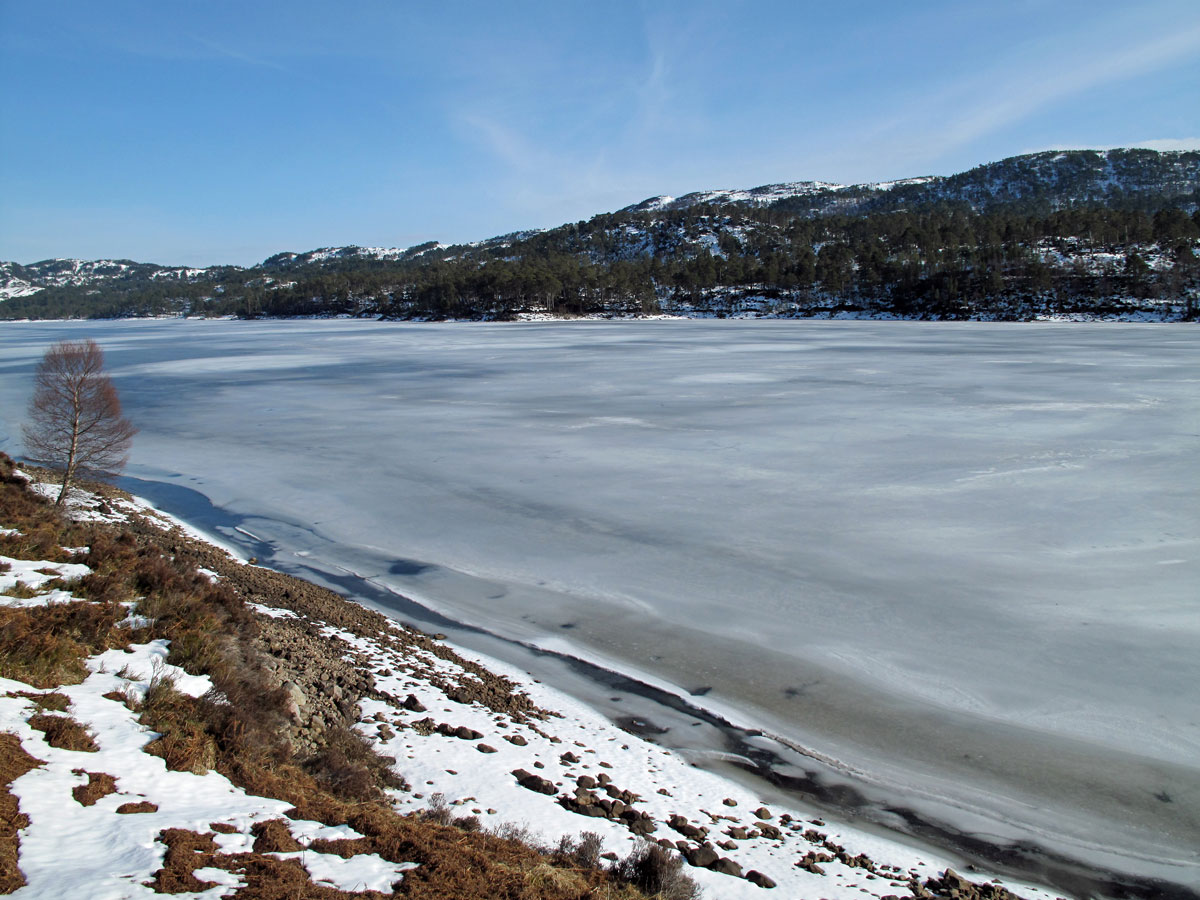
We continued to take a slow drive alongside the loch to the end of the road at the River Affric Car Park, where there was no one else to spoil the silence as we stood to admire the scenery.
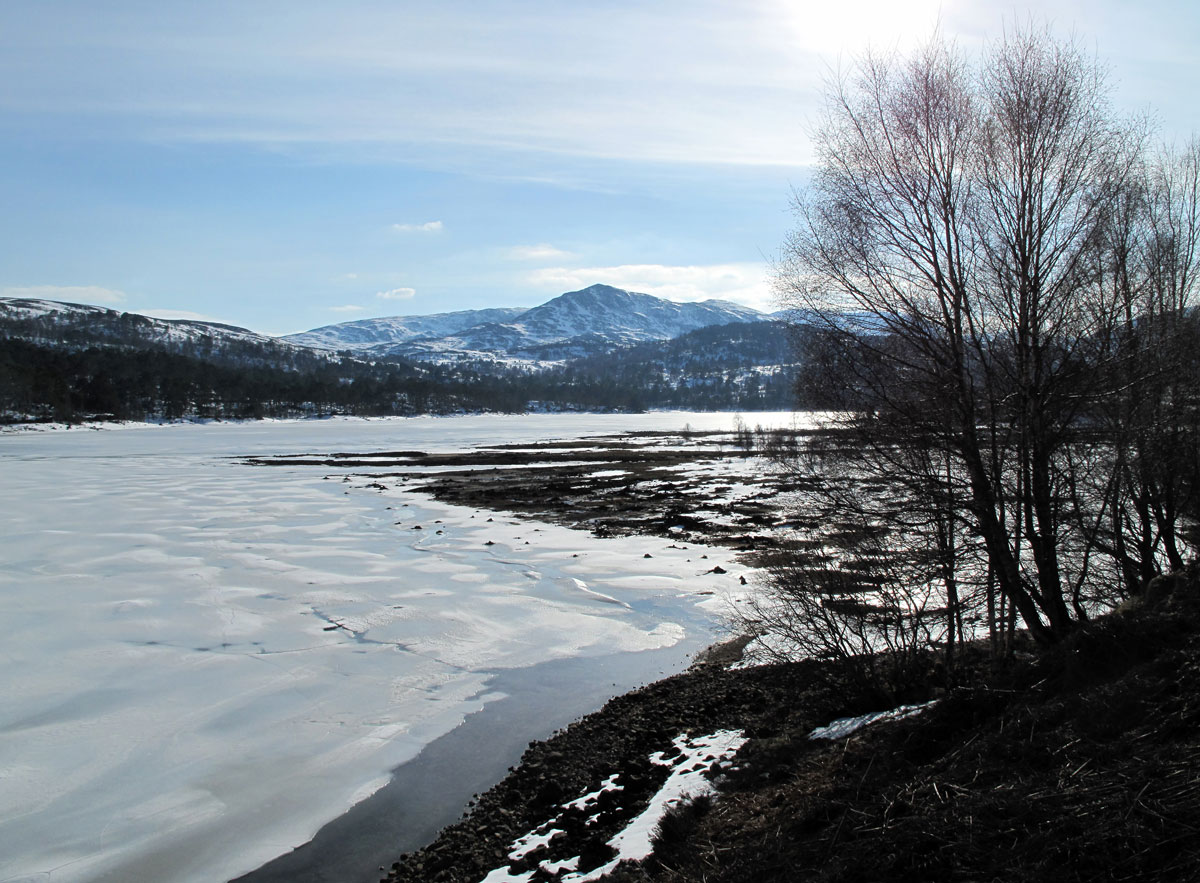
It’s only when you realise how many organizations and charities are involved in their specific environmental work that helps to keep this glen special that you can fully appreciate its beauty, and I urge anyone who is thinking of coming here to visit the Affric Highlands website at https://affrichighlands.org/
For us, it was only a fleeting glimpse into this wonderful part of Scotland where nature in all its forms came together: It was just a shame that we had to drive back up to Cannich and on to Beauly – instead of walking back towards the Kintail mountains.
If you’re wondering whether I thought it was worth the effort to get here – I think you already know the answer.
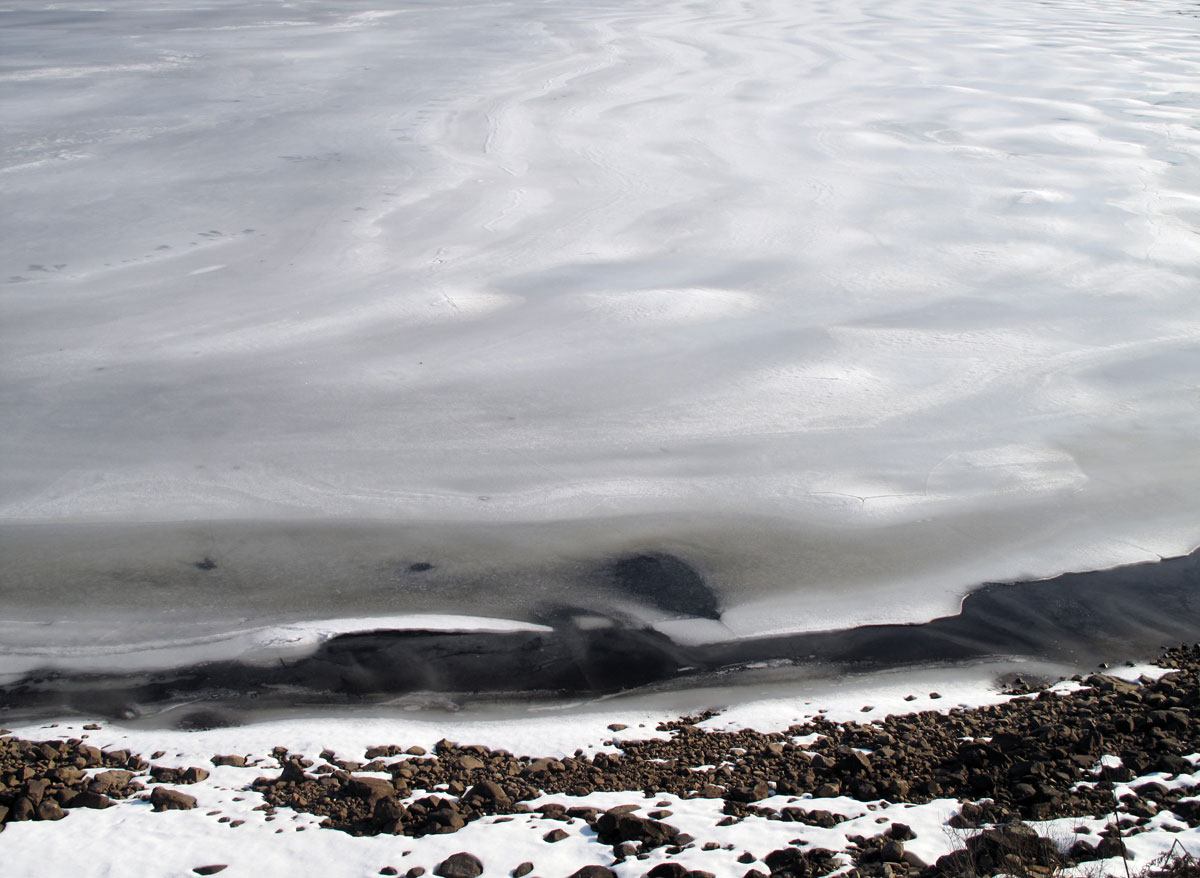
For those interested in what happens to the river system after it reaches Cannich, the River Glass continues to meander through Strathglass before it becomes the River Beauly near Struy, and after winding itself around the town of Beauly, the river then discharges the contents of all the aforementioned water courses into the Beauly Firth. At least you should be able to go to sleep tonight – that’s if you haven’t already done so, but if not, then this YouTube video may help.
POSTED – JANUARY 2026
I looked for an email, Malc, but ended up here. Sounds like the op went well. Take good care of yourself, until you can post again xx
Thanks Jo. do you mind giving me your email address if you would like me to update you with the latest info. 💙
Of course- it’s johanna.bradley@outlook.com xx
Thanks Jo. I’ll be in touch.
Beautiful photos, Malc. All the best for your operation, take care.
Thanks for the lovely comment and best wishes Suzanne. The first part of the op is done but I shall be lying low for a while.
I haven’t seen enough Scottish glens to judge if this is the most beautiful but it has to be up there judging by your photos!
Thanks Sarah. I’d like to take this opportunity in wishing you a Happy New Year and point you in the direction of my respnse to Francisco’s comments below so that you’ll know why I’m taking a back seat on WP for a while.
Thanks Malcolm. Best wishes for the coming year and for a speedy recovery
Thanks Sarah
Brilliant post. You cover everything actually and I think this could be on a to do list…..
Thanks Shey I wasn’t sure if you’d been there or not 😊
I’ve not. Prob safe to say if we found a place we liked we went back a lot and it took away form finding new places actually. Glencoe we got to know like the backs of our hands. But this is defo worth investigation as they say.
One to bear in mind perhaps Shey.
Absolutely. So thank you.
Phenomenal photos Malc and a fab post as usual!
Thanks Francesc. Your comments are always so generous 😊
Always a pleasure Malc.
As a heads up Francesc, I won’t be on here much for a while as I’ve just had an eye tumour removed, but I didn’t want you to think I was ignoring your posts etc.
I will definitely miss you, and wish you a speedy recovery my friend. Stay well, stay strong, and convalesce while you regain your health. All the best!
Thanks F. I’ll be back ASAP
Godspeed my friend!
Coming back to read this properly tomorrow. Cannae wait.
Fascinating post as always, dear Malc, with fabulous photos! I read it with real pleasure and because it’s helping me expand my knowledge of the Highlands.
The song and its video are also fantastic.
Great! Thank you Luisa 😊
As always, dear Malc, you are more than welcome!
🙏 Please see my response to Francesc above Luisa.
Dearest Malc, I will miss you so much, but thank you for letting me know.💌
I wish you a speedy recovery and will think of you often. Good luck!
🙏
Looking at the photos it was most definitely worth the effort of getting there – it looks cold but also very beautiful. I really like the shot of the Scots pines along the river, it’s a lovely view. Bit of useless info for you – the tv drama series Wild At Heart was filmed at Glen Afric wildlife reserve in South Africa, established in 1986 it was named after the Scottish glen.
Thank you from someone who also likes useless information Eunice 😊