
Glen Coe
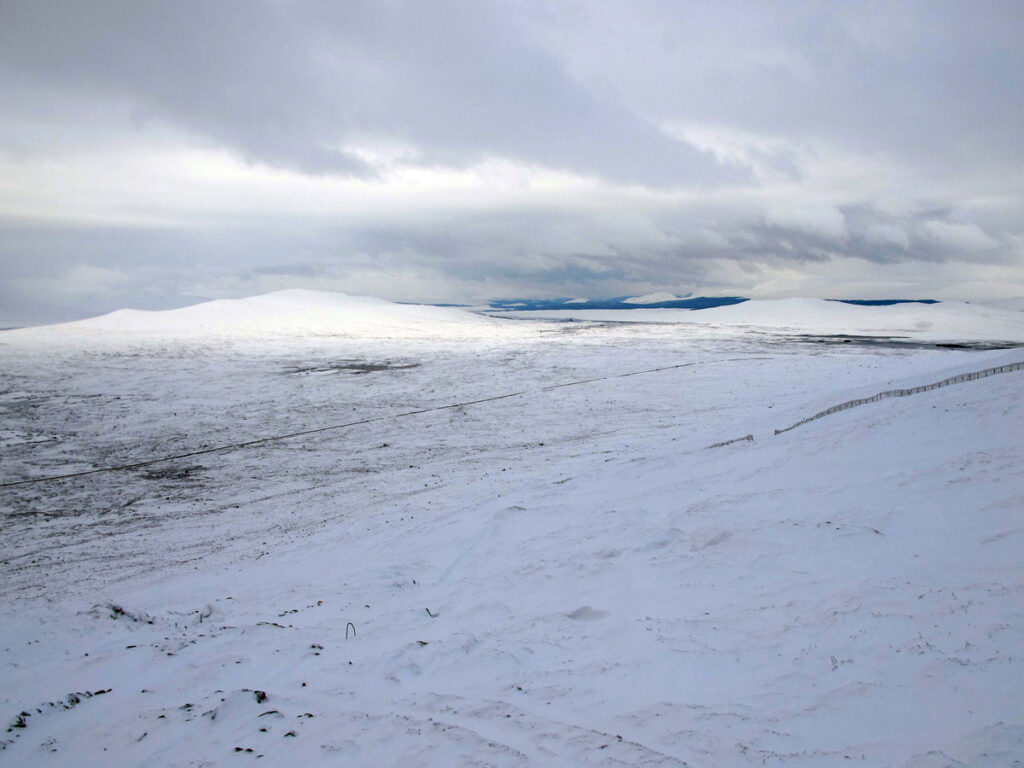
Hemmed in by the Anoach Eagach ridge and Bidean Nam Bian, Glen Coe is a spectacular mountain pass that rises up from the shores of Loch Leven through the ‘Weeping Glen’ where mountain tops are often covered in snow and shrouded in mist, and up to wild Rannoch Moor whose dark brooding skies drop copious amounts of rainfall onto an already waterlogged, desolate plateau: In winter this precipitation can fall as snow, and the bogs and lakes turn the terrain into a cold and icy landscape.
It would be impossible to exaggerate the stark beauty and grandeur of the scenery, and my words and photographs can’t possibly do it justice, but it’s not just the skies that can give a bleak picture, it’s the glen’s history too – most notably, that of the Glencoe Massacre.
Lying under the Pap of Glencoe and near to the shores of Loch Leven is the tiny village of Glencoe, where you can find a monument to the massacre, which was not as straightforward as some would have us believe, but it was an unwarranted massacre nonetheless.

At the beginning of the 16th century, the MacDonalds of Glencoe were a lawless band of thieves who often helped themselves to cattle belonging to the Campbells of Glen Lyon.
The Campbells weren’t the sort of people to take this type of activity lying down, and for the next couple of hundred years plenty of blood was spilled on both sides during the ongoing feud.
In one raid thirty MacDonalds were caught in Glen Lyon and hanged, and then the MacDonalds returned the favour in 1646 when another raid into Glen Lyon led to the death of thirty-six Campbells and Menzies – and so it went on.
On the morning of the 13th February 1692 the MacDonalds were massacred in Glen Coe, and the Campbells not surprisingly got the blame, but it was the government that was culpable.
In August 1691 King William III offered a pardon to all the Highland clans who took up arms against him during the Jacobite Uprising of 1689. This pardon was on the condition that allegiance to the king was given by the 1st January 1692.
The MacDonalds had every intention of complying with the offer, and on the day before the deadline the clan chief, Alastair MacDonald, made the journey north to Fort William to hand over the oath: The trouble was he should have taken it south to Inveraray, and although he rectified his mistake, it was five days late and the MacDonalds’ name was never added to the list of clans that swore allegiance to the king.
As far as the MacDonalds were concerned, they had sworn allegiance to the king, even if they had been a bit late in doing so, and when troop numbers at Fort William were increased a month later, it was decided to send two companies (around 130 men) south to billet with the MacDonalds at Glen Coe.
It was obviously no accident that the troops were commanded by Captain Robert Campbell of Glen Lyon because the Secretary of Scotland, Sir John Dalrymple, had decided to let the Highlanders know who was now in charge, and teach one of the clans who never paid allegiance to the king a lesson – and there are no prizes for guessing which clan he chose.
And so it was, that at 5am on a snowy February morning a fire was lit on what is now known as ‘Signal rock’ to give the orders to attack the five hundred or so MacDonalds that were scattered around the glen.
Captain Campbell wasn’t chosen for his military abilities, and the attack was less than professional. Although 38 MacDonalds were killed in the attack, most of the clan escaped into the mountains, where up to twice as many died from exposure in the harsh winter landscape.
It’s not the number of casualties that is etched in the Highlanders’ memory of that attack though, but the way that the MacDonalds’ hospitality to the troops was repaid in such a brutal way.
It’s true that a Campbell was in charge of the attack and that there were other Campbells involved, but the instructions came from much higher up – right up to the king himself.


The event hasn’t been forgotten at the Clachaig, an old drover’s inn close to Signal Rock. On the door as you walk in there’s a plaque that says “No Hawkers or Campbells”: Fortunately, I’m neither and we were treated to some great hospitality over the Hogmanay period back in 2008. There’s nothing quite like spending New Year’s Eve somewhere like this – and I now know what the Scots keep in their sporrans.


From the Clachaig Inn the road leaves the valley floor and starts to climb up through the mountains: The Three Sisters that loom over the glen hide Bidean Nam Bian from view, and near the Meeting of the Three Waters the Coire Gabhail (commonly known as the Lost or Hidden Valley) used to hide the MacDonalds’ (and Campbell’s) cattle.


This formidable landscape is no less forgiving when you finally reach the top of the glen and arrive at bleak Rannoch Moor, but if you’re like me, and prefer a glass in your hand instead of donning crampons, you’ll be pleased to hear that there’s a refuge nearby in the form of the Kingshouse Hotel.
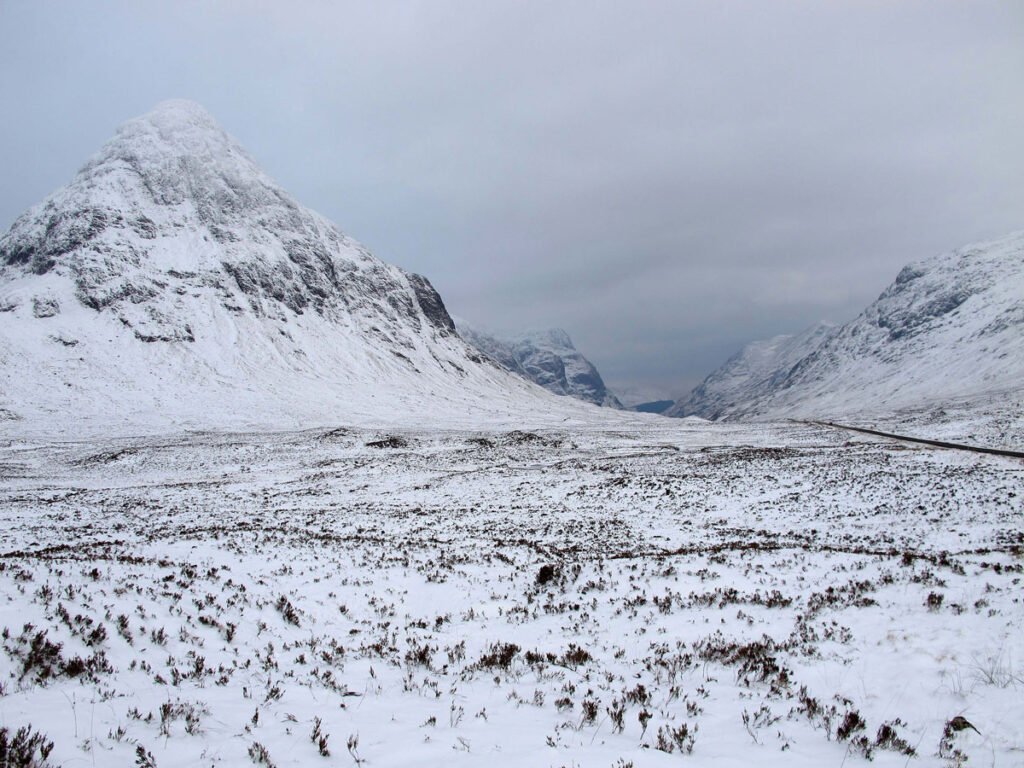
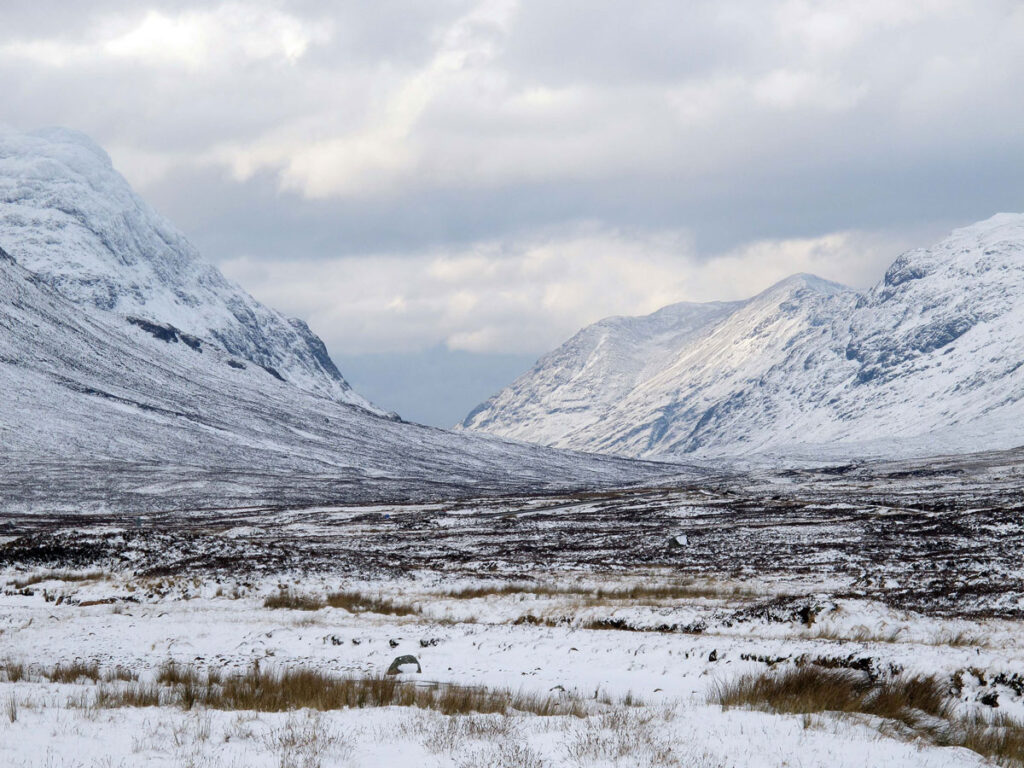
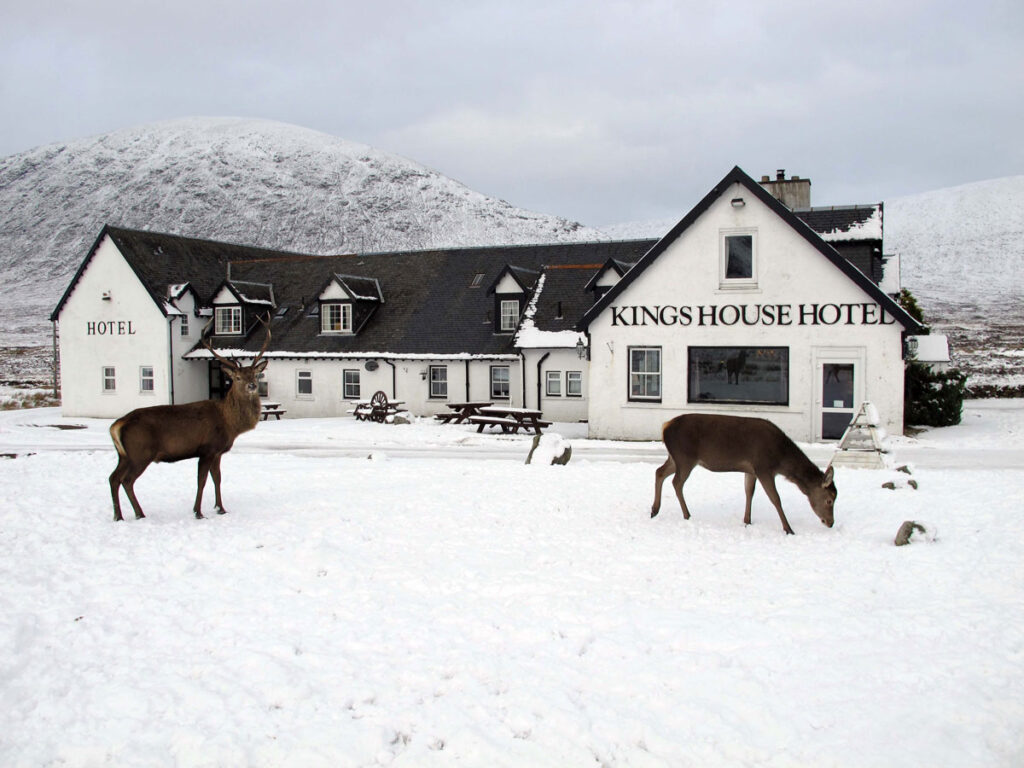
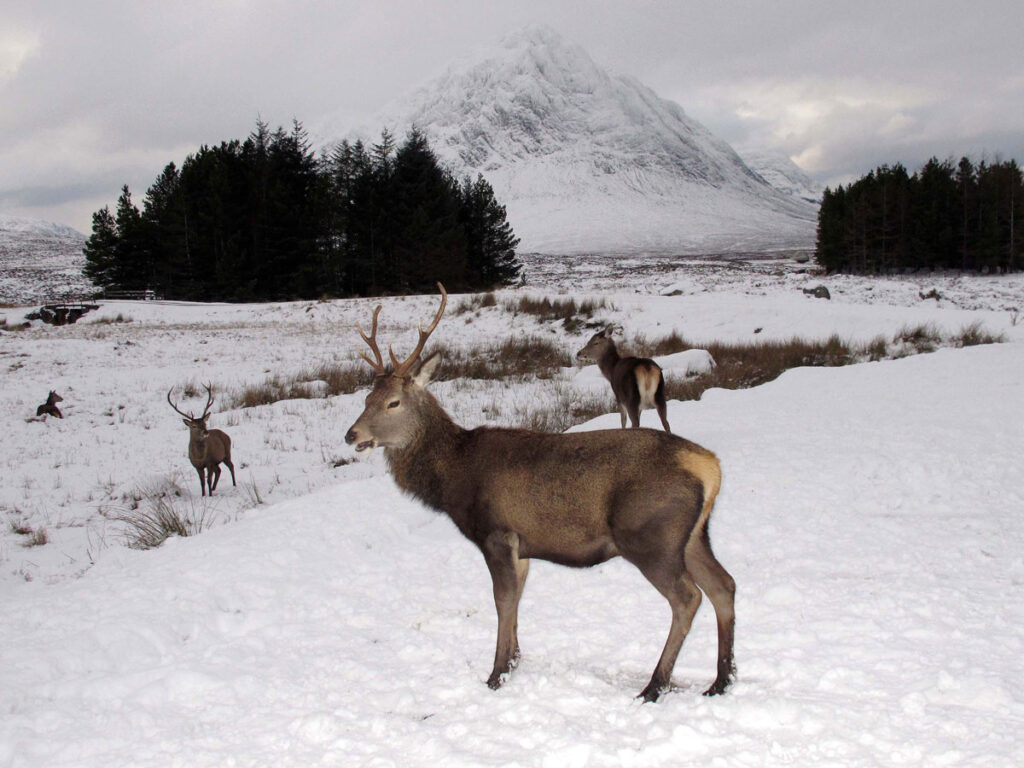
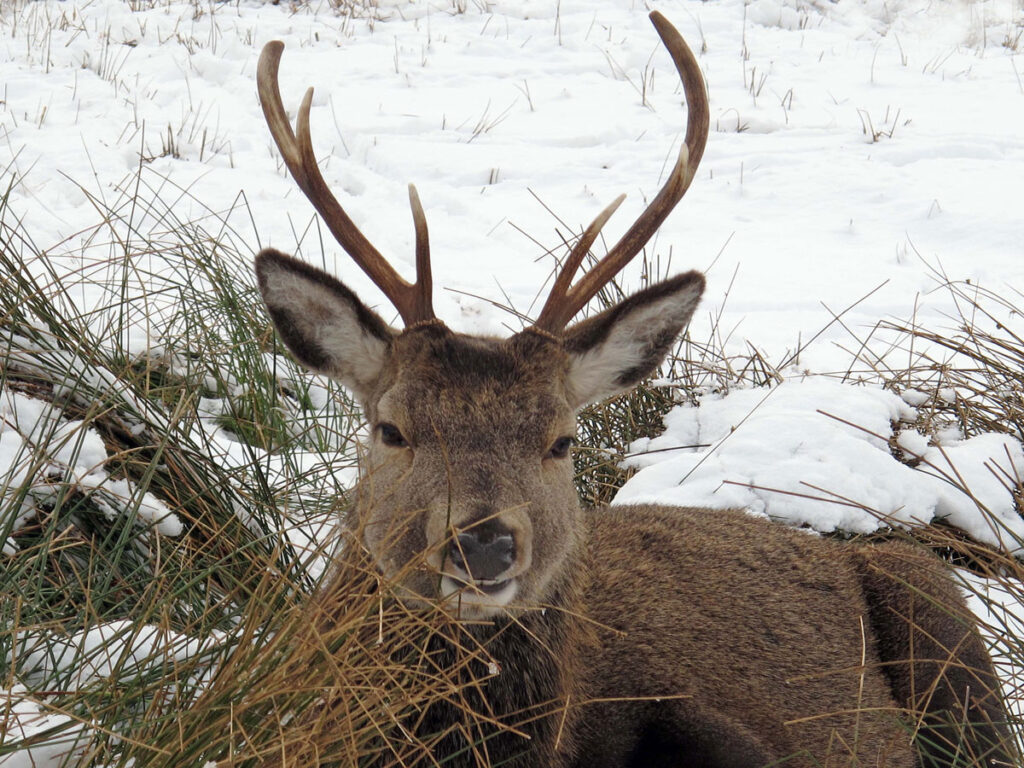
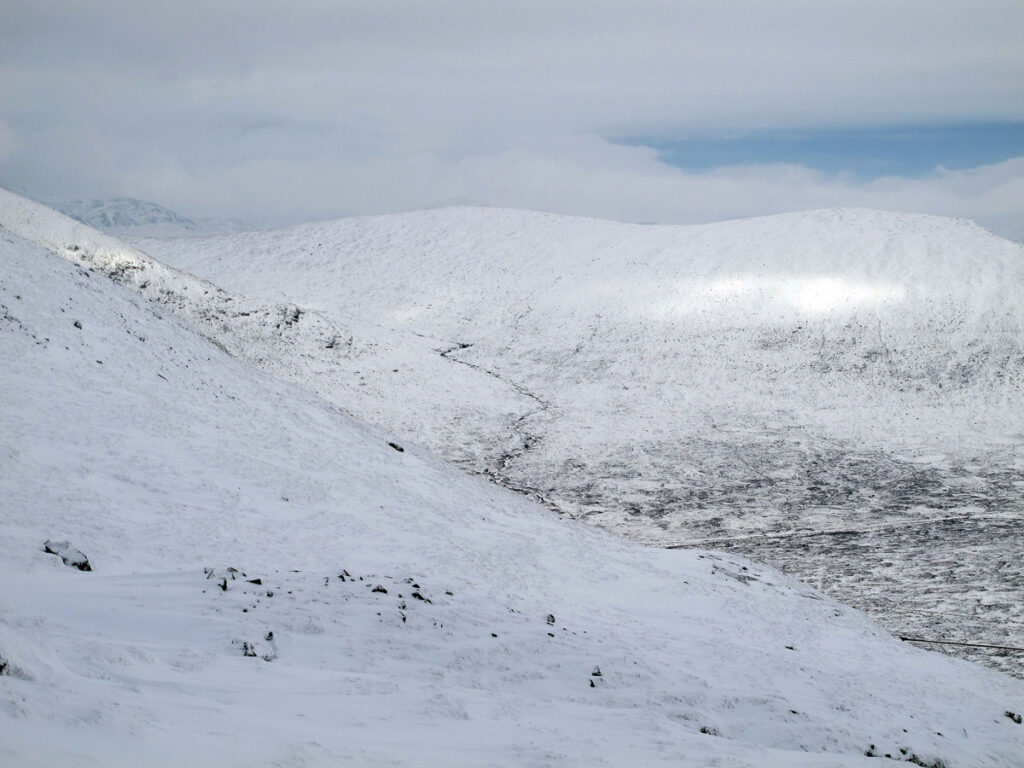
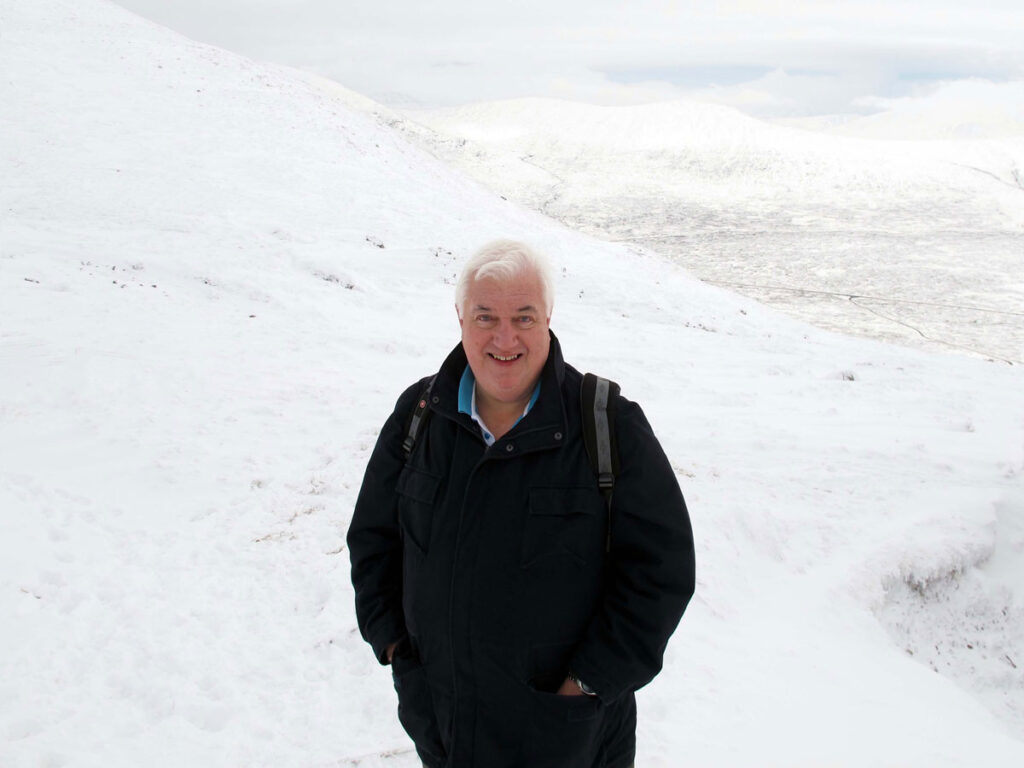
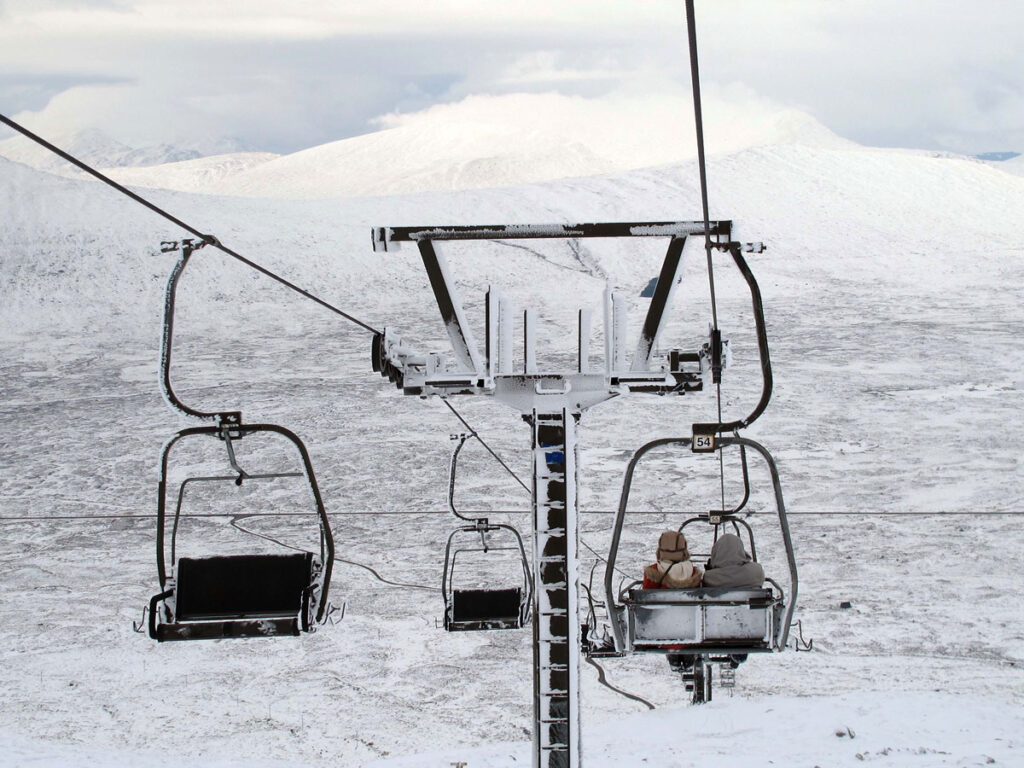
For a birds-eye of this stunning scenery it’s worth taking the White Corries (or Glencoe Mountain) chairlift on the opposite side of the road. It was installed with winter sports in mind but you don’t even have to put on a pair of skis because it’s open all year round and will take you up to 2,200 ft in 12 minutes – and I can’t think of a better way of ending than with a selection of shots up that I took up here in wintertime. To give an idea of the scale in the last photograph, the straight line in the middle is the A82 crossing the southern edge of Rannoch Moor.
Originally posted 2019-11-19 14:45:54.
Now I am in heaven. You even have the Clachaig. Not been this year yet, largely cos of what they are now charging for basic accomodation but as we say here..no be lang noo, till August.
The first time I clapped eyes on Glencoe my jaw dropped and it has ever since. So you’re a regular at the Clachaig then?
Oh aye. Been going to Glencoe for years now, generally quite a few times each year too and always stay there. Not much up that way we’ve no got into terrible scrapes on….. But hey. It is a stunning place of savage majesty. I used it as the backdrop to one book under another place name. A no brainer not to. Our first time this year..unusually.. will be in August. Wonderful to see this post.
That sounds interesting. I can see why you would have used it. Do you mind telling me which book you’re talking about?
His Judas Brice. I took the idea of the massacre actually. It was the buisness of the impregnable glen, and how you’d get in there, because in 1692 Glencoe was pretty sealed off and the way in was to billet soldiers. But having been all over the Devil’s Staircase, the Lost Valley and also looked out on the burial island, I wanted to use them, under different names. It is quite a place. all told. We’ve had some amazing times there.
The experiences you’ve had sound incredible and I must take a peep at the book now.
Not at all, you don’t have to, I jsut like to squirrel places I’ve been to away. The place I used in this book was actually the Cave of the Bekiries which is at Anargiri Beach in Spetses. Coxwold in yorkshire found its way into another book. So did Mount Grace Priory.
Places that we visit can be so inspirational for all sorts of reasons but for an author like yourself, especially so I would imagine.
Oh yeah, I find places inspiring but it is also the social history of a place.
For example at Mount Grace what they called a monk’s cell wasn’t a cell. But a nicely appointed cottage for the rich sons of a family that had gone into the church. c
Really? I love snippets like this.
Absolutely. Seeing a place is one thing, getting to know it is quite another.
It really is a bone achingly beautiful bit of countryside and you’ve captured it wonderfully Malc. It’s a really interesting place Glen Coe but it’s history, as you said, is a little bit more complicated than some would have you believe.
Years ago when Alli, Maddie and I were on holiday up there (we were staying in Oban) we went to Glen Coe, but we felt strange doing so as we obviously weren’t Scottish didn;t know what kind of reception we’d get. We shouldn’t have worried though, most of the staff we talked to tin the visitor centre were English!
Great post!
Stunning photos Malcolm, and an interesting account of the massacre. Do you know the T S Elliot poem, Rannoch by Glencoe? One of my favourites. There’s definitely something haunting in the air here, don’t you agree?
I have to confess that I’m not familiar with the poem Sarah, but I’ll certainly check it out now, and I totally agree about ‘feeling’ something here, especially when the coach parties are gone and the landscape reverts back to its natural, wild state. The mind can conjure up all sorts of things if you let it.
Aaaah, wonderful Glen Coe! I celebrated Christmas here almost 20 years ago, when we rented a little house in the village for a week 🙂 I am quite sure I had a dinner at the Clachaig Inn. And as you show, Glen Coe is surrounded by such beautiful landscape!! And unfortunately a lot of sad history. But it does make for a great read.
I had lots and lots of snow during that trip, making it magical, but oh so cold! Love your photos Malcolm! You surely show the beauty of the surroundings and the vastness of the landscape!
Thanks for your kind words Simone. It must have been cold if somebody from Sweden thinks it was 🙂 Glen Coe may be one of the most visited parts of the Highlands, but I never tire of its stark beauty
At the time I lived in Holland, I only moved to Sweden 15 years ago 🙂 I think I might have adjusted myself to the cold temperatures these days, but 20 years I sure didn’t. The cold didn’t take away from the beauty of the area, I think on the contrary, it probably contributed.
I’d be the first to admit that Holland is quite different to Glen Coe 🙂
lol, so true 😀