Take the Ferry to Fowey and Daphne Du Maurier Country
Like so many Cornish coastal towns and villages, Fowey (pronounced Foy) wasn’t built with the internal combustion engine in mind, and having been here several times, using different modes of transport, I reckon the best way to get here is by using the Mevagissey to Fowey Ferry.
By using the ferry, you get to see two harbours for the price of one, and a trip across St. Austell Bay thrown in for good measure. If you haven’t been to Mevagissey before and want to see what it’s like you can view some more pictures here.
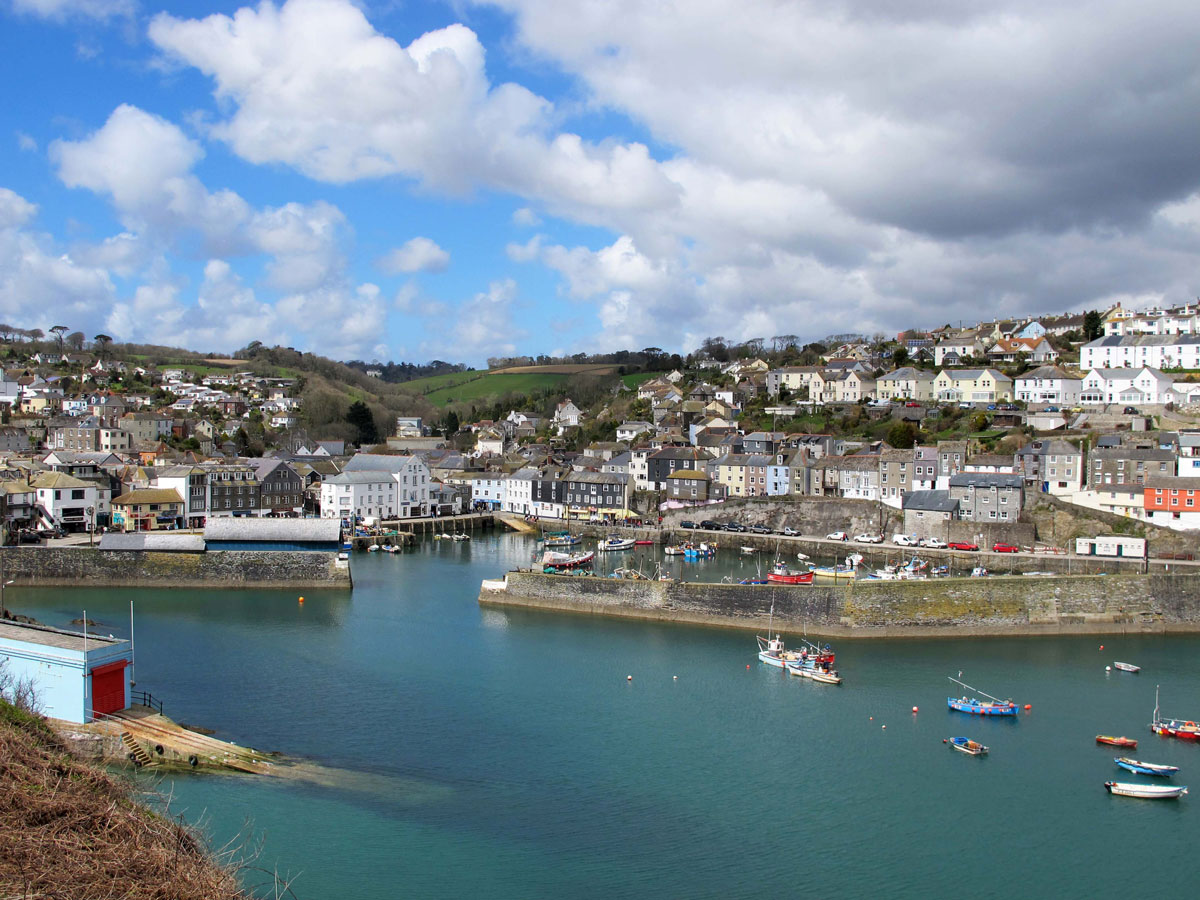
There are up to 5 sailings a day for the 35 minute crossing, and the current adult fares (Aug 2022) are £10 single and £17 return. This is a ferry and not a cruise around the bay remember, but even so, it still has to be a better option than driving into Fowey. You could also be lucky and see some dolphins along the way, and even if you don’t, there are still one or two points of interest to look out for as you approach the mouth of the River Fowey.
The most conspicuous landmark is the Daymark Tower at Gribbin Head. It was built by Trinity House in 1832 to aid navigation into Fowey Harbour and was constructed on land owned by the Rashleigh family, one of the most renowned families in Cornwall. These days the beacon is looked after by the National Trust who give an explanation as to the reason why William Rashleigh gave permission for it to be built: William Rashleigh of Menabilly who granted the land for the tower expressed his hope that they would ‘make the Beacon an ornament to my grounds’; thus the tenders issued by Trinity House were for the erection of a ‘very handsome Greco Gothic Square Tower’. So now you know why it looks like it does.

Menabilly is still the seat of the Rashleigh family and has been since Tudor times, but between 1943 and 1969 it was leased to the author Daphne du Maurier, and it was here that she spent the happiest days of her life writing many of her novels. It seems as though she had her heart set on living here for quite a while because it is said that in her 1938 book Rebecca, the fictional estate of Manderley was based on Menabilly.
There’s a car park at Menabilly from where you can walk up to Gribbin Head. It will take you past the grounds of the estate, but you won’t be able to see the house from the road I’m afraid.

Anyway, back on board, the ferry rounds Gribbin Head and then heads towards the mouth of the river where the ruins of St. Catherine’s Castle can be seen. The castle was a 16th century Henrician Fort built by Thomas Treffry, the same man who was responsible for building the castles at Pendennis and St. Mawes.
These castles were all built in anticipation of a backlash from Roman Catholic Europe after Henry VIII’s fallout with Rome, but even before then, a group of privateers known as the Fowey Gallants made the town vulnerable to attack when they were given permission to seize enemy vessels during the Hundred Years War (1337-1453).
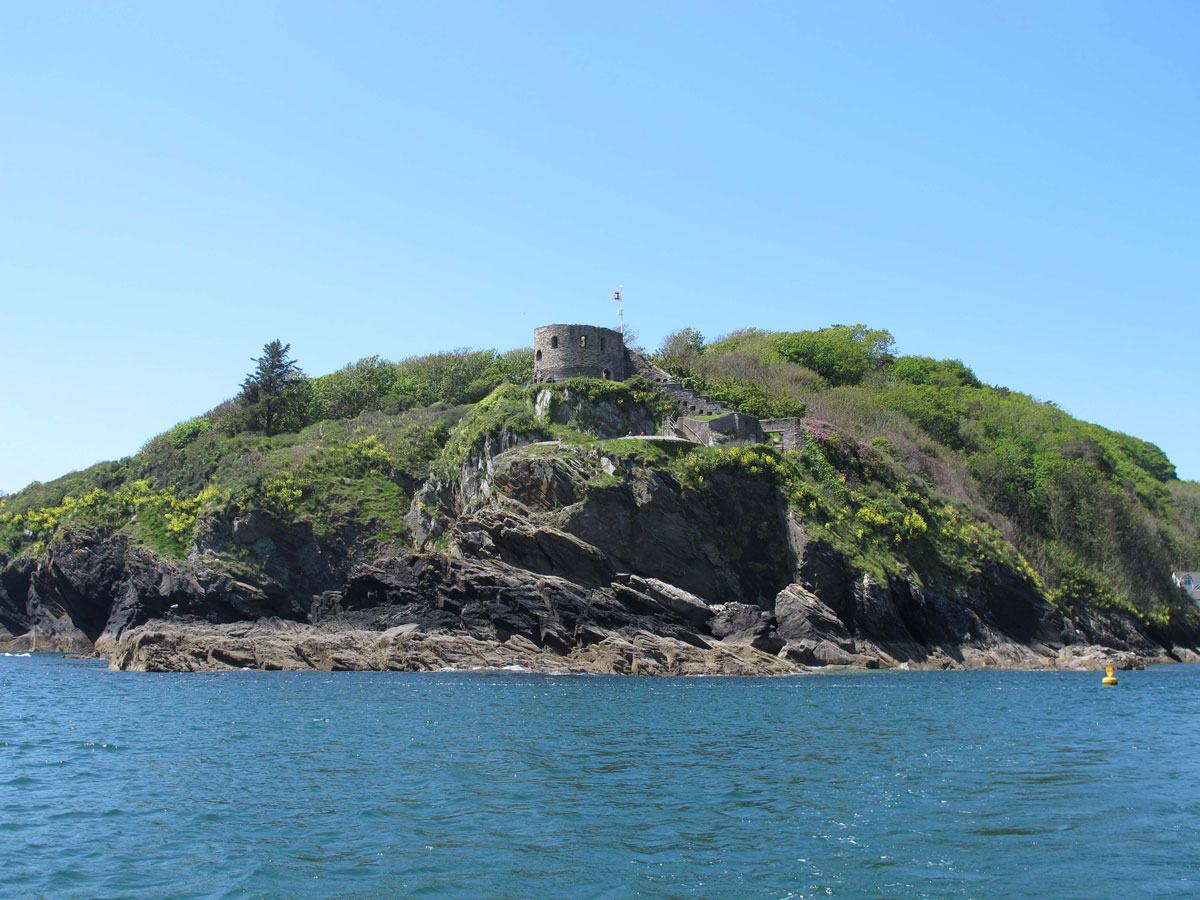
St. Catherine’s Castle still guards the entrance to Readymoney Cove, Fowey’s only beach to speak of. You won’t fail to notice Point Neptune House which was built by the Rashleigh family, but gained more recognition when it was bought in 2006 by comedian Dawn French and her then husband Lenny Henry. The popular couple divorced amicably in 2010, but the Vicar of Dibley star continued to live here until last year (2021), when she decided to move with her second husband to somewhere quieter on the Cornish side of the River Tamar.

The ‘Bessie James’ ferry boat lands at Whitehouse Quay, where a passenger ferry will transport you over to Polruan on the other side of the river if you so wish, but unless you have a specific reason to do so, then it’s best to walk along the Esplanade into the centre of Fowey.

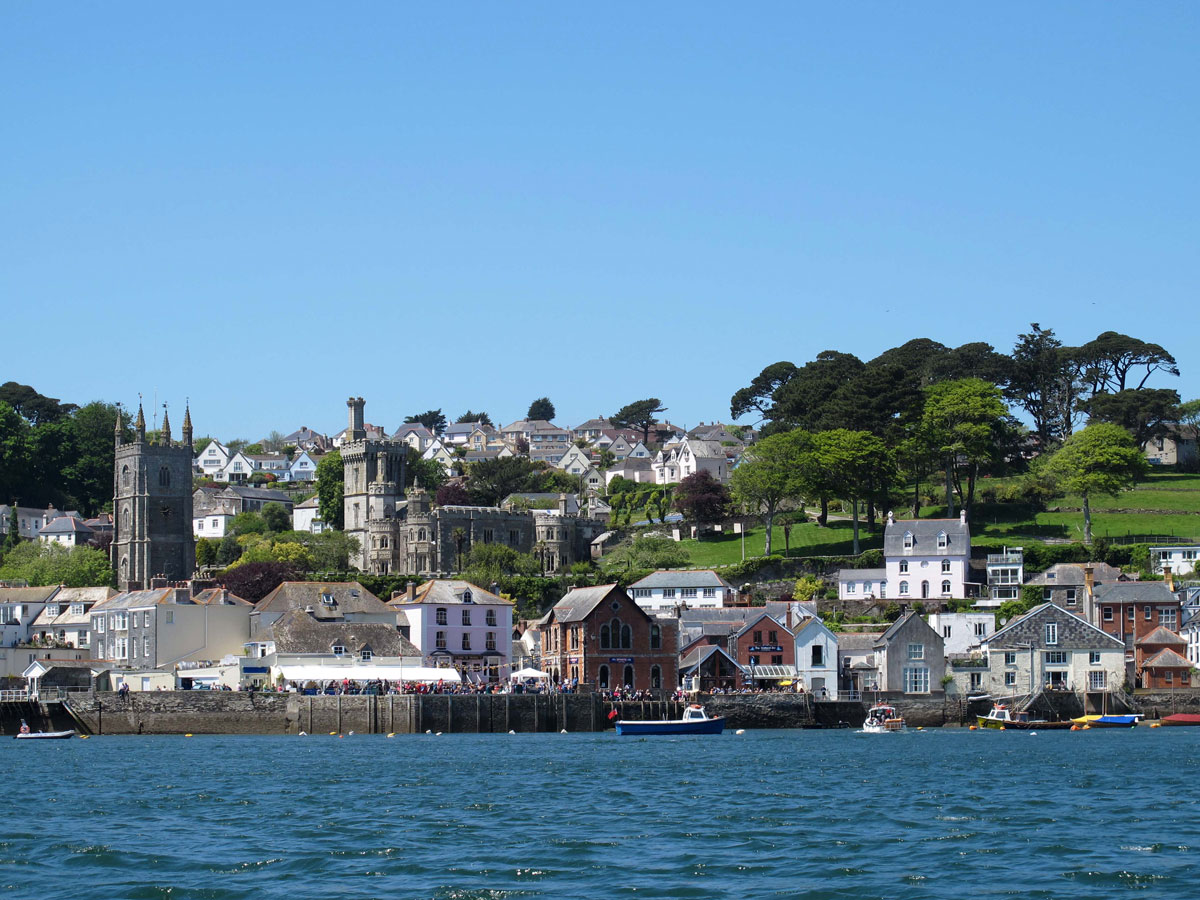
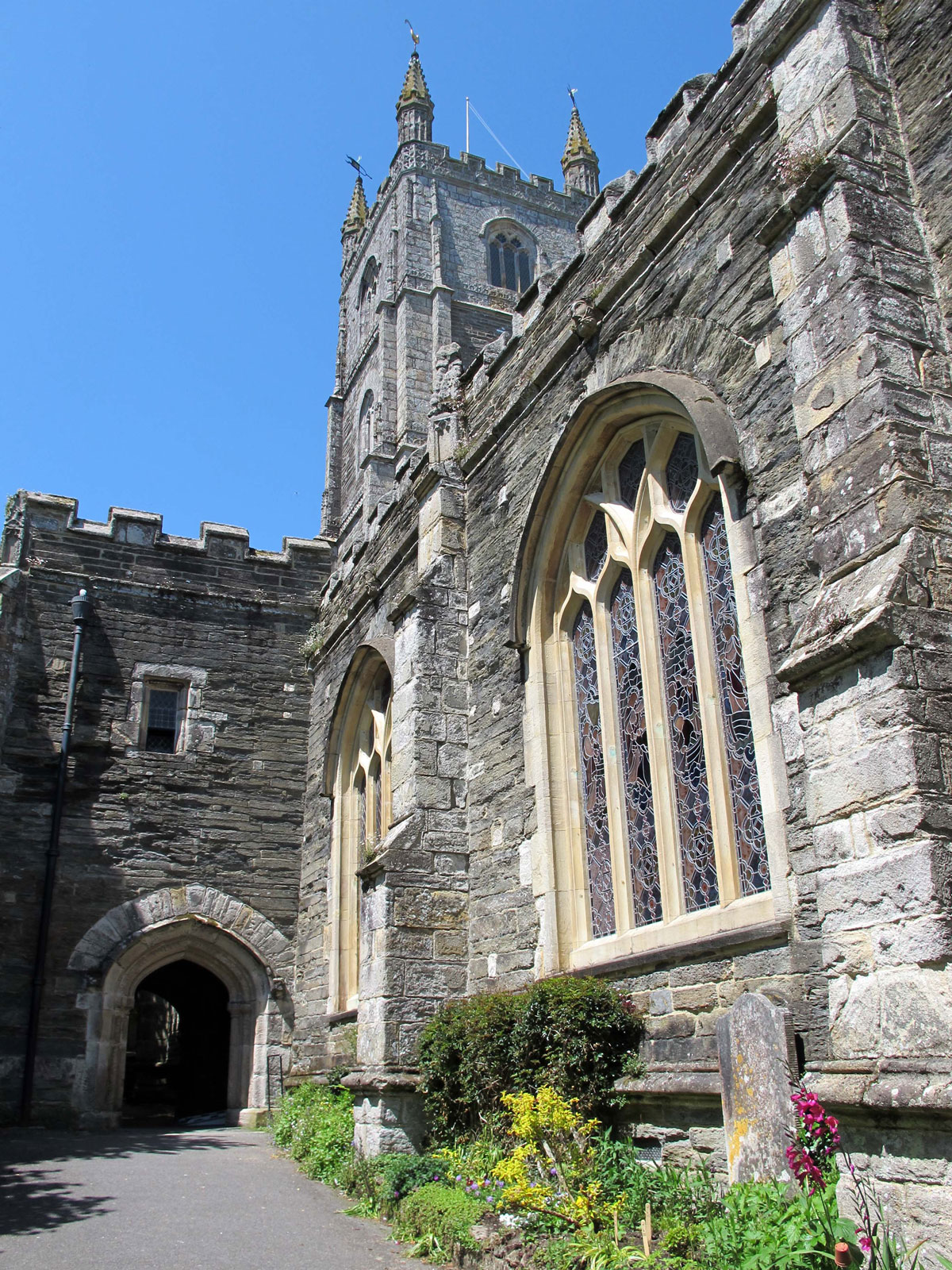
It doesn’t take very long to walk from Whitehouse Quay into the centre of Fowey, and it doesn’t take very long to walk around it – and that’s because it’s not very big. Although it may not immediately seem like it, the town is actually medieval in origin, and there are still two medieval buildings that dominate the skyline – the parish church of St. Fimbarrus and the privately owned Place House belonging to the Treffry family.
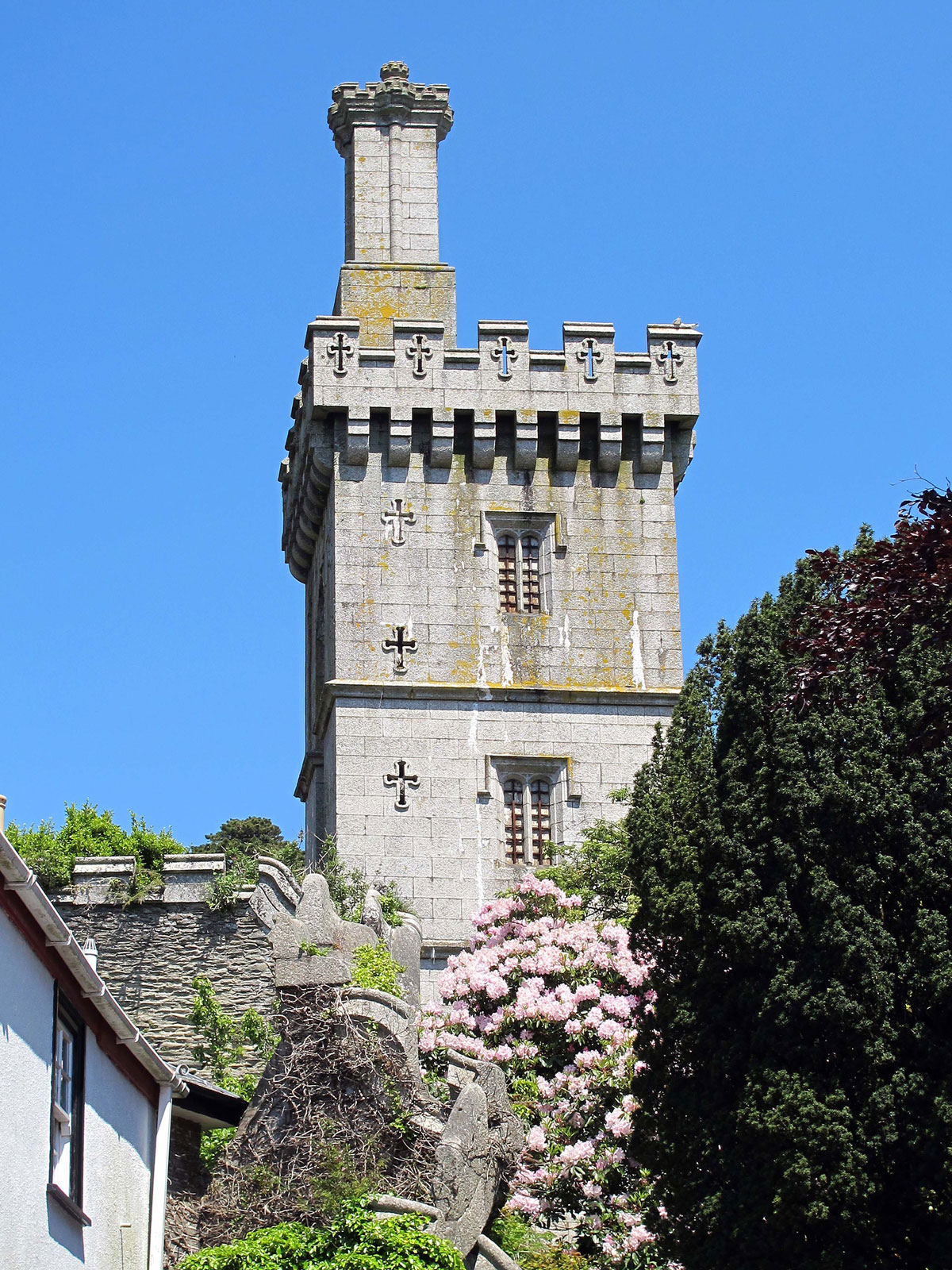
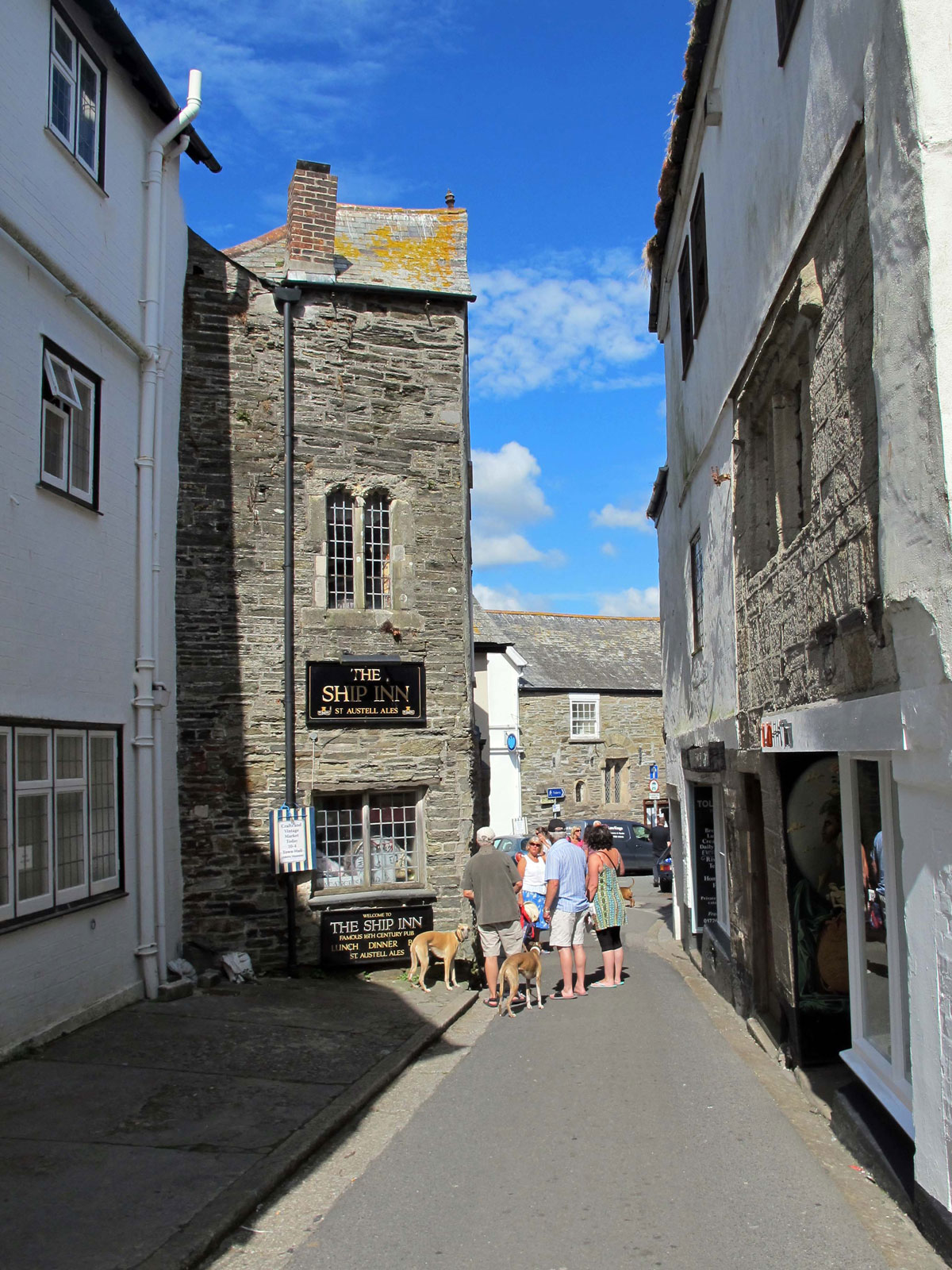
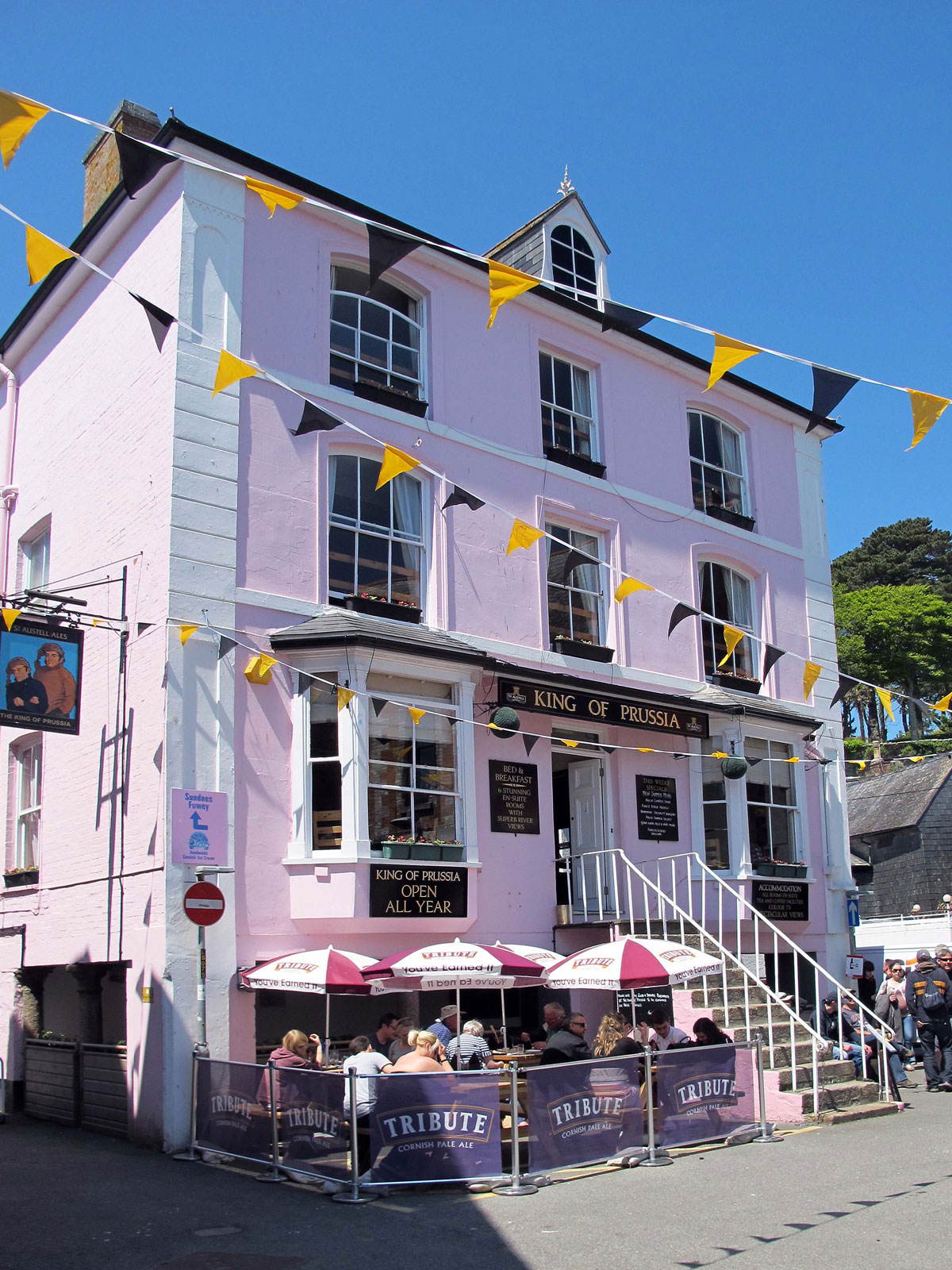
To be honest, it’s not for historical reasons that people come here, but to walk its narrow streets and enjoy the river. As I said at the beginning, Fowey wasn’t built for traffic, but it still needs vans for deliveries, refuse wagons to dispose of rubbish, and trucks with scaffolding to renovate the old buildings, so walking the streets of Fowey is not always as pleasurable as it could be. It probably won’t take you long therefore before you decide to head for the Town Quay where there’s a bit more space, a hostelry or two, and the chance to have another boat trip.
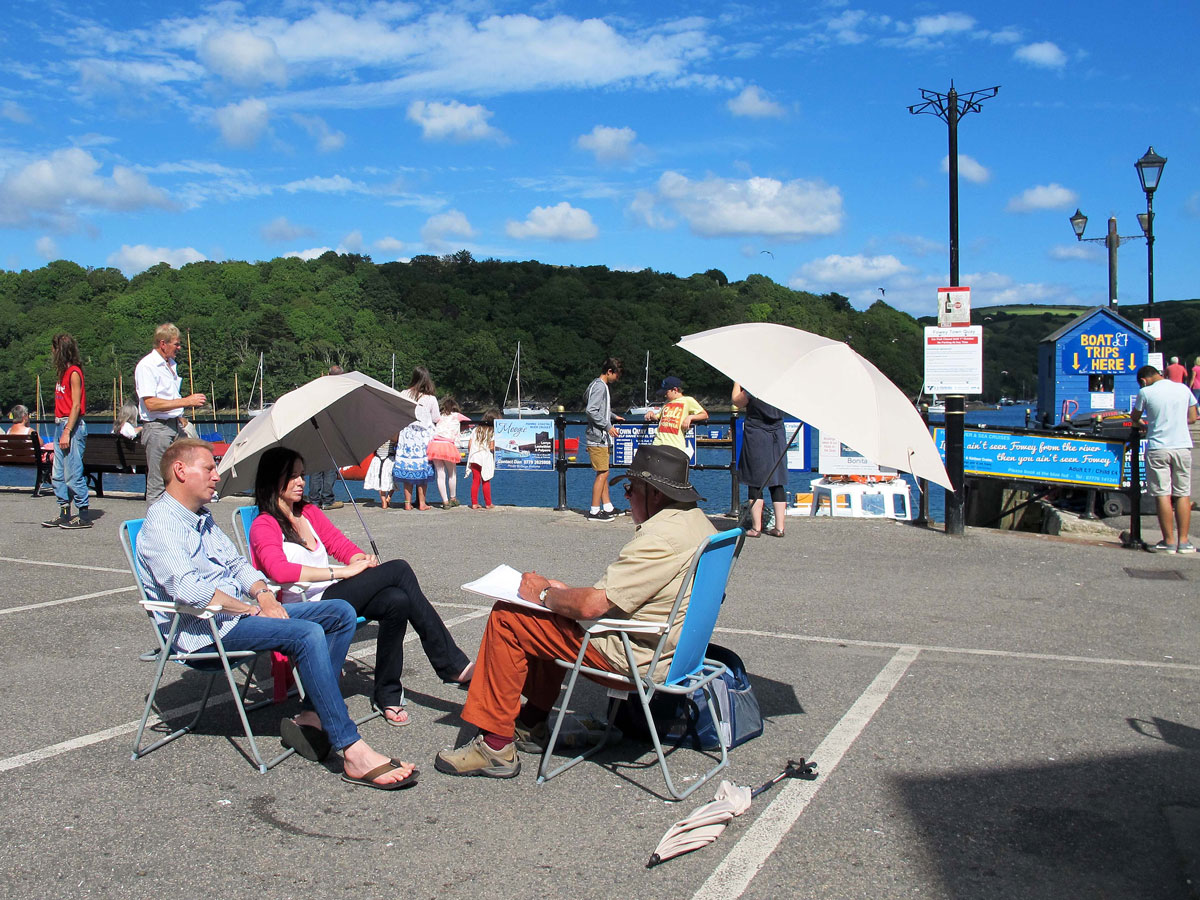
Having already arrived at Fowey by boat, it might not have occurred to you to take another boat trip when you get here, but the 45 minute harbour cruise is worth doing in my opinion. The trip covers the mouth of the river which we’ve already seen, but it also gives us some good views of the town before sailing upstream.
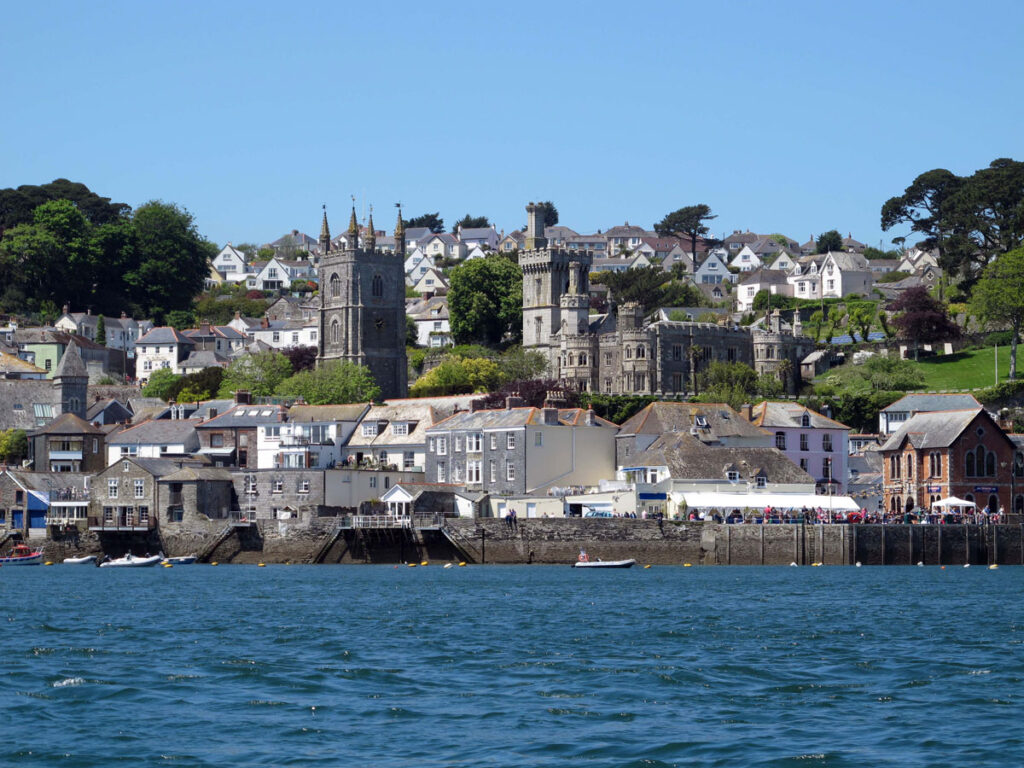
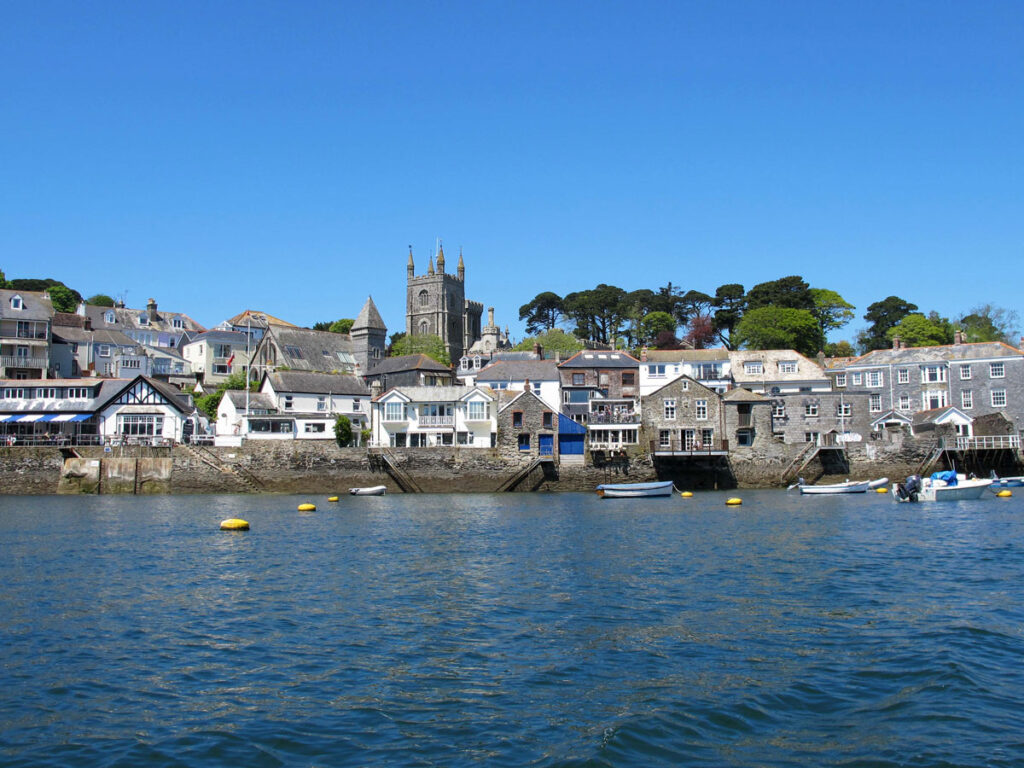
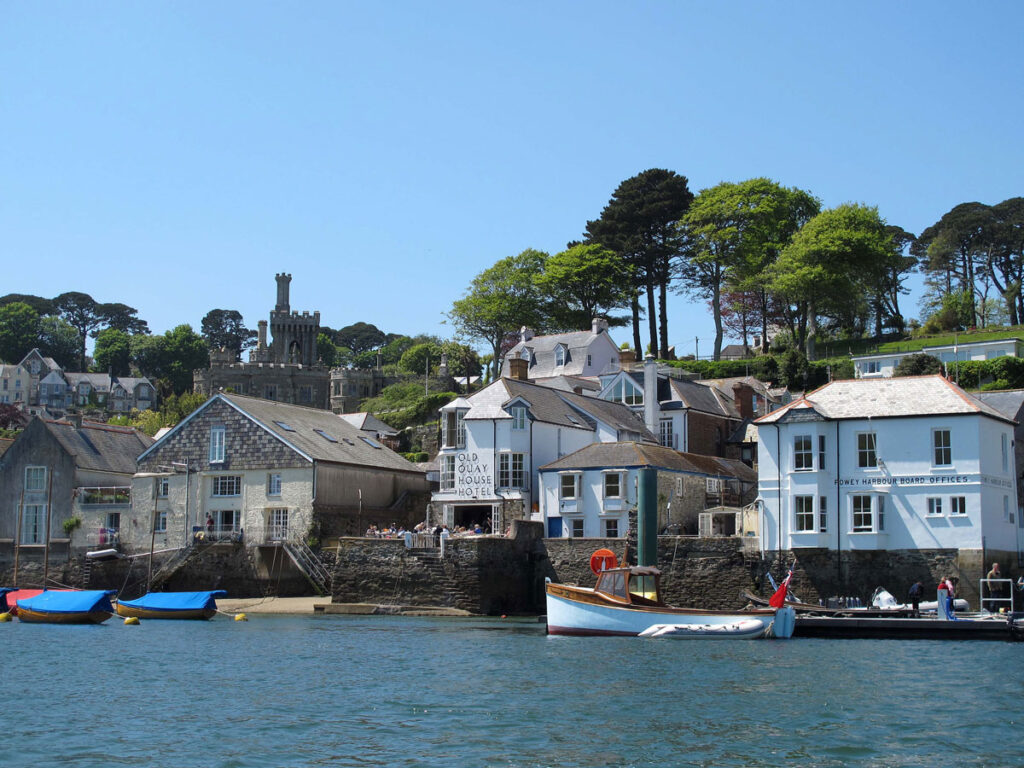
Not far upstream is the Fowey-Bodinnick car ferry which is useful for drivers who want to travel between Polperro and the Cornish Riviera or vice versa. Practically right next door to the slipway at Bodinnick is a house called Ferryside. This property was bought by Daphne du Maurier’s father in 1926 as a family holiday home, and it was here where the author wrote her first novel, The Loving Spirit in 1931.


The final point of interest on our excursion to Fowey lies just upstream from the ferry. Most visitors will be oblivious to it because it’s out of sight from the town, but it was an obvious place to build a facility for handling the export of China Clay.
The source of the River Fowey is high up on Bodmin Moor, and for 27 miles it flows through some lovely Cornish countryside on its way to the sea, but it also passes close to the Cornish Alps where China Clay is extracted. Some of this clay is brought to Lostwithiel where it is then loaded into trucks and brought by rail down to the port where it is loaded onto ships ready for export.
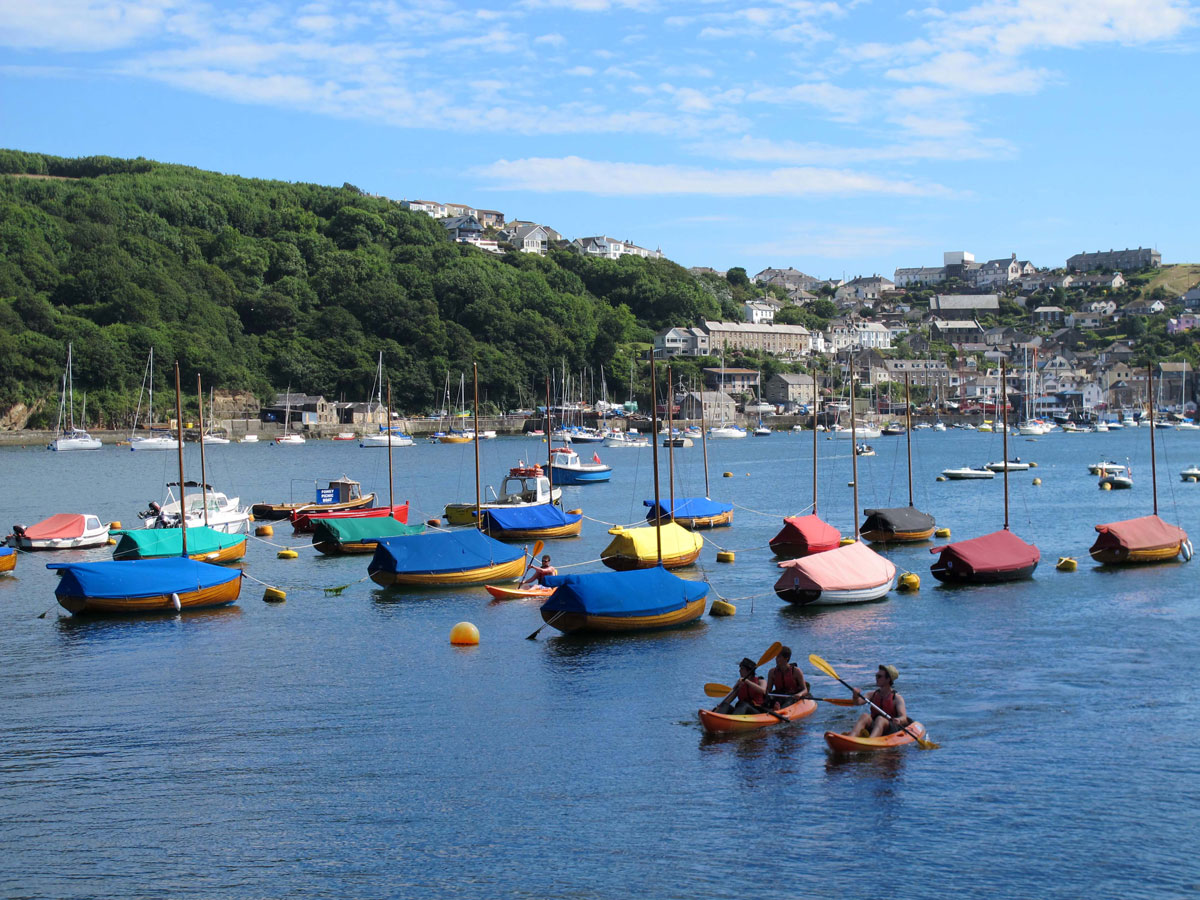
People are sometimes surprised to see these ships being towed by tugs up through the myriad of yachts and pleasure craft, but what they perhaps don’t realise is that for the last 7 miles or so the river is a drowned river valley and deep enough to accommodate ships of this size.

The China Clay industry has always been important to this part of Cornwall and still employs quite a few people (although nowhere as many as it used to). Very few who work in the industry can afford to live in Fowey these days as many of the houses have been bought up as second homes or for holiday lets. It’s the same everywhere around the coast of Cornwall and is a contentious issue to say the least, but I want to finish this post on a high note and suggest that if Sir Gerald du Maurier hadn’t bought Ferryside as a holiday home, then it’s unlikely that books such as Rebecca, Frenchman’s Creek and Jamaica Inn would have ever seen the light of day – and for that reason at least, the world would have been a poorer place.
POSTED – AUGUST 2022
Originally posted 2022-08-17 11:24:10.
Another lovely place Malc. Thank you for the great trip here.
There are two Cornwalls Shey. The one the tourists see – and the other one.
well, if I was coming to Cornwall, the latter is the one I would want to see.
I’ve not written much about the other side of Cornwall yet, but I intend to.
Looking forward.
Years ago, I was going to Fowey on the Bodinic Ferry , Daphne Du Maurier approached me and engaged me in conversation .
That must have made your day. Thanks for adding to the conversation.
Another interesting and informative post Malc. I like the photo of the car ferry at the bottom of the hill but my favourites are the views of the Fowey estuary and Polruan – blue sky, water and colourful boats do it for me every time 🙂
Thanks Eunice. I can’t promise that they will always be like this 🙂
Another outstanding post with so much information, history and beautiful photos ❣️❣️❣️
Thank you Luisa. Your words mean so much. If you haven’t already done so, I hope to see some literary pearls of wisdom about Daphne Du Maurier from yourself in due course 😊
Very interesting and informative and I truly enjoyed the pics! Excellent work Malc!
Your words always always give me a lift Francesc. Thank you so much 🙂
Always a pleasure Malc. Have a grand afternoon!
You too my friend!
I find difficult, Malc, to express adequately my admiration for your knowledge of Cornwall, you seem to know it inch by inch! The historical details and wonderful photography make your post an unmissable treasure! Thank you!
And I love Daphne du Maurier works.
Joanna
I’m truly humbled by your lovely comments Joanna. Thank you so much. Anyone who knows and loves Cornwall will say how easy it is to write about it, and I believe this is what happened to Daphne Du Maurier. She obviously had a wonderful talent, but it’s easy to see where she got her inspiration from.
DuMarier was my introduction to Cornwall. Now I want to go back and re-read her books. I also would like to read the Poldark series since I saw the last season on PBS. Good write-up, Malc.
Thank you Pat. I was hoping that you would see this post because I knew you were a fan of Daphne Du Maurier. I’ve stayed at the Jamaica Inn a few times, so I should write about that too I suppose 😊