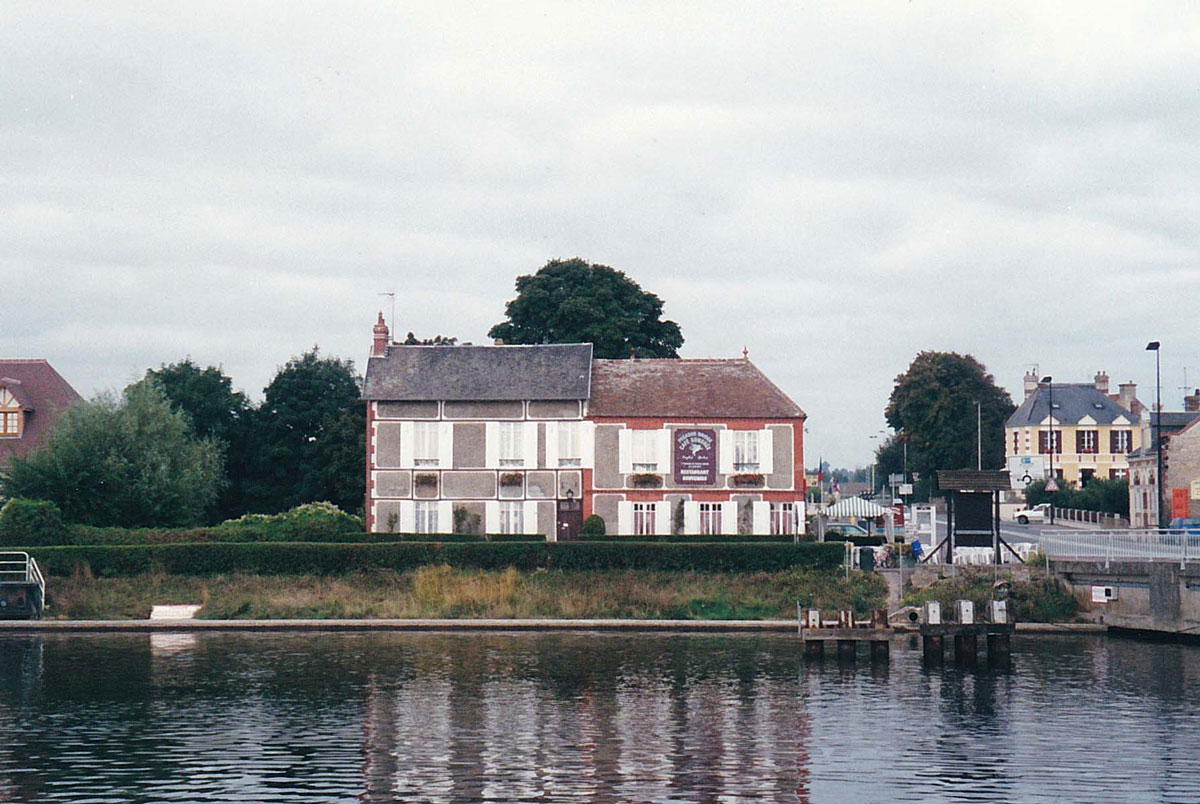
D-Day - Operation Deadstick and the Capture of Pegasus Bridge
For those who don’t know, or have perhaps forgotten, the liberation of Europe was going to begin with an attack on the northern coast of France in the Baie de Seine by Allied forces: American troops were given the task of landing on two beaches at the western end of the bay (codenamed Utah and Omaha), and on the eastern flank, Canadian troops were to disembark onto Juno, with the British coming ashore at Gold and Sword, but I’m going to start, not on the Normandy beaches, but slightly inland because this was where the first landings actually took place.
For the seaborne attack to have any chance of success it was imperative that the Atlantic Wall (the German defences that stretched around the European coastline) was made as ineffective as possible, and part of the plan was to drop airborne troops behind enemy lines in advance of the beach landings to minimise German counter-attacks.
Two American airborne divisions were flown in to pave the way for the assault on Utah and Omaha, and one British airborne division was used to support Gold, Juno and Sword.
Scenes in films such as The Longest Day and Saving Private Ryan show how the American Airborne divisions went about helping to secure the right flank, but this post centres around the British Airborne’s mission to secure the left flank.