Tag Archives: Canals

D-Day – Operation Deadstick and the Capture of Pegasus Bridge

D-Day - Operation Deadstick and the Capture of Pegasus Bridge

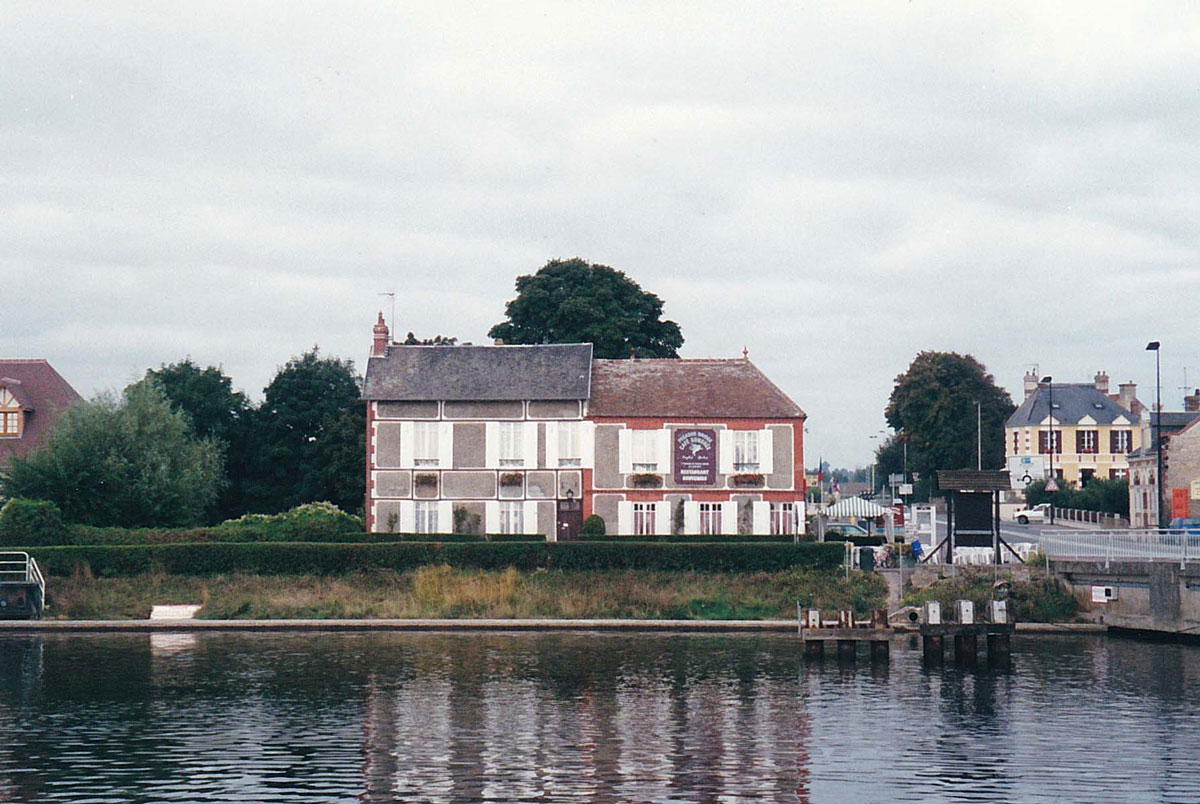
On June 6th 1944, Allied forces stormed the beaches of Normandy in the first action to liberate Western Europe from German occupation. Operation Neptune, as it was codenamed, is considered to be one of the most difficult amphibious invasions ever launched: Almost 160,000 troops crossed the channel that day, but the preparations were unbelievably complex involving many different separate secret operations.

For those who don’t know, or have perhaps forgotten, the liberation of Europe was going to begin with an attack on the northern coast of France in the Baie de Seine by Allied forces: American troops were given the task of landing on two beaches at the western end of the bay (codenamed Utah and Omaha), and on the eastern flank, Canadian troops were to disembark onto Juno, with the British coming ashore at Gold and Sword, but I’m going to start, not on the Normandy beaches, but slightly inland because this was where the first landings actually took place.

For the seaborne attack to have any chance of success it was imperative that the Atlantic Wall (the German defences that stretched around the European coastline) was made as ineffective as possible, and part of the plan was to drop airborne troops behind enemy lines in advance of the beach landings to minimise German counter-attacks.

Two American airborne divisions were flown in to pave the way for the assault on Utah and Omaha, and one British airborne division was used to support Gold, Juno and Sword.

Scenes in films such as The Longest Day and Saving Private Ryan show how the American Airborne divisions went about helping to secure the right flank, but this post centres around the British Airborne’s mission to secure the left flank.

Continue reading

Birmingham’s Canals

Birmingham's Canals

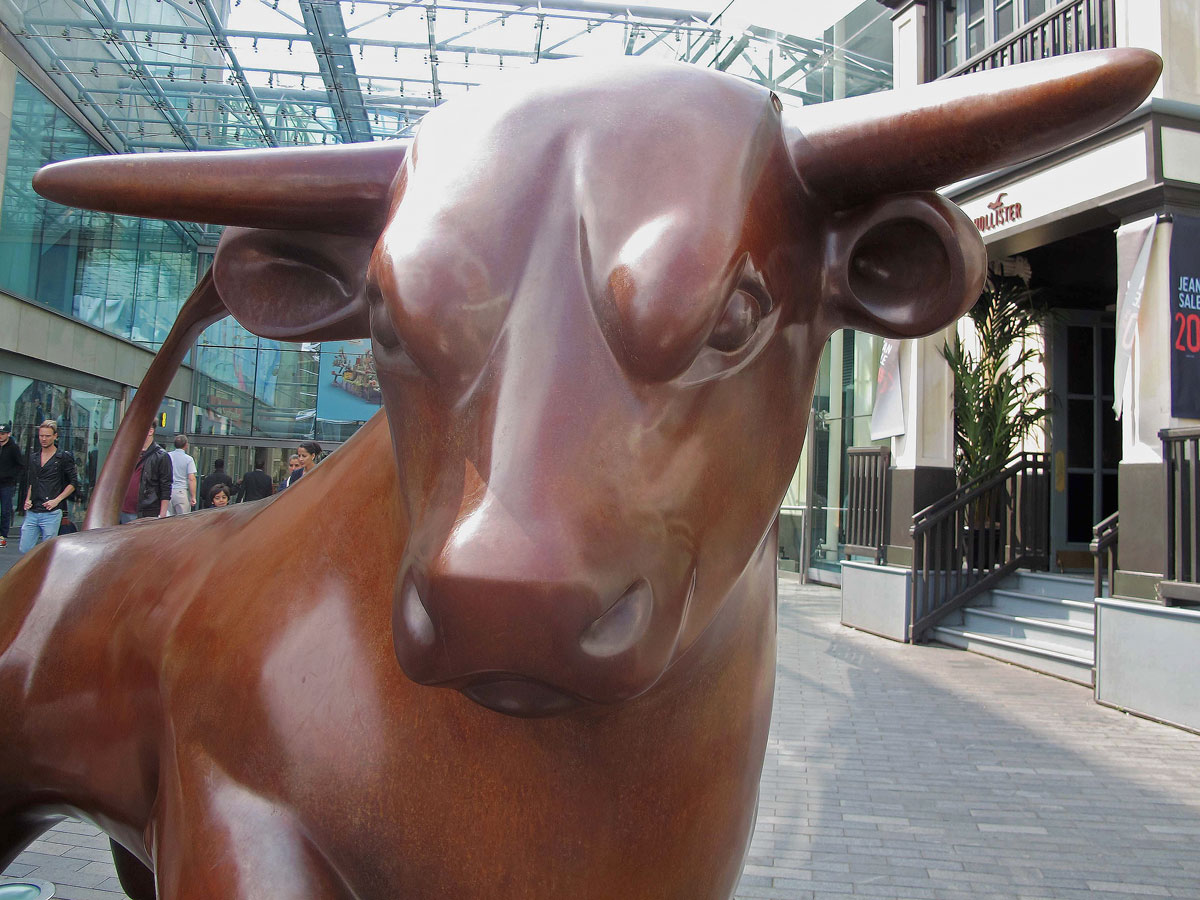
Following on from my previous posts about Birmingham’s involvement in the Industrial Revolution, its location in the centre of England had its advantages and disadvantages. Being close to the Black Country’s coal and iron reserves was one of the main reasons why metalworking happened here in the first place, but transporting these raw materials to the foundries and workshops, and then delivering the finished goods to consumers, was hampered by the terrible road conditions which were little more than muddy tracks. The answer was to build canals and transport everything by barge.

Canals weren’t a new phenomenon of course. They had been in existence since ancient times, often for irrigation purposes, but also to connect major river courses. In Britain, the first canal was built by the Romans to connect Lincoln with the River Trent to facilitate access to York, but the 11-mile long Fossdyke was constructed over flat and marshy land, and quite different from the landscape which engineers were faced with during the Industrial Revolution.

Continue reading

Birmingham Before the Industrial Revolution

Birmingham Before the Industrial Revolution

Watching a short video the other day that was offering advice on what to see and do in Birmingham, there were just two comments in response: One said “Leave” and the other said “Drive straight past”. Such is the reputation of Britain’s second largest city, but the question has to be asked, are those comments fair?

To be honest, criticism aimed at this once major hub of the Industrial Revolution is difficult to argue with at times, but it doesn’t tell the whole story, and in a series of posts about how Birmingham evolved from a small Anglo-Saxon hamlet to a city of 1.2 million people, I want to show you that there’s more to Brum than industrial waste sites, concrete flyovers and Balti restaurants – and believe me when I say you might even be pleasantly surprised.

For those of you who don’t know it, Birmingham is the most inland major city in England and lies at the heart of the once industrial West Midlands. For somewhere that played such an important role in England’s Industrial Revolution, it may seem surprising that it doesn’t have a major river running through it, but that was compensated for by a network of canals that became the centre of the English canal system.

Continue reading