
Birmingham's Canals
Following on from my previous posts about Birmingham’s involvement in the Industrial Revolution, its location in the centre of England had its advantages and disadvantages. Being close to the Black Country’s coal and iron reserves was one of the main reasons why metalworking happened here in the first place, but transporting these raw materials to the foundries and workshops, and then delivering the finished goods to consumers, was hampered by the terrible road conditions which were little more than muddy tracks. The answer was to build canals and transport everything by barge.
Canals weren’t a new phenomenon of course. They had been in existence since ancient times, often for irrigation purposes, but also to connect major river courses. In Britain, the first canal was built by the Romans to connect Lincoln with the River Trent to facilitate access to York, but the 11-mile long Fossdyke was constructed over flat and marshy land, and quite different from the landscape which engineers were faced with during the Industrial Revolution.
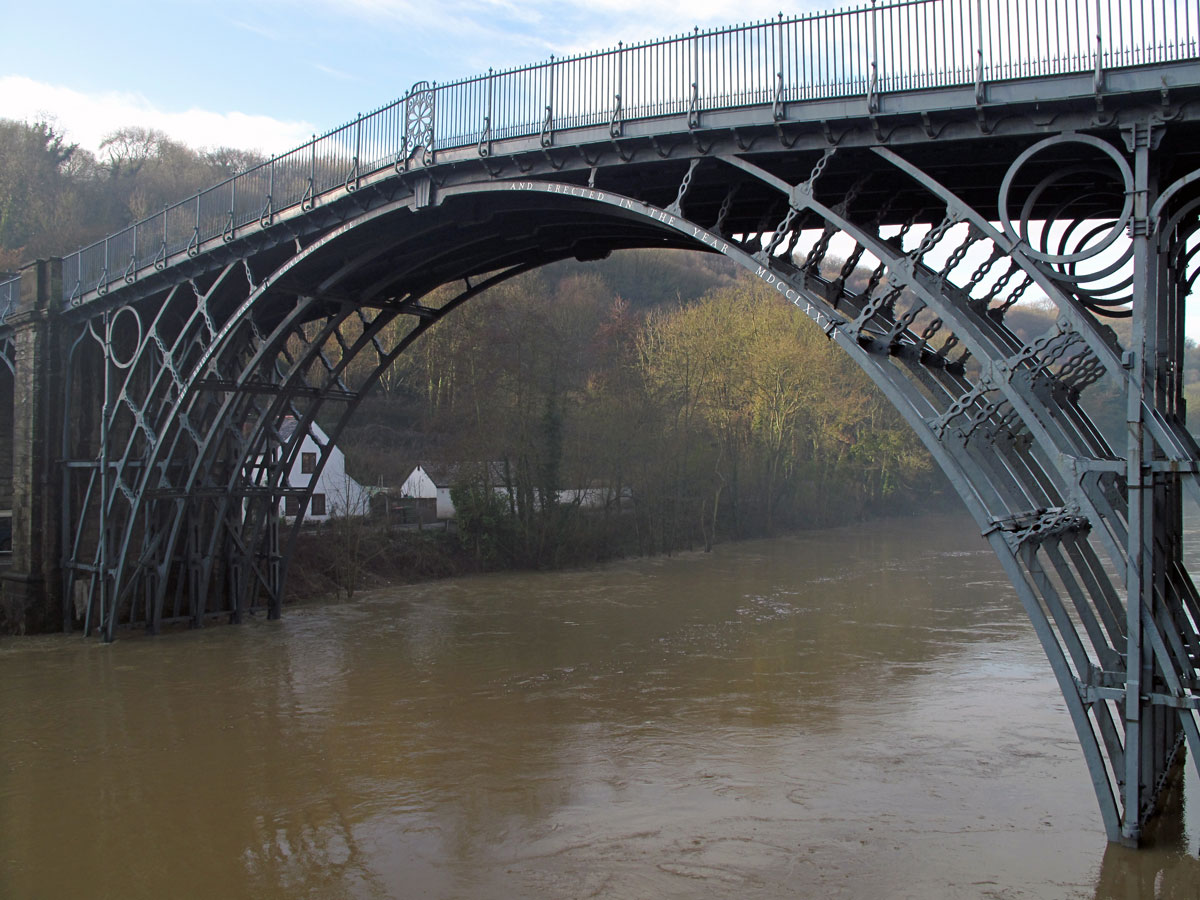
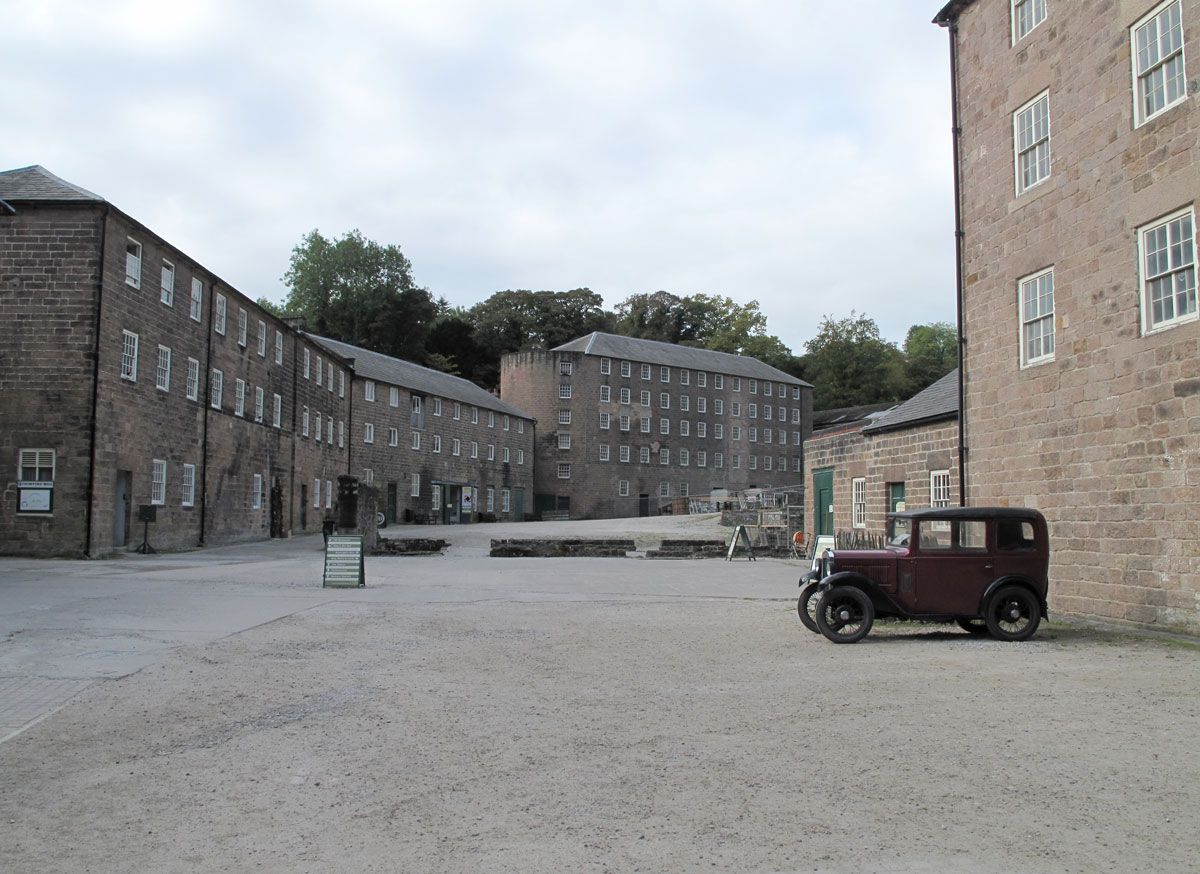
The question is often asked as to where the Industrial Revolution actually started, but there’s no definitive answer as there were different contenders in different locations running in tandem with each other. If I was to stick my neck out, I would say that Ironbridge in Shropshire has the best claim, thanks to Abraham Darby’s development of his Blast Furnace at Coalbrookdale in 1709. The use of coal rather than charcoal allowed for the mass production of cheap high-quality iron, and subsequently the development of steam engines that would provide power for machinery and transport. Others would cite Richard Arkwright’s first water-powered cotton spinning mill at Cromford in 1771, and that’s because his invention enabled the cloth-making industry to move away from domestic cottages in country villages to mass production in large urban factories.
At first glance, it may seem that Arkwright appeared much later on the scene than Darby, but it has to be remembered that it was people like John Kay who invented the Flying Shuttle in 1733 that laid the foundations for Arkwright, while at the same time, it took several years before people like James Watt came up with a steam engine that would realise the full potential of Darby’s furnace.
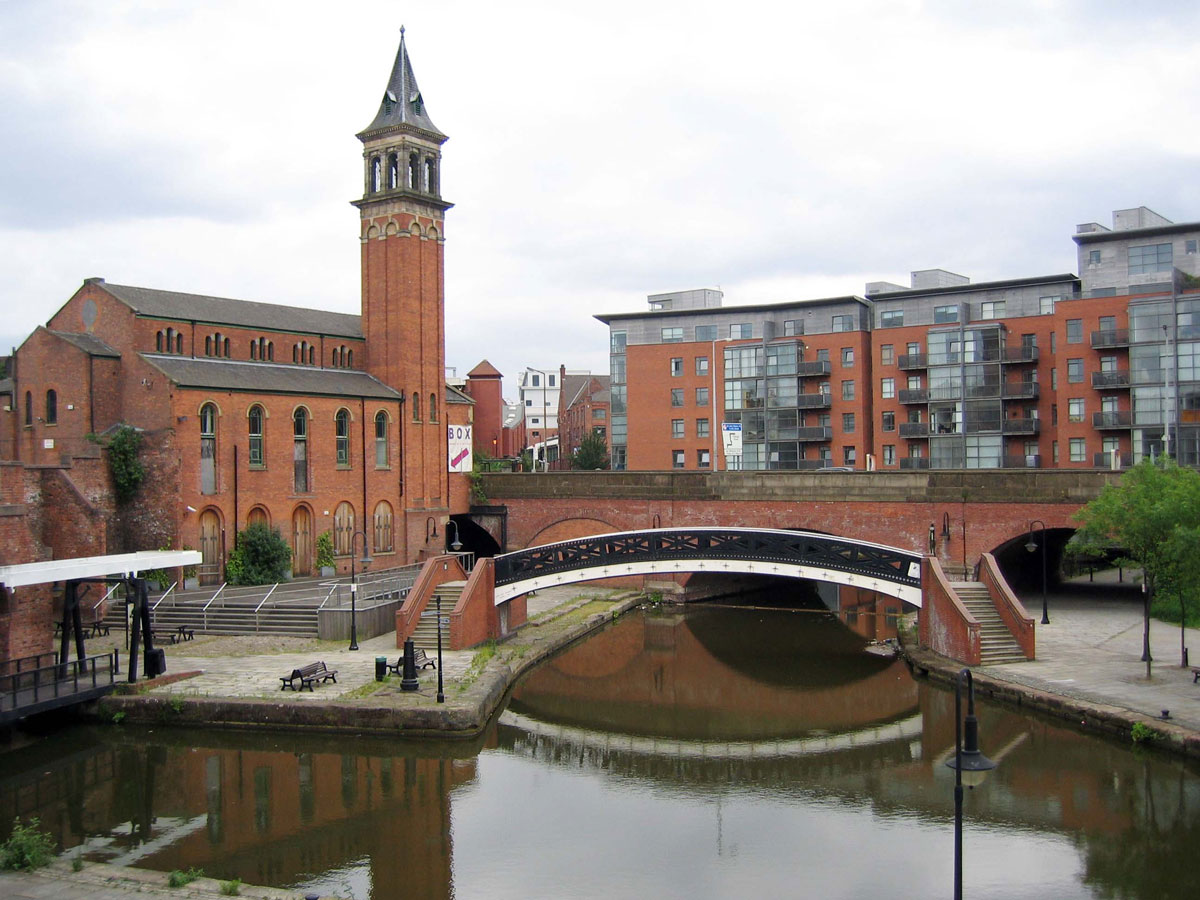
It shouldn’t come as any surprise therefore to learn that the Industrial Revolution’s first canals were built in Lancashire where mills were now expanding the cotton industry at a rapid rate. The first to be built was the Sankey Canal in 1757 and was used to transport coal from Haydock Collieries near St Helens to the River Mersey at Widnes, but perhaps the one that made the most impact at the time was the Bridgewater Canal.
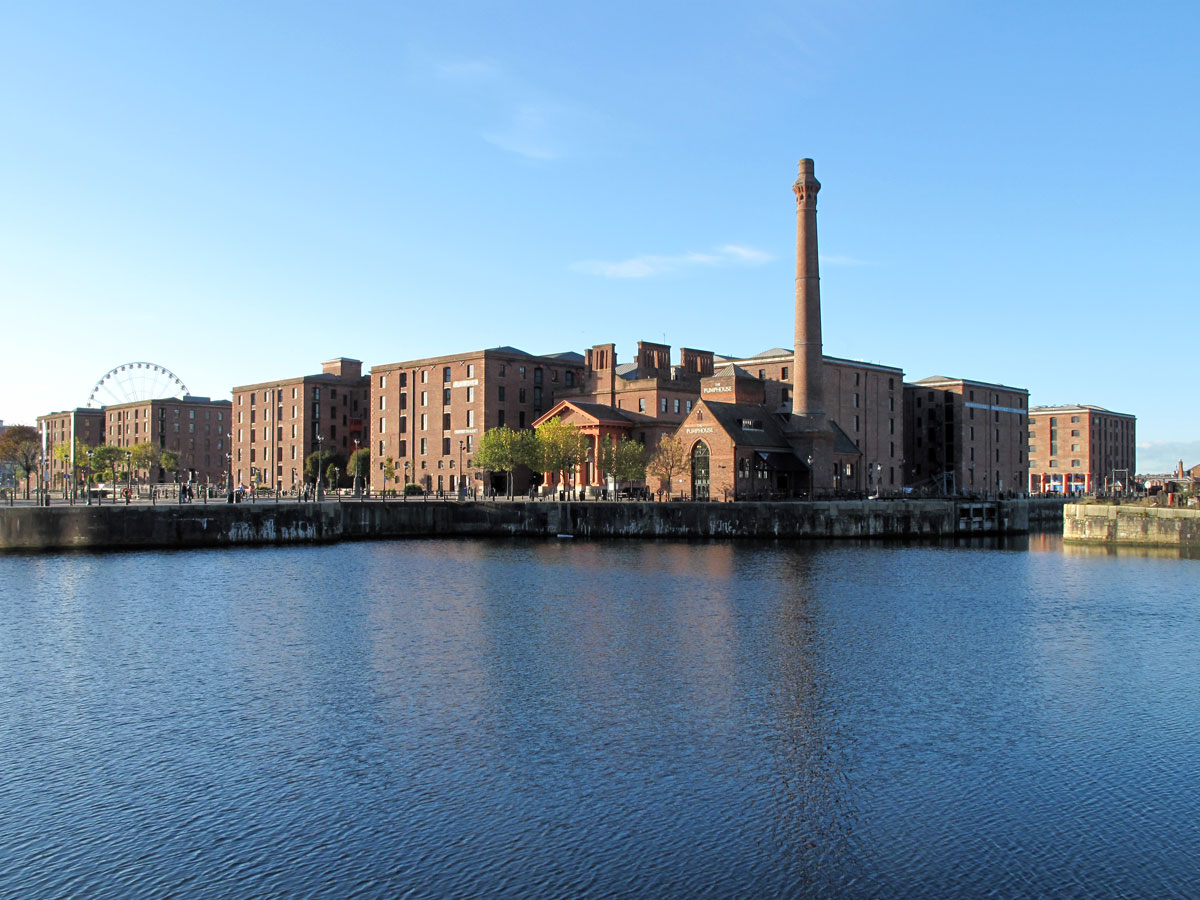
It was constructed initially to transport coal from the 3rd Duke of Bridgewater’s mines at Worsley to Manchester, and when it opened in 1761, it was the first canal not to follow an existing river course. The 10-mile-long stretch was an amazing feat of engineering by James Brindley who managed to construct it on one level without the need for locks by using impressive features like the Barton Aqueduct at Trafford. The canal was subsequently extended to include a branch from Manchester to Runcorn and another from Worsley to Leigh, allowing it to link the Leeds and Liverpool Canal through Manchester to the Mersey Estuary, and therefore connecting Lancashire’s textile towns to the Port of Liverpool.
The Lancashire canals are a subject in themselves and if this is something that interests you then I can highly recommend Life in the Mouse House by Eunice, a fellow blogger who has walked, sailed, written about, and photographed many of North-West England’s canals.
Lancashire’s booming cotton industry initially relied heavily on the Port of Liverpool, both for importing raw cotton from the southern states of America, and also for exporting finished cloth to places like the Indian sub-continent, and this is why the construction of the Bridgewater Canal (and others) became such a vital cog in the industrial wheel of the textile industry, but the same also applied to the industrial West Midlands.
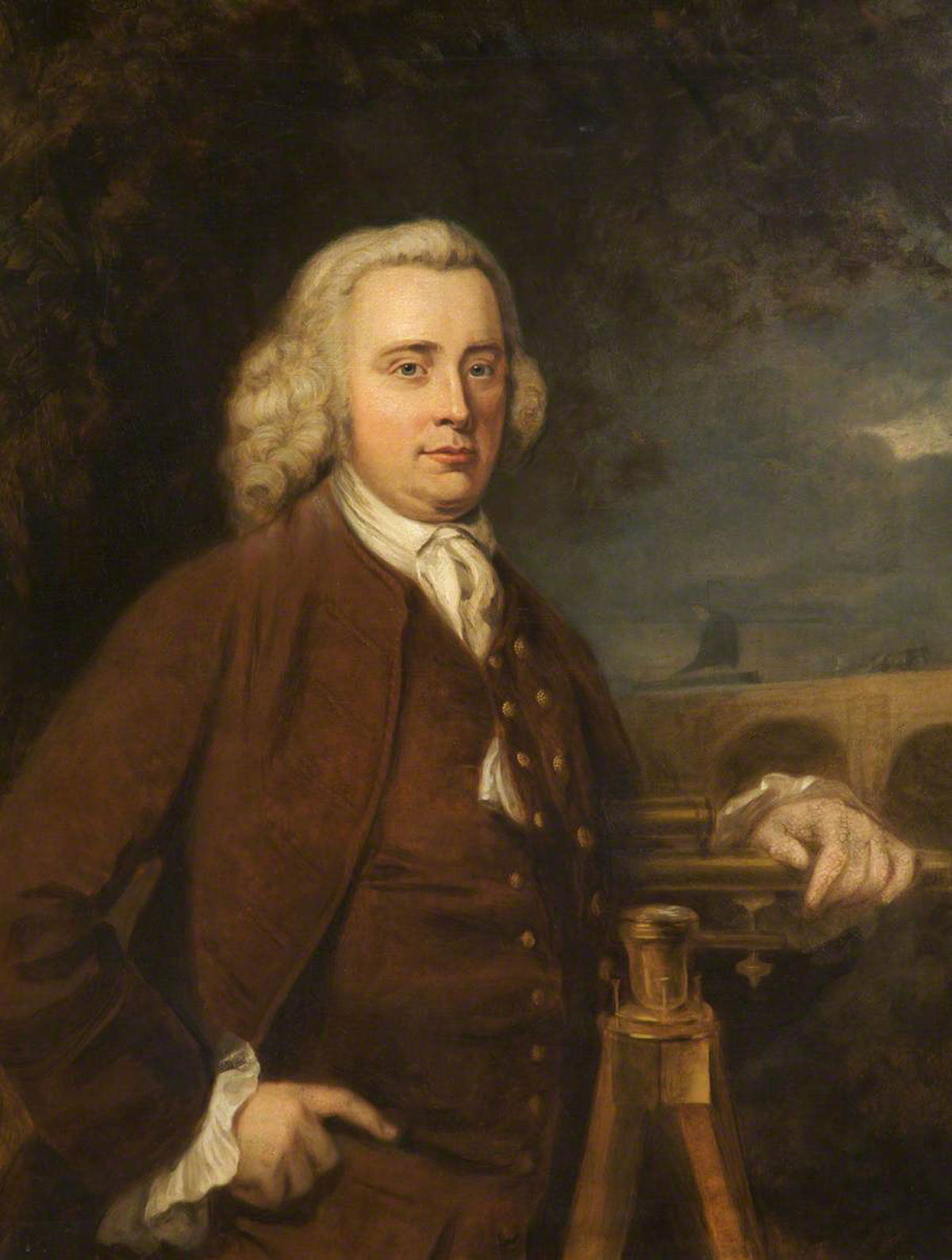
If Manchester was the hub for manufacturing cotton, then Birmingham was the hub for metalworking and engineering, and so it was just as important for the city to be connected to a seagoing port as Manchester was – and who better to find a solution to the problem than the engineer of the Bridgewater Canal – James Brindley.
James Brindley was not only a great engineer, but also a man of vision. He had a plan which he called the Grand Cross that would connect the major ports of Hull (via the River Trent), Liverpool (via the Mersey), Bristol (via the Severn), and London (via the Thames) through a network of canals to the rest of the country, and it was Matthew Boulton and some of his fellow Lunaticks who recognised that Brindley was just the man they were looking for to improve the area’s transport connections.
A local public meeting was held, and in 1768 work began on constructing the Birmingham Canal, which would make its way through the Black Country coalfields to meet up with the Staffordshire and Worcestershire Canal (S&W). Brindley’s task involved not just a practical one from an engineering point of view, but also the requirements of his clients, the Birmingham Canal Navigation company (BCN), and he eventually came up with a route which was largely level, but a meandering one through Smethwick, Oldbury, Tipton, Bilston, and finally Wolverhampton, where it reached the S&W at Aldersley.
The first stage was to connect the nearest coalfields at Wednesbury which were 10 miles away; but this involved building a separate branch to connect them with the main canal. A look at any map showing all the different canals with their branches and loops around the Midlands canal system will show you how complex it all became, and the BCN decided to rename the Birmingham Canal the Main Line in order to avoid any confusion.
On 21st September 1772, the 22½ mile long canal was joined to Brindley’s S&W canal at Aldersley Junction: This canal opened the same year and consequently gave Birmingham access to the ports of Bristol via the River Severn at Stourport, and Liverpool via the Trent and Mersey Canal at Haywood near Cannock Chase. On 27th September, just 6 days after the Birmingham Canal joined the S&W, James Brindley died.
Brindley’s Old Line was extremely successful, but as time progressed, the increase in traffic started to expose some unforeseen difficulties. The famous engineer, John Smeaton, sorted out the technical water supply problems at the Smethwick summit, but in a day of horse-drawn boats the single towpath became congested, and so in 1824 Thomas Telford, yet another renowned engineer, was given the task of improving the traffic flow.
Telford’s plan was extensive. In Birmingham, a new wider and deeper channel with twin towpaths was dug straight across the original winding route leaving the Oozells Street, Icknield Port and Soho Loops to serve the substantial number of works that lined their banks. These loops still survive today, but this post is only going skin deep where the technical aspects of Telford’s improvements are concerned, but suffice it to say, that his New Line was completed by 1838 and shortened the canal route by no less than 7 miles.
Whether you’re a canal enthusiast or not, most visitors to the city will encounter one or more of Birmingham’s canals, and the Birmingham Canal is where it all started, but at least now you’ll know the difference between the Old Line, New Line, and the various Branches and Loops – or maybe not.
The Birmingham Canal may have been the area’s first, but it certainly wasn’t the last. To try and download a coherent map of all the canals in Birmingham and the West Midlands is easier said than done, so when I tell you that the BCN still has more than a hundred miles of canals then you’ll just have to take my word for it I’m afraid.
Within the City of Birmingham itself there are 35 miles of canal, which is apparently more than Venice, not that I’m suggesting you’re better off spending a holiday in Smethwick rather than the Venetian Lagoon, but from a visitor’s perspective, other than the Birmingham Main Line, you’re possibly also likely to meet the Birmingham and Fazeley Canal, and the Worcester and Birmingham Canal, both of which join up with the Old Main Line in the city centre.
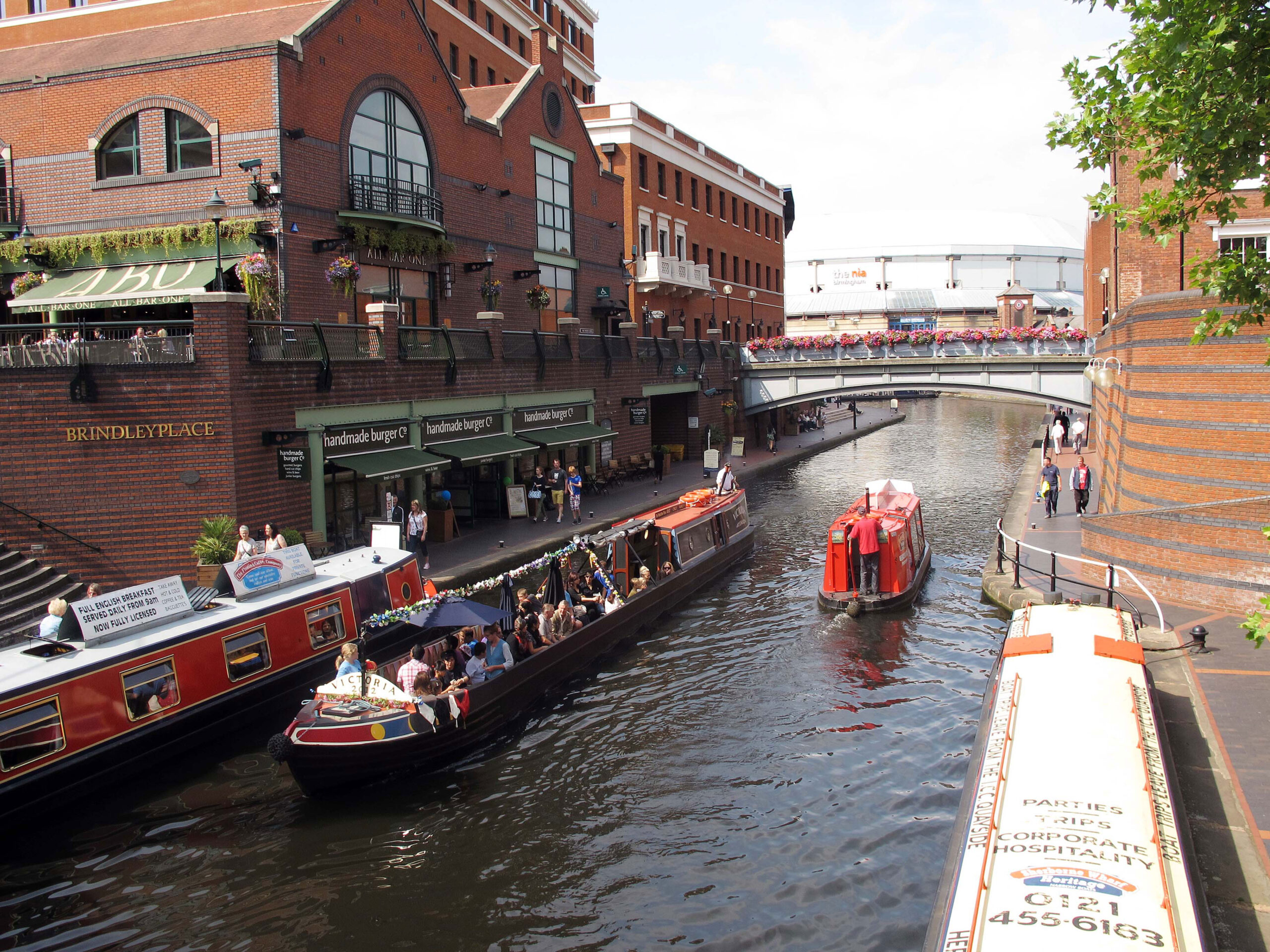
Below are some images of the Birmingham and Fazeley Canal around Cambrian Wharf.


The Golden Age of Britain’s canal network lasted until the 1830s and extended to some 4,000 miles. Without it, the Industrial Revolution could never have been as successful as it was, but the demise of canals was due to another success story of the Industrial Revolution – the growing railway network, but that’s another story.
As for the canal network in Birmingham today, the leisure industry is giving it a new lease of life, especially around Gas Street Basin where the terminus for the Old Main Line and Worcester & Birmingham Canal meet. Most of the area has now been rejuvenated, with the emphasis being on enjoyment rather than heavy industry, which in one way is a good thing, but at the same time, I can’t help but think that this country, and the world, would have been a lot poorer if it wasn’t for pioneers like Matthew Boulton, James Watt, James Brindley, and Thomas Telford.
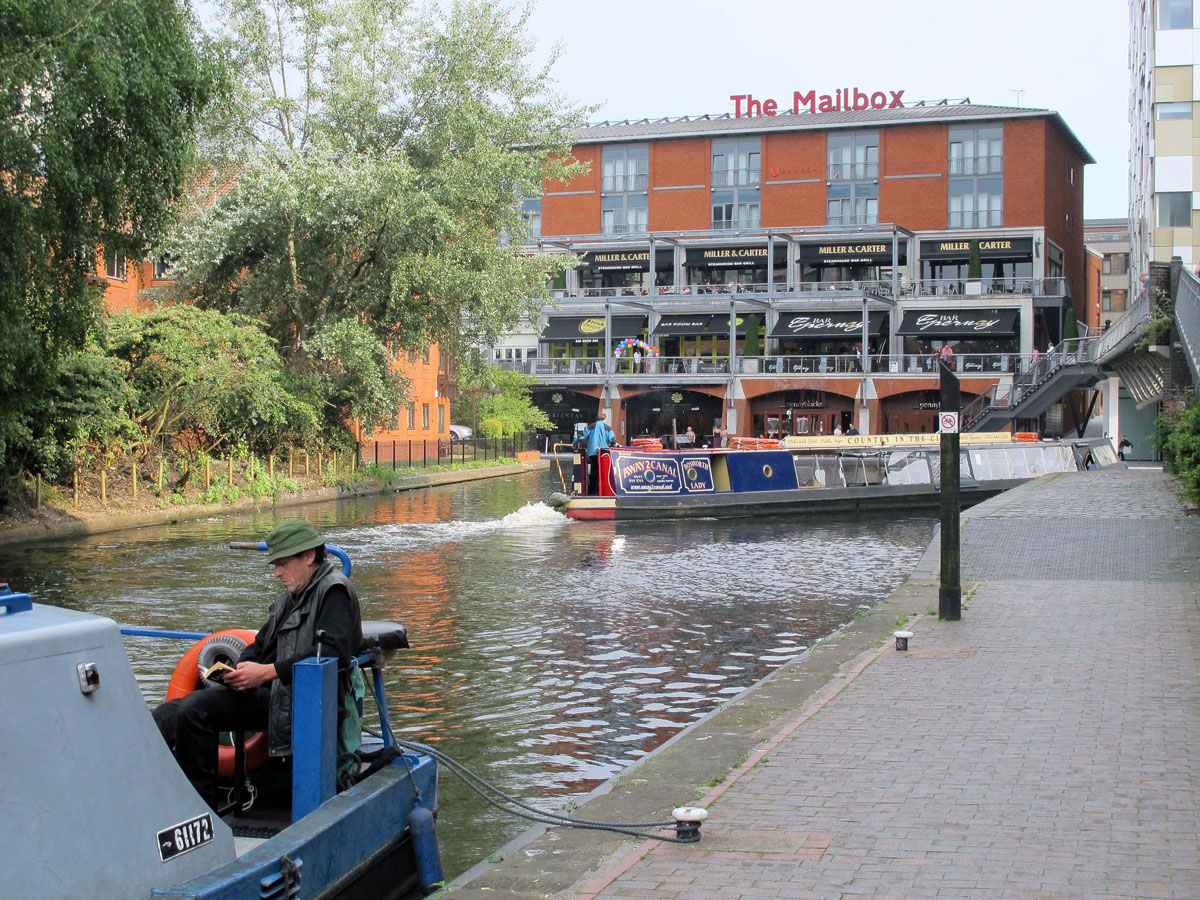
Below are some galleries of the canals in the city centre starting with the Worcester & Birmingham Canal between The Mailbox and Gas Street Basin.
-

- Aqueduct carrying the Worcester & Birmingham Canal over Holliday Street
-
- The Worcester and Birmingham Canal at the Mailbox
-

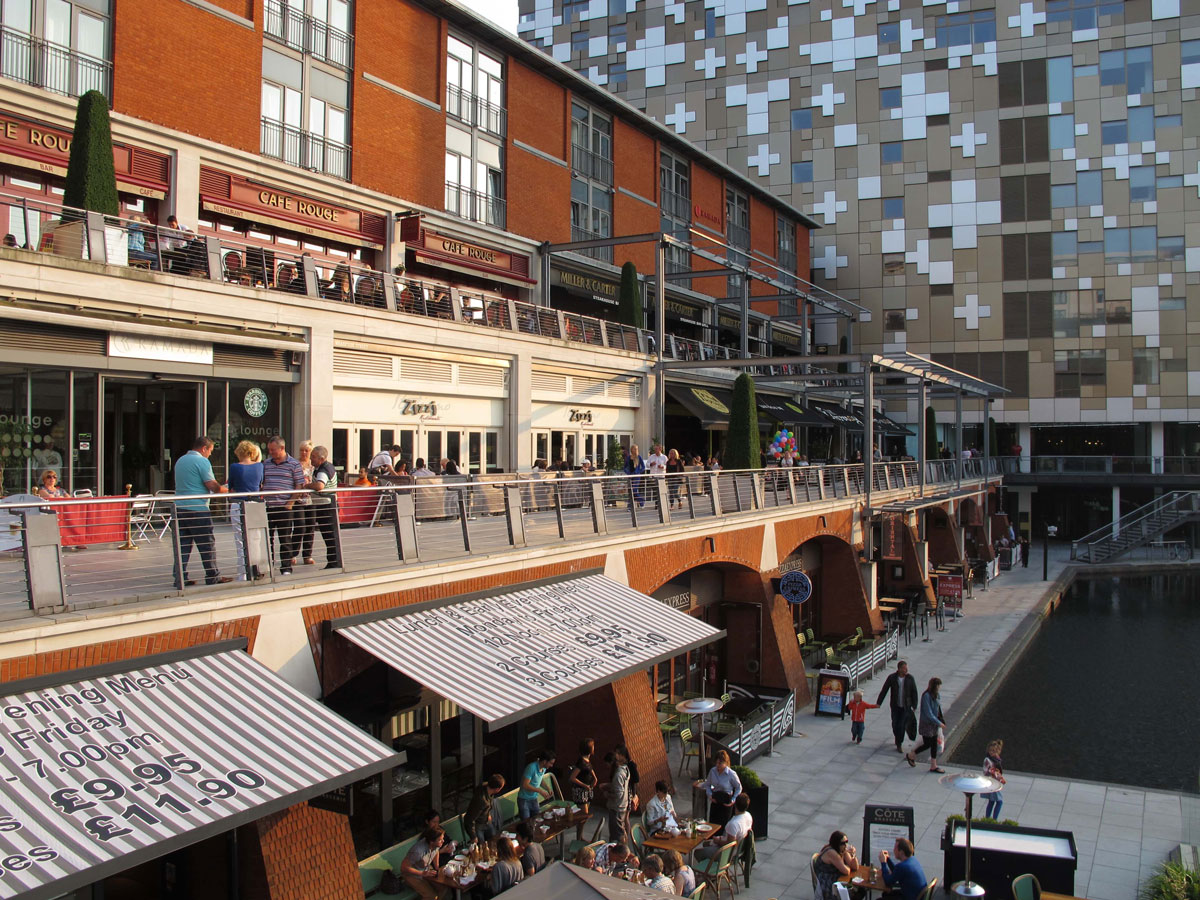
- The Mailbox
-

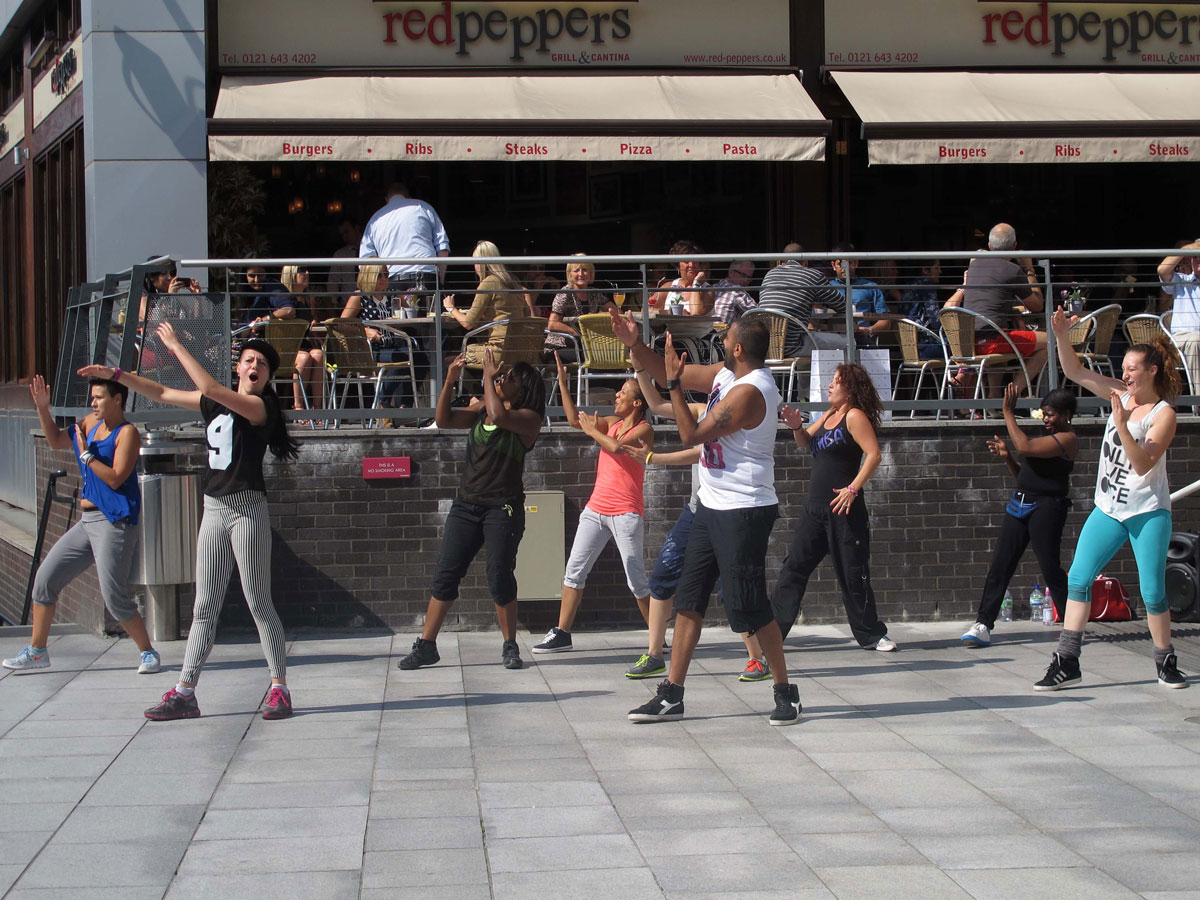
- Musical Workout at the Mailbox
-
- The Cube
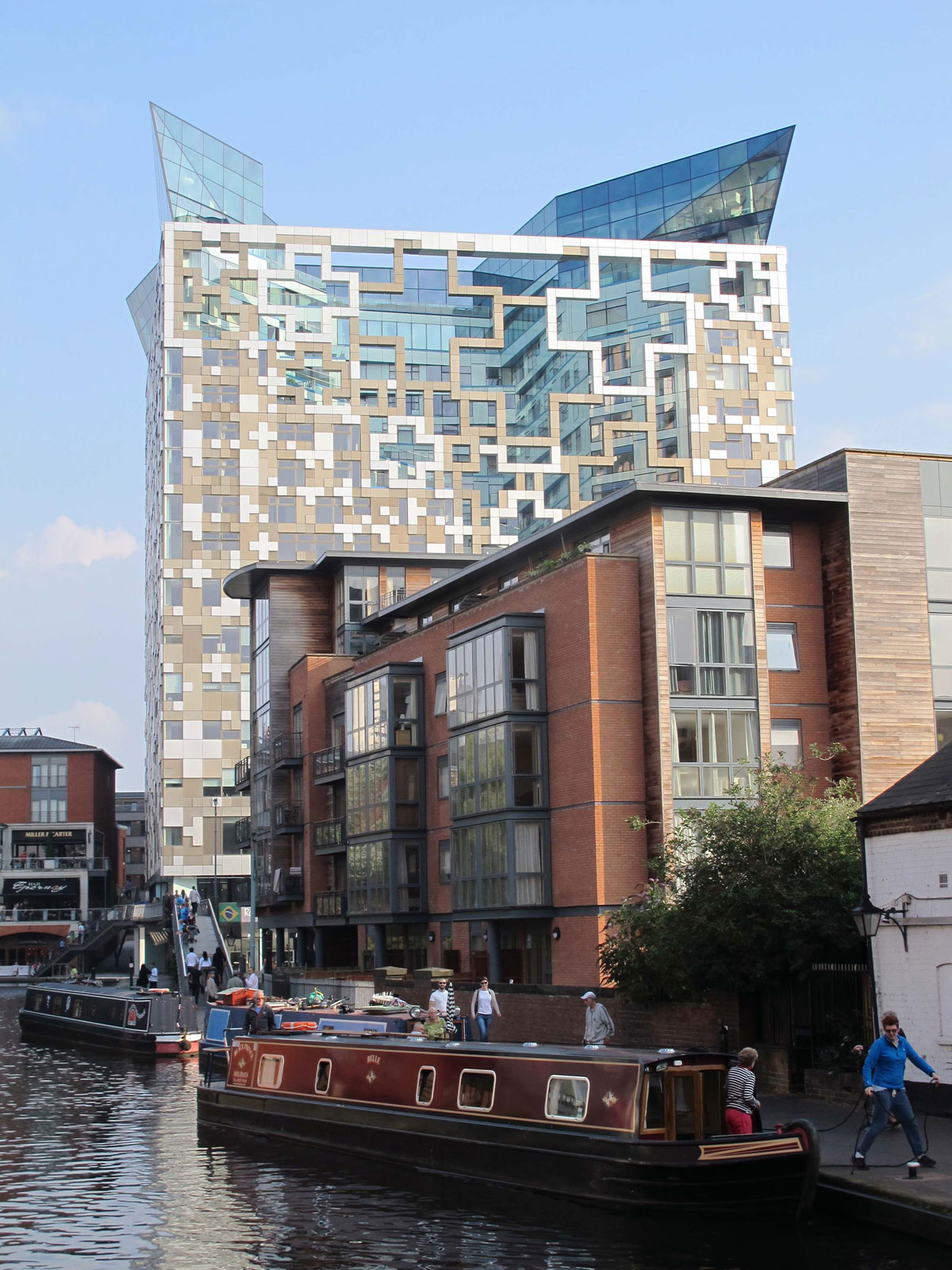
-
- Barges on the W&B Canal near the Mailbox
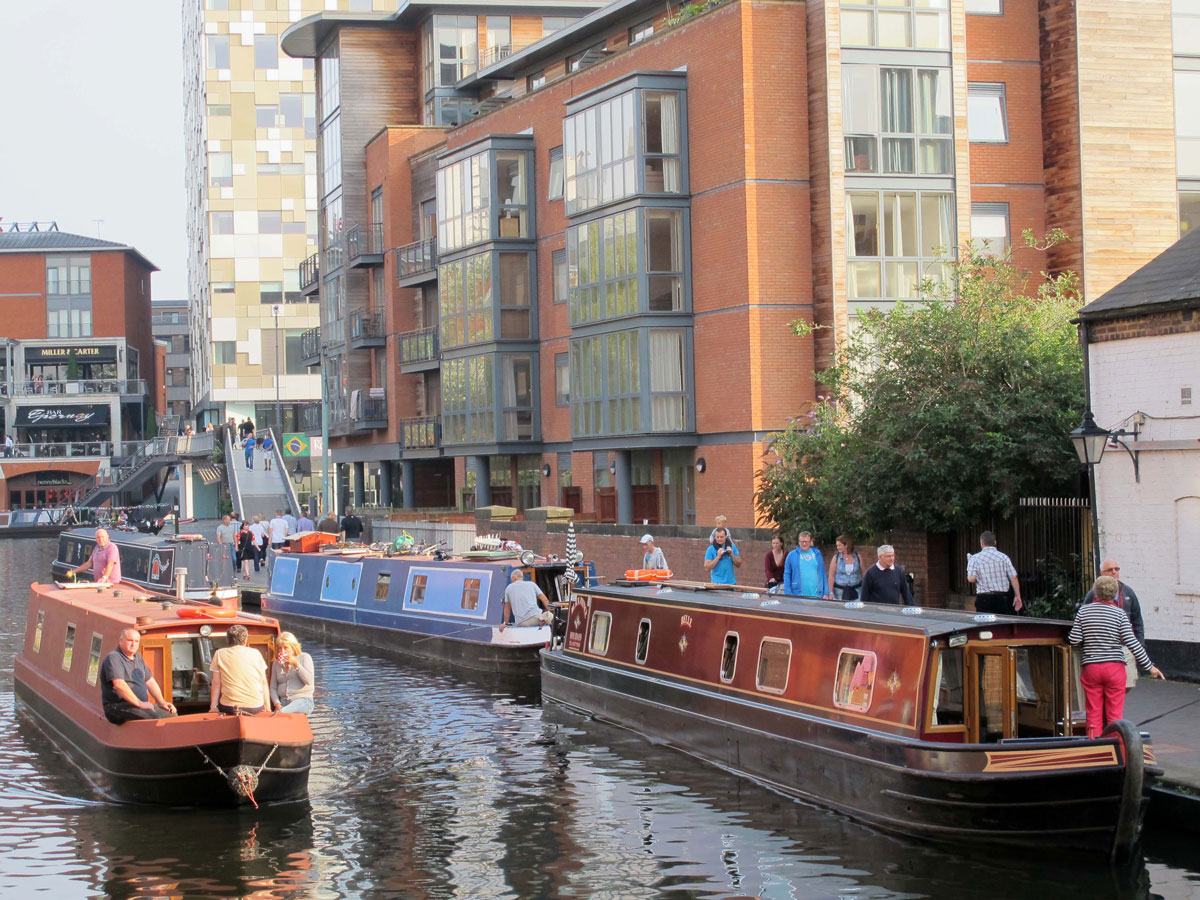
-

- Holliday Wharf
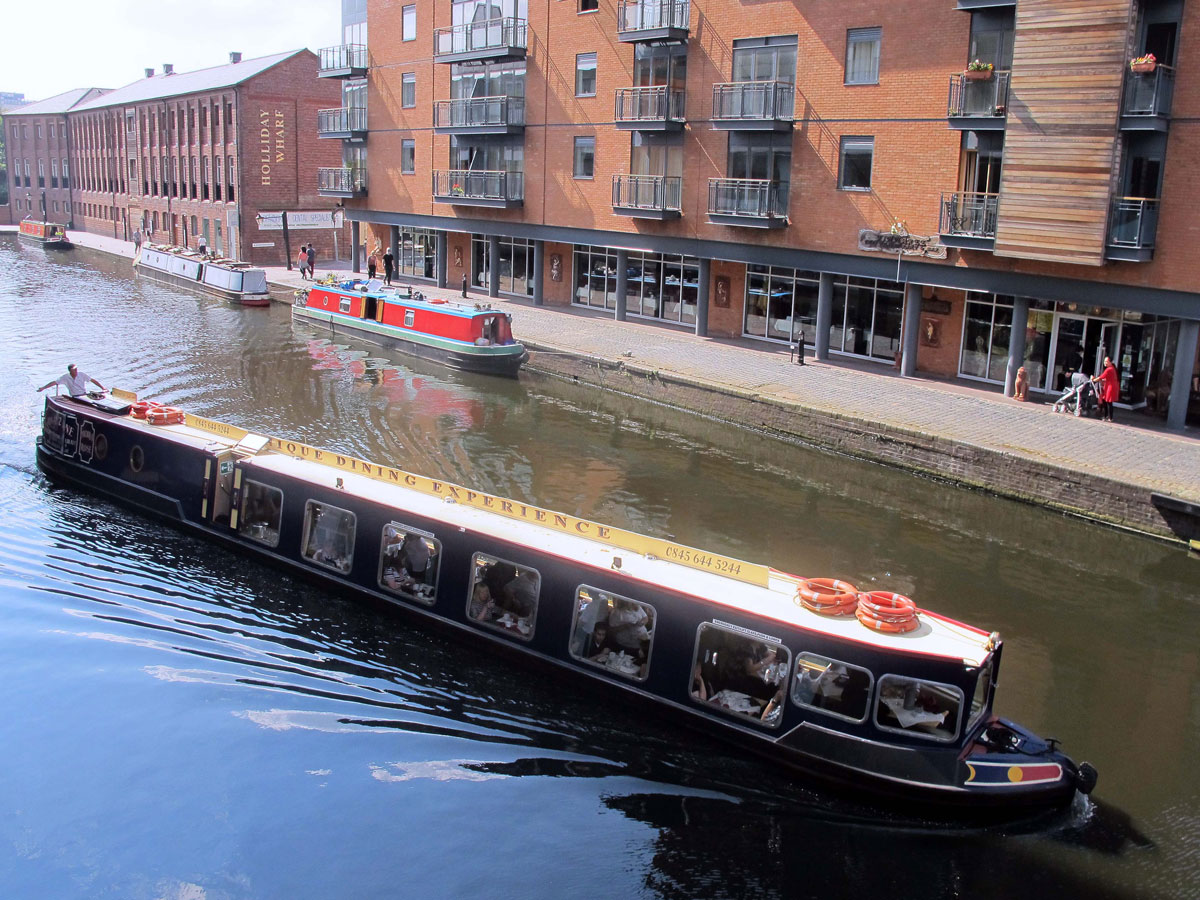
-
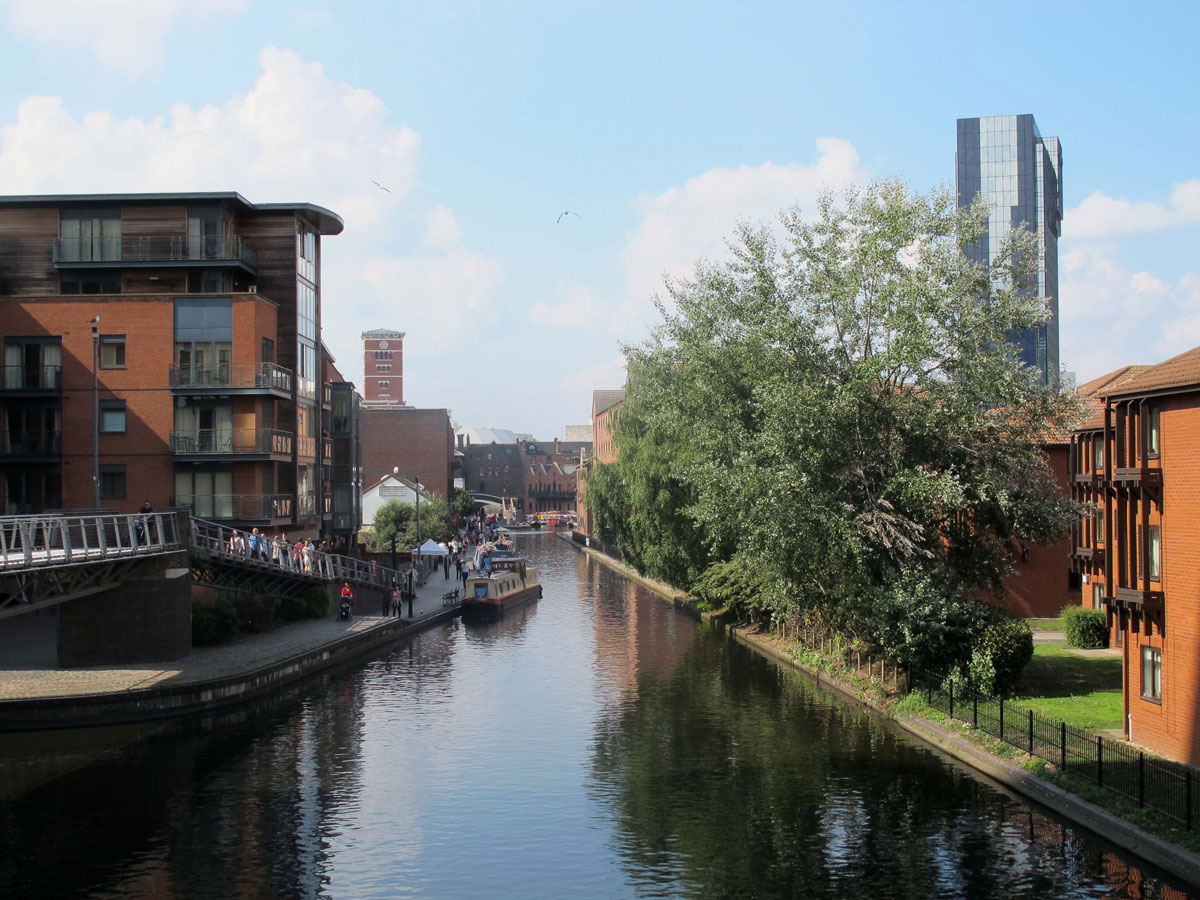
- The W&B Canal looking towards Gas Street Basin
The next set of images show the area around Gas Street Basin.
-
- The Worcester Bar (Terminus with the Old Line) at Gas Street Basin
-
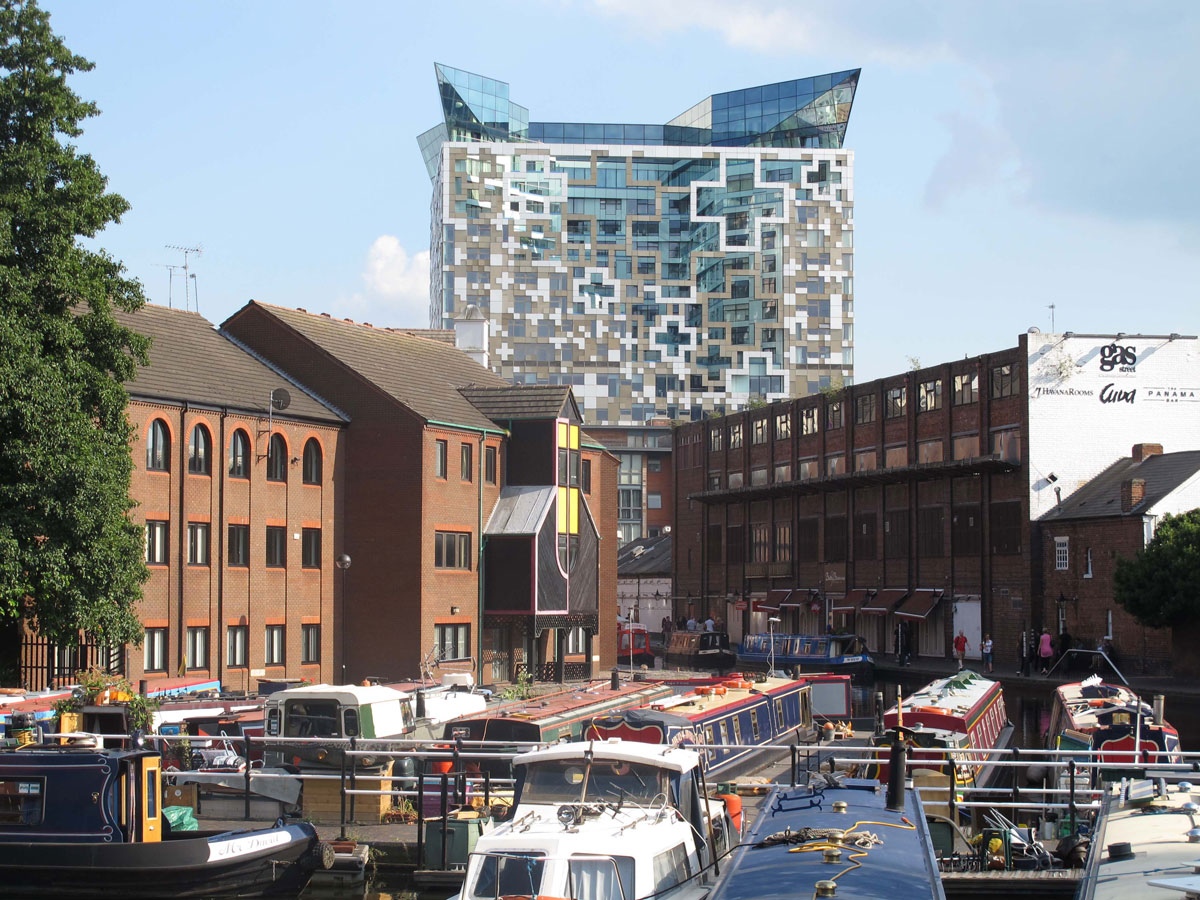
- Looking towards The Cube from the Worcester Bar
-

- The Bar Lock Footbridge
-
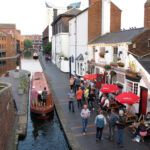
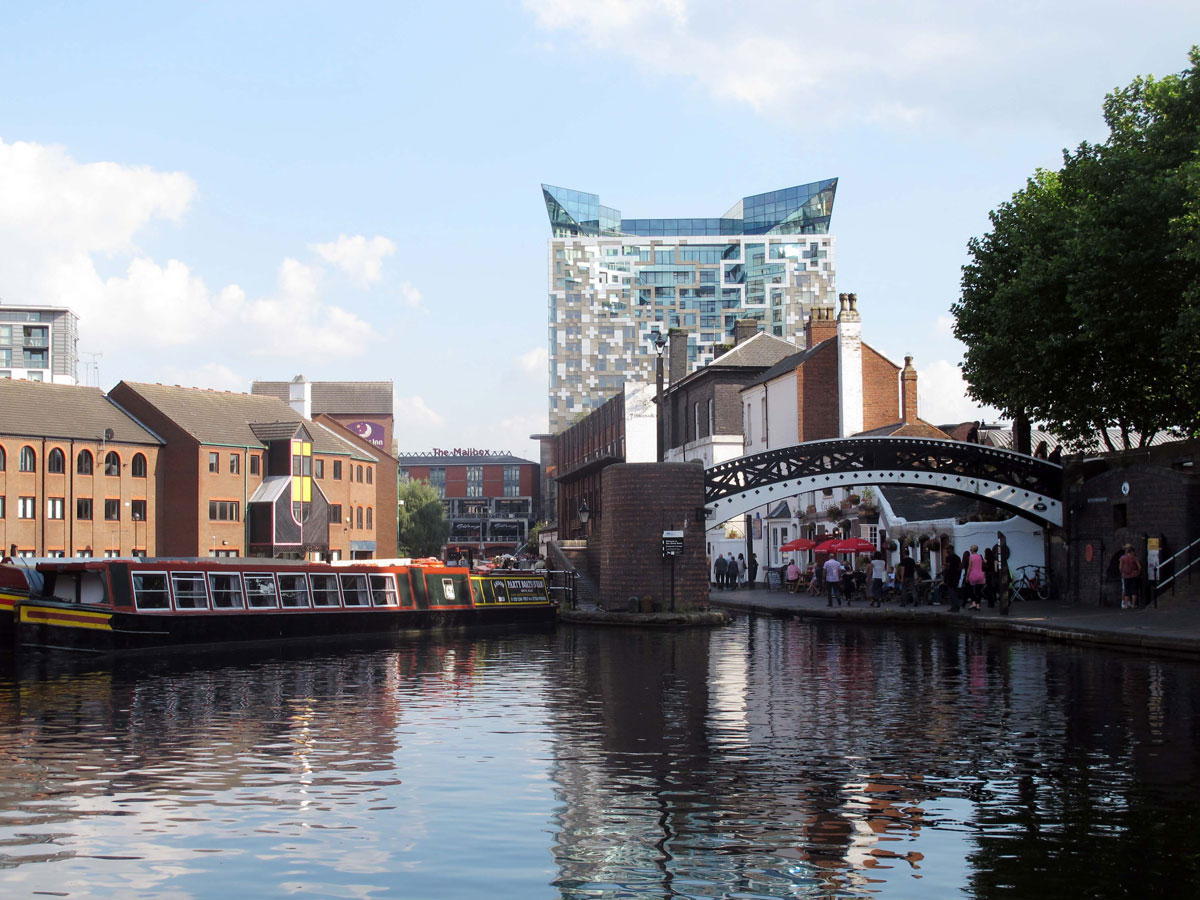
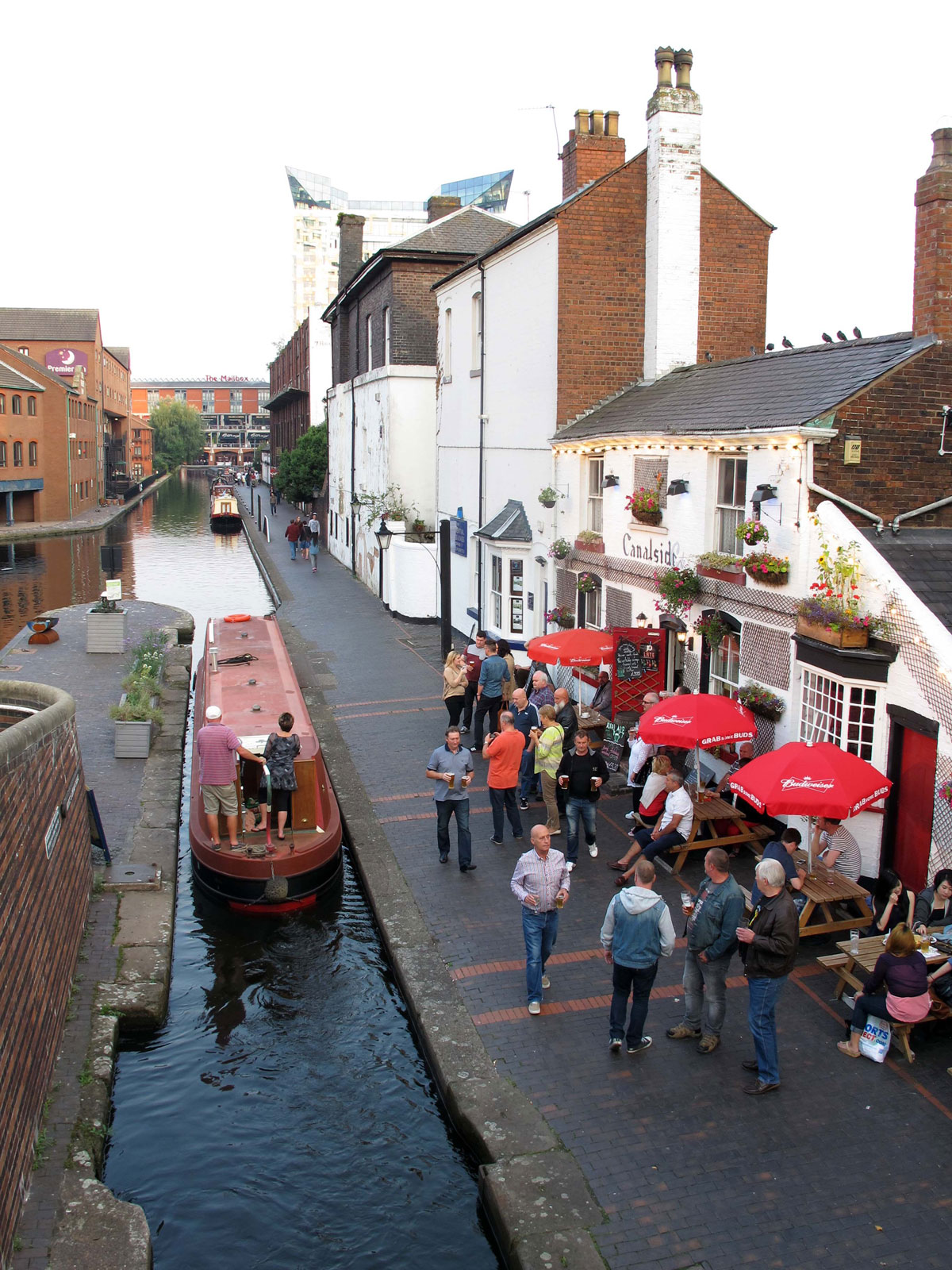
- The Canalside Bar at the Bar Lock in Gas Street Basin
-
- Barges and Bars at the Basin

-
- The Worcester Bar
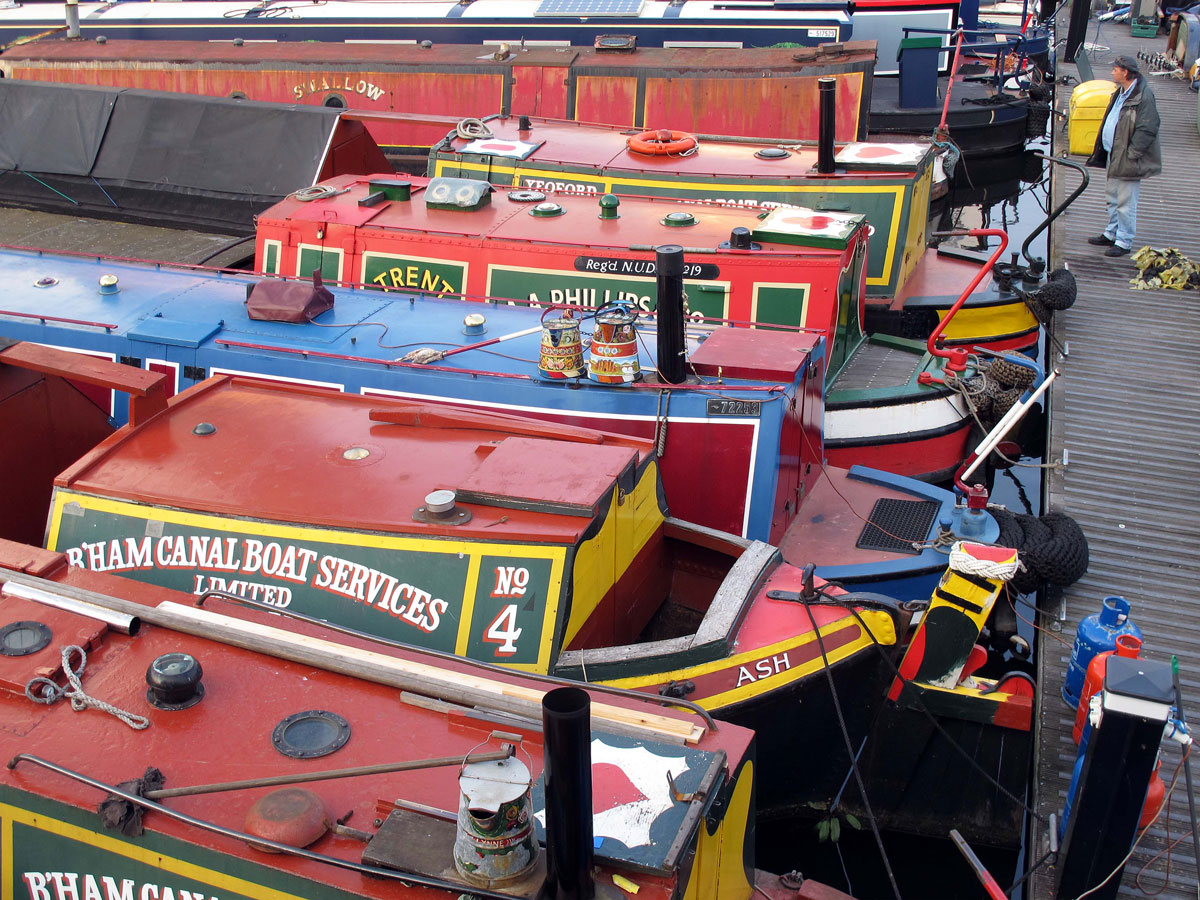
-
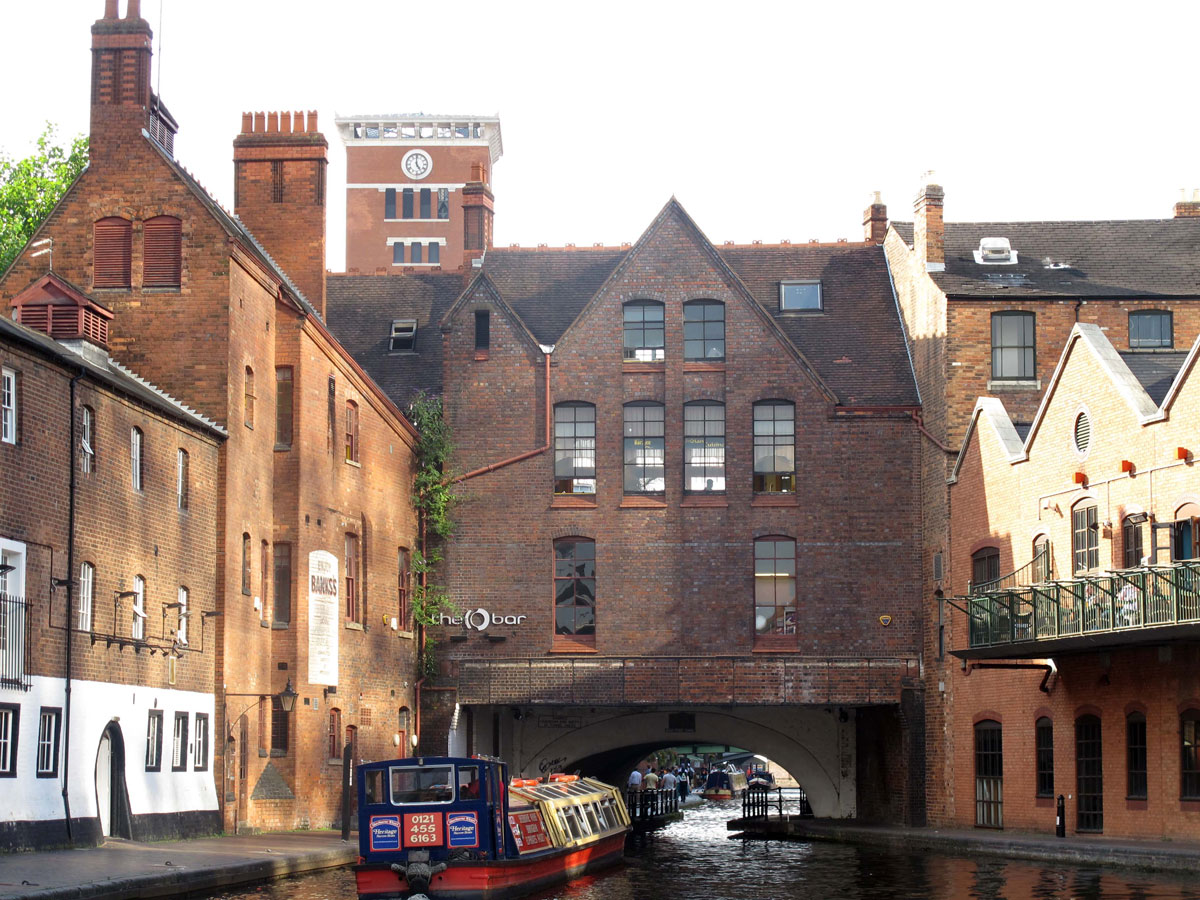
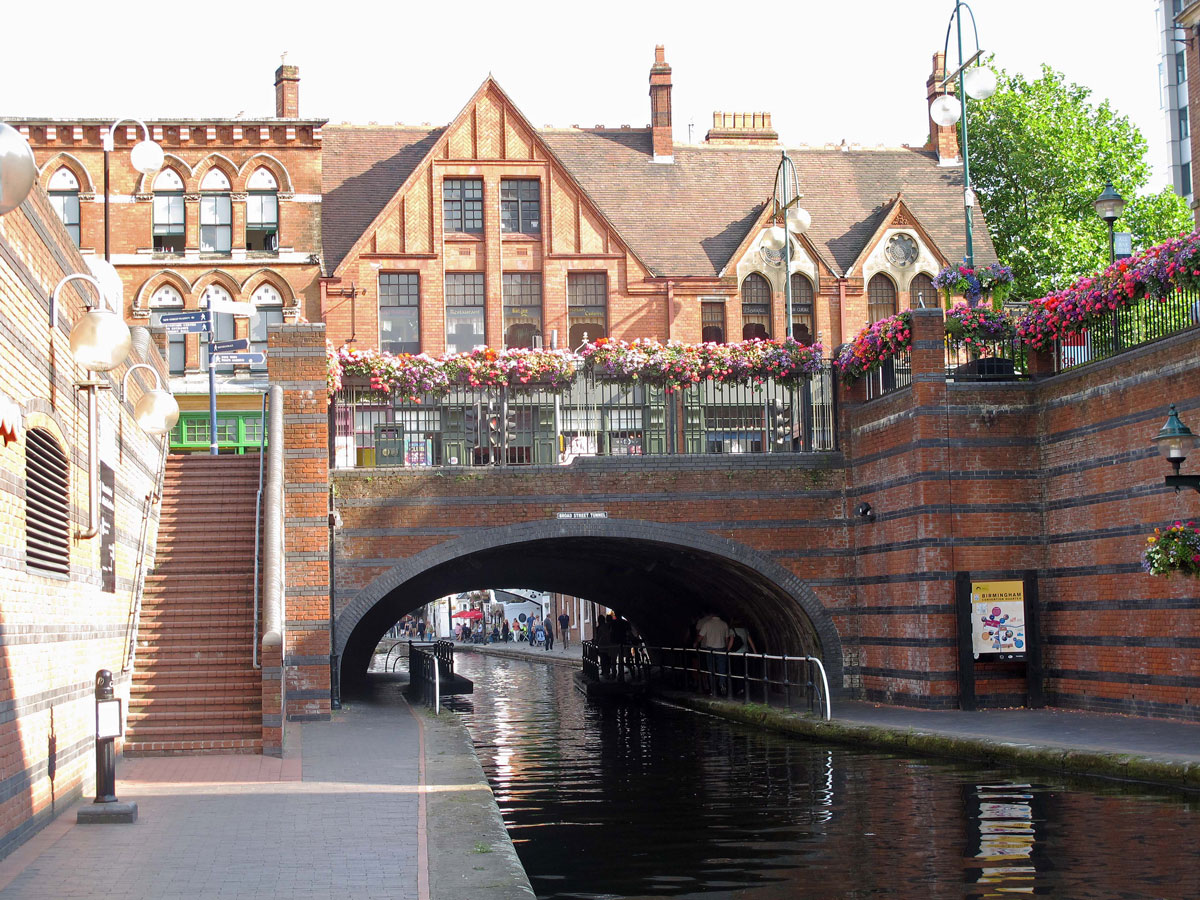
- The BCN Old Line and Broad Street Tunnel
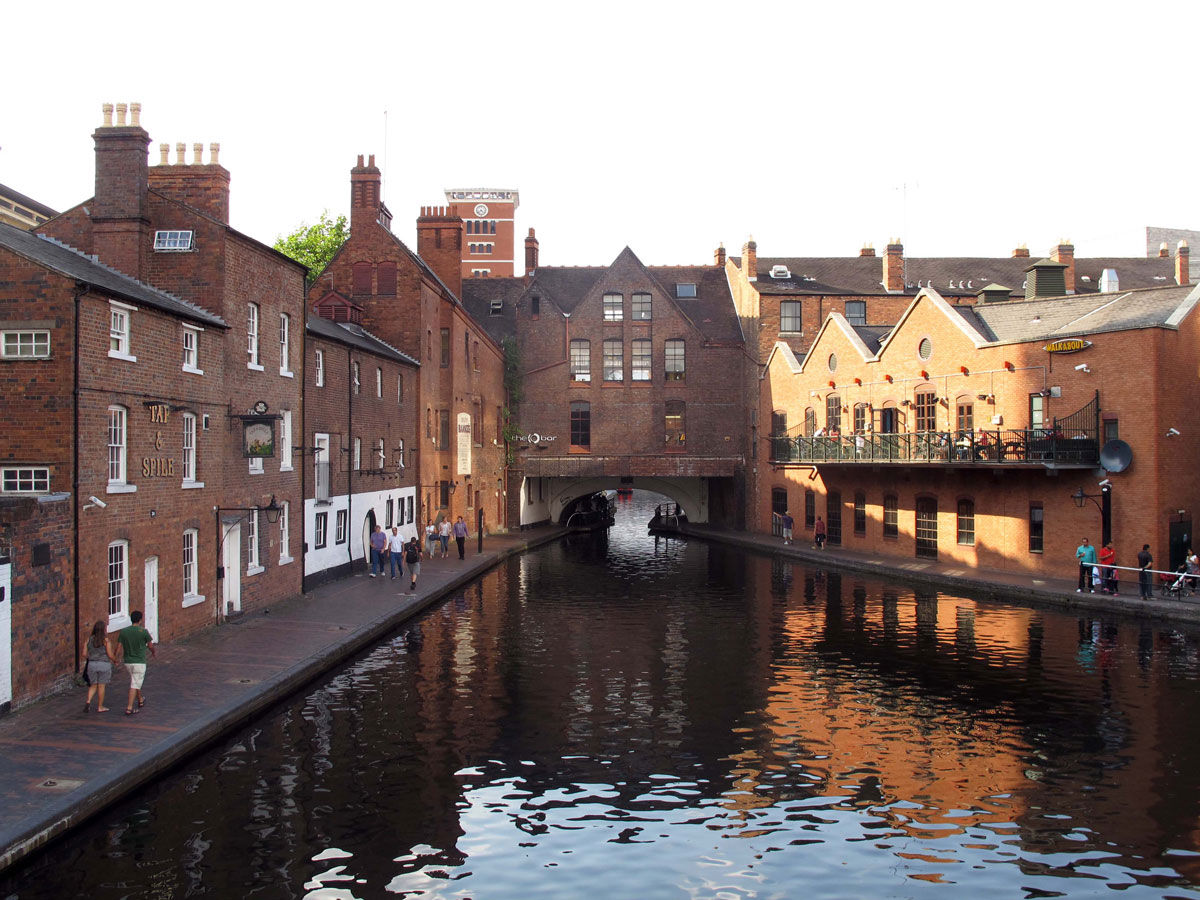
-

- Canalside Walk from Regency Wharf
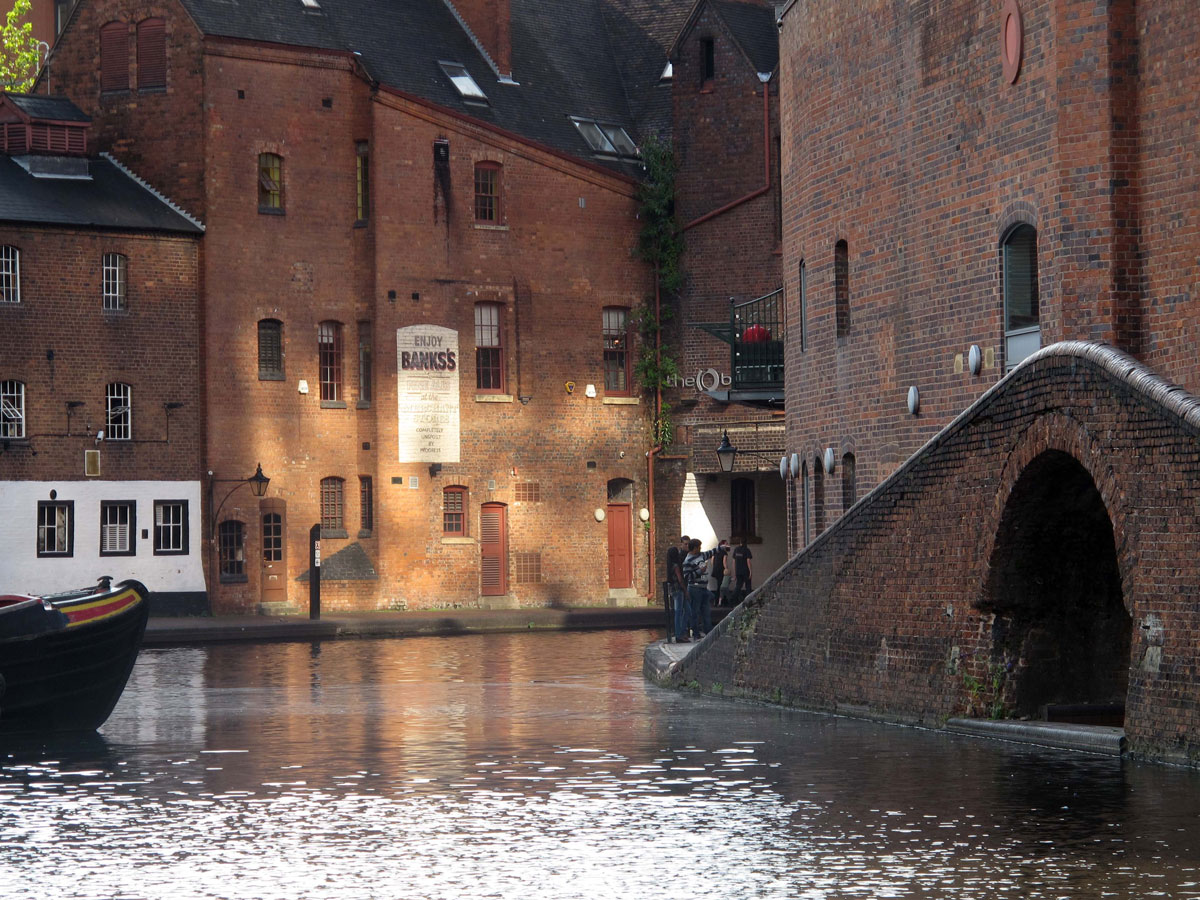
-
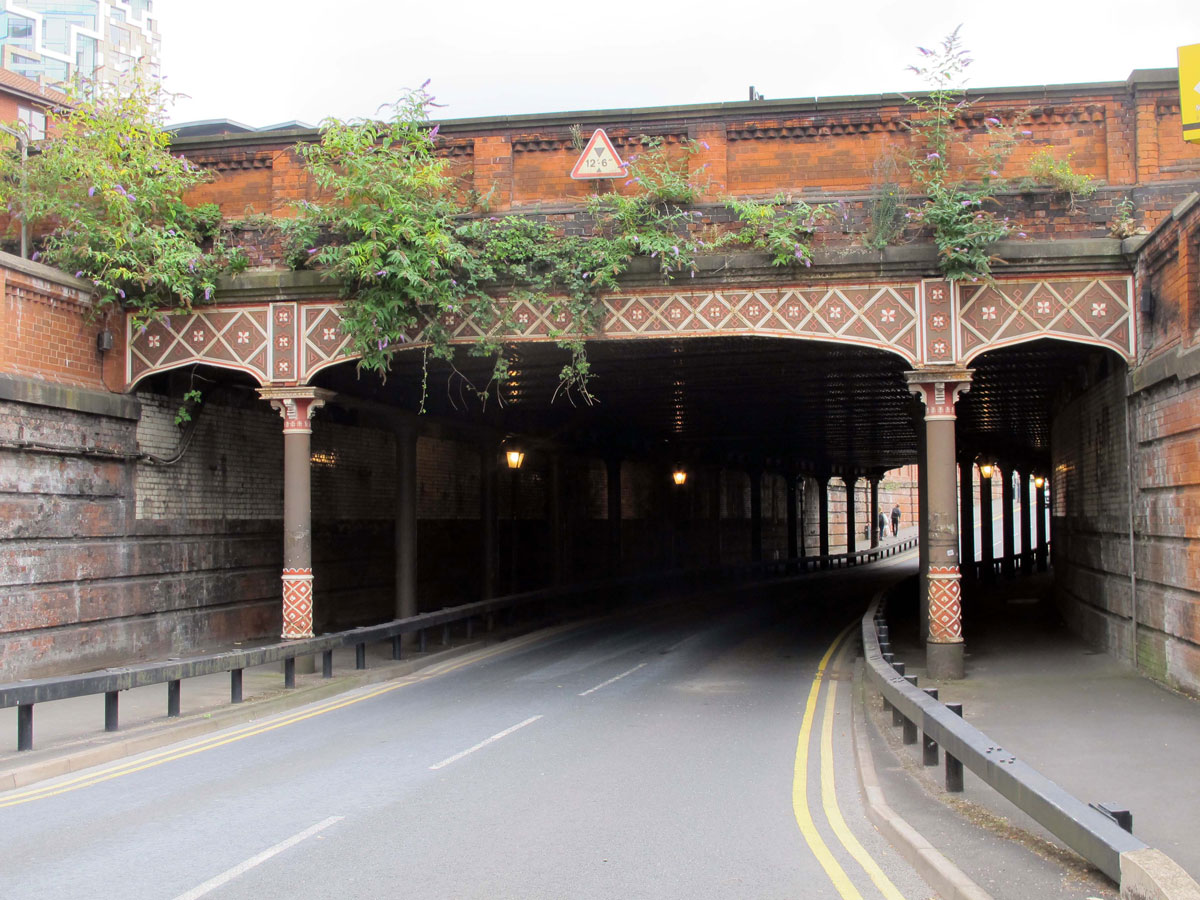
- The Tunnel taking the Old Main Line Canal under Broad Street from Gas Street Basin
-
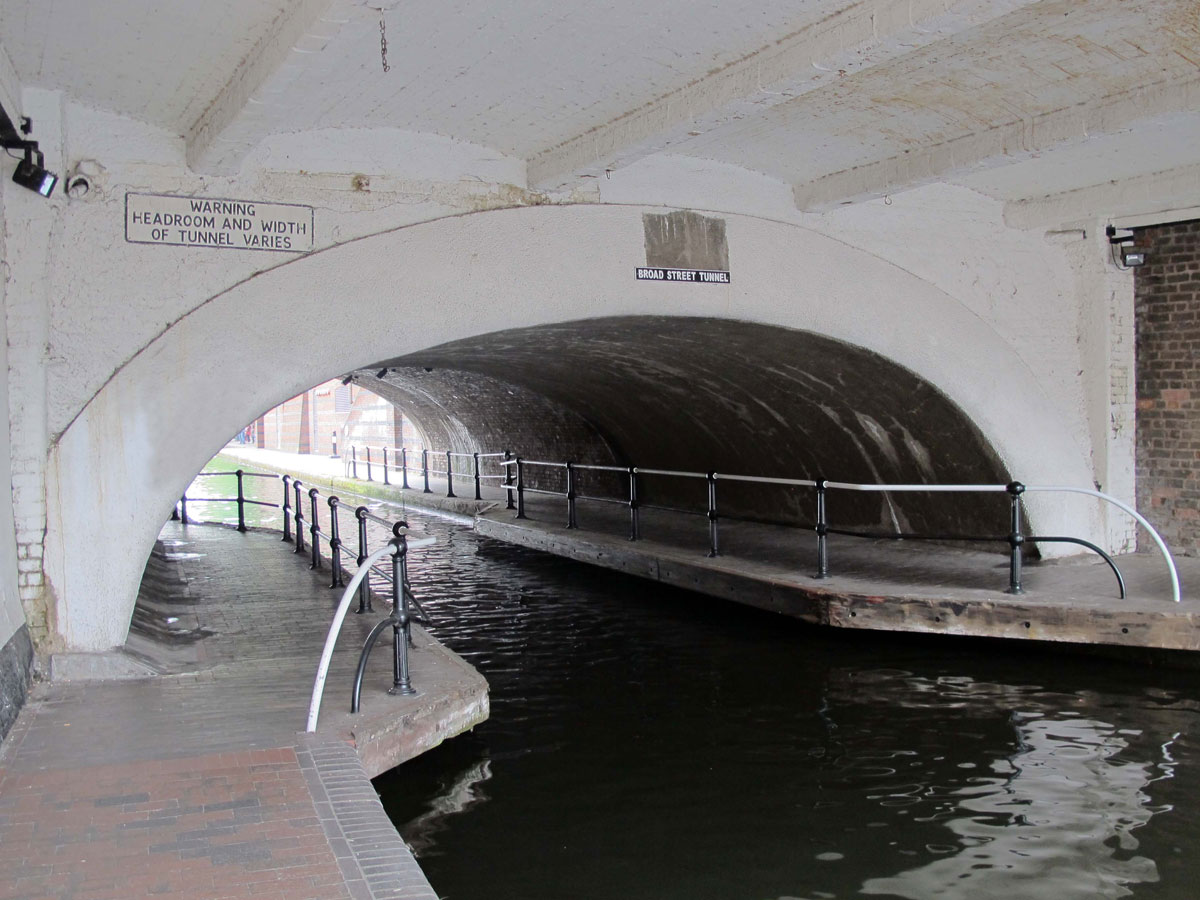
- Broad Street Tunnel
The final gallery is of the Old Main Line between the Broad Street Tunnel and the Old Turn Junction with the Birmingham and Fazeley Canal.
-

- Broad Street Tunnel from Sherborne Wharf
-
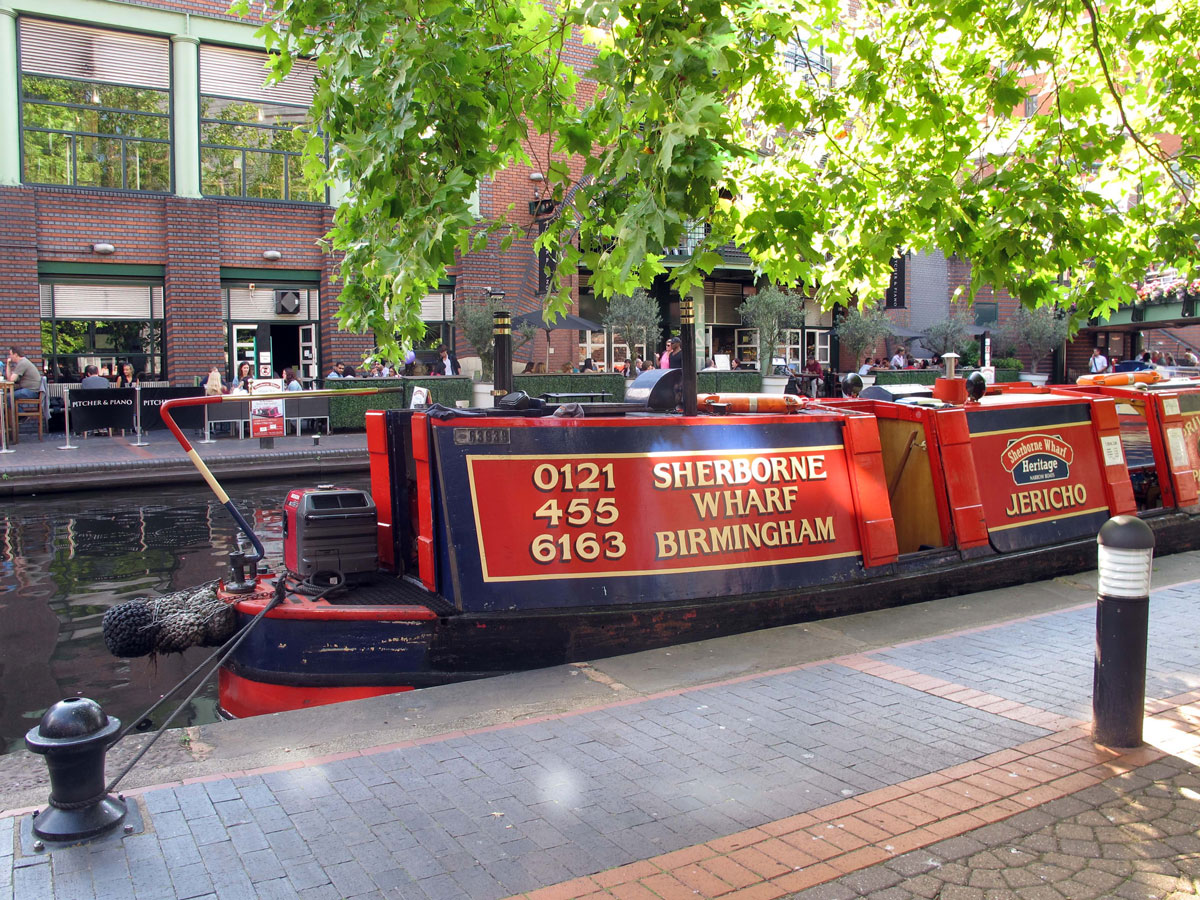
- Sherborne Wharf
-
- Brindley Place Footbridge

-
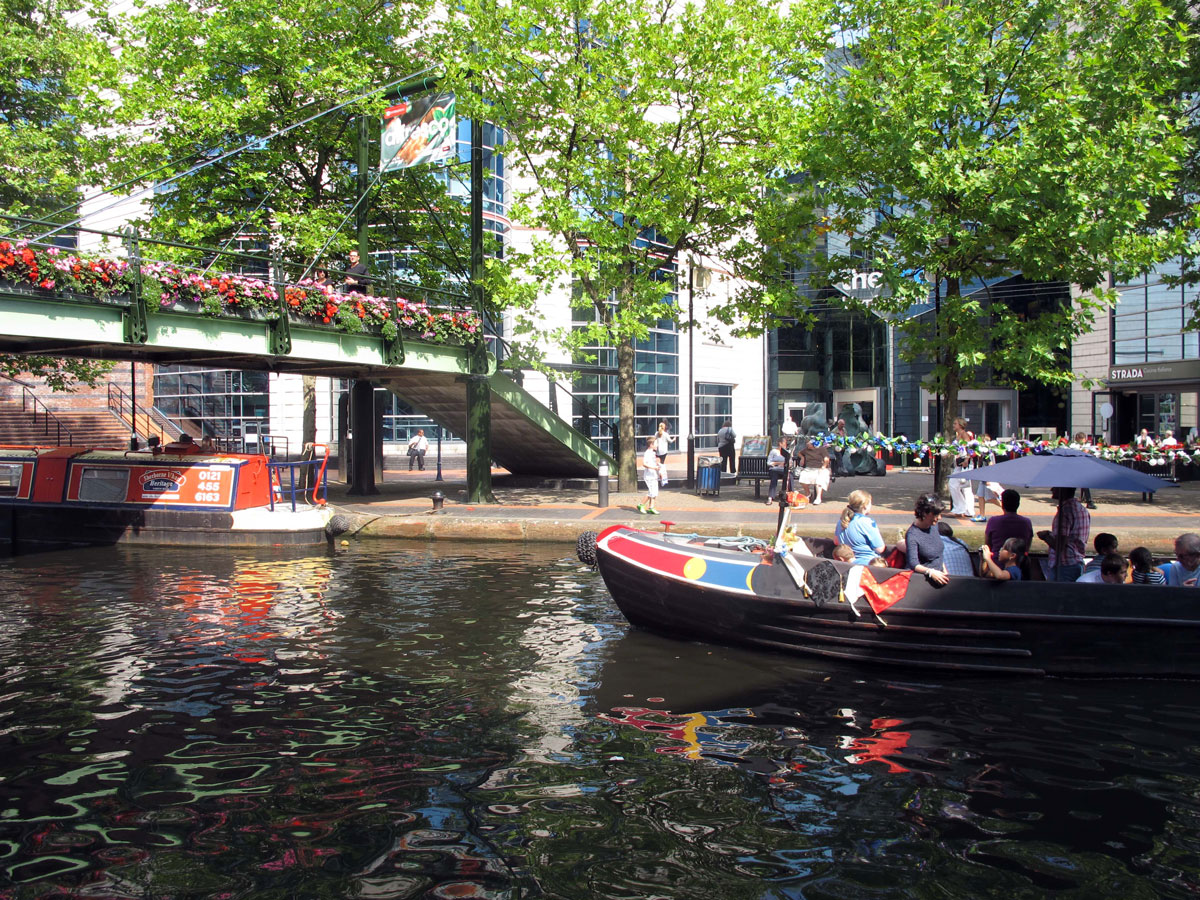
- The International Conference Centre (ICC)
-
- Old Turn Junction
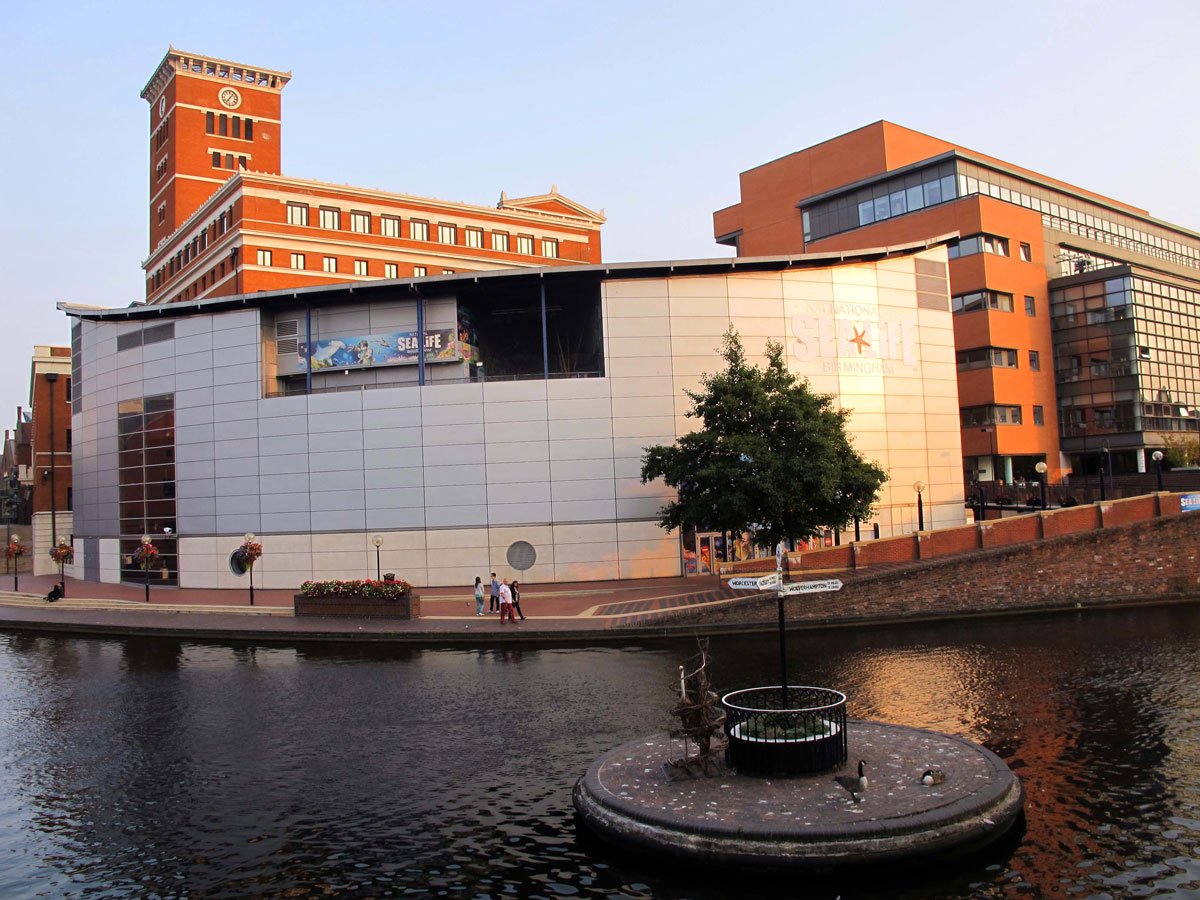
-
- The National Sea Life Centre
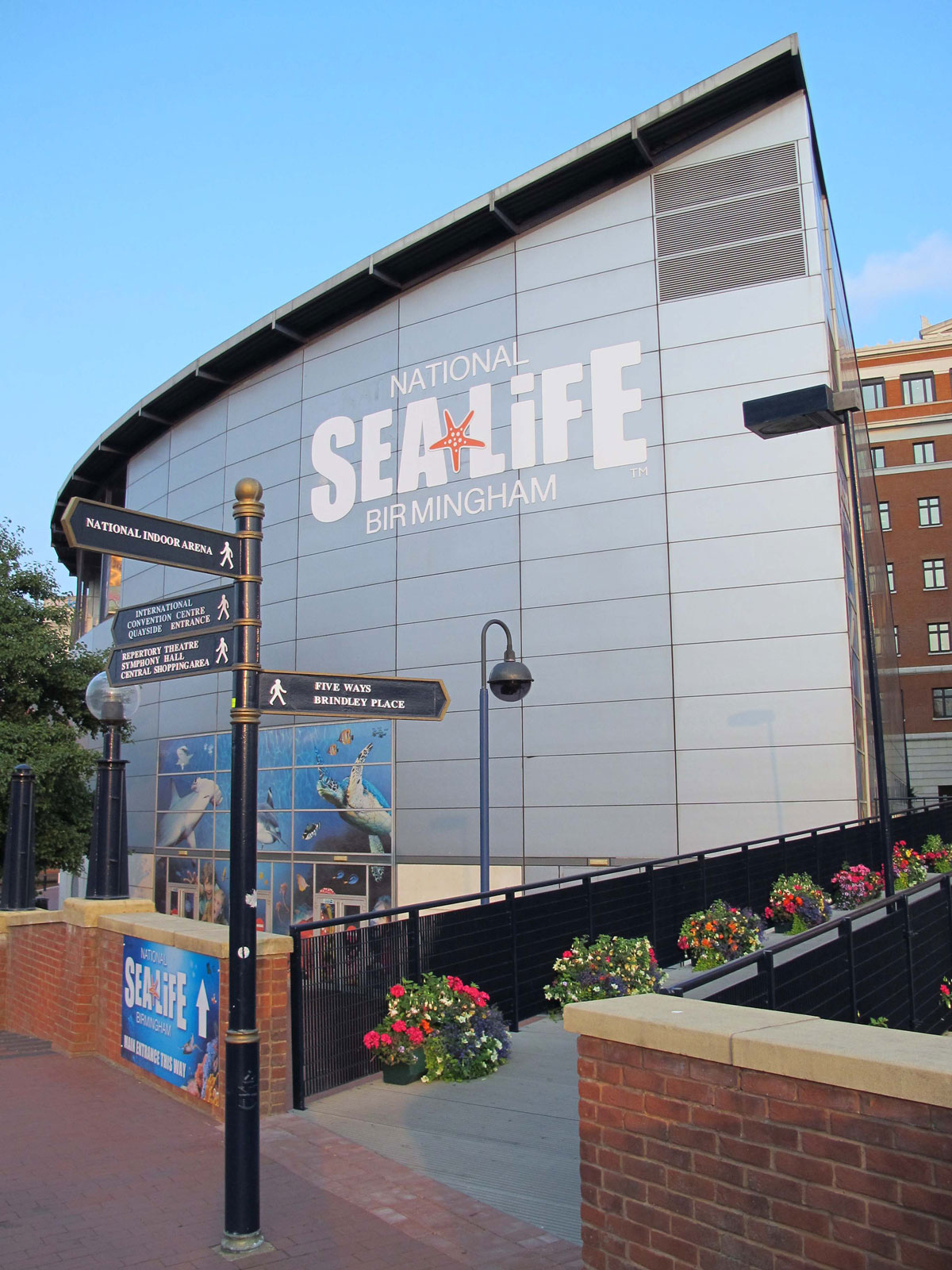
-

- The Malthouse Pub at the Old Turn Junction
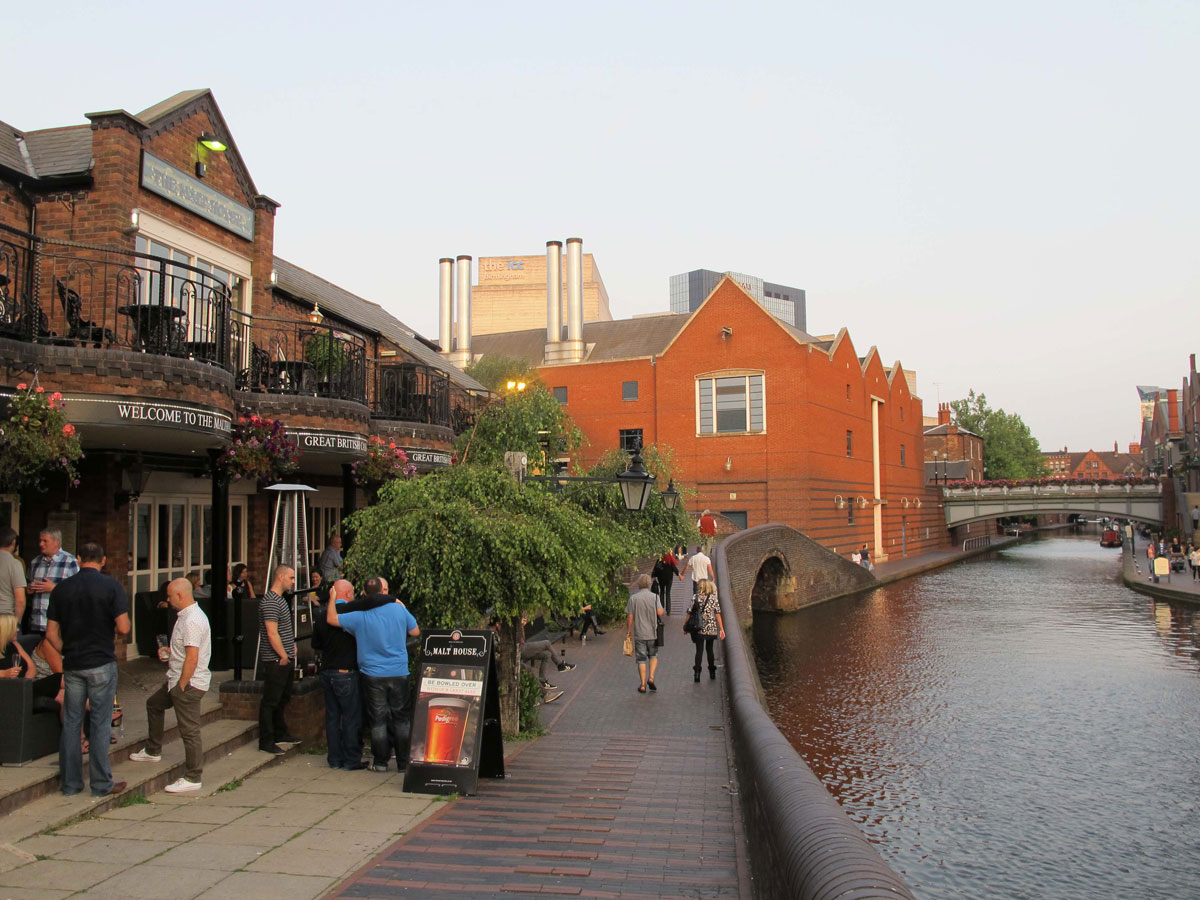
-
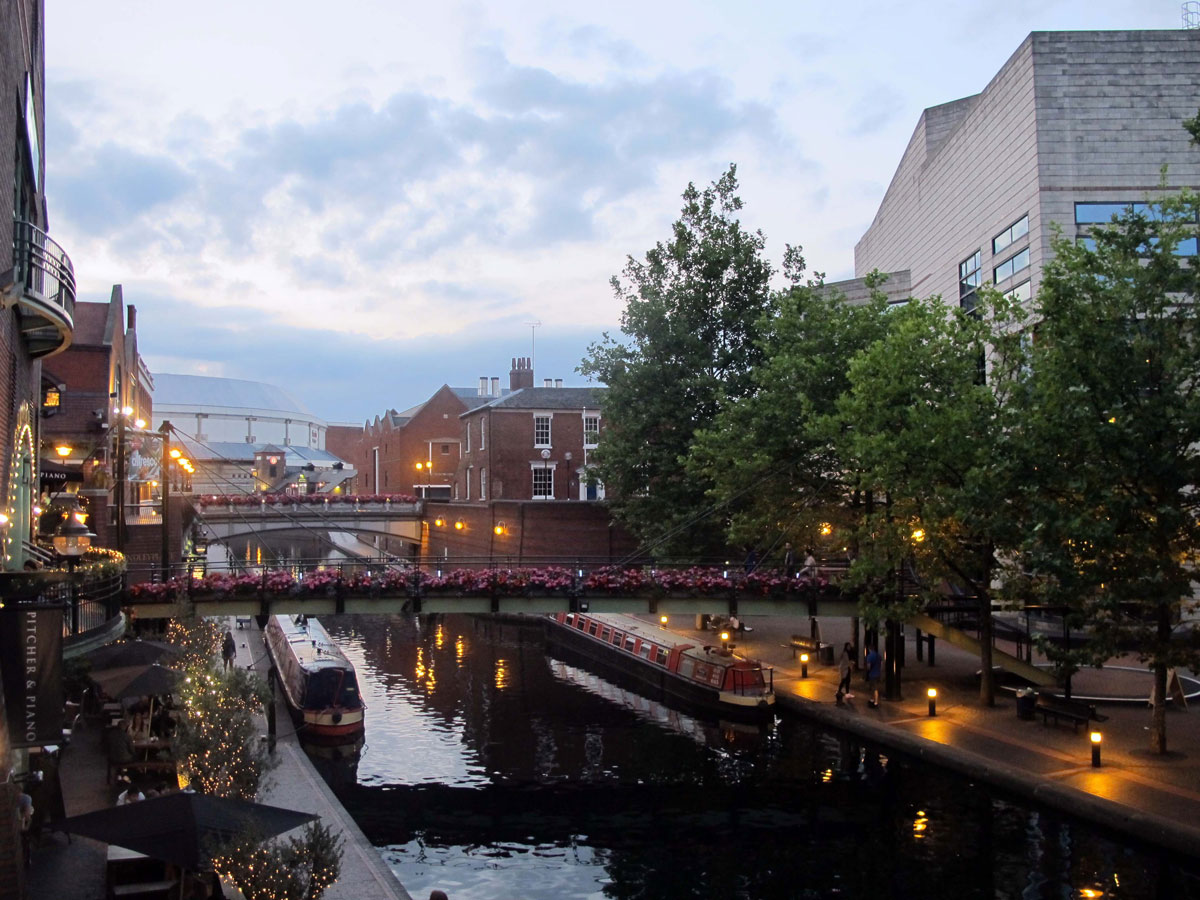
- Eveningtime on the Old Main Line Canal
POSTED – APRIL 2026
Interesting read Malc, friends of ours have a narrowboat and I’ve often thought about having a canal boat holiday. That canal boat diaries programme is very relaxing viewing I find
Whether it’s relaxing in practice I’m not sure about, but it certainly looks it. Thanks for commenting Jim.
Another great post Malc. Always history so well told. AND what great pics. I felt I was there actually.
Thank you so much Shey 🌟
You are so very welcome Malc. It is another brilliant post, informative, pally, chatty. ….and I like canals.
🙏 It’s good that so many of them have been restored for leisure purposes Shey.
I could see that from the pics and I think it is brilliant. A city must find its way forward whatever. They look like the kind of place to spend a damn good afternoon in actually. And that is the kind of place I like. I am glad you said so first! Lol. Years ago when a few of us hired a boat on the Norfolk Broads, as we blithely got marooned, rammed peers, drifted with a broken engine towards yachts, sprinted along the decks of neighbouring boats, berthing rope in hand when the engine wouldn’t stop, we found the leisure purposed stops the best……
The mind is already boggling Shey 🙂
Well I’ll just say it was quite a trip. The engine also went on fire at one point and this Blakes’ eedjit at Ranworth Broad, where we had to be rescued and towed in eventually by a guy who was plainly bricking it, after we ‘d also lost the anchor cos it wasn’t attached, in the middle of this dreadful squall, said it was just steam. So I said, ‘Well I’ve never seen steam like that coming aff a kettle.’ Anyway eventually Blakes admitted the engine was faulty. As for what the Blakes’ eedjit was doing at Ranworth Broad, well it was about the only place with a Blakes’ manned, ‘Do you have a problem?’ kiosk.
Not familiar with Ranworth Broad but it’s lovely canal teritory all around there – unless something goes wrong 🤣
I hope you got my reply… It involved Ranworth Broad
I have fond memories of a day out in Birmingham with former blogger, Lucid Gypsy, Malc. I’ve always loved canals but this one is special to me xx
It’s always a bonus to hear that one of my blogs have brought back some good memories Jo.
Wonderful post. Beautiful photos. So much history and so different from NM.
Thanks Timothy. Your words are really appreciated.
When I used to occasionally work in Birmingham I had some good nights out in canal-side pubs, so it was interesting to learn something of their history – and an explanation of the name of Brindley Place!
It’s definitely a good place to go for an evening out in Brum Sarah.
I absolutely love this post Malc. Reminds me a bit of school history lessons but this is much more interesting and tells me more than those lessons did. You got some great photos too. I like watching Canal Boat Diaries at the weekends and on one of the recent programmes, although it was a repeat, the guy was going through Birmingham on his narrowboat. I’m just waiting for some more settled and sunnier weather so I can resume my canal walks, I’m itching to get back out there. Thanks for the glowing mention by the way, I feel quite honoured 😊
Glad you enjoyed it Eunice and you’re more than welcome re the mention 🙂