Following in The Beatles Early Footsteps - Pt 6 Becoming the Fab Four
In Part 5 of this series I wrote about how The Beatles left Liverpool for Hamburg with the hope of branching out into the big time, and for a while, through perseverance and hard work, things had gone well. They became popular with the Hamburg music crowd, but the euphoria wasn’t to last and it all ended up on a sour note.
The Hamburg club scene was run by a tough no-nonsense set of characters and not the sort of people you would want to cross – but that’s exactly what The Beatles did. Instead of setting the world on fire as they were hoping for, they were accused of trying to set fire to the Bambi Kino instead. It didn’t matter that it was a trumped-up charge, because the man they were under contract to in Hamburg, Bruno Koschmider, made sure that they would never work for him again by supplying the local police with enough evidence to get them deported.
On November 21st (1960), George was the first to be kicked out because he was underage, Paul and Pete were next to go for their involvement in the Bambi Kino incident, and John limped home alone a dejected man after his work permit had been confiscated. Stuart stayed on in Hamburg with Astrid until January, but by now their dreams were in tatters.
Back in Liverpool, they had all returned to their family homes, including John, who went back to Mimi’s. Paul had even got a job, and for a while they never even bothered to get back in touch with each other. They must have been feeling down to say the least.
They may have been down, but they weren’t out, and in this final part of Following in The Beatles Early Footsteps, I’m going to explain how they finally became the ‘Fab Four’.
While the group were in Hamburg, Neil Aspinall, who had been a friend of George and Paul, and now a close friend of Pete, moved in as a lodger above Mona Best’s Casbah Club. When he heard that The Beatles were returning to Liverpool he stuck posters up everywhere, and on 17th December they did their first gig back in Liverpool at the Casbah, with Chas Newby (who had been in the Blackjacks with Pete) playing bass in place of Stuart.
The boys played the gig as much for Mo as for themselves, but at least they were back performing again. They always went down well with the Casbah crowd before going to Hamburg – and the fans loved them even more when they saw how good they were now. After an appearance at another old haunt, the Grosvenor Ballroom in Wallasey on Christmas Eve, the group were lined up to play on 27th December at Litherland Town Hall, a venue about 5 miles north of Liverpool city centre.
The engagement was arranged by Bob Wooler, an acquaintance of Allan Williams, and an influential character on the Liverpool music scene. Being a civic building, the town hall was able to hold a lot more people than most other local venues, and there were 1,500 people there the night they went on stage.
The North Liverpool crowd were not too familiar with The Beatles, and when the poster advertised them as ‘Direct from Hamburg’ they were expecting a German group. Paul started the proceedings by belting out Little Richards’ Long Tall Sally. The song may have been a rock n’ roll classic but the crowd hadn’t heard it performed like this before – and there was more to come. The group by now, had left their skiffle days behind, and even though they were ‘Rockers’, they had their own unique Beat style that was so different from mainstream British acts such as Tommy Steel and Cliff Richard. What started out as just another night of music and dancing, became a night which Paul McCartney described as his “most memorable gig” of their career. That statement may seem hard to believe, but it was a night when the crowd stopped dancing and the girls started screaming. Their Hamburg apprenticeship had served them well after all. Beatlemania was born at the Litherland Town Hall.

Although he was asked to become a permanent member of the group, Chas Newby declined, and his fourth and final appearance came at The Casbah on New Year’s Eve. At their next appearance in the Litherland Town Hall on 5th January, Paul played bass guitar for the first time, and even though Stuart returned from Hamburg later in the month, he hadn’t been well and only made the occasional appearance. The Beatles were now back to being a four-piece group with John, Paul, George and Pete.

The Beatles weren’t the only group in town and there was some strong competition between them. One of John Lennon’s old classmates, Bill Harry, created a popular music paper called the Mersey Beat, a name that was to become synonymous with the unique style and sound that came out of Liverpool.
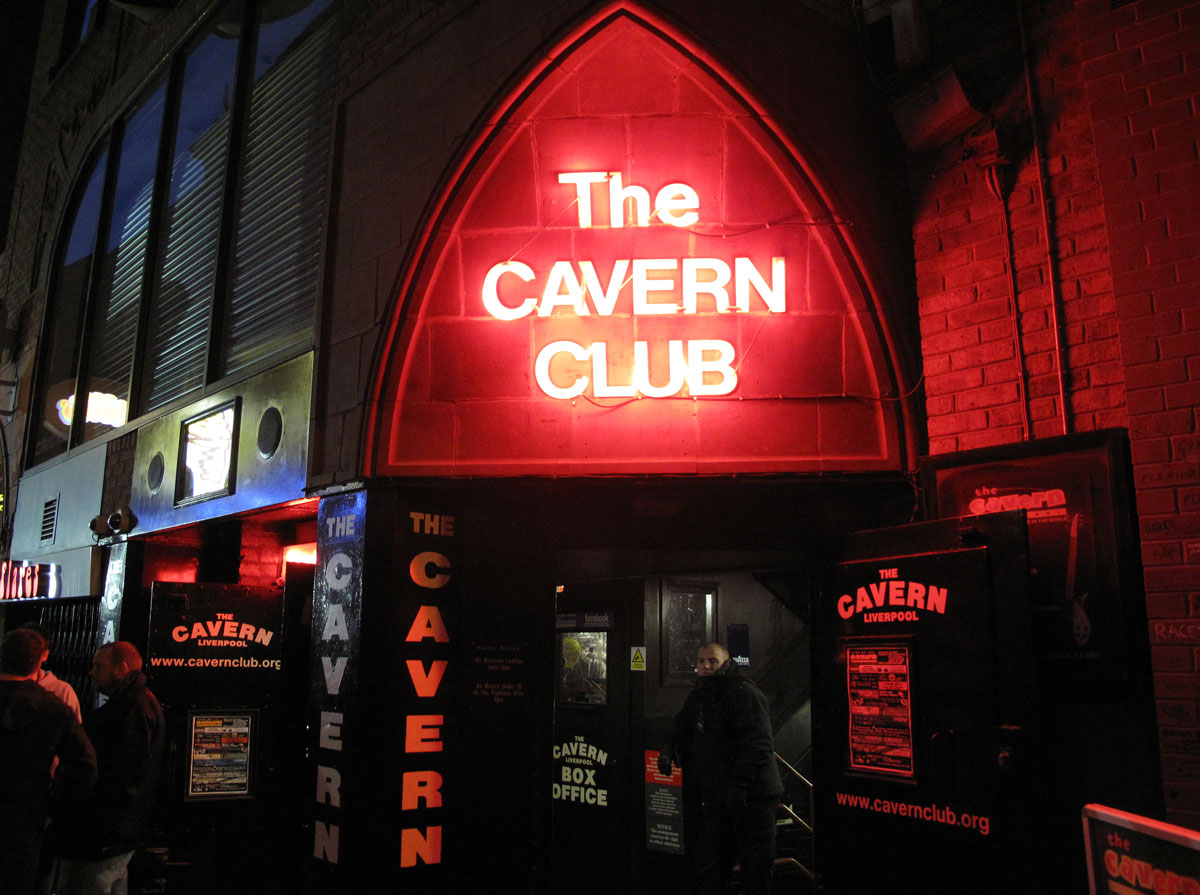
Like most of Liverpool’s ‘Beat Groups’, The Beatles played at venues in the suburbs, and they had really outgrown places like The Casbah. In the city centre, The Cavern had been the main live music club since 1957 when Alan Sytner opened a jazz club in the cellar of a fruit warehouse in Matthew Street, and that’s how it remained until Ray McFall bought it in 1959.
Gradually, he started to introduce Beat Groups like Rory Storm and the Hurricanes who were the most popular act at the time. In January 1961, Ray asked Bob Wooler to become the compere and DJ at the Cavern, and as he was also responsible for organising the lunchtime sessions, he arranged for The Beatles to do a slot. Although John had performed with The Quarrymen at the Cavern in August 1957, their appearance at the lunchtime session on 9th February was the first performance at the Cavern by The Beatles as a group, earning them the princely sum of £5.
The Cavern was where The Beatles started to become famous, but there were a few more twists and turns (or should that be Twist and Shouts?) to come first.
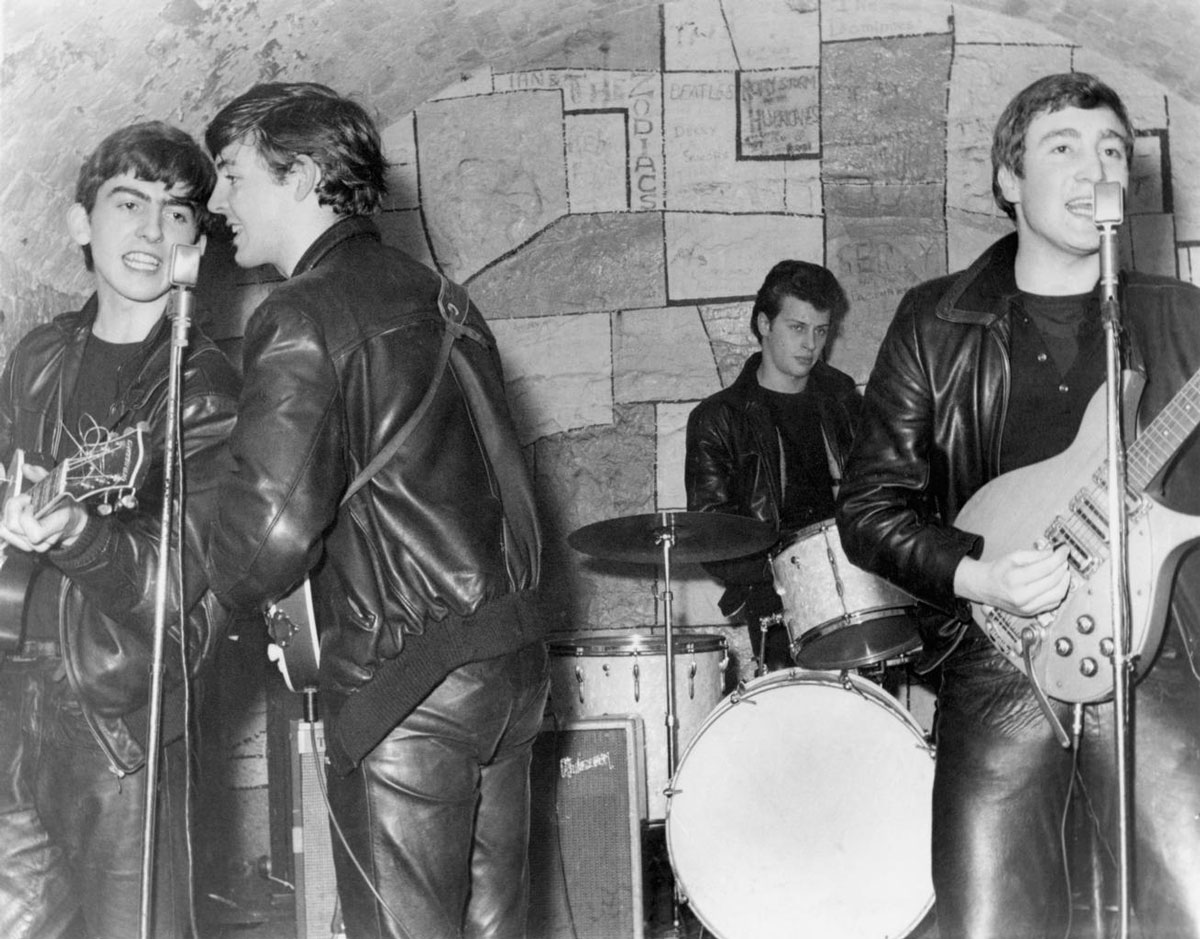
The Beatles were now becoming recognised as the best band in Liverpool, but in March they were heading back to Hamburg. Stuart was the first to return. His love for playing music in the group had begun to wane, but his love for Astrid hadn’t, and on the 15th he left for Germany: By the end of the month, John, Paul, Pete and George (who was now 18) had joined him. To help their return run smoothly, Astrid and Peter Eckhorn at the Top Ten club made sure that all their permits and paperwork were in order this time.
They worked at the Top Ten until the end of June, and apart from recording My Bonnie with Tony Sheridan for record producer Bert Kaempfert, nothing out of the ordinary really happened. Stuart attended the recording session but didn’t take part, and when the rest of the group went back home on 2nd July, Stuart stayed with Astrid in Hamburg and continued to pursue his artistic career.
Back home in Liverpool, The Beatles continued more or less where they left off. They were now the main group performing at the Cavern but they were still using the Casbah as their base, with Neil Aspinall ferrying them around in his car, and effectively becoming their road manager. They were doing ok but they knew they could do better, then something happened that might have seemed innocuous at the time, but was to have far-reaching consequences for their career – and consequently for the history of 20th century music.
On October 28th, Raymond Jones, an 18 year old Beatles fan, walked into his local NEMS (North End Music Store) and asked for a copy of My Bonnie by The Beatles. Behind the counter was the shop manager, Brian Epstein, who was more of a businessman than a lover of pop music, and although he didn’t have the record in stock he said he would get it in, which, having been produced in Germany, wasn’t as easy as it sounds.
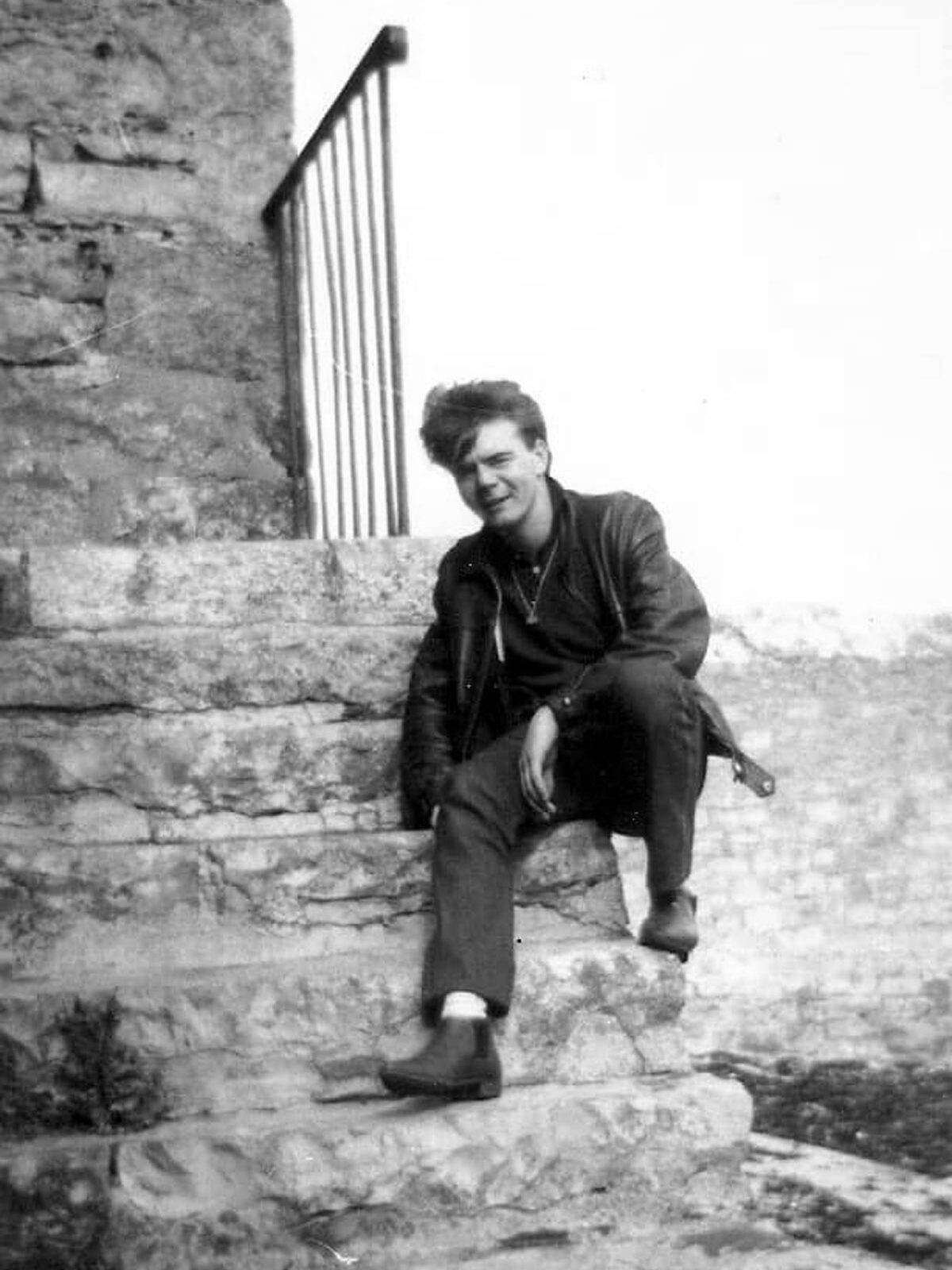
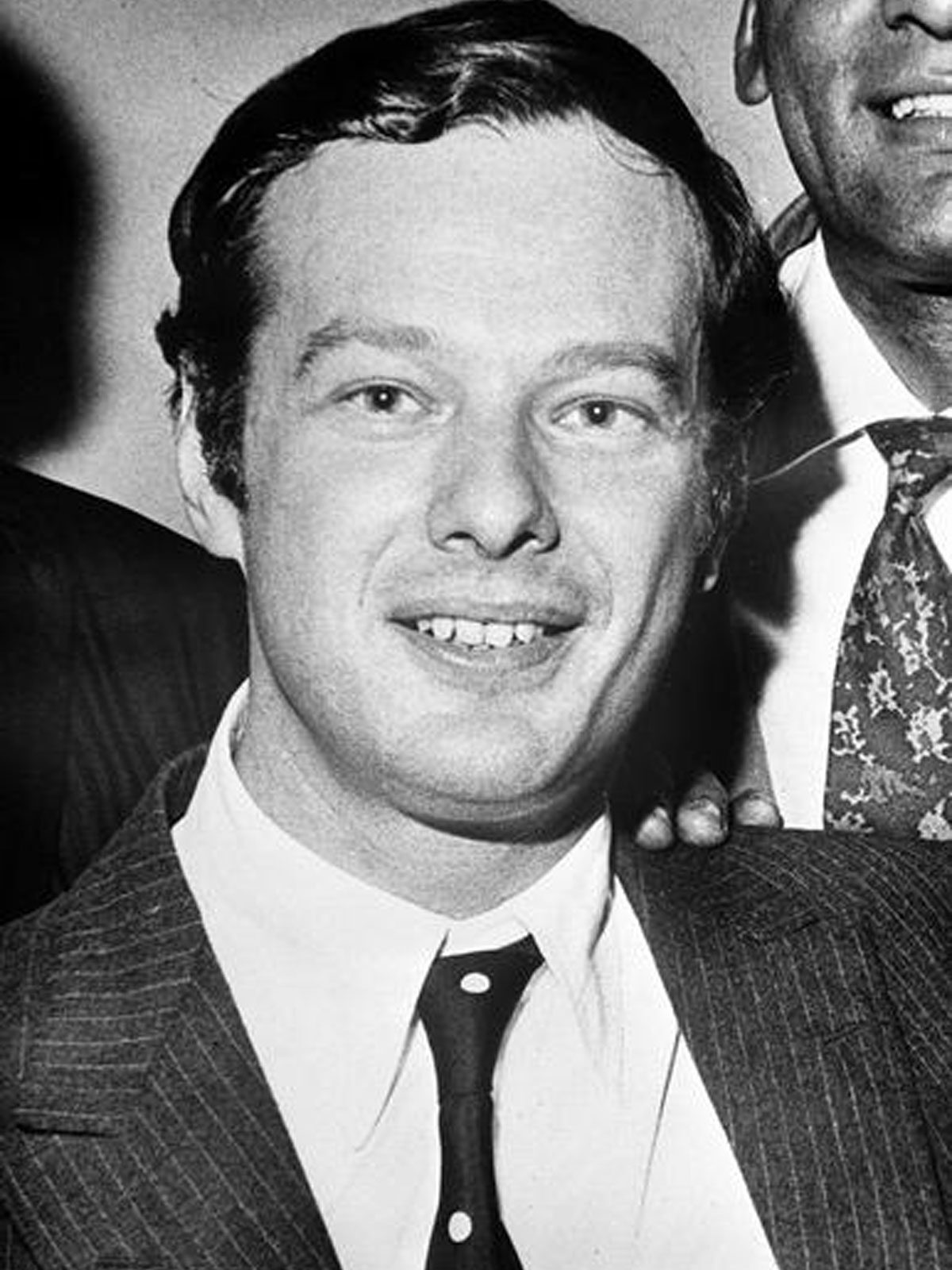
Brian Epstein has gone on record (no pun intended) as saying that he didn’t know anything about The Beatles before Raymond Jones’ request, but he must have seen their faces plastered across Bill Harry’s Mersey Beat music papers that he kept in his shop – and they had even been in his store. The truth is that they probably just hadn’t registered in his psyche – at least not until now.
The more he began to learn about them, the more intrigued he got, and on the lunchtime of November 9th, thanks to Bill Harry making the arrangements, Brian Epstein found himself out of his comfort zone and wandering down into the “dark, damp and smelly” Cavern. If he wasn’t overly impressed with the venue, the deafening sound coming out of the amplifiers didn’t improve his liking for where he was either, but he wasn’t here for pleasure, he was here on business.
For somebody whose musical tastes were geared more towards Sibelius than the Sex Pistols, he must have stood out like a sore thumb in his smart suit and tie in amongst all these teenagers, but Bob Wooler introduced him over the microphone as Mr Epstein of NEMS and asked the audience to welcome him to the club. When The Beatles arrived on stage, Brian saw an unkempt leather clad bunch of lads larking around, but he also saw something that was different from anything else he’d come across before. Although the Cavern didn’t have a licence to sell alcohol, the group’s music and charisma was enough to intoxicate the audience without the need for it. After their performance was over he got the opportunity to speak to them when George sarcastically asked “And what brings Mr Epstein here?” to which Brian replied that he’d had a request for their record but didn’t know who produced it. It was his first encounter, but it was definitely not going to be his last.
After several more visits to the Cavern, Brian had fallen under their spell just like everyone else. They had an aura about them that was difficult to describe – one in which he was keen to harness. Although he didn’t have any experience at managing anybody except a few salespeople in his music store, he thought that if he was able to look after The Beatles, then he would be able to make them more professional, and success would naturally follow. When he realised that Allan Williams was no longer interested in the “unreliable” Beatles, he invited them along for a chat at his NEMS store, which was not far from the Cavern in Whitechapel.

Discussing the ideal of Brian Epstein managing The Beatles was new territory for all of them. The group had a stark choice: Did they want to muddle along just doing things the way always had, or did they want someone who was capable of moulding them into a professional outfit? As it stood, they didn’t have anything much to lose, but for Brian it would be different. If the venture didn’t succeed, then he stood to lose a lot of his own money, as well as his reputation as a sound businessman. After their get-together at NEMS they agreed to meet up again and pursue the idea further.
In the meantime, Brian was getting in touch with his contacts in the record business to find out what he needed to do to manage a pop group. It started off promising enough when Mike Smith, his contact at Decca records, offered Brian the chance to bring the group down to London for an audition. The date was set for January 1st 1962, but going for a recording interview on New Year’s Day wasn’t necessarily the best time to do it, and their recording career ended before it had even begun.
Even though they must have all been disappointed with their first attempt at getting a recording contract, The Beatles were happy enough to go along with Brian as their manager, and on 24th January they signed a contract at The Casbah in front of Brian’s PA Alistair Taylor, but Brian himself never did sign it. In his memoir, A Cellarful of Noise, he claimed that it allowed The Beatles to walk away if he didn’t get them a recording contract, but call me a sceptic if you like, but I suspect that he was really thinking of his own skin rather than theirs.
Meanwhile, the group carried on playing the Cavern and other Liverpool clubs feeling confident that it wouldn’t be long before Brian would come up with the goods.
The Beatles were right to feel optimistic about the year ahead because by the end of 1962 Brian’s perseverance had paid off and they were beginning to look, as well as sound like, a professional outfit – but they hadn’t finished their apprenticeship yet.
That apprenticeship had already included two trips to Hamburg and there were still more to come. In fact, they made a total of five trips to Hamburg, and the third was to begin in April after Brian had negotiated a deal with the Star Club.
The negotiator for the Star Club was Horst Fischer who had become friends with The Beatles while he was working for Bruno Koschmider at the Indra and Kaiserkeller. He also worked for Peter Eckhorn at the Top Ten, and now he was working for Manfred Weissleder, another big name on the Hamburg club scene.
The group flew out to Hamburg on 11th and 12th April in preparation for playing on the club’s opening night – Friday 13th. It should have been an omen because on the day before the first three left they received some devastating news: Stuart Sutcliffe had died of a brain haemmorage in Hamburg. He had been suffering from headaches, and had collapsed on at least two occasions at his Art College, leaving Astrid and her mother to monitor his mood swings. Even so, it still came as a shock when it happened.
None of the group attended his funeral, including his best mate John. They never showed any outward emotion, but Astrid said that the boys were a great source of comfort to her during this time. Whether they felt that they had an image to uphold or not I don’t know, but it’s said that John grieved in private. Everyone has their own way of dealing with these things don’t they?
The Star Club, over time, became the most renowned music club, not just in Hamburg, but in the whole of Europe, with many big names appearing here on a regular basis: From America came Little Richard, Jerry Lee Lewis, the Everly Brothers, and even Ray Charles – to name but a few. British groups and bands included the Small Faces, Spencer Davis Group, Black Sabbath and so many more – and I haven’t even mentioned the Liverpool groups such as Gerry and the Pacemakers, The Searchers and Billy J Kramer and the Dakotas yet – but The Beatles were here first.
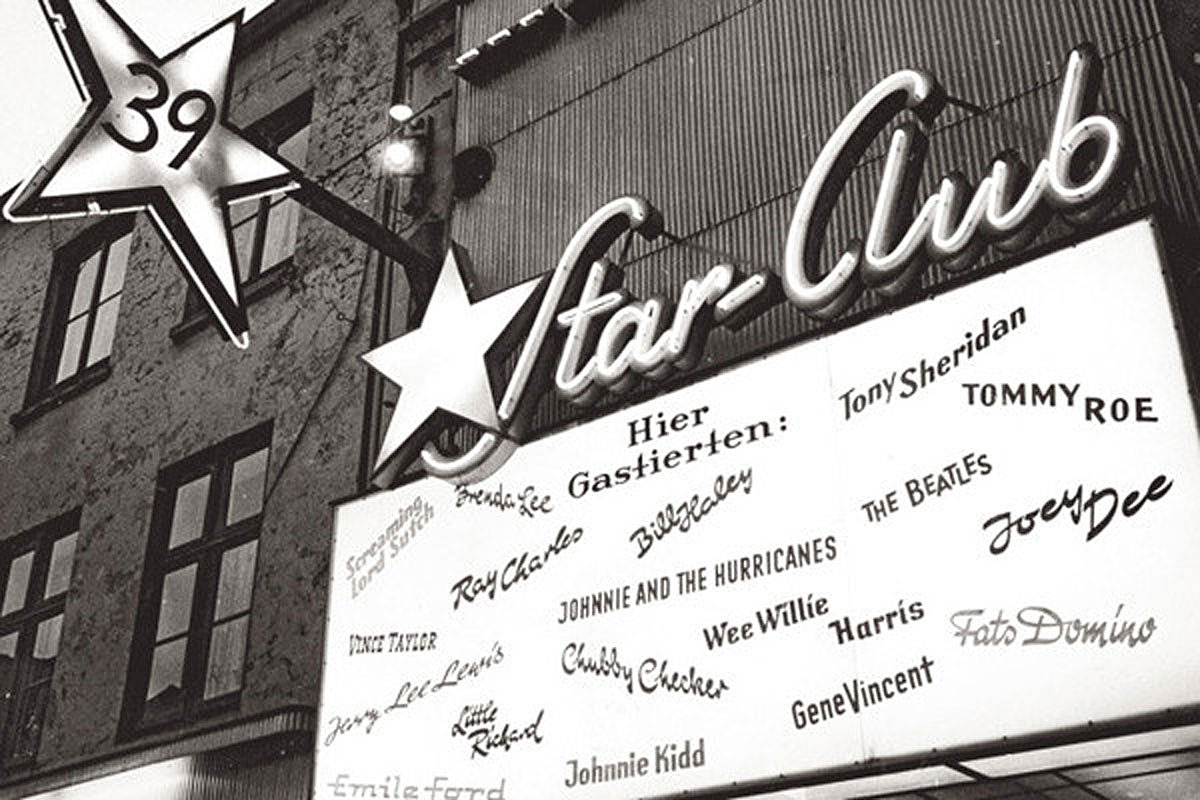
Their contract at the Star Club was from 13th April until 31st May, and while they were busy playing music, Brian was in England desperately trying to get somebody interested in recording them, but it had been a real uphill struggle. He finally struck a chord with a contact he had in London’s HMV record store in Oxford Street, who, through his own contacts, managed to get him an appointment with George Martin at Parlophone. After listening to what Brian had to offer he agreed to give the group an audition, which was to take place on 6th June at the EMI studios in Abbey Road, St John’s Wood.
The audition went much better this time, but George Martin didn’t give much away except to say that he would be back in touch. In the meantime they carried on playing the clubs of Liverpool with Brian trying to get them work elsewhere, but with little success. At the end of July Brian finally got a reply from the record producer who said that he wanted them to sign a contract with Parlophone. Success at last! Naturally, they were all ecstatic – all except Pete that is, who didn’t hear about the news until later.
The reason that Pete hadn’t heard the news was because the other members of the group didn’t want him as their drummer anymore, and it was left to Brian to tell him so. There’s no doubt that Brian felt terrible about the whole thing, especially as he had got on so well with Pete, and what made it worse was the fact they were about to hit the big time. None of them knew how big they were going to become of course, but they knew they were on their way to start fulfilling their ambitions. There are several theories as to why they didn’t want him, but basically it seems that the main reason was that he was a bit of an introvert and didn’t quite fit in with the other three, but there was somebody who would – Ringo Starr.
Most of the Liverpool groups knew each other, and Ringo had known the other Beatles for quite a long time – in fact he had even stood in for them on several occasions, both in Liverpool and Hamburg when he was with Rory Storm and the Hurricanes. There was no doubting his ability as a drummer but his new status was never going to pacify Pete Best’s fans of which there were many. Indeed, there was quite a lot of trouble over the way the group had treated Pete, but on 18th August Ringo made his first appearance with John, Paul and George at Hulme Hall, Port Sunlight.
While they were changing drummers, John married Cynthia Powell, his girlfriend from Art College. It wasn’t planned, it was because Cynthia found herself pregnant. They were married at Mount Pleasant Register Office with just a few guests and a pneumatic drill hammering away outside. Mimi didn’t go because she didn’t approve of the relationship, and it would have been a surprise if she had, although she did let them live at Mendips after Brian Epstein had put them up temporarily in his flat.
The marriage was kept secret and on 4th September the ‘Fab Four’ went down to London to record their first disc, which didn’t quite end up as George Martin had planned. He expected them to get a number one hit with a song that he had chosen for them called How do you do it written by Mitch Murray, but it wasn’t their kind of music. They did an arrangement to keep George happy, but in the end their own composition, Love Me Do came out as their first single with P.S. I love You on the B side. George gave How do you do it to Gerry and the Pacemakers who had a number one hit with it in April 1963. The Beatles finally released their version on the Anthology 1 album in 1995.
On 1st October, John, Paul, George and Ringo signed a new contract, this time with Brian Epstein’s name on it. Four days later they released Love Me Do which reached number 17 in the charts, and was a decent showing for their first record.
Although they fulfilled their commitments with local venues and their final two contracts with the Star Club in November and December, their minds were really elsewhere. They were beginning to get radio and TV appearances and bookings outside of Liverpool. On 11th January 1963 they released Please Please Me as their second single which reached No 1 in the New Musical Express and Melody Maker charts (but not the Record Retailer chart). The album of the same name was released on 22nd March, and this time the record not only reached No 1 in the Record Retailer chart, but also stayed there for a record 30 weeks.
Meanwhile the group embarked on a series of tours around the country, and with more No 1 singles – From Me to You, She Loves You and I Want to Hold your Hand, 1963 was to become a massive year for The Beatles. They also had a No 1 in the EP (Extended Play) charts with Twist and Shout.
With all the fame that was now following them around, they were beginning to outgrow Liverpool, and on 3rd August the inevitable happened when they played their final performance at the Cavern. According to Bob Wooler, The Beatles made 292 appearances there between February 1961 and August 1963.
On 22nd November they released their second album, With the Beatles, which launched them into the stratosphere. It was only a matter of time now before they would become international stars, and at the end of 1963 and beginning of 1964, they started to visit places like Stockholm and Paris. On 7th February they landed at JFK Airport in New York – and the rest as they say, is history.
This final post is really just the end of the beginning, and as we all know there was plenty more to come from the Fab Four. In My Life John sings
There are places I’ll remember
All my life though some have changed
Some forever, not for better
Some have gone and some remain
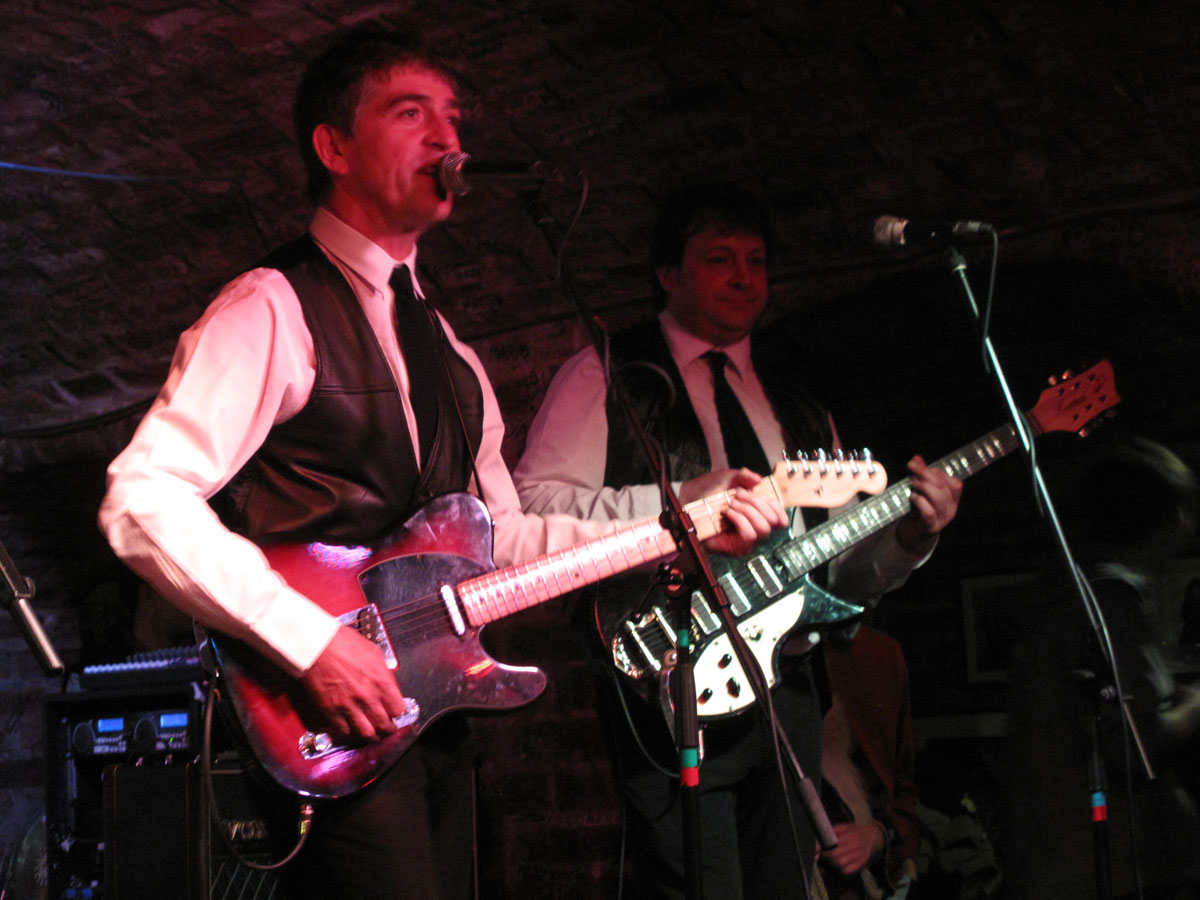
Some of those original places that are gone are the Cavern Club in Liverpool and the Star Club in Hamburg. The Cavern has been recreated, and is still worth a visit, especially if you can catch a Beatles tribute band performing.
I can’t possibly end this part of their story by not mentioning some of the sources of information that I’ve used for these blogs. To begin with, I have to bring The BeatlesBible.com to the attention of Beatles fans. It really is a Beatles Bible. My other sources include the Hunter Davies authorised biography of ‘the beatles’, Spencer Leigh’s books about the Beatles in Liverpool and Hamburg, and internet sources too numerous to mention. Also, I can’t leave without a mention for Peter in Hamburg, Mark, our taxi driver in Liverpool, and of course, Pete Best’s brother, Rory, at the Casbah.
Finally, I think it makes sense to finish with a clip of The Beatles in action, and the YouTube video below was taken from the film A Hard Day’s Night. I hope you’ve enjoyed Following in The Beatles Early Footsteps, and thank you for following even if you haven’t.
Originally posted 2022-06-20 17:22:13.
Oh I relaly enjoyed that. Again a perfect storm of the times. And actually Ringo as a name completes the line up. No disrespect to poor Pete but it does.
The other three knew it deep down too!
Brilliant !!
Ringo missed a lot of school as he was always very sick, but he’s over 80 now and stll going strong. Strange how life works out isn’t it?
it is actually. Never the way you think, or people think.
This is a great post Malc! I am sorry I had missed it but something told me to look in your site for more of the BEATLES story and there it was! Great info and great pics. It was a lovely combination, guided by destiny, that the lads should fall into the hands of Brian Epstein and that Ringo replaced Pete and that George Martin came into the picture. Their path to fame and history was thus paved perfectly. You know, although for me all BEATLES albums are my favourite albums, I really love With the Beatles and find myself remembering and singing those songs a lot. A great history you have written and great sources you’ve used. Cheers my friend!
I’m glad you found it Francesc as I know how big a Beatles fan you are. Life is full of ‘What ifs’ and The Beatles had a lot of twists and turns along their path to stardom. Talking of destiny, today my wife’s sister suddenly died, and it was through her and my mate that I met my wife on a blind date.
As for not seeing my post, I’ve been on the verge of discarding WordPress Reader altogether because I keep having trouble with it – probably because I use a different platform to most people.
I am sorry to hear about your sister in law Malc. But you’re right, destiny is something we cannot figure out. And your whole Beatles series was beyond phenomenal! Cheers Malc. All the best!
Thank you Francesc.
Hi! again malc…another promt to answer :)) in 1967 I was milking cows near Widecombe and thought the Beatles could make a more thoughtful film than they had so far…so I started to send some ideas to john..of course no reply…then I read in the paper they were coming to the West country to make the Magical Mystery Tour
so I took a weeks hol. and drove to Cornwall not having any idea where they were…on the second day I saw them on a cliff and John was just talking to a dog…I thought this is rediculous and drove back to Dartmoor ( only a couple of miles from the bridge where they got stuck)…I was so dissappointed with myself I decided to visit John which I did a week later…knees trembling..I rang the doorbell and Julian opened the door and said ‘he’s not in’
I thought well I’ve done my bit and it’s not to be..a week later after milking I got Post from John…he of course didn’t know about my adventures,which was even more amazing to get his encouraging letter….I started writing something which I sent him, called ‘I am a Cow’ but then he’d gone off to NY. with Yoko and that was that!!
but I did wonder where ‘I am a Walrus’ came from!!
I still treasure the letter!!
What an extraordinary tale! This must have been when the family lived in Weybridge when you tried to contact him then. Would that be right? To think that with all what was going on in his life he took the trouble to write to you, and who knows whether the cowman from Widecombe influenced his composition of I am a Walrus. Brilliant! Thanks for the telling me about it Malcolm.
Yes Kenwood…I had an architect friend who had his address
Grüß from Black Forest…Malcolm
You’ve done a fantastic job with this series of posts Malcolm! I learned a lot as well as enjoying the reminders of my visit to Liverpool last year. Great stuff!
Thank you so much Sarah. It means a lot to me that people like yourself take the trouble to read some of my longer posts, and I’m not criticizing those that don’t by the way. As you can probably tell, I’m starting to move away from the VT type of posts to something a bit more in depth, but that doesn’t mean to say that I won’t be posting more practical posts either. While I’m here, I’d like you to know that I still follow your posts whether I ‘like’ or comment or not. You know that I just love them all 😊
Thanks for that Malcolm 🙂 I know I do post rather frequently these days so I don’t expect any follower to read and/or comment on them all! Just dip in now and then when yo have the time or see something that particularly appeals 🙂
Great story and lovely songs 🌷
I enjoyed this further chapter of the Beatles’ story very much 🙏🙏🙏
Thank you for following the story Luisa and thank you for your lovely comment. I’m glad you enjoyed it 🙂
I really enjoyed it very much. Many thanks to you 🙏🎶🙏🎶🙏
🤩
Thank you, Malc, fot this excellent compilation of facts from many sources. I, like many people, like their music but do not like them as people.
Joanna
Thank you for your comments Joanna. I always admire your honesty.
Great story telling, Malc.
Thank you Pat