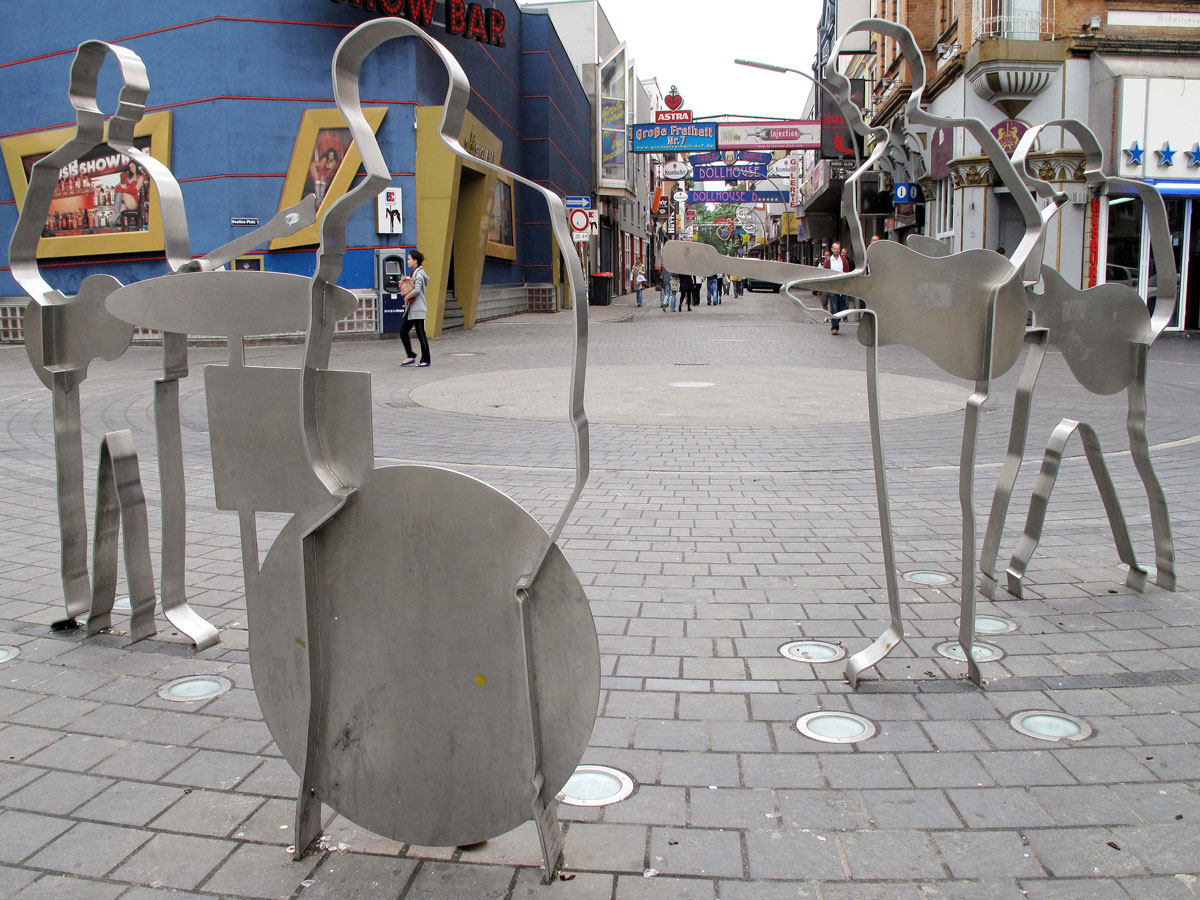
Following in The Beatles Early Footsteps - Pt 5 Hamburg
Growing up in Liverpool, The Beatles were used to life in a tough port city, but they were now off to an even tougher one – Hamburg.
In Part 4 I explained how the group had become The Beatles, consisting of John Lennon, Paul McCartney, George Harrison, Stuart Sutcliffe and Pete Best, and also how they had become acquainted with Liverpool nightclub owner Allan Williams, who through his Hamburg connections, was able to secure the group’s first big break.
Allan’s main contact in Hamburg was a tough no-nonsense club owner called Bruno Koschmider who had several establishments in the notorious red-light district of St. Pauli. As the group members were all still only teenagers, Allan thought it best to transport the group over to Hamburg himself, and so on the morning of 16th August (1960) he crammed himself, his wife Betty, her brother Barry, fellow promoter Lord Woodbine, and the five Beatles, into his old Austin van and drove, via the Harwich – Hook of Holland ferry, all the way to Hamburg.
The trip wasn’t without incident, not helped by Allan’s failure to get work permits lined up. They conned their way across the Dutch/ German border, and a couple of incidents with the van could have easily got them into trouble, but in the end they reached Hamburg – tired and weary, but relatively unscathed.
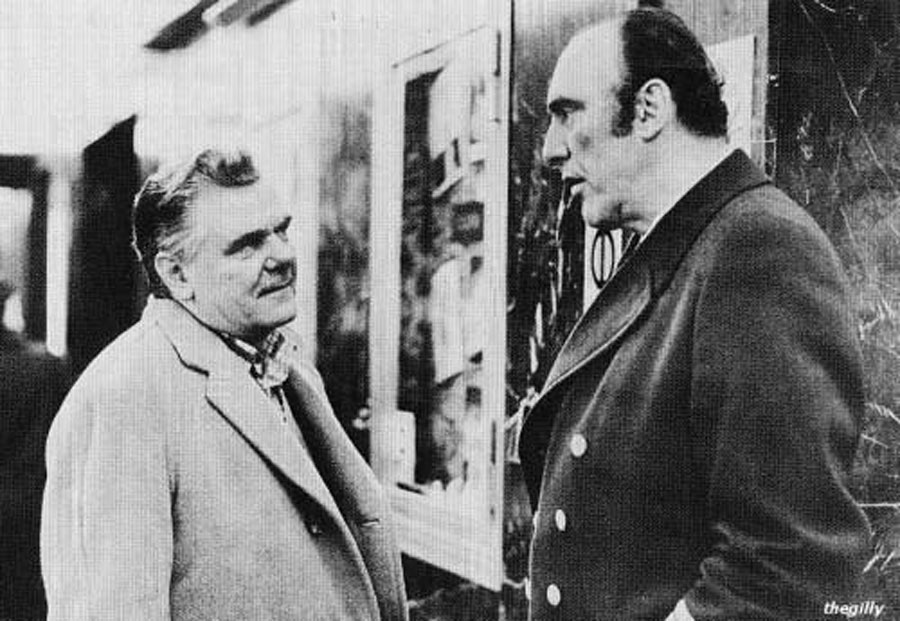
The picture below (which I scanned from Spencer Leigh’s excellent book The Beatles in Hamburg) shows some of the occupants taking a pit stop at Arnhem on the way there.

Whether The Beatles knew what they were letting themselves in for I can’t be sure. There’s no doubt that they were looking forward to the experience, but the clubs of St Pauli were a lot different to clubs like The Casbah.
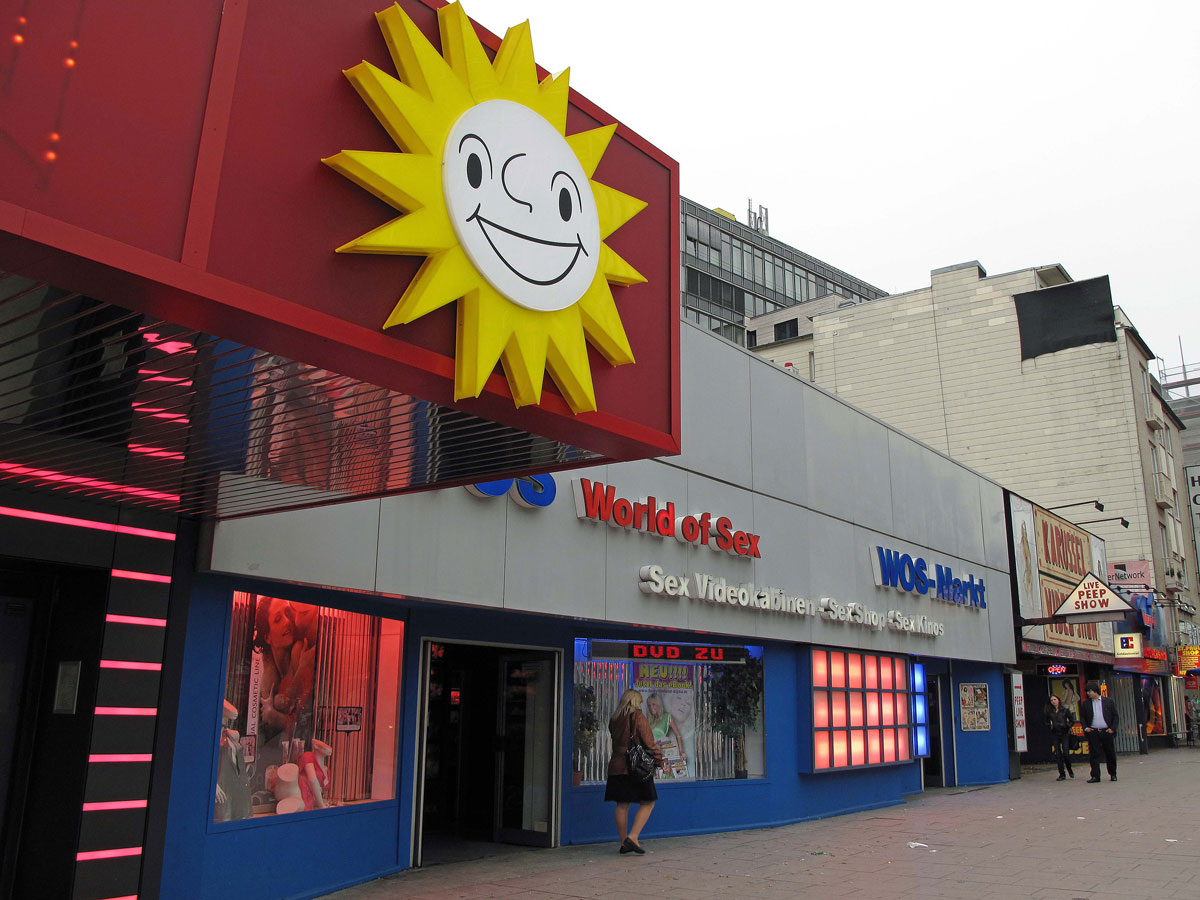
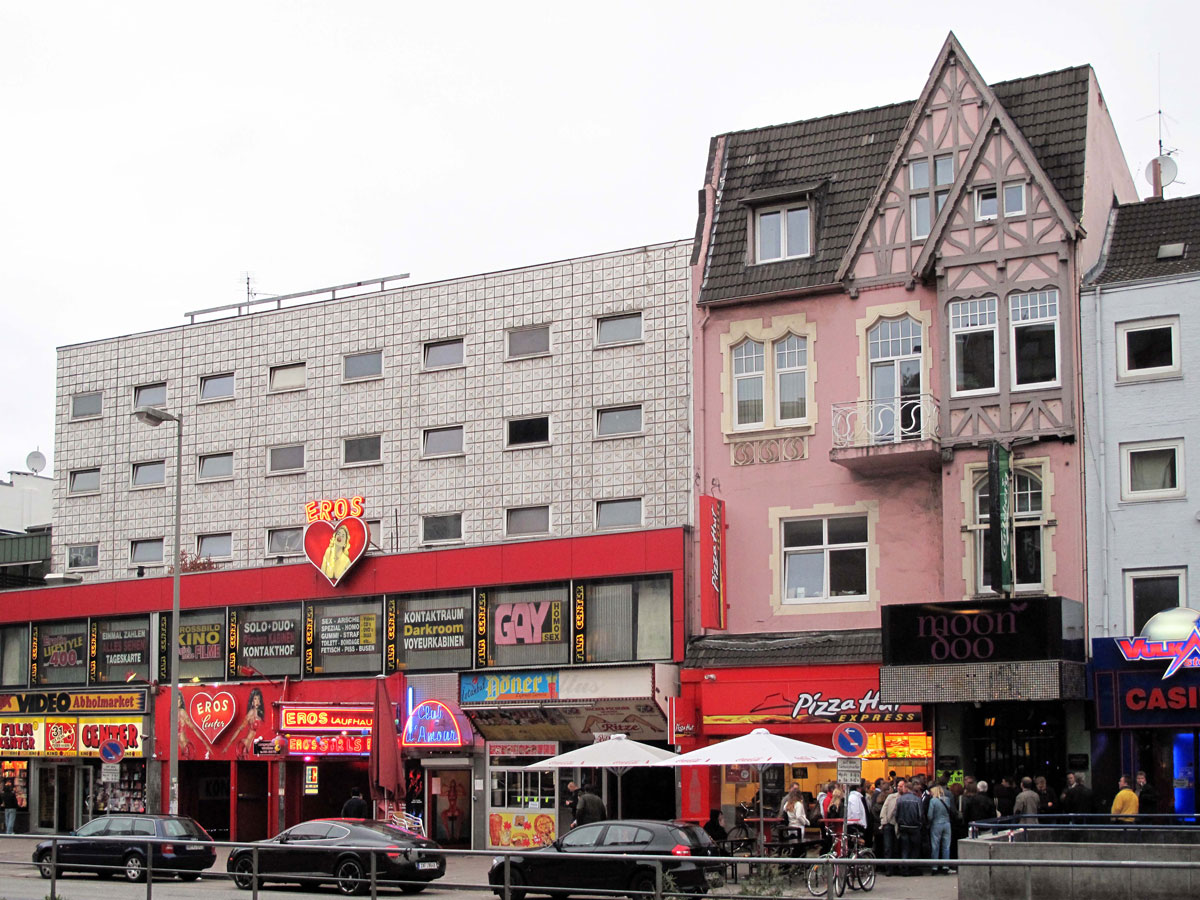
The area’s close proximity to the port meant that it catered for the needs of sailors who were staying overnight. The main thoroughfare is the Reeperbahn, a den of iniquity if ever there was one. The road, which is a mile long, was not the sort of place you would take your granny for an evening stroll. Dominated by sleazy sex joints, brothels and bars, the whole area was controlled by gangsters and gun-runners.
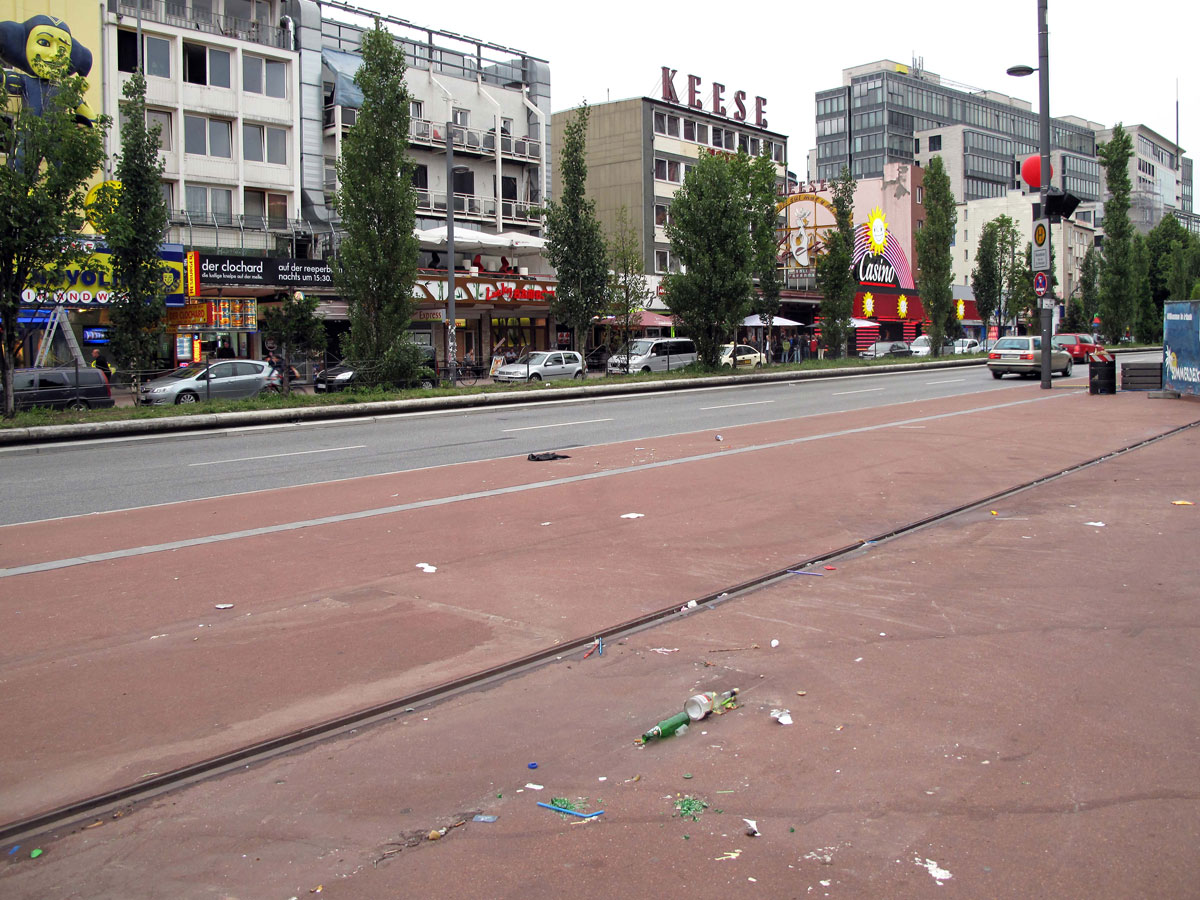

These days, the area has become somewhat more gentrified with tighter controls, and visited by more tourists than sailors. Restaurants, theatres and casinos are more commonplace, but that doesn’t mean to say that the sex industry has disappeared altogether.
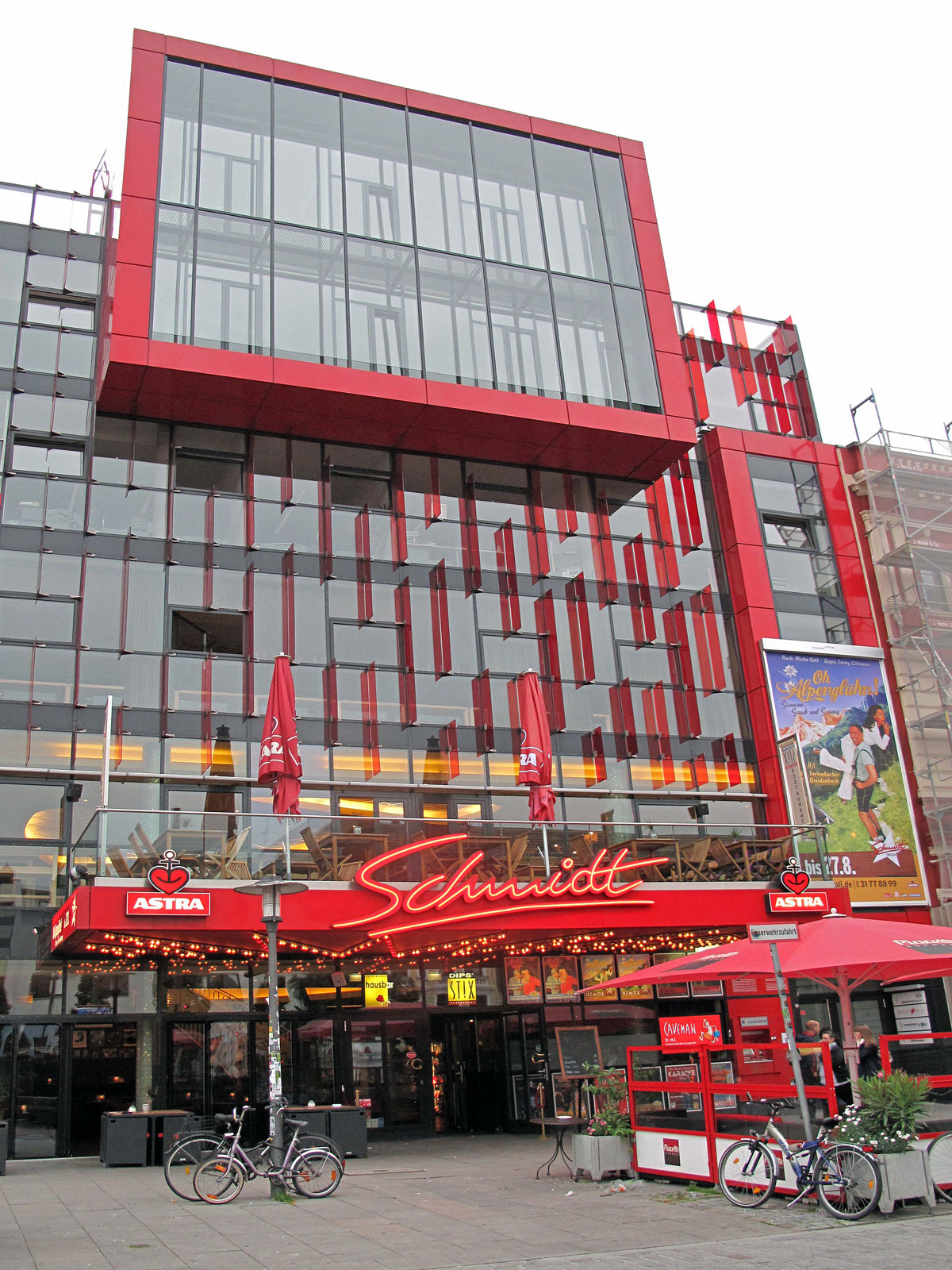
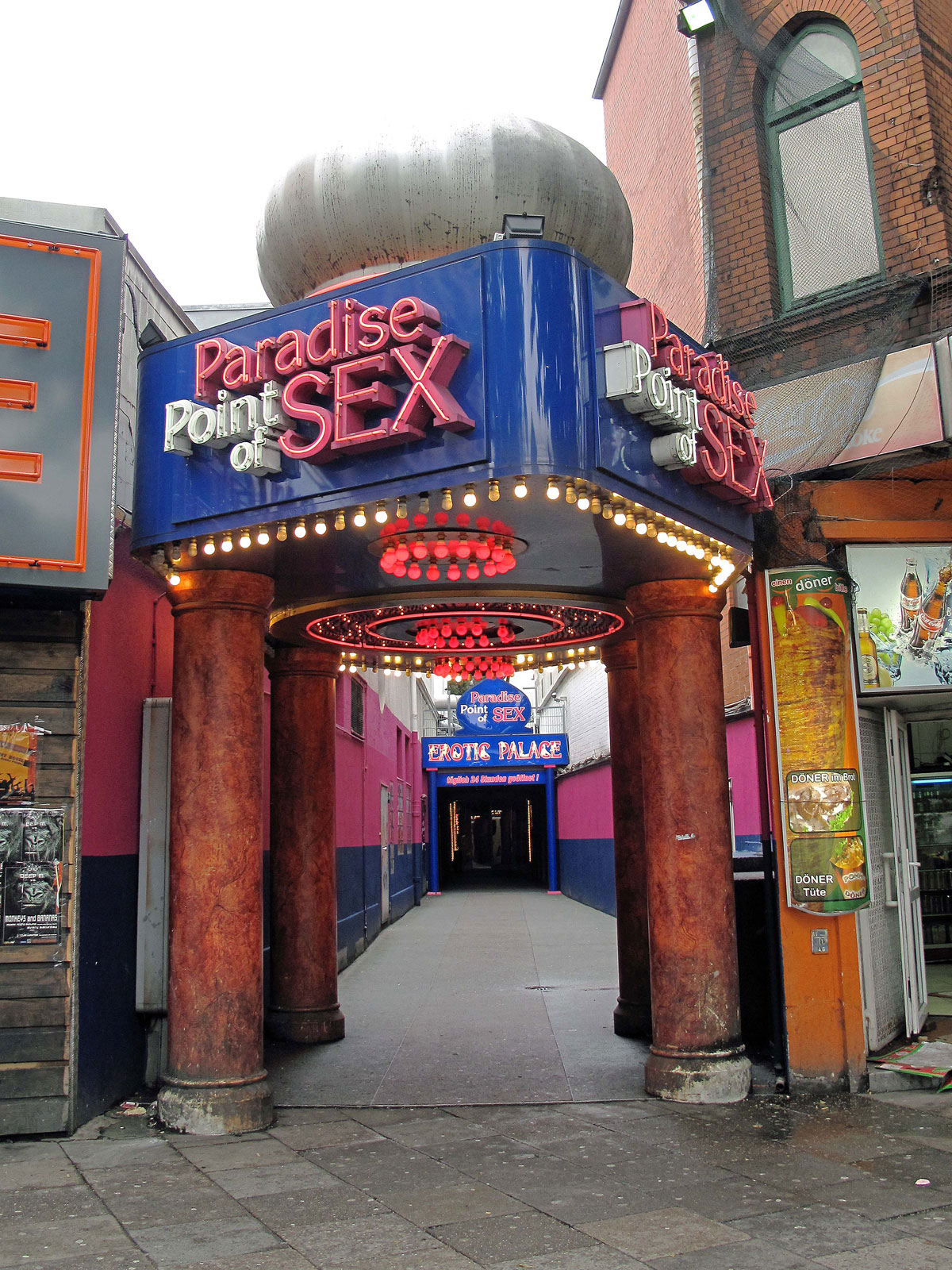
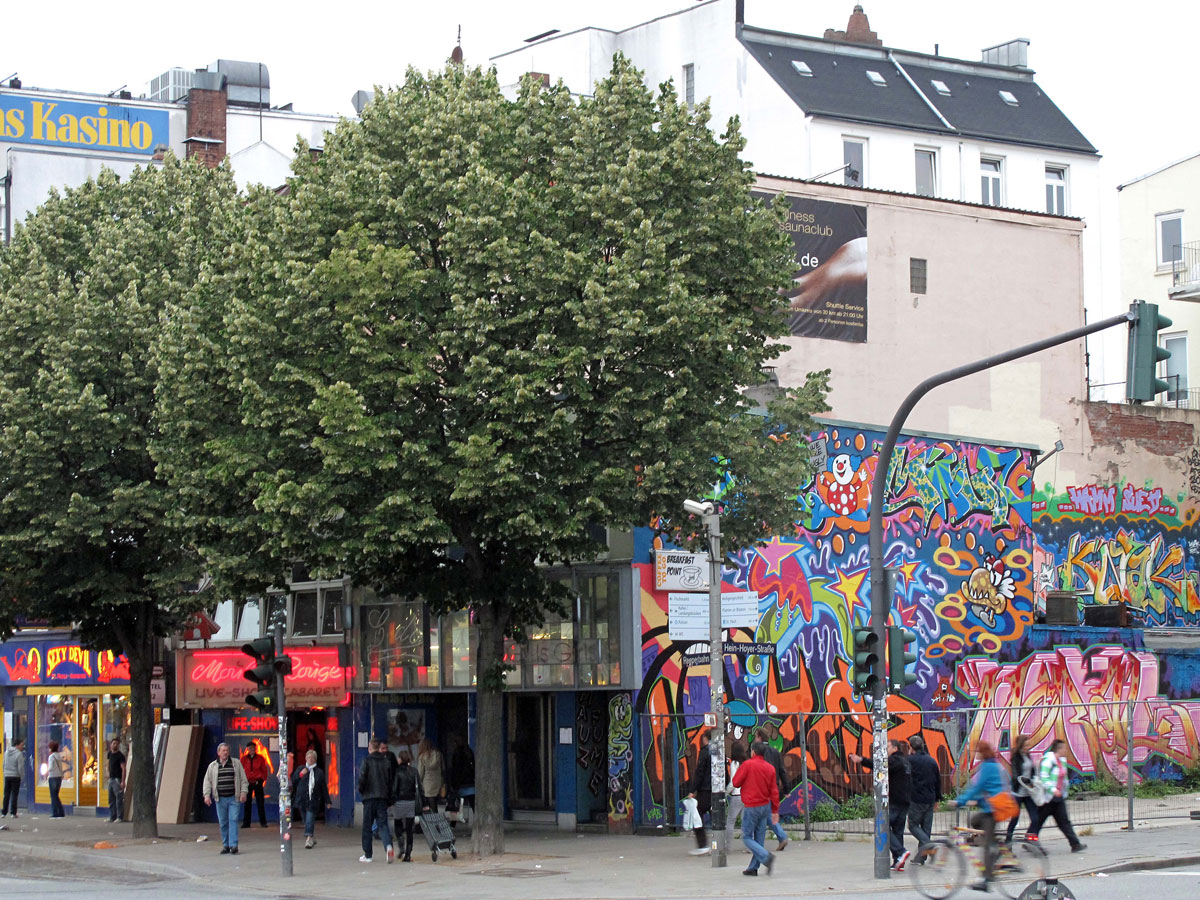
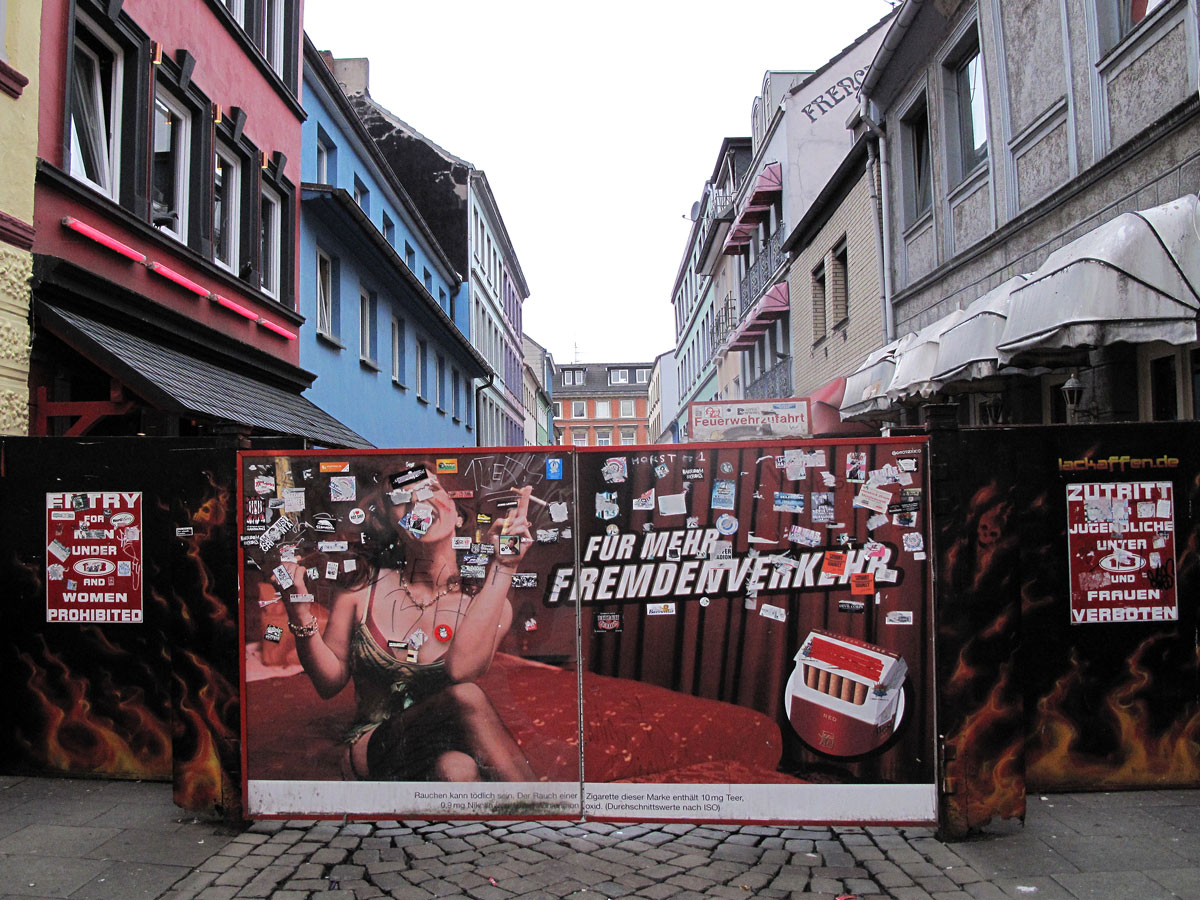
Prostitution is legal and judging by the number of times I was approached by ladies of the night, sex is still big business around here. Just up the road from the Reeperbahn’s very own Davidwache police station is Herbertstrasse, a street that is off-limits to females and under 18’s, which says it all really. Before you ask, No! I didn’t walk down there, and yes! I did make sure that I kept a firm grip on my wallet: I didn’t have 60 Euros on me anyway.
This is the world that Allan Williams had brought The Beatles into, and it was a world that would either make or break them. They arrived in St Pauli around eight o’clock on the evening of 17th August, where they were met by Bruno Koschmider who took them to his Kaiserkeller club in Grosse Freiheit.
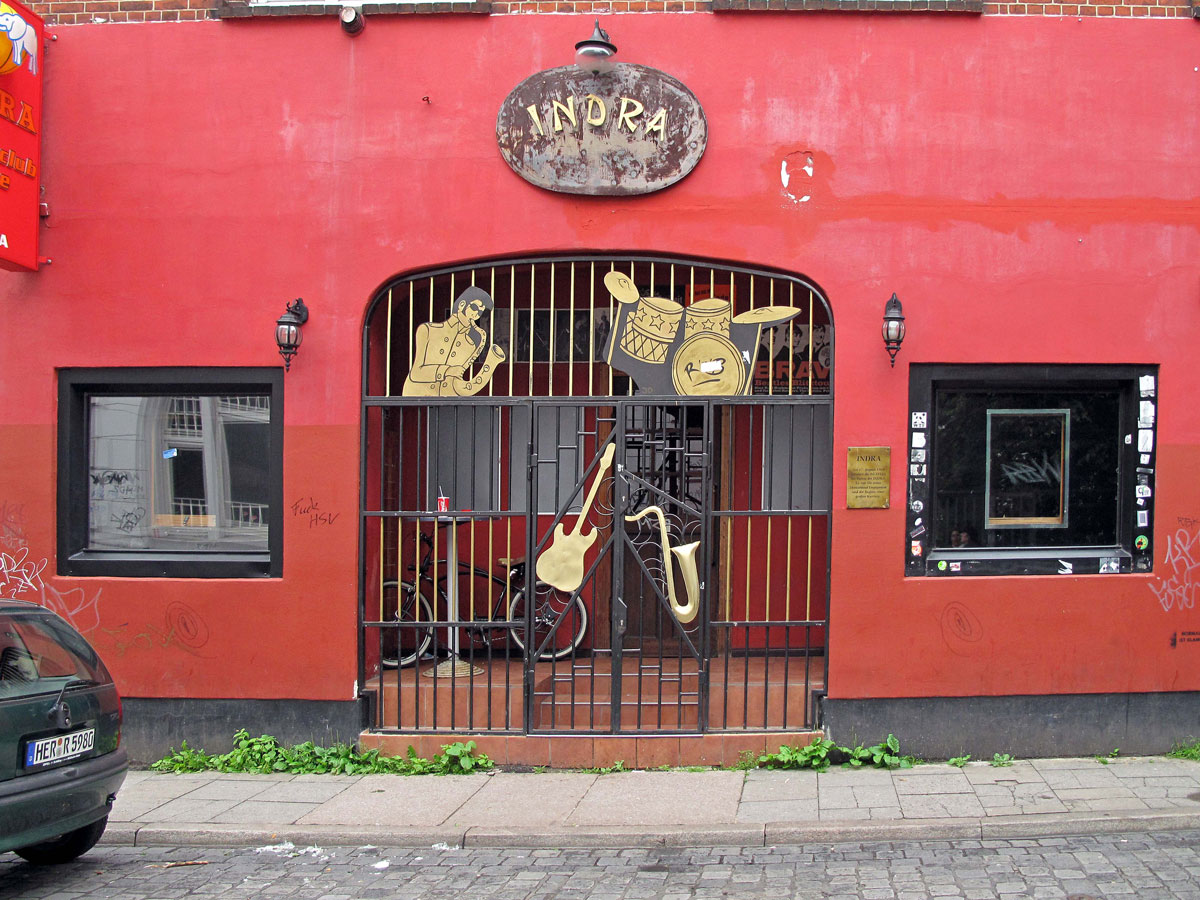
Allan Williams had negotiated a two month contract with Koschmider, and The Kaiserkeller seemed a venue that The Beatles would be happy to play in, but it wasn’t the Kaiserkeller that they were booked for – it was a strip club towards the far end of the street called the Indra.
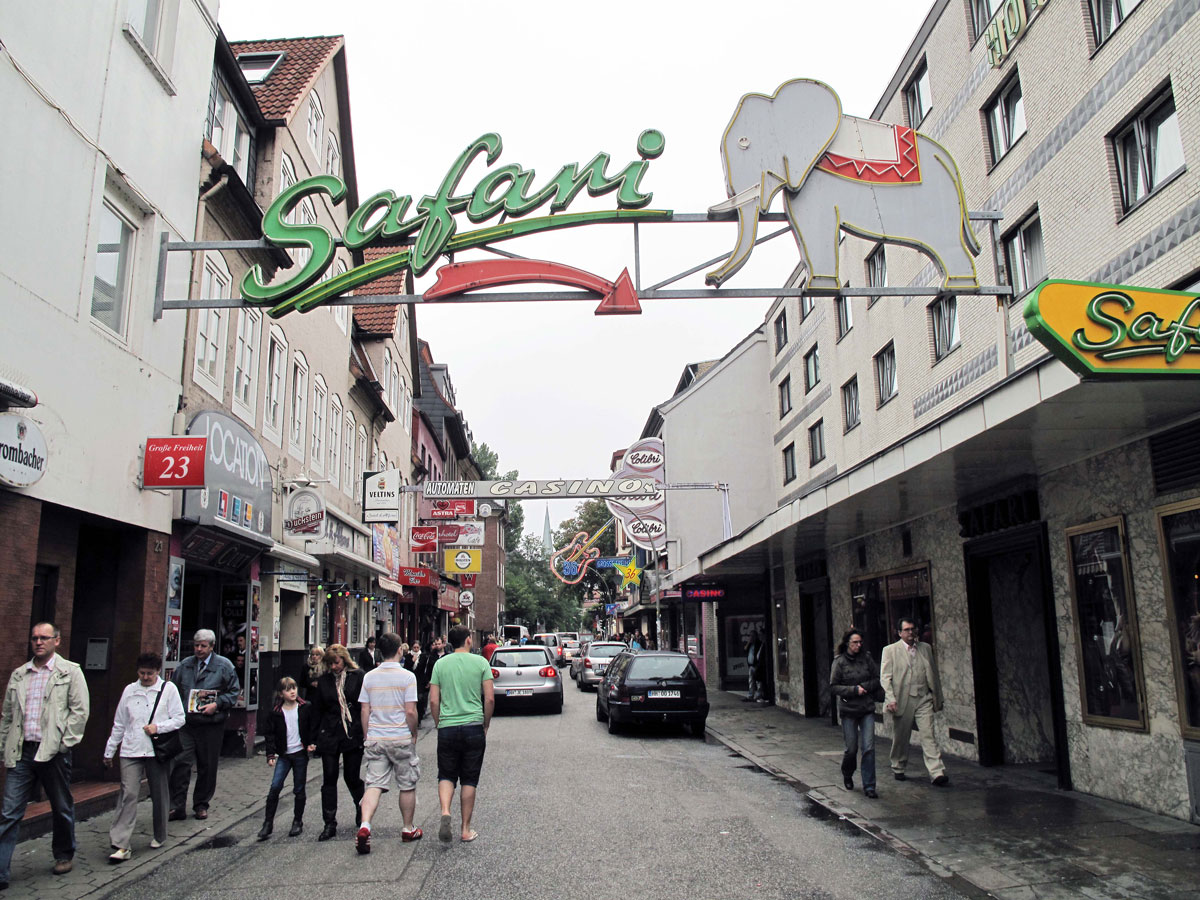
The group’s contract was to run for two months from 17th August to 16th October, which not only provided them with a more stable income, it was more money than they were used to as well. For their part, they were required to perform 7 days a week for a minimum of four and a half hours between the hours of 5pm and 3am, depending on which evening it was.
Of course, it didn’t matter that they had only just arrived after a long and arduous journey, a contract is a contract – and that started the same evening. Pete Best recalls “being taken to the Indra around 11.30 and being shown our dressing room which turned out to be the gents toilet”.
Their first experience of playing the Hamburg music scene probably wasn’t quite what they were expecting. Their performance was in front of just a handful of spectators, mainly prostitutes and their clients, and not only that, they had to turn the volume down after a complaint from the woman who lived above the club.
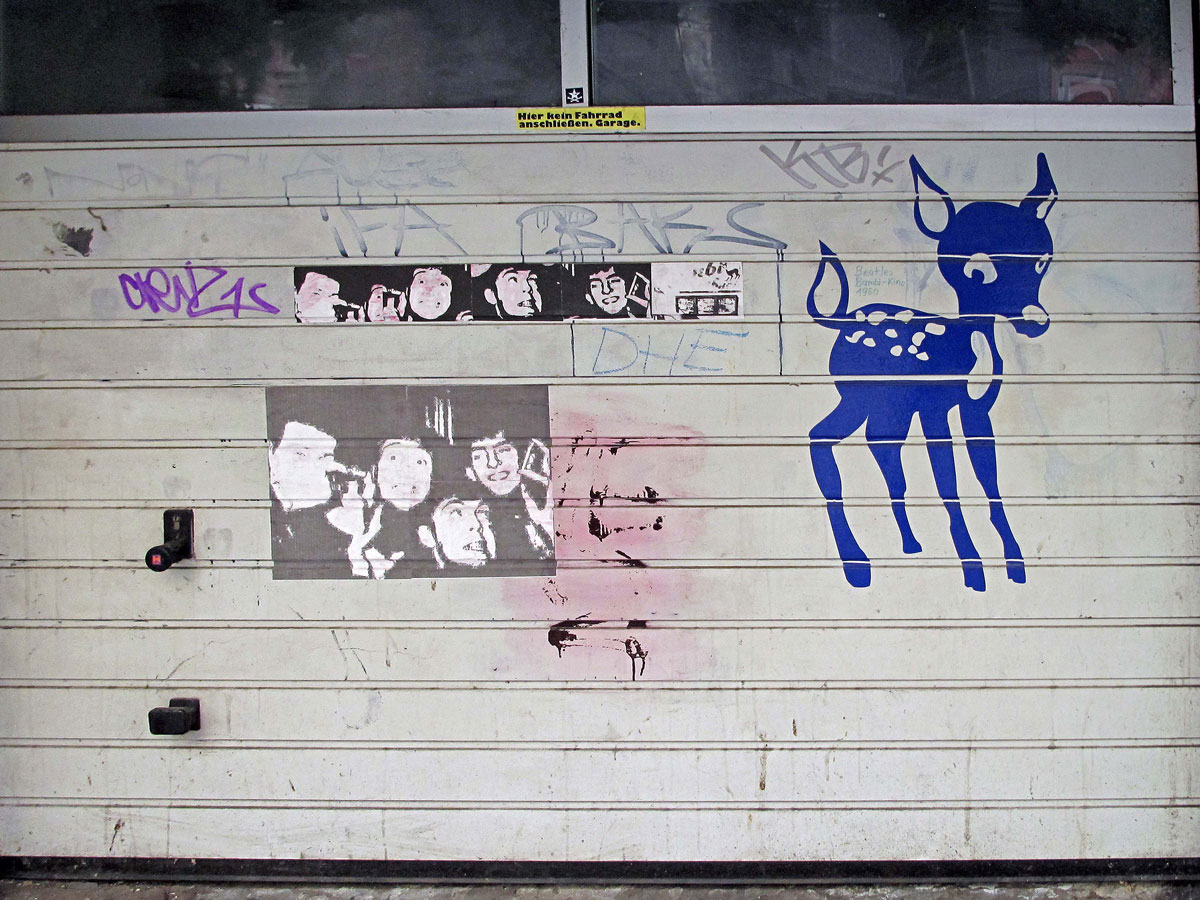
After their stint was finished they were allowed to sleep in Bruno Koschmider’s flat – “all in the same bed”, according to George Harrison. The following day they expected to be put up in a hotel somewhere, but the contract didn’t stretch that far and they were allocated a room at the back of Koschmider’s cinema called the Bambi Kino. Paul remembers it only too well, “We lived backstage in the Bambi Kino, next to the toilets, and you could always smell them. The room had been an old storeroom, and there were just concrete walls and nothing else. No heat, no wallpaper, not a lick of paint; and two sets of bunk beds, like little camp beds, with not very many covers. We were frozen”.
The cinema closed down in 1961 but its location in Paul Roosen Str can still be found, as illustrated by the pic below.
Living in the Bambi Kino and playing the Indra might not have been the glamour lifestyle they were hoping for, but The Beatles worked hard at making the tour a success, and they started to build up a following, not just through their music, but also by creating a stage act that the German audiences loved.
On 3rd October, due to complaints about the noise, they played the Indra for the last time. There were a couple of weeks still left to run on their contract and Bruno Koschmider, getting to like them more and more, decided to let the group continue playing at the Kaiserkeller.
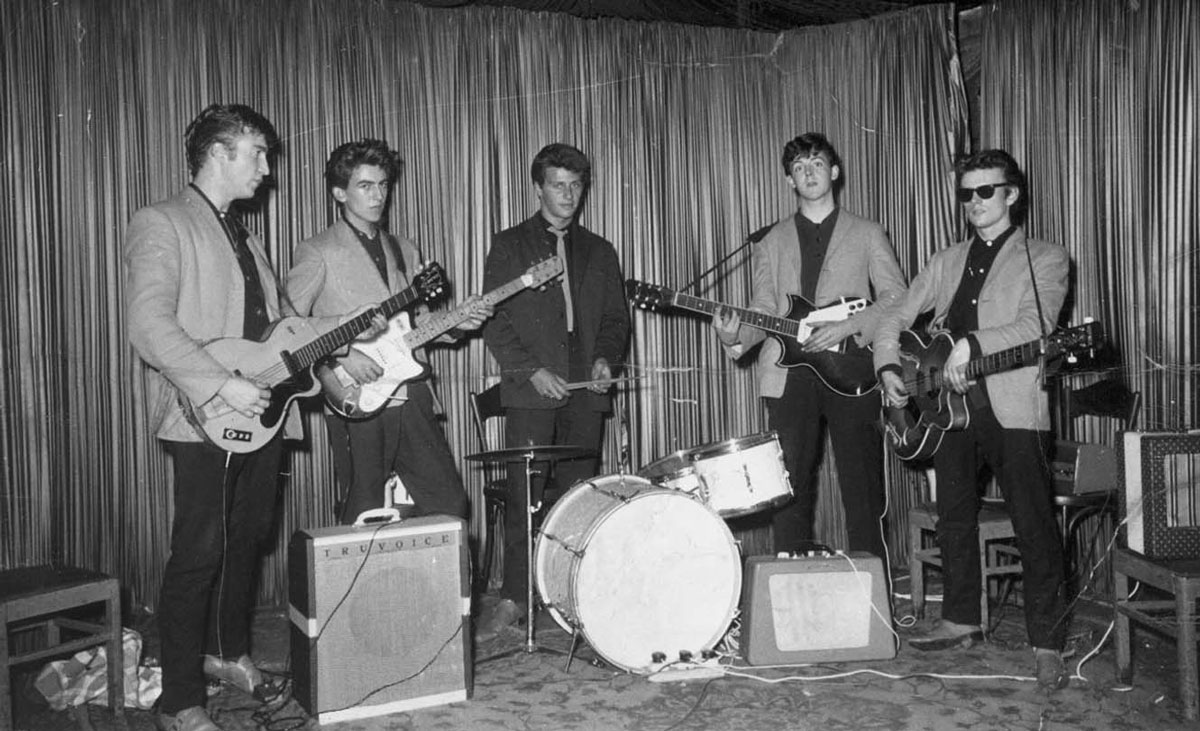
Koschmider had already realised that to stand out from all the other strip joints in the area there needed to be something else to attract the punters. Decked out in a maritime theme, the Kaiserkeller became his flagship so to speak when the cellar door of a building at Grosse Freiheit 36 was opened on 14th October 1959.
Through his association with the impresario, Larry Parnes in London, he brought the first British group to the club in June 1960. The group, called The Jets was led by the wild but unpredictable Tony Sheridan. The audiences loved him, but after a month, the group was poached by the Top Ten Club on the Reeperbahn.
Realising how successful a British group could be, Koschmider started to look for another group to replace The Jets. As I explained in the previous post, Larry Parnes was also an acquaintance of Alan Williams, and it was through these connections that Bruno Koschmider and Allan Williams drew up a contract to bring the first Liverpool group to the Kaiserkeller – Derry and the Seniors. The group started playing there at the end of July, just a few weeks before The Beatles turned up to play at the Indra. As a coincidence (or maybe not), Derry and the Seniors’ contract ran out the same time as The Beatles finished at the Indra.
Rory Storm and the Hurricanes, another Liverpool group which included Ringo Starr as their drummer, were already lined up to replace them, but Koschmider was more than happy to let The Beatles alternate sets with them, and on 4th October they began a 56 night run at the Kaiserkeller.

Rory Storm and the Hurricanes were Liverpool’s favourite group at the time, and even The Beatles admired them, but they were starting to whip up a storm of their own. Playing night in and night out for hours on end, they had not only become more experienced musicians, they were also beginning to produce performances that the crowds loved – including Bruno Koschmider himself. “Mach Schau” (Make Show) he would yell, encouraging them to whip up the audience. Their Teddy Boy appearance also fitted in well with the locals, but their youthful exuberance was about to get a shake-up.
St. Pauli’s rough reputation meant that the area was largely left to the more undesirable element of Hamburg society, but there was a new Bohemian arty crowd known as the Existentialists that were becoming part of the Hamburg scene – and three of them in particular, Klaus Voormann, his girlfriend Astrid Kircherr and friend Jurgen Vollmer were to have a big impact on the group.
Coming from middle-class backgrounds and having studied at the same local art college, the three ‘Exis’ as John used to call them, were totally different to the usual St Pauli customers, and it was Klaus who first stumbled across The Beatles.
It was after a row with Astrid one evening that he found himself wandering around the Reeperbahn. It wasn’t the sort of place he would normally go to, but when he heard music blasting out of the Kaiserkeller, curiosity got the better of him and he plucked up courage to go inside and find out what it was all about. It was Rory Storm and the Hurricanes who were on stage, but whether it was because he was enjoying the atmosphere so much or whether it was because he still had the hump with Astrid I don’t know, but he stayed there longer than he probably expected to.
When The Beatles came on stage he was blown away even more than he was with the Hurricanes (sorry!) and when he got back to his flat he tried to convince Astrid to come and see them for herself. She wasn’t best pleased with him as it was, let alone wandering off down to the Sinful Mile, as the Reeperbahn was called, so no prizes for guessing what her answer was.
A day or two later she relented and went to the Kaiserkeller to see what Klaus was banging on about, and immediately saw why he was so enraptured. Their Exis friends started to join them, and the audience began changing from leather-clad rockers with a tendency to try and rearrange each other’s faces to a sophisticated bunch of people who were more interested in the music.
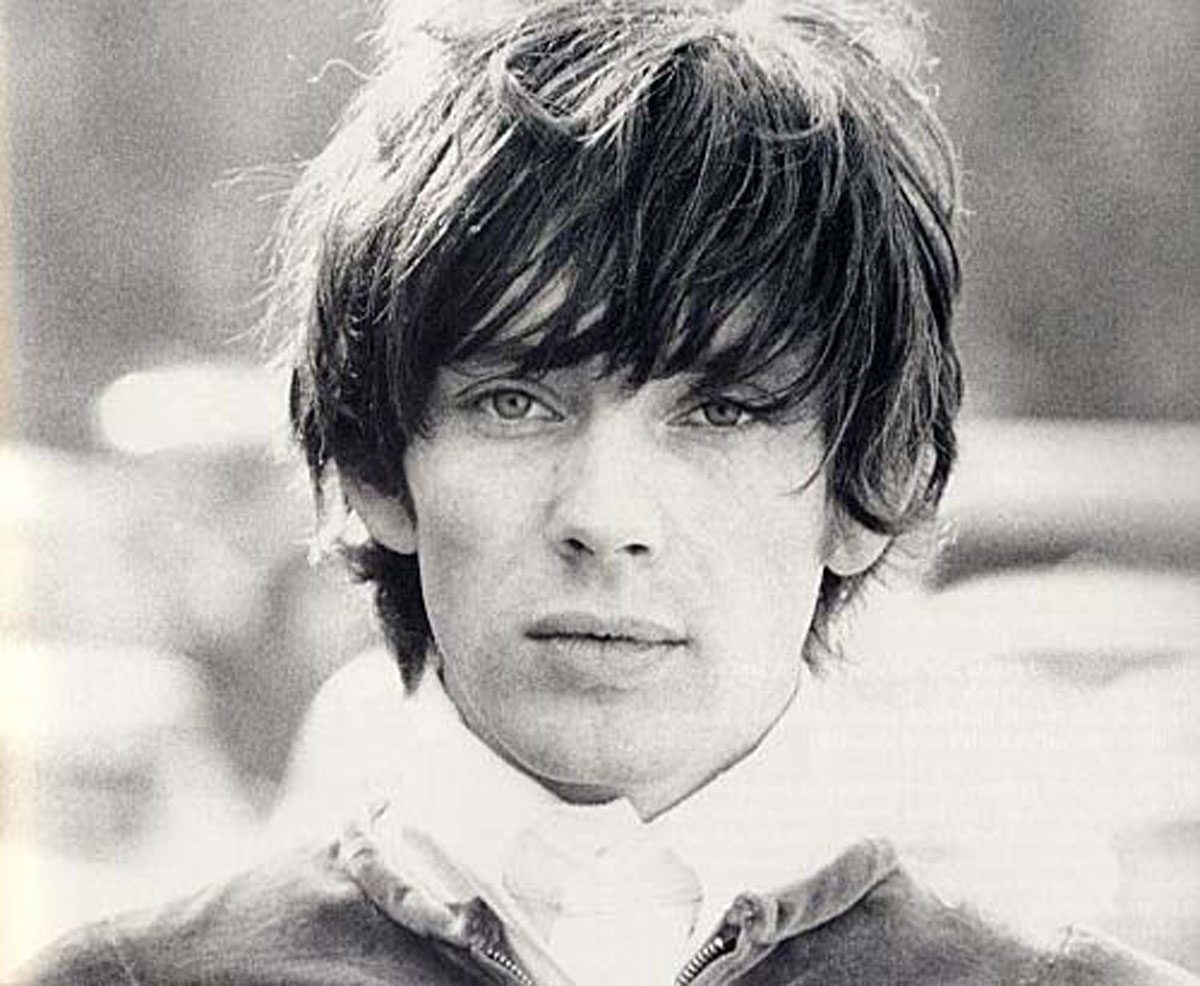
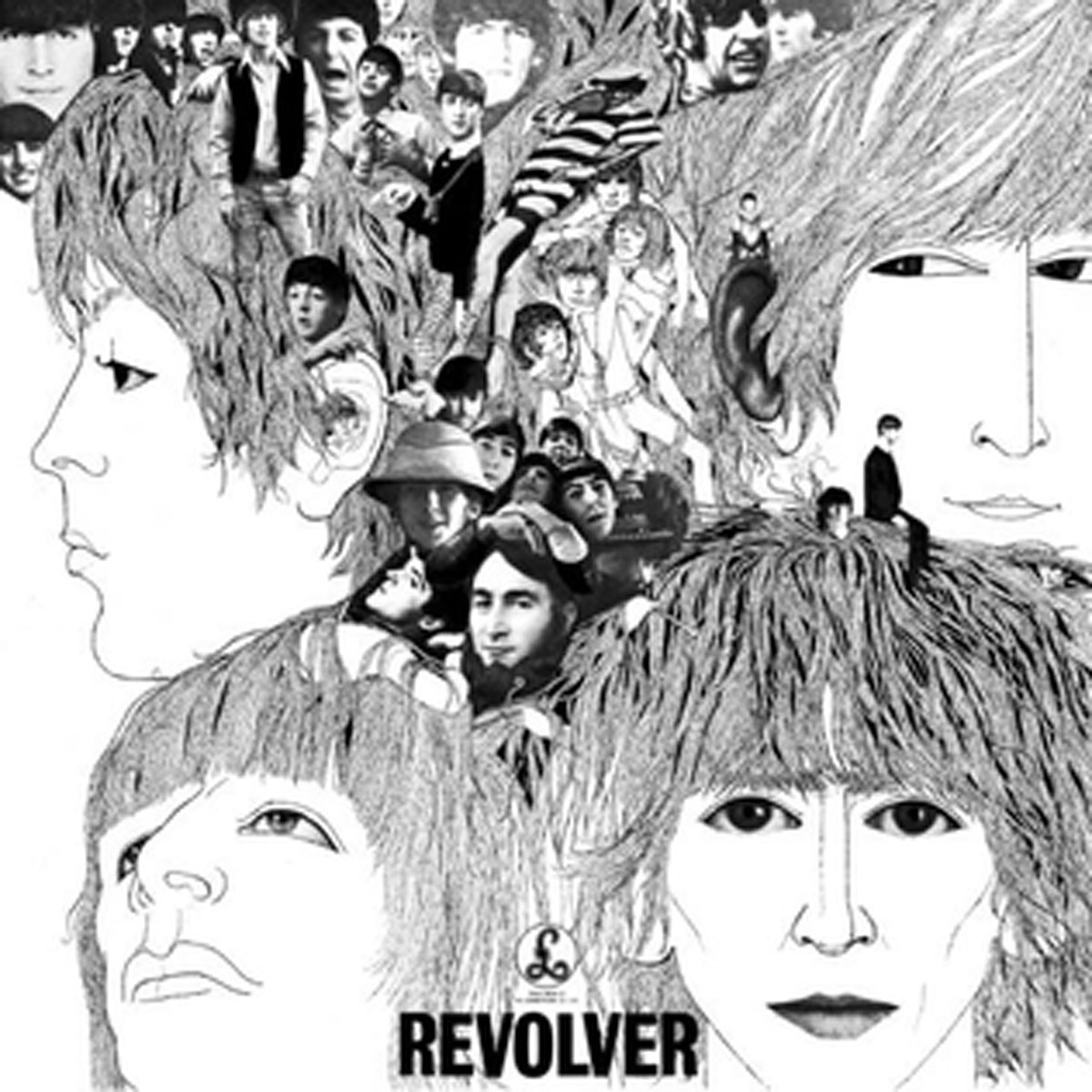
The Beatles and their new fans soon got to know each other, possibly because it was the first time that the group had met intellectual people like this since they had arrived in Germany. Klaus was a graphic artist (who later produced the album cover for Revolver) and Jurgen’s photography skills impressed John right from the start, but it was Astrid who was the first to ask the boys if she could take photographs of them: Of the three, she was the one who made the most impact on the group. Her photography followed the Exis movement’s penchant for black, and all her work was done in black and white, quite often with dark shadows. It’s claimed that she was responsible for the mop top haircuts that the group became famous for and also the collarless jackets that they wore. She denied it, but there were undoubtedly some elements of truth in how she helped to develop their unique style.
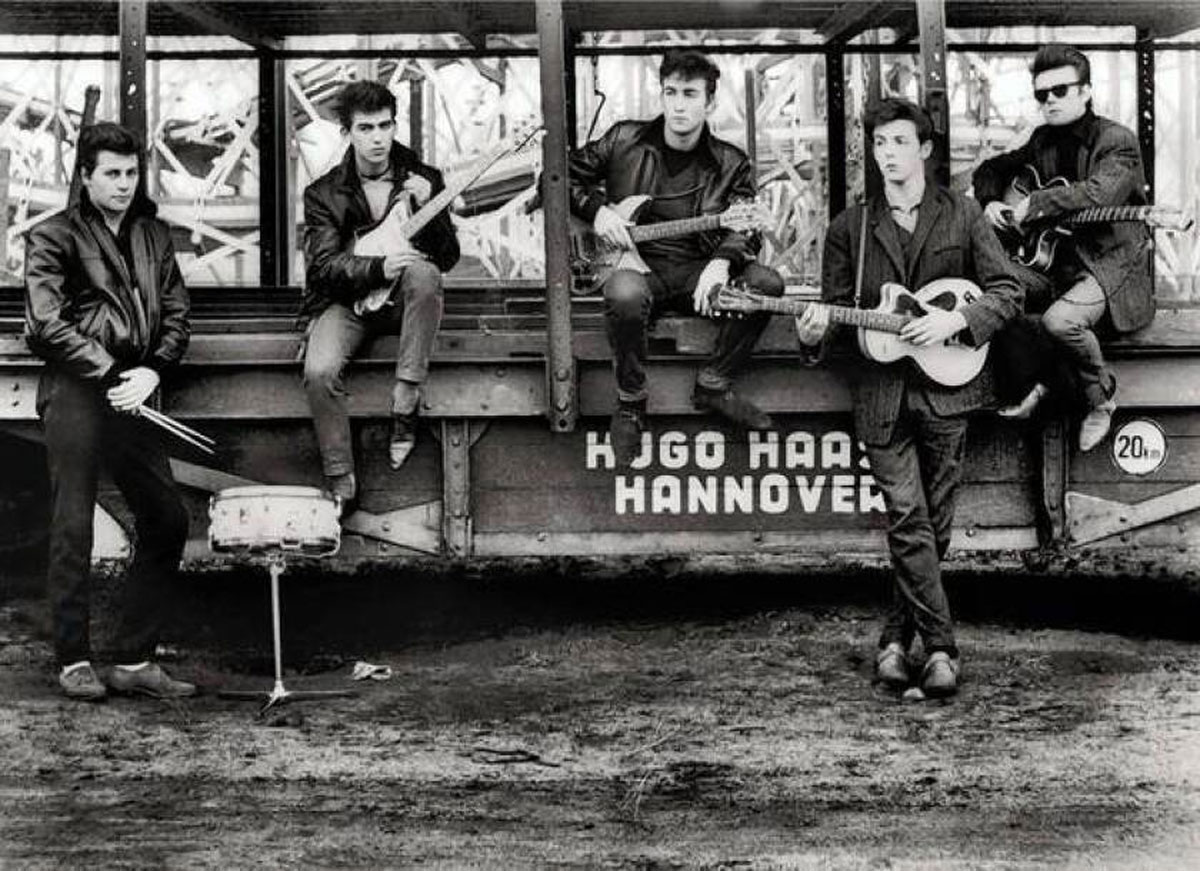
Astrid not only had an eye for a good photograph, she also had an eye for Stuart Sutcliffe: “I’d fallen in love with him at first sight”, she said. I don’t know if Klaus regrets introducing her to The Beatles, but within a short time Astrid and Stuart were an item. Whichever way you like it, Astrid seems to have won the argument that fateful night because by November they were engaged to be married, but there was another twist to come before then.
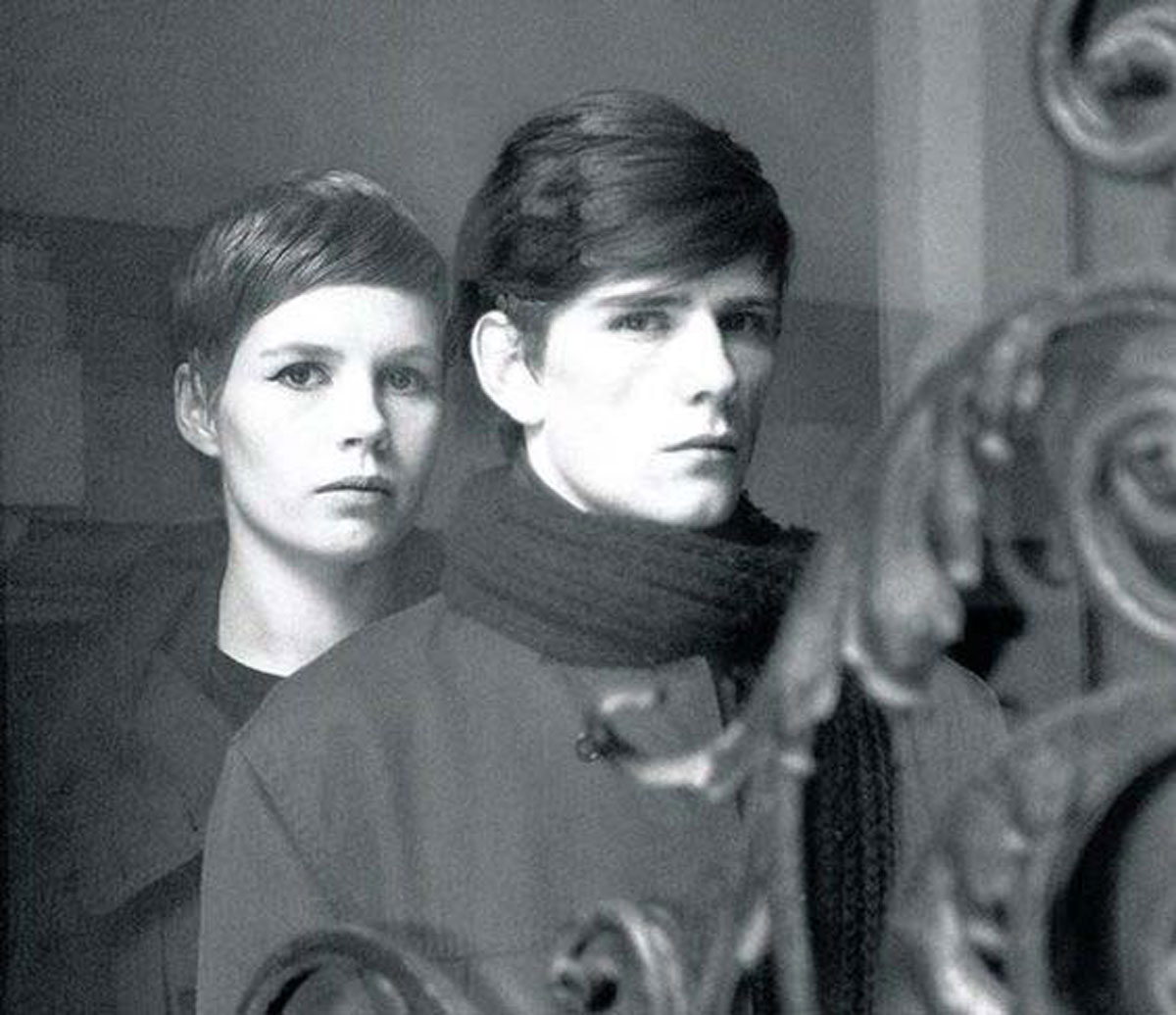
Things had been going well for the group since they had arrived in Hamburg, and when their contract was up on the 16th October, it was extended until the end of the year – but it didn’t quite work out the way it was intended.
There was a new club on the block – the Top Ten. Located around the corner on the Reeperbahn, it was opened by owner Peter Eckhorn at the end of October. The headline act was Tony Sheridan and the Jets who he’d pinched from the Kaiserkeller, along with their new manager Horst Fascher (who had also worked there as one of Bruno Koschmider’s minders). Under the circumstances, it’s not difficult to see why Bruno wasn’t best pleased when he heard that The Beatles could be joining them.
It might seem a bit like biting the hand that was feeding them for The Beatles to consider a move to the Top Ten, but during the time they had been working for Koschmider they had become a major attraction for the St Pauli music crowd, and yet they were still living in squalid conditions at the Bambi Kino.
During their spare time they would go along to see Tony Sheridan perform. They were genuine fans, and the feeling was mutual, but when Koschmider heard that they had joined him on stage one evening he was furious and immediately cancelled their contract, giving them one month’s notice.
Peter Eckhorn was a member of a gangland family and it wasn’t in Koschmider’s interests to start a feud. Cancelling their contract wasn’t necessarily going to stop them playing at the Top Ten, but there were other ways. The next thing he did was to inform the police that George Harrison was only seventeen, and in West German law under 18s weren’t allowed in a nightclub after 10pm, let alone play in them. On November 21st George was deported back to England – and it wasn’t long before the others followed.
Their contract was now due to finish on December 1st and the group intended to see it through, even without George. By now though, the relationship between Koschmider and The Beatles had hit an all-time low, made worse by Peter Eckhorn offering them a contract with better accommodation.
They carried on playing at the Kaiserkeller as planned but spent as little time there as possible. On the afternoon of 29th November, as they were moving out of the Bambi Kino, Paul and Pete did something that played right into Koschmider’s hands. As they were packing their gear away, the lightbulb went out, so they pinned some condoms to the wall and set them on fire so that they could see what they were doing, but they left without extinguishing them. There was no real damage done but once Koschmider was told about the incident he informed the police and they were arrested for attempted arson.
After spending a night in the cells at Davidwache police station they were released, but were visited the following day at the Top Ten by police who wanted the whole group to be deported for not having any work permits. Paul and Pete were given just a few minutes to pack their clothes and escorted to the airport. John left nine days later, and Stuart was allowed to stay in Hamburg with Astrid. Their dreams of becoming famous had been torn to shreds, and there was a serious doubt as to whether The Beatles would even ever perform again.
Originally posted 2022-04-19 15:05:54.
Totally engrossing Malc. What a post. You brought the entire stay and the palce at that time totally to life.
Thanks Shey. The Beatles were stars – but so are you 😉
Yir too kind. A perfect storm I’d say reading this of the times too. I mean that trip over there for a start. None of it would happen now.
Not in the same way it wouldn’t Shey, that’s for sure
I know.
I knew the Beatles had started out in Hamburg, but this fascinating. I enjoyed exploring St Pauli when I visited Hamburg but given that it still has( in parts ) some rough edges now, I can’t imagine what it looked and felt like then!
As you quite rightly say, the area around The Reeperbahn is still an edgy place to visit, but just like Soho in London has mellowed over the years, then I imagine so has St. Pauli. There is, of course, more to Hamburg than The Reeperbahn as you probably well know. Thank you for checking out this post and for following. It’s very much appreciated 😊
Thats always so interesting to learn about these fascinating things. Thanks for your incredible efforts.
And thank you for still following my humble offerings 🙂
Of course ❣️
Another interesting post Malc with lots of info I wouldn’t otherwise have known. It makes you think really – we like a particular group’s music, buy and play their records/cds, but never give a thought to how they became popular and what it took to get there. I’m looking forward to Part 6 now 🙂
Thanks Eunice, Even though you’re not a huge fan of the Beatles, it’s good to know that you’re enjoying the stories about their rise to fame 😊
A truly wonderful post. Unlike previous posts most of the information you gave was new to me. I found all what you wrote very interesting💜
Thank you so much Luisa. It means a lot to me for you to enoy my humble offerings.
You are really nice to say that🙏😘🙏
Unlike the Liverpool episodes, most of this was new to me and I found it very interesting indeed! You’ve done a thorough job on the research and I loved the inclusion of the old photos. Great stuff!
Thanks Sarah, as always. My time in Hamburg didn’t offer too many opportunities for decent photographs, but this article was more about the story, and at least I had Astrid and co to help me out 🙂
When I went to the Beatles Museum in Halle several years ago, they were showing an exhibit on Klaus Voorman, so I already knew a bit about him. But most of the details in this post were new to me — looking forward to the next installment.
He and his Exis friends certainly had an influence on them Don that’s for sure.
Love the pictures and the back story. The only thing that I remember hearing about this period was how often the lads ended up with VD.
Thanks Pat. You can probably see now why those stories were bandied around 🙂
I was waiting for part 5 and it was certainly worth the wait. Great pics you made and I loved the guns, a very nice selection, reminded me of the US. The Beatles really learned a lot in those years playing all those gigs, especially long sets. When a band goes through that they either become very good or they lose interest. Of course The Beatles got very good, great in fact. Germany gave them life experience and also the chance to become musicians. Astrid’s photography is iconic and really captured the spirit of the lads in those years. And Voorman’s art is one of my favourite as far as illustrations go, being also that he did the cover of my favourite Beatles album Revolver. A most engaging, entertaining and informative article which I thoroughly enjoyed. Cheers Malc.
Thanks Francesc, and I’m really pleased that you enjoyed reading it. I thought if anybody would, you would. It was make or break for them in a way, but it shows how determined they were to come back from that situation.
You’re welcome Malc! Now I am waiting for part 6?
🙂
Thankyou, Malc, for this brillant again post, It made me smile a few times. The pictures add so well to visualise the story!
Joanna
Thank you Joanna. Your support is really appreciated 🙂