Newlyn - Pt 2 The Port Survives Stormy Times And They Weren't All At Sea
In Pt 1, we saw how Newlyn Harbour developed from a small quay in Gwavas Lake during the Middle Ages to how it roughly appears today, but other improvements had been taking place as well. Before the North and South Piers had been completed, a road was built along the Strand that separated the communities of Newlyn Town and Street-an-Towan, and then a timber Trawl Pier was constructed next to the Strand road where fishermen could land their catch directly onto shore.
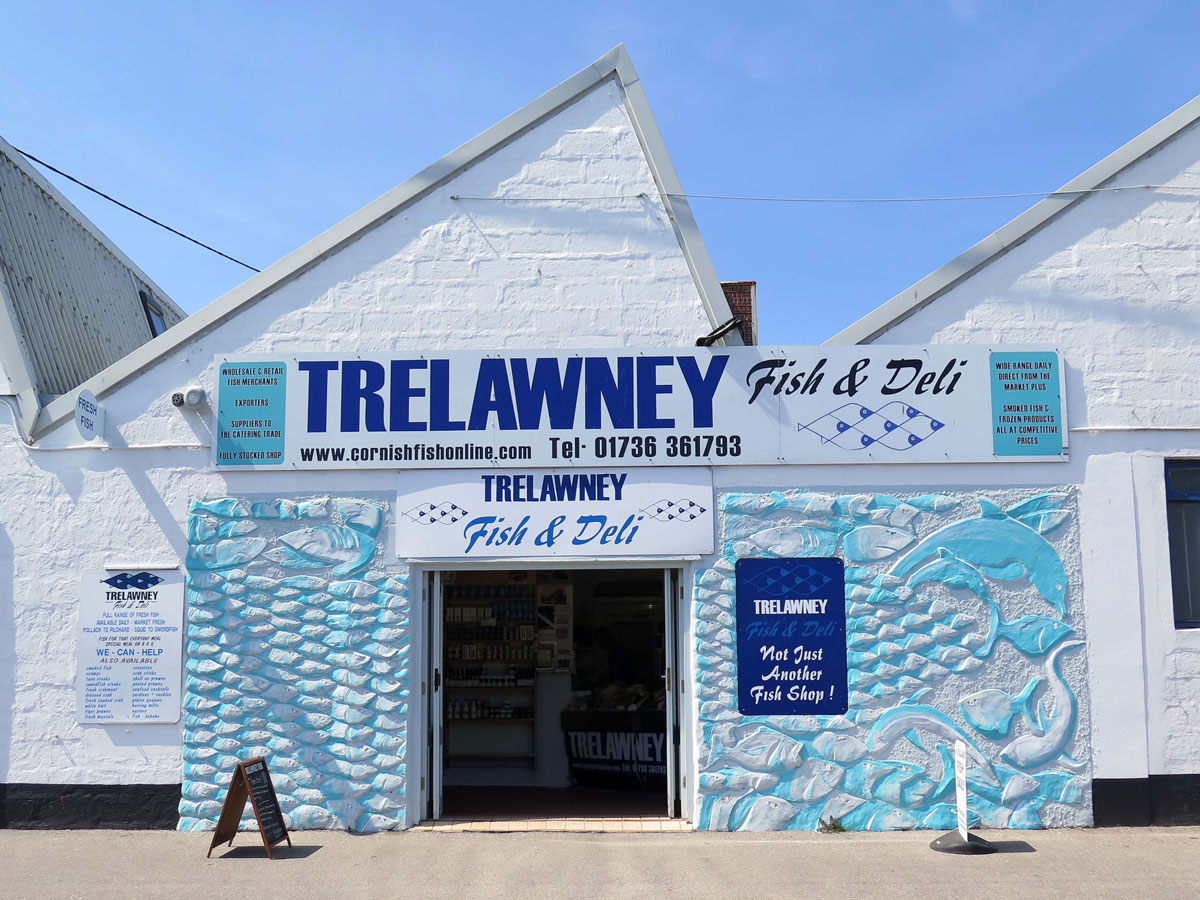
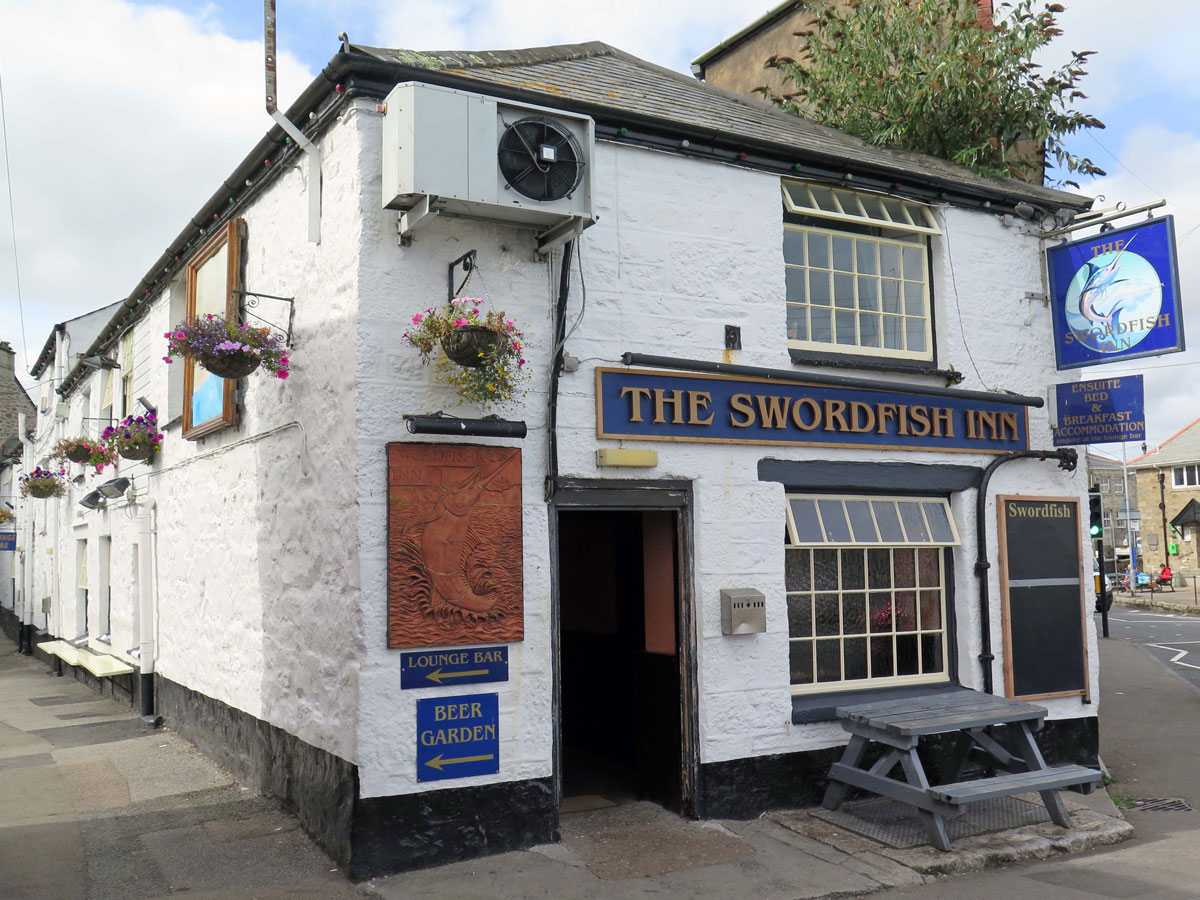
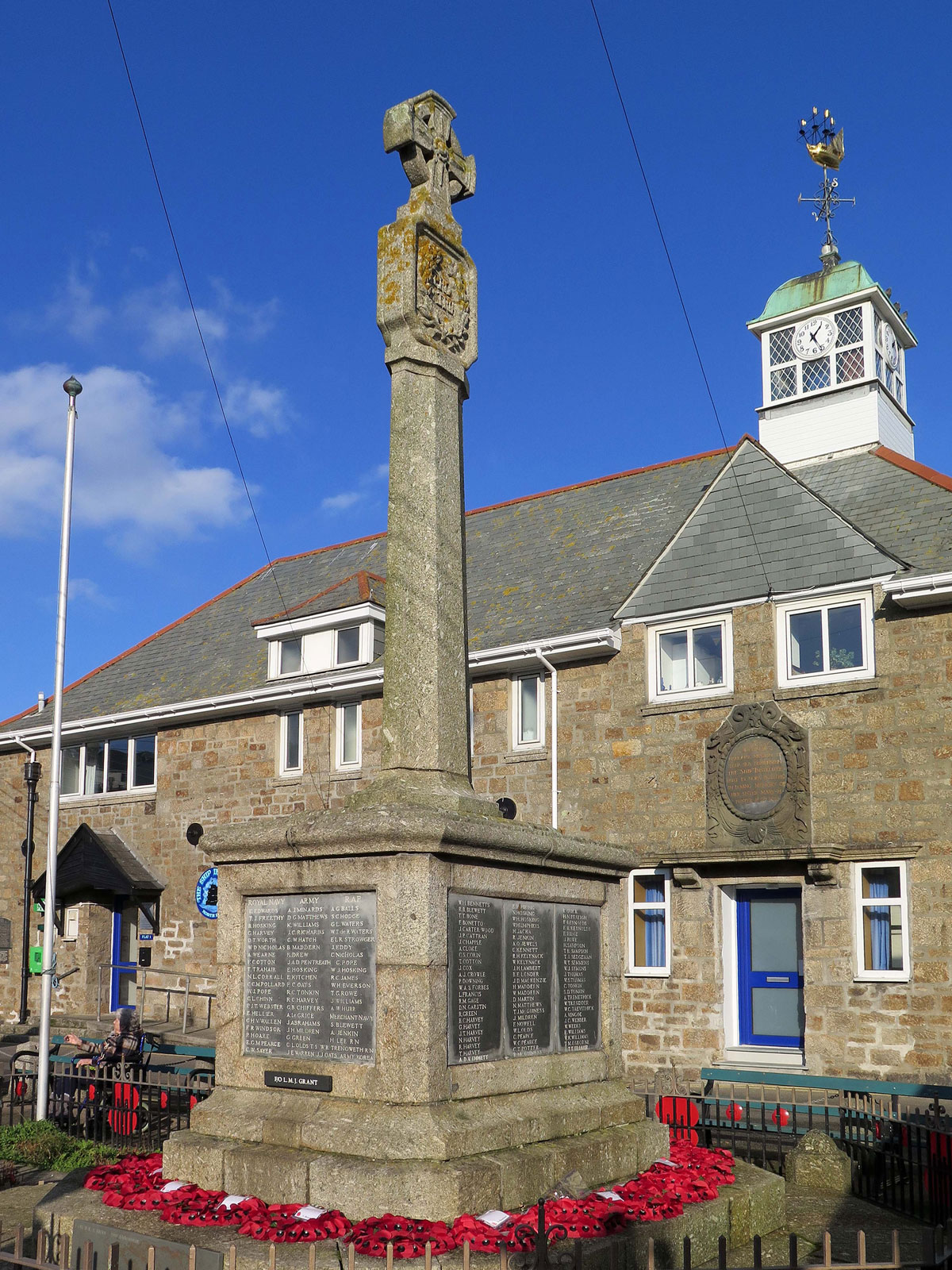
To assist the fishermen and those organizing the running of the harbour, several buildings were constructed including a covered fish market, ice works, harbour commissioner’s office and fishermen’s mission. Below are some images of the Strand today, but it’s worth noting that the road is primarily taken up with the everyday workings of the fishing business.
Sailing – Rod Stewart
As well as changes to the port, changes were also starting to take place with the way that fish were caught. By the 1970s demand for pilchards had been replaced by a demand for mackerel, which for the fishermen, meant investing in larger boats equipped with the latest technology, and to cater for these vessels, port facilities were improved with the construction of the Mary Williams Pier in 1980. This was followed by a net maintenance wharf and new fish market in 1988. All these changes came at a cost of course, but as long as the rewards justified the expense then everything was fine. Fortunately, it was money well spent, as the amount of fish passing through the port doubled, making Newlyn second only to Grimsby in the annual value of fish landed in England.
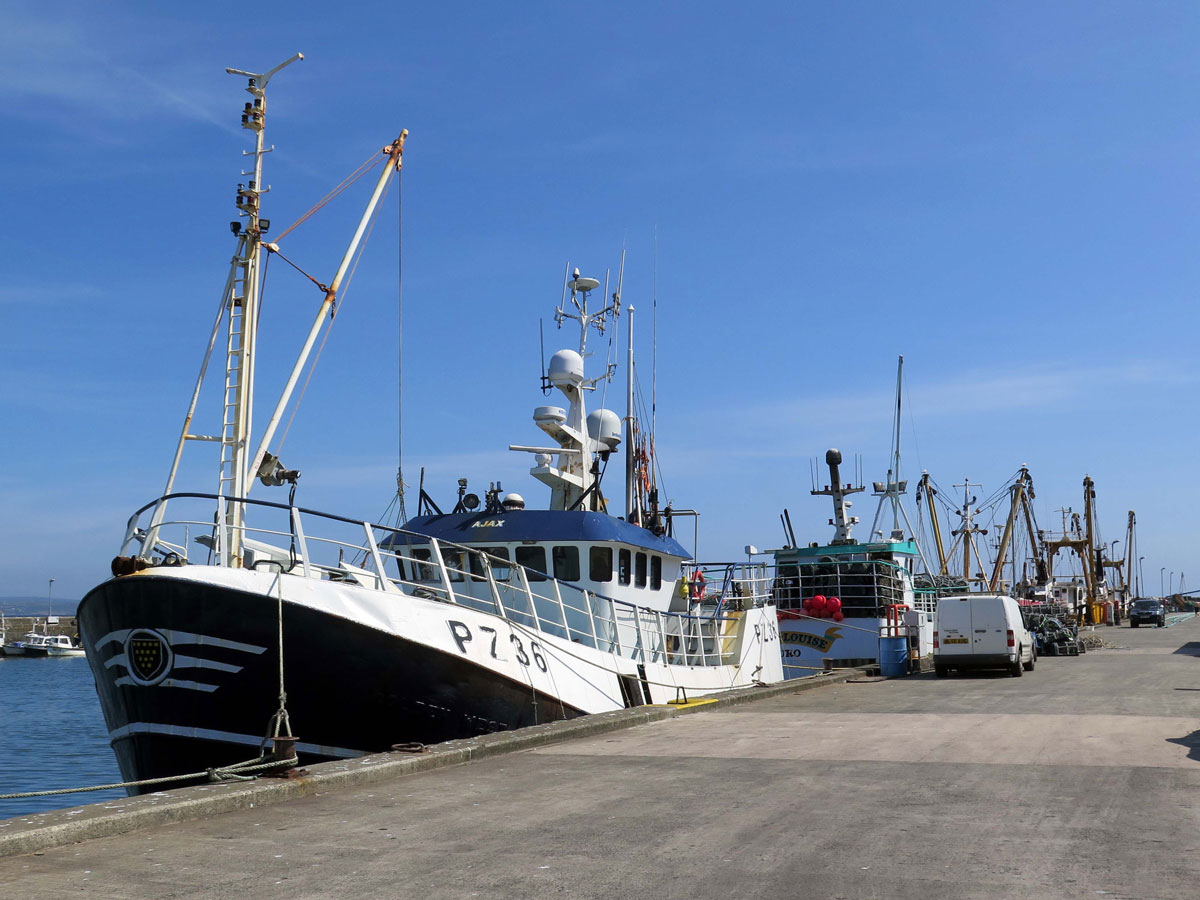
Newlyn is not just about the harbour, but also about the people who live and work here, and there are none that have been more involved than the Stevenson family. They’ve been here ever since John Stevenson arrived from Whitby in the early 19th century, and the family’s influence was extended by the birth of William Stevenson in 1928. In Laurence Hartwell’s Through the Gaps he describes how the ‘Patriarch of Newlyn’, as Billy was known, took over from his father (also called Billy) at the end of WWII and expanded the business into a total of 36 boats making it the largest privately owned fishing fleet in Europe. He was also a keen amateur photographer and built up a valuable collection of images about fishing and the Newlyn community. He passed away aged 93 in November 2021.

Billy named many of his boats after family members including his eldest daughter Elizabeth Caroline who followed in her father’s footsteps. She earned the nickname ‘Queen of fish’ for her role as the ‘matriarch’ (my word, not theirs) of Newlyn’s fishing industry. She was also president of the National Federation of Fishermen’s Organisation (NFFO) who were established to provide a united voice for all fishermen during negotiations with the European Union and their Common Fisheries Policy.
Since the 1970s the European Union (EU) has had a major part to play in UK affairs, and it would be impossible to ignore what impact the EU’s directives have had on Newlyn and the fishing industry in general. To begin with, I think it’s worth remembering that after being twice vetoed by France during the 1960s, it wasn’t until 1969 that the UK was eventually allowed to open discussions to join the European Economic Community (as it was called then). Some fishermen believe that the negotiations which took place were unduly generous towards our European neighbours in order for the application to be successful – which it was on 1st January 1973 – but there were turbulent times ahead.
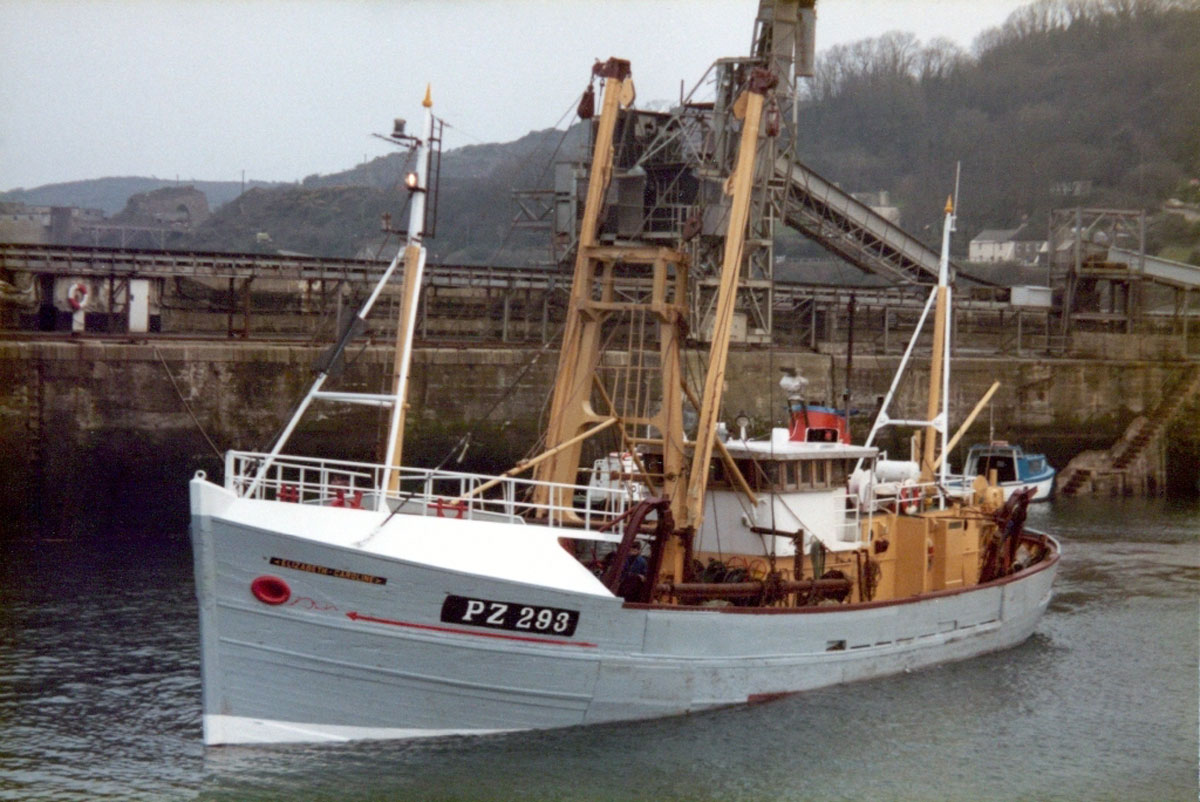
No sane person would argue against laws to prevent overfishing and British fishermen themselves would agree with that, but quotas ordered by the EU were deemed to be unfair. Other member states were given the right to fish in British waters, but they were also said to have been given a disproportionate share of the catch. As one Newlyn fisherman says “ There are more foreign boats working in our waters than UK boats. When I go to sea these days, I’m just surrounded by foreign boats: French, Spanish, Irish, Belgian and Dutch”. France, for example was allowed to take 60% of the haddock in British waters while Britain was allocated only 10%, and as Elizabeth Stevenson said “other EU countries take £400m worth of fish from our waters. We take £100m from theirs.”.
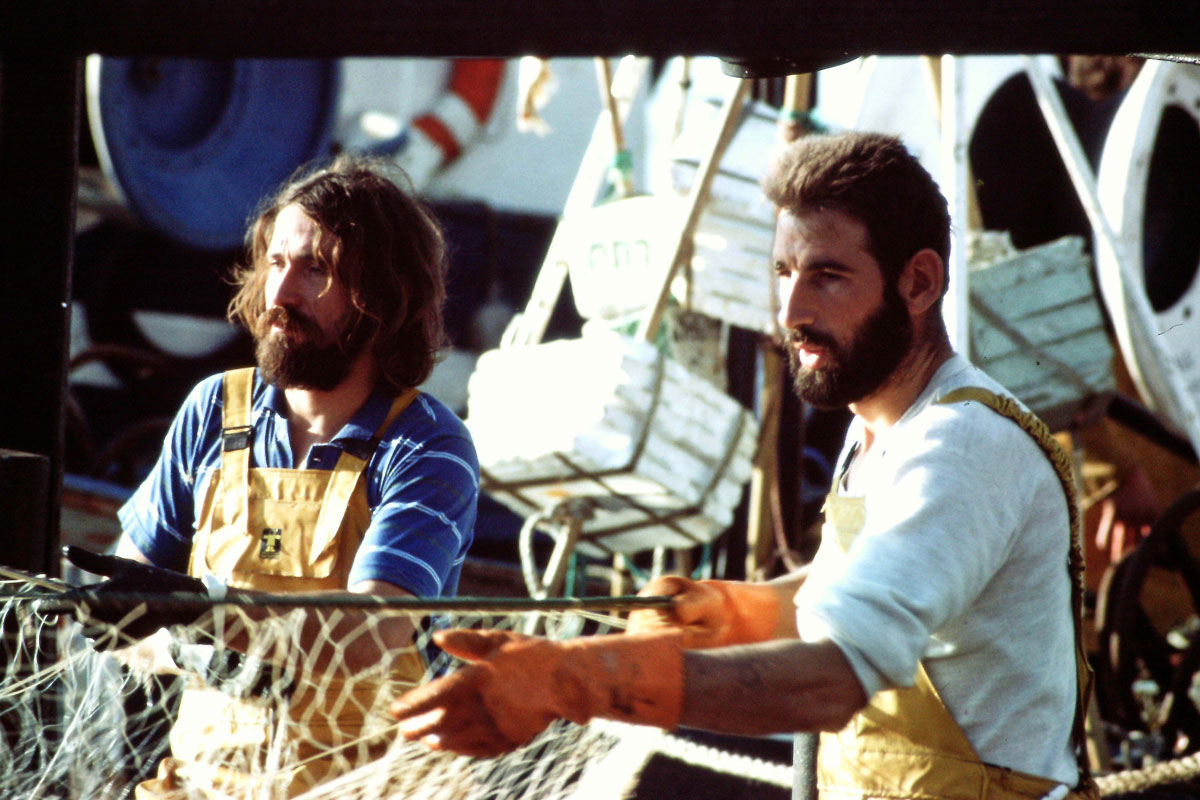
Another by-product of these laws was that any fish that were inadvertently caught had to be thrown back overboard even if they weren’t alive. All this was taking its toll on Newlyn fishermen who were struggling to pay their bills and keep up payments on their boat. It was a situation that led to some Newlyn skippers and the Stevenson family breaking the law. The charges made it sound as though they didn’t care about illegal fishing, but it was more a case of trying to stay afloat financially. As Paul Trebilcock from the Cornish Fish Producers Organisation said “ There’s no argument about the legality, but there is an argument about the practicality and commonsense”.
An unfortunate consequence of these political disputes were altercations at sea between UK and other European fishermen, but the worst offenders of overfishing come from far-eastern countries such as China whose fishermen travel thousands of miles to catch millions of metric tons of wild fish, but to be fair, aquaculture is rapidly taking over from China’s wild fishing, so there’s hope yet. When all’s said and done though, I would like to believe that fishermen, wherever they come from, just want to make an honest, but sustainable living from a hostile working environment.
The Stevenson family are still the backbone of the Newlyn fishing fleet but their number of boats has reduced to 7 beam trawlers and 4 ring netters, but even so, a third to half of the fish landed come from their boats. The others are owned by independent skippers, but the Stevensons also act as agents, auctioneers and fuel suppliers. Whether the domination of the fishing business in Newlyn by the Stevenson family is universally welcomed I don’t know, but something tells me that they care deeply about the town and its people – and it would be difficult to imagine Newlyn without them.
In 2016 British fishing communities voted overwhelmingly to leave the European Union and their wish was granted, but the benefits they were hoping for have never been fully realised, but that’s another story. Even so, Newlyn is the largest fishing port in England by quantity of fish landed (Brixham is largest by value of fish sold). I never tire of walking around this friendly harbour and below are some images that will show you why.
-
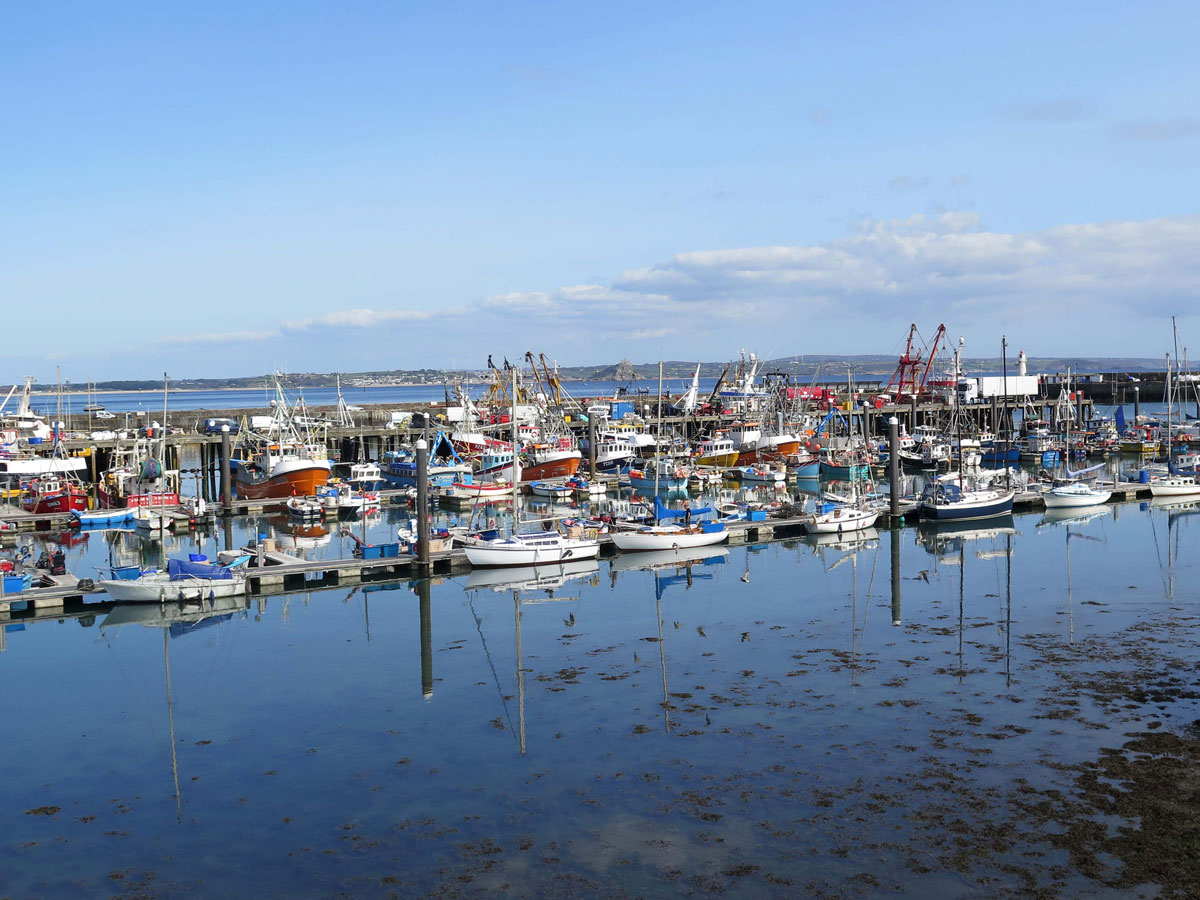
- Newlyn Harbour from Cliff Road
-
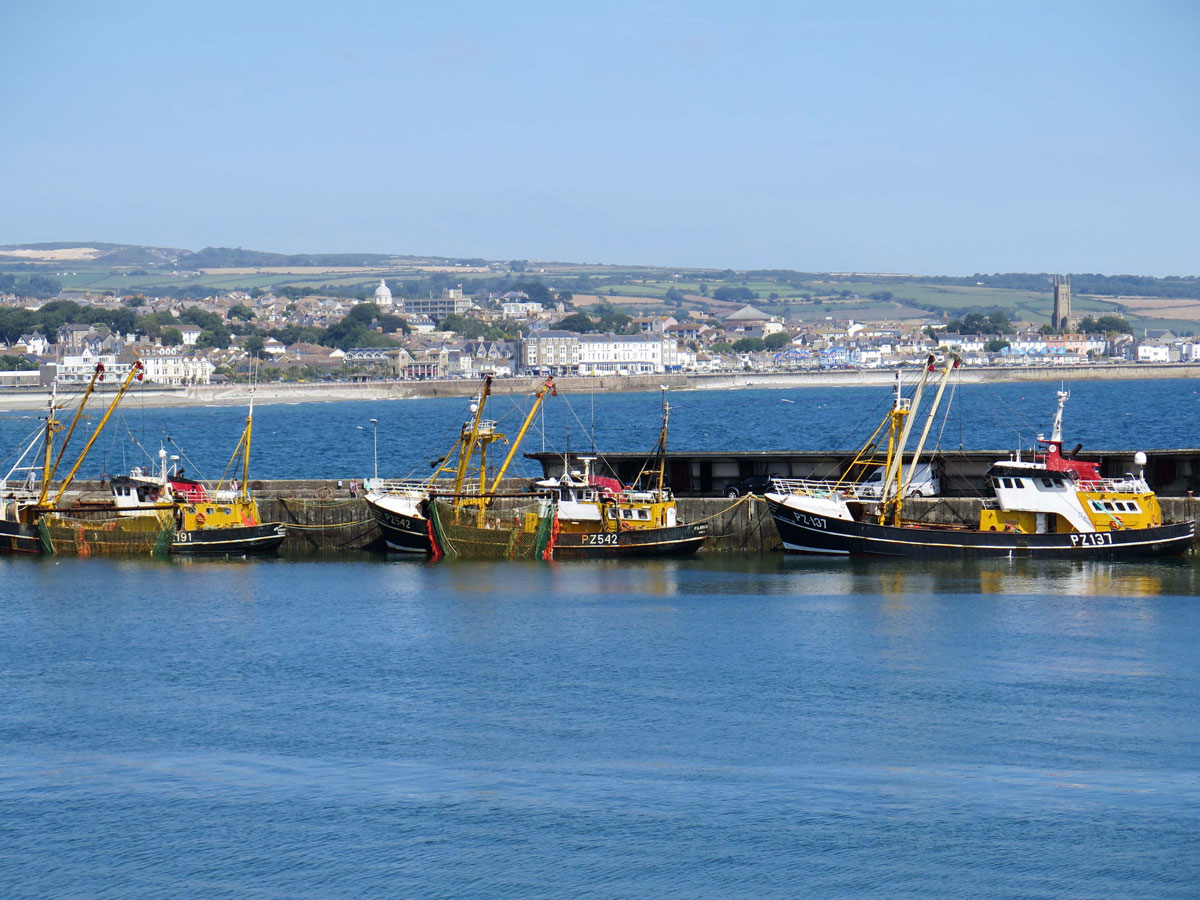
- The North Pier and Penzance from Cliff Road
-
- The North Pier from South Pier
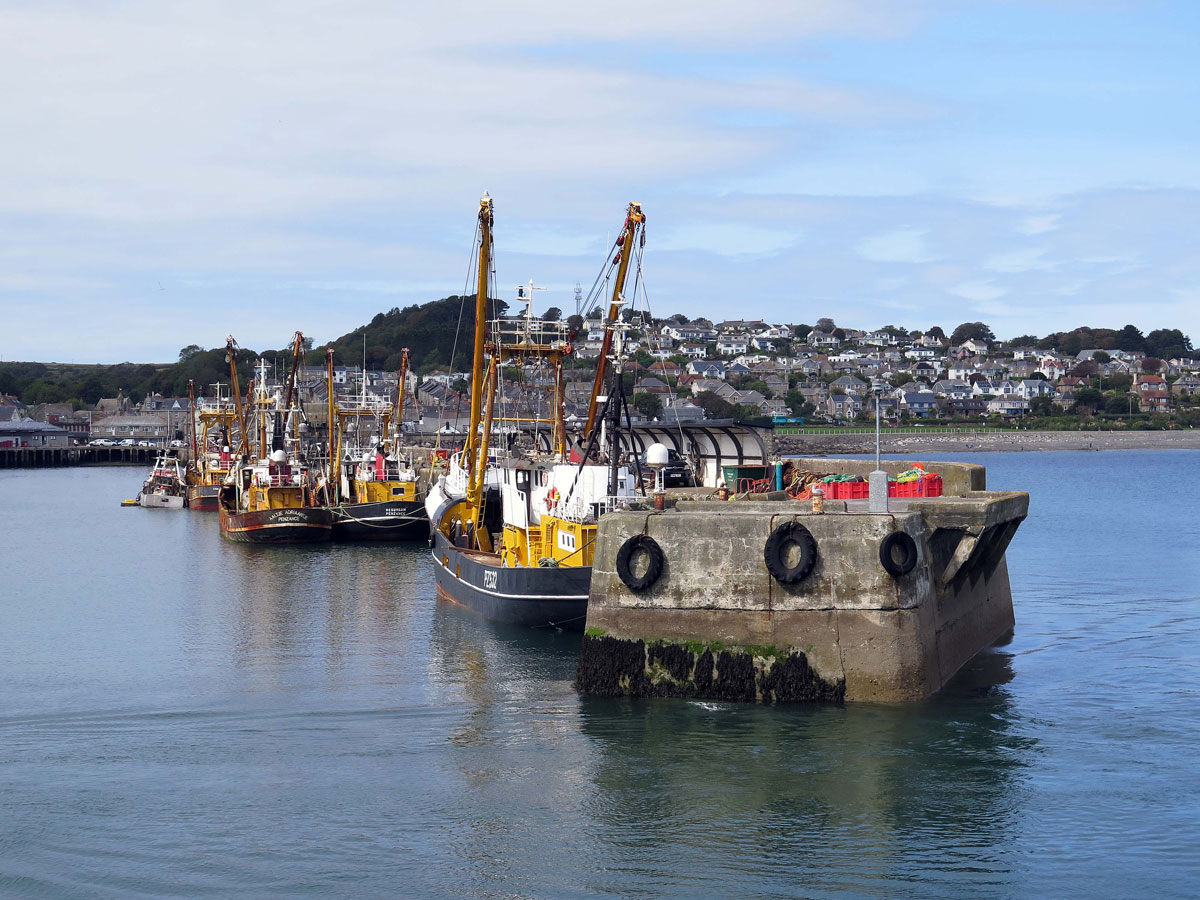
-
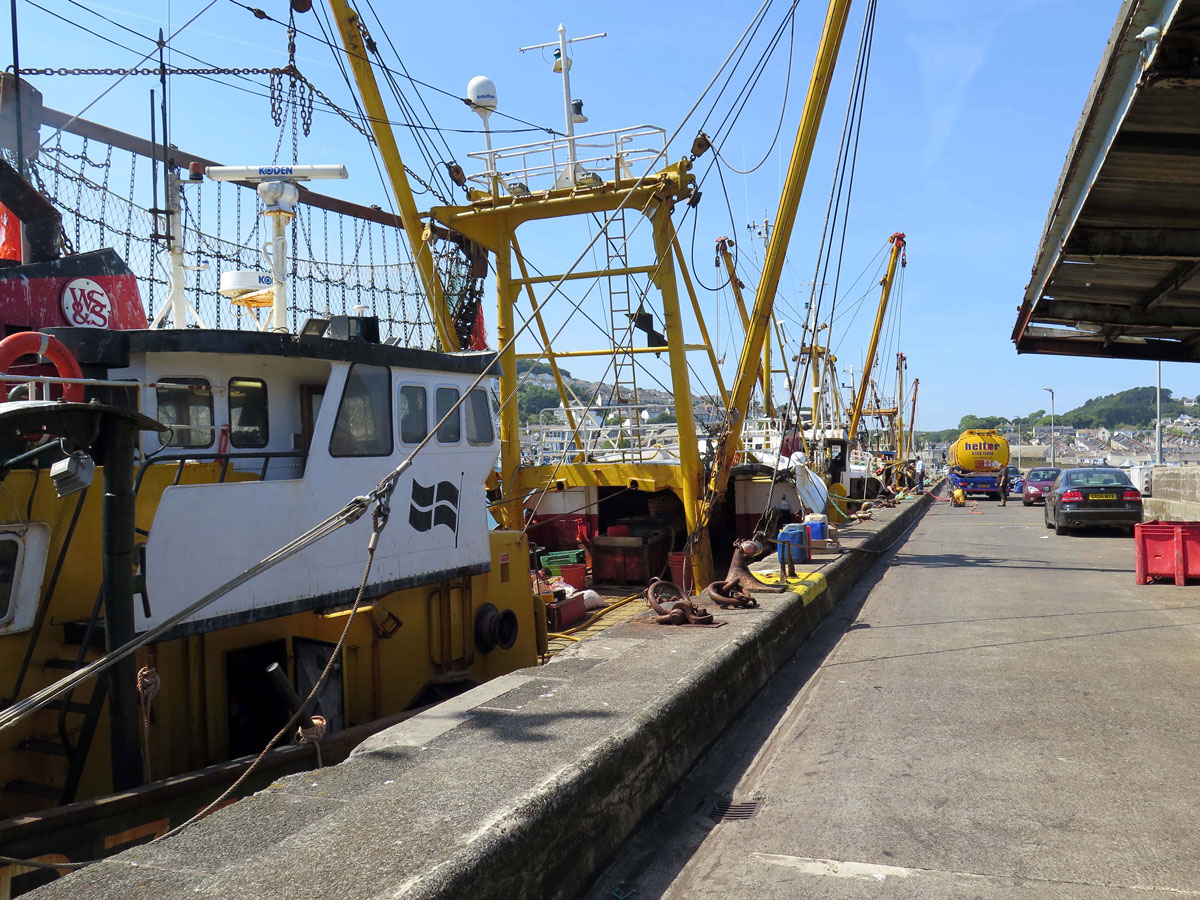
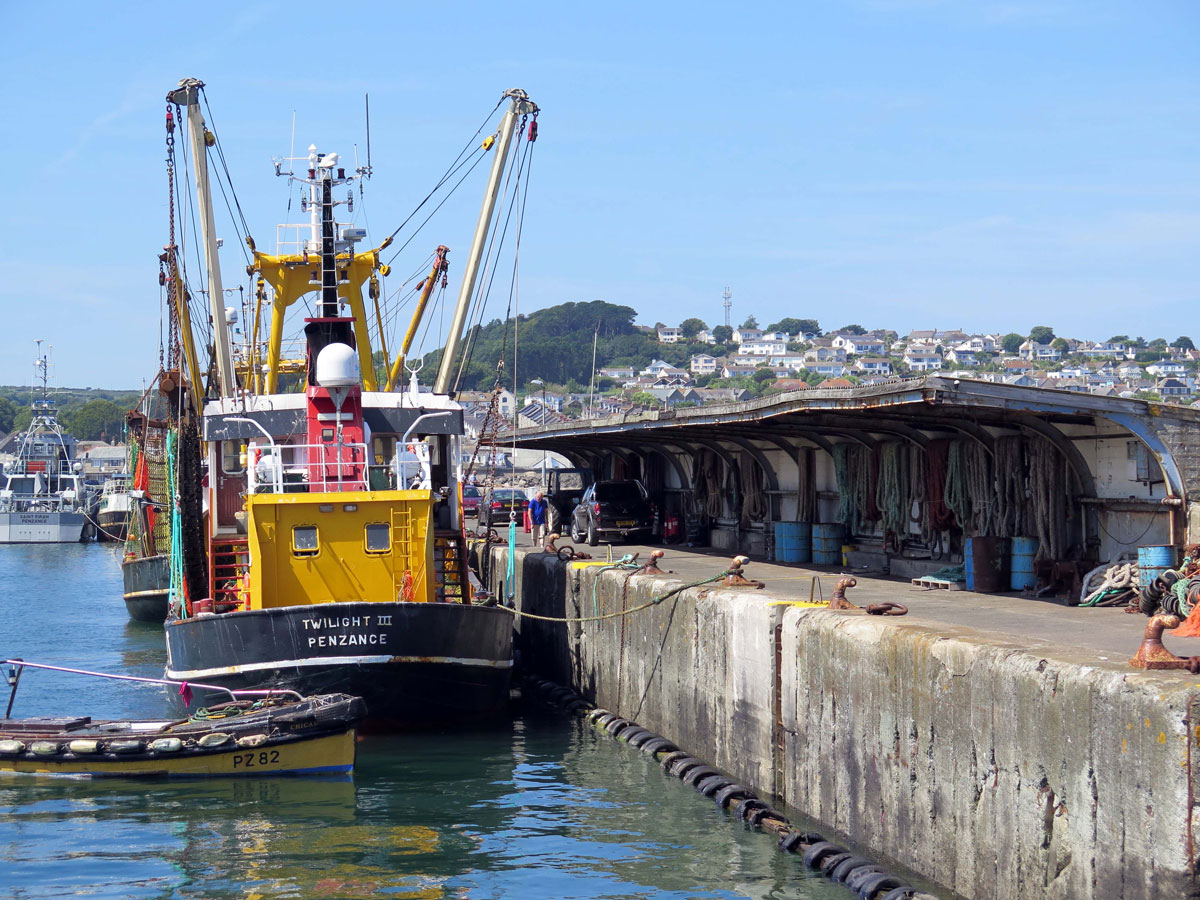
- North Pier
-
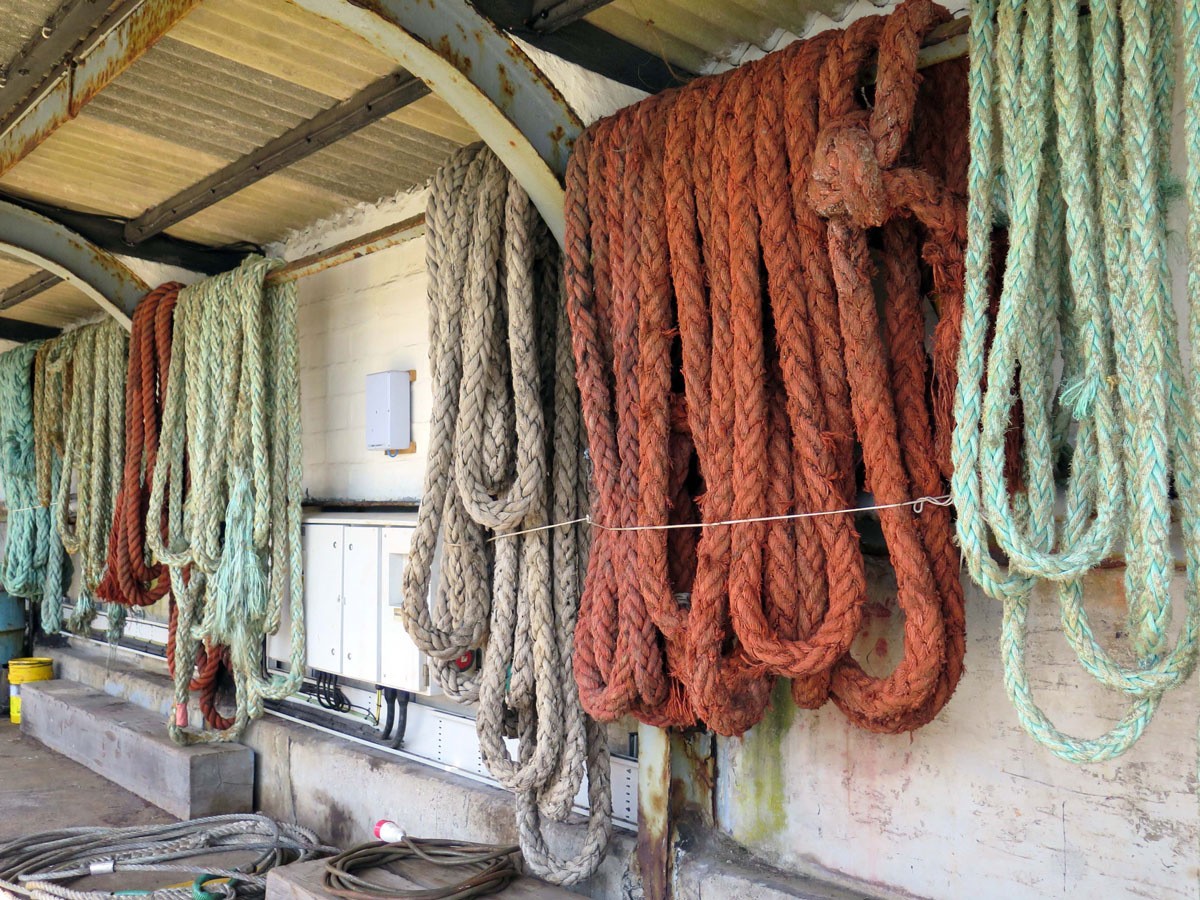
- Ropes on North Pier
-
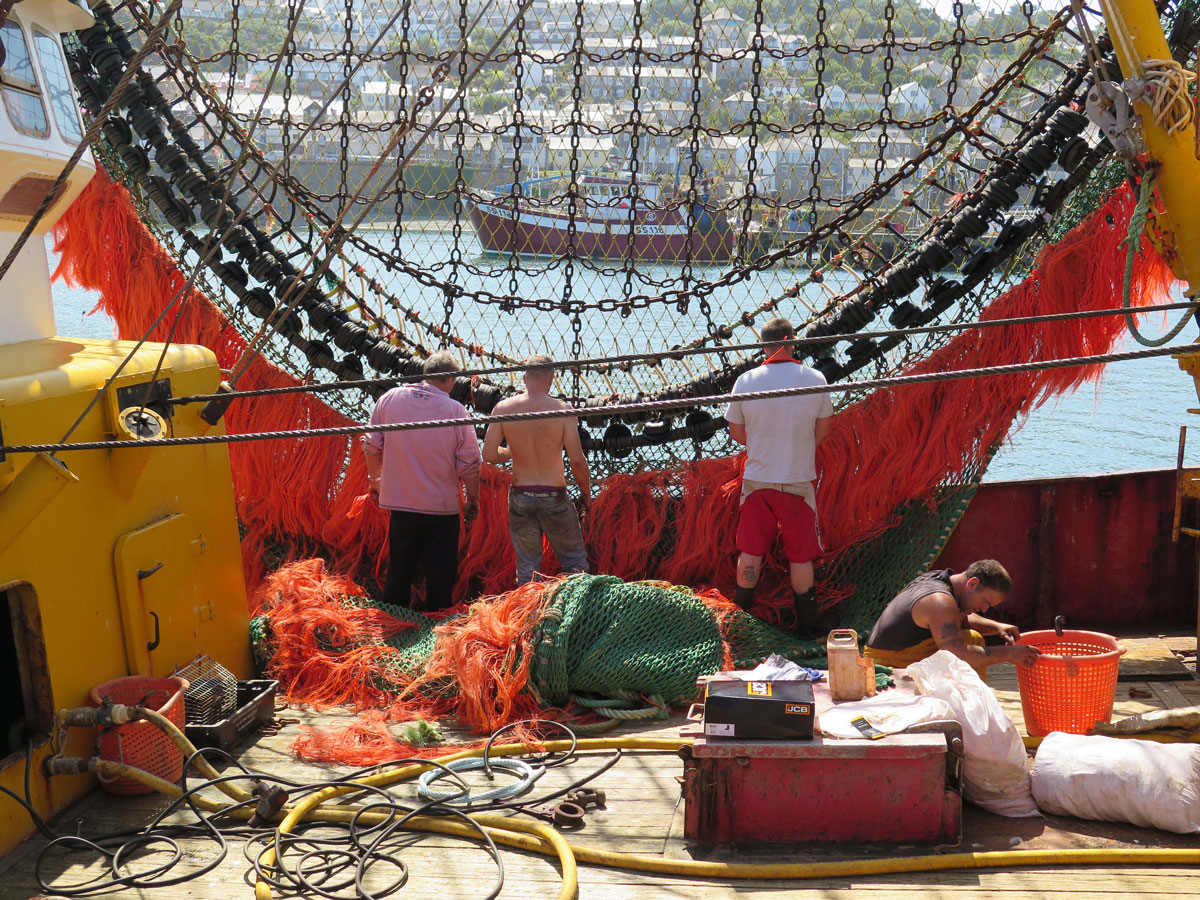
- Working on the ‘Filadelfia’
-
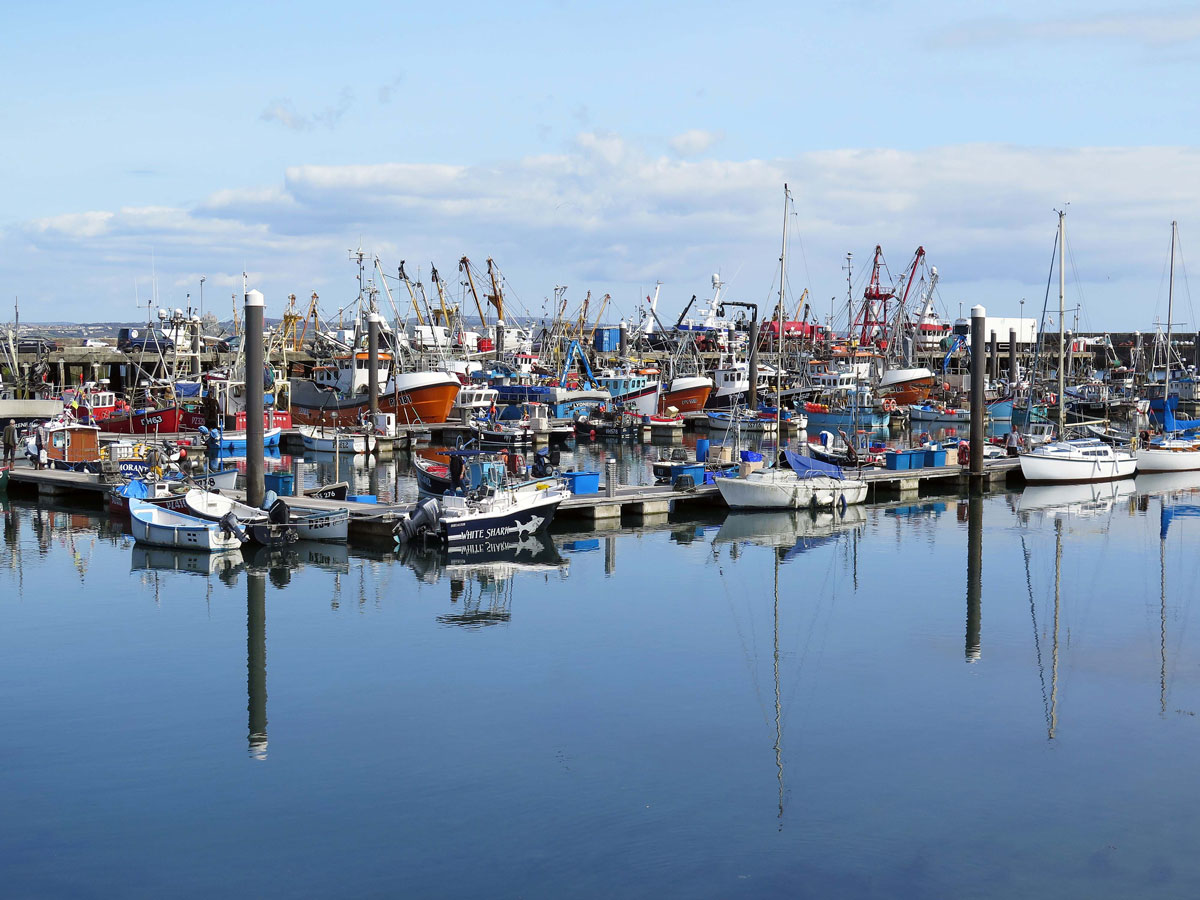
- The Mary Williams Pier and Small Boats Pontoon
-
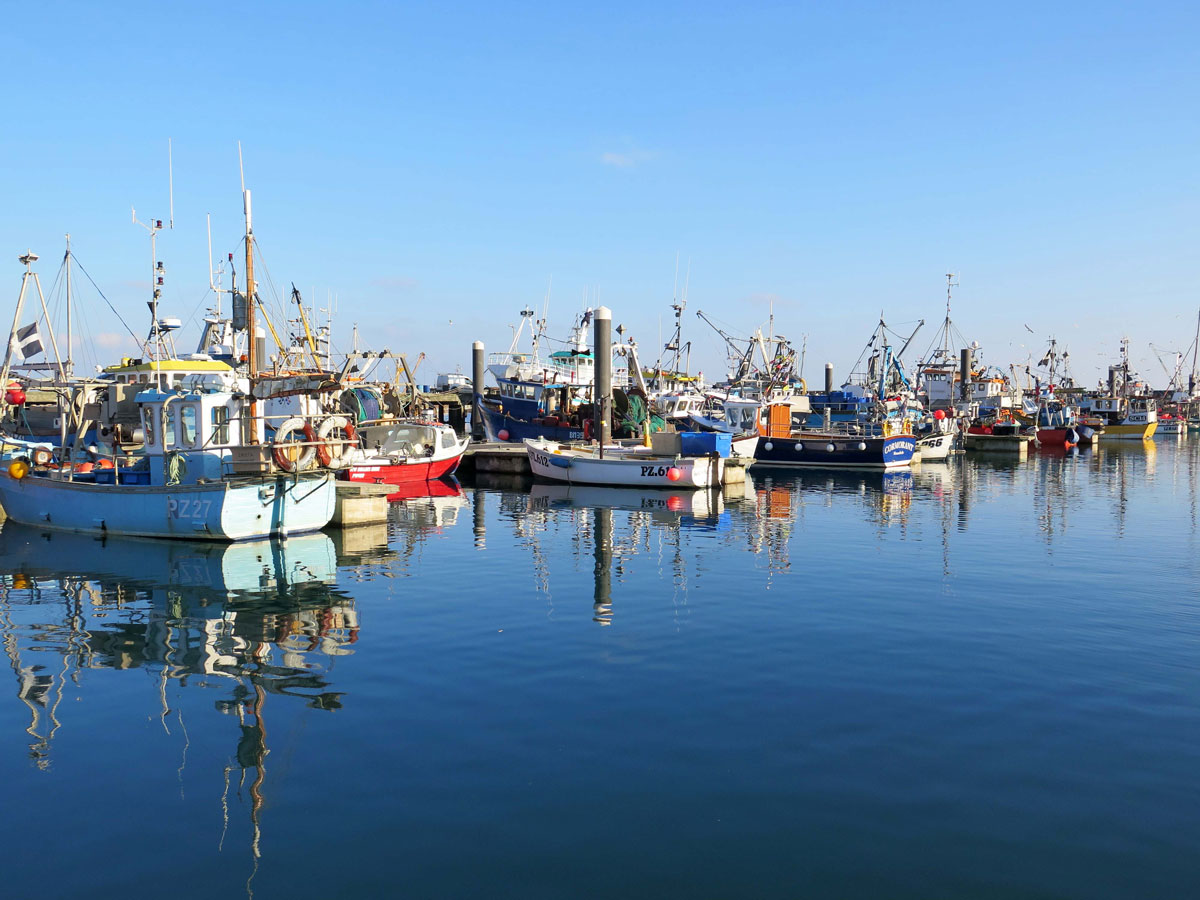
- The Mary Williams Pier
-
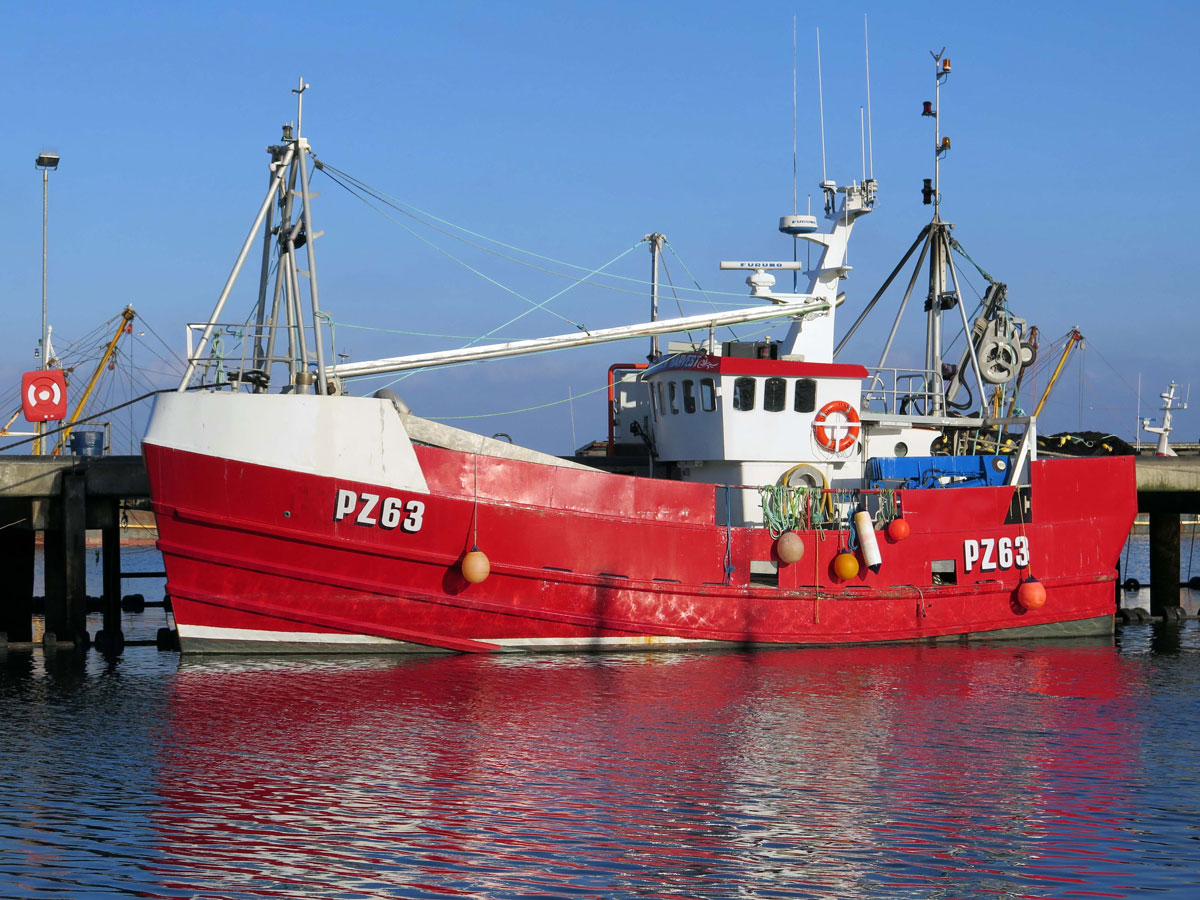
- The Trawler ‘Golden Harvest’
-
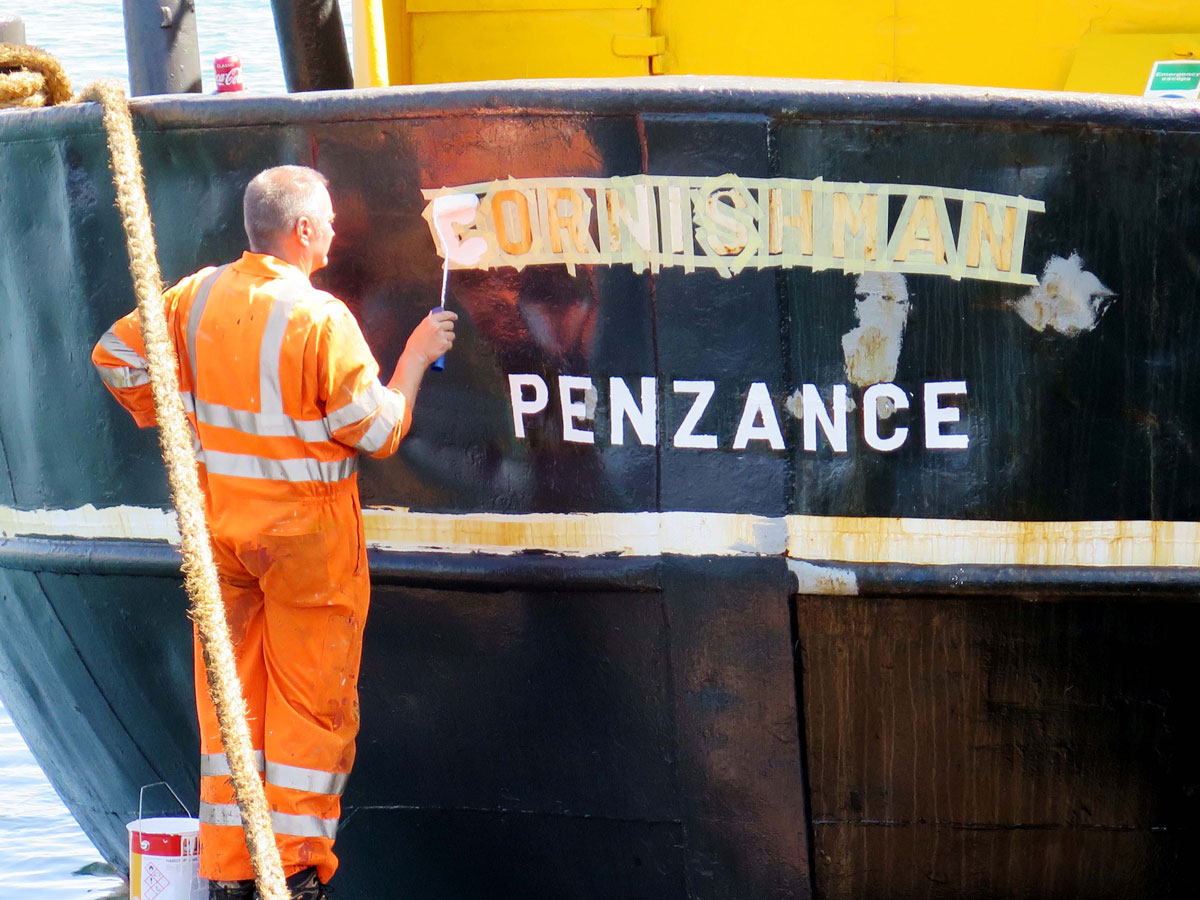
- There’s always work to be done
-
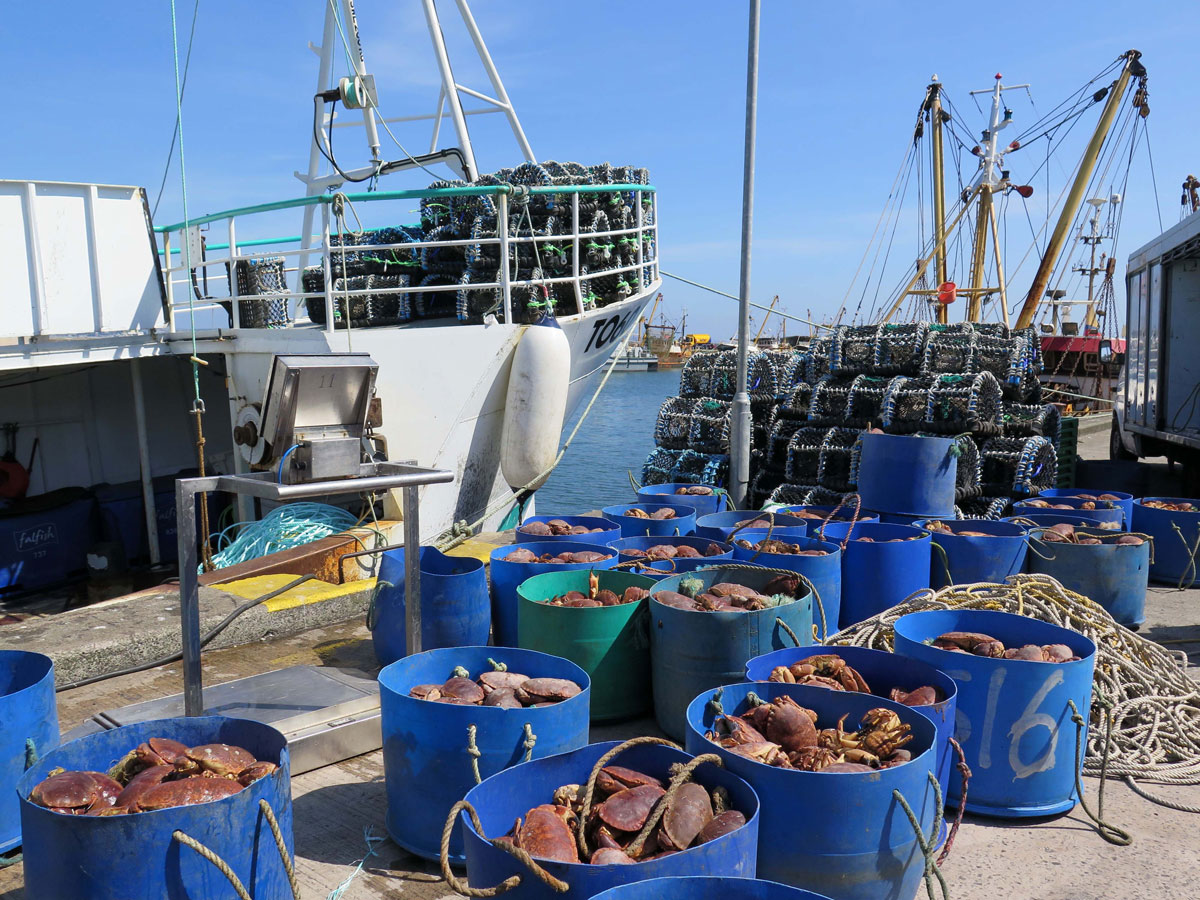
- Unloading Crabs from the ‘Emma Louise’
-
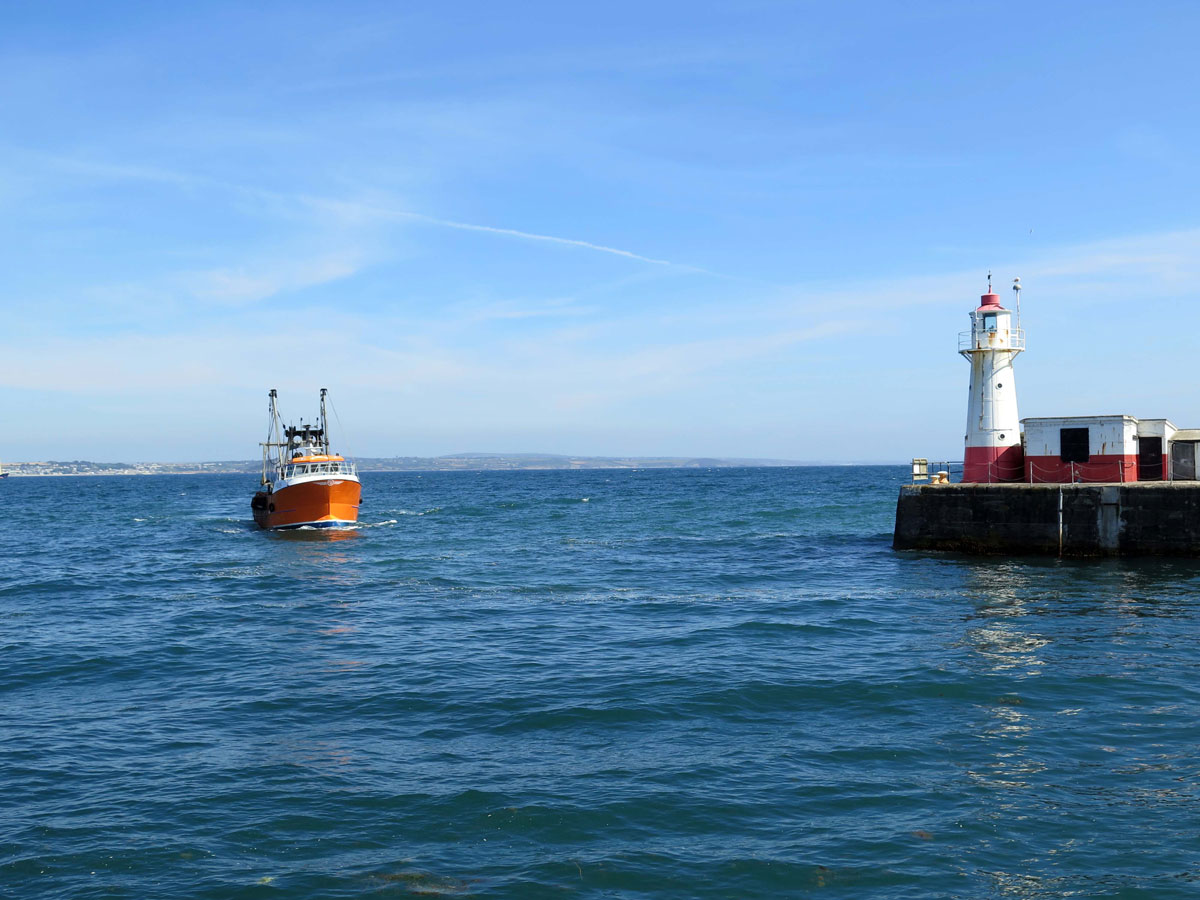
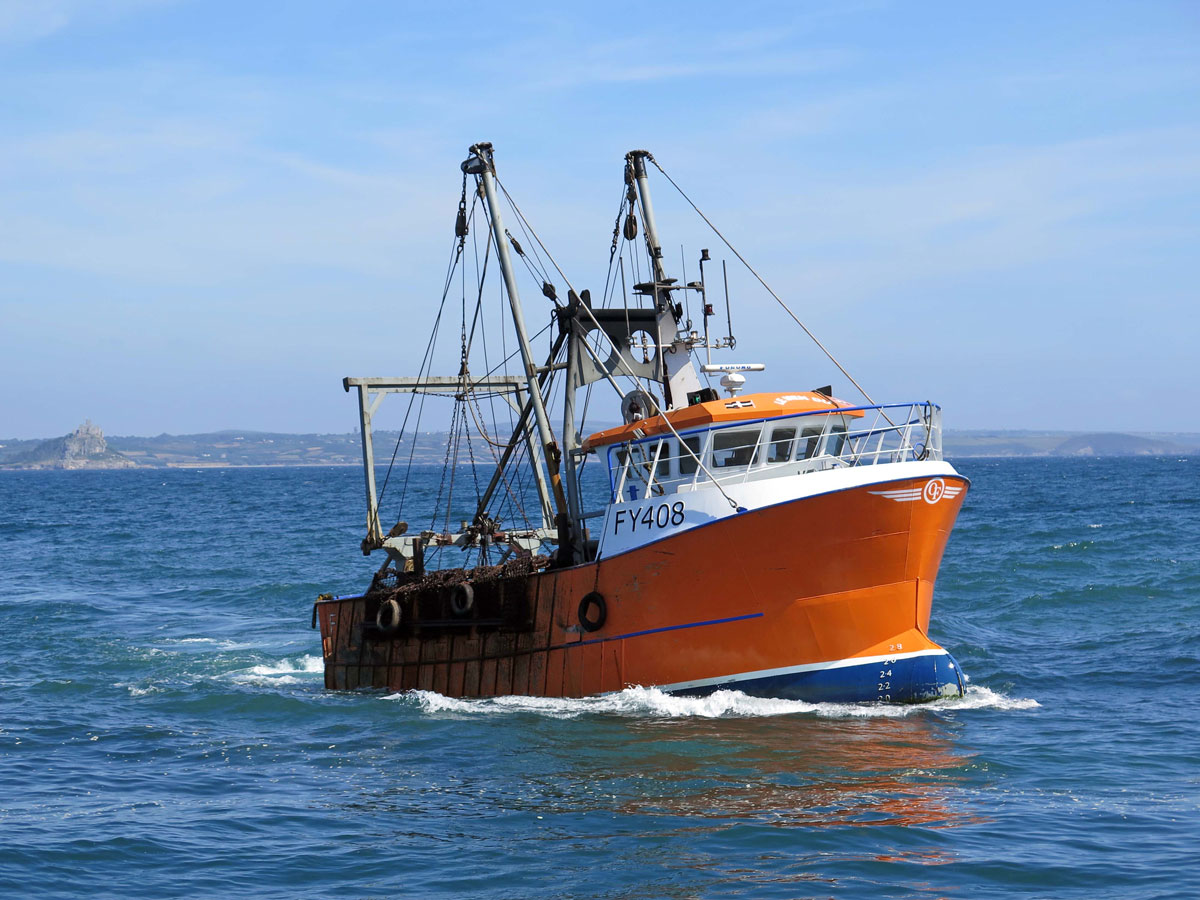
- A Scalloper returning to Harbour
-
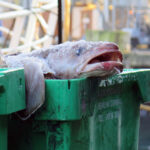
- Unloading Monkfish (which the skipper offered us for free)
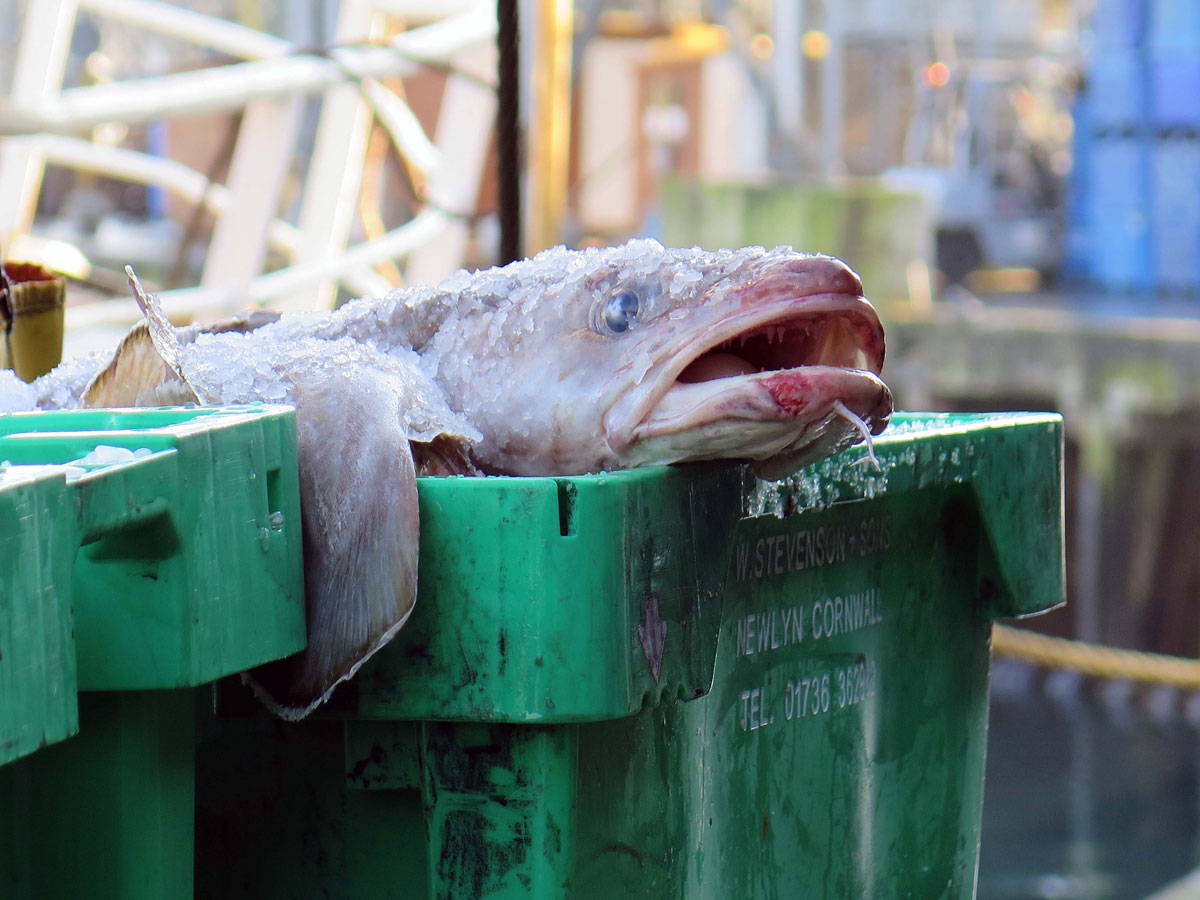
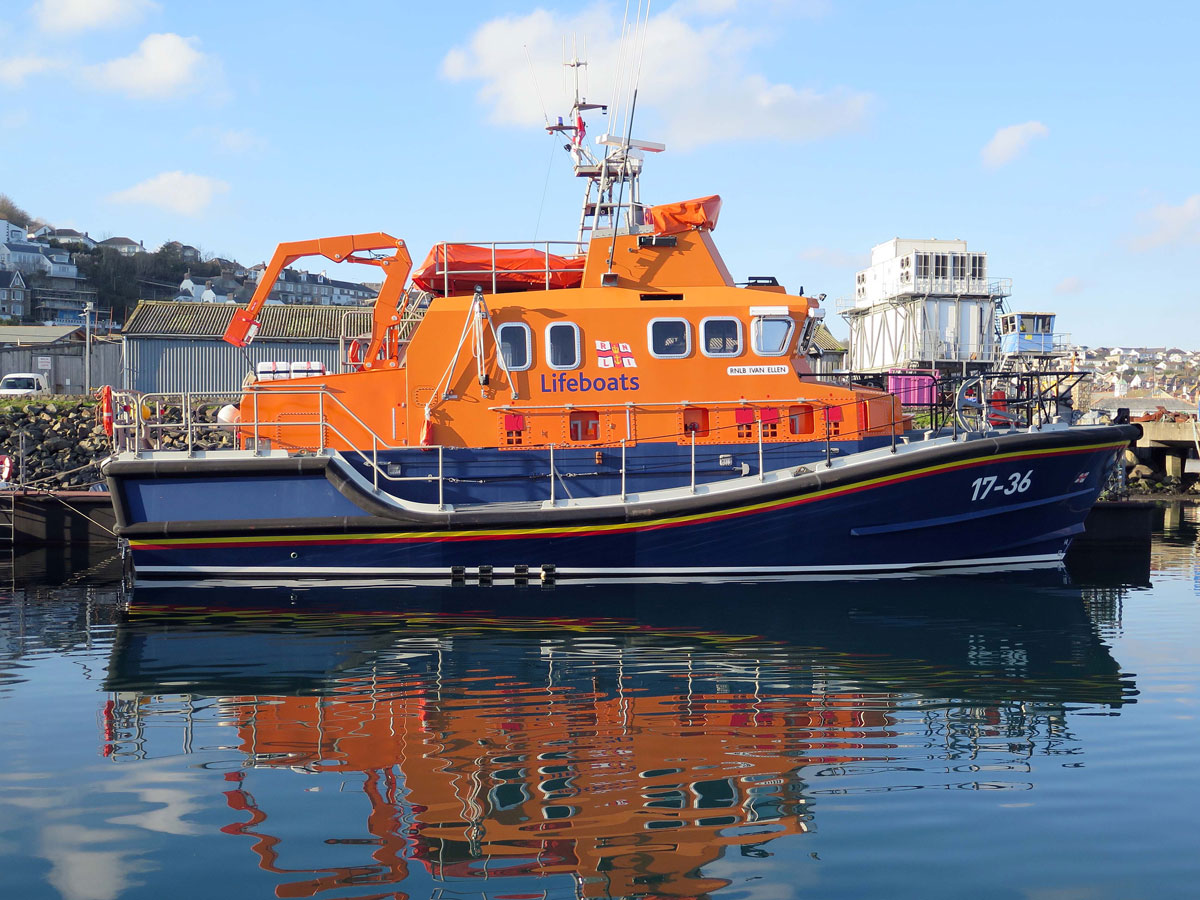
Before leaving the harbour you might want to check out the lifeboat station. All lifeboat stations have reminders of those who gave their lives trying to save others at sea, but this one has a particular tragedy to remember. The first station was opened at Penzance in 1803 and was moved to Newlyn in 1908. Four years later it was transferred to Penlee Point between Newlyn and Mousehole, and it was from here that the Solomon Browne left to rescue a stricken cargo ship on the night of 19th December 1981. All the lifeboat crew were lost, as were the crew of the Union Star. It was a terrible tragedy which I wrote about here. Afterwards, the lifeboat station moved back to Newlyn while the Penlee station remains as a memorial to those who lost their lives.
Ever since I can remember, I’ve enjoyed wandering around fishing harbours. Whether it be listening to fishermen’s tales, watching the nets being mended, or landing the catch. It’s always fascinated me, and it still does; but whether it’s just because I’m getting older or whether times have changed, I just can’t help but think that all these creatures should be left to swim in the sea – but what are they left to swim in? Eating fish is supposed to be better than eating meat, but we don’t know what we’re eating because we don’t know what they’re eating anymore. When we think of catching sole, it’s just as likely to be one from the bottom of a shoe than a tasty one of the Dover variety. If, like me, you’re interested in finding out how sustainable the fish we like are, then check out the Marine Conservation Society’s Good Fish Guide.
And spare a thought for those who bring it back into port.
POSTED – JANUARY 2025
Originally posted 2025-01-31 08:10:50.
I enjoyed this portrait – in words and pictures, of course – of Newlyn Harbour and its story, Malc. 🙂 I like the fact that the Stevenson family have been a cornerstone of the place for so long. It gives the place a sense of continuity and stability, with the one family acting as an anchor (if you’ll forgive the pun!) for the community. Do you know what made John leave Whitby to move south?
I hadn’t known much at all about the EU’s fishing rulings, except that there were grumblings from our fishermen, but now I understand why – it was all grossly unfair. No wonder they all voted to leave. I’ve no doubt, however, that the fishermen themselves had some great stories to tell. You must have met some real characters. But as a long-term veggie I found myself nodding profusely at your final comments about the fish being left to swim in the sea. You know my views already about nature and pollution, so in my mind they should be left to swim in a clean sea. After all, it’s their planet too. But anyway, this was a customarily great read, and your photos make Newlyn Harbour look a very inviting place to wander around. 🙂
I have no idea why John Stevenson left Whitby Alli, but the warmer Cornish weather may have had something to do with it. It’s the reason a lot of older people live on the south coast, although these days they are more likely to flee to Spain or Portugal.
As for the EU and fishing, I’ll give you my thoughts when I return your email you sent today so thank you for that, and you’re right about fishermen’s tales. I’ve always enjoyed listening to them, some are priceless.
The problem we have in keeping our seas in pristine condition is another topic I may well discuss in my follow up email. The trouble is, I have so much to say about so many things that it’ll be like reading War and Peace if I’m not careful 😊
I reckon you’re right about older people fleeing abroad – there’s nothing for them here now!
Don’t worry if it’s a War and Peace length email, sometimes it takes more words to say what you need to say. 🙂 In the meantime, I’ve no doubt the fishermen themselves can be some of the most interesting characters to listen to. Indeed, we may not have actually chatted to any ourselves, but Maddie is a fan of Fisherman’s Friends, both the music and the films, which we all enjoy. 🙂
Needless to say, I’m a big Fisherman’s Friends fan too Alli, and as for a War and Peace email I have a plan. I’ll respond later to see if you agree.
Sure. I’ll look forward to hearing from you then.
Wonderful tale, Malc, with lots of local color. I enjoyed it.
Great! Thanks Pat.
Fishing does seem to run in families, doesn’t it? Looking at those rough seas it’s not easy imagining anyone eager to go out there.
They earn their money that’s for sure Jo!
This second part of your article is also absolutely rich and fascinating.
I found the information really interesting and the images fabulous.
Not to mention the song recorded by Rod Stewart, which has always been very dear to me🎶
Great! That’s made my day Luisa.
As ever, you’re most welcome. Malc!
Wishing you a happy weekend
You too Luisa
Thank you, Malc, for your wonderful post, part 2 of the history of Newlyn Port. As always, you combine many interesting parts of the development of the fishing industry, including the important people who made a difference to Newlyn, such as the Stevenson family, and the problems with the EU. A special treat for me, Malc, was the inclusion of my favourite singer/ composer, Rod Stewart and his song. I loved the video but it confirmed my preference to be on land. Thank you, Malc, and I look forward to more of your fascinating writing.
Joanna
Thank you as always Joanna. Your comments are such a pleasure to read because I know that you take in every word even if the topic is not necessarily your kind of thing, but it’s quite coincidental that today is the 5th anniversary of Brexit.
The way you write, Malc, made any topic interesting! I know about Brexit and the government’s move toward being closer to the EU!
Joanna
The establishment from both sides of the political spectrum didn’t agree with the democratic vote Joanna, but I’m glad that my posts always seem to interest you 😊
They don’t seem, Malc, they do!
Joanna
Ah! 🤗
I like to wander round a working harbour myself but no way would you ever get me on that boat, I’ll stay firmly on the quayside thank you 😊 Love the photos, except for the poor monkfish, he looks so sad 😢 It’s interesting to read your account of the EU situation in the early 70s, I wrote a different take on it here if you’d like to read it –
https://mousehouselife.wordpress.com/2020/08/17/fleetwood-wrecks/
I’ll get back to you on that post of yours Eunice as I want to have time to read it properly, but we declined the monkfish you’ll be glad to know 🤗
WOW… In every way.. .. My wish yesterday for the enxt part of these posts was granted!!!
Your wish is my command Shey – and thank you.
AWww.. Well it was a happy dance when it came up in my reader.
Ha Ha! The Gay Gordons?
Lol.. ocht that ane’s too slow!
Strip the Willow now. That’s a lucky to keep on your feet yin now.
Never heard of it before and I’ve just taken a look, but I think I’ll sit this one out 🙂
Oh that yin is murderous. My Mr ties the people up and causes pile ups on the floor when he does that one. He just can’t do it. It don’t matter how many times it is explained to him. But then you are looking at the guy who once went careering out a hall and down the steps during the Virginia Reel when he was meant to be leading the line back round.
Needless to say, I saw to the line . . . . .
As you should have done in the first place 😀
It must have been like watching the real Big Yin 😂
It as actually. Especially when he found himself in the street….
OMG
I hink it was cos the two lines were so long that the doors to the big vestibule had been opened or left open by someone out at the loos, that he just kept going. But as I said to him later…’I run a music and drama–obviously highly respected….. biz here, do you mind?’
Goodness me. I think the Mr and me would make a good team on a Strictly Come Dancing comedy sketch.
WOW!!!! Now there’s an idea.
🕺😀
The thing is re these dances is they all look sedate on You Tube….. when in fact the reality is totally different.
Nice photos Malc and interesting narrative. Smashing good.
Thanks Francesc. Glad you enjoyed it.
My pleasure Malc!