Tag Archives: Hampshire

Wolvesey Palace and the Bishops of Winchester

Wolvesey Palace and the Bishops of Winchester

In my recent post about London Bridge City and The Shard, I spoke about the area’s early history and why there were several large houses belonging to important religious figures lining the southern bank of the Thames – and the most imposing of these was Winchester Palace, the remains of which can still be seen in Southwark’s Clink Street.

At the time of the Norman Conquest, Southwark was in the county of Surrey and part of the Diocese of Winchester, one of the most important religious centres in the country, but not only that, Winchester was also the capital of England.

Being an astute and religious man, William the Conqueror not only engaged the services of the bishops to help him keep religious order, he also used their influence and power to advise him on state affairs.

Two of my earlier posts, Winchester – the First Capital of England, and Winchester Cathedral – From the Saxons to the Normans, may help to explain why the city and cathedral of Winchester were so important to the new King of England.

Continue reading

Originally posted 2020-09-28 13:53:11.
Winchester – The First Capital of England

Winchester - The First Capital of England

If someone were to ask me where to go for that quintessential English experience then Winchester would have to be right up there near the top of my list.

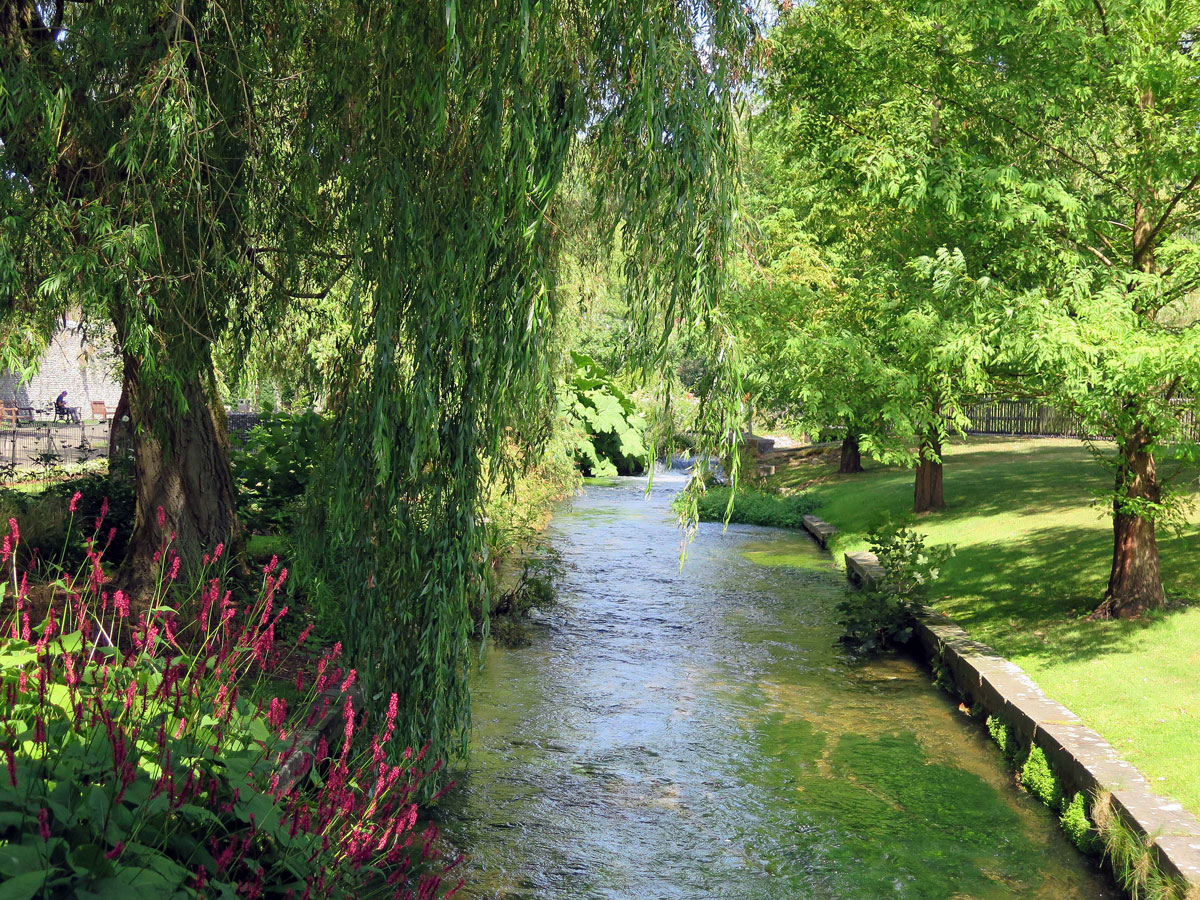
Its location, where the River Itchen flows through the chalk Downs of the Hampshire countryside, helps give this small city of 45,000 people an air of peace and calm that belies its past history and status as Hampshire’s county town.

It was this precise spot, where the river could be forded, that attracted a Celtic tribe from the continent to build a settlement here. The tribe we now call the Belgae arrived around 100BC, but it would appear that their enclosure at Oram’s Arbour and fort at St. Catherine’s Hill had been abandoned by the time the Romans arrived in AD70, who then created a settlement of their own which they called Venta Belgarun (Marketplace of the Belgae).

The river at this point split into two around an island, and although it made for a good crossing point, it was also liable to flooding, and so the Romans diverted the river through a single channel, which not only saved their town from flooding but also gave it an extra line of defence on their eastern flank. The river still flows through this channel and can best be seen on the lovely Weirs Walk.

Continue reading

Originally posted 2018-09-01 15:48:30.