Tag Archives: Winchester

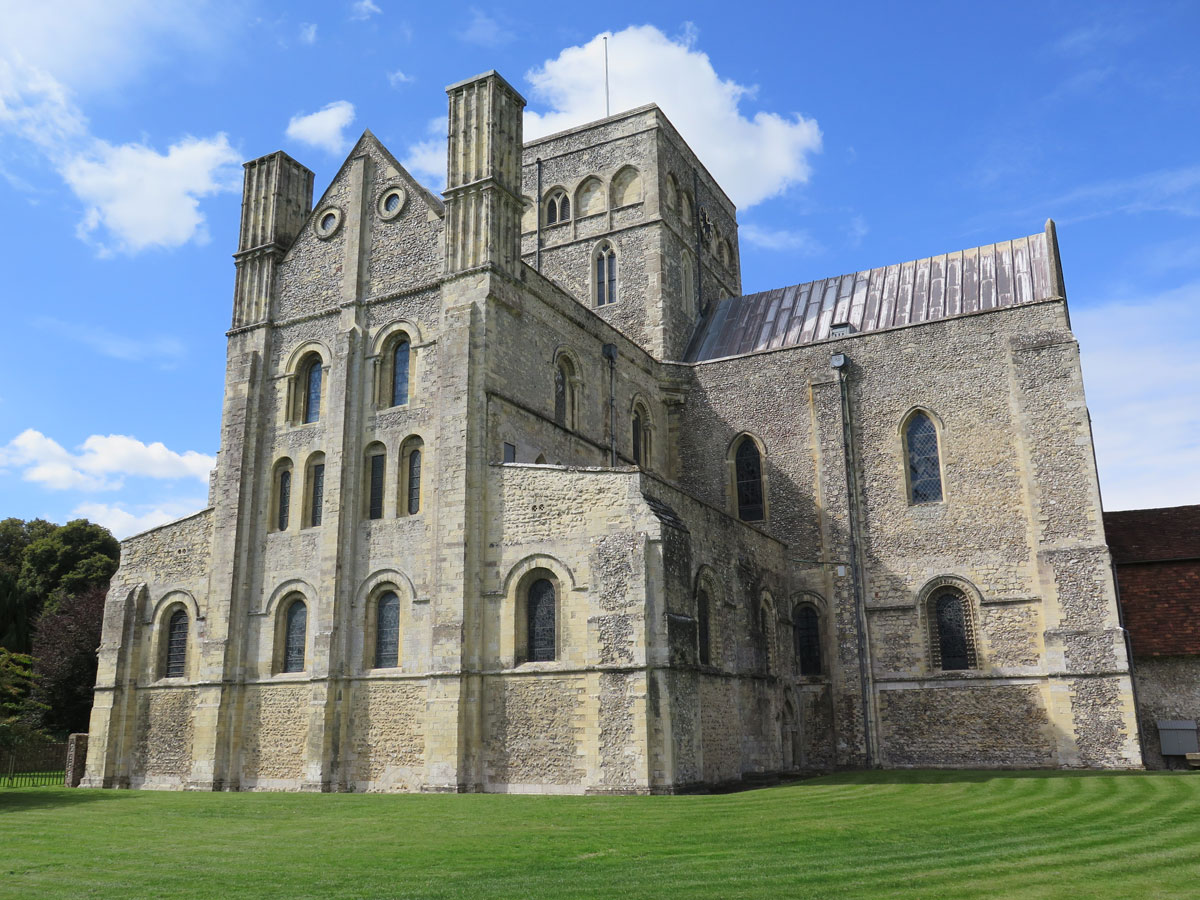
Brothers in Alms – The Hospital of St Cross, Winchester

Brothers in Alms - The Hospital of St Cross, Winchester

With so many places of historical interest to see in Winchester, it would be easy to miss this gem, especially as it’s a little way out of the city centre – and the name Hospital of St. Cross wouldn’t encourage too many people to find their way here either, but don’t go looking for the bus stop that will take you to the local A&E because the name is used in the medieval context of ‘hospitality’. You can get a bus to The Hospital of St Cross and Almshouse of Noble Poverty if you wish, but a nicer way, if time permits, is to take the mile long footpath alongside the River Itchen known as Keats Walk.

John Keats lived in Winchester during the summer and autumn of 1819, and his daily walk through the water meadows to St Cross inspired the romantic poet to write the ode To Autumn, where he describes my favourite month in a way that only he could. If you want to follow the same path (and I don’t mean as a poet) then you can take the Weirs Walk alongside the river from the City Mill to Wolvesey Palace, and then follow the signs from there up College Walk to St Cross, and you can always catch the bus back into town if time’s running short.

Continue reading

Originally posted 2024-02-22 09:24:53.

Wolvesey Palace and the Bishops of Winchester

Wolvesey Palace and the Bishops of Winchester

In my recent post about London Bridge City and The Shard, I spoke about the area’s early history and why there were several large houses belonging to important religious figures lining the southern bank of the Thames – and the most imposing of these was Winchester Palace, the remains of which can still be seen in Southwark’s Clink Street.

At the time of the Norman Conquest, Southwark was in the county of Surrey and part of the Diocese of Winchester, one of the most important religious centres in the country, but not only that, Winchester was also the capital of England.

Being an astute and religious man, William the Conqueror not only engaged the services of the bishops to help him keep religious order, he also used their influence and power to advise him on state affairs.

Two of my earlier posts, Winchester – the First Capital of England, and Winchester Cathedral – From the Saxons to the Normans, may help to explain why the city and cathedral of Winchester were so important to the new King of England.

Continue reading

Originally posted 2020-09-28 13:53:11.