Winchester Cathedral - From the Saxons to the Normans
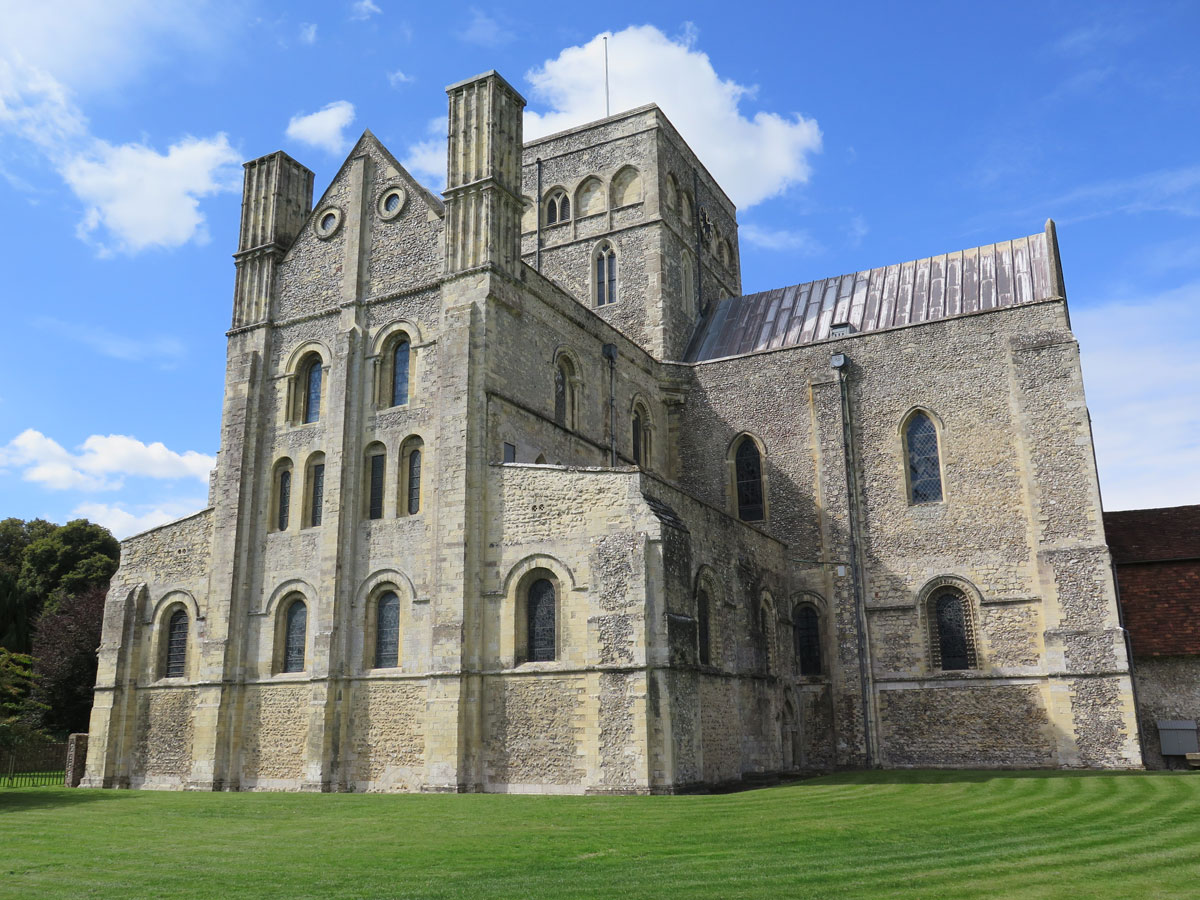
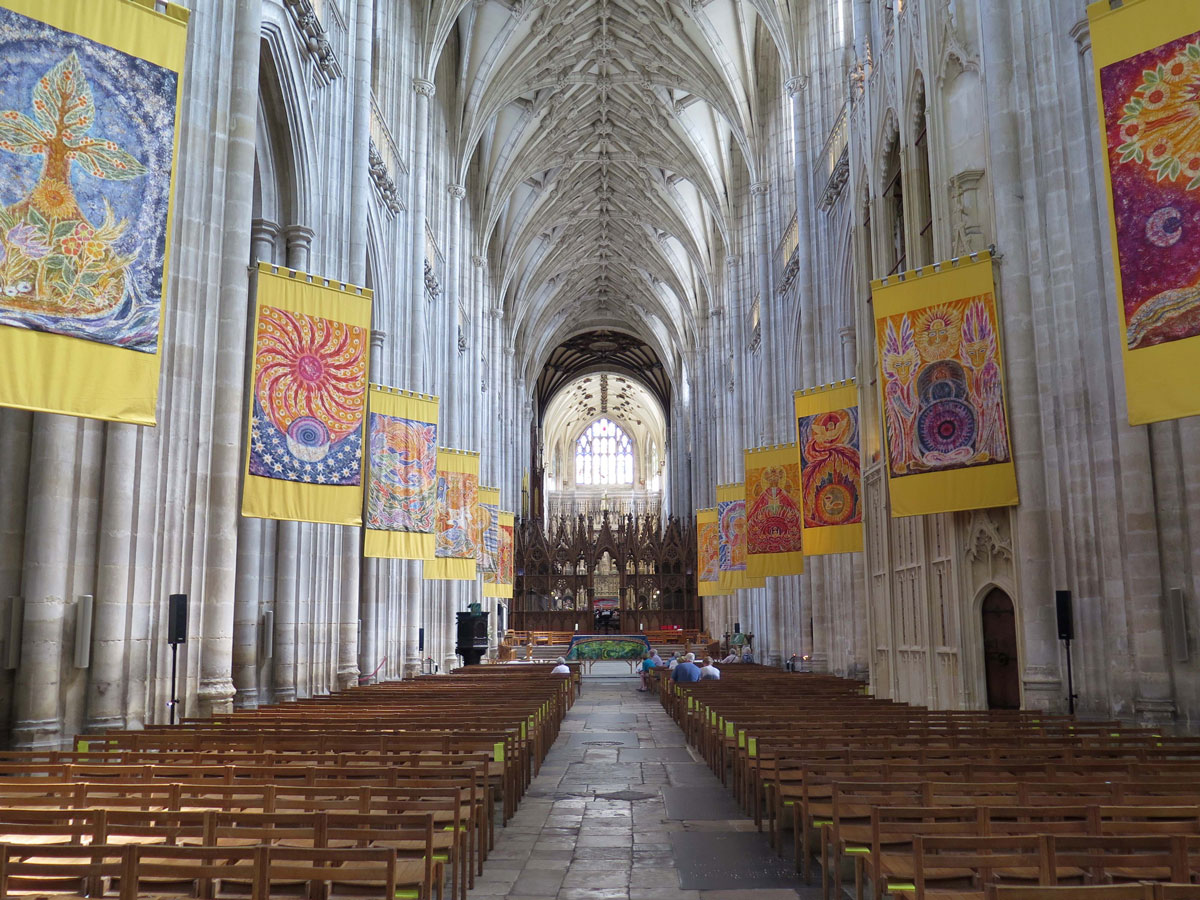
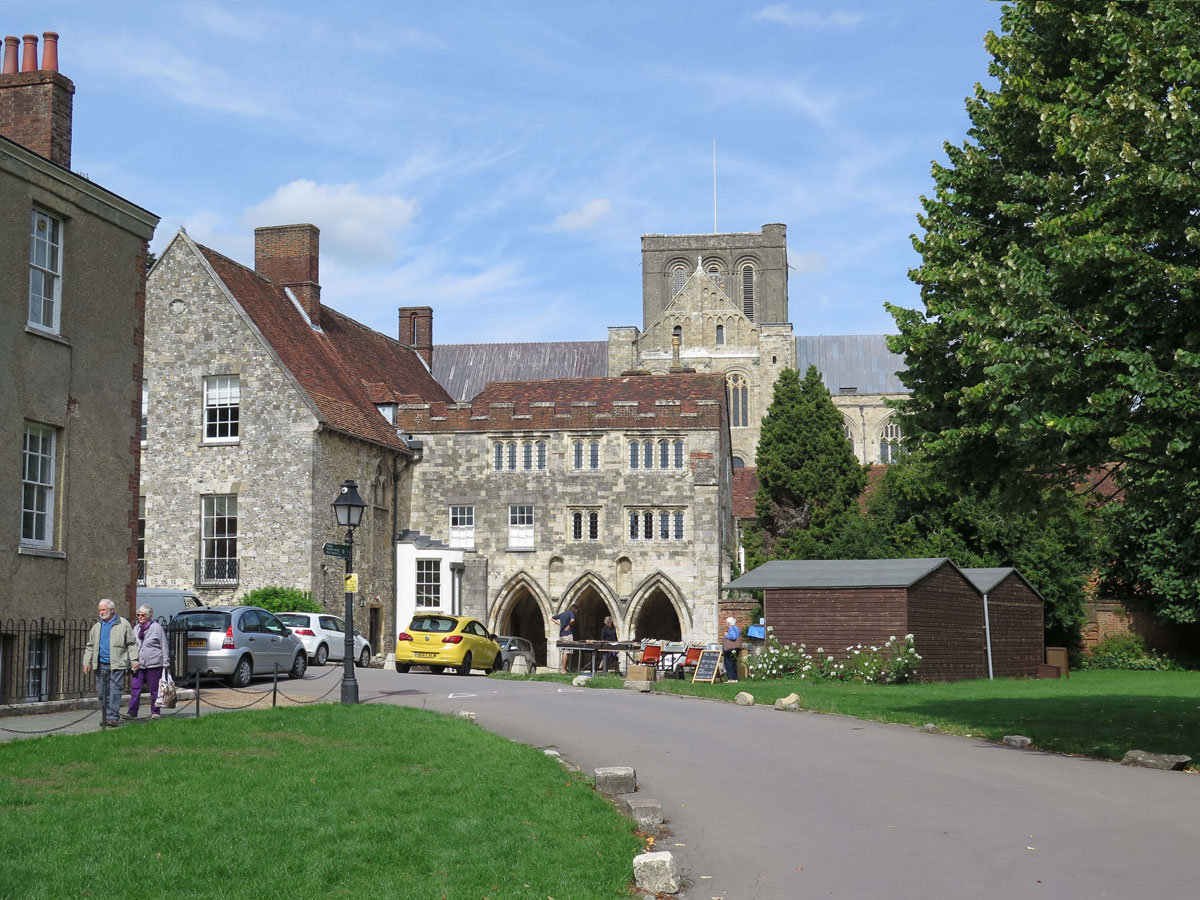
People who read my pages can be forgiven for thinking that I’m a religious person as I often seem to be writing about cathedrals, abbeys, and churches in general. The truth is that I’m not at all religious, but I am interested in the historical significance and architecture of these fantastic buildings and Winchester Cathedral is a perfect example.
In this article I’m delving into the background of the cathedral from a time when England became Christianized under the Anglo-Saxons to when William the Conqueror needed Winchester to consolidate his hold over the rest of the country.
The Romans initially brought Christianity to these shores, but after their departure in 410 AD the country reverted back to paganism.
In 597 Pope Gregory sent Augustine to England to re-introduce the Roman version of Christianity, but he wasn’t able to convert the whole country on his own of course and it was St Birinus who came to Wessex in 635 and converted Cynegils, King of the West Saxons.
King Cynegils established a cathedral church at Dorchester-on-Thames in Oxfordshire, but soon after his death in 643 his son, Cenwalh, built a minster church in Wintanceaster near the centre of his kingdom.
In the 670s Bishop Haeddi transferred his Cathedra (Bishop’s Throne) from Dorchester-on-Thames making Wintanceaster both the Royal and ecclesiastical centre of Wessex.
Continue reading →
Originally posted 2018-09-10 16:34:27.