
Dartmoor Prison - Pt 3 The Jail Becomes a Prison for Criminals
After all the French and American prisoners of war had been repatriated or paroled (see Pt 2), the prison was left empty. For the next 30 years, the Duchy of Cornwall kept up its maintenance in the hope that a use could be found for it, and after a brief unsuccessful attempt at producing gas and oils from Dartmoor peat, the complex was brought back into use as a prison again, but not for prisoners of war this time, but for convicted criminals.
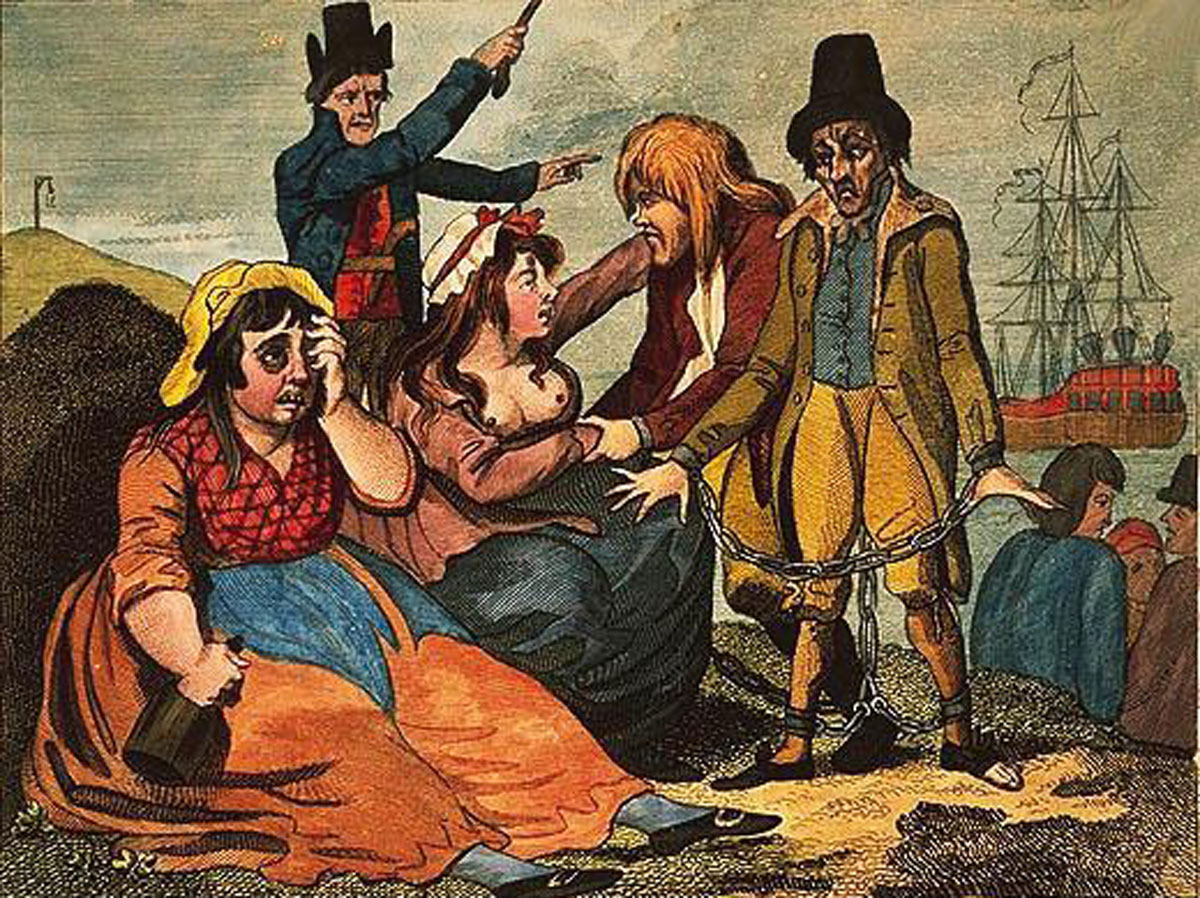
England’s exploration had, for many years, led to colonisation of other parts of the world, and these colonies became a convenient dumping ground for criminals. Felons who committed crimes that were deemed to be serious, but not serious enough for capital punishment, were transported on ships to places like America and Australia where they would be used as a source of labour.
The American War of Independence started to put a stop to the practice of Transportation, and by the mid-19th century it was falling out of favour with other colonies – and even Britain too, which meant that penal establishments closer to home had to be found. Dartmoor might not have been as far away as New South Wales, but it was still well out of sight for most people, and in 1850 Dartmoor Prison was once again back open for business.
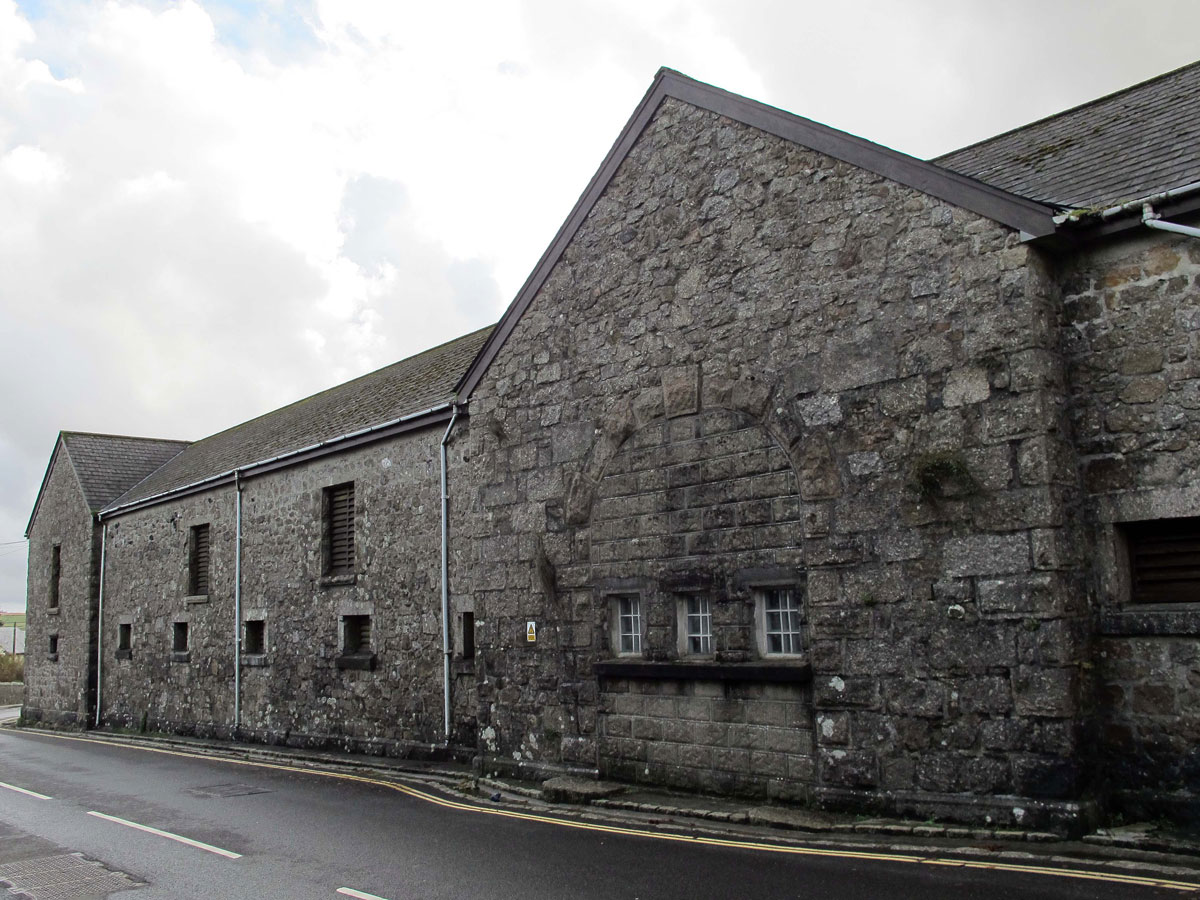
A condition of the Duchy renewing the lease was that prisoners would be used for re-claiming the moorland for cultivation (which isn’t as easy as it sounds), but the first men to arrive were those who had the skills to convert one of the old French prisons into single cell accommodation, which for penal institutions was a legal requirement. Generally speaking though, most of the other early arrivals were employed in the same type of work they would have done if they had been transported to the colonies, jobs such as quarrying for example.
Those that weren’t capable of doing hard labour were given useful tasks such as picking oakum. This was a process of unravelling lengths of tarred rope by hand. Oakum was often used for caulking the seams in ships timbers, and ‘picking’ oakum invariably resulted in bleeding hands and broken fingernails – and it had to be done in complete silence: No talking, whispering or communication of any kind was allowed, and it was rigorously enforced because the warders themselves would be punished if it wasn’t. Who was brave enough to punish the warders I’m not sure because they were mostly ex-servicemen, ably supplemented by tough miners and quarry workers, all of whom were compelled to live in Princetown – a stipulation that continued right up until the 1950s.
Although conditions were far from ideal, there was a lot less overcrowding than when the prison was used for prisoners of war, and there was also the added advantage for those coming from urban areas to enjoy some fresh air if they could get work on the prison farm. Some of them wouldn’t have ever seen a live cow or sheep before, and talking of sheep, Trevor James in his About Dartmoor Prison booklet, tells us about a Welsh prisoner called David Davies, a “compulsive church offertory box robber and a frequent ‘guest’ at Dartmoor, and remembered as the ‘prison shepherd’. He knew every sheep in his charge and was able to call them to him by name”. Apparently, this phenomenon was witnessed by Prime Minister, David Lloyd George, who was visiting the prison. After conversing with Davies in Welsh, the politician arranged for him to be released early, but it wasn’t long before the ‘shepherd’ was back at Dartmoor with his flock, but I wouldn’t mind betting that he wasn’t encouraged to join the vicar’s flock at St Michael and All Angels.
World War I saw a different type of inmate at Dartmoor: The prison was converted into a Home Office Work Centre for Conscientious Objectors, which meant that convicts were moved out and ‘Conchies’, as they were called, were moved in. The definition of a conchie was ‘an individual who has claimed the right to refuse to perform military service on the grounds of freedom of thought, conscience and/or religion’. These men weren’t convicted criminals as such and were allowed to roam freely around Princetown, but not only were they despised by almost everyone they came into contact with, their lifestyle inside the centre was not much different to that of the convicts they replaced.
The Picture below shows two men at Dartmoor who had ashes thrown over them. The boards around their necks read ‘Dido’ and ‘Fido’.

After the war ended Dartmoor became a convict prison again, but this time it started to be used for housing some of the country’s most hardened criminals. No doubt it would have been seen as a suitable location where tough criminals could be kept out of sight and out of mind, but locking up tough criminals inevitably meant a harsh regime with tough conditions to match. Hard labour, such as making prisoners break up granite rock by hand is one thing, but watering down their porridge is quite another. Mucking about with a hard man’s food is bound to lead to trouble – and it did.
By the middle of 1931 tensions were running high within the convict community over the harsh living and working conditions, and just before Christmas, prison staff discovered that a plan had been hatched by four inmates determined to make a run for it. As a consequence, there was a further clampdown, with things coming to a head in the new year when prisoners complained about the quality of the food. For some reason, and nobody knows for sure who was responsible, the porridge had been watered down to a vat of “water with grains floating about in it”, and even the no-nonsense governor was baffled, but when the same thing happened again the next day and the day after, the prisoners decided to do something about it, and on the morning of the 24th January 1932 a full scale riot broke out.

The governor sensed that there was trouble in the air and gathered as many staff as he could muster, but there was little that 78 warders could do against a mob of 400 irate criminals on the rampage. Intent on revenge, they armed themselves with home-made weapons such as cudgels fitted with razor blades, knives from the kitchen, and pickaxes and iron bars from the prison fire station, and it was now the turn of the governor and his staff to try and escape. When the mob set fire to the administration block, the governor and his deputy did what I would have done – scarper.
Before they left, they phoned Plymouth City Police and Crownhill Barracks (where the 8th Infantry Brigade was stationed) for reinforcements and then beat a hasty retreat to an old part of the prison where they hid out of the way until the disorder was over.

When the reinforcements arrived, the disorganized and unruly inmates were no match for the professionals and the riot was quickly dealt with. It might have been different if the prisoners had stuck together, but not all of them wanted to get involved and there are stories of how some of them saved warders’ lives. On the other side of the coin though, the coppers weren’t taking any prisoners so to speak and showed little mercy. For example, a police officer came across one of the prisoners sat on a wall eating a sandwich and asked him what he was doing. When the reply came “eating a sandwich”, the officer replied “Well, here’s something to put in it!” and gave him a knuckle sandwich of his own. The casualty list was much lighter than it could have been: There were no fatalities, although seven prisoners received bullet wounds and 23 suffered truncheon injuries. Only four prison staff needed hospital treatment.
Over 30 convicts were later tried for mutiny, 23 of whom were found guilty with sentences totalling almost a hundred years, but in the long term changes were made to the prison system, not just in Dartmoor, but throughout the country. Whether the reforms included a stipulation that nobody should muck about with a man’s food I couldn’t say.
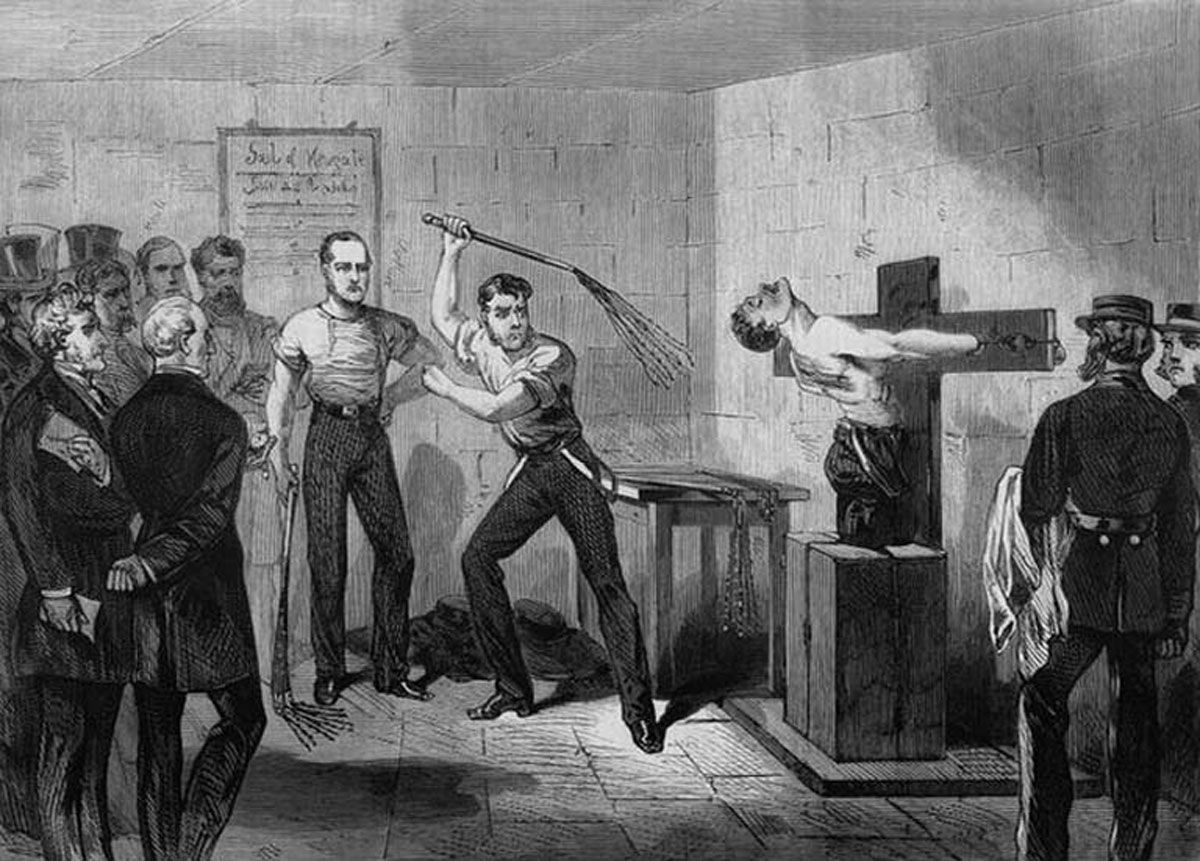
With order restored, Dartmoor continued as a high security prison (later to be defined as Category A). Although there had been some improvements, life for prisoners was just as hard as it had always been and anybody stepping out of line was harshly dealt with. Flogging was a common punishment, sometimes with the birch but often with the cat ‘o nine tails, a whip with nine lashes or ‘tails’ and a short handle. Warder ‘W’ seemed pretty good at knowing how to use it, because according to Trevor James a guard warned a troublesome inmate not to upset him as “he’s the hardest flogger in the prison, blood every time!”. No doubt the extra 2s.6d (12½p) reward for doing it sharpened his enthusiasm.
If a prisoner managed to avoid a flogging, he could still be subject to the ‘jockey diet’ which guaranteed a weight loss. Solitary confinement with just bread and water for three days at a time wasn’t the most pleasant of experiences I would have thought, and some ended up going berserk, for which their ‘cure’ was a stint in the ‘Tea Garden’, a padded cell with cardboard furniture – and if things got really out of hand they were restrained in a strait jacket.
Other incentives to behave included the wearing of manacles on the wrists and a ball and chain around the feet, but strange as it may sound, there were prisoners who refused to be transferred to another prison so that they could boast they survived their full term at Dartmoor.
There were prisoners that shouldn’t have been here at all though, and two that spring to mind are Michael Davitt and Eamon de Valera, both of whom were political prisoners. Davitt was a Fenian sympathiser and founder of the Irish Land League, and Eamon de Valera eventually became the first Prime Minister of the Irish Republic. These days, unless convicted of terrorist offences, rebels against a political system would never find themselves locked up in a British high security jail.
People who did deserve to be in here were men like John George Haigh. He was locked up for fraud, but later achieved notoriety as the ‘Acid Bath’ murderer. After killing his victims, either by shooting them or battering them to death, he then dumped their bodies into a bath of sulphuric acid before forging their signatures in order to dispose of his victims assets. He was convicted of killing six people, but disagreed with the outcome because he insisted that he had killed nine. He was executed in Wandsworth Prison.
Fortunately for Stephen Downing, capital punishment had been abolished by the time he was convicted of murdering Wendy Sewell in Bakewell. After spending 27 years in prison (not all of them in Dartmoor) he was released on January 15th 2002 when it was proven that he wasn’t the killer.
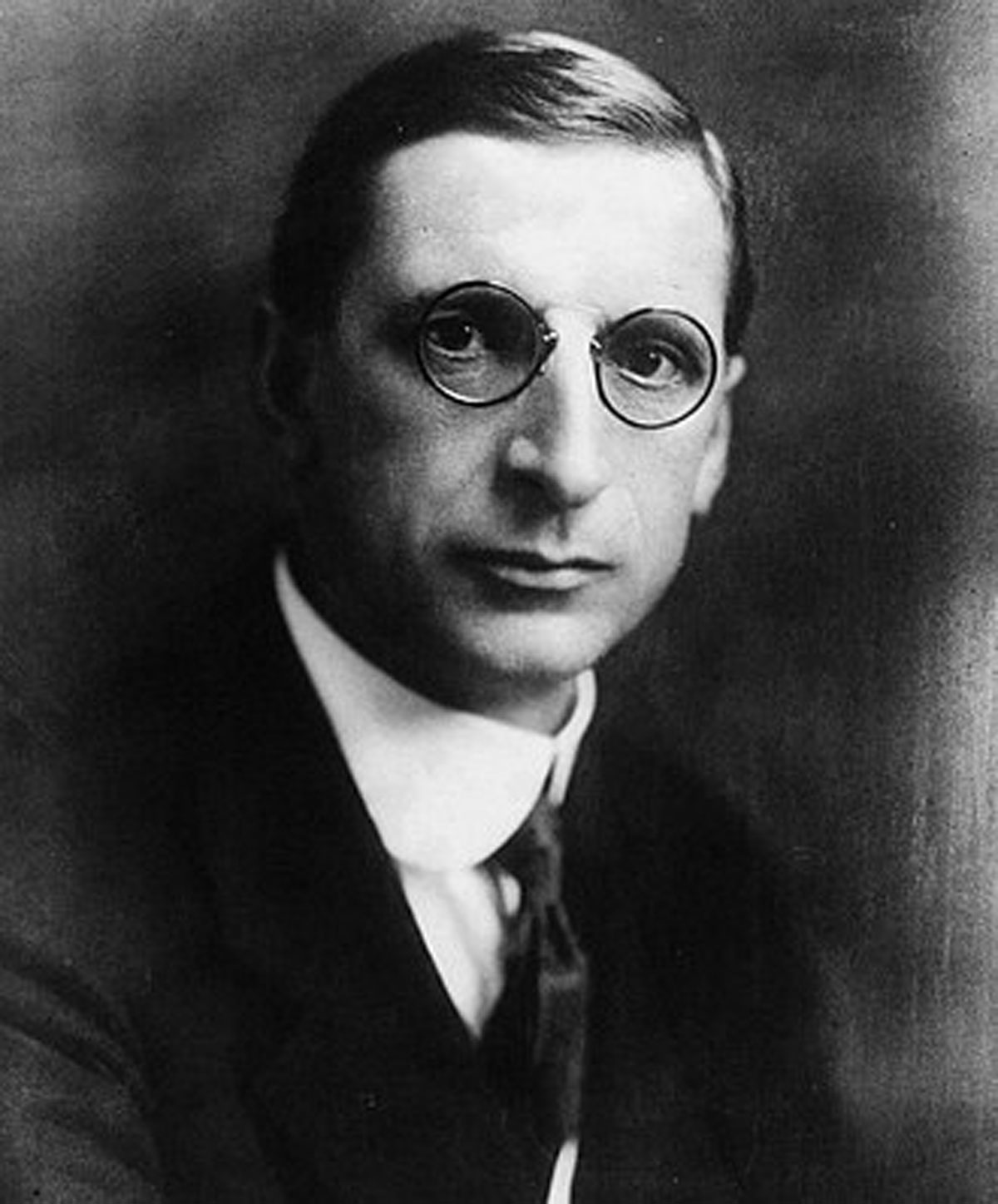
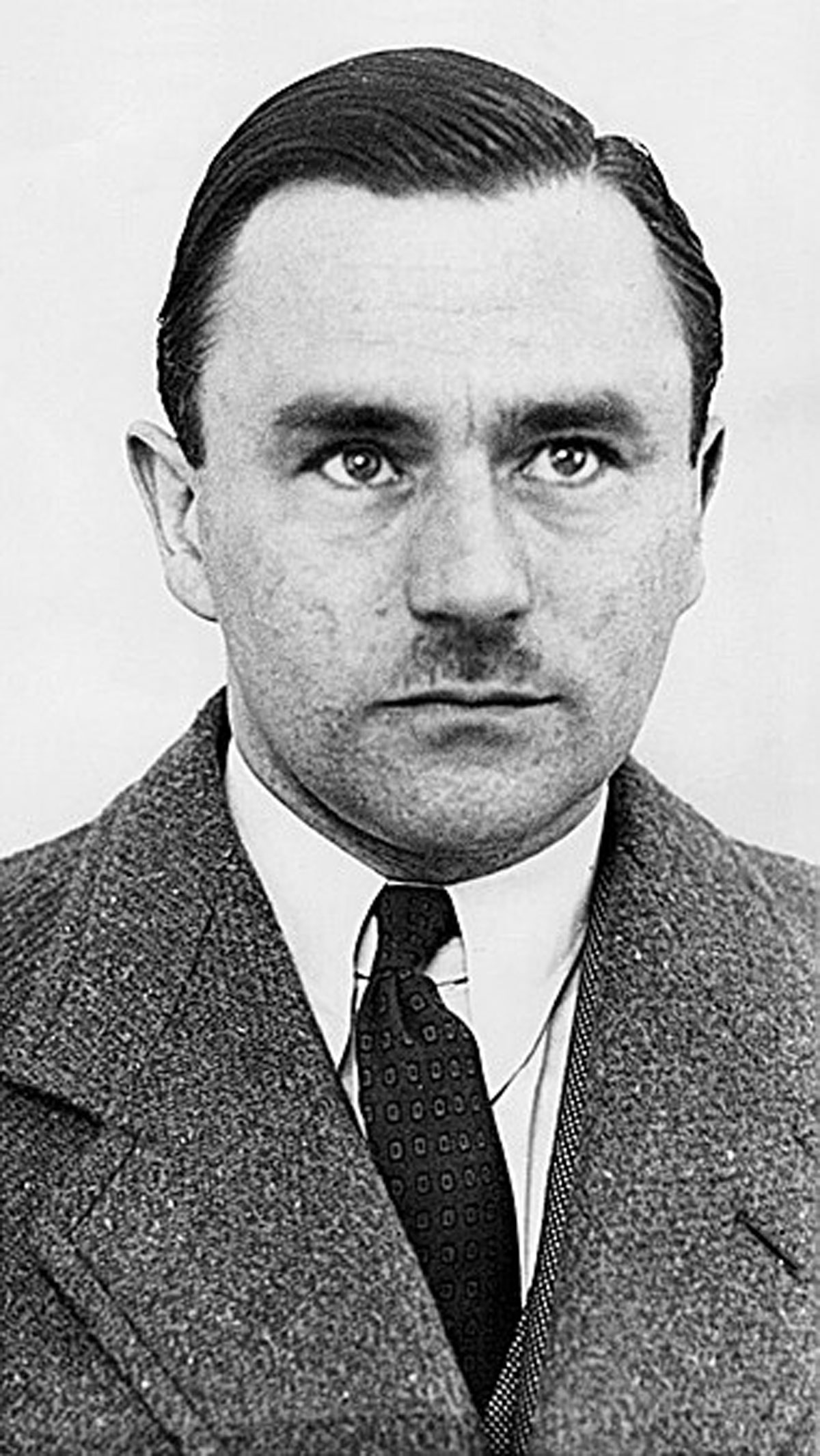
During the 20th century Dartmoor earned a fearsome reputation: If you found yourself unlucky enough to be banged up here, you would have been in the company of fraudsters, gangsters, murderers and even spies. The regime was tough, and if you had any notion of trying to escape you then had the open moor to deal with, and there’s a grave in St Michael and All Angels churchyard containing the bodies of three soldiers who died while travelling across the moor during a snowstorm to join the prison’s military guard.
I remember bringing an associate of mine up here one day as he wanted to see what the prison looked like. He wasn’t a bad person as such, but often sailed a bit close to the wind if you know what I mean. I could see from his reaction when he saw the prison, that it shook him to think that he could end up here, and I’m convinced to this day that this was the start of him beginning to mend his ways.
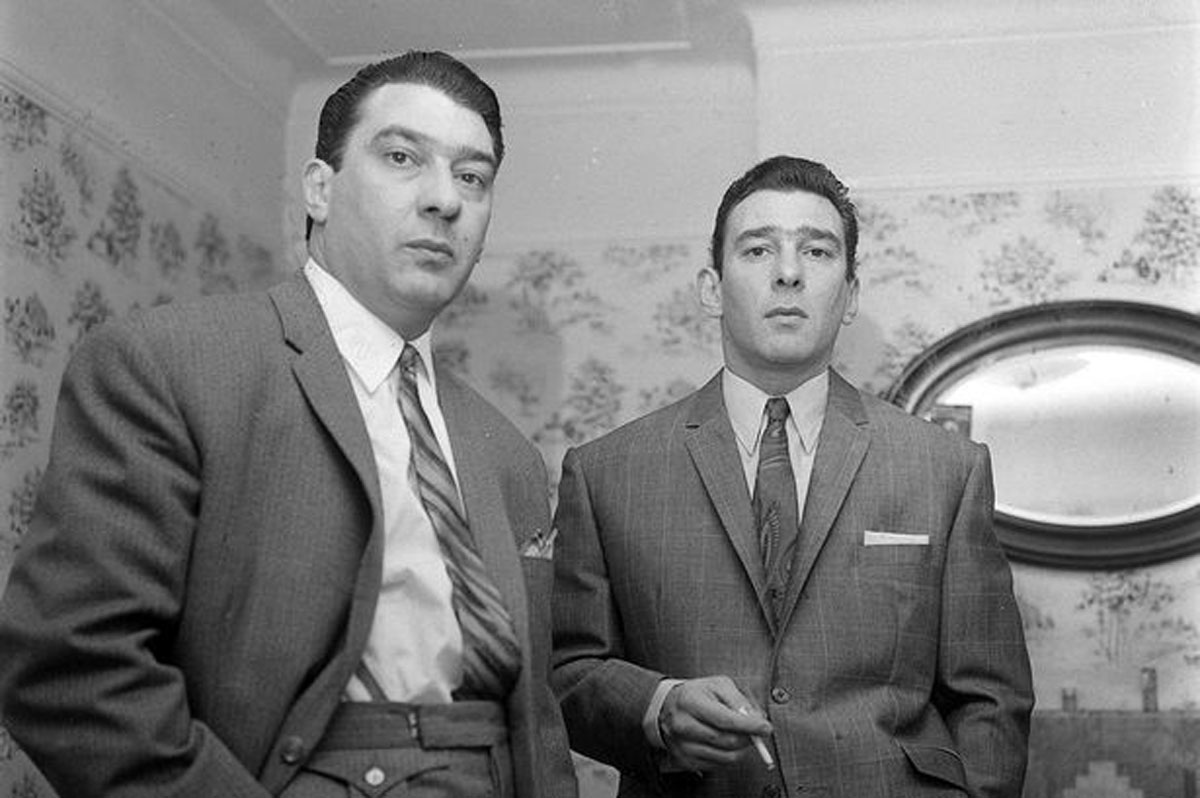
The infamous Kray twins never spent any time here, but people associated with them did. Jack ‘the Hat’ McVitie was kept at Her Majesty’s Pleasure in Dartmoor while working for the firm, but after falling out with them found himself on the sharp end of Reggie Kray’s knife. The subsequent murder trial started to bring an end to the gang’s notorious lifestyle.
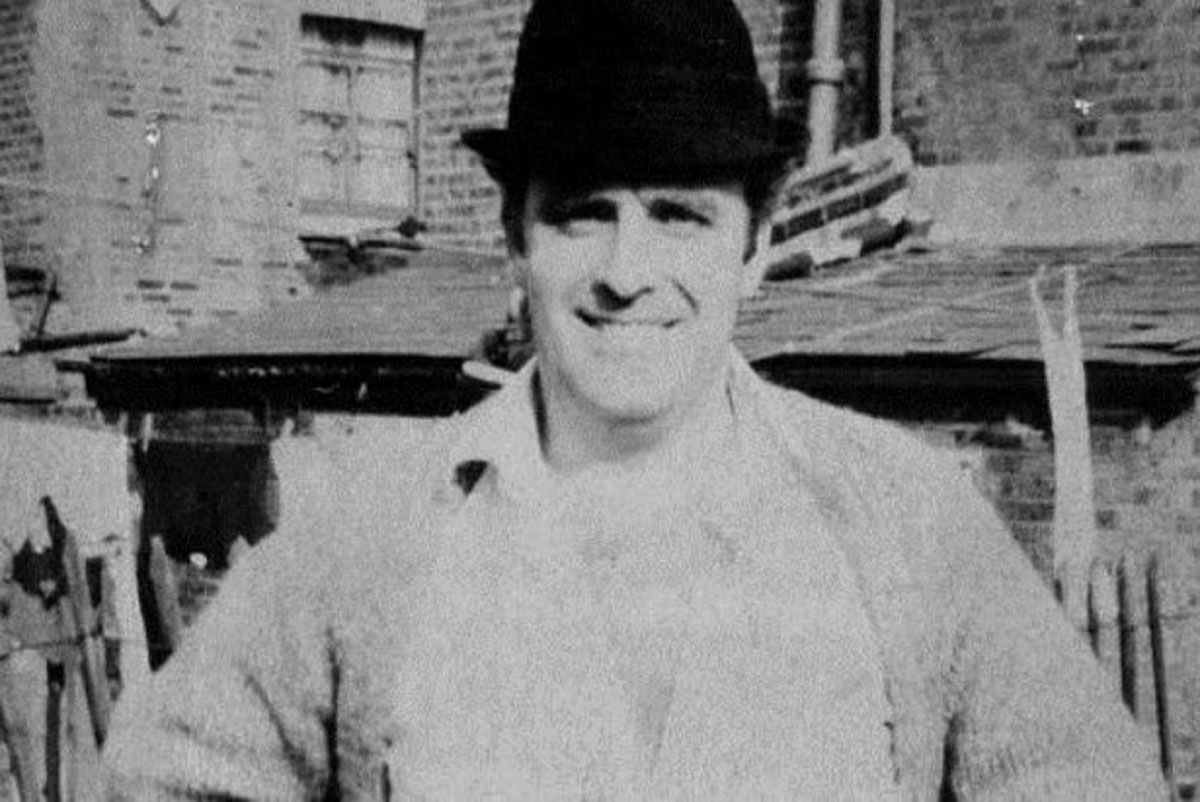
At the same time as the Krays were terrorising the East End of London, the Richardson gang were doing the same in the south of the city. These were no amateurs at inflicting fear into people, and they weren’t known as the ‘Torture Gang’ for nothing. One of their members who took delight in inflicting pain on anybody who stepped out of line was ‘Mad Frankie Fraser’ who thought nothing of pulling a victim’s teeth out with a pair of pliers. This was a man whose sole purpose in life was to cause as much pain and misery to anyone who got in his way, and 42 years of his life was spent behind bars, some of them in Dartmoor. In 1991 he got shot in the head from close range outside a London club, losing a part of his mouth in the process, but they didn’t make them any harder than Frankie Fraser and he refused to discuss the incident with police. No doubt he had plans of his own to get the culprits. This was a man whose life of crime started at the age of ten years old, and yet somehow managed to survive until he was 90.
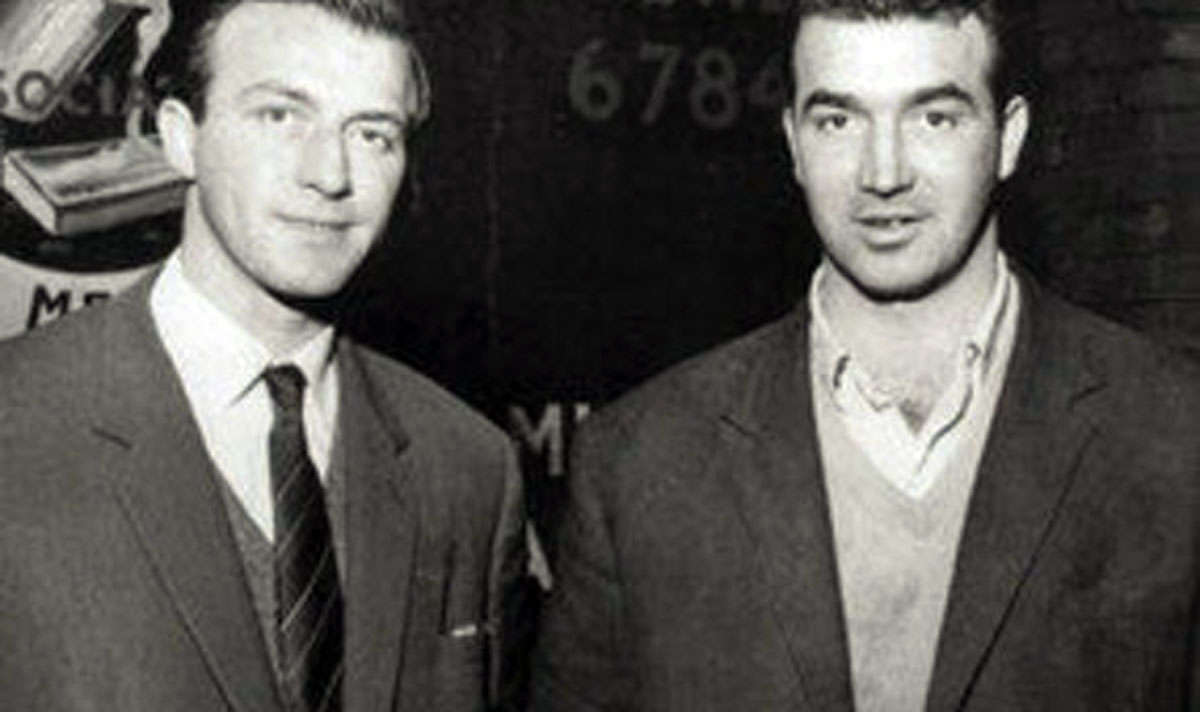

I suppose it was inevitable that the Richardson bothers and Kray twins would cross paths at some point – and they did. Members of both gangs got to know each even better when the inevitable turf war broke out, but while blood was being spilled on the streets of London, there was another incident taking place at Dartmoor.
Frank Mitchell, aka ‘The Mad Axeman’ was a human being of immense physical strength. Apparently, he could pick up a fully grown man in each hand at the same time, but also had the dubious honour of having a short temper to go with it. From an early age he was getting into trouble and ending up in borstal and other penal institutions where he was more than happy to assault other inmates and guards. Mitchell was an extremely violent man who could probably kill with his bare hands if he wanted to, but he also carried all manner of weapons for good measure just in case. Meat cleavers, iron bars and blades of various descriptions were all part of Frank Mitchell’s tool kit, and after breaking into a couple’s home with an axe and holding them hostage, he was sentenced to life imprisonment.
In 1962 he was sent to Dartmoor where his behaviour started to improve, and after a while became more interested in his budgerigar than beating anybody up. In fact, he built up such a rapport with the warders that the governor not only allowed him to go on outside working parties, but also promised that he would recommend him for parole.
After four years of waiting, Ronnie Kray, who had become friends with Mitchell, decided to help him out – not using official channels of course, but by helping him escape, and on 12th December 1966 the ‘Mad Axeman’ went missing.

A huge manhunt began which included 200 police officers, a hundred Royal Marines and an RAF helicopter, but there was no sign of him. In fact, he was never seen again. Several stories have come out about what happened and they all point in the same direction. The Krays had him murdered and his body was dumped in the English Channel. There are some people you just don’t want to become friends with!
Frank Mitchell may be the most famous escapee within living memory, but there were others such as John Charles ‘Ruby’ Sparks, ‘Rubber Bones’ Webb and ‘Foxy Fowler’ but I think it’s time to move on.
The last 30 years or so of the 20th century saw Britain transform from an industrial to a market economy, and without getting into the politics of the era, it meant that unemployment soared and consequently so did crime. Prisons throughout the country became overcrowded and prisoners started to vent their feelings on the very buildings in which they were kept – and that included Dartmoor.
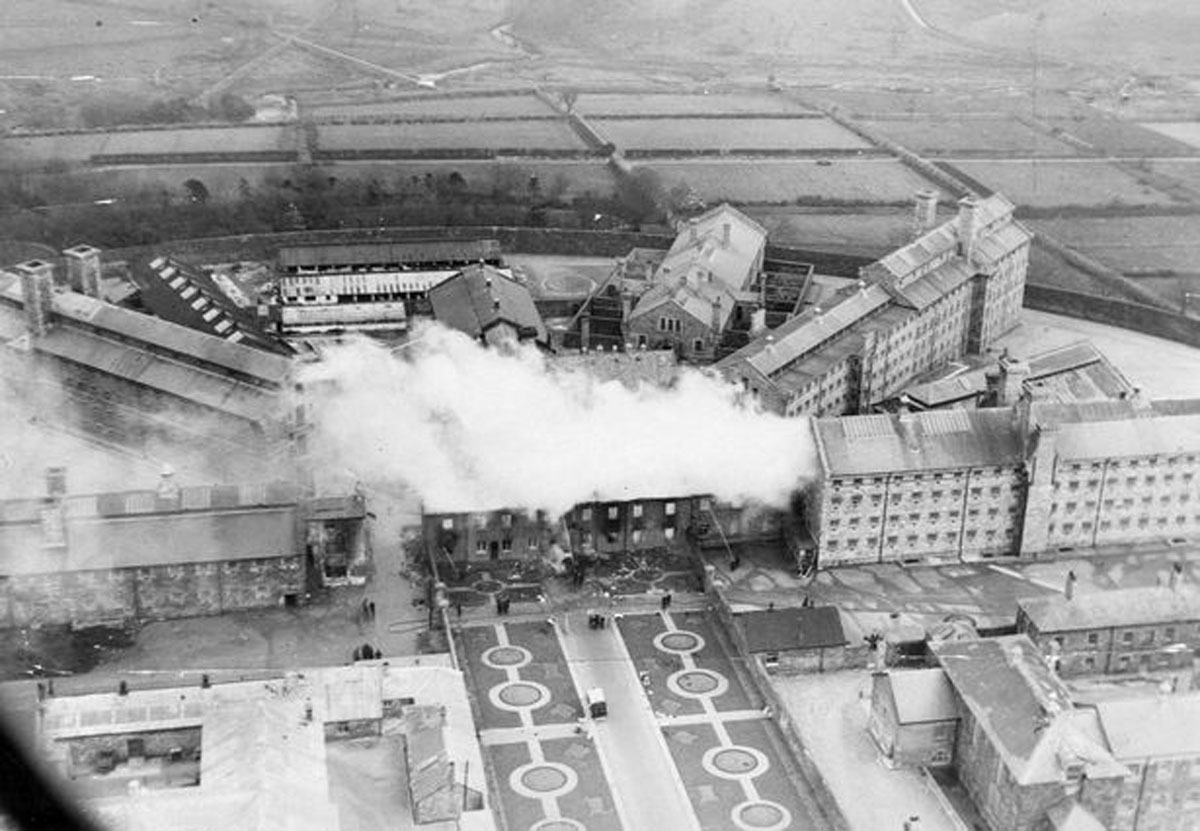
The riot that erupted in April 1990 saw the fatality of one of the inmates and the virtual destruction of D Wing. “The dustbin of the prison system” was how one newspaper headline described the jail following the subsequent inquiry, and it was obvious that the prison system needed a complete overhaul, and for Dartmoor that meant being downgraded to a Category C prison.
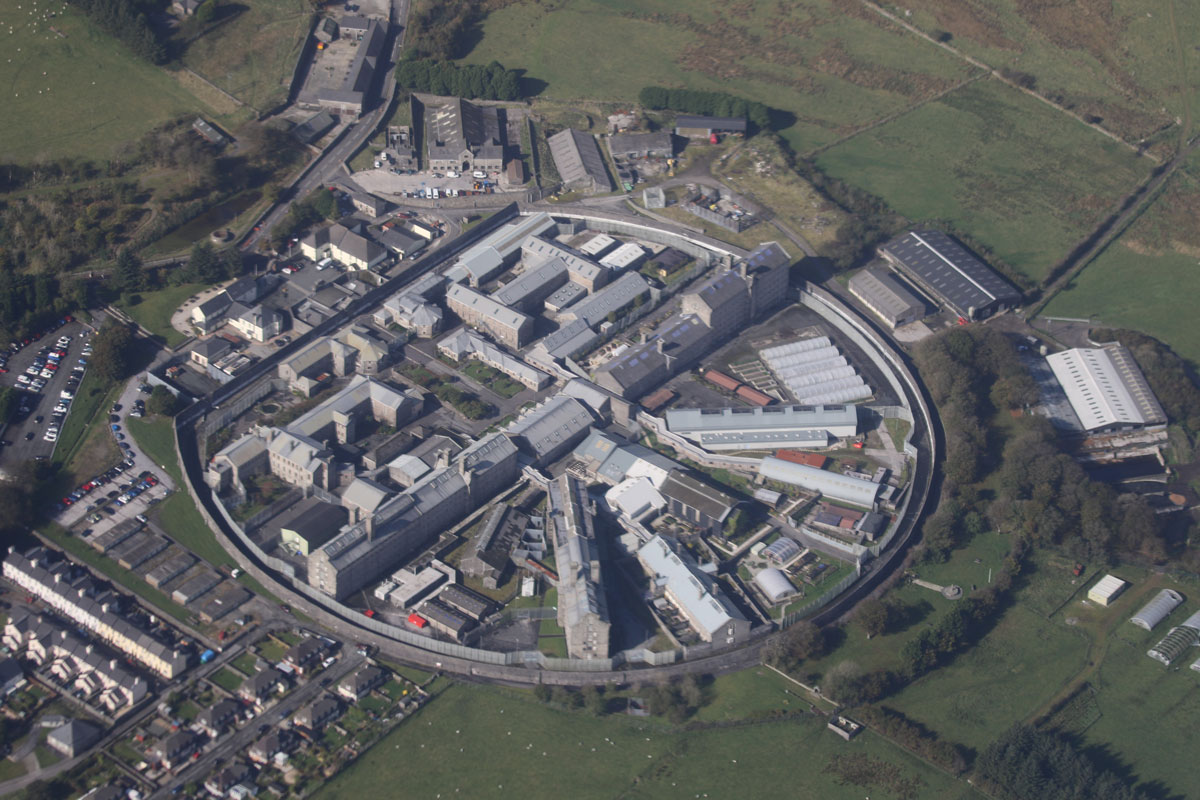
Today, Dartmoor Prison is a much more humane establishment than it once was. Facilities are vastly improved, and what would have been considered luxury items not so long ago are now commonplace in the cells today. Educating prisoners so that they don’t re-offend is high on the list of priorities and long gone are the overcrowded conditions that prevailed when it housed prisoners of war. The population in 2016 was down to just 640 – but that may not be the end of it, as moves are afoot to close it down altogether.
Even though the buildings were given Grade II status in 1987, they are well beyond their sell-by date in comparison to modern day standards, and on top of that, the location may be ideal for keeping prisoners in, but it doesn’t make it easy for visitors to get to – even today. In October 2019 it was announced that HMP Dartmoor would close in 2023, but after discussions with the Duchy of Cornwall, it has been given a stay of execution – at least for now, but I suspect that, just like anybody who crossed the Kray twins or Richardson brothers, its days are numbered.
POSTED – MAY 2023
Originally posted 2023-05-12 14:27:43.
What a set of stories. Sucha great post from the history to the inmates.
Thanks again Shey. I’m sure there are plenty of stories that I’ve never heard about too.
Well you did a damn fine job on those you had heard of. Interesting too about the ‘conshies’. My dad and his brother tried to run away to the Spanish Civil War and were stopped by their father who had run away at 14 to WW1. ww2 came along and the brother did time in Perth Prisin as a ‘conshie’ while Dad in areserved occupation joined up.
I’m not sure that a concientious objector would be seen in the same way today, and that’s understandable, but I also have the utmost admiration for those who make the supreme sacrifice to defend our nation and its values.
Absolutely. If ound it interesting how his thoughts obviously changed in these few years.
And it is alwasy vital there’s two sides that wya.
Fascinating reading as always, and your thorough research (again as always) brings these characters to life, as it does life in the prison in different eras.
Thanks Sarah. No blogs about Dartmoor would be complete without talking about the history of Dartmoor Prison
Fun read, Malc. You imbue it with a lot of heart and soul.
Thanks a lot Pat. I’m glad you saw the light-hearted side to it as well 🙂
As usual, very well written, informative and interesting. A bit of dark history but captivating for sure. Always learning something from your articles Malc! Cheers and a lovely weekend to you!
Thanks Francesc. You might be pleased to hear that opposite the prison is a brewery, so it’s not all gloom and doom here. Have a great weekend yourself too 🙂
Well, that makes all the difference! A brewery is always a nice addition to any gloomy neighbourhood! LOL! You’re very welcome mate and all the best!
And there’s a Brewery Tap to go with it. In other words, the Brewery’s own pub if you’re not familliar with the term. The only problem is that you never know who you’re drinking with 🙂
As long as it’s beer 🍺.
Yep! And their flagship beer is called – wait for it – Jail Ale 🙂
LOL! Great name!
Goodness, this is a fascinating, if dark, collection of stories. That place really does have a past to shout about, doesn’t it? All those people, some more innocent than others, that have passed through it must have left an impression in the fabric of the buildings themselves. It must have a hell of an atmosphere around it – no wonder your friend turned over a new leaf after seeing it! It does make me wonder what it is that makes some people bad from birth? Reading about the Krays, the Richardsons and Jack ‘the Hat’ certainly suggests that is the case. Rather sends a chill down the spine.
It’ll be interesting to see what happens to Dartmoor when its barred doors do finally close. It’s a big site to have to deal with, but I suppose time will tell. As always with your posts though, now when the news breaks I’ll be able to put it into the context of it’s long and complex history. Well done again, Malc. 🙂
Thank you Alli. Dartmoor Prison has always had dark overtones and it’s easy to see why it was built here. People have a morbid curiosity about the place, and if ever you do find yourself running away from bloodhounds up here you can always find sanctuary in the prison museum 🙂
Ah yes, if I went wandering around there I think I’d have to take along my trustee longbow and my William Marshal sword! The place must ooze those dark overtones, and with everything that’s gone on in it and has been associated with it, that’s hardly surprising. I’m intrigued to know what it’s fate will be when they’ve decided its future. 🙂
They could follow Bodmin Gaol’s example and turn it into a luxury hotel.. What was once practically a ruin is now something else.
Oh have they done that in Bodmin too? They also did that at Oxford with the prison. It was featured in an episode of Lewis. I’ve never been to it myself, but it’s supposed to be pretty high end, and now you have to spend a lot of money to stay in one of their cells! 🙂
Let’s hope they don’t serve up watered down porridge for breakfast 🙂
LOL! I should hope not at those prices – but thinking about it, you’d have to have porridge on the breakfast menu in a hotel like that, wouldn’t you? 🙂
You would, but whether you would eat it is another thing 🙂
True, but it would be fun seeing how many of the guests picked up on it as an option! 🙂
Does it make me weird when I say I enjoyed reading this? The brutality of Dartmoor and its punishments, and prisons in general, plus the gangsters and criminals who served time in there in the past are (thankfully) unknown to most people and not a subject to think about too deeply but nevertheless that’s how it was back then, so your research and writing has made a very interesting, if rather gruesome, post.
I’m glad you ‘enjoyed’ reading this one Eunice. Writing about Dartmoor wouldn’t be complete without mentioning the prison. It might not put a smile on everyone’s face but there is a sort of morbid curiosity about what went on inside that temple of gloom.
I am sure, Malc, that your fascinating post will find many readers, as it is researched very well and written in your usual style of clarity and humor. However, the subject is so morbid that perhaps, something more uplifting would be welcome as we live in turbulent times and the pictures of flogging are hardly needed to put the law-abiding citizens on the right path of behaviour.
Your presentation, Malc, is as always outstanding. Thank you.
Joanna
Thank you Joanna for commenting on a post that doesn’t give you a lift and I fully understand your sentiments. My posts are always going to be an eclectic mix of topics which reflects my life from all angles and is really the reason why I started blogging. That said, you can rest assured that it won’t be long before I write about something that will lift your spirits. We could all do with a lift after all 🙂
Very interesting and gruesome
A nice roundup of more or less guilty prisoners, on each of whom a good thriller story could be written💙
Thanks for sharing the result of your accurate research
Thanks for commenting Luisa, even though I’m not sure you enjoyed it 🙂
I found it both gripping and a bit unsettling😚
That’s a perfect response Luisa, because that was how I intended the post to be. Thank you so much 💙
Have a lovely evening, dearest Malc 🌷
You too my lovely 🙂