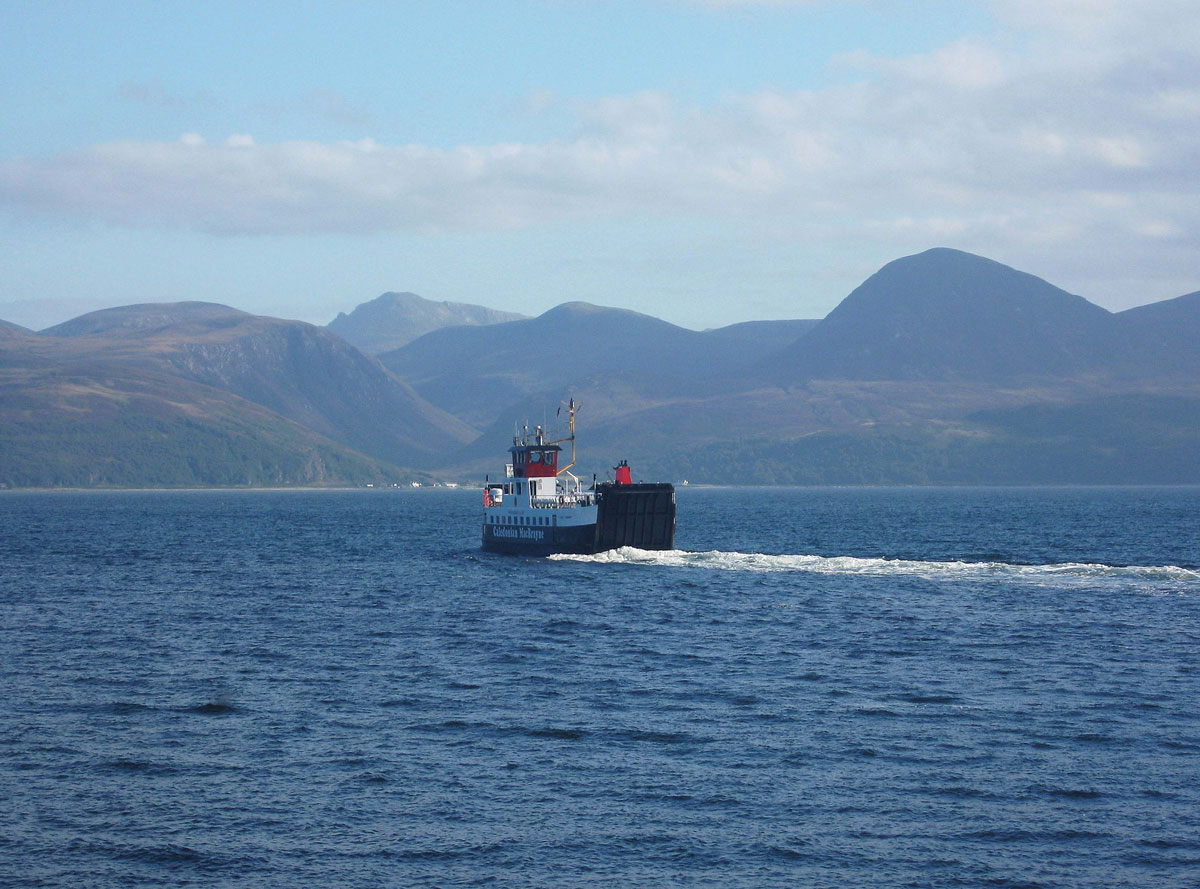
Exploring the Firth of Clyde - Pt 2 The Isle of Arran
According to Wikipedia, Scotland has somewhere in the region of 790 offshore islands, with 89 of those being permanently inhabited. I’ve visited a fair few, but it would take a lifetime to see them all, and believe me, when I say no two are the same. This morning we’re leaving the Isle of Bute for the Isle of Arran, the largest island in the Firth of Clyde, and the seventh largest (by area) in Scotland.
We checked out of the Chandlers watching Robin still being run ragged by the Treacherous Trio and headed for the first of three ferries to get us there. After driving through Rothesay and Port Bannatyne, we arrived just in time to see the ferry leaving Rhubodach for Colintrave on the Cowal Peninsula. We weren’t the least bit bothered, as the journey only takes five minutes and is one of the shortest ferry crossings in Scotland: In fact, there have been calls for it to be replaced with a bridge.
The next part of our journey involved driving up around Loch Riddon and the Kyles of Bute towards the next CalMac ferry departure point at Portavadie: The Kyles of Bute incidentally, are the channels of water that separate Bute from the Cowal Peninsula.
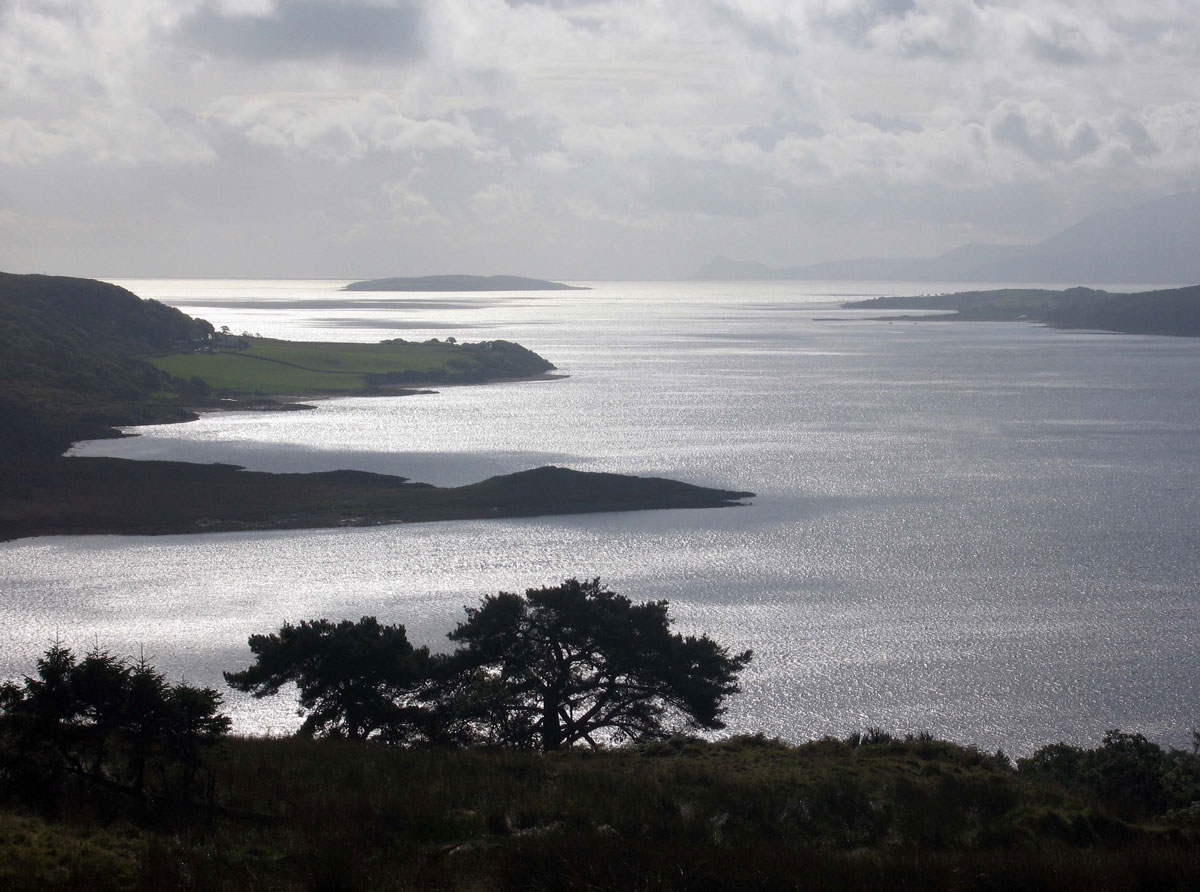
The ferry at Portavadie transported us across a rather choppy Loch Fyne to Tarbert on Kintyre, but as it was only a 25 minute crossing it really wasn’t a big deal.
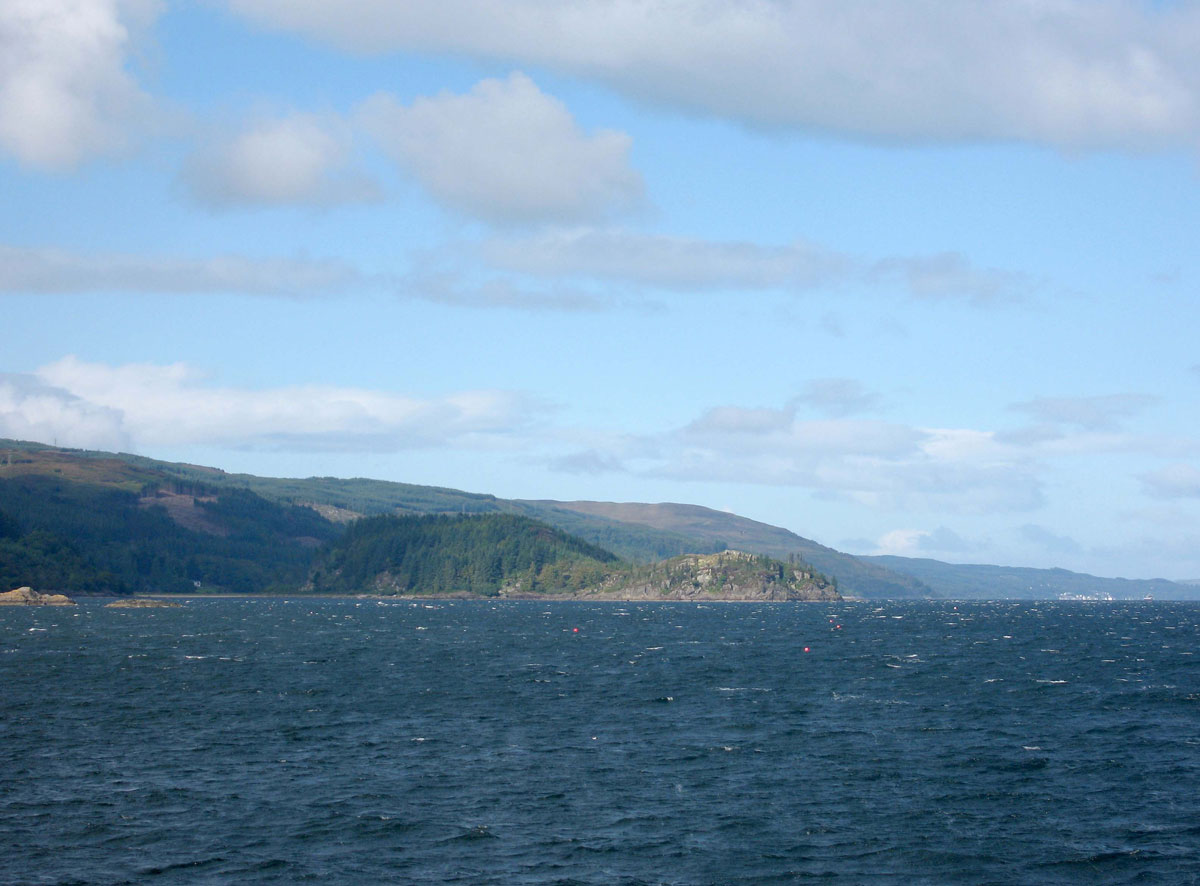
We didn’t stop at Tarbert this time (I’ll be writing a post about Kintyre in due course) and continued down to Claonig for our third and final ferry crossing.
The most popular ferry route to Arran is the direct link between Ardrossan on the Ayrshire coast and Brodick, but we’ve arrived through the back door, so to speak, and arrived at Lochranza on Arran’s north coast.
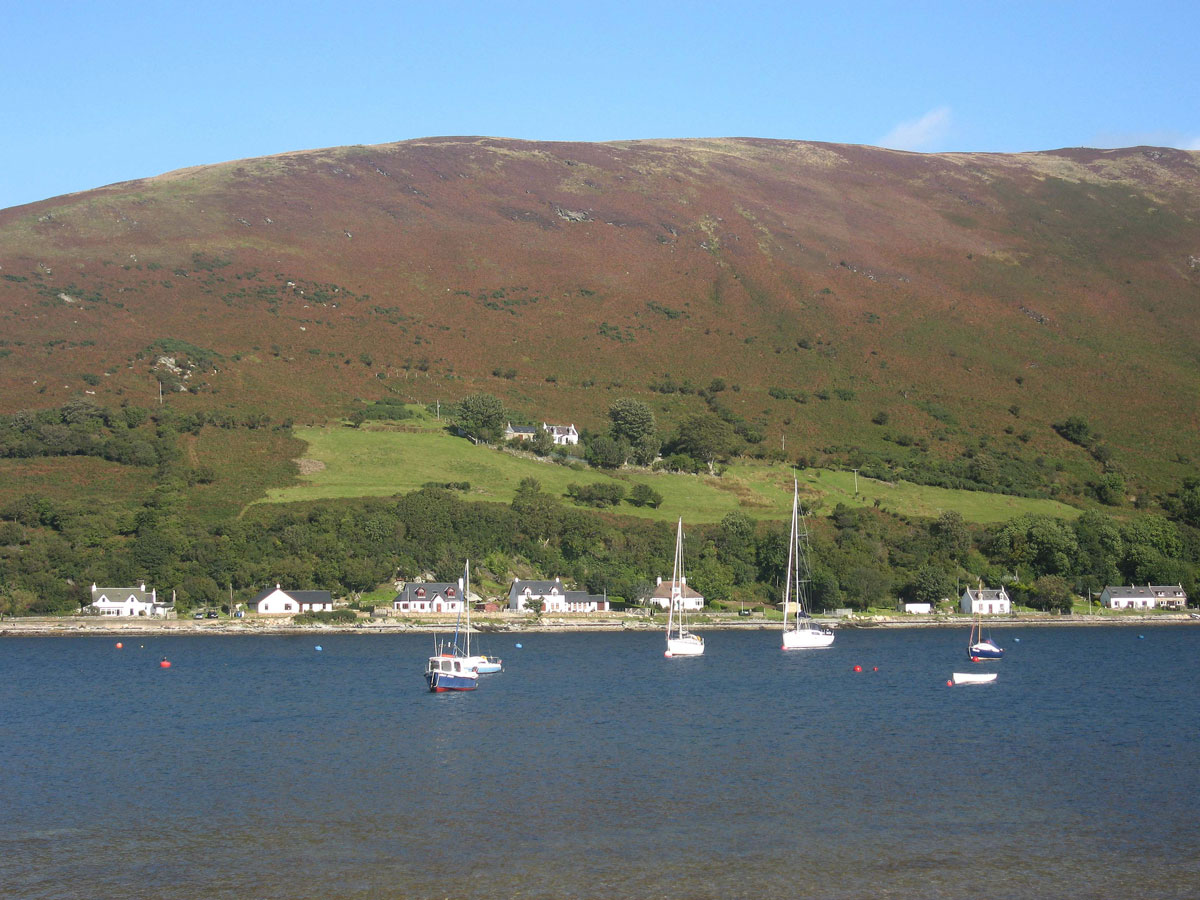
Arran has been described as ‘Scotland in miniature’, and that’s because the Highland Boundary Fault Line, which I spoke about in the previous post, runs through the centre of the island dividing it between the ‘Lowland’ south and the ‘Highland’ north, and it was immediately obvious which side of the fault line Lochranza was on.
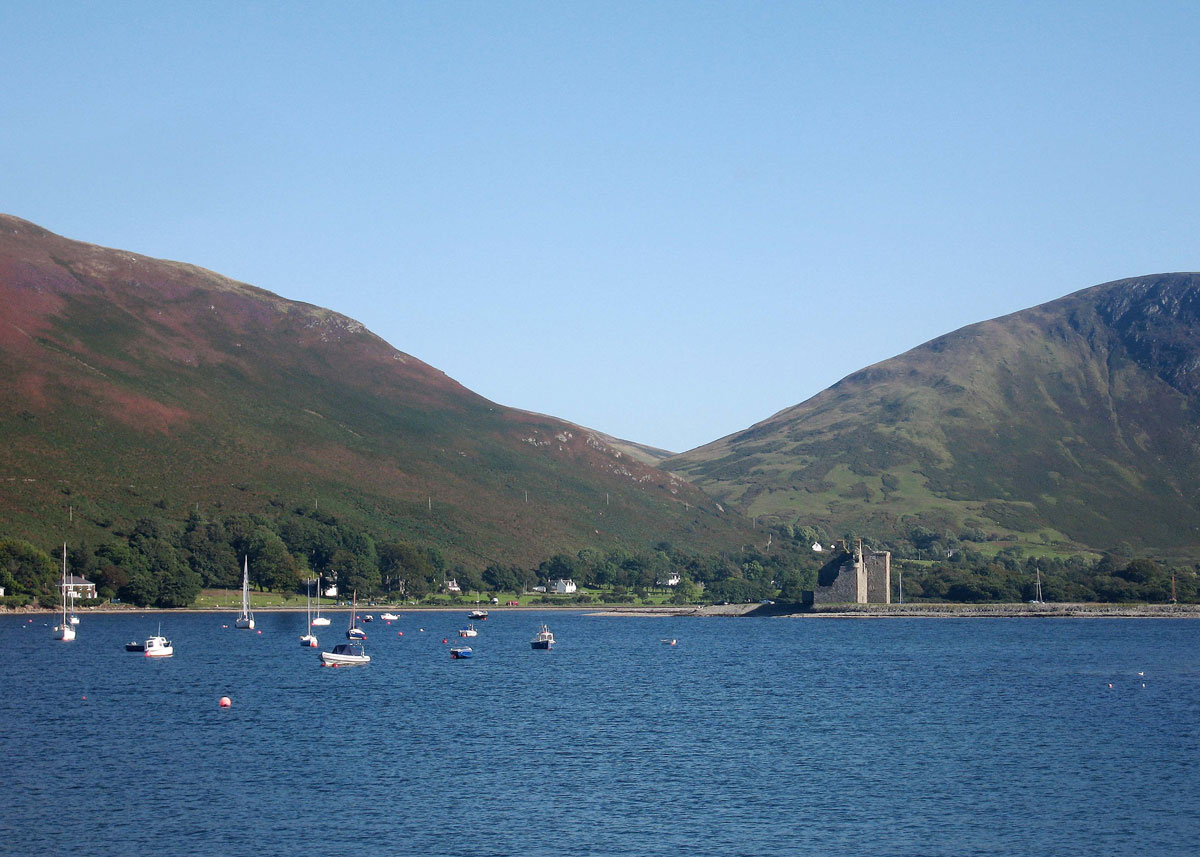
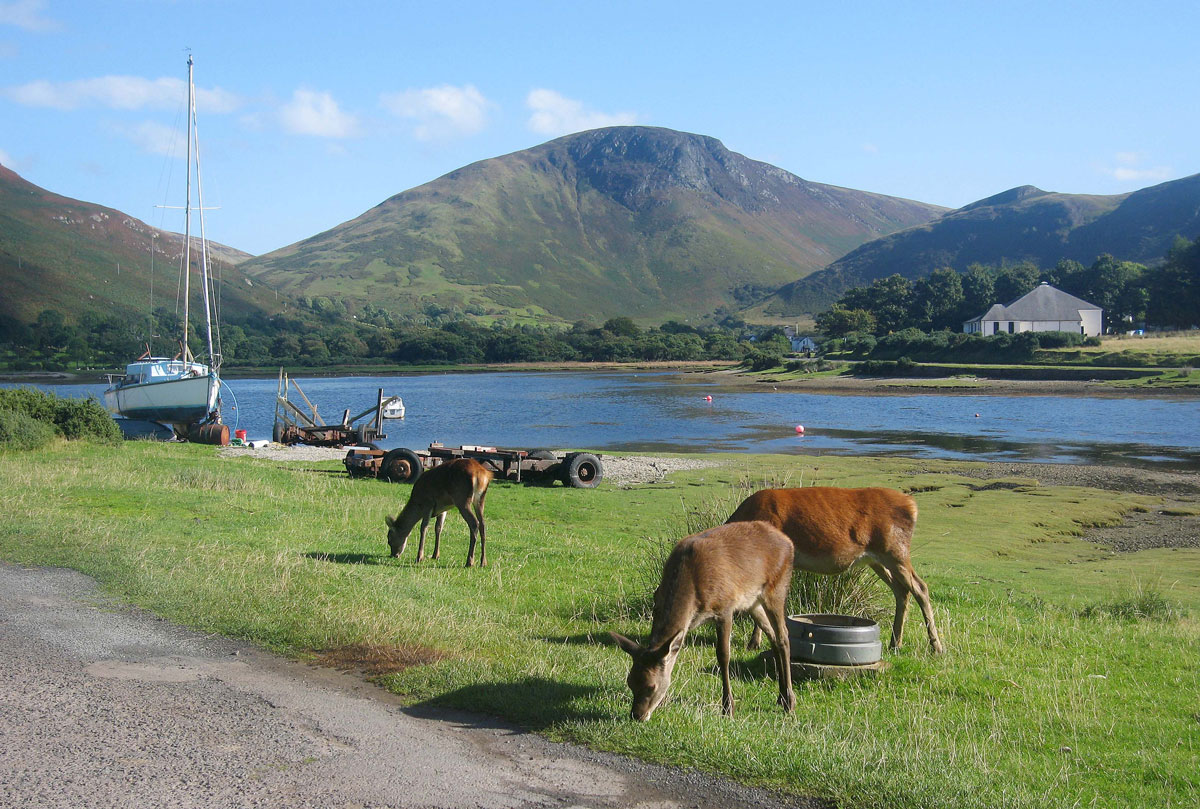
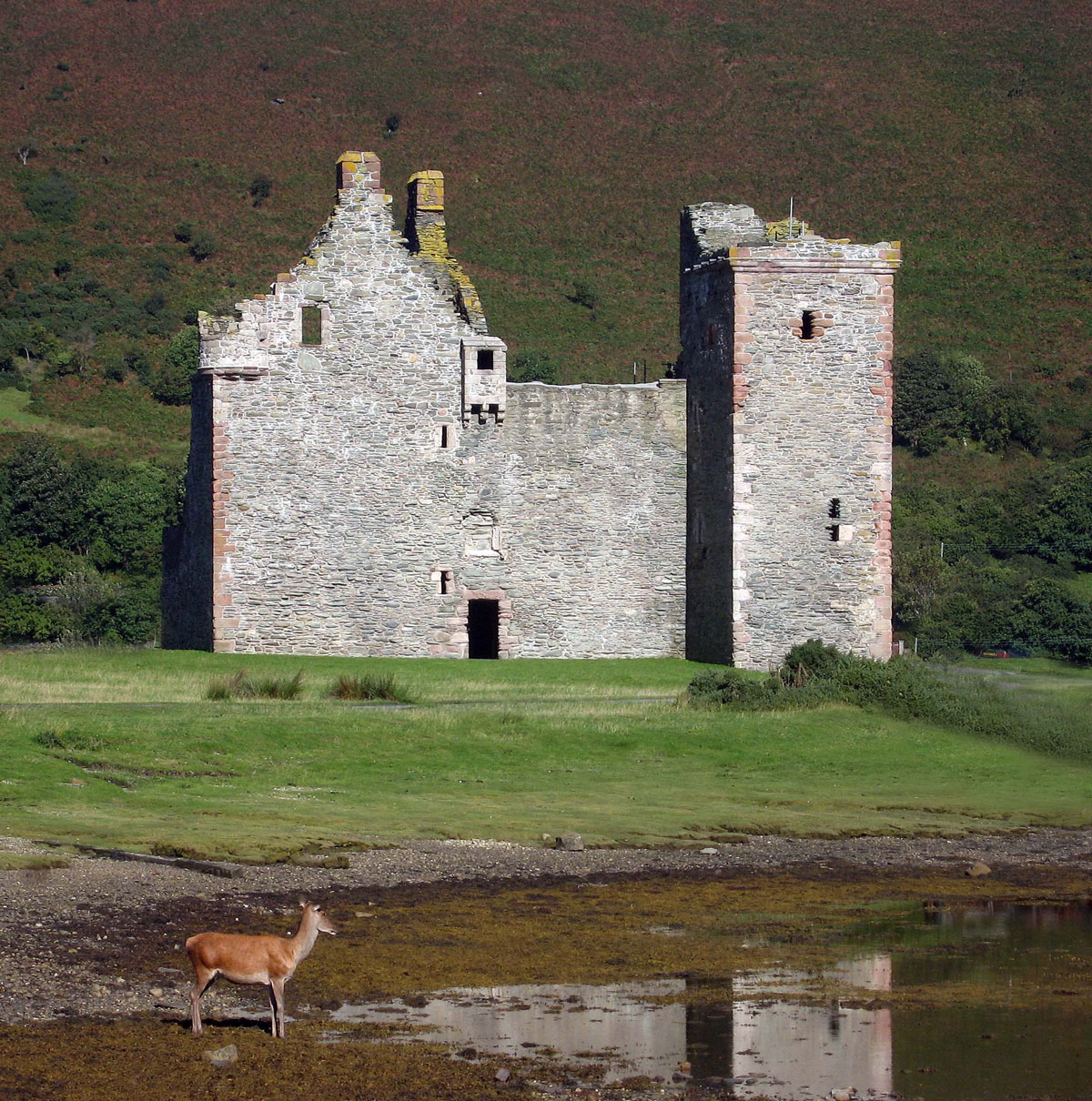
Our original intention was to drive off of the ferry and continue straight on towards Brodick where we were staying for a couple of nights, but from the very first moment we arrived, I was captivated by Lochranza. Some places just have that ‘Je ne sais quoi’, and Lochranza is one of them. The setting is breathtaking, and right in the centre of it all is a castle with deer roaming around it. How could we possibly drive on?
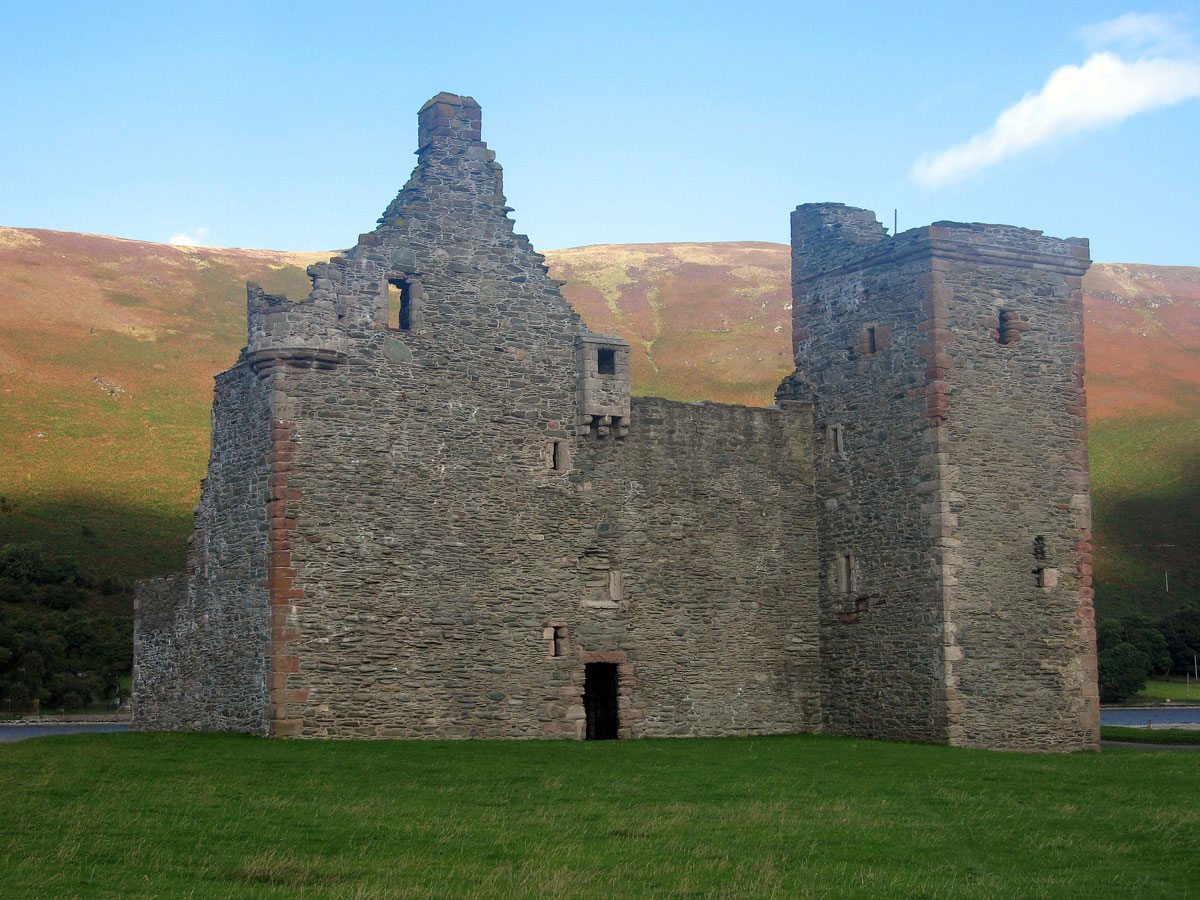
The castle is believed to have been originally built in the 13th century, most likely as a hall-house for Dougall MacSween, Lord of Knapdale. It also seems likely that ‘The Bruce’ landed at Lochranza on his way back from Ireland to claim the Scottish throne. There is a bit more history to the castle than that, but the years haven’t been kind to it, and today it is pretty much an empty shell cared for by Historic Environment Scotland.
We would be using the same ferry for our return journey, and so after a quick look around, we took the road out of the village, past the Arran Distillery, and drove through Glen Chalmadale towards Sannox on the island’s east coast.
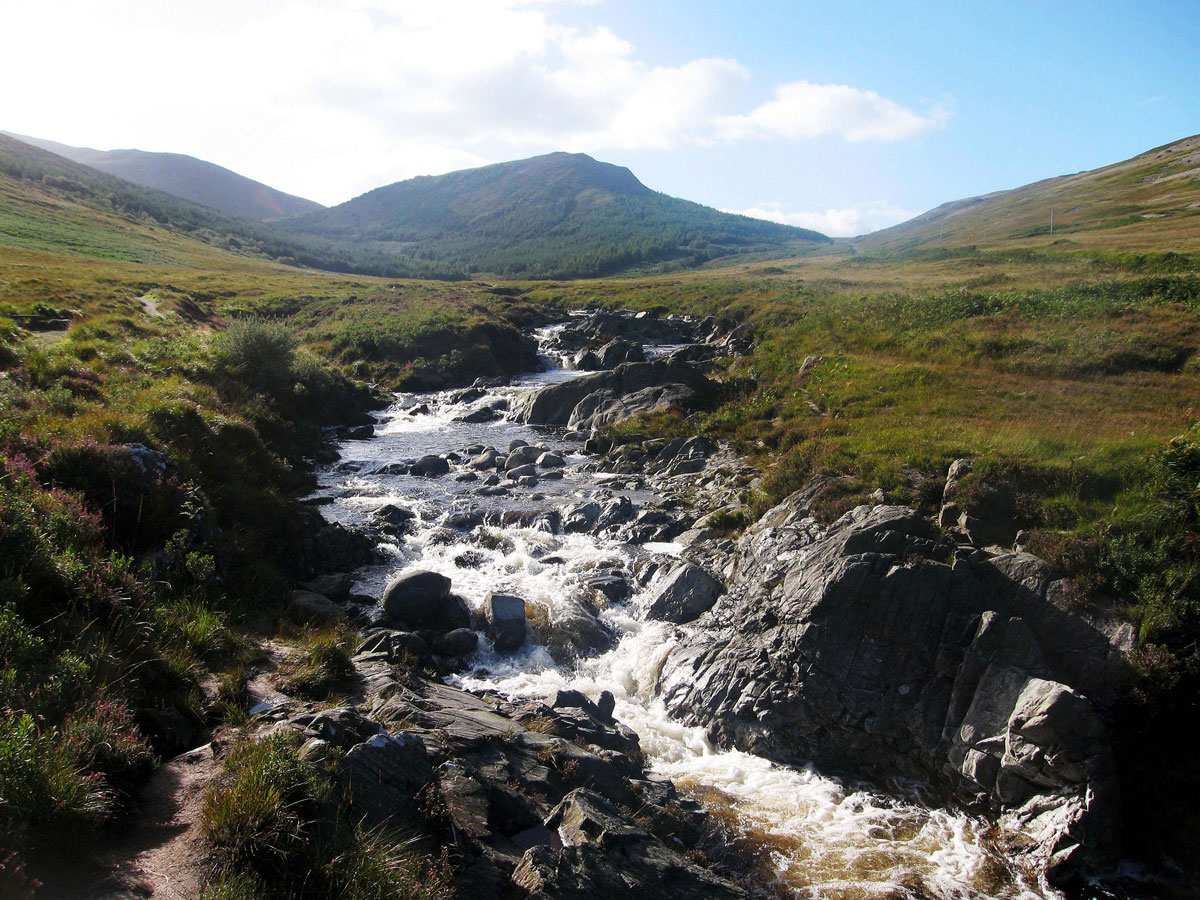

The A841 is a road that circumnavigates the island and is the obvious way to explore Arran, but today it’s only going to take us as far as Brodick, the island’s main hub. Apart from the main ferry terminal, it also has a castle, brewery and heritage centre amongst other things, but if this is giving you the impression that it’s a major urban area, then you couldn’t be more wrong. The latest estimated population is less than 900 and can be considered a village rather than a town.
The main attraction has to be the castle, which we were too late to visit, but not too late for the Arran Heritage Museum, so I had a quick shufty around there instead.
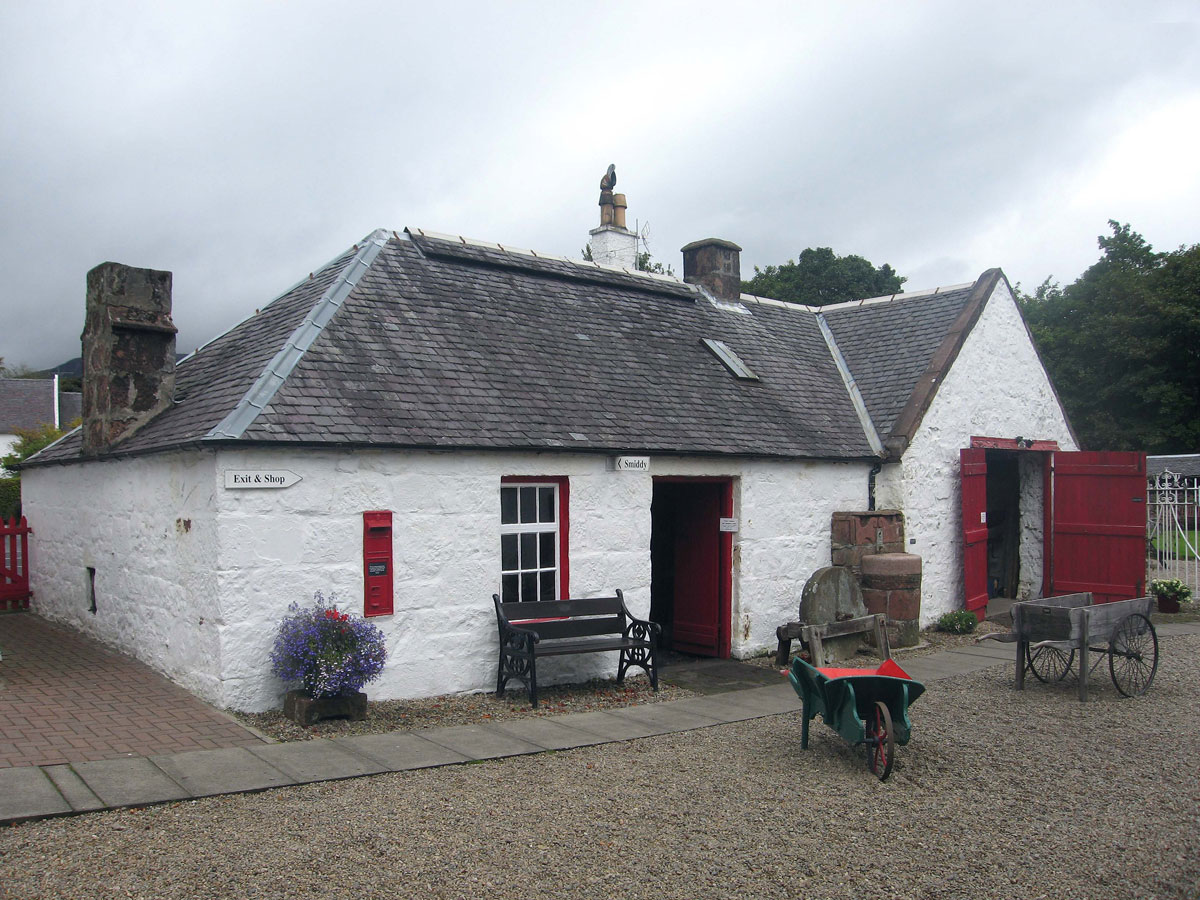
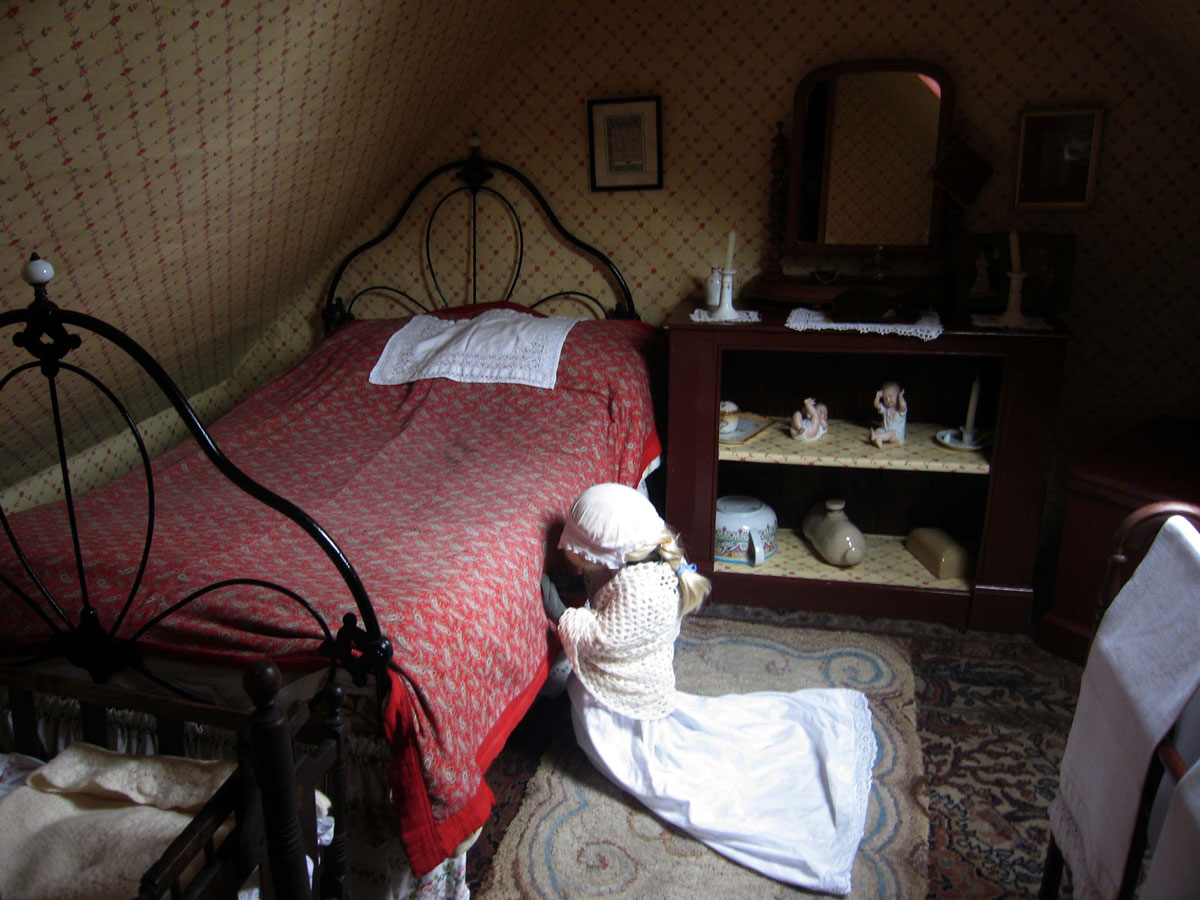
Our accommodation was the excellent Auchrannie Resort Hotel, which provided all the amenities we required, but without the type of entertainment we had at the Chandlers.
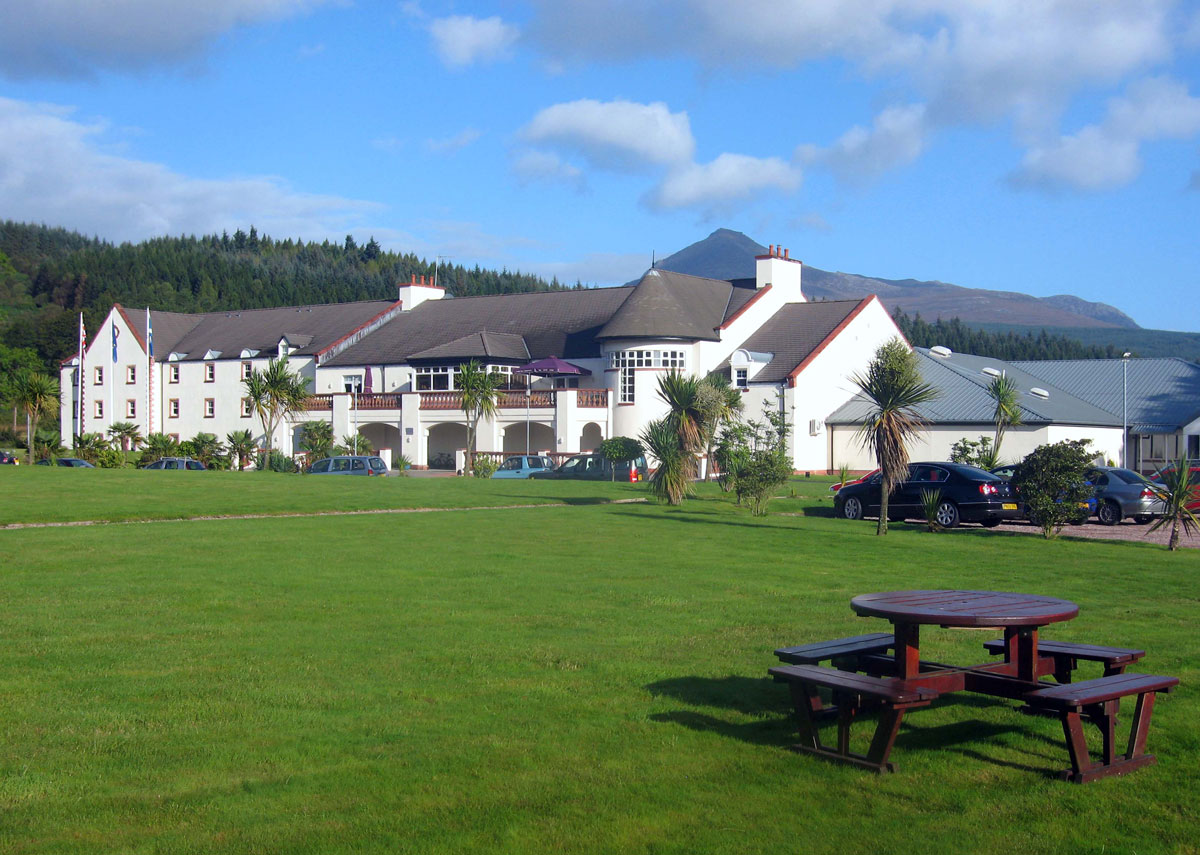
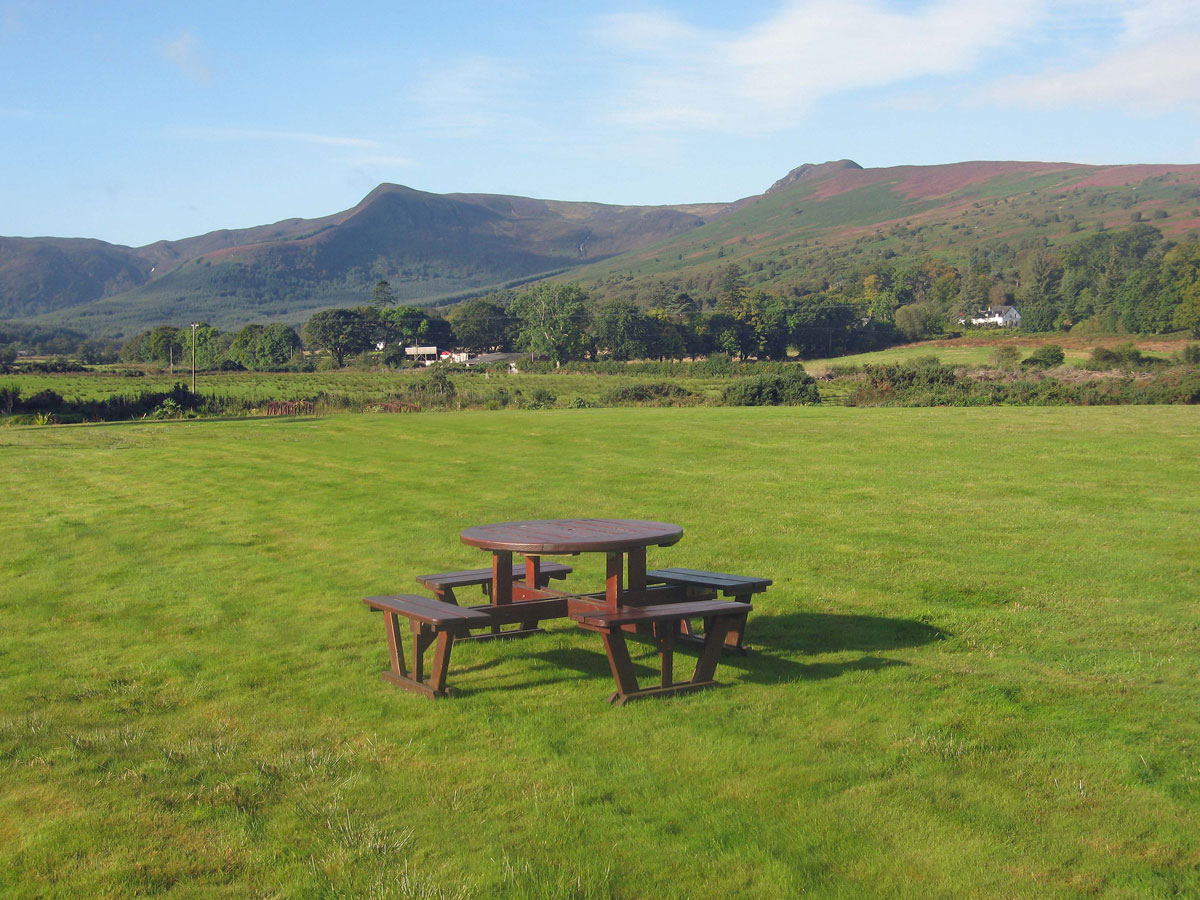
The staff were friendly, but fortunately not as friendly as last night’s barman, and after a good night’s sleep, I woke up bright-eyed and bushy-tailed for the day ahead – and the weather was looking bright too. I had fully expected to visit the castle this morning, but I’ve always been an outdoor person rather than an indoor one, and Arran is definitely a place that attracts the outdoor type. What’s more, Brodick Castle didn’t have the same appeal as Mount Stuart had. It does have an interesting early background, but it had a complete overhaul in Victorian times by the 11th Duke of Hamilton and didn’t seem much like a historical castle should be somehow.
Under the circumstances, we left the hotel for a leisurely drive around the southern, Lowland, half of the island starting at Brodick Bay. The fine start to the day gave us clear views of Goat Fell, Arran’s highest peak at 2,867 ft (974 metres), with Brodick Castle nestling underneath. Both Brodick Castle and Goat Fell are today owned by the National Trust for Scotland.

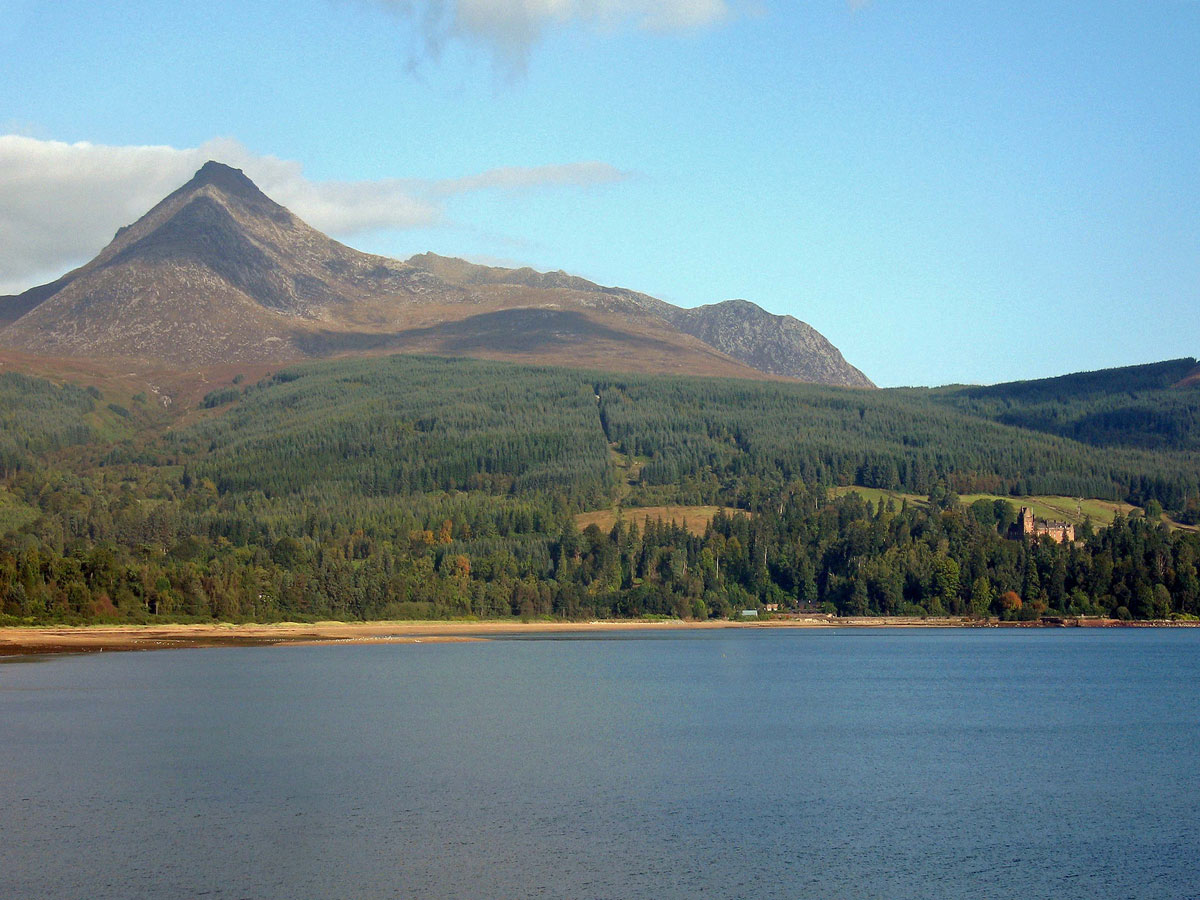
With 1,100 inhabitants, Lamlash, the next village down the coast, has a bigger population than Brodick, believe it or not. In fact, Arran’s total population is only 4,310, just a fraction more than the number of people living in Rothesay, despite Arran being a much bigger island than Bute.
The main reason for this is the fact that the 10th Duke of Hamilton decided to join other landowners in evicting tenants from his land in favour of sheep, and in 1829, to make his estate more profitable he converted 27 smallholdings into one large sheep farm.
Yesterday, I was reading in the Heritage Museum how the Duke offered his tenant farmers 50% of their fare to emigrate to Canada and a grant of 200 acres when they got there, but the museum has since got itself into trouble for sanitizing the experience. The point being I suppose, is that although he wasn’t as ruthless as some of the other landlords, these people were still evicted from their homes, and not all the land promised in Canada was honoured either. In all, around 700 people emigrated to Canada from the island, many on boats leaving from Lamlash. Altogether, between 1750 and 1860, the Highland Clearances resulted in an estimated 70,000 people emigrating from the Highlands and Islands of Scotland.
The extra money that was acquired by this ‘Agrarian Revolution’ for the 10th Duke of Hamilton was spent by his son, the 11th Duke, on Brodick Castle – and another reason I wasn’t too bothered about missing it out this morning.
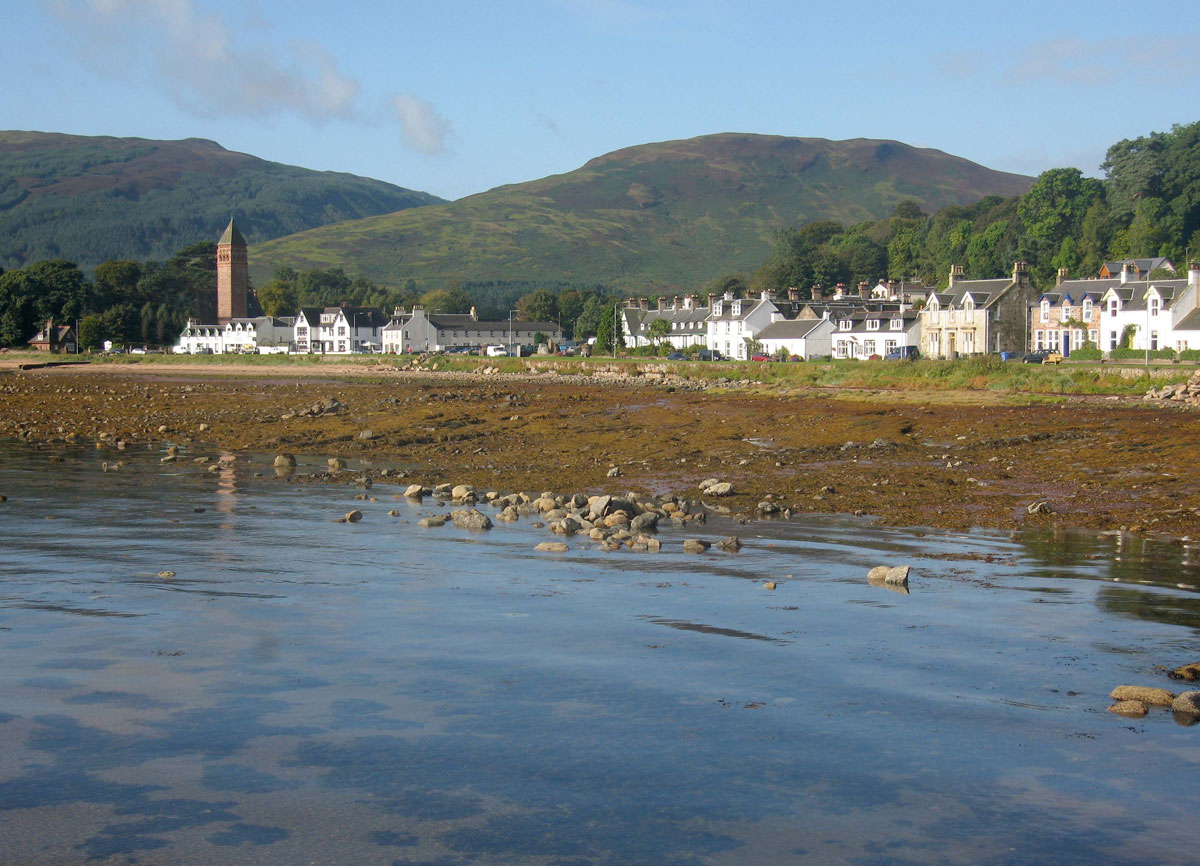

Lamlash is also the departure point for the much nearer destination of Eilean Molaise (Molaise’s Island), better known as Holy Island. We didn’t take the trip over, but for those who might want to, I’ll give a brief explanation.
The island gets its name from Saint Molaise, a 6th century Irish monk, who lived in a cave here as a hermit, and it seems to have had religious connections ever since. From a 13th century monastery to today’s owners, it has attracted those who want a more spiritual life – and who can blame them?
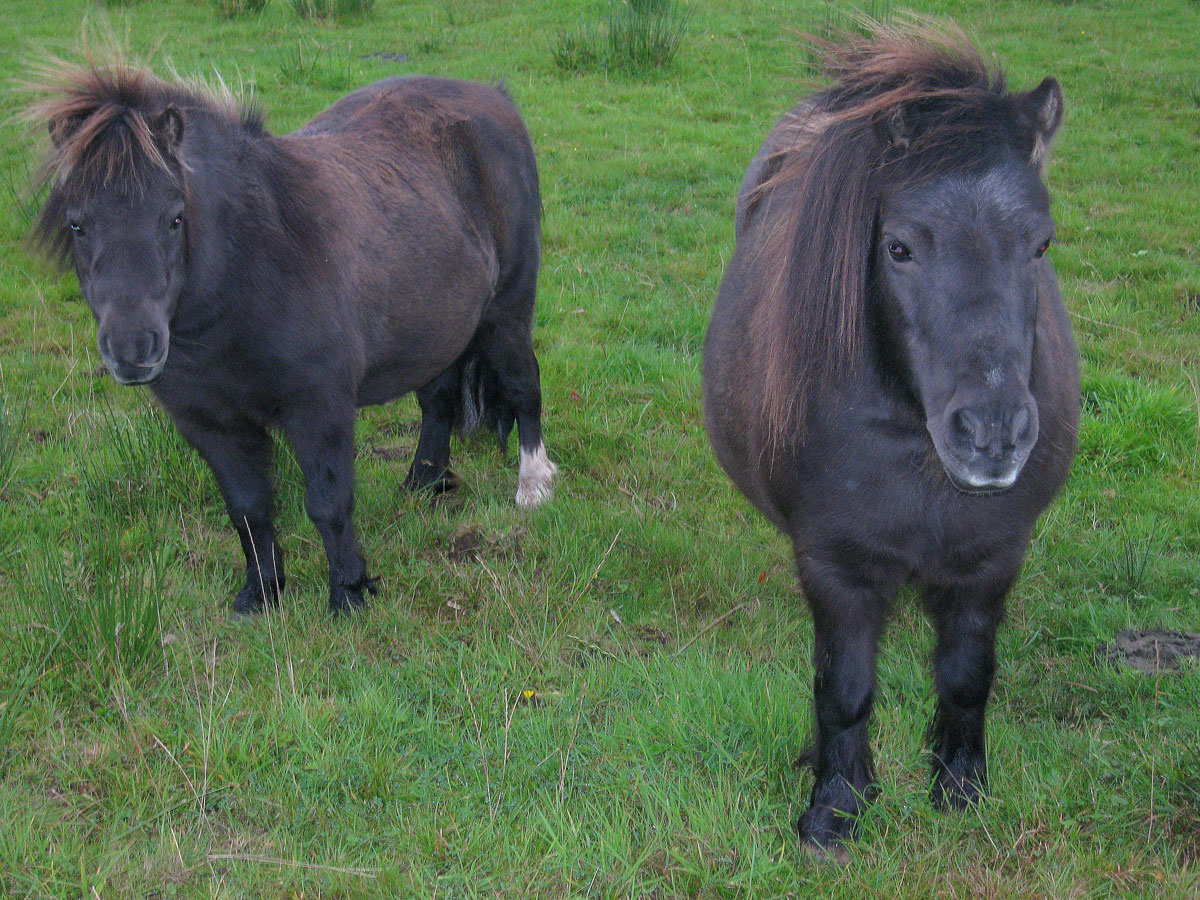
Since 1992, Holy Island has belonged to a Tibetan Buddhist community, and is a retreat for those seeking Nirvana through meditation and prayer. It also promotes an ecologically sustainable environment, so if your desires don’t extend as far as searching for inner peace at one of their workshops, courses or conferences, you can always walk around the island where Soay sheep, Saanen goats and Eriskay ponies roam freely in their own stress-free environment.

Moving on from Lamlash we drove dove down the east coast, stopping briefly at Whiting Bay, and on towards the island’s southern tip at Kildonan, a small community overlooking the uninhabited island of Pladda.
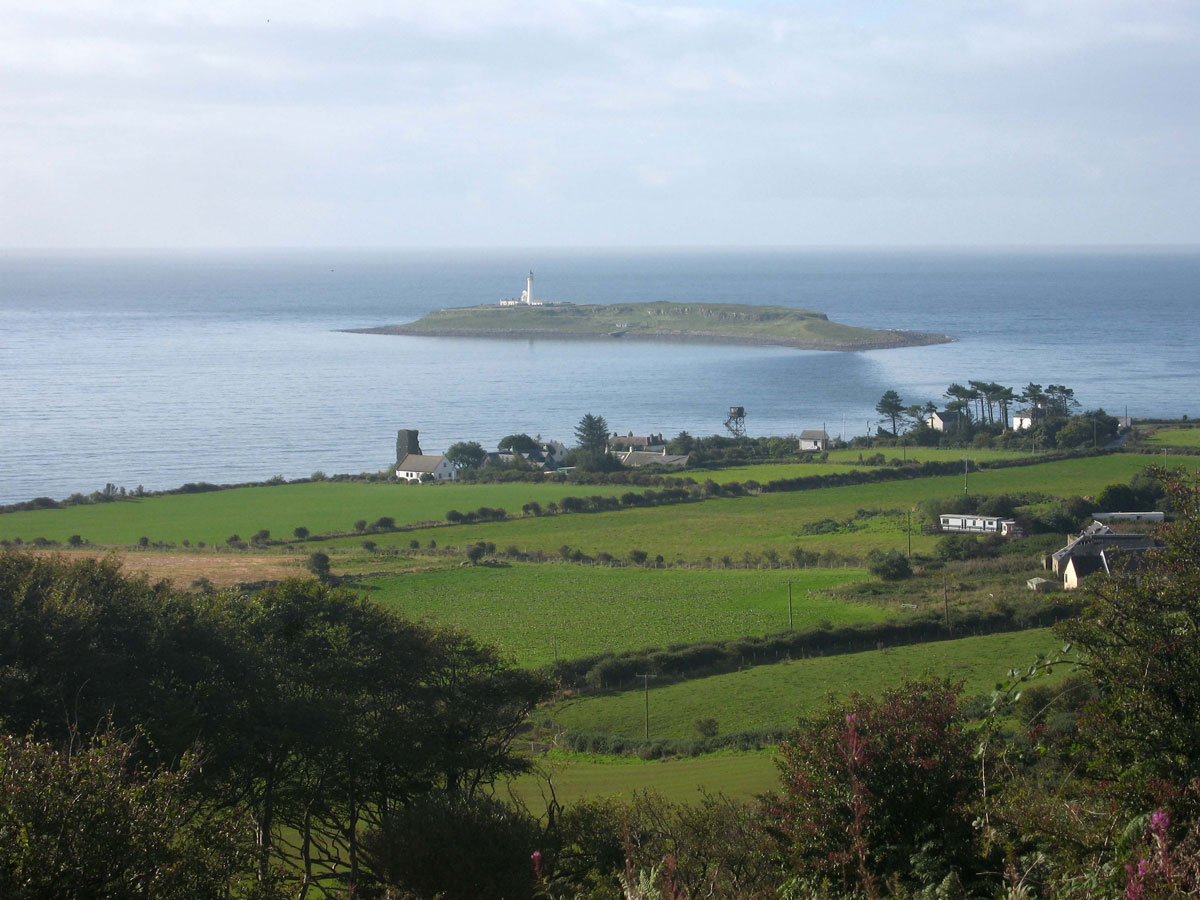
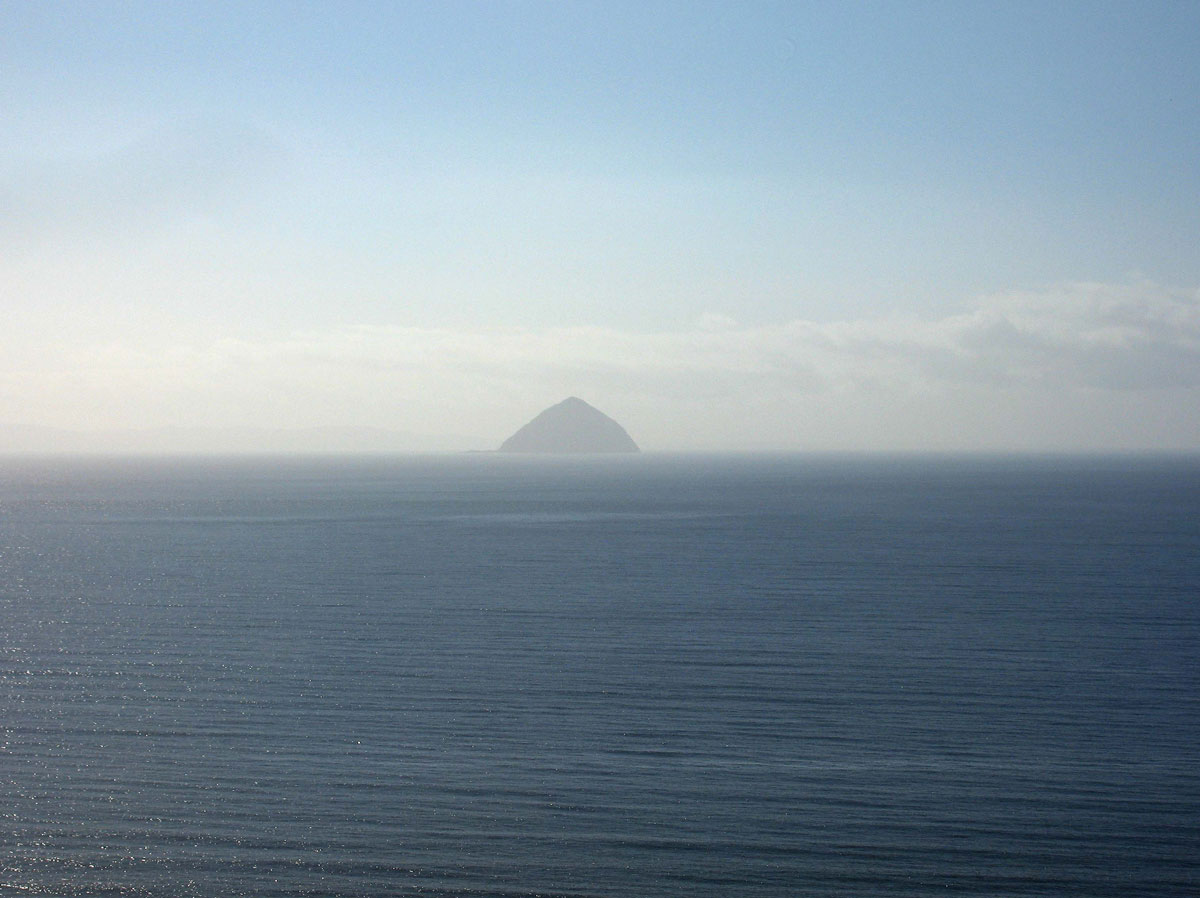
From above the village especially, but also from the beach, there are extensive views down the Firth of Clyde towards the unmistakeable island of Ailsa Craig. Sometimes called Paddy’s Milestone (because it lies roughly half way between Belfast and Glasgow) it was seen by many men emigrating from Ireland to seek work in Scotland.
Once a sanctuary for Catholics during the Scottish Reformation, it is now a sanctuary for large numbers of gannets and an increasing number of puffins. Ailsa Craig is interesting for all sorts of reasons and is one island that I would dearly love to visit, but never have – not even up close. Looking down the firth from Kildonan made it seem so tantalisingly close, and yet so far away.

After leaving Kildonan we continued to drive around the south coast, before taking a pit stop at the Lagg Inn. This southern part of Arran is definitely more ‘Lowland’ in appearance compared to the northern part of the island, and there were plenty of sheep grazing in the fields. That said, much of the landscape still lies above 1,150 ft (350 m).
As we started to drive up the western shoreline, we could see the long arm of the Kintyre Peninsula on the opposite side of Kilbrannan Sound stretching down towards the North Channel, but the further north we drove, the narrower the Sound became, and at Blackwaterfoot we headed back inland.
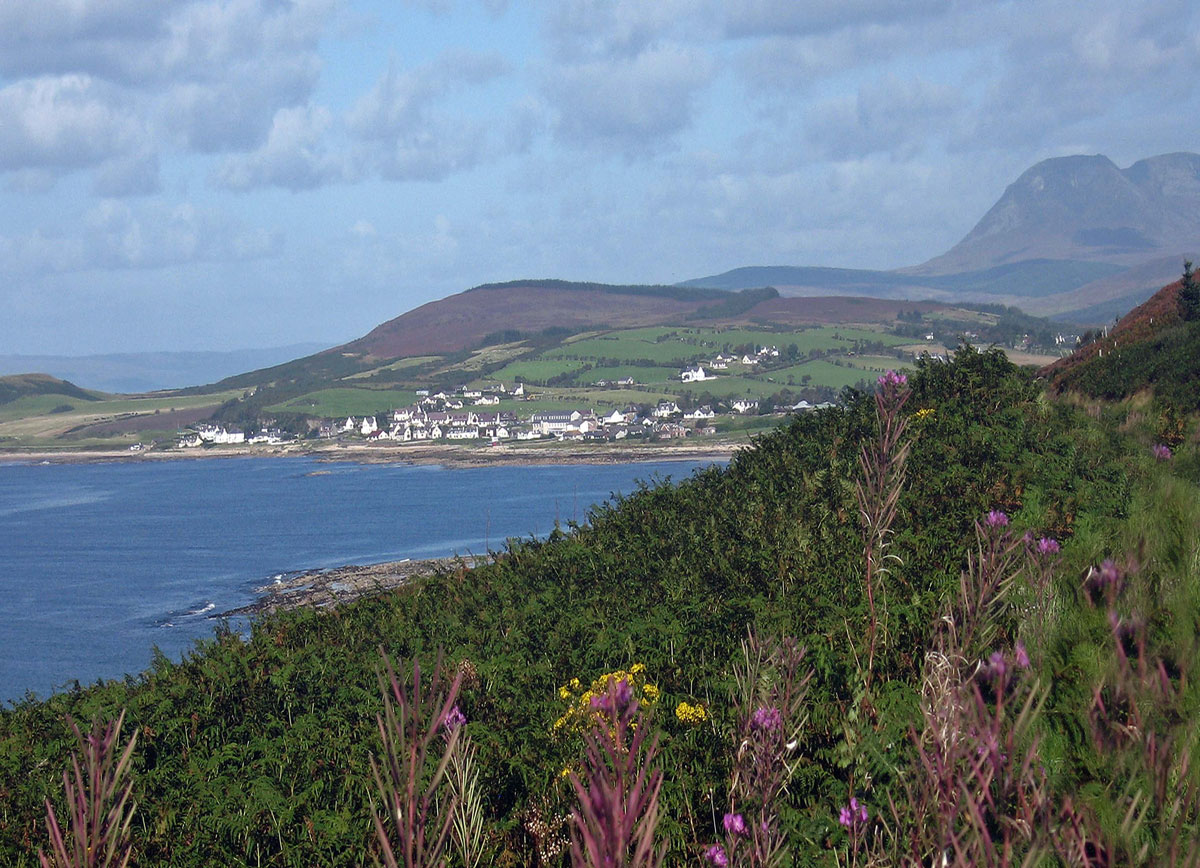
The road that cuts across the island from Blackwaterfoot to Brodick is known as the String Road, and to all intents and purposes is the course of the Highland Boundary Fault Line. Back at Brodick, Kay went for a swim while I took a tour of the Arran Brewery, and that was basically it for the day. It has to be said, that the bottom half of the island was better than I expected, but maybe the fine weather had something to with it. Tomorrow, we’re leaving Arran and heading back towards the Cowal Peninsula and the Upper Firth of Clyde.
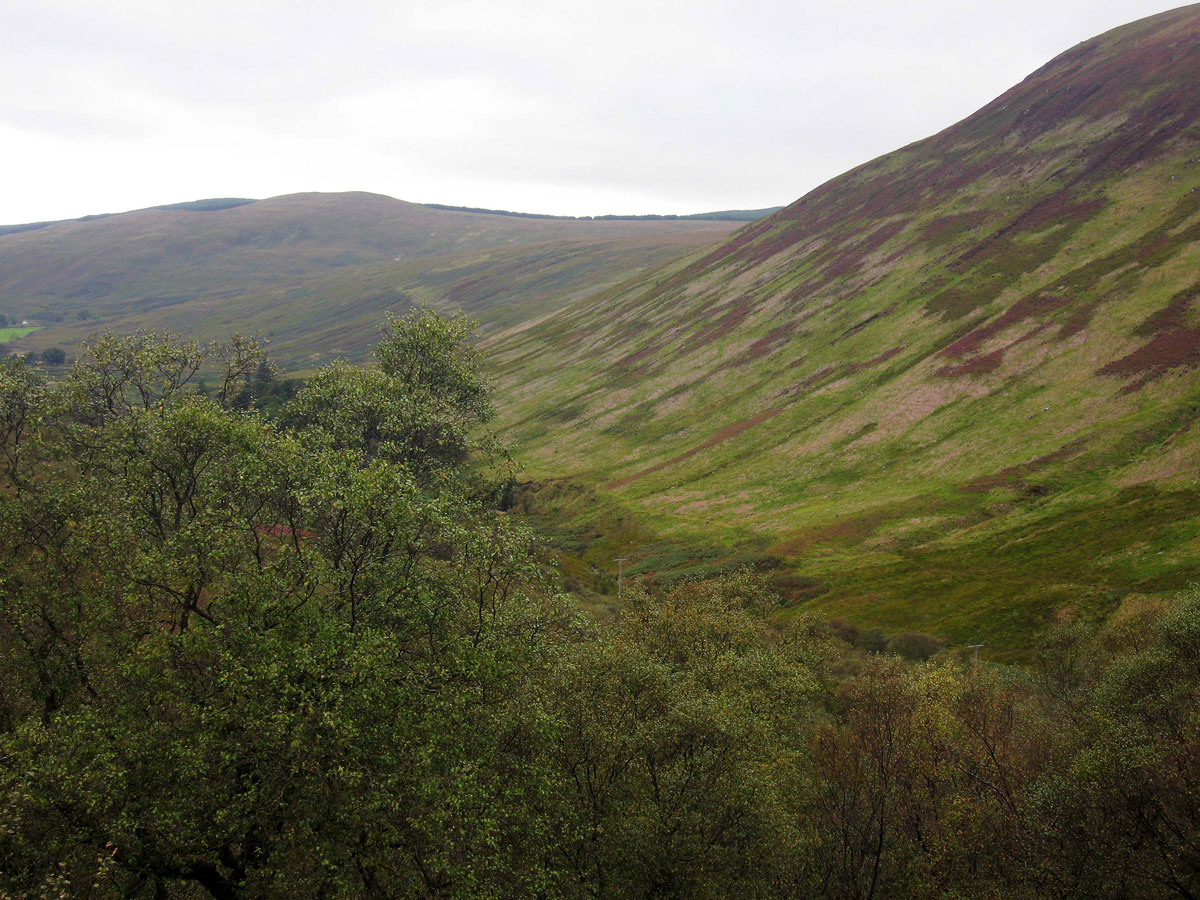
We woke up to another fine morning and left Brodick by way of the String Road, and back towards Blackwaterfoot, where we intended to follow the coast road north back up towards Lochranza.
At Blackwaterfoot, our plans were thrown out of the window somewhat when we bumped into an elderly American couple who were in need of some help, and as is usually the case, whenever I try to help somebody, it always seems to come at my expense.
This couple had been on a bus that had dropped them off at Blackwaterfoot instead of Machrie, which was another three miles further up the road. Of course, we gave them a lift to where they needed to go, but it meant that we passed the turning for the King’s Cave Forest Trail which we wanted to do.
The King’s Cave is at Drumadoon, which is a striking basalt cliff and worthy of a visit for that reason alone, but it’s become famous for another reason. The cave is supposed to be where Robert the Bruce met that spider of “If you don’t at first succeed” fame. I wasn’t convinced that this was the cave where The Bruce hid, let alone the story about the spider, and so I consoled myself with the fact that we didn’t miss anything anyway – but I’m not convinced about that either, especially as we also missed the opportunity to explore Machrie Moor with its Bronze Age standing stones and stone circles.
I could have turned back, but in the end I didn’t bother and went rock-pooling in Machrie Bay instead.
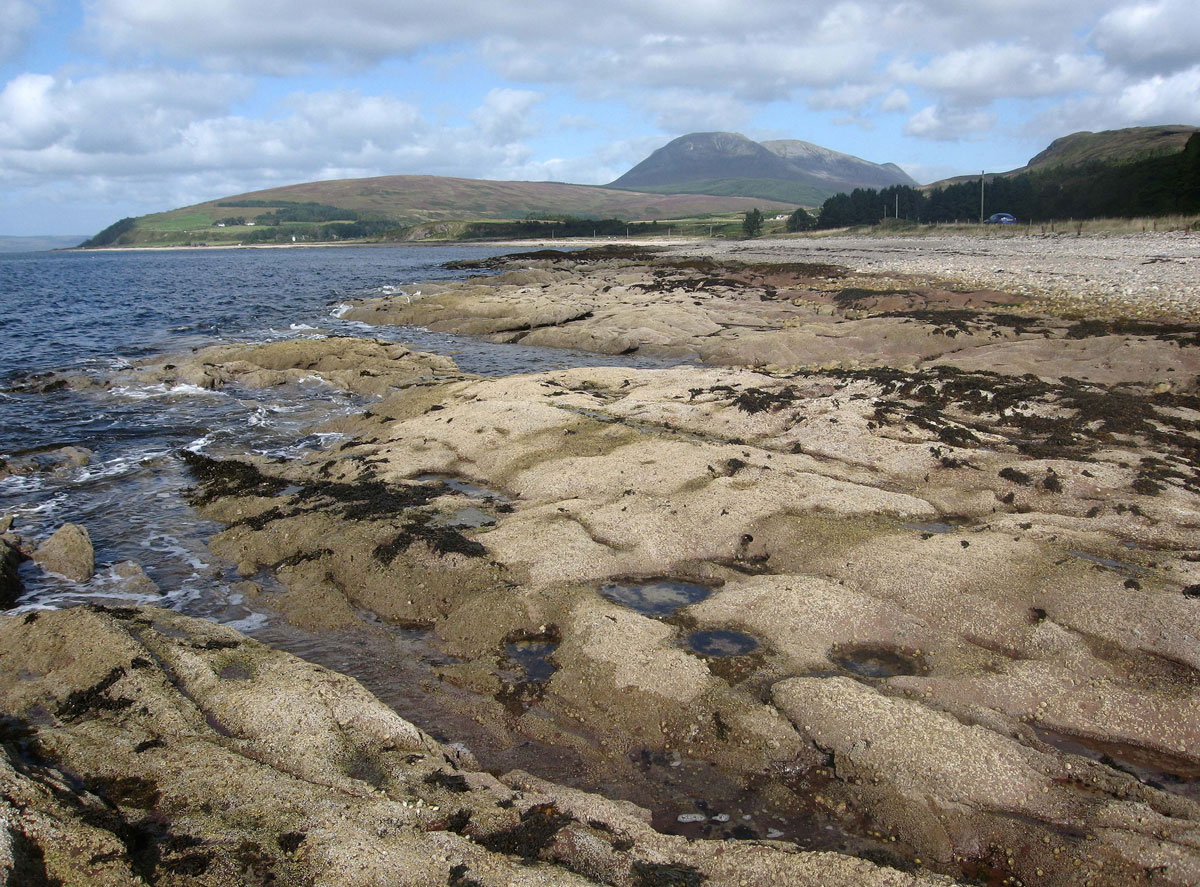
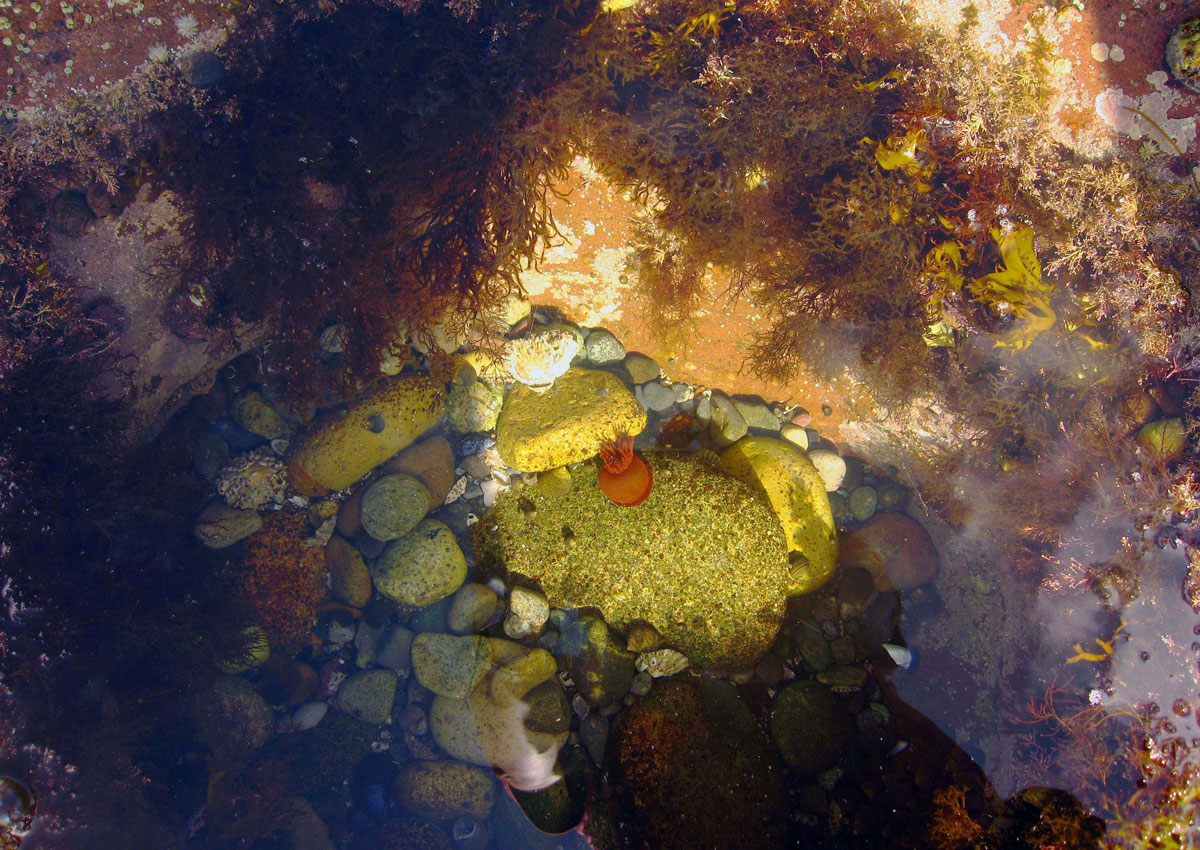
It wasn’t as much a waste of time as it sounds because geologists love Arran, and this area is an excellent place to seek out the different rocks that make up the local landscape.
We are now in the Highland part of the island which, according to one article I read, consists of granite formed by volcanic activity 58 million years ago – but how do they know that it wasn’t 57 or 59 million years ago? However old it is, the landscape is still impressive, both along the coast and inland.
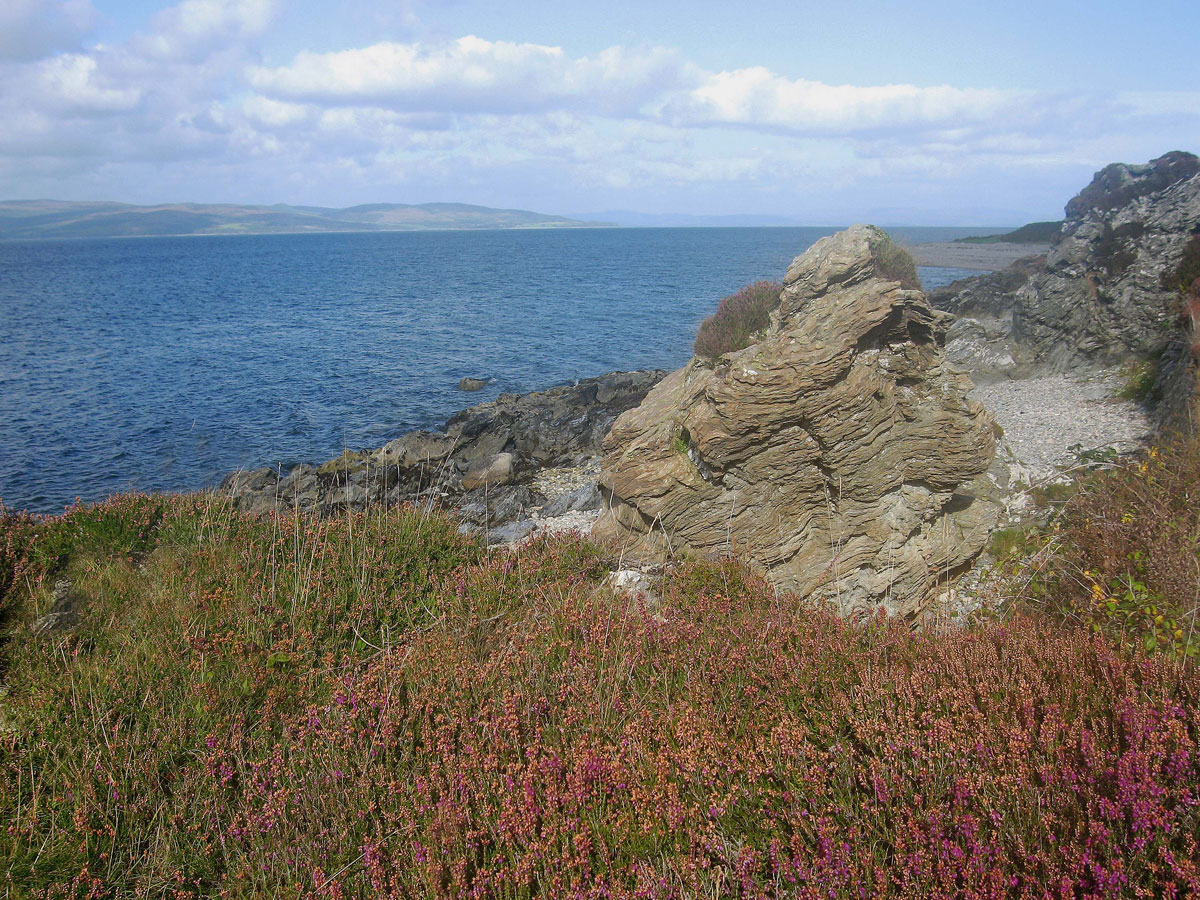
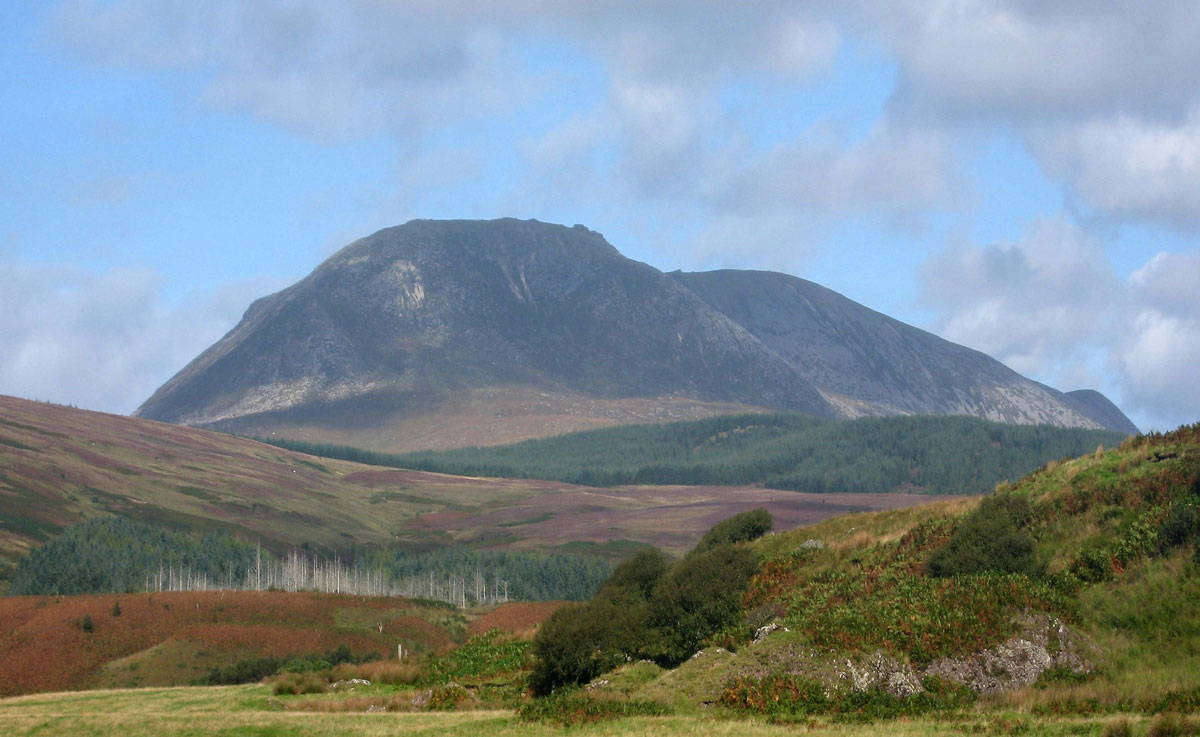
This coastal road is a delight to drive along. Ok, the views across to Kintyre aren’t as dramatic as those on Bute looking across to Arran, but it’s still a lovely drive all the same.
As we approached Catacol, we crossed over the glen from which the village gets its name – and from a distance, it looks charming, which it is in a way, but that doesn’t tell the whole story.
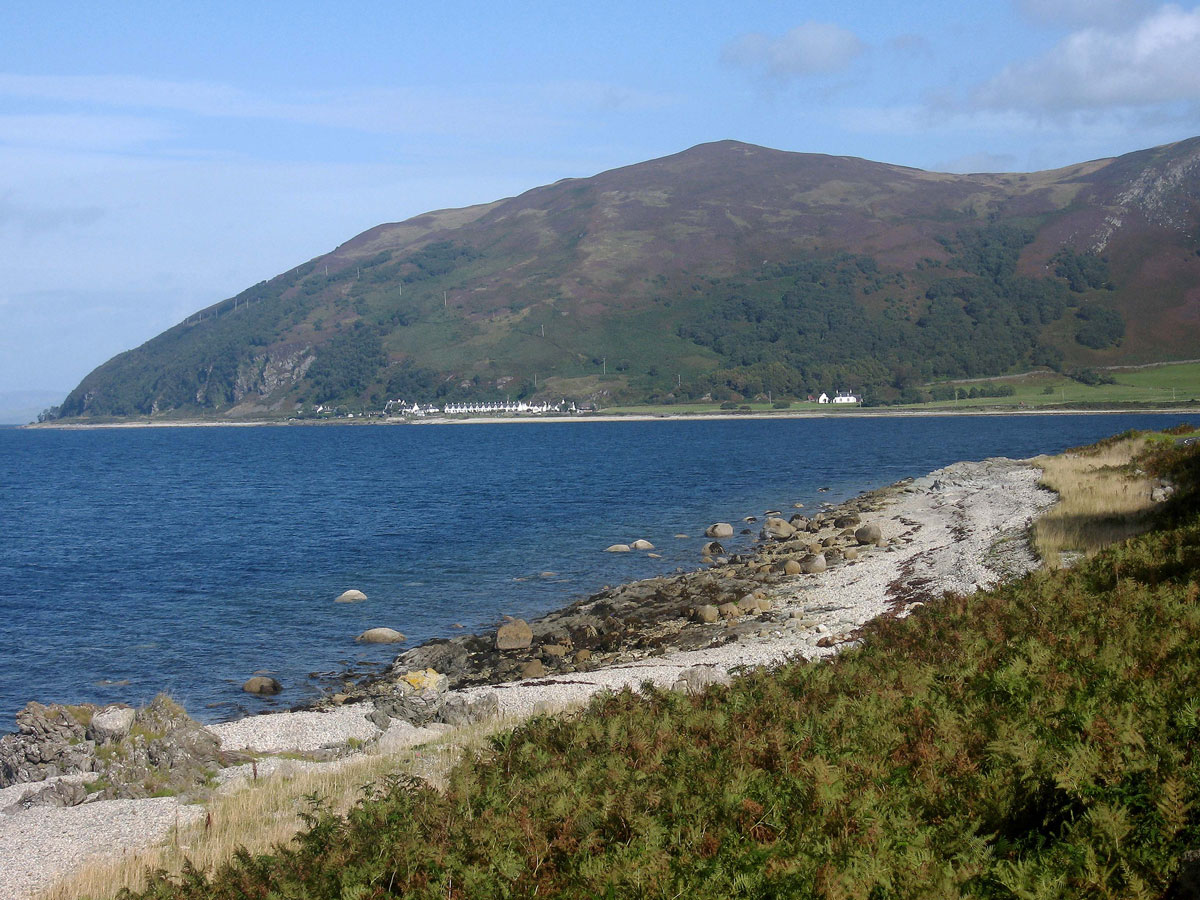
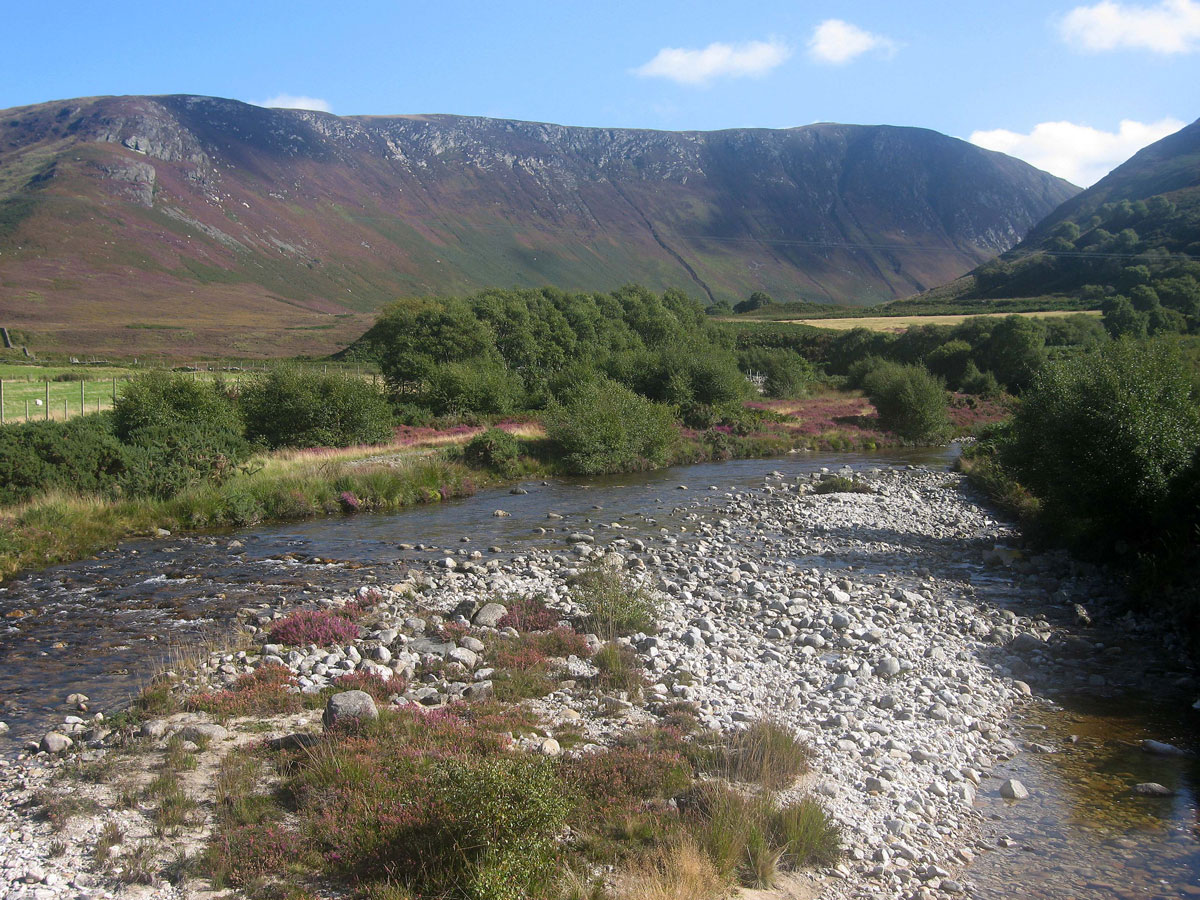
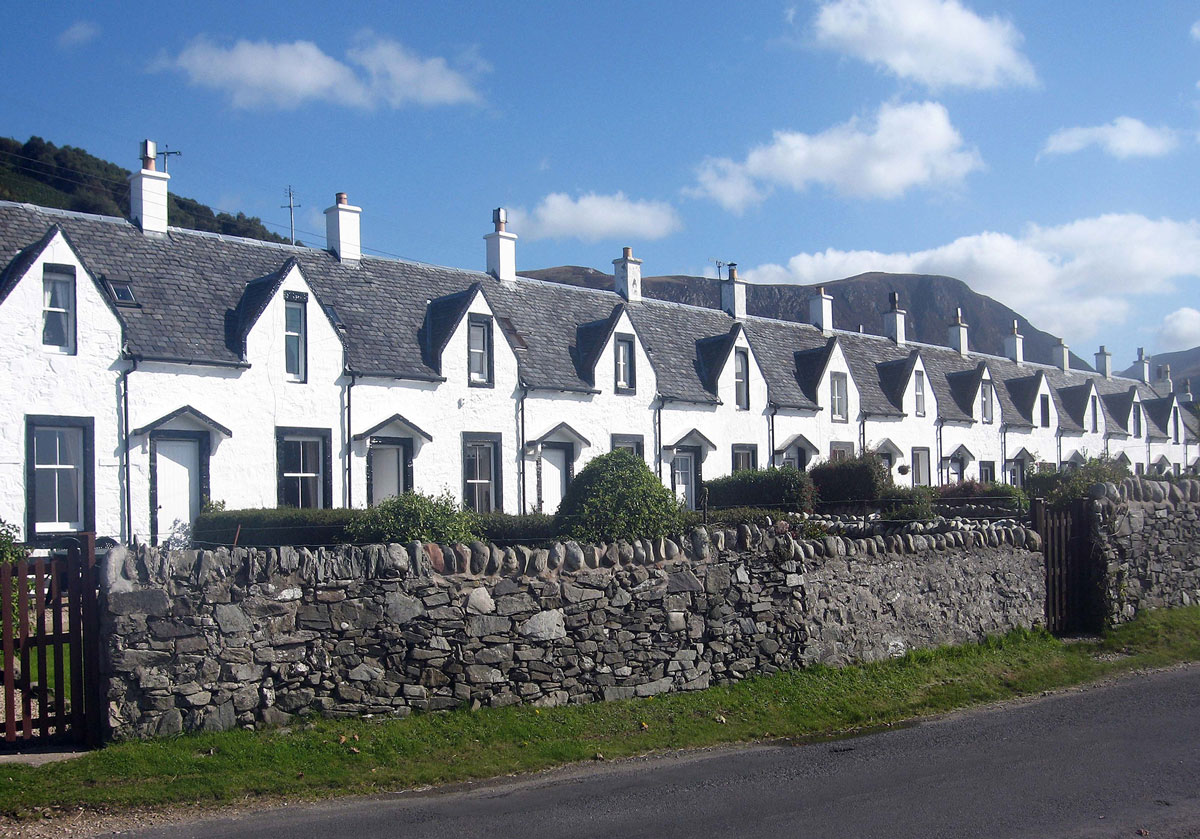
In 1863, the village was used to house those evicted from Glen Catacol, but these clearances were for the introduction of deer, which by now had become more profitable than sheep, thanks to the ‘sport’ of deer stalking. The terrace of twelve identical cottages, known as the Twelve Apostles, was where some of them were relocated.
We were soon back at Lochranza, and had enough time to wander around to the castle again before catching the ferry. The place looked just as good as when we arrived, and we were sorry to have to leave it behind.
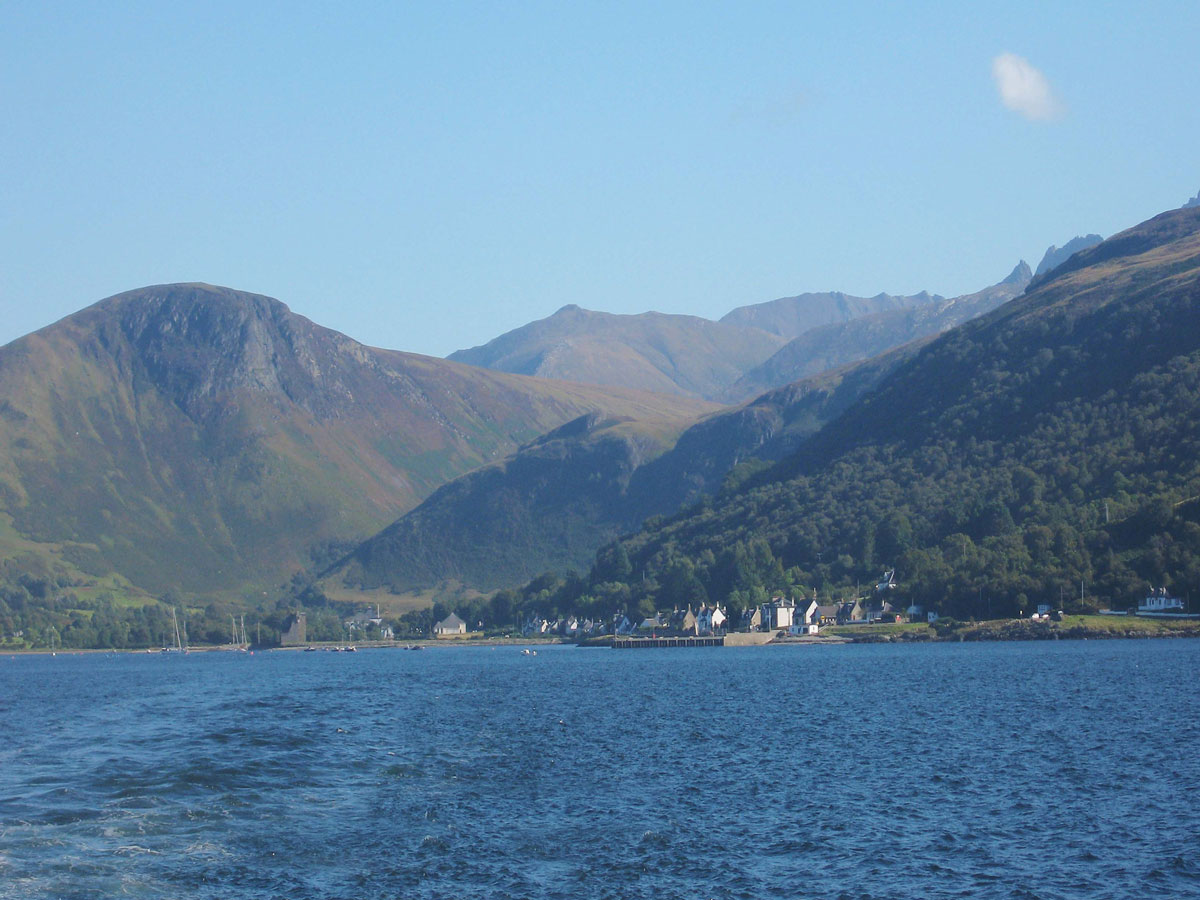
Our return journey took us over to Claonig, back up to Tarbert, the ferry to Portavadie, and across the Cowal Peninsula to Dunoon, where we were stopping overnight before heading back to Glasgow airport.
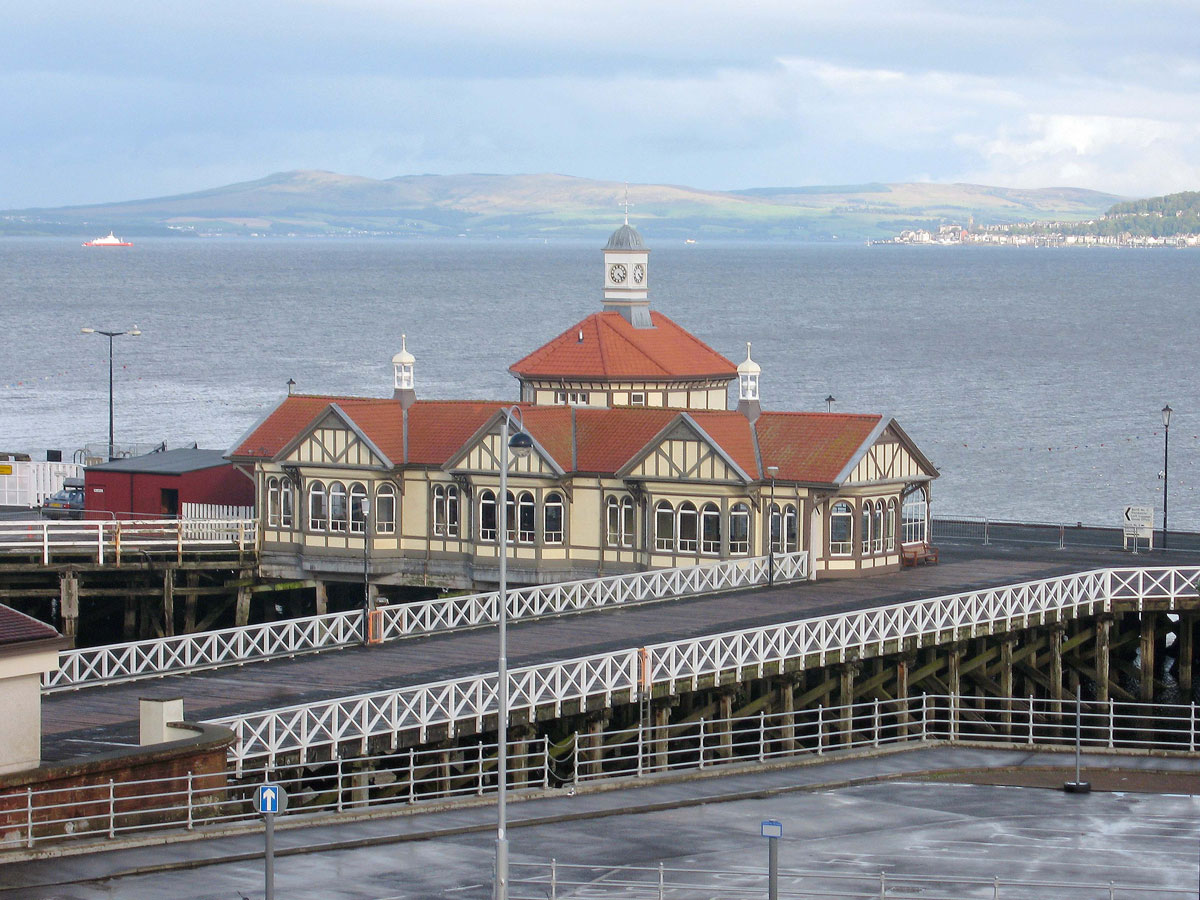
Dunoon is a pleasant town whose fortunes have wavered over the years. It was a favourite with Glaswegians during the days of the paddle steamer trips, and during the Cold War became a U.S. Navy garrison town for its Polaris nuclear base at Holy Loch.
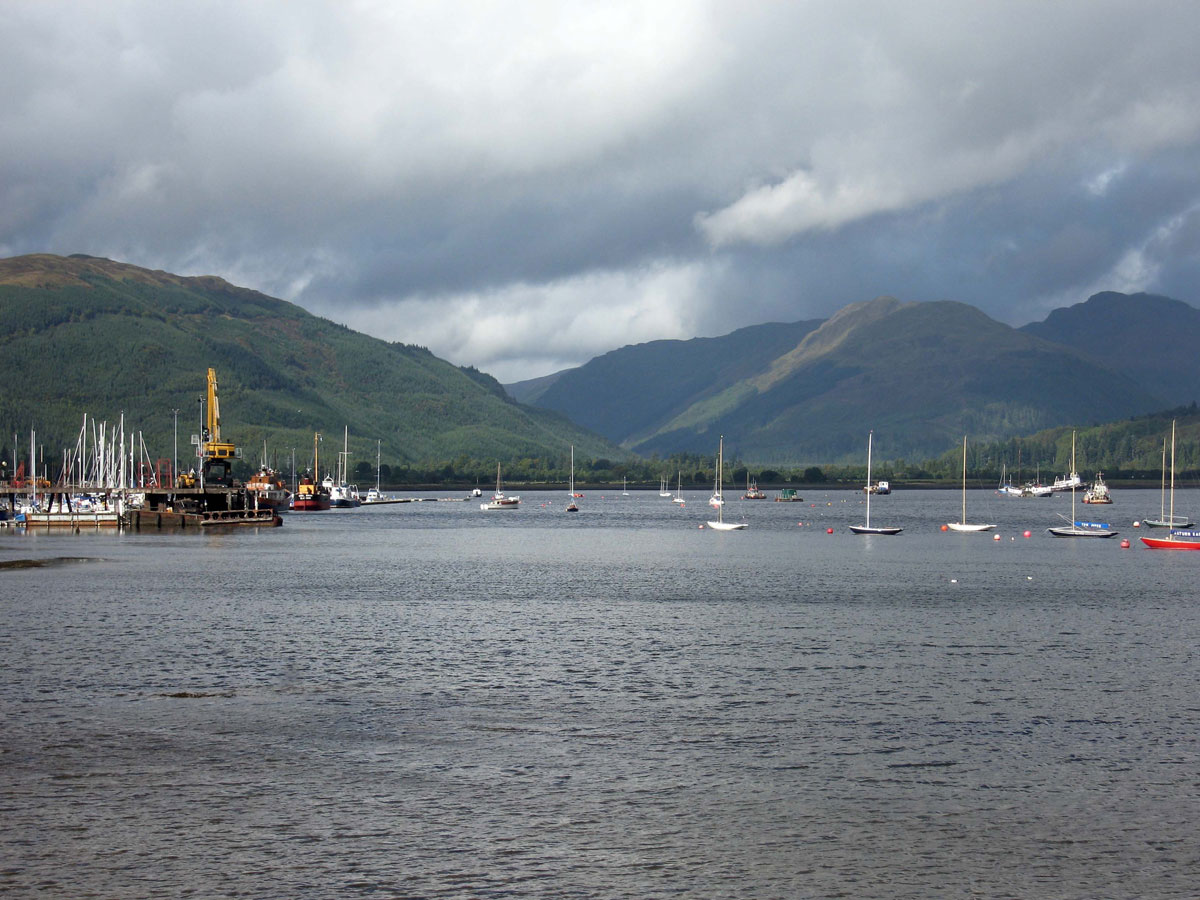
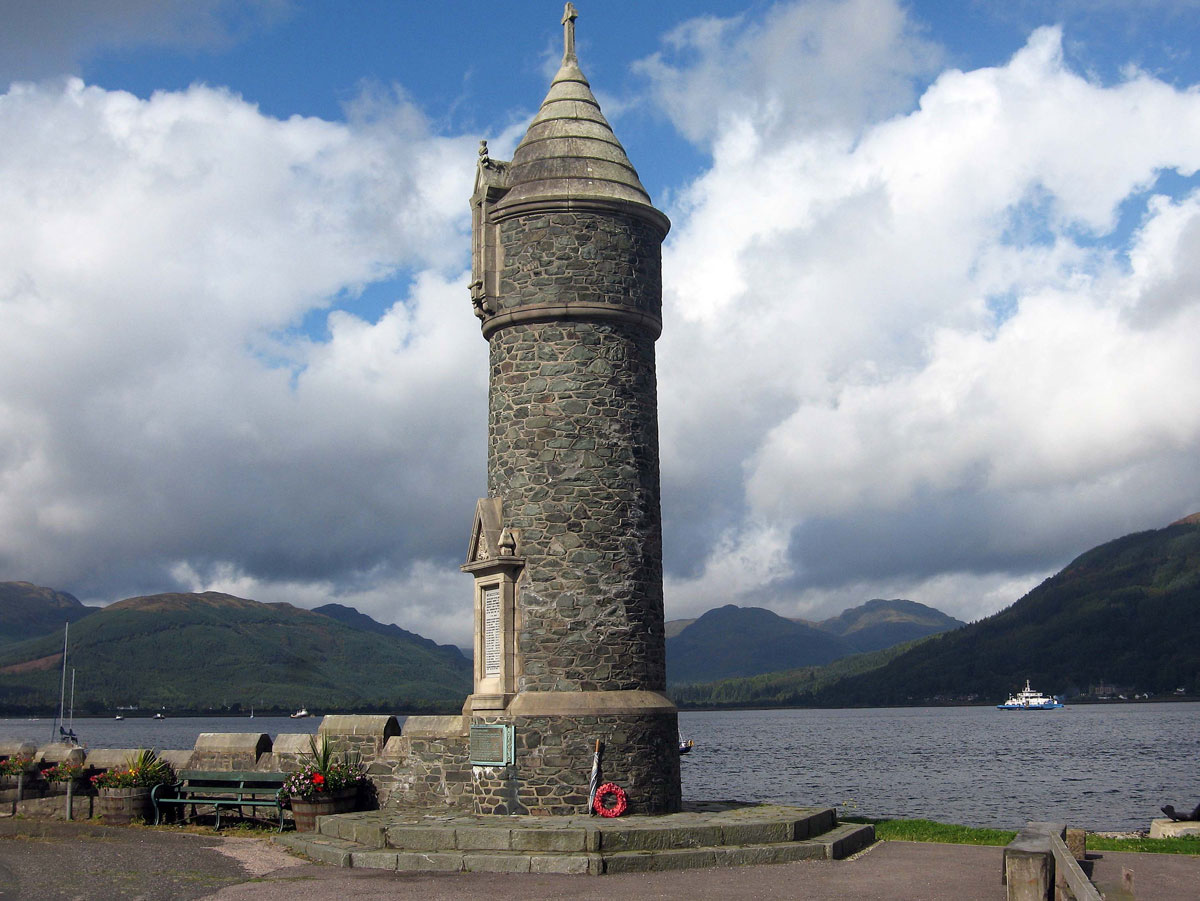
When the Cold War ended, the submarine base was no longer needed and the Americans left, leaving the town to decline. With Glaswegians now preferring the Costas to the Clyde, Dunoon has reverted to being a fairly quiet holiday town, although it must get a bit boisterous during the Cowal Highland Gathering I would imagine.
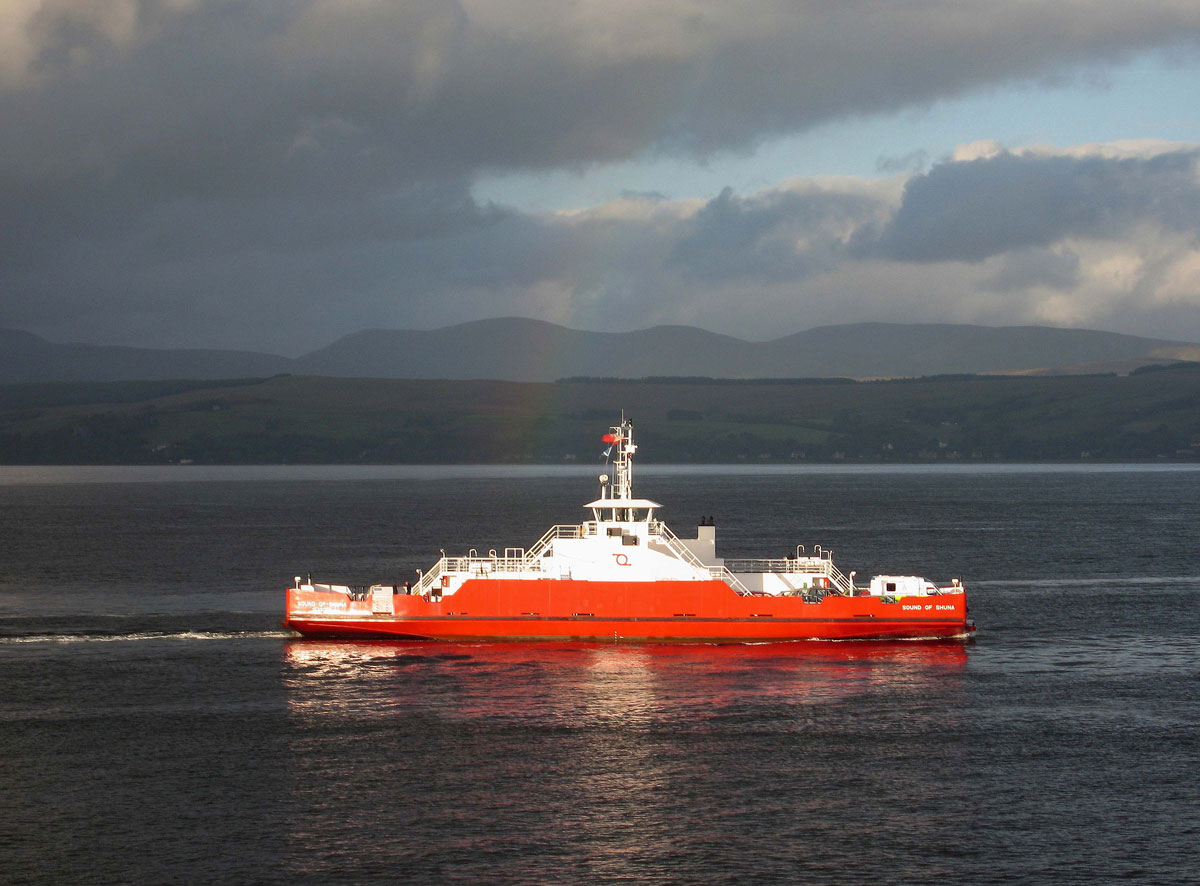
Although perhaps there’s not an awful lot to get excited about at Dunoon, it’s still a good place to end our journey around the Firth of Clyde. Across the water from our hotel at Hunter’s Quay we can see Gourock and the mouth of the River Clyde – and tomorrow morning we’ll be taking one final ferry ride across the often underrated Firth of Clyde and back home. I hope you enjoyed exploring it with us.
POSTED – JULY 2023
Originally posted 2023-07-08 08:47:50.
Beautiful weather you had here and you really made the most of it! I’m with you – museums are mostly for rainy days and when it’s like this you really should be outside as much as possible! The landscapes are gorgeous and as always I enjoyed your potted history lessons. I guess you’ve seen that Ailsa Craig has been in the news recently because of avian flu, although a recent piece I saw said that naturalists were pleased to see some signs of the bird population recovering 🙂
Thanks Sarah. I must admit the news about bird flew on Ailsa Craig passed me by, but I’m pleased to hear that it’s already recovering. It’s also good to see Albert back on WordPress isn’t it?
Yes, I’m really enjoying catching up with Albert. Ailsa Craig was featured on the BBC TV news not long ago, as they were doing the annual bird count there and were pleased the numbers (of gannets specifically I think) were up on last year, although still not what they should be.
Malc, this tour of Scotland in miniature is my kind of travel – even if it is vicarious. With Google Maps at my fingertips I traced your route from town to town. The photos were stunning and the skies were less overcast than I would have guessed for Scotland. I especially liked the scenic open land with hills in the background or the pastoral views of deer grazing instead of sheep. The harbors with moored sailing ships were also lovely but my favorite was the Kyles of Bute with the low angle sun reflected from the wave tops providing a mysterious setting.
Thanks for helping out the American couple who missed their bus drop. A random act of kindness is oft returned to others and makes the world a better place, don’t you think? I also appreciated the smattering of history about some of the locales that you included. I may have checked this one off my bucket list! Thanks. Stewart
Thank you for your smashing comments Stewart and I’m chuffed that you took the trouble to follow it all on the map. I do the same very often. Of course, it’s not me that should take the credit for you liking this post, but the Isle of Arran itself.
The ones that make the most noise won’t, yes, but it seems the silent majority of them don’t want to. The same goes for Wales, yet Plaid Cymru never seem to get elected.
Spot on Alli. I keep promising myself that one day I’ll break my own rules about not writing any controversial blogs and say what I really think. If I do, It’ll probably be longer than War and Peace. Have a nice Sunday 🙂
Me too Malc, I know how you feel. What a shame we all feel we have to tread on eggshells nowadays so as not to offend anyone. Ridiculous situation really. Surely it’s only a matter of time before free speech will once again be allowed, and we can all break through the wall of wokery that we’re all imprisoned behind in this crazy modern society.
Have a great Sunday too. We’re off to see the puffins and red squirrels on Anglesey. Thank heavens for nature! 🙂
Well said. We’re not alone in our way of thinking thank goodness. We ought to continue this conversation another time. In the meantime, have a great day on Anglesey and I hope the weather’s kind to you. 😎
Thanks Malc, we may get blown around a bit but it’s set fair on the whole. 🙂
🙂
What a day out! 🙂 It all looks absolutely gorgeous, and just the sort of place I’d love to go for an idyllic break. I love the look of Lochranza Castle, empty shell or not, and I can tell by just looking at it that there is, as you also feel,
something special about it. And your shot of the deer in the foreground is wonderful. Speaking of photos, the serene picture of the Kyles of Bute actually gave me goosebumps! I’ve always wanted to visit two of the places you went to: the King’s Cave and Ailsa Craig. The former holds all kinds of fascination for me having studied the famous Scottish ruler’s life and that legendary arachnid tale, but I’ve always thought the latter looks to be simply mesmerising.
Even the name conjures enticing, other-worldly images. One day I’ll get there too, but let me know if you get there first. 🙂
Thanks Alli. I believe you would really like Arran because there’s nothing not to like – and it’s not that difficult to get to either if you take the most obvious route 😊
I’m certain I’d love it, Malc. When we were in Scotland (I think it was in 2006) we did go to the Isle of Mull further up the coast, and that was lovely, but I’d really like to go back one day and explore all you’ve seen as well. 🙂
You really should. Of all the places I’ve been to Alli, Scotland is still my favourite. I’ve still got plenty to write about – including Mull 🙂
Oh good, I’ll look forward to that. Having done a uni module on medieval and early modern Scotland, I’m always happy to read about that beautiful country. 😊
The Scots will never be happy until they untie the knot with England 🙂
What a wonderful and informative guide to the Isle of Arran! I learned so much from reading your post, and I appreciate the historical and cultural details you provided. You made me feel like I was there with you, exploring the island’s attractions and scenery. Your photos are amazing, especially the ones of the Brodick Castle, the Machrie Moor Stone Circles and the Goat Fell. I can see why you love this island so much, and why it is called Scotland in Miniature. I hope to visit Arran someday and follow your recommendations.
Thank for your smashing comments. They really are appreciated. It’s the Isle of Arran that should take all the credit though, and I sincerely hope that you manage to get there one day.
Such amazing weather to enjoy the Scottish countryside, the blooms, the history, the sea views and the lovely images to entice anyone to explore that area. An enjoyable read, thanks.
And thank you for commenting. It’s always appreciated.
You obviously spend a fair amount of time writing it, so it seems only right to comment than just leave a “like.”
Even a ‘like’ is a bonus for me Suzanne. I honestly write posts for my own pleasure, whether it’s to remember somewhere, get to understand a place better or just for fun. That way, I don’t get disappointed if nobody bothers to take a look at what I’ve done. That said, it really gives me a lift if I’ve seen that others genuinely enjoy my posts and get some sort of inspiration from it. Thanks again 🙂
Oh yes, I’m the same regarding why I blog. I really only follow people who have a few of the same followers. Plus, some I have met in real life 🙂
That makes sense to me 🙂
You passed a second distillery near Lagg! Did you know that Ailsa Craig is the only source of stone for making curling stones? It is usually collected every ten years by one company – although an extra collection was needed more recently.
Thanks for your feedback and it’s good to hear that the island now has another distillery. I didn’t pass it when we were here because it wasn’t operating then, but I will amend the text accordingly. Thanks.
I did know about Ailsa Craig and its granite quarrying for curling stones and although I knew it was famous for its quality I didn’t know that it was the only place that produced it. After careful consideration, I deliberately left out this information to keep the post within the realms of readability.
I hope you enjoyed reading the rest of the article as you obviously know Arran well.
This Scotland in miniature is great💚
I really enjoyed this ride, thanks for taking me along-
I’m intrigued by the Lazaretto Point: do you know that in Italian Lazzaretto is the place where lepers and the poorest sick people were placed?
No I didn’t Luisa. You teach me something every day
You are too kind, my dear friend 🙏
Have a beautiful evening
You too my lovely 🙂
Ravishing. Thanks.
Thank you so much.
Superb armchair travel for a Saturday morning. Hope to get there in person one day. Good job,Malc.
Thanks Pat. I hope you didn’t sit in that armchair for too long.
Spectacular and a place I will definitely add to my “to go” places! Yes and phenomenal photography!
I’m glad that it’s inspired you to add Arran to the list Francesc, butI’m not sure that I would call the photography phenomenal, but thank you all the same.
You’re very welcome Malc!
If I could ‘like’ this post more than once Malc I would as there’s so much to love about it, in fact I’ve been so engrossed I let my brew go cold 🙂
A great final shot of the ferry, it really stands out against the background of dark clouds, and the deer in front of Lochranza Castle really makes that photo. Hamilton Terrace and the Heritage Museum remind me of some of the bits of Ireland I’ve seen, and I like the look of the spa hotel. There’s some great scenery here but my absolute favourite view has to be the deer grazing at Lochranza – if I could pitch my tent on the grass in the bottom right hand corner I’d be happy for the rest of my life 🙂
I’ll probably never get to that part of the UK but your lovely photos have shown me how lovely it is so thank you for the tour, I’ve enjoyed it very much 🙂
Thank you for your lovely words Eunice, but I have to say that Arran is an easy place to write about as it has so much to offer. For anybody who hasn’t been to Scotland before and would like to know what the country’s scenery is like, then they could do worse than by starting off at Arran. Thank you so much for making my day again Eunice.
Exploring with you, Malc, is a great pleasure on many counts, from the historical background, superbly told, the extraordinary photography that make one feel being there, the subtle encouragement to get of the sofa and be like you, Malc, an outdoor person, your unpaid presentation for the Scottish Tourist Board that shouts how beautiful Scotland is, and that we should book the ticket today, to your usual touch of humor, not to mention, your usual devotion to provide minute details making sure we won’t miss anything.
Your post/travelog, Malc, is as always a breathtaking masterpiece. Thank you
I can hardly wait for the next part of exploring the Scottish islands with you, Malc!
Joanna
I’m not sure that I can thank you enough for your wonderful compliments Joanna. You really do brighten up my day. Of course, it’s Arran itself that should get the compliments really 🙂
Thank you, Malc, but I am only stating the fact, no compliments are told here, you are great and talented on all counts that I mentioned! And Arran is indeed beautiful!
Joanna
I know that you’re one for saying it is as it is Joanna, and that’s what makes your words mean so much. I really am humbled, believe me 😳
Another wonderful post. Never bene here but would now put it on the list.
Thank you Shey. It puts a smile on my face when I write about somewhere that gives people encouragement to go and see for themselves.
Oh yes. Consider the work really well done. Got 2 of the somewhat wild grandies till tomorrow. But will get reading more when they are back home again.
That’s your weekend taken care of then 🙂
and how,,,,,,
One of my grandfathers was a fifth
(by my count) generation Canadian whose ancestors were expelled from Scotland during the Highland Clearances around 1800.
Superb photography.
Thanks Adam. You’re not so bad yourself 🙂