
Victorian Birmingham
In my previous post I described how Birmingham’s canals became a lifeline for the city of a thousand trades, but by 1840 the canal boom was virtually over, and we can blame the likes of James Watt and William Murdoch for that. If you read my post about the Lunaticks and Golden Boys you will already be able to guess why: These men may have been pioneers in the use of steam power, but they also paved the way for others to take their inventions to a whole new level.
Richard Trevithick was one of the first to prove that steam engines could be adapted to haul heavy goods when he ran a steam locomotive with 10 tons of iron and 70 men between Merthyr Tydfil and Abercynon in 1804, but that was just the beginning.
Apart from a greater capacity to transport goods around, railways were also quicker and more reliable than canal barges, and if that wasn’t enough, on 27th September 1825, George Stephenson introduced steam transport to the general public by using his Locomotion No 1 to carry 450 people between Stockton and Darlington in the North-East of England.
Following the success of the Stockton to Darlington railway, Stephenson was then appointed to design and build a line between Liverpool and Manchester which would enable Lancashire’s cotton mills to be connected to the Port of Liverpool, but despite celebrating the world’s first inter-city railway line when it opened on 15th September 1830, the journey on the day wasn’t quite incident-free.
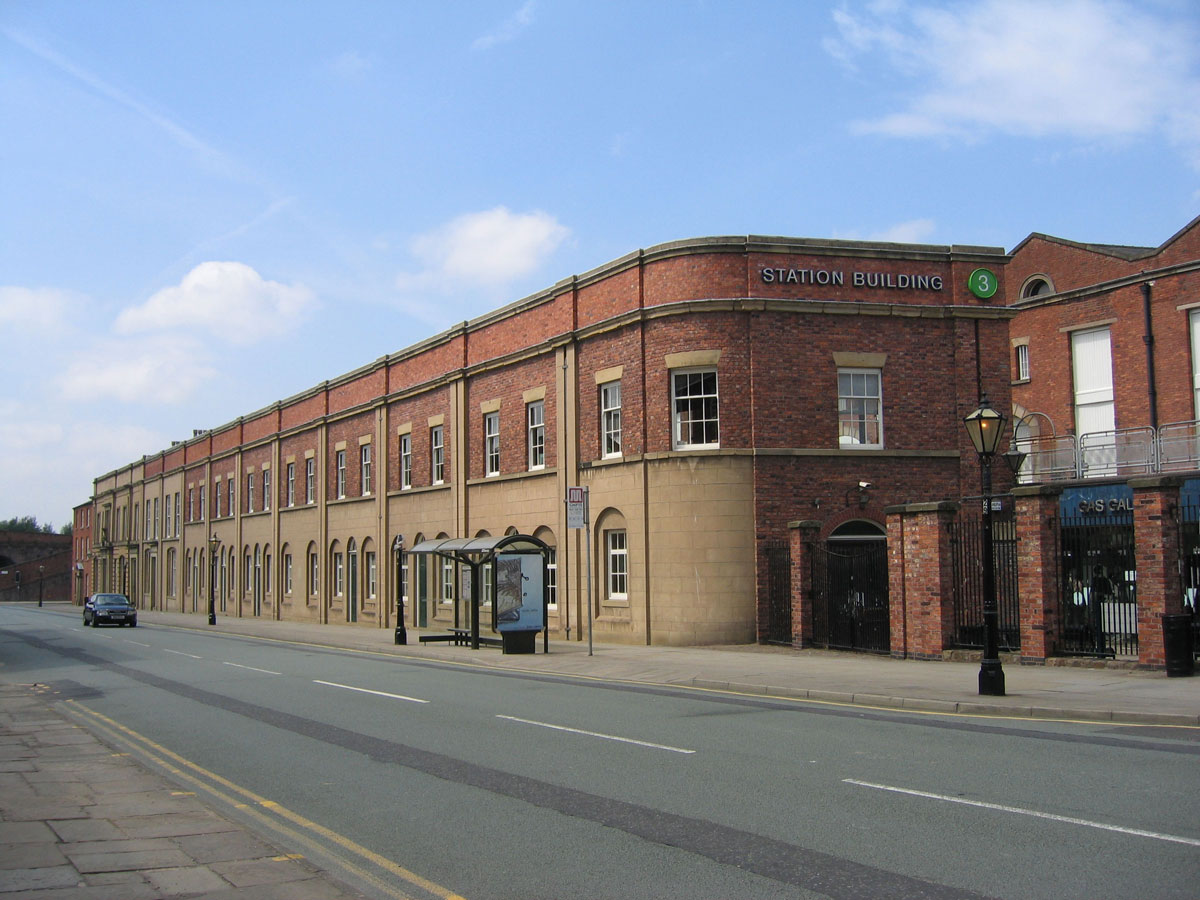
It was that man George Stephenson again who had a hand in constructing the first railway to reach Birmingham. Working on behalf of the Grand Junction Railway Company, the line connected the aforementioned Liverpool to Manchester railway with Birmingham’s Curzon Street Station. It opened for business on July 4th 1837, 2 weeks after the accession to the throne of Queen Victoria.
The following year, a line from London Euston also connected to Curzon Street: The London and Birmingham Railway, as it was called, was engineered by George Stephenson’s son, Robert, and used platforms adjacent to the Grand Junction terminus, therefore allowing passengers to travel from Liverpool and Manchester to London via Birmingham.
As the railway network started to expand nationwide, Birmingham’s location in the centre of the country was well-placed to attract more railway companies into the city, and although they used their own stations around Curzon Street to begin with, the increasing number of companies forced many of them to merge. Two of the biggest, the Midland and London & North-Western Railways, joined forces to build a new station at New Street which has been a major hub of the British Railway system ever since it opened in 1854. Curzon Street closed to regular passenger traffic at the same time and closed permanently in 1966. Today it’s a protected building and part of a regeneration project for Birmingham’s new HS2 station.
The expanding railway network was just one aspect of how Victorian Britain was changing, and it did nothing to stop the number of people flocking to Birmingham to seek work; and the number increased even further when the great Irish famine of the mid-19th century brought an influx of migrants from across the Irish Sea. Even today, the city retains one of the largest Irish communities in England.
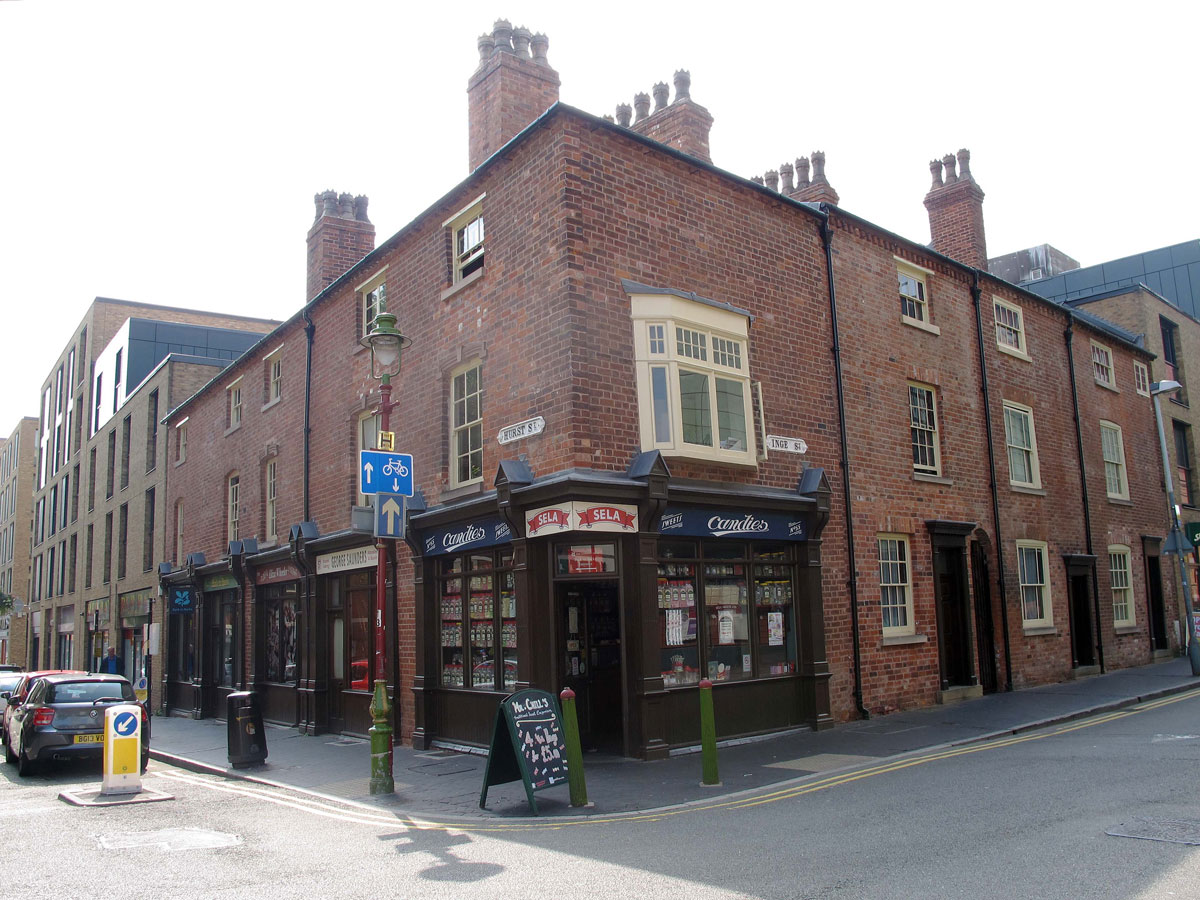
Birmingham’s population was already around 74,000 at the dawn of the 19th century, but by the end of, it the number had catapulted to nearer 630,000. All these people had to live somewhere, and a rapid building programme crammed families into poorly built and overcrowded back-to-back houses. The National Trust (NT) fortunately had the foresight to preserve some of these properties for posterity, and they can be found on the corner of Hurst Street and Inge Street.
-
- The NT Back to Back Properties on the corner of Hurst and Inge Streets
-
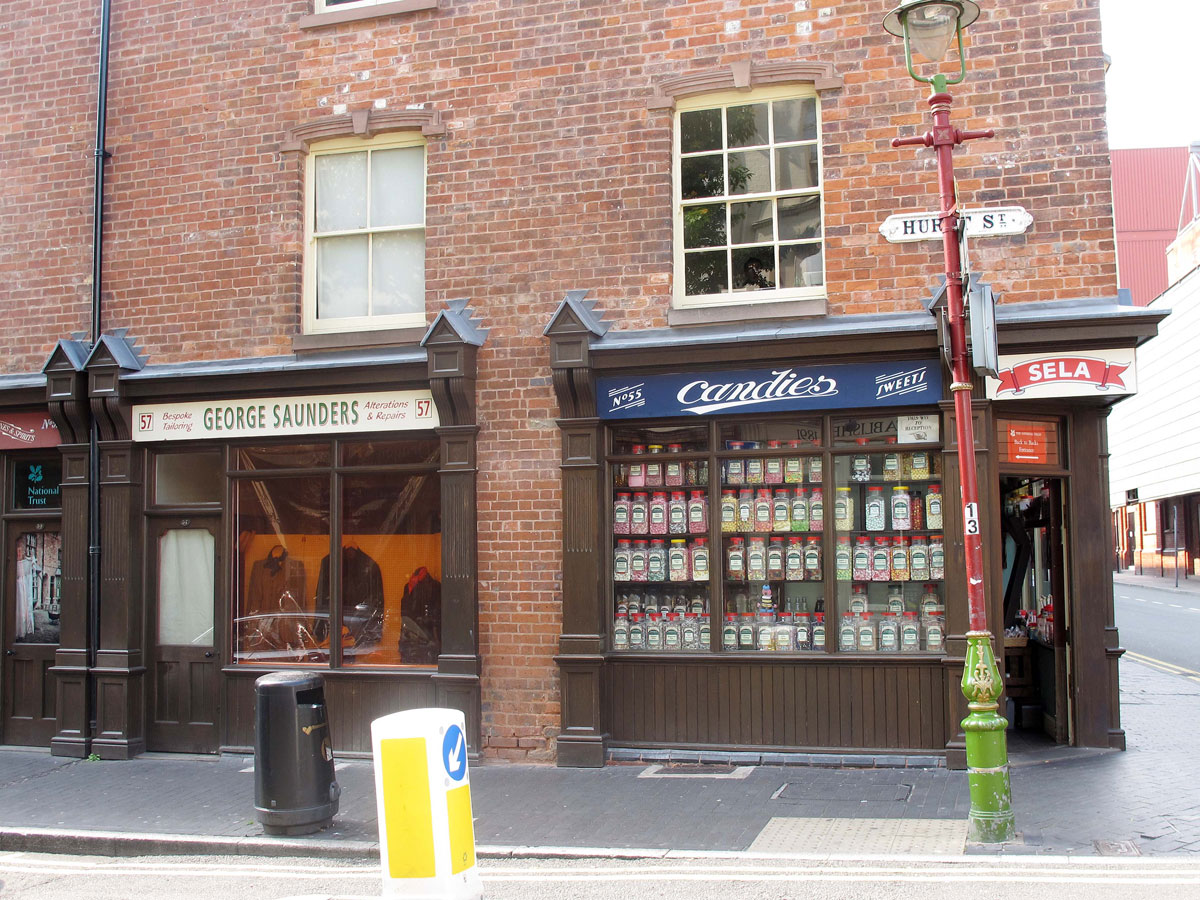
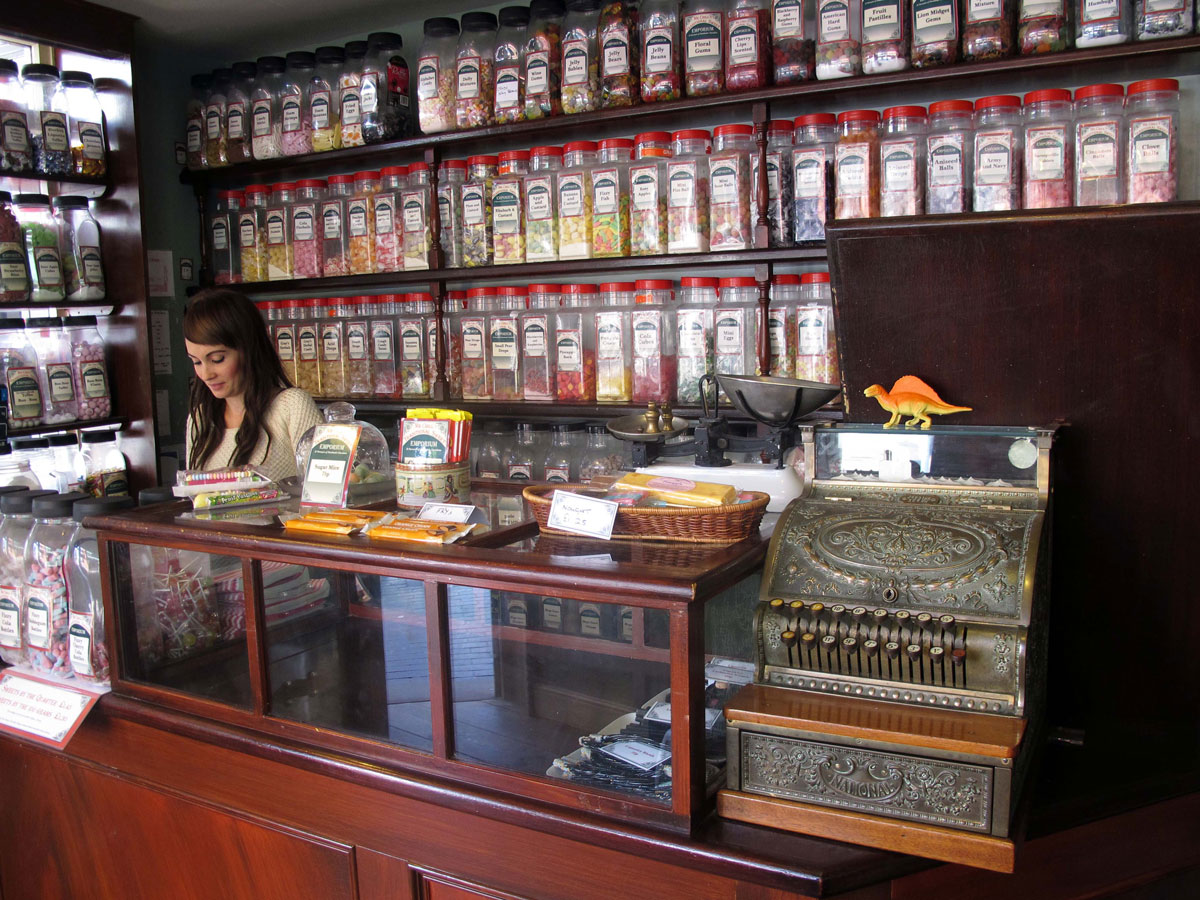
- The Sweet Shop
-
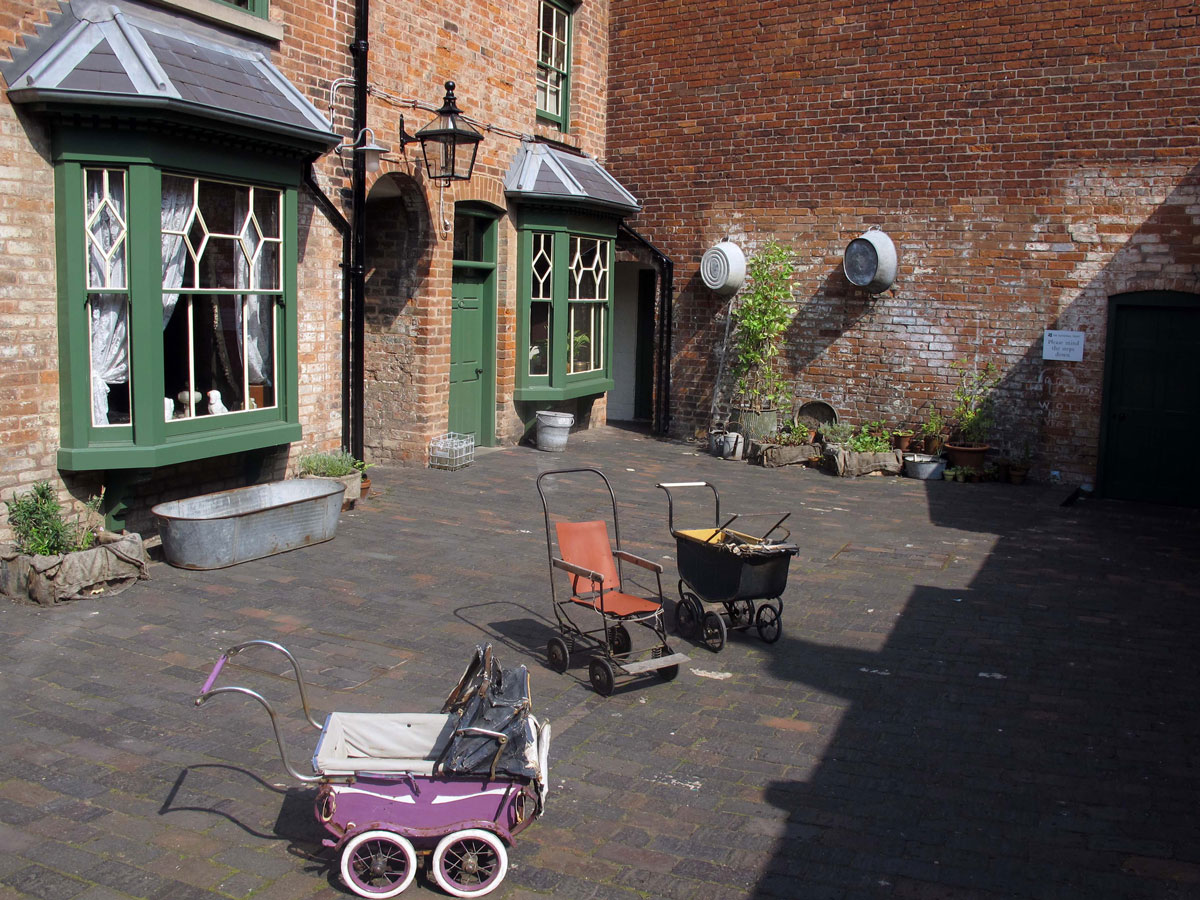
- The Courtyard at Court 15

-
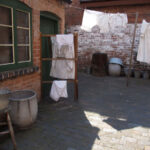
- One of the Wash Houses

-
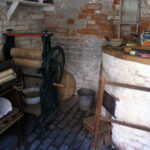
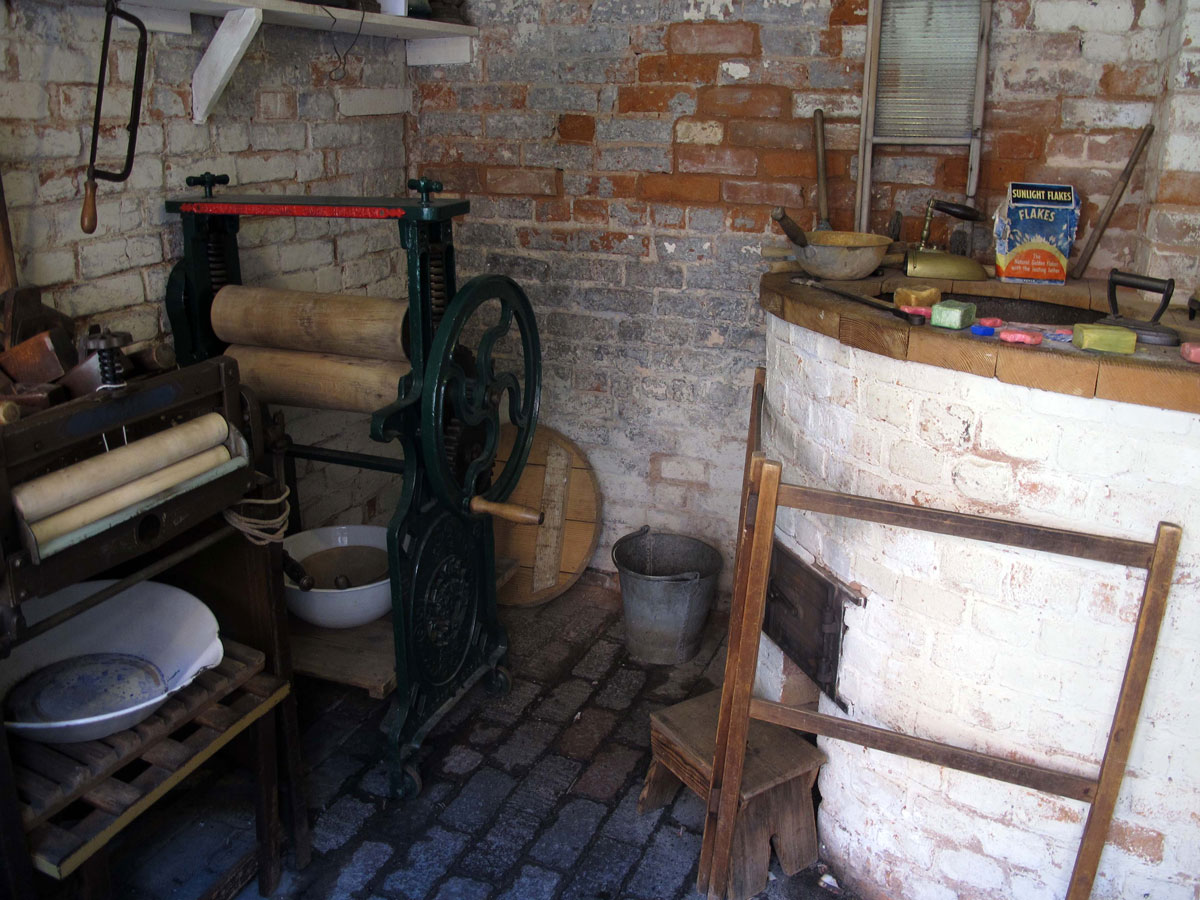
- Inside the Wash House
-
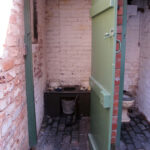
- The Outside Water Closets
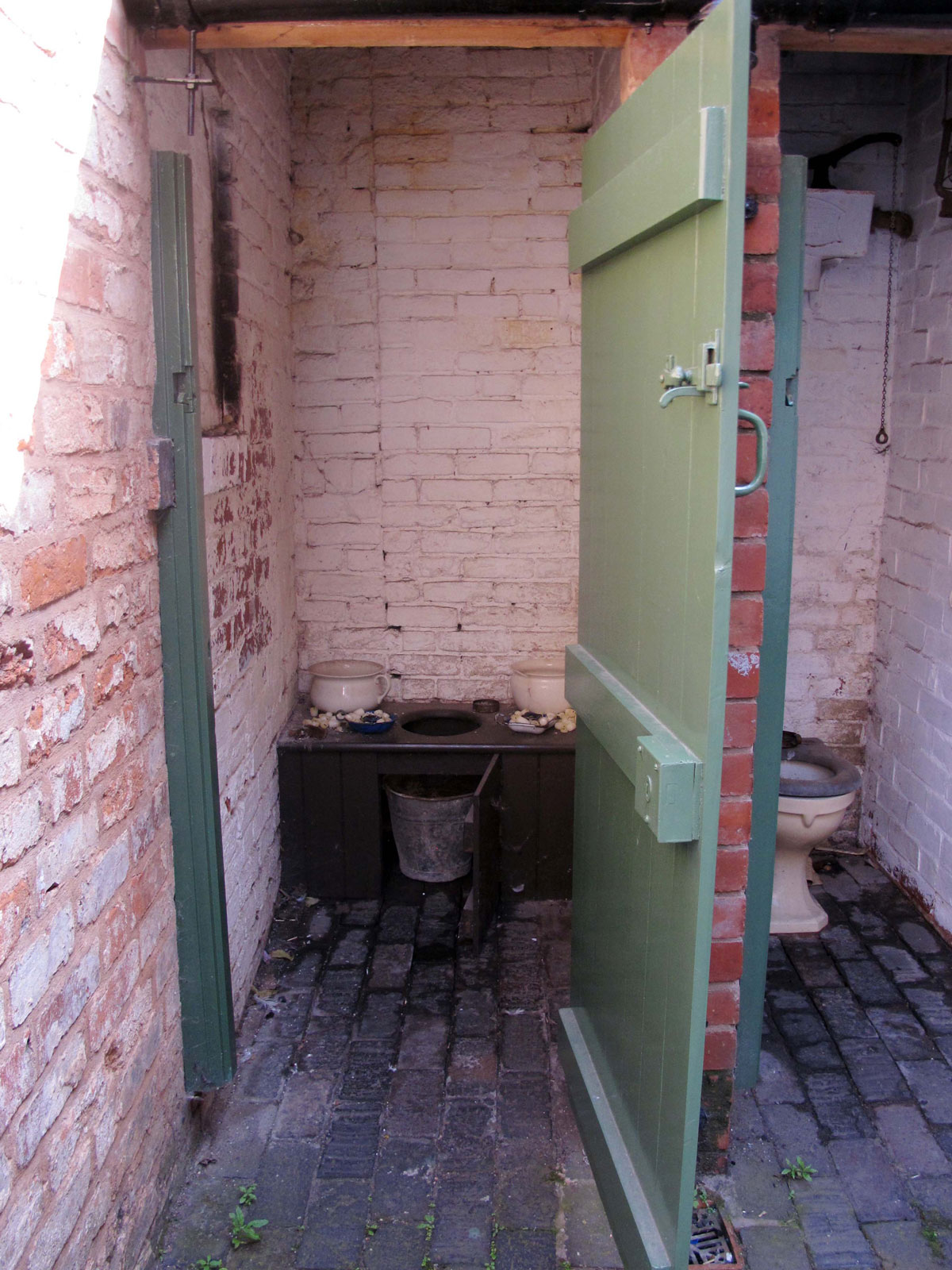
Strictly speaking, the houses that make up Court 15 aren’t back-to–back at all (and I should know because I was brought up in one), but rather ‘blind back’, as they only consist of the outer houses. Even so, the court is a good example of the way every-day folk lived. Rather than babble on about the history of the court and what the houses were like inside, I think it’s best to let the NT show you around.
Large scale industrialization obviously helped to create this urban poverty, but it also encouraged civic pride in the form of some grand classical buildings. The first to be built was the Town Hall in 1834, and is unusual in that it was built in the form of a Corinthian Temple. These days it’s used as a concert hall and stands on the south side of Chamberlain Square and western side of Victoria Square.
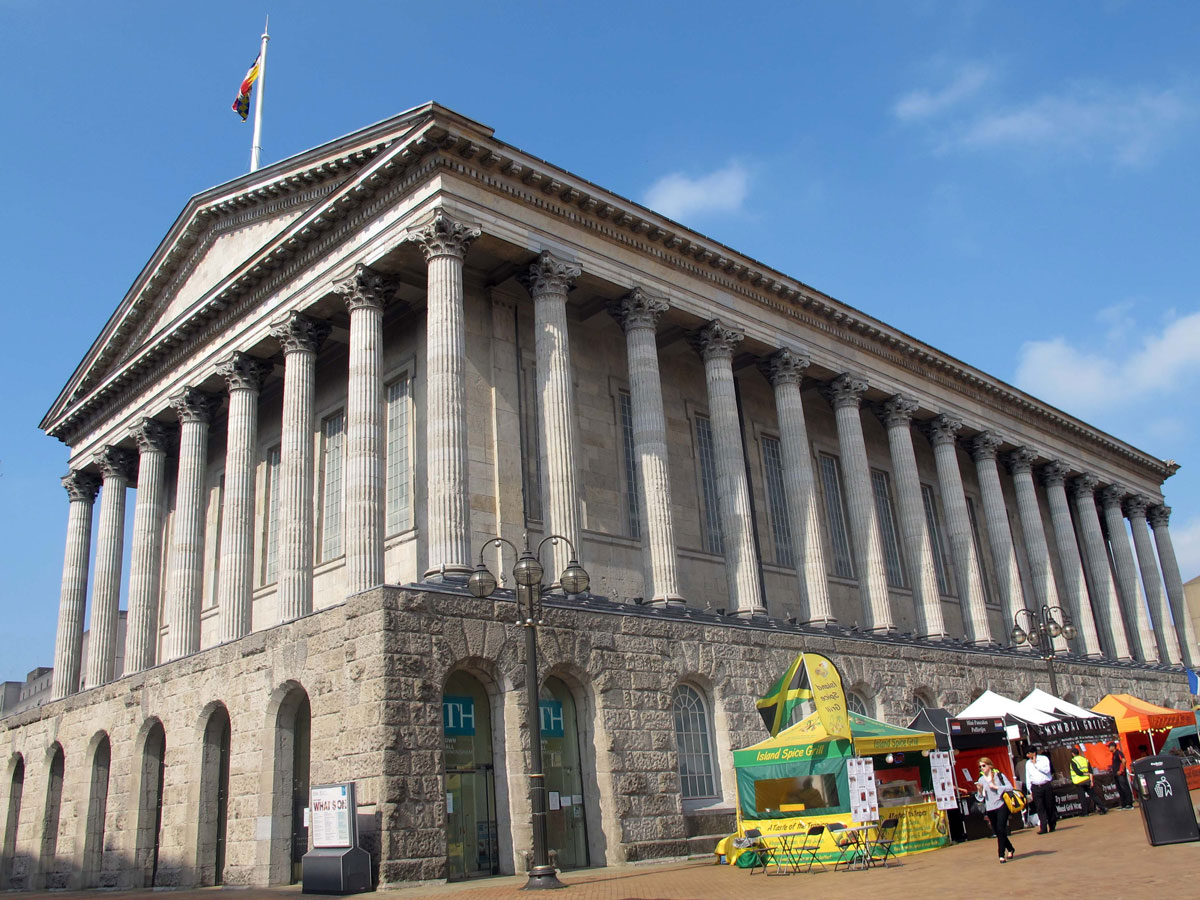
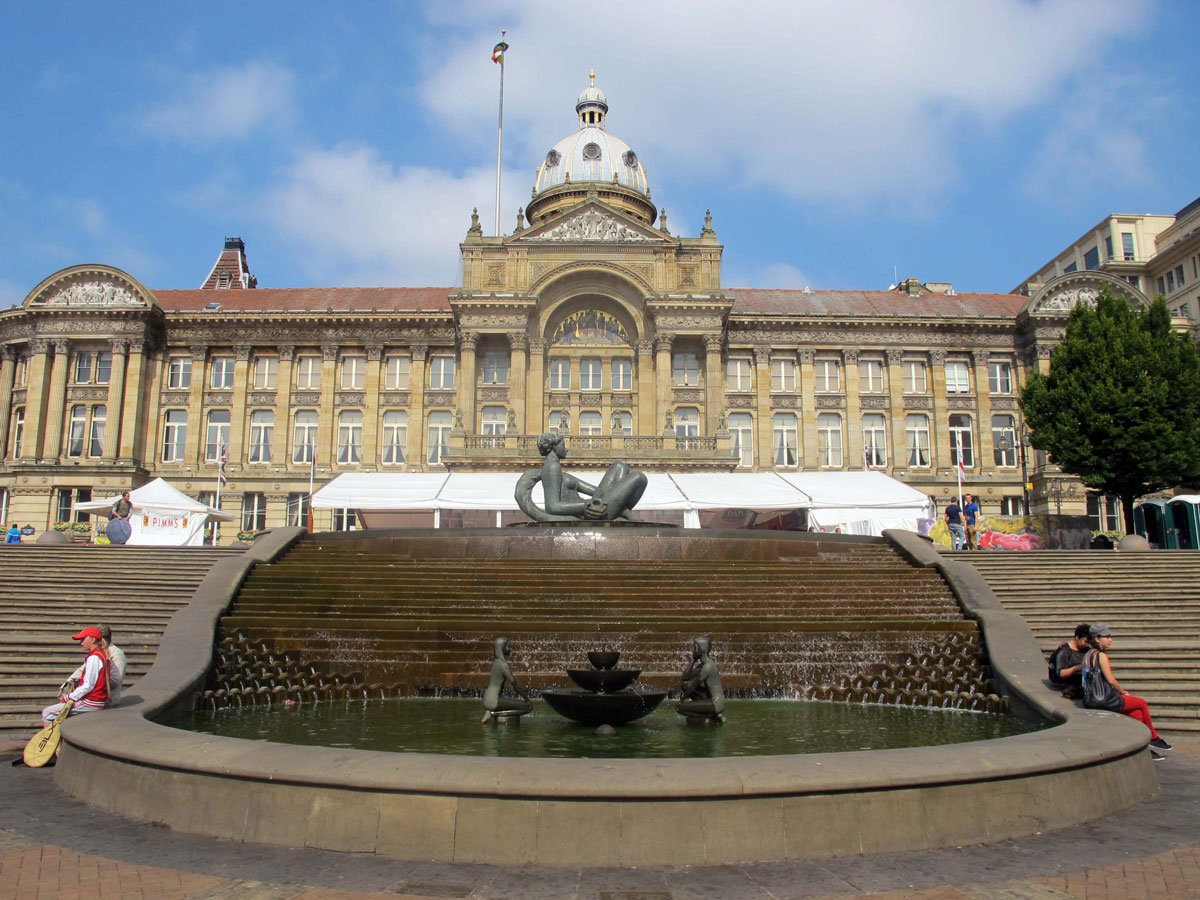
Victoria Square is considered to be the centre of Birmingham and the point from which all distances are measured. Originally called Council House Square, it was renamed after a statue of Queen Victoria was unveiled on 10th January 1901, just 12 days before she died.
The impressive Council House itself was completed in 1879, and as if you hadn’t already guessed, is the home of the UK’s largest local authority. The council has come under intense criticism recently for allowing the city to become bankrupt, but they argue that it’s not their fault – but they would wouldn’t they.
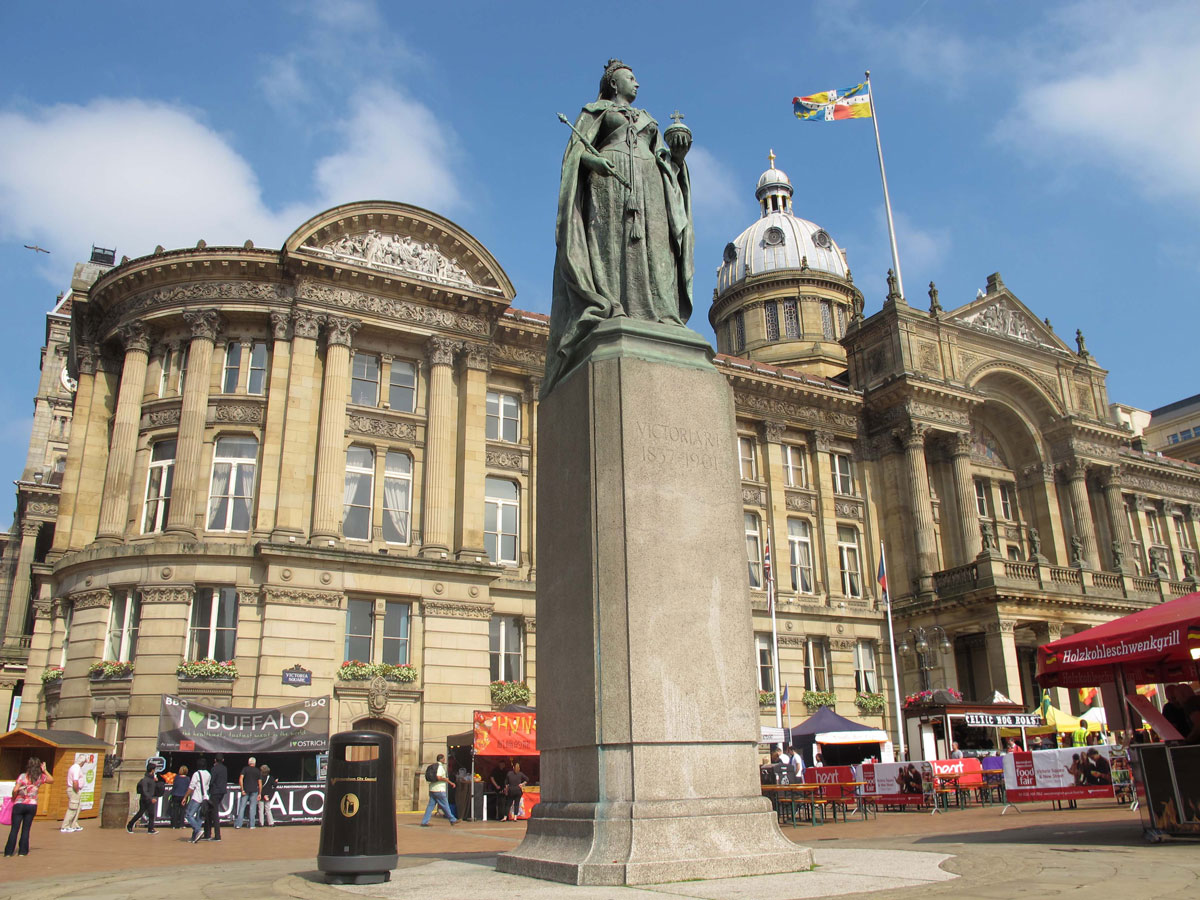
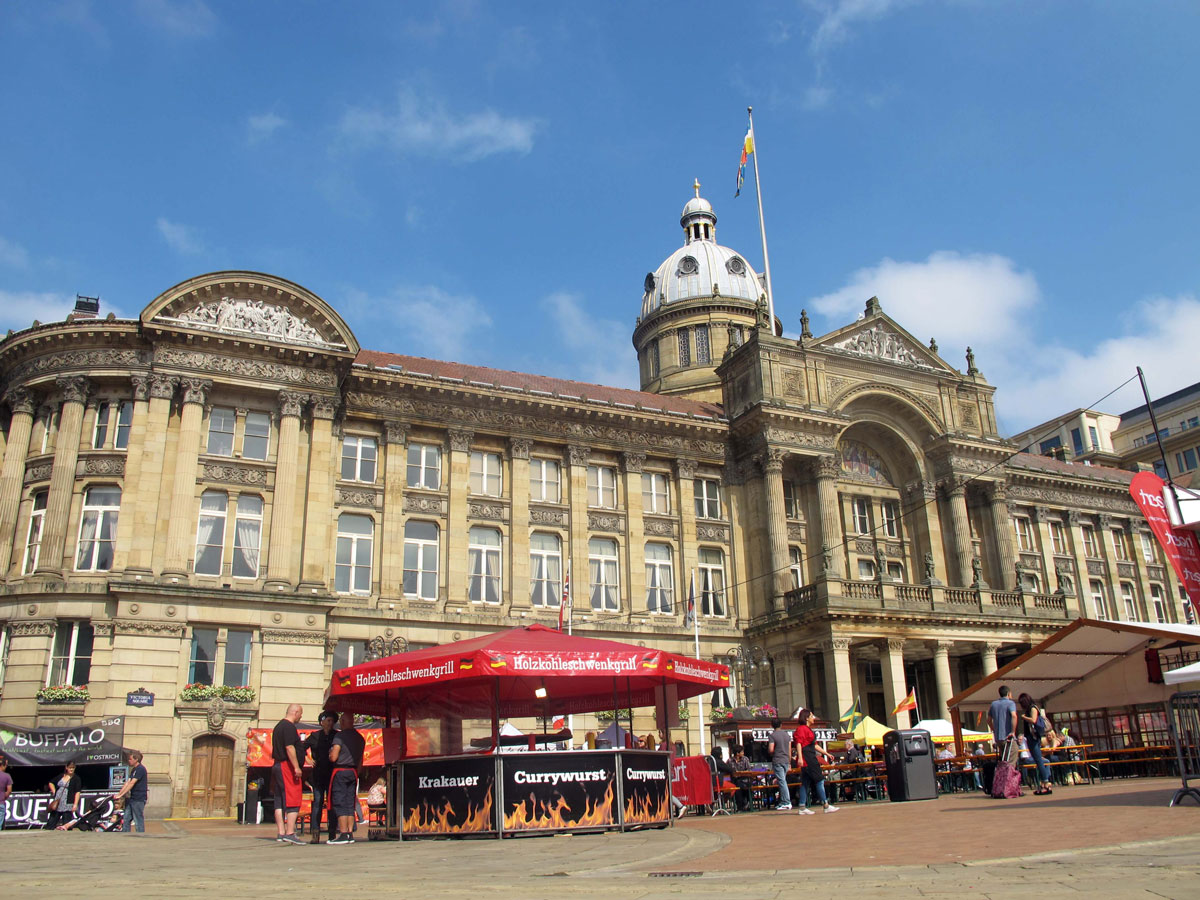
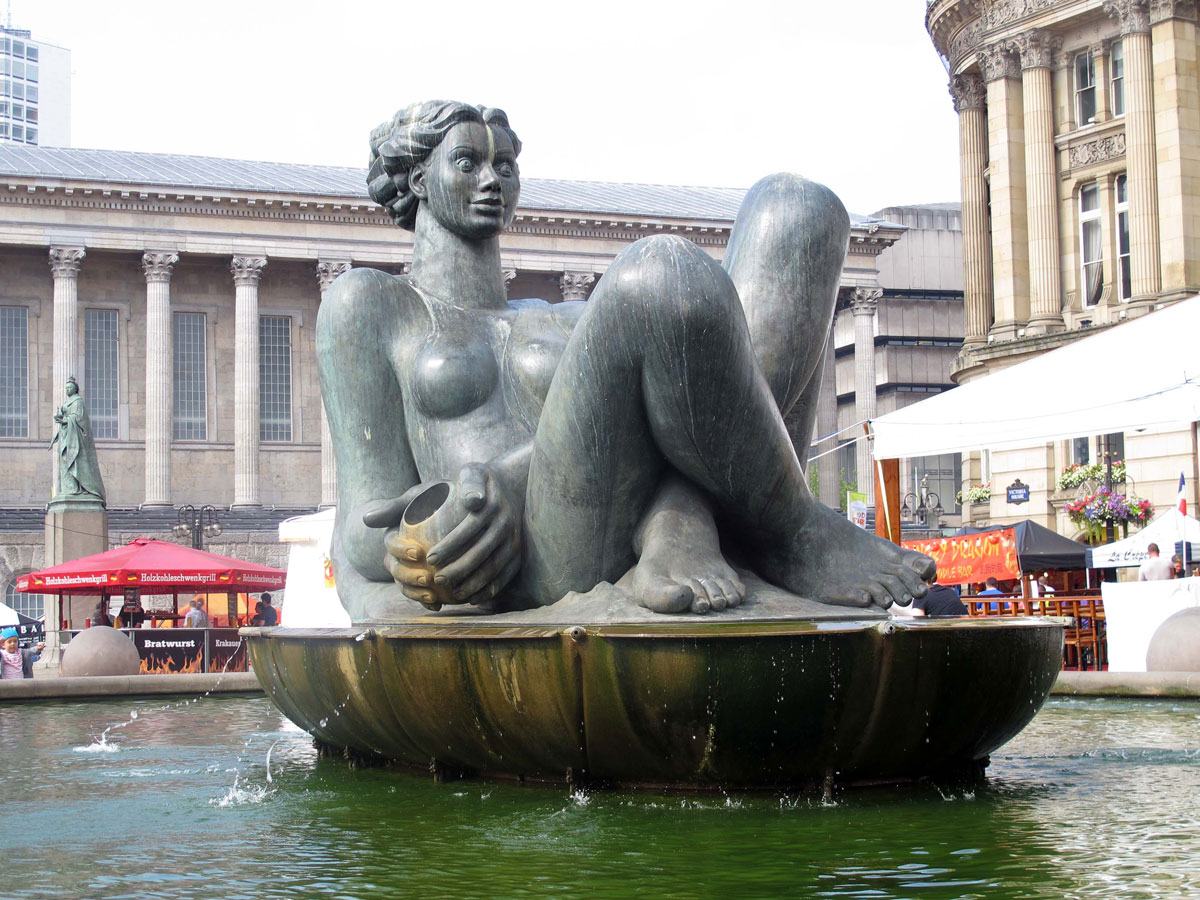
Understandably, due to its location, Victoria Square was one of the busiest road interchanges in Birmingham and there were plans to alter the road layout to facilitate traffic flow, but the 1990s brought about a different view of things with a planned pedestrianized square and water feature.
Competition for the design of the water feature was won by the Indian sculptor Dhruva Mistry and was opened by Princess Diana in 1994. It hasn’t been all plain sailing for The River as it was officially named, but after overcoming several obstacles, the ‘Floozie in the Jacuzzi’ has become a firm favourite with Brummies – but whether Queen Victoria would have approved I’m not so sure.
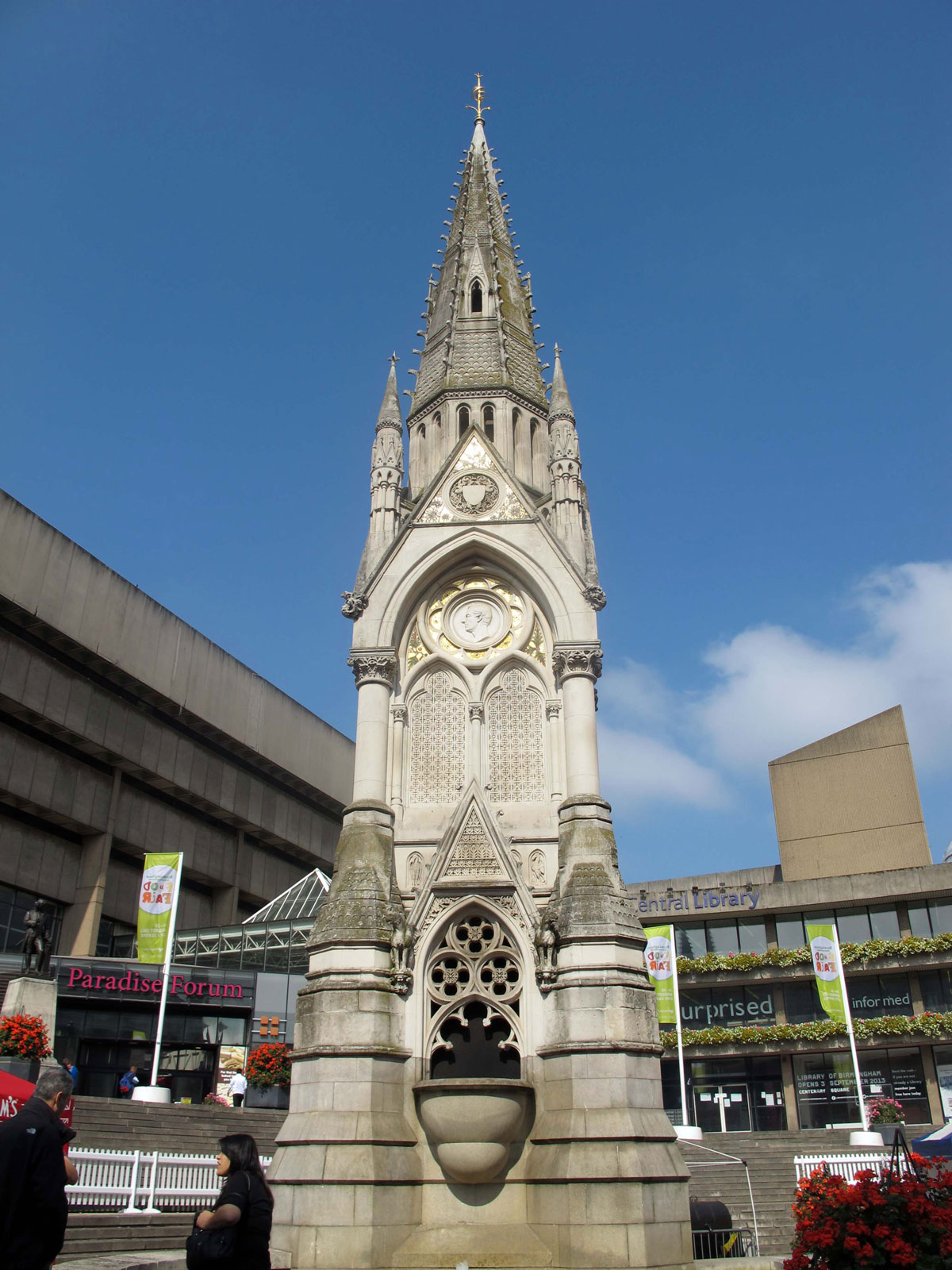
The western side of the Council House faces Chamberlain Square which gradually developed as the civic centre of Birmingham. In the centre of the square is a memorial to the man the square was named after – Joseph Chamberlain, and if you read my post about the Jewellery Quarter, you may remember that I mentioned him when we started our walk from the Chamberlain Clock. Joseph Chamberlain was mayor of Birmingham between 1873 and 1876, and although 3 years doesn’t sound very long, it was long enough for him to transform the city into a model of local government.
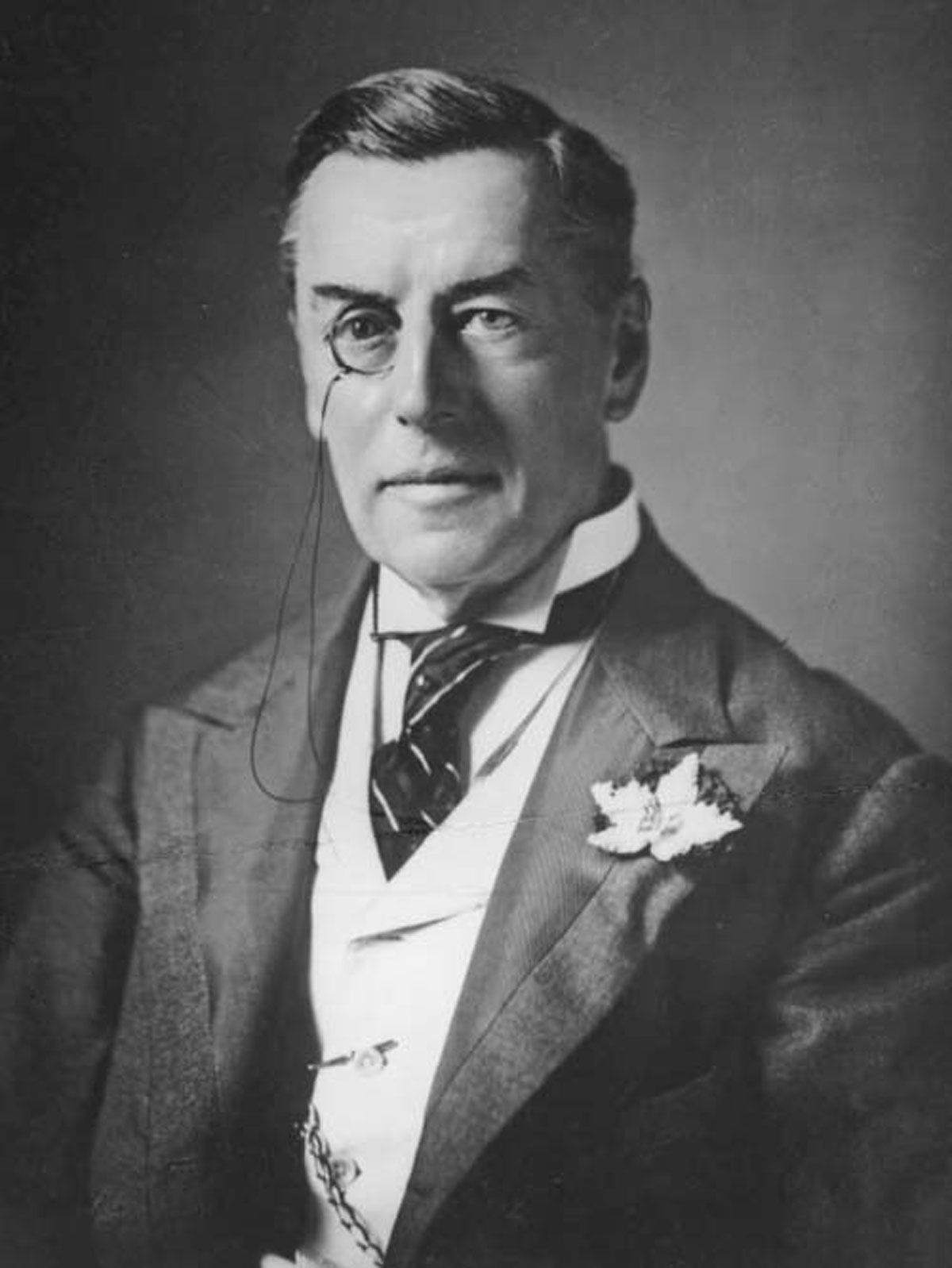
Apparently, he was a controversial character, but surely there couldn’t be anything controversial about striving to improve the lives of working-class people: He bought out private gas and water companies to provide clean and affordable supplies, oversaw improvements to the sewage system, built public libraries and swimming baths, and at the same time improved educational facilities including laying the groundwork for the University of Birmingham. His biggest ambition however was to clear away many of the slums that people were living in, and unlike today’s local council, managed to do it all without making the city go bust. He even managed to provide the city with Corporation Street – Birmingham’s very own Parisian style boulevard. When he left office to become an MP, he left behind somewhere that became known as the best governed city in the world.
As I’ve already mentioned, the Town Hall was the first building to be built in the square, and other classical buildings gradually followed. The Council House, whose front faces Victoria Square, was added in 1879, but its western elevation faces Chamberlain Square, and when it was extended with its Big Brum Tower in 1885 to accommodate the Museum and Art Gallery, the civic centre must have looked an impressive advert for Birmingham’s status as one of England’s greatest cities.

It has to be said that the classical appearance of the square has changed a bit since then, but Birmingham must have impressed Her Majesty at the time, because in 1889 the “Grandmother of Europe” granted Birmingham official city status, which was not before time, as this once small Anglo-Saxon village had by now become the second largest city in the kingdom.
POSTED – APRIL 2026
You know I’m a canal fan but I’m a little light on the history. Thanks for all the research, Malc. Hope you’re doing well xx
Thanks Jo. May be down, but definitely not out. Hope you’re doing ok too. 💙
Such a typically thorough and well-written post, Malc. I have only visited Birmingham for business and and as a student, neither of which encouraged a good look round. The back-to-backs is one of many sites I should like to explore, so I was particularly pleased to see your photos of those. Keep it up! 🙂
Thanks Mike. If this post encourages you to go back and take another look, then it has done its job 🙂
Brilliant post. Loved so much of it. Especially the back to backs vid. I spied a mangle, and a ceramic jar the same as ones I have here. But I loved the story of the tailor. One of my grandads was a tailor — the only one I knew–and I saw all the things I’d forgotten, the chalk, the scissors, the bits of material, the patterns. Thank you so much for this post.
Thank you Shey. It’s all part of Birmingham’s historical jigsaw.
What a history it had.
And I’ve not finished yet!
Absolutely not. A place built on the backs of the ordinary people who built it, can never be that.
Fascinating as always. I always learn so much from your posts! Thank you ☺
That’s good to hear. Thank you so much 🙂
Some great photos here Malc, it looks like Birmingham has some really lovely buildings. I’m not terribly impressed with the ‘floozie in the jacuzzi’ though, it looks far too big for the thing it’s sitting on. Interesting to see your photo of the railway building in Manchester, it’s part of a multi-million pound restoration of the whole site and is now known as the ‘1830 Station’
Thanks Eunice and thanks for the latest news about Liverpool Road Station
Amazing Post, love your blogs.