Category Archives: Devonport

Devonport – Pt 5 What Does the Future Hold?

Devonport - Pt 5 What Does the Future Hold?

Before I can attempt to answer that question, we need to look at what’s been happening since the Keyham Extension was built. If you remember, in the previous post I recounted how it was officially opened by the Prince and Princess of Wales in 1907, but before I start talking about how the running of the dockyard has changed since then, I want to talk about the personnel who are stationed here.

Prior to a shore-based facility being established, naval personnel were housed in wooden hulks in the Hamoaze, but all that changed in 1890 when the first land-based barracks were commissioned. These stone frigates (as they are sometimes called) initially adopted the name of the floating barracks that they replaced, and is the reason why shore-based establishments are known by a ship’s name. The barracks that were built at Devonport were named HMS Vivid, not after the yacht that transported the royal couple to Keyham, but after the wooden paddle steamer (and Devonport flagship) that preceded it.

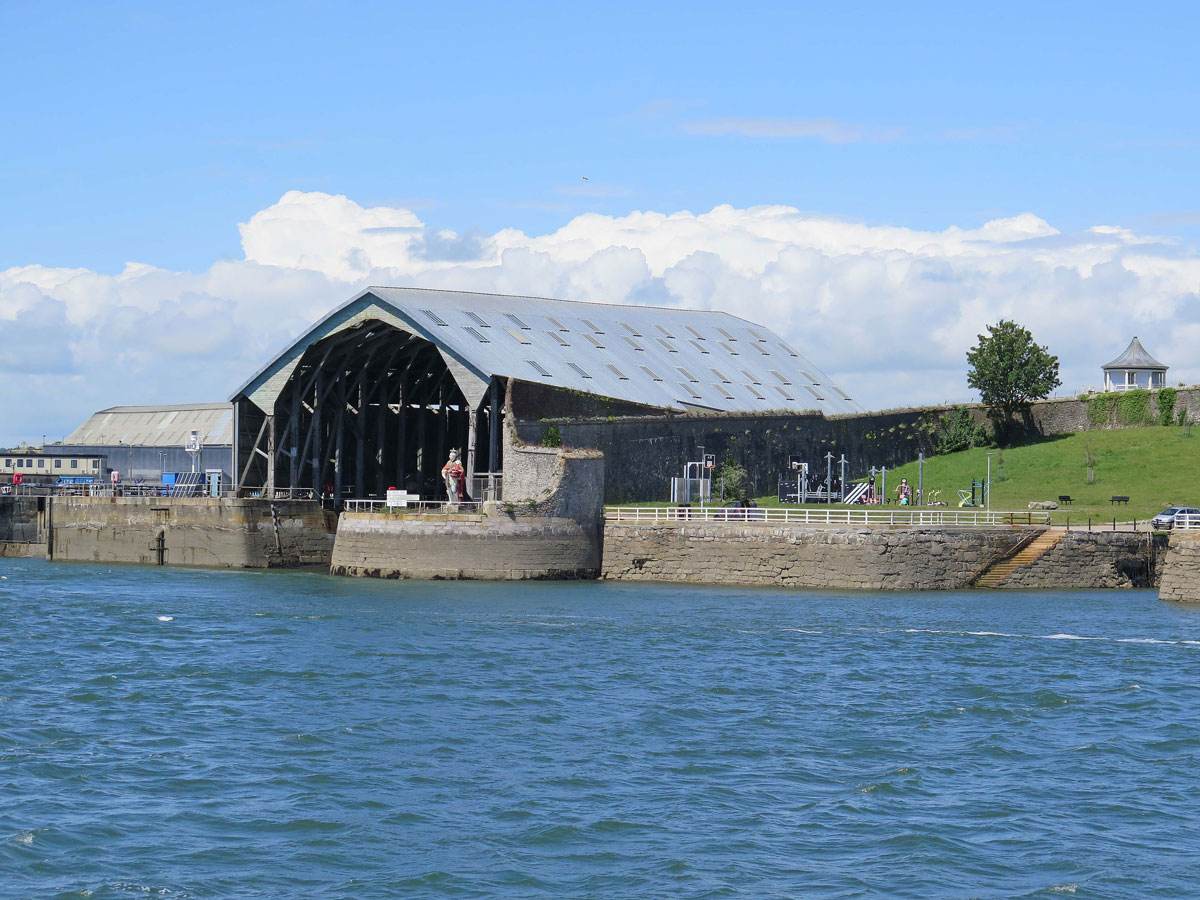
In 1934 the name of the barracks was changed to HMS Drake, and since the early part of the 21st century the entire naval base, officially called HMNB Devonport, has become known as HMS Drake, and just to clarify (or confuse) the situation further, HMS Vivid now refers to the Royal Naval Reserve Unit which has its headquarters within the base.

Continue reading

Originally posted 2024-05-08 16:11:16.
Devonport – Pt 4 The Keyham Extension

Devonport - Pt 4 The Keyham Extension

I began this mini-series by explaining why a dockyard was built at Devonport, and then followed it up by including two chapters that went on to illustrate how it expanded in order to meet the requirements of the Royal Navy during the 18th and 19th centuries. Now, in this penultimate post, I’m going to show you why the dockyard needed to adapt to a changing world, and how it became the largest naval base in Western Europe.

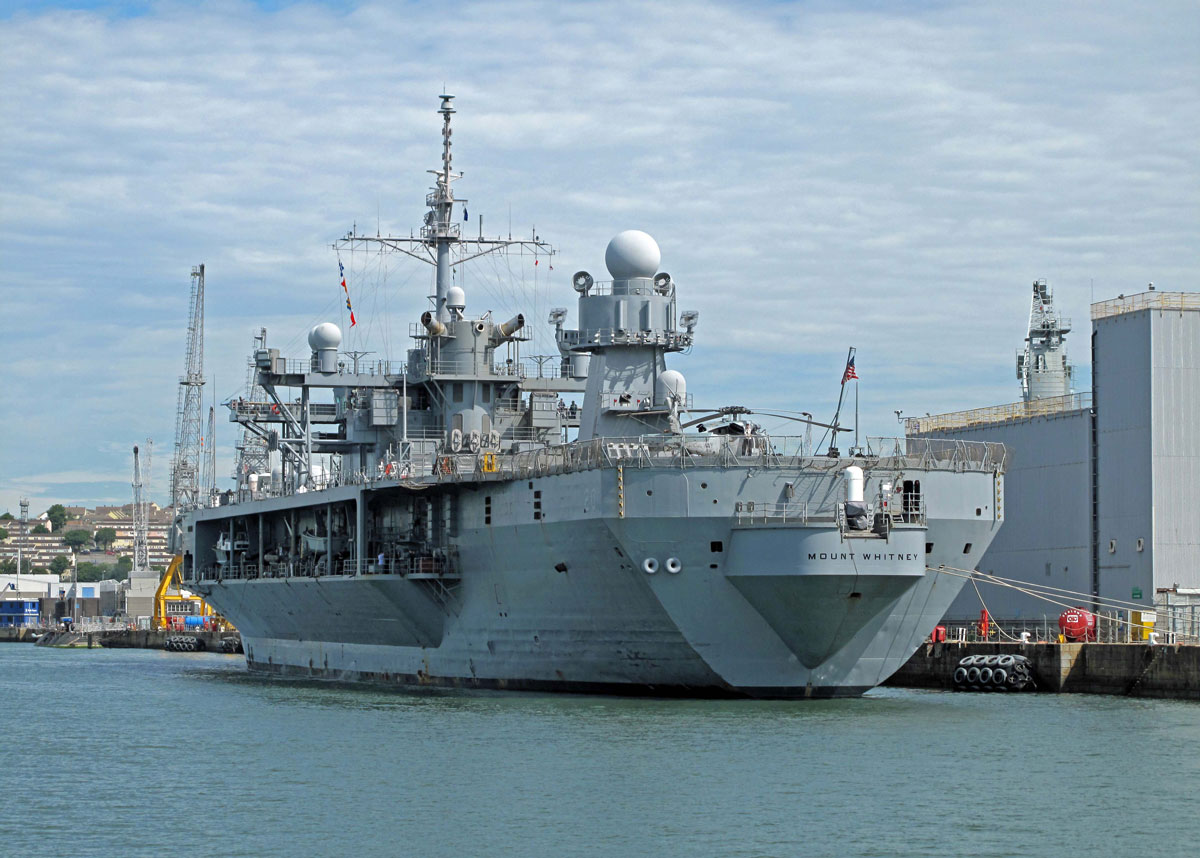
As warships increased in size, so did the need for Devonport Dockyard to do the same, and by the end of the 19th century, plans were in place to build an extension to the north of Keyham Steam Yard with a capacity to accommodate, not just the largest ships of the day, but also those that might be built in the future.

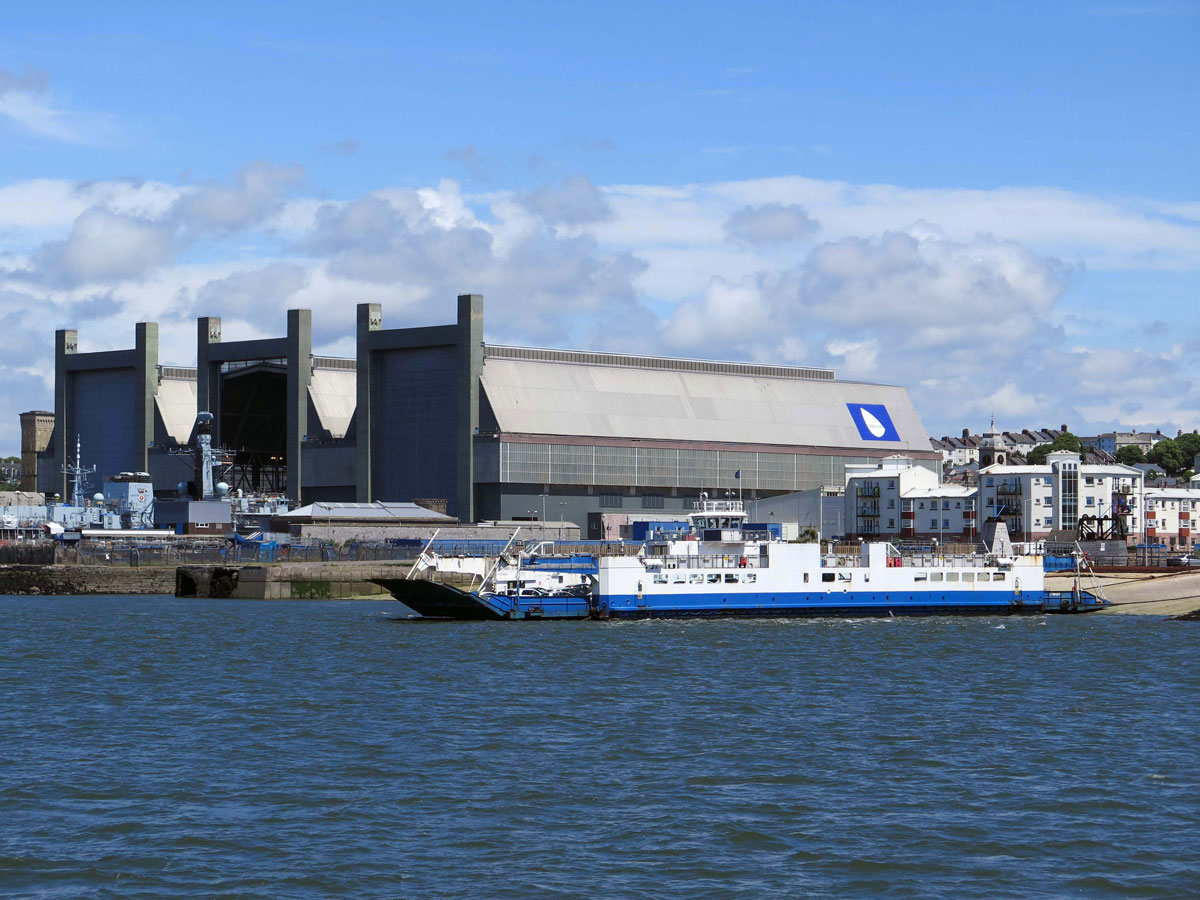
Work began in 1896, and when completed a decade later, the dockyard was twice as big as it was before the project started. The massive undertaking involved creating a new residential district at Weston Mill to house the 3,400 men needed to construct it, and materials were brought in, not just from around Britain, but as far away as Norway and the United States. Closer to home, 25,000 tons of sand and shingle were dredged up from Start Bay which later resulted in the village of Hallsands collapsing into the sea.

Continue reading

Originally posted 2024-03-24 11:41:06.

Devonport – Pt 3 A Change of Name and a Change from Sail to Steam

Devonport - Pt 3 A Change of Name and a Change from Sail to Steam

As we saw in Pt 2, by the end of the 18th century there had been a large expansion at Plymouth Dock, but why? The simple answer is that the dock’s main business was that of war – something that Britain seemed to have had an appetite for.

When William III came to the throne in 1689 one of the first things he did was to respond to the threat of Louis XIV’s new naval yards at Brest by building his own at Plymouth Dock. From then until the end of the Napoleonic Wars in 1815 Britain was at war with France for a total of 67 out of those 127 years, and that wasn’t all. During the 18th century there was also the Seven Years War (1756-63) and the American War of Independence (1775-83) to contend with. As a consequence, Plymouth Dock had become Britain’s leading Western port for supplying warships, men and materials.

No expense was spared at providing the Royal Navy with the funds needed to ‘rule the waves’ and as Plymouth Dock grew, so did the town providing the labour around it. By 1811 the population had reached 30,000 – larger than the town that bore its name, but the residents weren’t over-enamoured with the fact that the town sounded like a suburb of Plymouth, and so in 1823 they petitioned King George IV for its name to be changed from Plymouth Dock to Devonport. On 1st Jan 1824 the king agreed, and to celebrate, a column was erected next to the recently completed Guildhall.

Continue reading

Originally posted 2024-03-01 08:19:05.

Devonport – Pt 2 The Expansion of Plymouth Dock

Devonport - Pt 2 The Expansion of Plymouth Dock

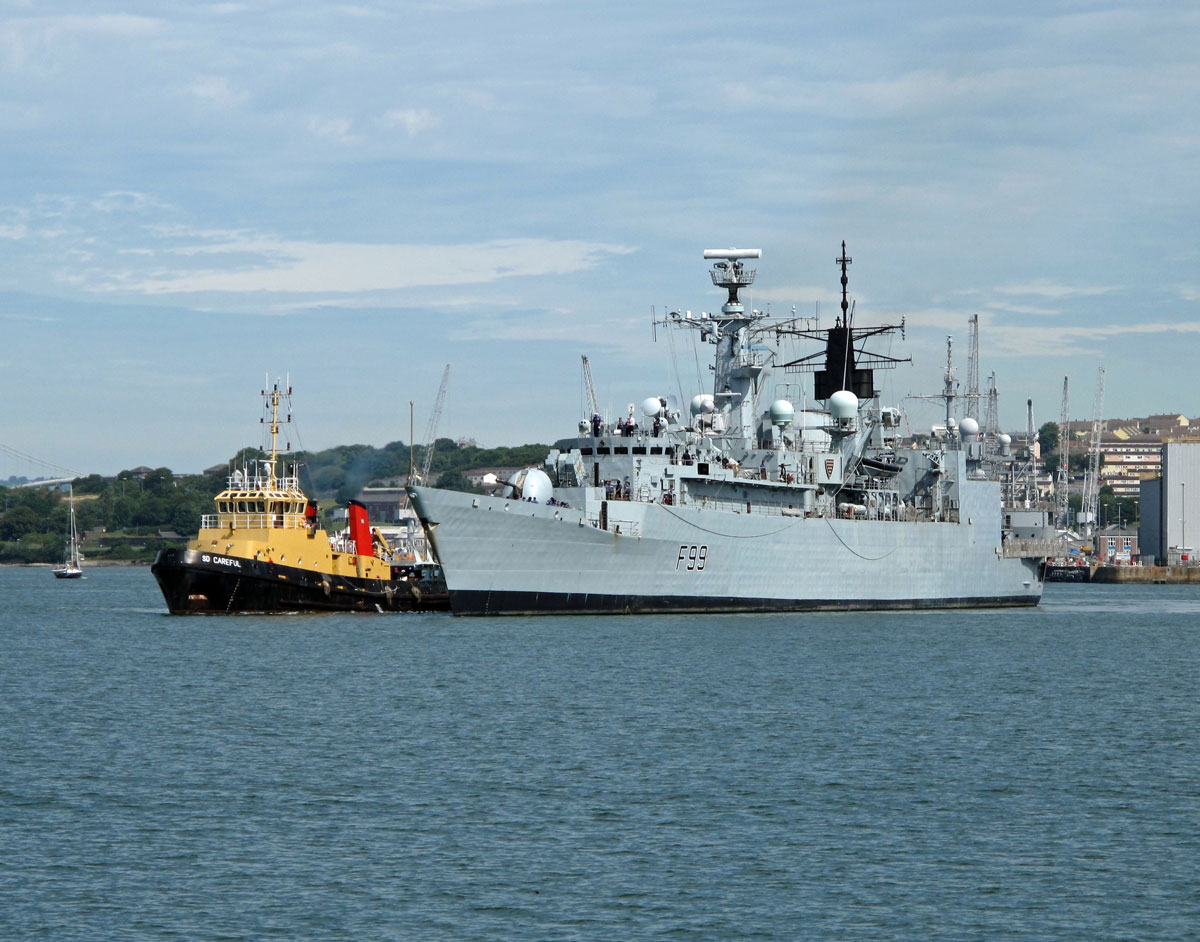
Little did I know when I embarked on this series about Devonport Dockyard last month, that HMS Richmond, a frigate based at the yard, would soon be on its way to the Middle East in support of two other British warships (and the US Navy) that have become embroiled in military action in the Red Sea.

Yemeni Houthis have been attacking cargo ships in retaliation for Israel’s war in the Gaza Strip, and where this will lead to is anybody’s guess, but it goes to show that Devonport still has an important role to play in Britain’s defence.

For now though, I want to go back in time and continue where I left off in Part 1. If you remember, the first dock was completed in 1698, and by 1711 Plymouth Dock (as it became known) was employing some 736 men, many of whom were starting to settle in the area, but this was just the beginning, and the 18th century was to see a major expansion of both the dockyard and the number of people it employed.

To begin with, a double lock was constructed north of the basin, and slipways were added either side of the dry docks for shipbuilding, and around about the same time an area to the east was partially reclaimed to create a mast pond and ground for timber storage.

Warships also needed munitions, and the responsibility for this lay, not with the Royal Navy, but with the Board of Ordnance, a separate government department that was created during the reign of Henry VIII at the Tower of London.

Continue reading

Originally posted 2024-01-22 14:27:38.

Devonport – Pt 1 The Birth of the Dockyard

Devonport - Pt 1 The Birth of the Dockyard

Devonport Dockyard is a bit of a mystery to many people, and if you’re one of those people who would like to know what goes on behind those dockyard walls, then follow me in a series of short posts that I hope will answer some of the questions about a world that the general public rarely gets to see.

To put things in perspective, Devonport is one of three UK Royal Navy operating bases, the other two being the nuclear submarine base at Faslane on the River Clyde and the surface fleet base at Portsmouth.

People are forever getting Portsmouth and Plymouth mixed up, which doesn’t go down well with the people of either city, but although it’s understandable in a way, Portsmouth and Devonport Dockyards are really quite different, especially from a visitor’s point of view.

While Portsmouth’s Historic Dockyard is open for visitors to wander around, with several major attractions to keep people occupied for days, the dockyard at Devonport can usually only be seen from a distance when taking a boat trip out of the Barbican.

Continue reading

Originally posted 2023-12-27 13:59:05.