Tag Archives: Somerset

Tyntesfield and the National Trust

Tyntesfield and the National Trust

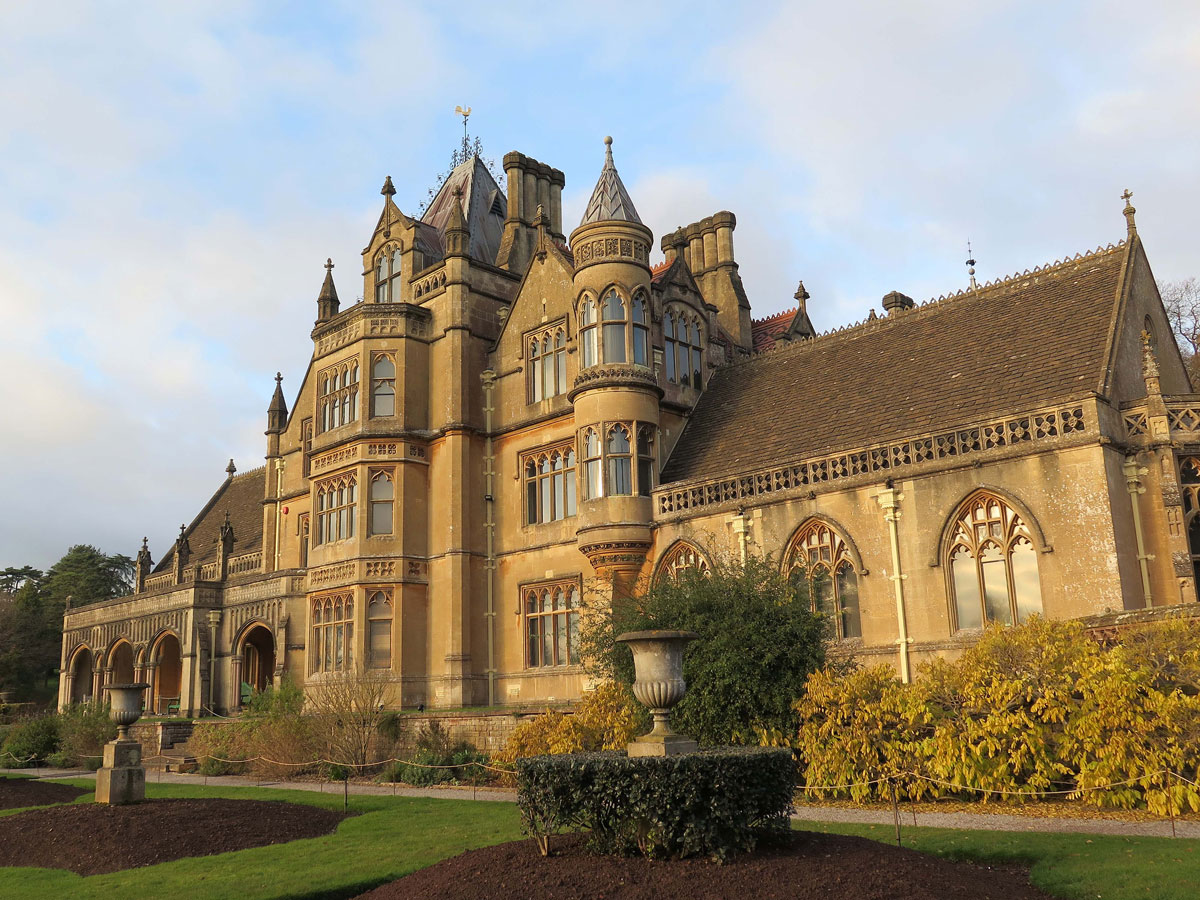
Tyntesfield (pronounced Tintsfeeld) is a National Trust property near the village of Wraxall in North Somerset, about 7 miles or so from the centre of Bristol.

Before I go on to talk about Tyntesfield itself, I’d like to say a few words about the National Trust (NT). Some of you will already be familiar with how the NT works, but for those of you who aren’t, this is a good opportunity to describe how it started out to where it is now.

Founded in 1895 by Octavia Hill, Sir Robert Hunter and Hardwicke Rawnsley, its aim was to “promote the permanent preservation for the benefit of the Nation, of lands and tenements (including buildings) of beauty or historic interest”.

Although its core principles still remain the same, the world has changed since then – and so has the National Trust. In the 1930s for example, the Country House Scheme was set up to enable owners of large country estates who could no longer afford their upkeep, a way of continuing to live there by transferring their properties to the NT. In return, the NT would then open up the rest of the property to the wider general public who would pay an entry fee for the privilege to find out about the history of the house and what was inside it.

This successful solution meant that over time, the Trust had managed to accumulate a large number of properties with a variety of unique features that represented their time and location. Some were of historical interest, some were impressive architecturally, and others had valuable collections of all descriptions – and some were all three, but it goes without saying that some of these estates were built on the wealth created by dubious means.
Continue reading

Wells – Vicars’ Close and the Last Fighting Tommy

Wells - Vicars' Close and the Last Fighting Tommy

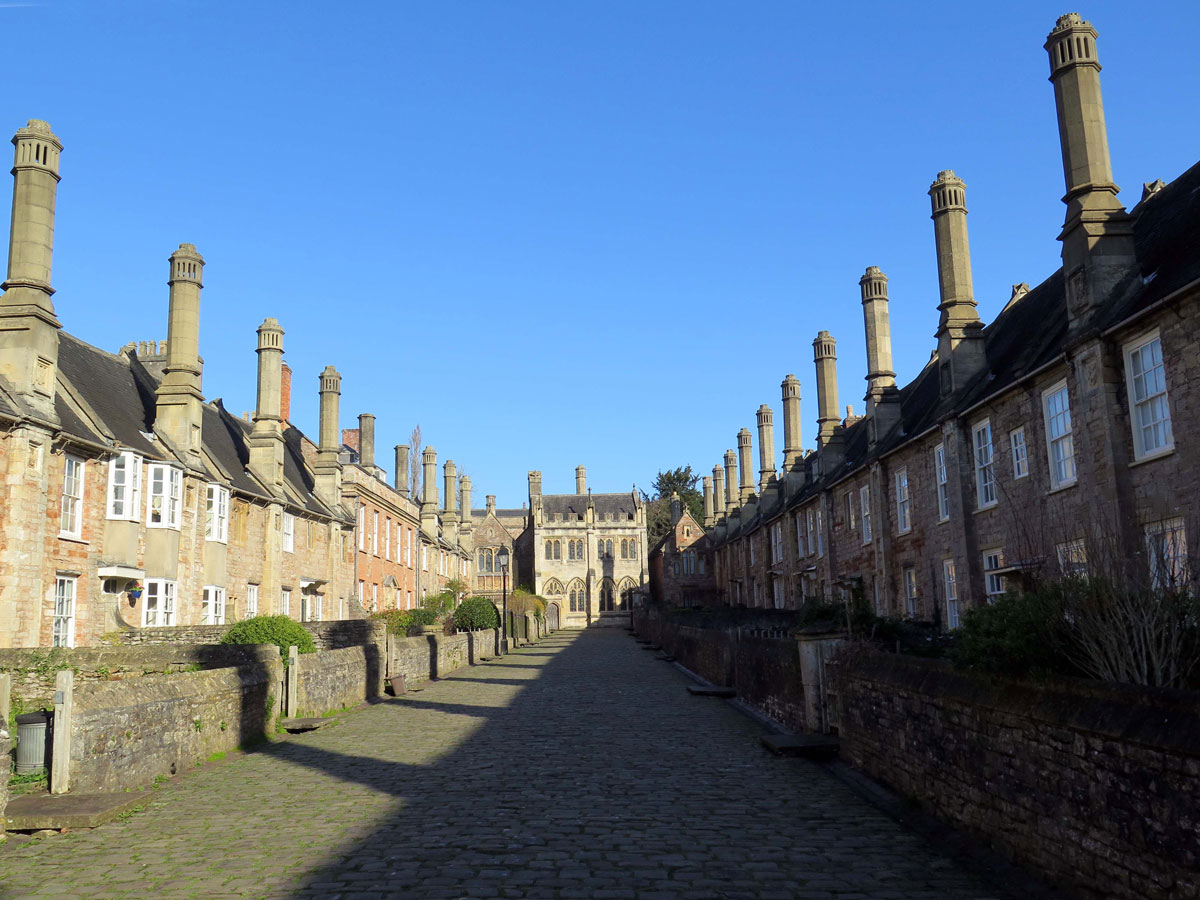
My final post on the city of Wells ends at Cathedral Green, and in particular, the famous Vicars’ Close. This isn’t going to be a lengthy post, but I’m not the sort of person who’ll condense something into a few words when a thousand will do, so what is a vicar exactly?

I think those of us who have been brought up in a country where Christianity is the main religion will regard a vicar much the same way as we do a priest, but the word in actual fact comes from the Latin Vicarius meaning substitute, and in medieval Wells a vicar was someone who deputized for the canons in providing music for the church while the cleric leaders were occupied with their other business.

Continue reading

Originally posted 2025-11-02 15:45:05.

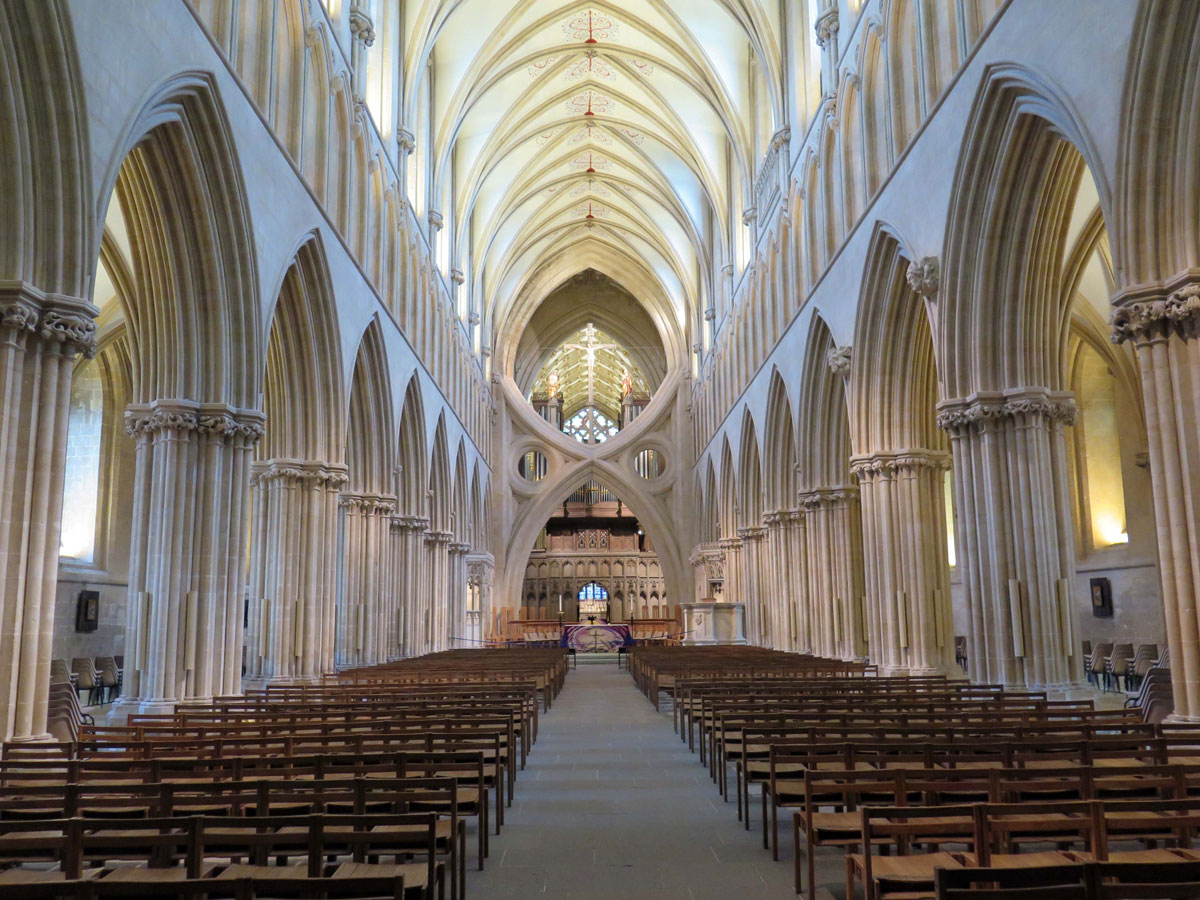
A Look Around Wells Cathedral and why such a Grand Cathedral was built in such a Small City

A Look Around Wells Cathedral and why such a Grand Cathedral was built in such a Small City

People often wonder why such a small city has such a large cathedral and that’s because we’re looking at the situation through modern day eyes. Back in medieval England the country was administered by two separate entities of equal importance. We tend to think of the King of England as being the most powerful man in the realm, but that was in the secular world. However, the most powerful man in the English spiritual world (other than the Pope) was the Archbishop of Canterbury. That may be a rather simplistic view of things, but the church held much of the country’s land and was extremely wealthy as well as powerful – and the Diocese of (Bath and) Wells was both.

The size of the cathedral at Wells was built, I believe, not just to make a statement of spiritual influence and authority over its worshippers, but also to win the struggle with Bath over where the bishop’s seat should be. In other words the size of the local community really had nothing to do with the stature of the cathedral, and for those who are interested, the population of Wells today is still only around 11,000.

Continue reading

Originally posted 2025-10-21 09:34:09.

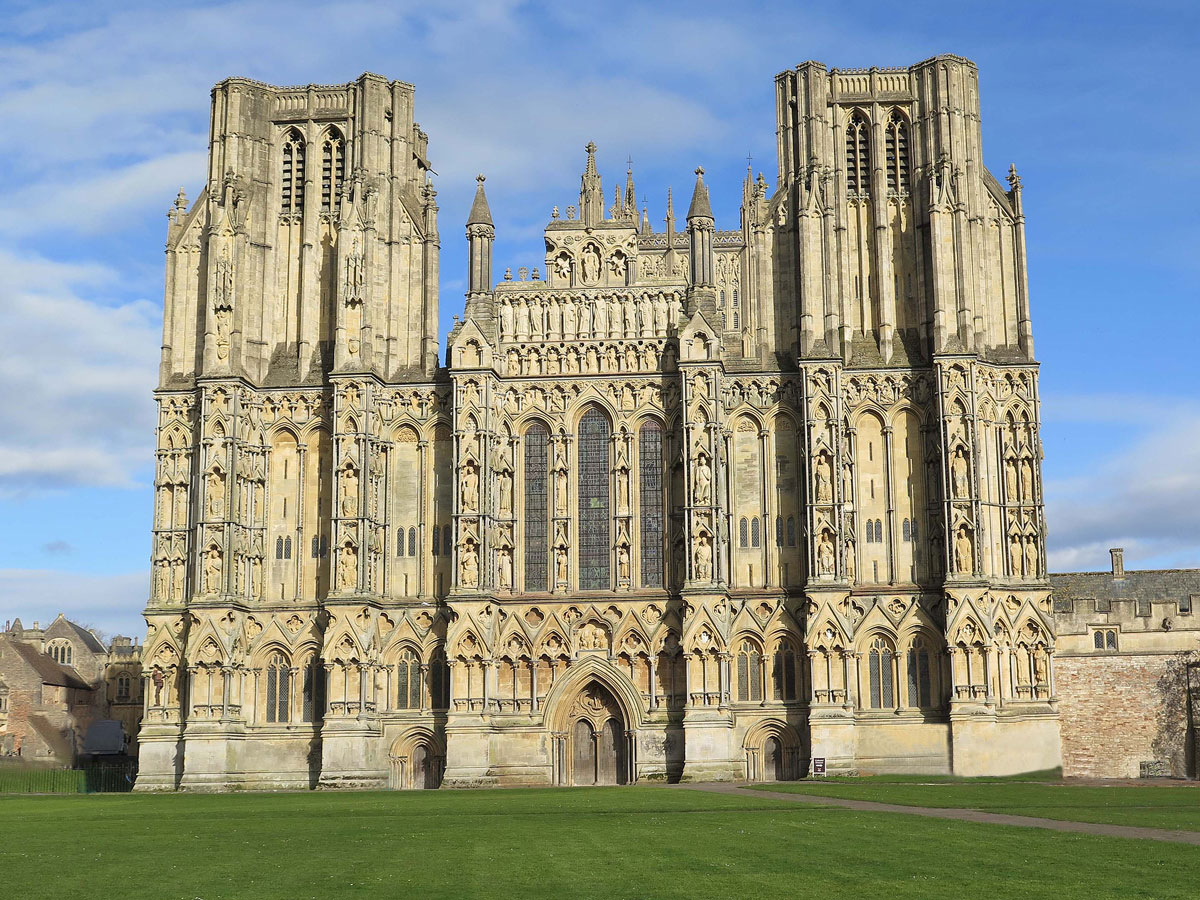
Wells Cathedral – Why it’s here and a look at the magnificent West Front

Wells Cathedral - Why it's here and a look at the magnificent West Front

I had originally intended to do just two posts about Wells, one about the palace and one about the cathedral, but I’ve had a change of heart and decided to increase the number of posts but reduce their length, and if you stick with me, hopefully you’ll see why.

In the previous post I explained how the name of England’s ‘smallest’ city originated from the springs that surface in the grounds of the Bishop’s Palace. I also briefly touched on how it achieved its city status, but to put things in perspective I’m now going to delve a little deeper to explain how the cathedral came into being, and then follow it up with some information about its most prominent feature – the magnificent West Front.

Continue reading

Originally posted 2025-10-05 07:24:39.