Tag Archives: Landmark

Westminster Abbey – Pt 3 The Nave

Westminster Abbey - Pt 3 The Nave

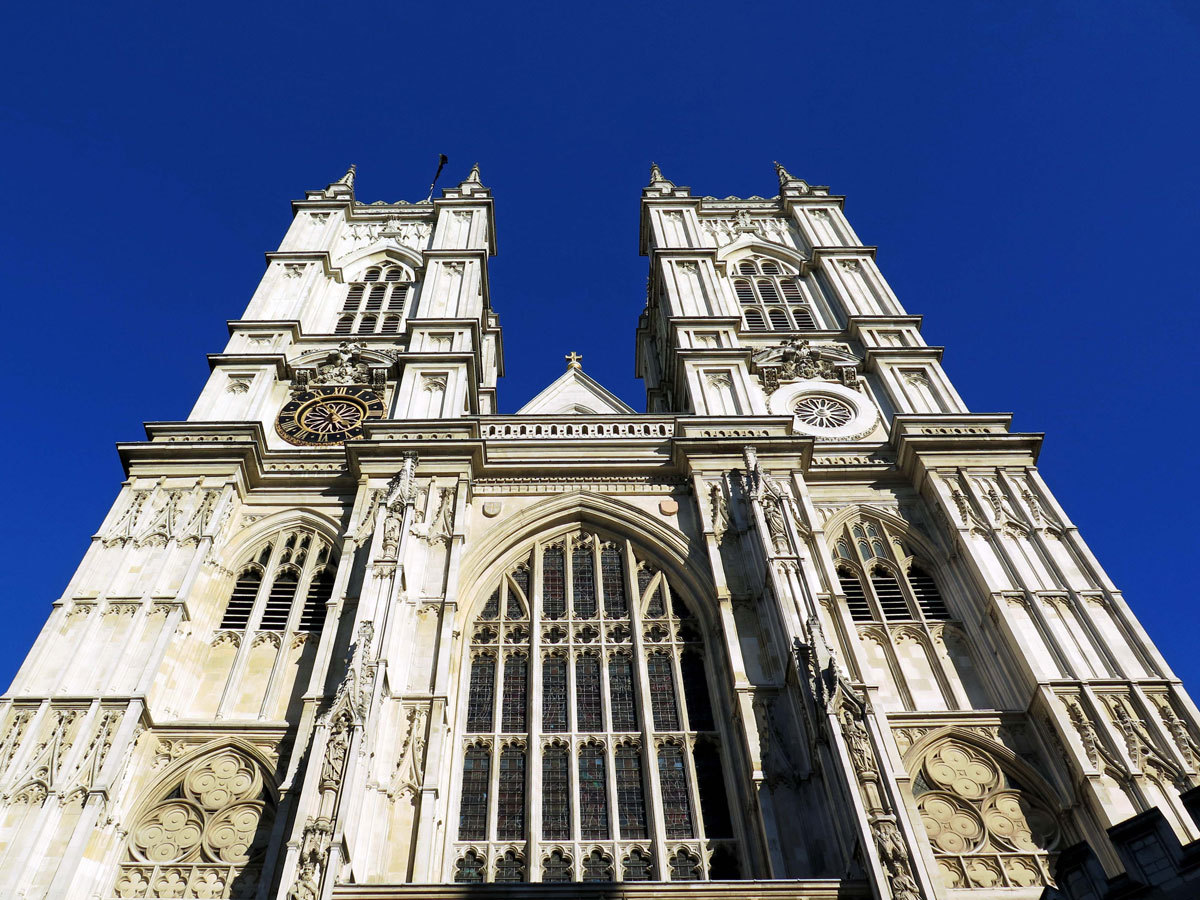
Visiting Westminster Abbey to see the grand architecture and explore its history is one thing, but getting a spiritual experience from it is another. If you want the full spiritual experience, there’s no substitute for going to a service whether you’re religious or not, but that’s a different thing to wandering around and taking personal photographs, and as soon as you walk into the Nave you’ll see what I mean.

Standing next to the Grave of the Unknown Warrior looking up towards the Quire Screen is one of the abbey’s classic views: Inevitably though, the occasion will be somewhat let down by large numbers of people wanting to do the same thing as you, but as you can see from the featured image above, it is possible to have a much better experience if you know what to do, and you don’t have to be a magician or need special permission to achieve it. The answer is much simpler than that: Just make sure that you’re one of the last people to leave!

Continue reading

Originally posted 2023-03-10 14:52:31.

Westminster Abbey – Pt 2 The Tour Begins

Westminster Abbey - Pt 2 The Tour Begins

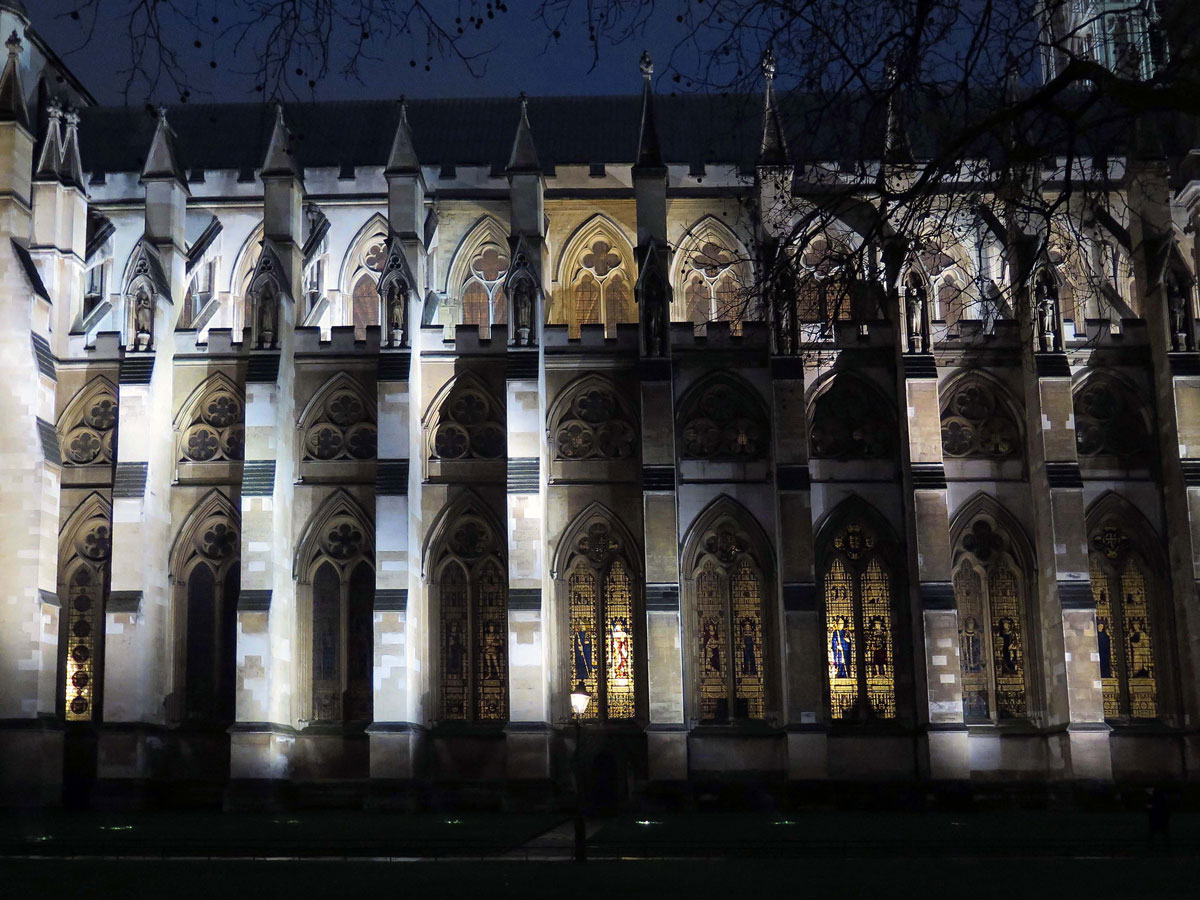
The featured image at the top of the page shows the north side of the abbey at evening time, and this is where the tour begins. After passing through the security checks, we enter the abbey through the medieval North Porch where there are two ticket desks – one on each side of the doors. I believe at busy times those with pre-booked tickets are ushered through on one side, and those without, on the other. I can’t say with certainty, as I’ve never been involved in a queue, but it does seem to make sense.

As you walk into the North Transept, you’ll see a desk in front of you with free audio guides being dished out, and if you haven’t been before, I recommend that you take one. In actual fact, you can download an app to your phone, but the audio guides are better. Over to your right are maps in different languages which are useful, but not detailed.

The North Transept is also known as the Statesmen’s Aisle, which is an apt description given all the statues and monuments to politicians here. The problem with trying to photograph them though is that the benches with the audio guides get in the way somewhat.

Continue reading

Originally posted 2023-03-07 05:58:00.

Westminster Abbey – Pt 1 An Introduction

Westminster Abbey - Pt 1 An Introduction

When I started blogging back in 2017, Westminster Abbey was one of my earliest attempts at connecting with the blogosphere, but things have changed since then. Not only has my style changed, but also the rules regarding photography in the abbey, and rather than update the post again, I thought it made more sense to start afresh with a new approach.

Through a series of posts I want to take you on a virtual tour of this magnificent building, but if you intend coming in person it has to be remembered that Westminster Abbey is primarily a place of worship. I’m a spiritual person rather than a religious one, but whatever your reason for coming is, whether it’s to admire the building, immerse yourself in its history, see where every English monarch has been crowned for the last thousand years, or just to pray, I guarantee that you’ll find it a most welcoming place to come.

Continue reading

Originally posted 2023-03-05 15:42:10.

A Palace and a Parliament

A Palace and a Parliament


When King Canute started to build a home for himself in Westminster back in 1016 I don’t suppose for one minute that he thought it would become a place known throughout the world a thousand years later, and in a way he would be right because there’s nothing left of what he, or his successor, Edward the Confessor, built.

Continue reading

Originally posted 2017-09-24 14:22:59.

The Bank of England Museum

The Bank of England Museum

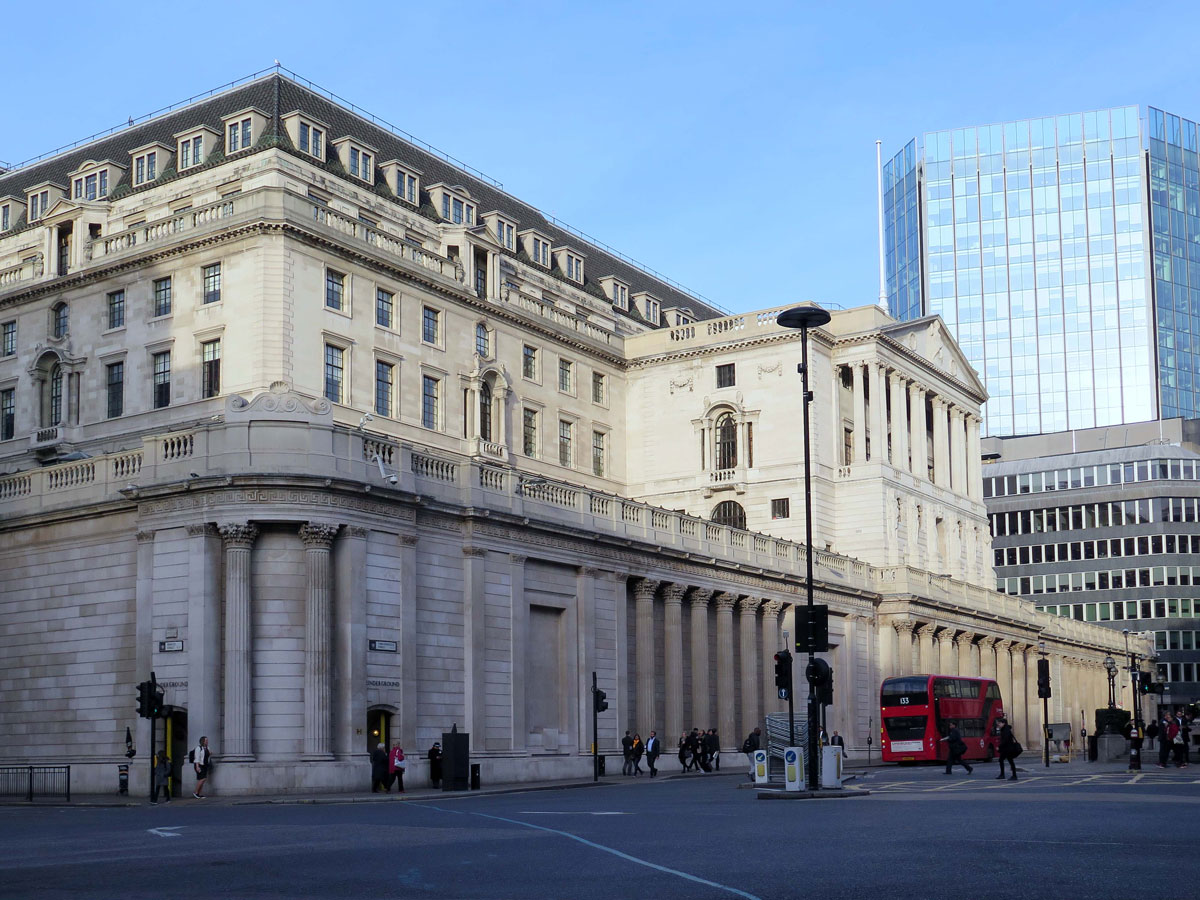
There are many powerful institutions in the City of London’s Financial District, but none more so than the Bank of England. Now before you skip this article thinking that it’s going to be another one of those boring Easymalc ramblings, I promise I won’t go on about Fiscal Policies or Quantitative Easing. For a start if I understood any of it I would be sipping a Pina Colada in the Cayman Islands or somewhere instead of struggling to see which lasts the longest – my meagre savings, or me. Anyway, back to the Bank of England.

I don’t imagine too many people know, or even care, about what the Bank of England actually does, but the museum, which is free to go in by the way, will explain its beginnings, the role it plays, and even how Quantitative Easing works (sorry, I couldn’t resist it). To be honest it’s not only educational, but interesting as well – or at least I thought so.

Continue reading

Originally posted 2018-07-02 18:41:41.

Stonehenge

Stonehenge

I don’t think I’m wrong when I say that Stonehenge is one of those places that sits high on many people’s list of life’s big disappointments, but with the right mental attitude and a bit of forward planning it can still be somewhere that you’ll be glad to say you’ve seen.

This UNESCO World Heritage Site lies about nine miles north of Salisbury and can be reached by the useful ‘Stonehenge Tour Bus’ which does a circuit between the city, Old Sarum, and Stonehenge.

(http://www.thestonehengetour.info/)

The first obvious detraction from this iconic site is its proximity to the main A303 trunk road which has been constantly debated about ever since I can remember.

Not so long ago the A360 road to Devizes and the inadequate visitor centre were also bones of contention, but were both rectified by the closure of the road and the re-positioning of a new modern visitor centre 1½ miles away.

Continue reading

Originally posted 2018-08-26 08:12:28.

Salisbury Cathedral Pt 3 – The Highlights

Salisbury Cathedral Pt 3 - The Highlights


In Salisbury Cathedral Pt 2 I described the different parts of the church, and so for this final part I’m going to explain what there is to see inside – or at least some of the highlights.

Throughout the church there’s a good collection of tombs for anyone who’s interested in this sort of thing. The first person to be buried here was William Longespee Earl of Salisbury, illegitimate son of King Henry II, and half-brother of King John. He died in 1226 and next to his wooden tomb is a plaque stating that he was present at the laying of the foundation stones of the Cathedral in 1220.

The tomb of Bishop Giles de Bridport, who was at the consecration of the Cathedral in 1258 is considered to be one of the finest 13th cent tombs in Britain, but probably the most majestic is the Hertford tomb. The Earl of Hertford (1539-1621) was the nephew of Jane Seymour, Henry VIII’s third wife, and lying above him is the effigy of his wife Lady Catherine Grey, the sister of Lady Jane Grey who was Queen of England for 9 days in 1553.

I should also mention that former Prime Minister, Edward Heath, who lived at Arundells in The Close opposite the Cathedral was buried here in 2005 in a much simpler grave.

Continue reading

Originally posted 2018-03-09 10:39:52.

Salisbury Cathedral Pt 2 – The New Cathedral

Salisbury Cathedral Pt 2 - The New Cathedral


Having explained how the new Cathedral came about in Salisbury Cathedral Pt 1, I’d like to talk a bit more about the building itself.

To start with I don’t suppose any building that’s been around for almost 800 years would have been untouched in any way, and of course Salisbury Cathedral is no exception, but the good news is that this remarkable church is still essentially the same as when it was built.

There have been a few hiccups along the way mind you including the removal of many of the stained-glass windows during the Reformation, and even some damage during the Civil War, but as was often the case, well-meaning restorers probably did the most amount of damage.

According to the official Salisbury Cathedral guidebook, the late 18th century saw James Wyatt clear the churchyard, demolish the Bell Tower, lime-wash the vaulting, cover medieval paintings, and remove even more medieval glass.

It wasn’t all bad news though. If you take a look at the West Front, you’ll find that there are 79 statues adorning the façade, and 72 of them have been added since the 19th century. George Gilbert Scott was responsible for most of them during his period of restoration between 1860 and 1876, and I reckon the West Front looks fantastic.

Continue reading

Originally posted 2018-03-08 16:19:56.

Salisbury Cathedral Pt 1 – New for Old

Salisbury Cathedral Pt 1 - New for Old


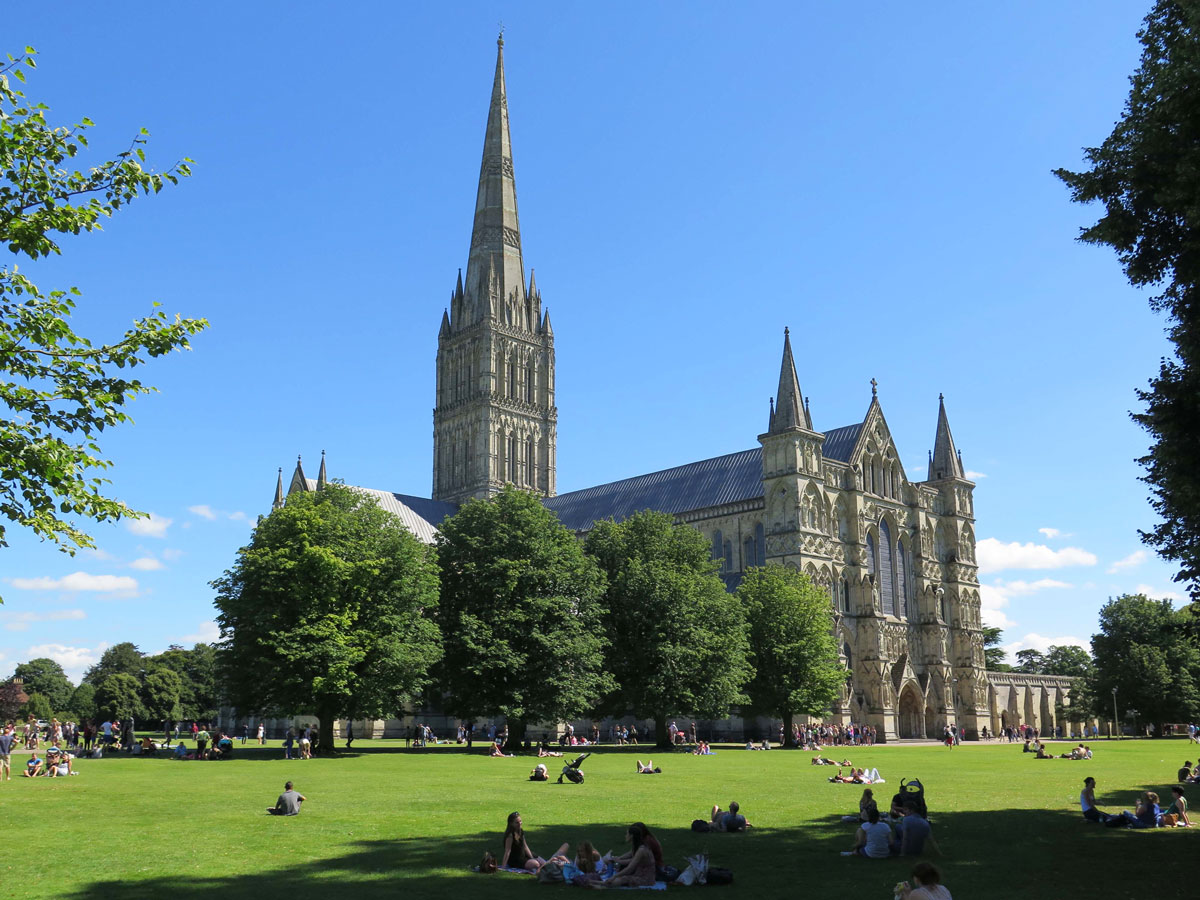
My favourite travel writer, Bill Bryson, said in his book ‘Notes from a Small Island’, that “There is no doubt in my mind that Salisbury Cathedral is the single most beautiful structure in England and the Close around it the most beautiful space”, and who am I to argue with Bill Bryson? It’s only his opinion of course, but I’m sure there are plenty of people who would agree with him.

If you’ve been to Old Sarum, you would have seen the Iron Age Hillfort where William the Conqueror built a castle, and successive Bishops built the first Salisbury Cathedral, but conditions were less than ideal for the clergy who lived here. It was windswept and cramped, and they didn’t get on too well with their neighbours in the castle either, and so early in the 13th century they decided to relocate down to the valley below.

Continue reading

Originally posted 2018-03-08 13:09:21.

St. Ia and Pendinas

St. Ia and Pendinas

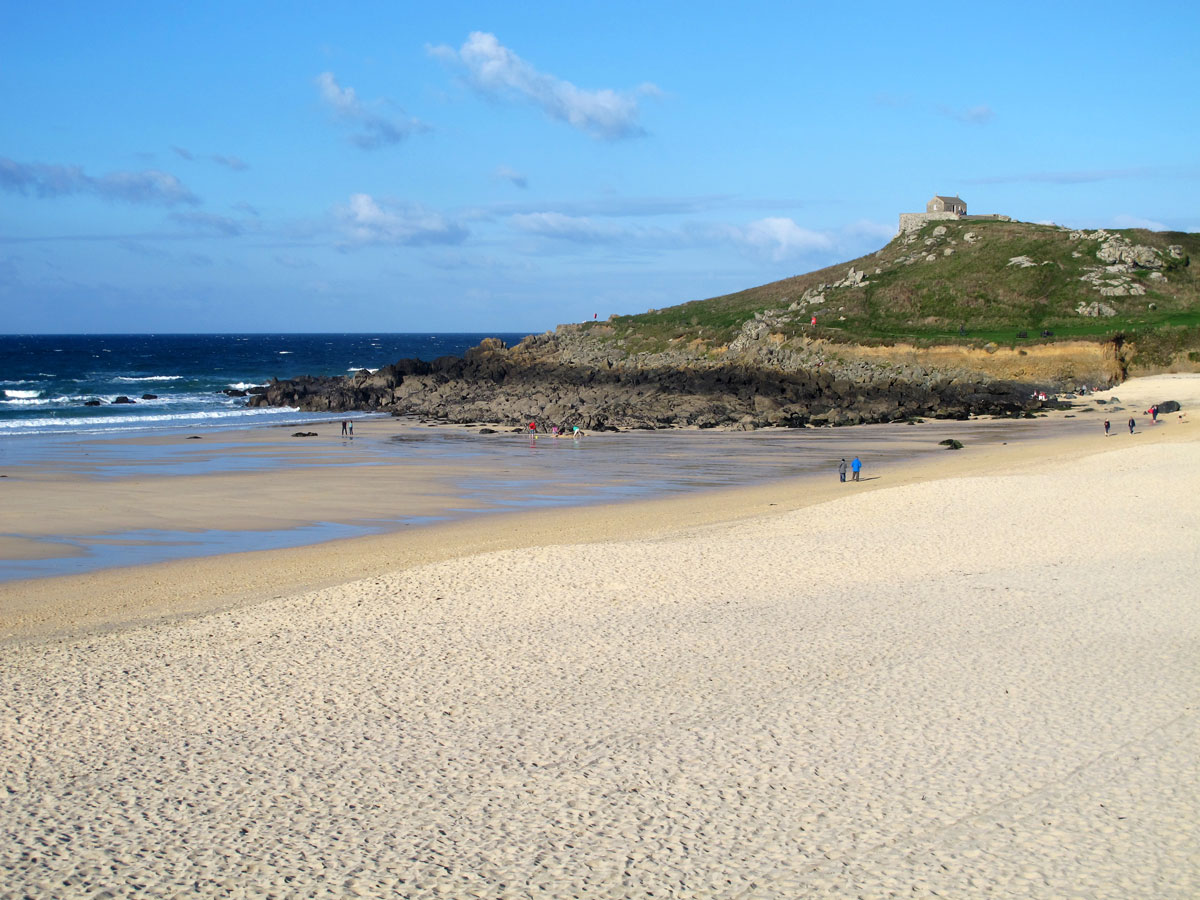
It never ceases to amaze me how saints of old had powers that would put David Blaine and Uri Geller to shame, and St Ia is yet another one.

St. Ia was a 5th century Irish princess who, after being converted to Christianity, decided that it was her duty to join a missionary party that was planning to cross the Celtic Sea in order to convert the good people of Cerniw.

The story goes that the boat left without her, but undeterred, she set about making her own arrangements – so what did she do? she sailed over on a leaf of course! Now, I have to admit I am partaking in a glass of fruit cider while I’m writing this, but I can assure you that the story is true, it must be, I’ve read the same story from several different sources just to confirm that I haven’t been hallucinating.

Call me an old cynic if you like, but I don’t believe a word of it. Having said that, it seems pretty likely that the Irish princess did make it across to the shores of Cornwall one way or another, and it also seems likely that she landed at Pendinas, or ‘The Island’ as it’s called today.

Continue reading

Originally posted 2019-04-24 15:33:18.

The Minack Theatre

The Minack Theatre

In 1929 some amateur Porthcurno drama enthusiasts put on a performance of Shakespeare’s A Midsummer Night’s Dream in a local field. It turned out to be a great success and a couple of years later they wanted to try again with The Tempest.

Obviously, a field wasn’t the best venue for a drama company to perform, but one of the production team was a lady called Rowena Cade who lived in Minack House at Minack Point.

Minack is Cornish for ‘Rocky Place’, and this indomitable lady, along with her gardener Billy Rawlings, set about transforming the rocks below her garden into an open-air amphitheatre right on the edge of the cliffs.

During the winter of 1931/32 they moved granite boulders and earth to create a stage and terraces. What’s even more remarkable is that the steps, walkways, seats and pillars were all made out of concrete made with sand from the beach below. Why I say ‘remarkable’ is because anybody who has ever walked up or down the cliff from Minack to the beach will know how steep a climb it is – and yet this lady did this day in and day out carrying buckets of sand to create this quite unbelievable place – and in August 1932 The Tempest was performed at the Minack.

Continue reading

Originally posted 2018-09-24 14:00:14.

St. Michael’s Mount

St. Michael's Mount

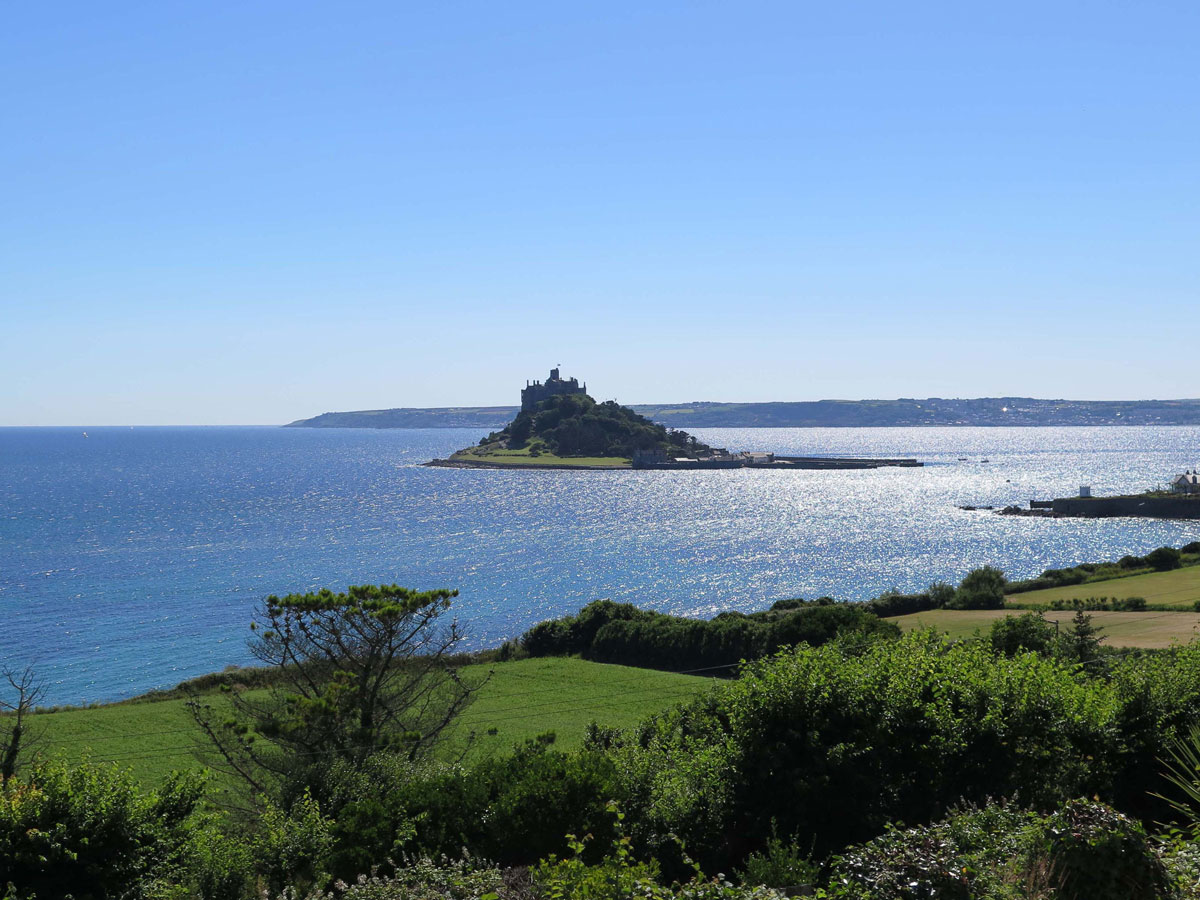
I’ve got a painting at home of St. Michael’s Mount under a moonlit sky, and to me it represents a classic Cornish seascape. I can almost hear the monks at prayer in their monastery and the sound of waves gently lapping the shore, but I can also imagine the Spaniards attacking the coastline and the smugglers offloading their barrels of brandy.

This painting was conceived from the artist’s imagination of course, but if you can be here when all the other visitors have gone, then it’s still possible to get a feel for the centuries of history that lie behind this evocative Cornish landmark.

Being Cornwall, it’s inevitable that this small rocky island half a mile offshore from Marazion, has attracted its fair share of myths and legends: Tales of seafarers being lured onto the rocks by mermaids were followed in the 5th century by an apparition of the Archangel Michael by local fishermen.

St. Michael (who is regarded as a protector from evil) is, amongst other things, the patron saint of fishermen, and his ‘appearance’ was seen as a vision to help keep the fishermen safe from harm.

Continue reading

Originally posted 2020-02-09 06:34:48.

Plymouth Hoe

Plymouth Hoe

The Hoe is one of the first places people head for on their first visit to Plymouth – and for good reason. This large open public space has one of the most fantastic views of any city in the country.

The views stretch out across The Breakwater and Plymouth Sound into the English Channel, and from Devon’s South Hams coastline in the east to Cornwall’s Rame Head in the west.

‘Hoe’ is an old Anglo-Saxon word meaning ‘High Ground’, and although it isn’t that high above sea level it still affords commanding views, such as those that can be had from the colonnaded Belvedere near West Hoe.

Built on the site of a previous camera obscura, it was completed in 1891 at the end of a decade that saw the Hoe change from farmland to a city park.

Below it is a former bull ring that is now a memorial garden for various veterans’ associations from WW2 onwards.

Continue reading

Originally posted 2019-02-13 15:43:00.