Tag Archives: Architecture

The Scottish Parliament Building

The Scottish Parliament Building

On 12th May 1999, after a wait of 292 years, Scotland once again had its own Parliament, but it took another 5 years for the brand spanking new Parliament Building to be officially opened.

From start to finish the building was controversial and its location and design were immediately criticised. It was due to be completed in 2001 at a cost of between £10m-£40m but overshot both by a considerable margin and was eventually opened in 2004 at a cost of around £414m.

The designer, Enric Miralles, died in 2000 at the age of 45 and never got to see the finished article, which was a shame because he put a lot of thought into the design. His concept was a brave one. His plan was to incorporate a group of modern buildings in a traditional setting in a way that only an artist’s mind can work out. The problem is of course, that not everyone can see what he was trying to achieve.

From a personal point of view, even though I don’t fully understand what was going on in his head, I do actually like the building. There are some aspects of it that I don’t like but overall, I think he made a pretty good fist of it. Whether it stands the test of time is a problem that most modern structures face, and obviously only time will tell.

Continue reading

Originally posted 2018-12-04 15:12:55.

The Palace of Holyroodhouse

The Palace of Holyroodhouse

At the opposite end of the Royal Mile to the castle is Holyrood Palace – the British monarch’s official Scottish residence.

Sitting under the extinct volcano of Arthur’s Seat, the Palace of Holyroodhouse has been a Royal residence since 1503 when King James IV decided to convert the Royal Lodgings of Holyrood Abbey into a home fit for his new bride, Margaret Tudor.

The original Augustinian Abbey was founded in 1128 by King David I, supposedly after a hunting trip. Legend has it that he was thrown from his horse after being startled by a deer and was saved thanks to the appearance of a Holy Cross (or rood) that beamed down from the skies above. Whether you believe this miracle or not is up to you, but at least that’s one of the theories as to how Holyrood got its name.

Raids by the English during the mid-16th century destroyed many of the Abbey buildings and by the end of the Reformation all that was left of any consequence was the nave, which required some serious restoration for the Scottish coronation of King Charles I in 1633. The Chapel Royal, as it became known, was used for Catholic worship during the reign of James VII (and II of England), but by the 18th century, for various reasons, had suffered so much damage that it fell into terminal decline.

The remains of the nave can still be seen today as part of the tour of the palace.

Continue reading

Originally posted 2018-12-04 06:09:58.

Edinburgh’s St Giles’ Cathedral

Edinburgh's St Giles' Cathedral

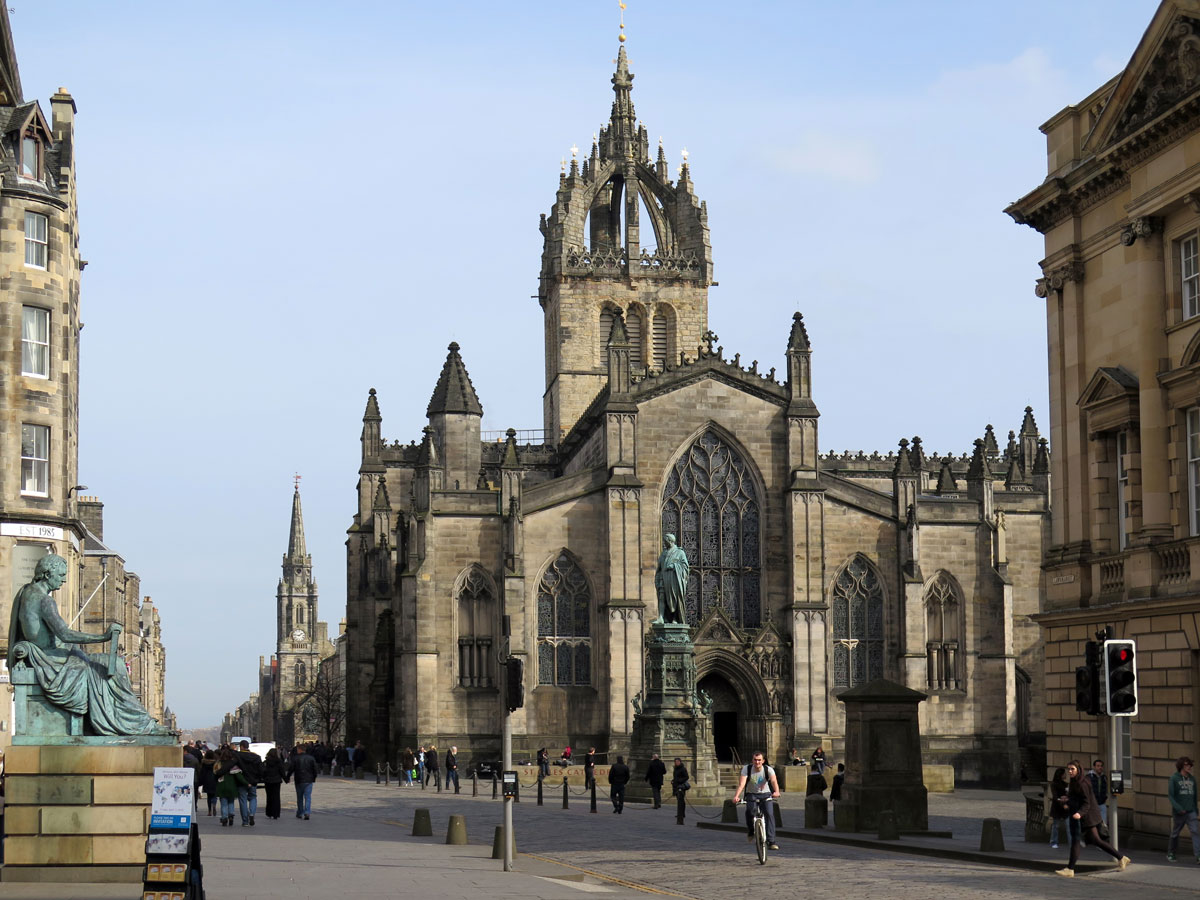
Hovering over the top half of the High Street is the crown shaped steeple of St. Giles’ Cathedral.

Technically speaking it’s not a Cathedral at all as there is no Bishop, so officially it’s known as the High Kirk.

Architecturally, it’s not one of Europe’s outstanding ecclesiastical gems even though it’s been here since 1124. The main reason for that is because what we mostly see today is just a couple of hundred years old after some major restoration in the 19th century.

That’s not to say that it’s not worth visiting because this is the church where John Knox was minister when he helped bring about the Scottish Reformation during the 16th century.

It’s also the church where King Charles I decided to introduce the Anglican Book of Common Prayer to the Scots in 1637. Fury erupted and the following year the National Covenant was signed which reminded the King that he may have been the King of Scotland but he was definitely not the head of the Scottish Church. The outcome of his interference led to the English Civil War and ultimately his life when he was executed in Whitehall in 1649.

Continue reading

Originally posted 2018-11-28 22:26:14.

Edinburgh Castle Pt 4 – The Great Hall

Edinburgh Castle Pt 4 - The Great Hall

After the Royal Palace and the Honours of Scotland, the next must-see part of the castle is the Great Hall which is located next to the Palace in Crown Square.

This grand ceremonial hall was completed in 1512 for James IV and used for entertaining dignitaries with great banquets, but all this fine dining and drinking came to an abrupt end when Oliver Cromwell took over at the helm in 1650 and converted it into barracks.

When the New Barracks were opened in 1799 the hall was converted into a military hospital, and then in 1886 it was restored to something like its former glory.

The one thing that isn’t Victorian though is the hammerbeam roof which has been here from the beginning and one of the most important in Britain. Another original feature is the Laird’s Lug (Lord’s Ear) which is a grilled opening above the right-hand side of the fireplace. It was used for eavesdropping and when Mikhail Gorbachev came to the castle in 1984 his security team insisted that it was bricked up.

Around the perimeter is an impressive collection of weapons and armour on loan from the Royal Armouries.


Continue reading

Originally posted 2018-04-24 13:34:33.

Edinburgh Castle Pt 3 – The Royal Palace and Scottish Crown Jewels

Edinburgh Castle Pt 3 - The Royal Palace and Scottish Crown Jewels

If there’s one part of the castle that shouldn’t be missed it has to be the Royal Palace and the Scottish Crown Jewels.

The Palace was at the heart of the royal castle from the 11th to the early 17th centuries and probably an extension to David’s Tower.

On the ground floor, the most important event to take place at the Palace occurred on 19th June 1566 when Mary, Queen of Scots gave birth to a son who became King James VI of Scotland after her abdication thirteen months later.

Mary and her husband Lord Darnley were living at Holyrood when rumours circulated that the father of her unborn child was David Rizzio, her Private Secretary. Shortly afterwards Rizzio was murdered at Holyrood and Darnley was the chief suspect. To make matters worse Mary was catholic and the country was now protestant and so she came to the safe haven of the castle to give birth to the future King James VI and I of England. The birth took place in a small room next to her own chamber.

James became King of England in 1603 and left Edinburgh for London. The Palace became neglected, but for a solitary return in 1617 to celebrate 50 years on the Scottish throne, the place had a facelift. The birth chamber was re-decorated (which still shows the same decorations today) and new rooms were added including the Laich Hall.

Continue reading

Originally posted 2018-04-24 06:04:39.

Edinburgh Castle Pt 2 – A General Tour

Edinburgh Castle Pt 2 - A General Tour

On entering the castle you’ll be given a map which follows the easiest route up to the top, which is not only wheelchair and pushchair friendly, but also follows a numerical sequence.

Passing through the Castle Gates will bring you to the Argyle Battery where everyone stops for a view out across he city. It’s a natural thing to do, but there are even better views higher up, so it’s not essential to stop here if there are too many people milling around, and you can always stop here on the way back.

Next to it is the One ‘o clock gun and the Redcoat Café which is a convenient place to have a quick coffee and make some plans on what you want to try and see while you’re here, because as I said in my Introduction you may not have time to see everything.

The One ‘o clock gun is fired everyday at one ‘o clock except Sundays, Christmas Day and Good Friday. The spectacle is similar to what happens at Greenwich, but with a twist.

Over on Calton Hill, at the top of Nelson’s Monument, is a time-ball, which just like its London counterpart, was introduced to help ships (in the Firth of Forth) to calibrate the time with the sun in order to aid navigation. This, of course, was when timekeeping wasn’t as sophisticated as it is today. The ball was dropped at precisely 1 o’clock and as long as the weather was clear enough then everything was ok – but the weather in Edinburgh isn’t always clear enough – and so a gun was used to compliment the visual aid.

Apparently, due to the speed of sound, it takes 10 seconds for the signal to reach Leith, and the ships took this into account when setting their timepieces. You may want to do the same because for the gun to be heard out in the Firth of Forth it means that you may not want to stand right next to it. Don’t say I didn’t warn you!

Continue reading

Originally posted 2018-04-23 17:38:47.

Edinburgh Castle Pt 1 – Afore ye go

Edinburgh Castle Pt 1 - Afore ye go

Edinburgh Castle is the most visited paid for tourist destination in Scotland, and like any major attraction, some forward planning will help make your visit a more pleasant experience.

The official website gives all the latest practical information and advice (https://www.edinburghcastle.scot/), but I would particularly draw your attention to the fact that a timed ticketing system is now in operation, and to be sure of being able to visit at a time that suits you best it’s going to be worth considering booking online in advance – and it’s cheaper.

The admission prices may appear to be a bit steep but bear in mind that there are no extra charges once inside the castle and you can spend a fair amount of time here. We spent 4 hours wandering around and ran out of steam before we ran out of things to do, so I’ve decided to break my article on Edinburgh Castle up into different sections so that people can have an idea on what to expect.

Accessibility, even though it’s on a volcanic crag, is relatively easy around the grounds, although there is a slope up to the top. However, some of the indoor highlights are not suitable for wheelchairs and the website lists which ones they are.

Continue reading

Originally posted 2018-04-22 17:29:27.

From Tiger Bay to Cardiff Bay

From Tiger Bay to Cardiff Bay

At the beginning of the 19th century the population of Cardiff was less than 2,000, but the lush green valleys to the north were about to change – and so was this small town at the mouth of the River Severn.

The reason for this dramatic change was all down to the increase in demand for coal which was needed to power the Industrial Revolution – and which the valleys of South Wales had plenty of.

The Glamorgan Canal, and then the Taff Valley Railway, enabled the Black Diamonds to be transported down the valleys to the coast where places like Newport, Barry, Penarth and Cardiff all vied for the lucrative export trade.

While everyone else was working down the coal mines, there was one man that was sitting on a gold mine, – namely the 2nd Marquis of Bute. He realised early on that there was going to be money made in the iron and coal industries of South Wales, and in 1839 he built the first of Cardiff’s docks at West Bute to handle the trade.

As the docks expanded, so did the appeal to come and work here: Butetown, as the area became known, attracted immigrant workers and seafarers from all corners of the globe, and it wasn’t long before the area became known for all the wrong reasons. Although several theories have been bandied about, it’s not really known for sure why the docks and Butetown became known as Tiger Bay – but the name stuck, and just like its feline counterpart, began to earn itself a fearsome reputation. If you wanted somewhere to go and get drunk, have a fight, or meet a prostitute – or all three – Tiger Bay was the place to come.

Continue reading

Originally posted 2019-06-08 16:43:13.

Lindisfarne Castle

Lindisfarne Castle

Northumberland, being next to the Scottish border, is castle country. Apparently, it has more castles than any other English county – and I can quite believe it. One of these castles is perched on top of a mound of volcanic rock, known as Beblowe Crag (or Craig), here on Holy Island.

As the Vikings proved, Lindisfarne was vulnerable. The natural harbour provided protection for ships, but the island itself wasn’t safe from invaders: The Vikings may have gone, but there was still a threat from the Scots, and when Henry VIII dissolved the monasteries, including Lindisfarne Priory, an opportunity presented itself to put the priory’s remains to good use.

Initially, the Priory church was used as a naval storehouse, but as the need for reinforcing Beblowe Crag as a defensive fort became more important, then the stone from the Priory was used to build a new fortress.

However, the need for strong defences against the Scots became virtually unnecessary with the accession of James VI of Scotland to the throne of England, and consequently uniting the two kingdoms together:

Apart from the Royalist castle surviving a six-week siege during the Civil War and a short-lived Jacobite takeover in 1715, in truth, the castle didn’t really see that much action.

Continue reading

Originally posted 2019-08-18 16:46:46.

Bessie Surtees House

Bessie Surtees House

On my first visit to Newcastle I was surprised to see old timber-framed buildings. For some reason I just wasn’t expecting to see any, but at Sandhill there is a group of impressive 17th century merchant’s houses including Bessie Surtees House.

Built in the 17th century, it was originally two houses, named after the merchants who lived in them – Millbank and Surtees. These five storey buildings are fine examples of Jacobean architecture, and even though they have gone through periods of neglect, today they are admirably cared for by Historic England.

To keep everything commercially viable most of the combined building is leased out for office space, but the impressive first floor is freely available for visitors to take a look at.

Continue reading

Originally posted 2018-07-28 16:13:50.

Grey Street and Grey’s Monument

Grey Street and Grey's Monument

The image of Newcastle as a shipbuilding city with a party town atmosphere tends to hide the fact that it has some wonderful classical buildings, especially in the area known as Grainger Town.

Richard Grainger was the man behind the area’s development in the first half of the 19th century, and one of his most notable achievements was the construction of Grey St, which runs over the top of the Lort Burn.

The Lort Burn used to flow openly downhill to the Tyne, but eventually became just an open sewer until the lower section was transferred underground with the construction of Dean St over the top of it in 1749.

Continue reading

Originally posted 2018-07-27 15:00:10.

Lincoln Cathedral

Lincoln Cathedral

At the time of William the Conqueror’s arrival in England, Lincoln was one of the largest towns in the country, and so it was understandable why he would want to subjugate it as quickly as possible. Within two years, Lincoln Castle was built on the same site as the old Roman fortress, but the success of his conquest didn’t just depend on military might, he also needed the support of the all-powerful church as well.

To help him consolidate his position, William called upon one of his supporters, Bishop Remigius de Fécamp, to take over the vacant See of Dorchester, which at the time was the largest diocese in England – and one that also included Lincoln.

Continue reading

Originally posted 2022-12-30 15:44:22.

Wandering Around Old Canterbury

Wandering Around Old Canterbury

I don’t suppose this blog about our visit to Kent’s most historical city will rank alongside Geoffrey Chaucer’s Canterbury Tales, but hopefully it will show that there is a bit more to Canterbury than just its cathedral.

Admittedly, we didn’t have time to see everything that the city has to offer, but enough to show us why people, other than pilgrims, should make a journey here.

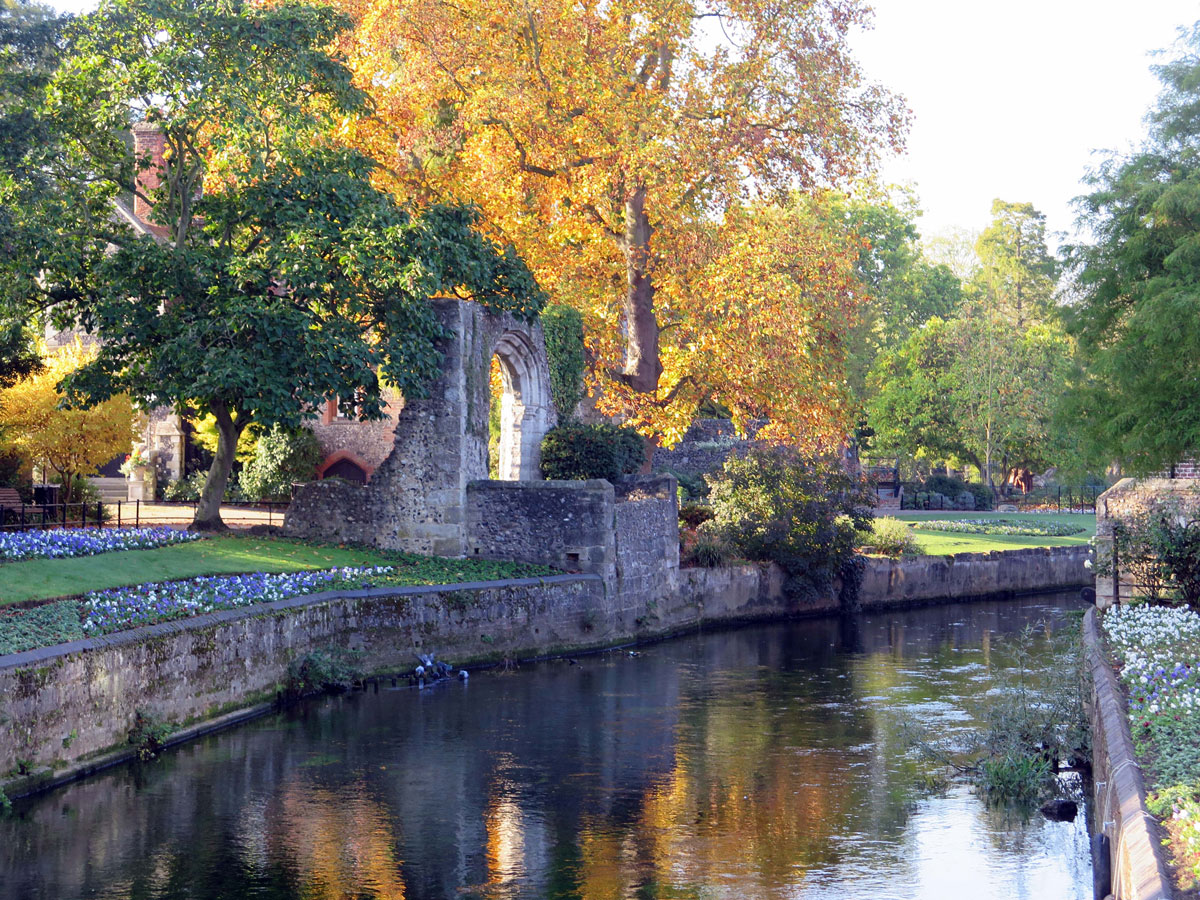
I think it’s fair to say that most people will come here to see the Cathedral, and maybe St. Augustine’s Abbey, but there was a town here before St. Augustine arrived. The Roman town of Durovernum (“the stronghold amidst alders”) included a protective wall which was probably built around 270 – 280 A.D. This wall continued to be used, with improvements, right through the Anglo-Saxon and Norman periods into the Middle Ages, and still surrounds around half of the old city today. Inside this wall is the most interesting part of the city and the focus of this article.

Continue reading

Originally posted 2020-04-01 13:00:43.

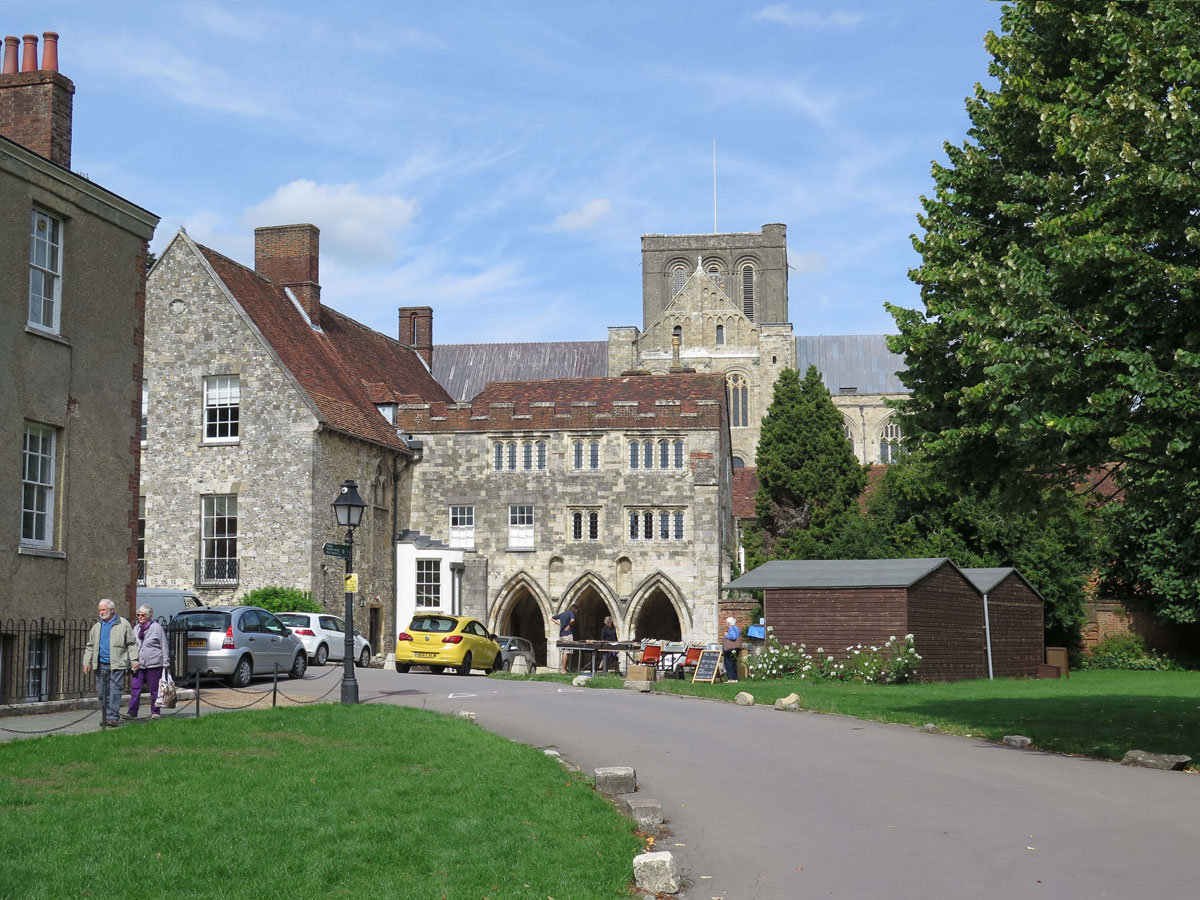
A Wander around Winchester Cathedral

A Wander Around Winchester Cathedral

What I like about Winchester Cathedral is not just its wonderful architecture, but also the human stories that have accompanied it throughout the centuries.

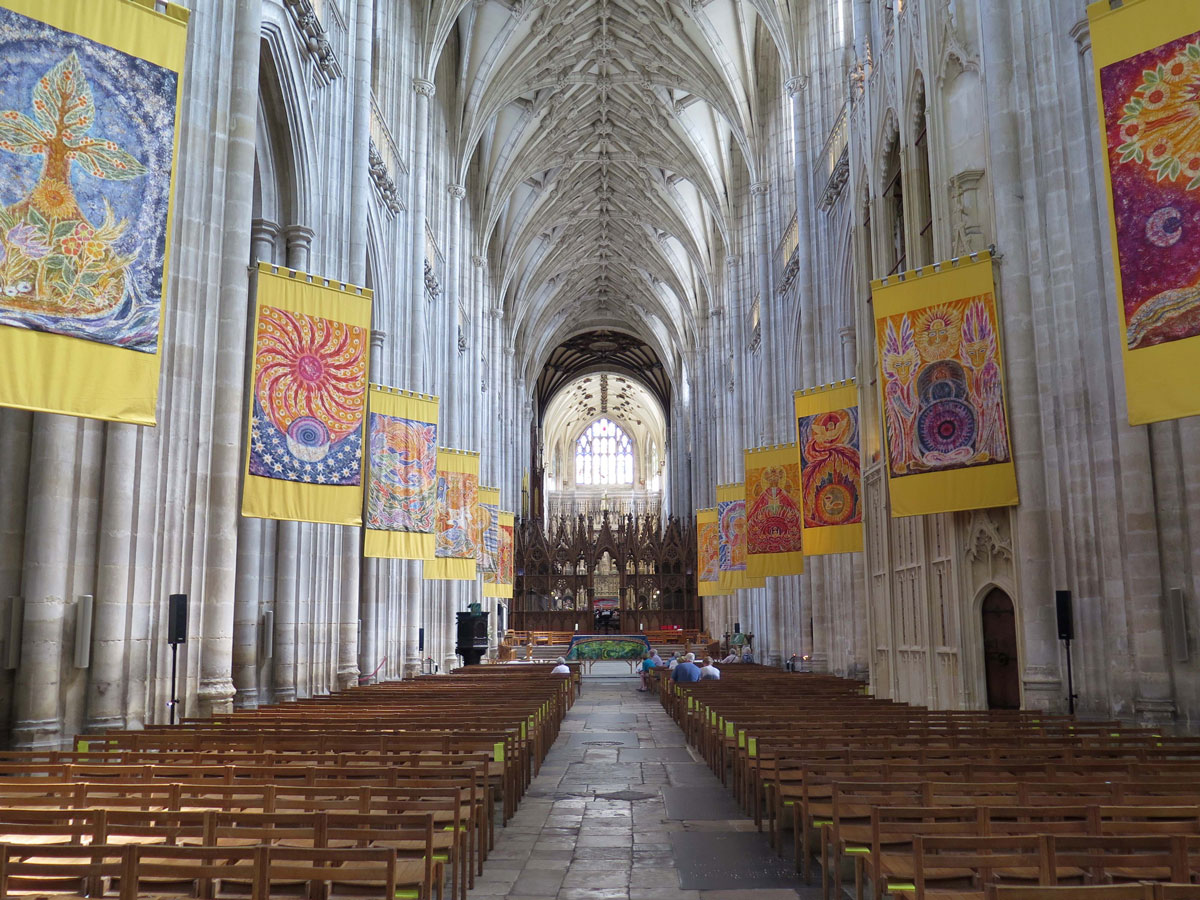
Architecturally, as soon as you set foot inside the West Door the magnificent perpendicular Nave stretches out in front of you right down to George Gilbert Scott’s ornate choir screen.

It didn’t always look like this though because the original Romanesque Norman church suffered badly from subsidence, and it took alterations from the 14th century onwards, firstly by Bishop Edington and then William of Wykeham, to produce what is my favourite style of church architecture.

If you can avoid the temptation to continue on down the Nave but walk down the North Aisle instead, you’ll soon come to the grave of Jane Austen, the author famous for writing such classics as Pride and Prejudice, Sense and Sensibility and Northanger Abbey.

It’s not surprising that many people want to see where Jane Austen’s final resting place is, but they would miss a gem if they went straight past the nearby 12th century black Tournai marble Font. It’s not just old, but unusual and interesting as well.

Continue reading

Originally posted 2018-09-13 17:41:25.

Winchester Cathedral – From the Saxons to the Normans

Winchester Cathedral - From the Saxons to the Normans

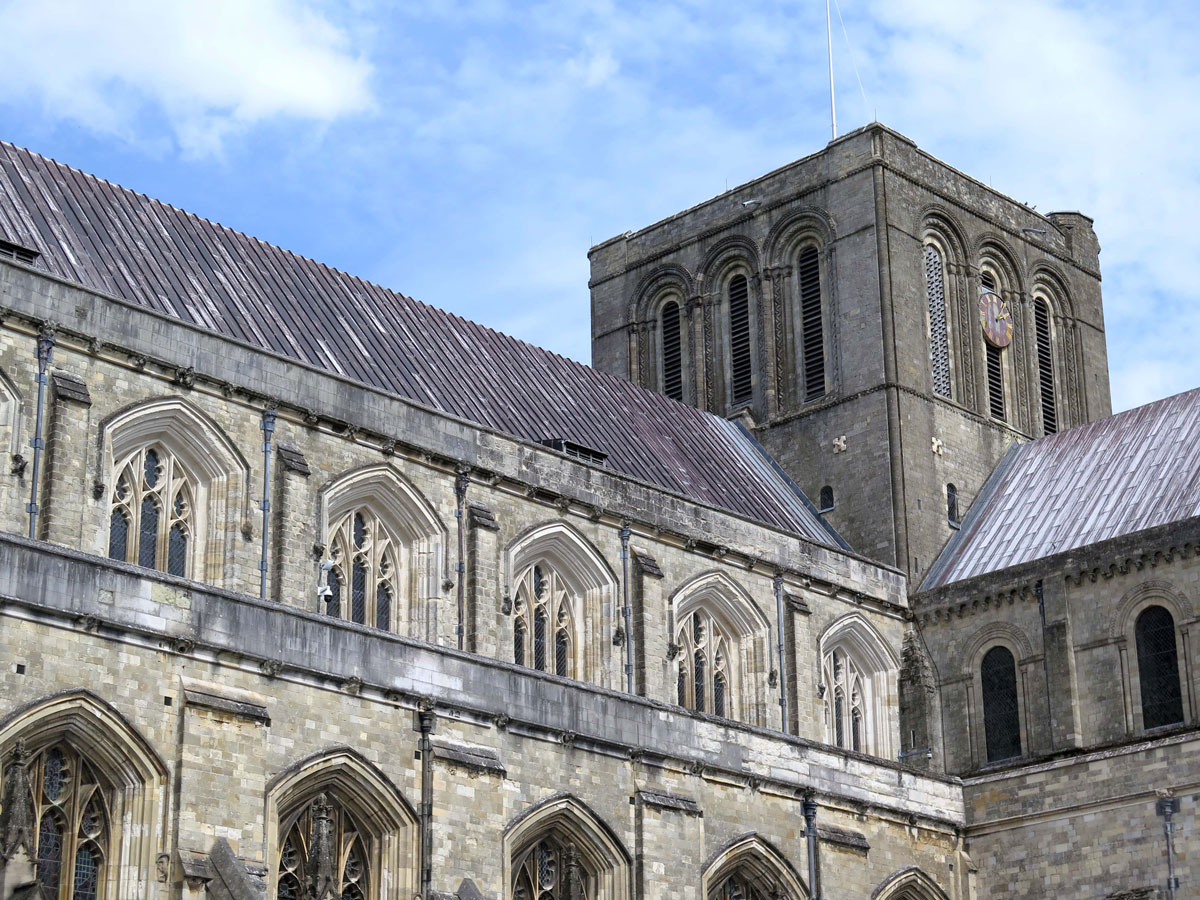
People who read my pages can be forgiven for thinking that I’m a religious person as I often seem to be writing about cathedrals, abbeys, and churches in general. The truth is that I’m not at all religious, but I am interested in the historical significance and architecture of these fantastic buildings and Winchester Cathedral is a perfect example.

In this article I’m delving into the background of the cathedral from a time when England became Christianized under the Anglo-Saxons to when William the Conqueror needed Winchester to consolidate his hold over the rest of the country.

The Romans initially brought Christianity to these shores, but after their departure in 410 AD the country reverted back to paganism.

In 597 Pope Gregory sent Augustine to England to re-introduce the Roman version of Christianity, but he wasn’t able to convert the whole country on his own of course and it was St Birinus who came to Wessex in 635 and converted Cynegils, King of the West Saxons.

King Cynegils established a cathedral church at Dorchester-on-Thames in Oxfordshire, but soon after his death in 643 his son, Cenwalh, built a minster church in Wintanceaster near the centre of his kingdom.

In the 670s Bishop Haeddi transferred his Cathedra (Bishop’s Throne) from Dorchester-on-Thames making Wintanceaster both the Royal and ecclesiastical centre of Wessex.

Continue reading

Originally posted 2018-09-10 16:34:27.

Wandering Around Winchester

Wandering Around Winchester

The good thing about Winchester is that a stroll around the city centre can be accomplished comfortably in about an hour and a half. This doesn’t include visits to the Cathedral, the Great Hall or the pub mind you, so you’ll need to allow extra time for visiting some of the things that will hold you up on the way around as well.

On the map opposite I’ve compiled a trail which covers most of the interesting things that can be seen. Some places will occupy just a few minutes of your time and others considerably longer, and just a quick reminder for anyone who may be interested, you can always print out this post by clicking on the print icon at the bottom of the page. The map can also be printed out by using the ‘print map’ feature within the map itself.

I’ve chosen to start the trail at the King Alfred Statue in the Broadway (No1 on the map), and if you’ve read my introduction to Winchester – The First Capital of England, you’ll understand why I’ve chosen it as the starting point. I’m not going to describe his achievements here as this blog is mainly about what there is to see.

Continue reading

Originally posted 2019-03-22 14:18:04.

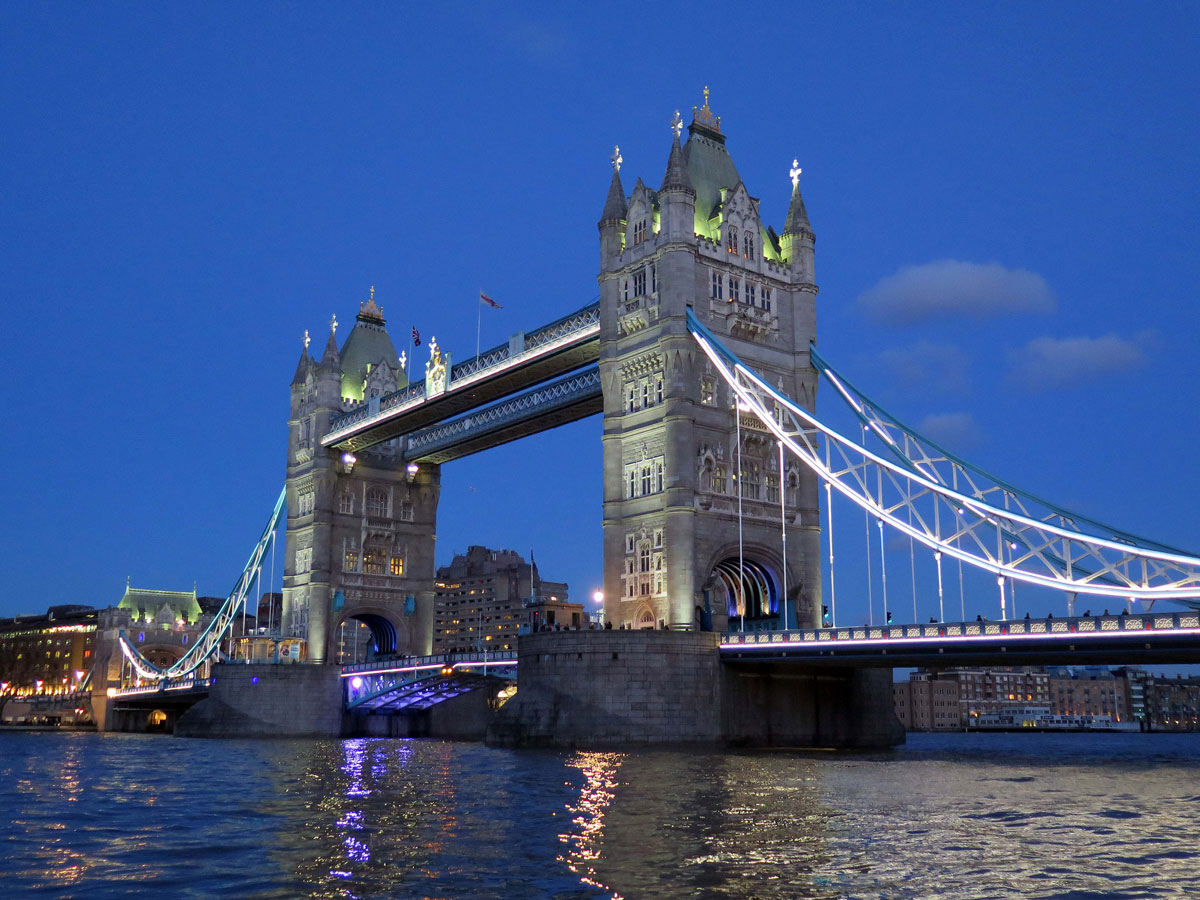
Tower Bridge

Tower Bridge

Some bridges have a great design and some are just practical, but what captures my imagination about Tower Bridge is its ability to achieve both.

40,000 people a day still use the bridge in one way or another, but ships passing underneath still have priority, and that’s around a thousand times a year: Even President Bill Clinton’s cavalcade on a state visit got split up when they didn’t time it right.

The need for another crossing downstream of London Bridge came about with the growth of London Docks.

The Industrial Revolution and the ever-expanding British Empire helped the burgeoning London Docks become the busiest in the world, and apart from providing access across the river downstream from London Bridge for the first time, the new Tower Bridge was going to have to allow shipping access in and out of the Pool of London.

Continue reading

Originally posted 2018-10-19 16:33:18.

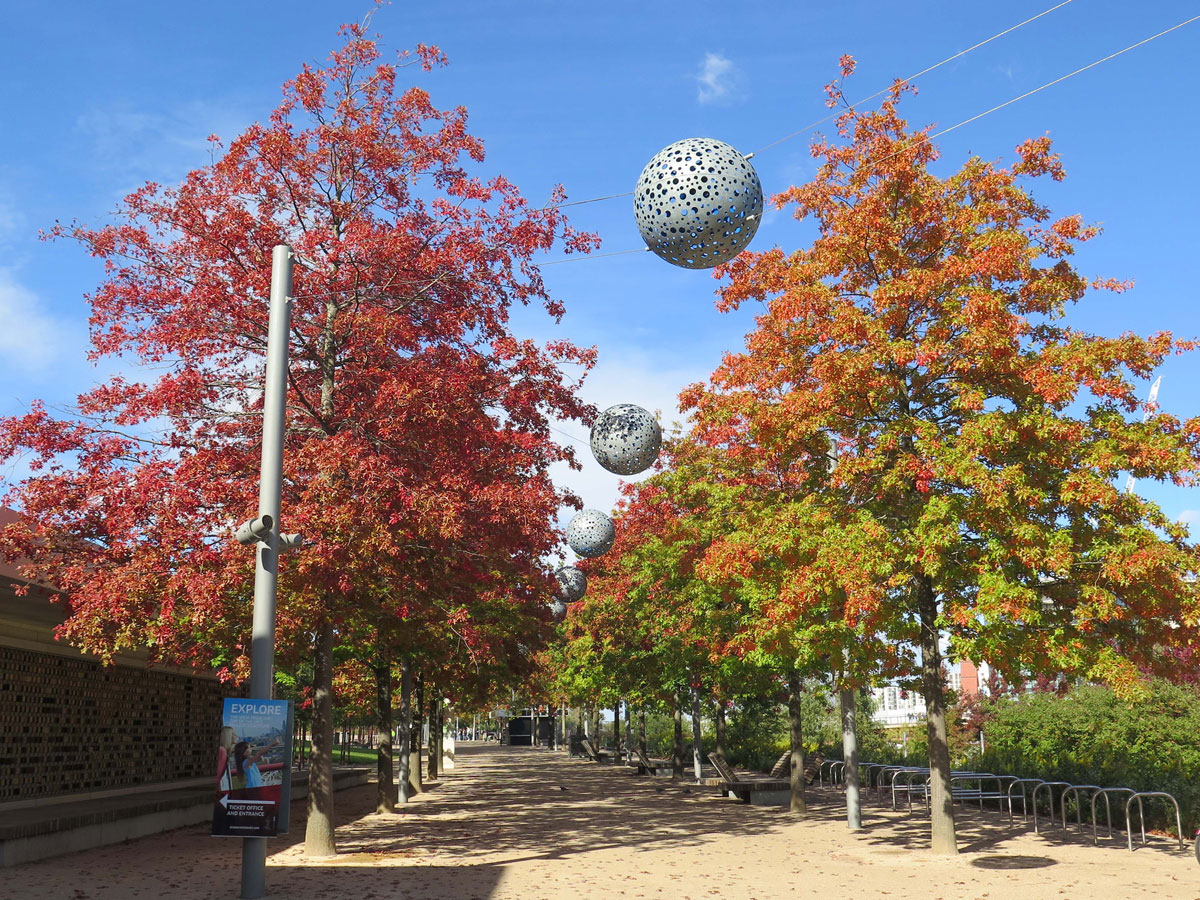
The Queen Elizabeth Olympic Park

The Queen Elizabeth Olympic Park

I can still remember seeing the joy on Ken Livingstone’s face when London won the selection to host the 2012 Olympic Games, so why wasn’t I jumping up and down for joy with him?

Call me an old cynic if you like, but the legacy of the 2004 Athens Games is a stark reminder of how emotions can change from joy to despair in such a relatively short space of time. The debt that Greece accrued for putting on the world’s greatest sports event was a heavy enough price to pay without the knowledge that the sporting venues quickly fell into disrepair as well.

I’m pretty sure that Ken wasn’t thinking about the sporting side of things when, as Mayor of London at the time, he put the bid in: in fact, I don’t think he even expected to win it. The reason behind his thinking was that the event would focus minds on giving a much-needed boost to rejuvenating a part of East London that was in desperate need of some extra cash, so I think his wide smile was for a different reason to those involved in sport.

I’m also pretty sure that the powers that be were only too aware of what happened in Athens and would have been determined that London’s legacy would be different.

With all this in mind a 500-acre site at Stratford was given the go-ahead as the home of the Olympic Park, the main venue for both the Summer Olympics and the Paralympics.

Continue reading

Originally posted 2018-10-07 09:42:39.

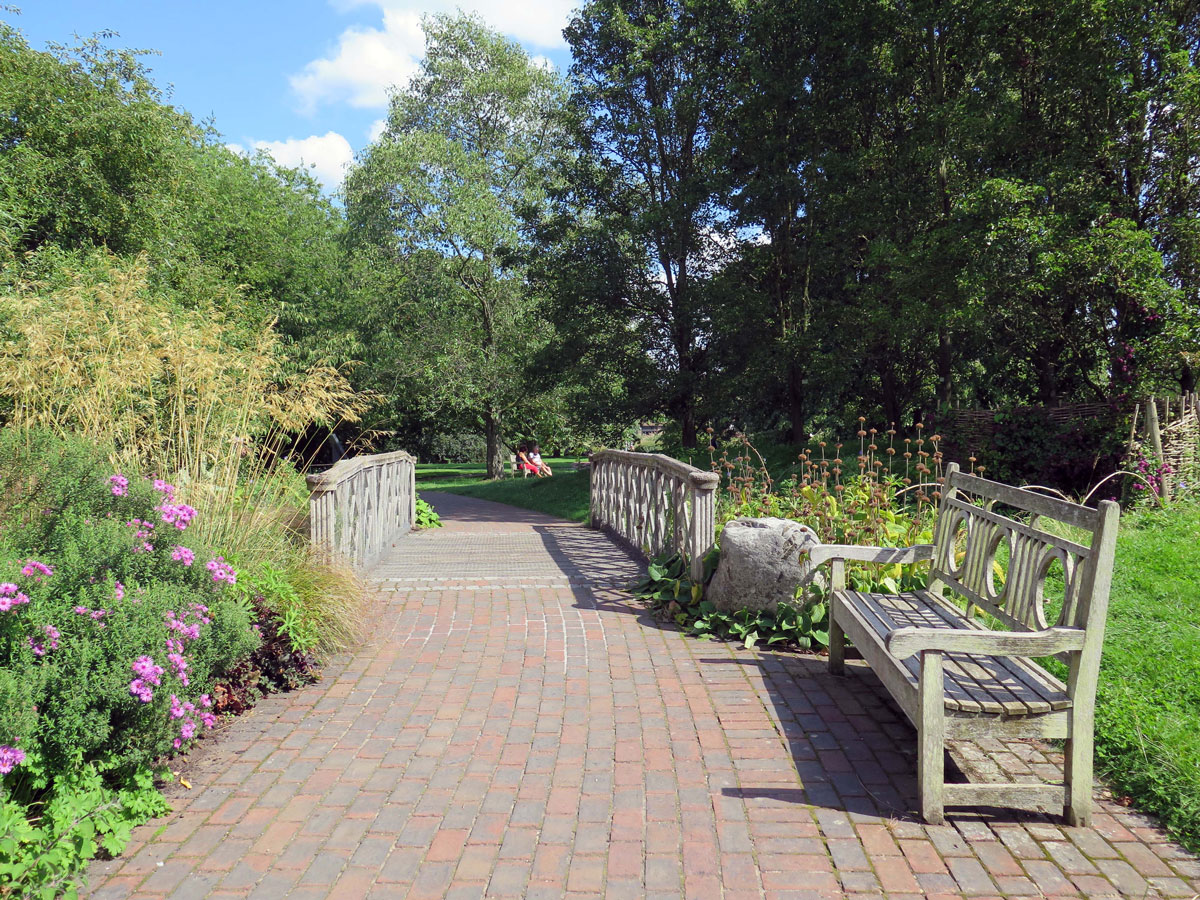
Kew Gardens – An Introduction

Kew Gardens - An Introduction

Just as it’s impossible to see the whole of Kew Gardens in one visit, the same thing applies to writing about it, and so I’ve decided to begin with an overview of how the gardens evolved and the main areas of interest.

To give you an indication of the magnitude of the place, it boasts that it has the “largest and most diverse botanical and mycological (fungi) collections in the world” with more than 30,000 different kinds of plants, an Herbarium with over 7 million specimens, a library with 750,000 books, and more than 175,000 prints and drawings. To that you can add five Grade I listed buildings, and (including its sister botanical garden at Wakehurst in West Sussex) currently employs around 800 staff. It even has its own police force. No wonder it’s on UNESCO’s list of World Heritage Sites.

Continue reading

Originally posted 2018-11-20 13:43:48.

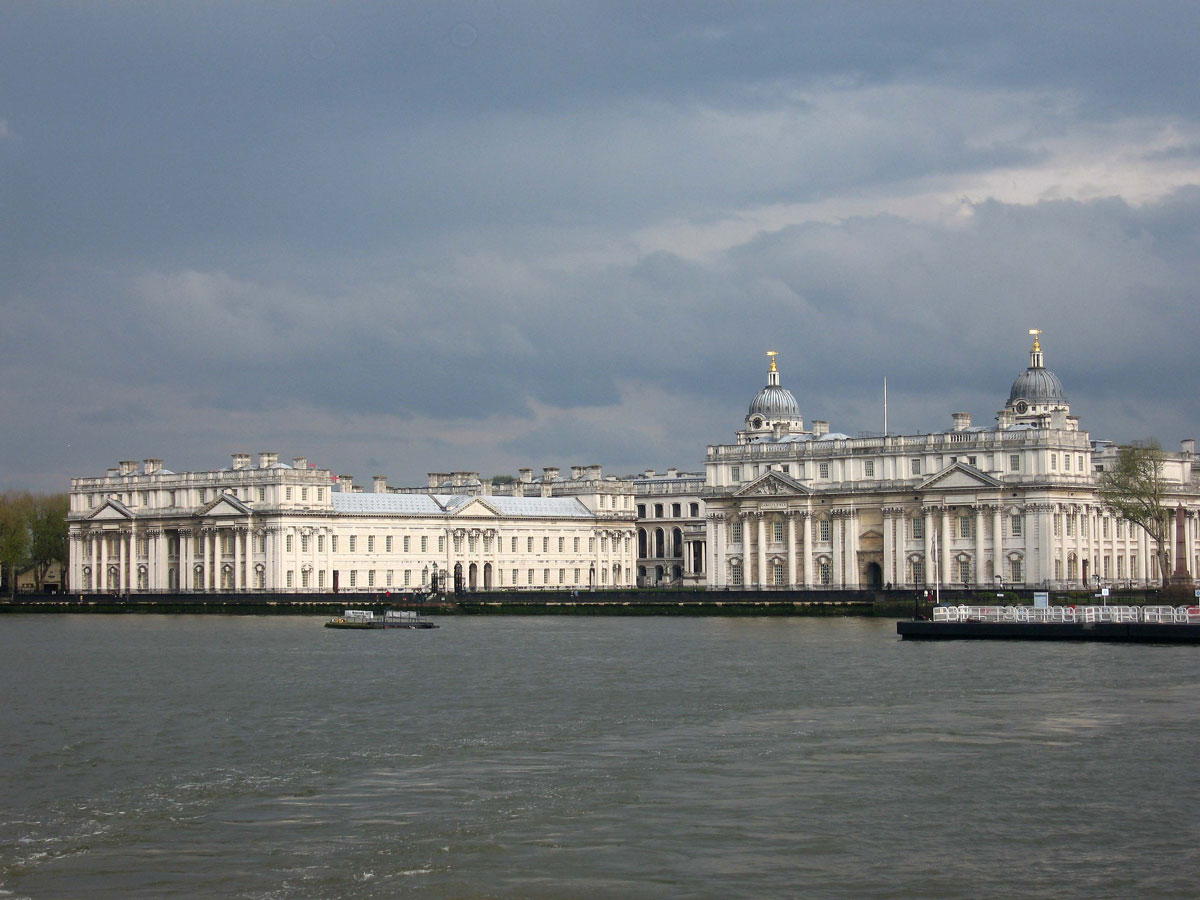
A Hospital Fit For Heroes

A Hospital Fit For Heroes

Taking a Boat trip down to Greenwich has to be one of the best days out in London, but unless you know exactly what you want to do when you get there, it’s worth dropping into the excellent Discover Greenwich Visitor Centre first before dashing off like a headless chicken.

If you’re anything like me, a day in Greenwich will be nowhere near enough, but for the purposes of expediency, I’m going to start my virtual tour of the town at the Old Royal Naval College, which the visitor centre is part of.

Greenwich has an exceptional maritime history, and next to the visitor centre is the Old Brewery, which used to supply sailors of the Royal Hospital for Seamen with their daily allowance of 4 pints of beer, but which now serves people like you and me, and although I suggested coming to the visitor centre first, I’m also suggesting that you leave the Old Brewery bar to last – otherwise you might not end up going anywhere.

Continue reading

Originally posted 2019-06-19 21:10:41.