Author Archives: Easymalc

Kaunas – Lithuania’s Second City

Kaunas - Lithuania's Second City

When the low-cost airlines took off (sorry), it gave me the opportunity to visit some places that I’d always wanted to visit – and also some that I hadn’t; places such as Kaunas.

Kaunas was to be my first destination to the Baltic States, simply because it was the only place in that part of the world that I could fly to from my regional airport at the time. So, in the summer of 2012 I took off from Bristol not really knowing what to expect, so before I completely lose my marbles, here is an account of what I remember.

Kaunas is the second largest city in Lithuania with an urban population around the 400,000 mark, so it’s not surprising that we landed in the country’s second largest airport.

What did surprise me though was that it was so warm it was like arriving in Spain – and it was 10 o’clock at night.

I usually try to use public transport where possible, but on this occasion, I just jumped in a cab which took me directly to the hotel, which although it was called the Ibis Kaunas Centre, wasn’t quite in the city centre but convenient all the same.

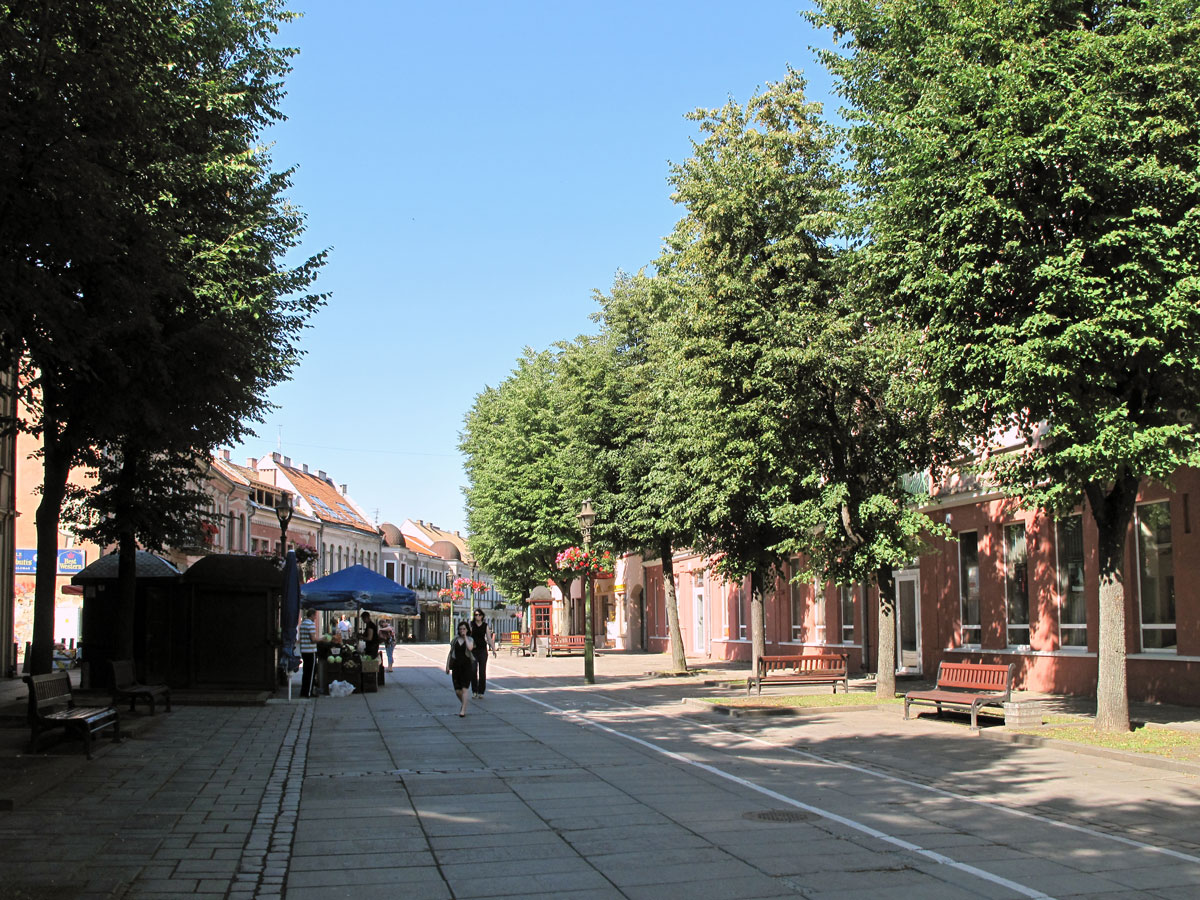
The following morning, I was pleased to see the sun shining, and so after breakfast I didn’t waste any time in making my way past the Orthodox Church of the Annunciation to Laisves aleja.

Continue reading

Originally posted 2019-09-08 17:02:22.

A Brief Encounter with Lithuania’s Capital City

A Brief Encounter with Vilnius, Lithuania's Capital City

With around 600,000 people, Vilnius demands more than a day of anybody’s time, but I’m afraid that’s all I had.

The train journey from Kaunas can take anything between an hour and an hour and three quarters, and with that in mind I took an early fast train to Lithuania’s capital city.

The journey passed through some pretty flat countryside and quite different to where I come from: There were lots of trees and wooden farmhouses, one of which had a stork’s nest on its rooftop, an unusual sight for anyone from the UK to see.

Apparently, Lithuania has the biggest population of White Storks in the world, which is why it’s the country’s ‘National Bird’: They seem to be revered so much that March 25th is Stork Day when all sorts of rituals take place. Anyway, I digress.

I arrived at Vilnius railway station around 09.30 and made my way towards Ausros Gate, or better known in English as the Gates of Dawn.

The Gate gives entry into the Old Town, which is where most visitors to Vilnius head for, and which was bound to keep me occupied all day. The good thing is, that just a few streets lead straight through the Old Town down to where the Vilnia River meets the Neris near Cathedral Square and the Castle, where according to legend, the city was founded in 1323 by Gediminas, the Grand Duke of Lithuania.

Continue reading

Originally posted 2019-09-16 16:34:26.

Gdansk – Where WWII Started

Gdansk - Where WWII Started

To suggest that there was one particular incident that brought about the deadliest conflict in human history is perhaps a bit too simplistic, but even so, Germany’s attack on Poland on 1st September 1939 is generally accepted as the beginning of WWII.

As is so often the case in any serious confrontation, there are usually a series of incidents that lead up to it, and WWII was no exception. It would be impossible to go into any great detail here about what led to the deaths of an estimated 70-85 million people, but with another anniversary approaching, I think it’s worth reminding ourselves about the events that took place at Gdansk 83 years ago.

Gdansk (see featured pic above) has a long and complex history thanks to its strategic location at a point where Poland’s longest river, the Vistula, enters the Baltic Sea. The medieval significance of this location is not immediately apparent on modern maps because the mouth of the river has changed since then. Originally a delta, one of the main access channels to the sea was through one of its western branches, now called the Martwa Wisla (Dead Vistula). The flood plain has now been tamed to make the land more productive, but Gdansk (with its sister port of Gdynia) is still by far the largest and most important port in Poland.

Continue reading

Originally posted 2022-08-28 15:32:32.

From Krakow to Auschwitz

From Krakow to Auschwitz

With so many places still left to add to Easymalc’s Wanderings, people may wonder why I’ve chosen somewhere to write about that will hardly lift the spirits, and I’ll be the first to admit that I’ve been asking myself the same question – and as yet, with no answer.

My trip to Krakow and Auschwitz took place in late September 2003, and it’s inevitable that this account will make for some uncomfortable reading at times, but it’s my intention to make this blog interesting and educational rather than depressing, but at the same time I have to warn readers that there won’t be much to laugh about either.

Now that I’ve lost the few readers that I do have, I need to explain that a subject like this demands a lot more information than I’m able to give here, and so it’s worth bearing in mind that there are bound to be gaps in the story, and I’m also sorry to say that the photographs are at a lower standard than I would have liked; there are gaps here as well, because there are some things that I won’t photograph out of respect.

Continue reading

Originally posted 2019-10-31 11:12:14.

Bratislava’s Street Statues

Bratislava's Street Statues

Wandering around Bratislava’s Old Town, you’re bound to bump into, or trip over, one of the city’s street statues.

I suppose everyone will have their favourite, but Cumil seems to be the most popular (see featured image above). ‘Cumil’ translates to ‘Watcher’, but what’s he watching? His head is sticking out of a manhole and some say that he’s looking up women’s skirts – who knows? He’s been run over a couple of times and so the authorities have put a ‘Man at work’ sign up. You can find Cumil at the junction of Laurinska and Panska.

Continue reading

Originally posted 2021-10-25 11:20:52.

Introducing Bratislava

Introducing Bratislava

With so many cities in Europe for tourists to choose from, it would be easy to overlook some of the lesser-known places – places like Bratislava; and in this post I would like to introduce you to a city, which in some ways, suffers from an identity crisis.

To begin with, Bratislava is the capital of Slovakia, a country which often gets confused with Slovenia, something which must annoy the people of both countries no end. It’s not only the capital, but also the country’s largest city, and to complicate things a bit more it lies on the River Danube close to the Hungarian and Austrian borders.

Continue reading

Originally posted 2021-09-24 15:50:31.

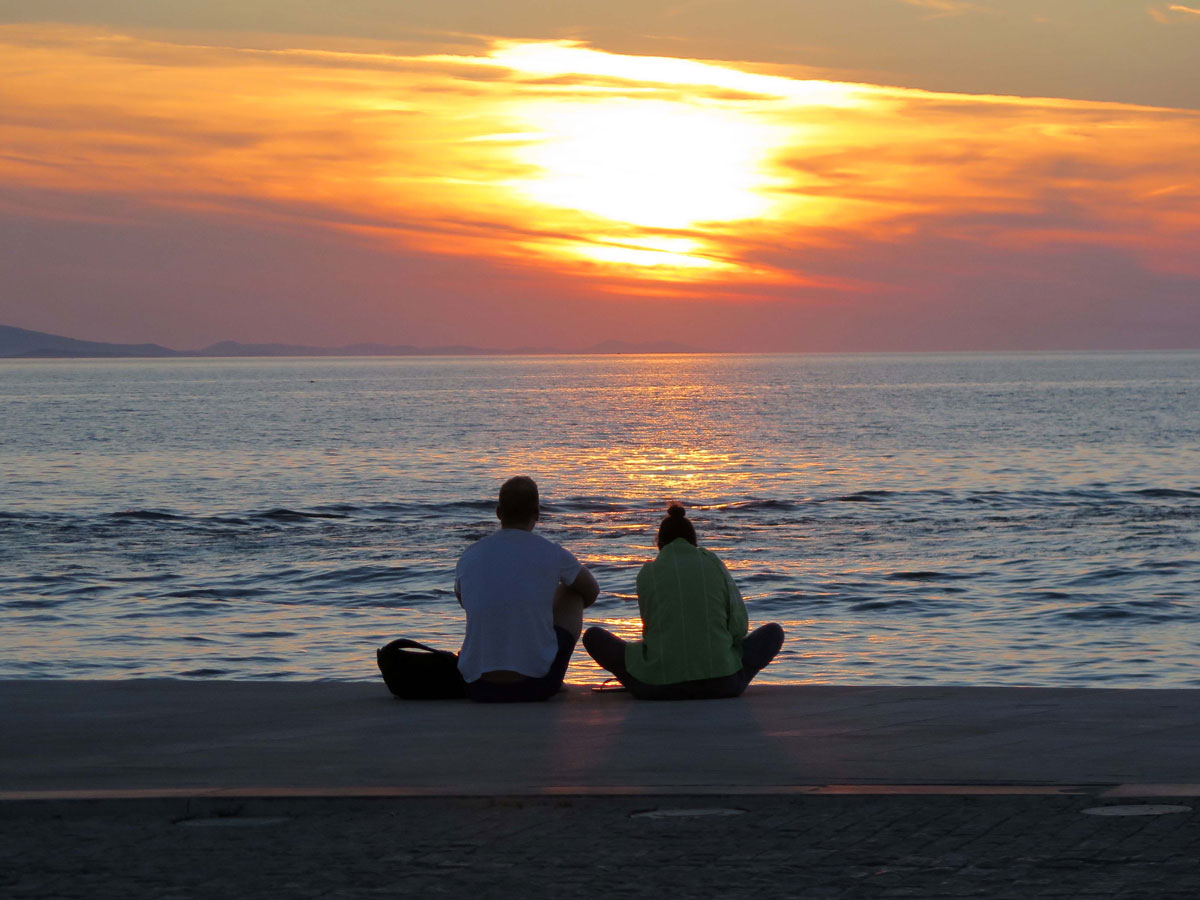
The Magical Sunsets of Zadar

The Magical Sunsets of Zadar

There are any number of reasons to recommend Zadar for a holiday, but to sit and watch the sun go down has to be one of the best reasons of all.

Alfred Hitchcock once described the sunsets here as “the most beautiful in the world”. That’s quite a statement to make, especially as there must be so many contenders for the title, but regardless of whether they are or not, they certainly take some beating.

This historical city sits on Croatia’s Dalmatian coast, and I’ll be describing it in more detail later, but for now, I’m just going to introduce you to the ‘Magical Sunsets of Zadar’.

Continue reading

Originally posted 2020-10-04 08:18:22.

Lake Como’s Centro Lago

Lake Como's Centro Lago

In this third and final part of a trilogy of posts on Lake Como, we visit Villa Carlotta, Bellagio and Varenna. I’m just going to write a few words about each location, with a picture gallery including captions after each one.


VILLA CARLOTTA

On the western shore of the Ramo di Como where it reaches the Centro Lago (Central Lake) lies Tremezzo, a village boasting many fine villas, but none more so than Villa Carlotta.

Built at the end of the 17th century for marquis Giorgio Clerici II, a member of a powerful Milanese family, it was bought in 1801 by Gian Battista Sommariva, a well-known Italian politician and major art collector. The villa became a major stopping place on the Grand Tour, and fortunately for the modern-day traveller many of the classical sculptures that he acquired are still here: Not so fortunate though is the fact that I can’t show you any of them because photography is not permitted inside the villa.

All is not lost though because not only does the villa have a splendid interior, it also has some magnificent gardens with views to match. The villa was named after Carlotta Nassau who was given it as a wedding present for her marriage to Giorgio II, a keen botanist who turned the grounds into a garden lover’s paradise.

The timing of our visit to Villa Carlotta was less than perfect for visiting the gardens as most of the summer colour had gone over, but even so, if visiting the villa was good enough for those doing the Grand Tour, it was most definitely good enough for me.

Continue reading

Originally posted 2021-08-21 16:01:54.

Sailing around the Ramo di Como

Sailing around the Ramo di Como

This post is a follow-up to my previous one on the city of Como, and follows the same format, consisting of a brief explanation followed by a picture gallery.

Before anyone thinks that I’ve got a yacht of my own moored up at a luxurious lakeside villa somewhere, I’m afraid I’m going to have to disappoint you: I might gain a few extra followers if I lied, but the truth is I would need pockets as deep as the lake itself to be able to afford to live like that – and I haven’t. If you’ve also got the same type of pockets as me, you might be pleased to learn that the public motorships that ply the lake are a great way of taking everything in without it costing a fortune.

Lake Como is actually shaped like an inverted ‘Y’ and composed of three branches – Colico, Lecco and Como – which meet in the Centro Lago at the picturesque town of Bellagio. The River Adda feeds the lake and enters it near Colico in the north, and finally flows out of it at Lecco in the south-east, but it’s not the only source of water as there are around 36 other tributaries.

This 600 ft deep lake was originally a glacier and is surrounded by a magnificent landscape, which includes the Grigne mountain range whose highest peak is the Legnone at 2609 metres (8559 ft). With all this fabulous scenery around it’s not surprising that many famous people have owned villas here – and who can blame them?

The Ramo di Como is the Como branch of Lake Como, and hopefully the picture gallery will give you an idea of what you can expect to see from one of the boats operated by Navigazione Laghi. They criss-cross the lake, and so they can be used as a hop on-hop off service, but we stayed on board until we reached the Centro Lago (Central Lake).

To try and make sense of it all, I’ve put together a selection of pictures in the gallery which follows the western shore going north from Como to the Centro Lago, and the eastern shore going south for the return journey.

You would need a lot more time than we had available to cover the whole lake and its villages and towns, but in the next and final part of this trilogy of picture galleries I’ll be describing some of the places we saw around the Centro Lago, so I hope this post will whet your appetite enough to come back one more time.

Continue reading

Originally posted 2021-07-25 10:46:55.

A Picture Gallery of Como

A Picture Gallery of Como

Just to prove that I’m not bitter about Italy beating England in the Euro 2020 final on Sunday, I thought it was about time I posted something about one of my favourite European countries.

Back in 2012 we spent a few days in Como, a city of around 84,000 people located 25 miles or so north of Milan. It lies at the southern tip of Lake Como’s south-western arm, and until the Chinese came back on the scene, the city and its surroundings had a thriving silk industry, but I wasn’t here to buy silk, I was here because we were using it as a base to explore the wonderful Lake Como.

The hills that rise above the western side of the lake are on the border with Switzerland, and were inhabited by the Celts long before the Romans arrived: In 59BC Julius Caesar drained the swampy ground on the shores of the lake and created the town of Novum Comum. The grid pattern that he used still forms the basic layout of the Old Town of Como today.

As interesting as the history of Como is, in this post I’ve decided to just create a gallery of images that I took while we were here, and the walled Old Town is where the gallery begins.

The Cathedral, which began construction in 1396, is probably the town’s most visited site, and a good place to start. The grid pattern made it easy to find our way around, and I particularly liked the area around the Romanesque church of San Fedele.

The lake of course will always drag you away from the Old Town at some point, and although the Passeggiata Amici di Como was having a makeover when we were here it didn’t stop us wandering around to the fountain at Villa Geno. The other side of the lake was my favourite though, where the Volta Gardens not only has some great views, but includes features such as the Volta Temple, a museum dedicated to the famous physicist and inventor, Alessandro Volta.

From the gardens you can also look across the lake and see the funicular that climbs steeply uphill to Brunate. At the top is a panoramic view of Como and its surroundings, but the view is spoiled somewhat by an isolated conifer tree. Normally, I don’t like to see trees cut down, but I would happily make an exception for this one, which is right next to the panorama viewing platform.

Anyway, I’ll shut up now and let the pictures do the talking. I hope you enjoy looking at them, as much as I enjoyed taking them.

Continue reading

Originally posted 2021-07-13 12:14:18.
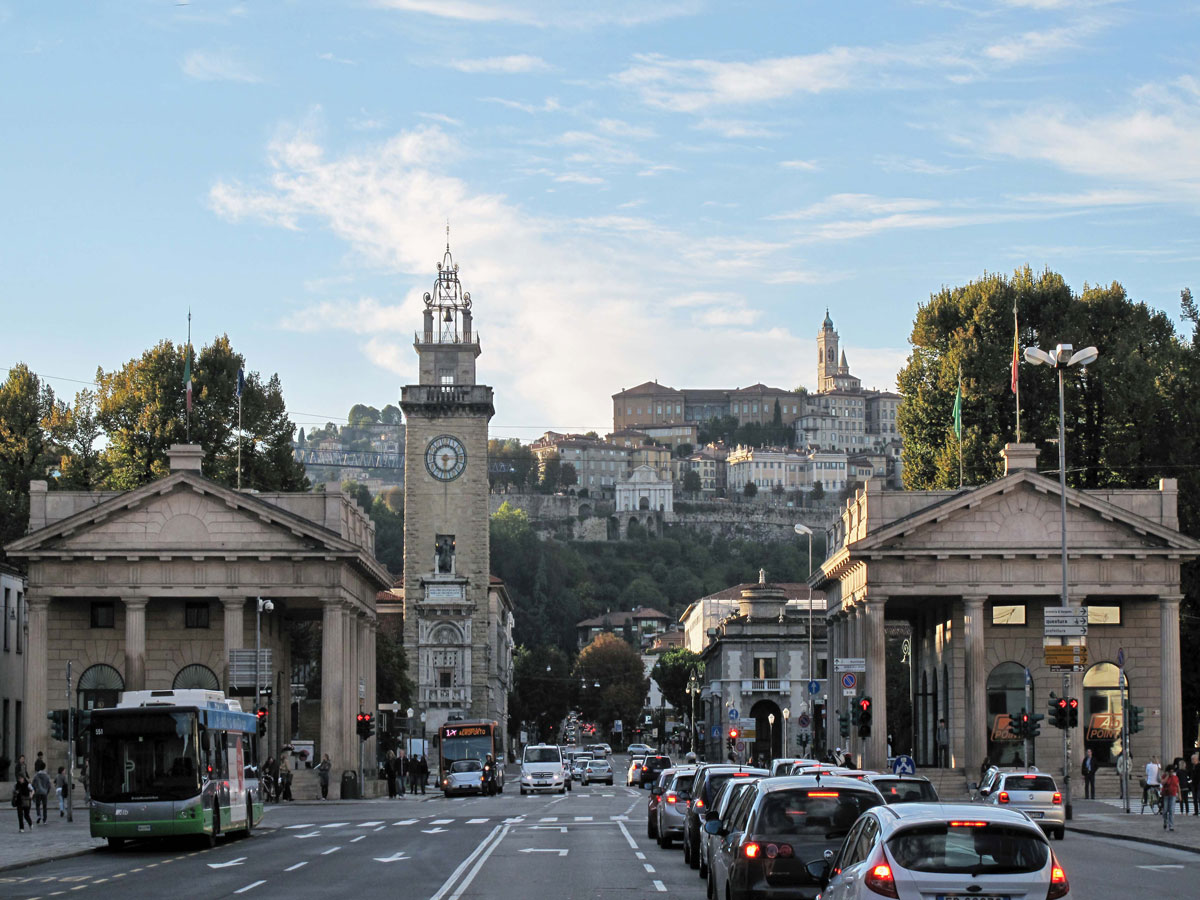
A Snapshot of Bergamo

A Snapshot of Bergamo

A while ago I said that I wanted to try and get to grips with my photo library and include some posts with more pictures than words, but since then I seem to have done the complete opposite. With that in mind, I’ve decided to do something about it, and Bergamo seems as good a place as any to start with, mainly because I don’t know the town well enough to write very much about it.

For those who don’t know it at all, Bergamo is a city of around 120,000 people in the Lombardy region of Italy, about 25 miles (40km) north-east of Milan. There are two parts to it – the old walled Citta Alta (Upper City) and the Citta Bassa (Lower City), and during our short stay here, for practical reasons, we opted to stay in the Citta Bassa, but at least our hotel was close to a bus stop that would whisk us directly up to the Citta Alta, but whoever decided to put the bus stop under some conker trees should be made to stand and wait for the 1A to see what it feels like to be bombarded by conkers for 20 minutes. It’s the only bus stop I know where you need a crash helmet just to take a bus ride.

Continue reading

Originally posted 2023-04-11 14:42:21.

Sintra’s Pena Palace

Sintra's Pena Palace

Sintra is around a 45 minute train journey north of Lisbon and is a popular destination for many tourists – too many it would seem these days, but when we came here back in March 2008 it wasn’t quite like that. In actual fact, we weren’t staying in Portugal’s capital, but in Cascais, a town along the coast also around a 45 minute train ride from Lisbon. Consequently, it didn’t make any sense to go into the city and travel to Sintra from there, so we opted for a white knuckle bus ride from Cascais instead.

Being on UNESCO’s list of World Heritage Sites, Sintra has a good number of interesting cultural attractions to occupy your time, but as there were only a handful of buses that ran between the two towns each day, we needed to be conscious of the time factor, especially as the last bus left at 4.30 in the afternoon. Under the circumstances, it was fairly obvious that we should concentrate on the most obvious landmark – the Pena Palace, one of the Seven Wonders of Portugal.

After just managing to survive the journey without having to look for a sick bag, we were dropped off at Sintra railway station where the #434 bus begins a circular tour of the town via the Pena Palace. It’s a really useful way of getting around and far more useful than the woman in the bus station office. In actual fact, we didn’t get off to a very good start at all because no sooner had the bus left it turned around and went back to the railway station. Just as we thought, the bus was playing up, but the driver eventually carried on anyway – or at least as far as a hairpin bend on the hill climbing up towards the palace. To cut a long story short, we were told to get off and walk the rest of the way. Some did – but we didn’t, which was just as well because another bus turned up not long afterwards and we squeezed on there.

Continue reading

Originally posted 2024-07-31 12:58:45.

A Day in Segovia

A Day in Segovia

Any visitor to Madrid will know that there are more than enough things to occupy your time without putting one foot outside of the city. Even so, I decided to escape the capital for a day and take the train to Segovia, a city of just over 50,000 people and about a hundred kilometres (62 miles) north of Madrid.

There are two ways to travel by rail between the two. The first (and most popular) is by high-speed train from Madrid Chamartin to Segovia Guiomar, and the other is by regional train from Madrid Atocha to Segovia Estacion. I opted for the slower regional train, not because it was cheaper, but because the stations at both ends of the journey were more convenient, and although the journey took more than two hours (as opposed to just half an hour), I was able to enjoy taking in views of the Castilian countryside as well.

Continue reading

Originally posted 2022-07-02 14:31:53.

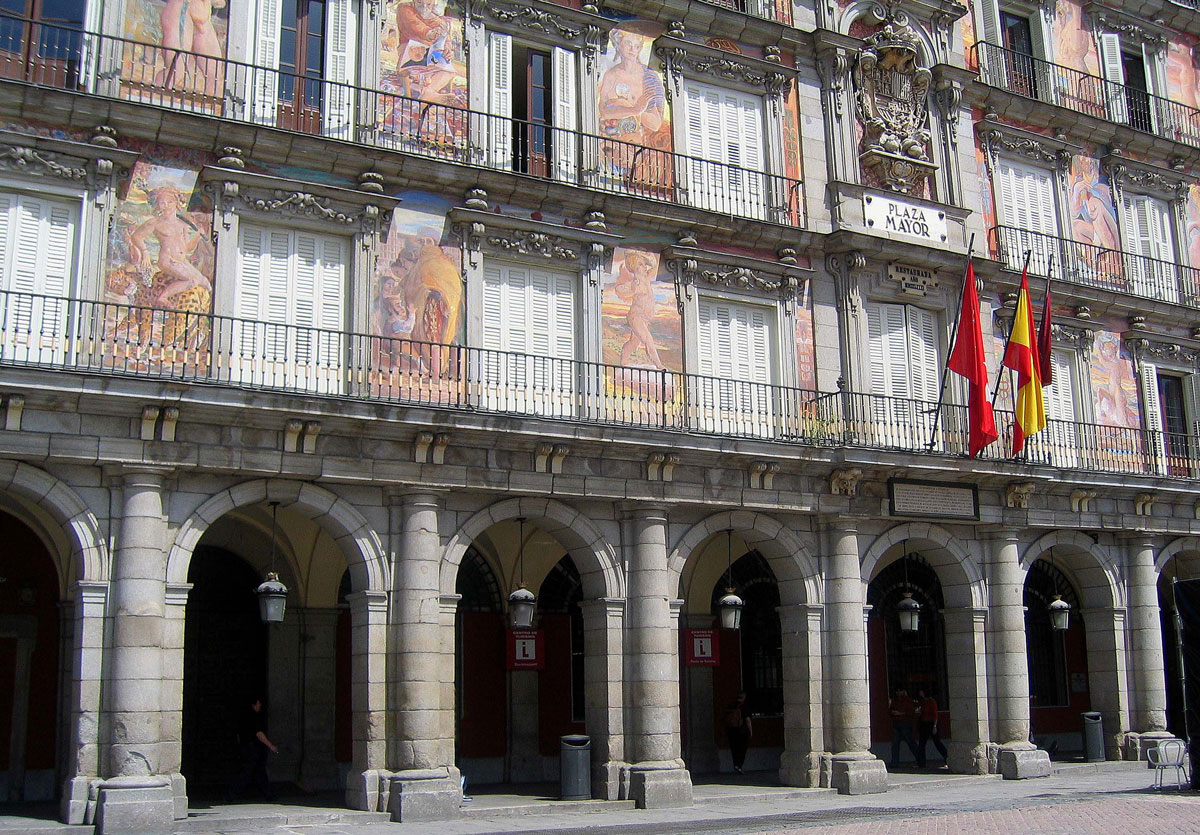
Madrid in Pictures

Madrid in Pictures

Today’s gallery is focused on Spain’s capital city and the European Union’s second largest metropolis. I visited Madrid in 2007, and although I knew it wouldn’t be my favourite Spanish city, it was better than I expected. Consequently, with so many photographs still to sort, and so many other places I want to write about, I thought my time would be best spent producing a gallery of some of the places that I saw in Madrid, rather than write an in-depth series of posts – but that could still happen later if I ever get the chance

Continue reading

Originally posted 2024-01-25 16:01:29.

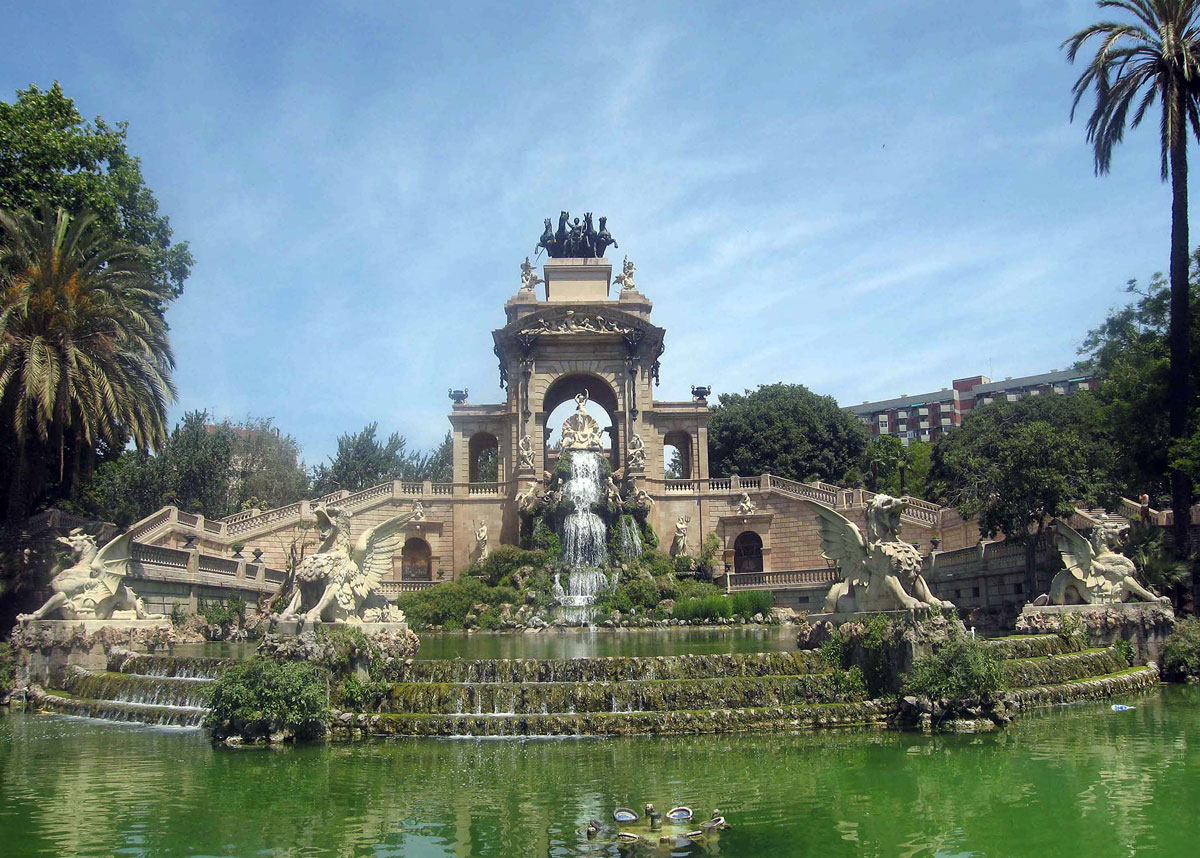
Citadel Park and the Quest for Catalonian Independence

Citadel Park and the Quest for Catalonian Independence

As much as I like visiting cities for their history, architecture and art, I also like to find a quiet corner for some peace and quiet, and after visiting the Barri Gòtic I decided to head for the Parc de la Ciutadella which, as it turned out, included all three of the above as well.

After leaving the Basilica de Santa Maria del Mar, I negotiated my way through some of the old back streets towards the Passeig de Lluis Companys. This pedestrian boulevard is named after the former prominent Republican politician and Catalan President, who, after finding himself on the losing side in the Spanish Civil War, was executed at Barcelona’s Montjuic Castle in 1940.

This popular avenue of palm trees where locals enjoy a paseo is embellished by some impressive decorative lampposts designed by Pedro Falquès – and at the far end is Barcelona’s very own Arc de Triomf.

Continue reading

Originally posted 2025-08-05 05:59:21.

Barcelona – The Gothic Quarter

Barcelona - The Gothic Quarter

If I had any hope of achieving all what I wanted to do today I needed to be up nice and early – so I woke up 1½ hours late. Not a great start, but at least it was a nice sunny Sunday morning to wake up to when my eyes did finally open.

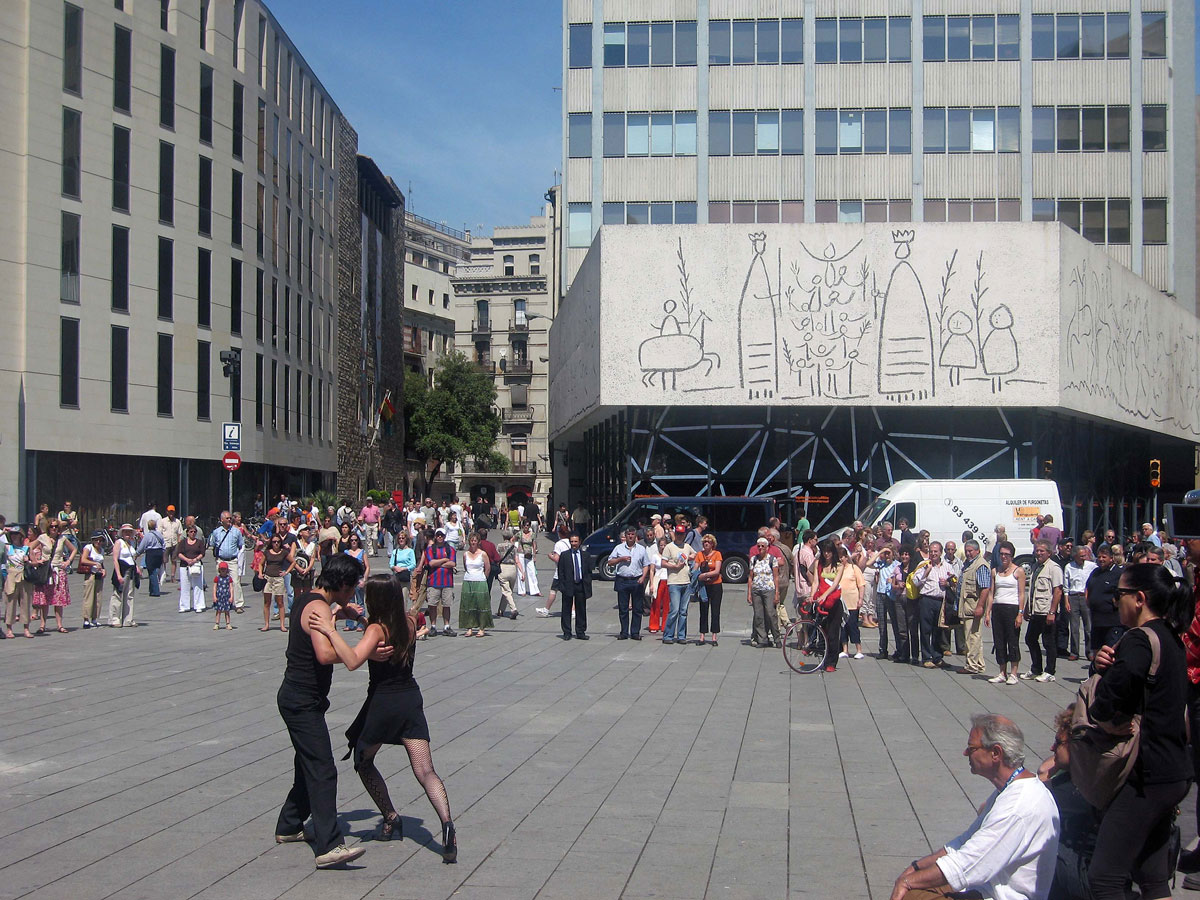
After a quick breakfast I wandered down the Rambla to the Bethlehem Church before crossing the road and into the Gothic Quarter, or Barri Gòtic as it’s called here. Unlike yesterday, it was lovely and peaceful as I ventured deeper into the barrio where I stumbled across some remnants of the old Roman City wall in the Carrer de la Palla.

Continue reading

Originally posted 2025-05-26 16:38:18.

Barcelona – Las Ramblas

Barcelona - Las Ramblas

Before I get going, I think it’s worth mentioning the fact that, unlike Manuel in Fawlty Towers, I’m not from Barcelona, and therefore this series of posts about the city is based purely on my experience over a long weekend back in the spring of 2006. Consequently, I won’t be going into too much detail about its history etc (which can easily be found elsewhere), but instead I’ll just talk about some of the places I visited and what I encountered.

Quiero Saber – The Gipsy Kings

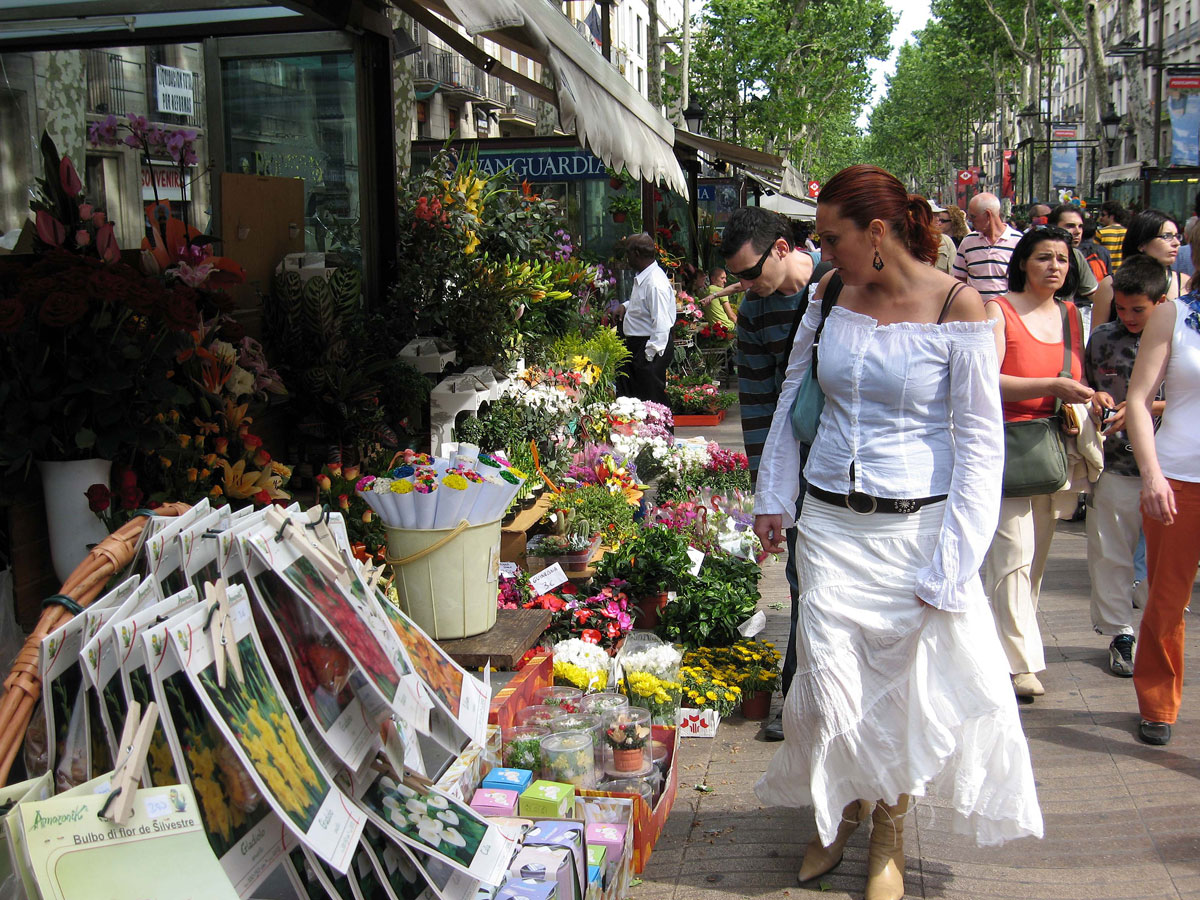
Ask anyone to name the most famous street in Barcelona and you can bet the majority would say The Rambla, but in actual fact the street has several parts to it which is why I’m calling it, like many others do, Las Ramblas. That’s the Spanish way of spelling it, but as we’re in Catalonia, we should really be referring to it as Les Rambles, but whatever you want to call it, this was my base for 3 nights, and is why I’m beginning right here.

Until the beginning of the 18th century Las Ramblas was just a path that followed the course of an old stream just outside the city walls, but today it consists of 5 different Ramblas that make up a largely pedestrianized tree-lined avenue that runs for about ¾ mile between the Plaça de Catalunya in the north to the Christopher Columbus Monument and port in the south.

Continue reading

Originally posted 2025-05-10 15:45:38.

Christmastime in Vienna

Christmastime in Vienna

Is there a better build-up to Christmas than visiting a European Christmas Market? If so, I’d like to know what it is. Maybe it’s all that Glühwein and Orange Punch that I can’t pass by that helps, but even as a devout atheist I can’t help but respect the Austrians for adhering to the meaning of Christmas more than I do.

I absolutely love Austria at Christmastime, especially in places like the Tyrol, but if you like to add some culture to your bratwurst and beer, then Vienna is hard to beat.

When we were here the week before Christmas in 2016, it even snowed to give it the magical icing on the Christmas cake.

There’s no point in waffling on about what market is where, I’ll just let the pictures do the talking. As for the culture, I’ll be dealing with all that later – hopefully.

Continue reading

Originally posted 2019-11-27 15:12:00.

Vienna – The Last Waltz

Vienna - The Last Waltz

If you’ve been following my posts about Vienna, I hope I’ve given you enough reasons to come and explore this wonderful city, but before we leave, I want to take you to some places that you might not have considered visiting.

Sightseeing can be a tiring business, and every so often we need some respite from traipsing around city streets looking for the next must-see landmark, but in Vienna you can you can have the best of both worlds because the café culture here is part of the experience. Just have a coffee and soak up the ambience if you like, but it goes down much better with some cake, and I’m not talking about a Mr Kipling’s Viennese whirl now. My favourite is the Sachertorte which traditionally consists of three layers of chocolate sponge with apricot jam mixed in between them and topped with a chocolate glaze – Oh, and don’t forget the cream. By all means, try it at the Hotel Sacher if your pockets are deep enough, but a more intimate experience can be had in one of the famous cafés that can be found throughout the city centre – and they don’t come any more famous than Café Central.

Continue reading

Originally posted 2023-11-02 15:28:46.

Schonbrunn – The Habsburgs’ Summer Retreat

Schonbrunn - The Habsburgs' Summer Retreat

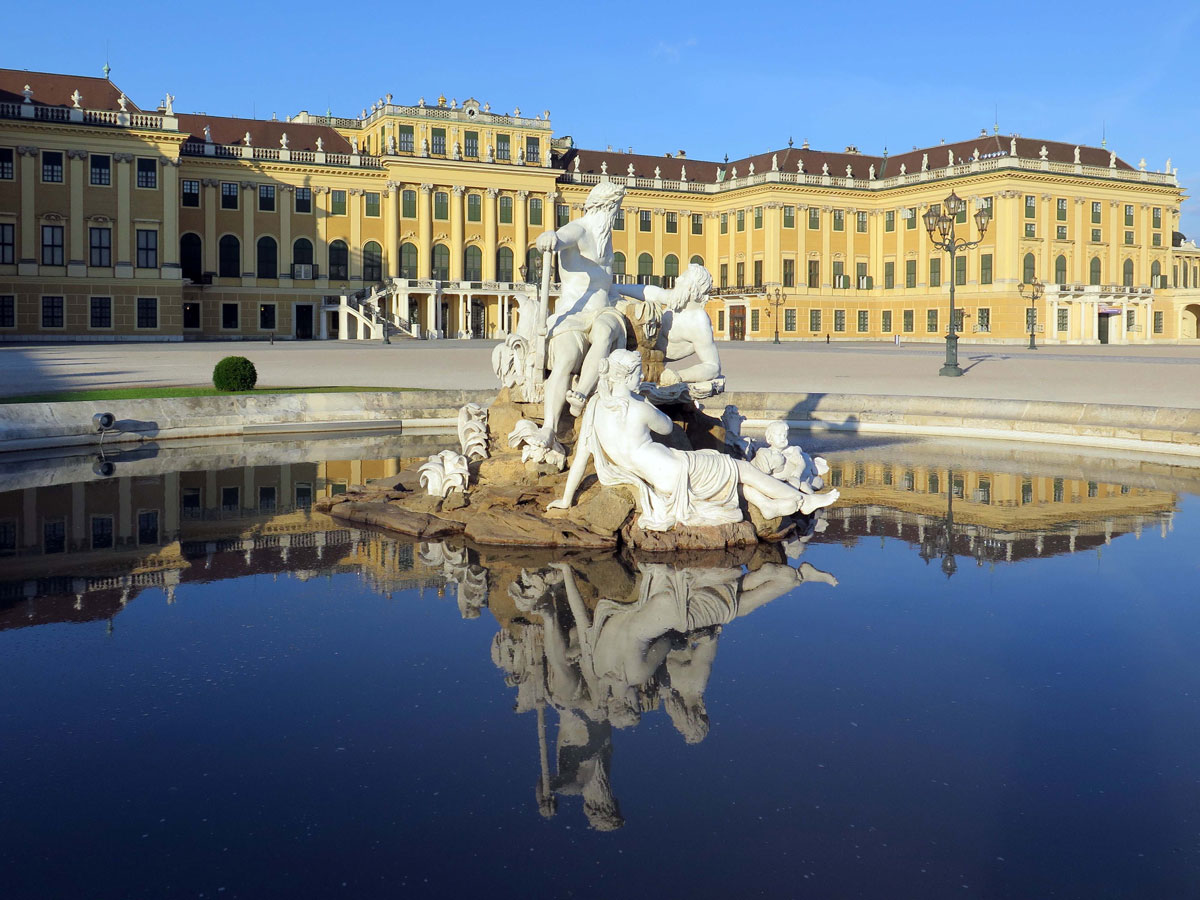
Each summer, the Habsburg royal family would leave the hotchpotch Hofburg behind and escape to their sumptuous palace on the edge of the Vienna Woods; and no trip to Vienna would be complete without visiting Schonbrunn, the city’s answer to Versailles.

Over a 350 year period, the estate was transformed from a relatively simple hunting ground to a magnificent palace with landscaped gardens that would require any self-respecting visitor at least a couple of days of their time to do it real justice. I’ve been here twice and still haven’t seen it all.

As regards this post, I’ve decided to split it into two sections: The first describes some of Schonbrunn’s history and how it evolved, and in the second part I’m going to take you on a tour around the gardens and estate. The main reason for doing it this way is because, not unexpectedly, photography isn’t allowed inside the palace, and so picture taking was restricted to the outdoors. That said, the Schonbrunn Group (who manage the estate on behalf of the Austrian Republic) have provided a few short videos of some of the rooms which I’m able to share with you.

Continue reading

Originally posted 2022-10-07 17:03:45.